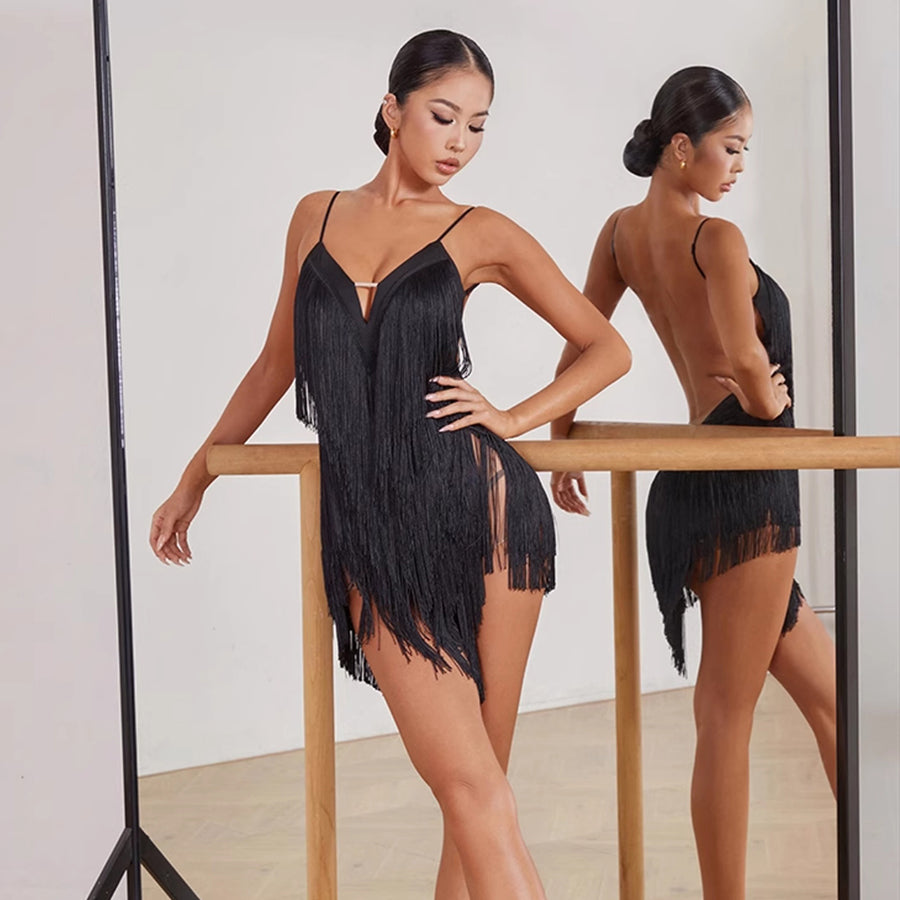
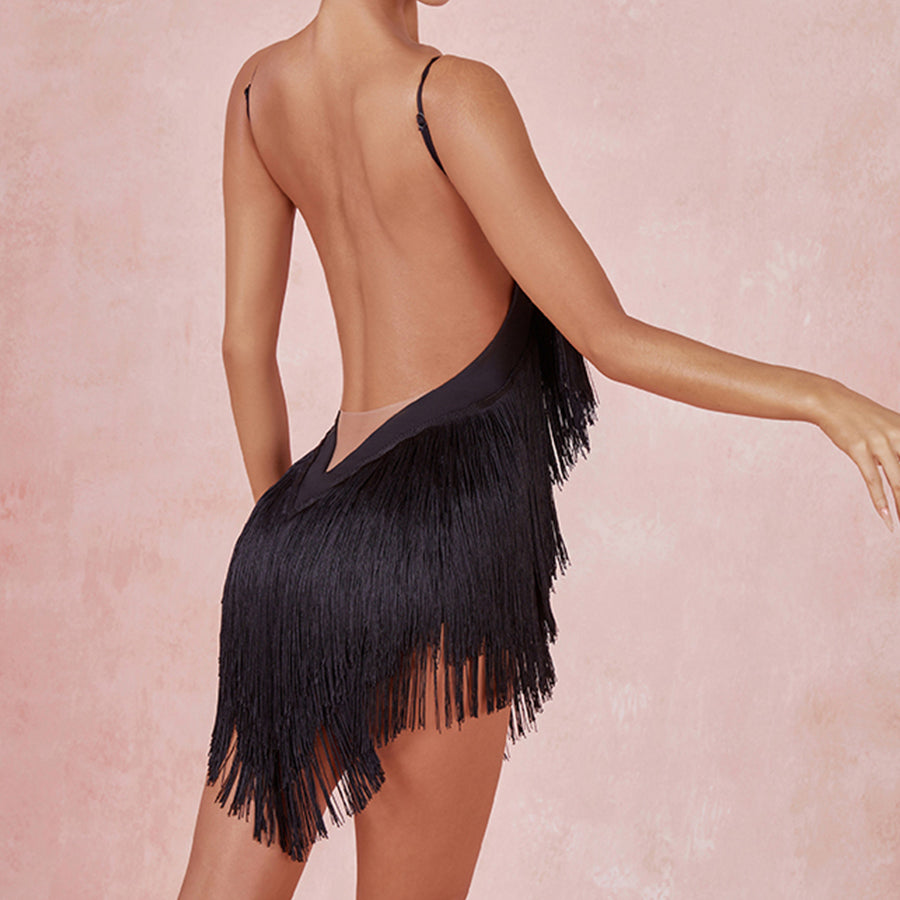
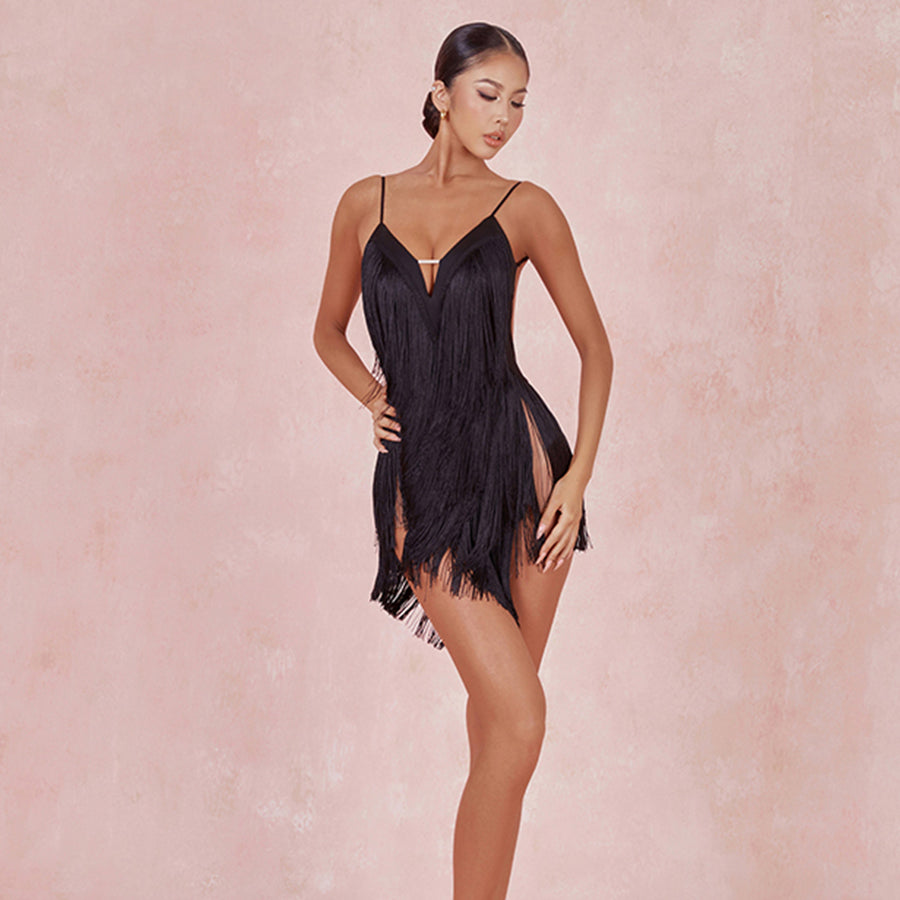
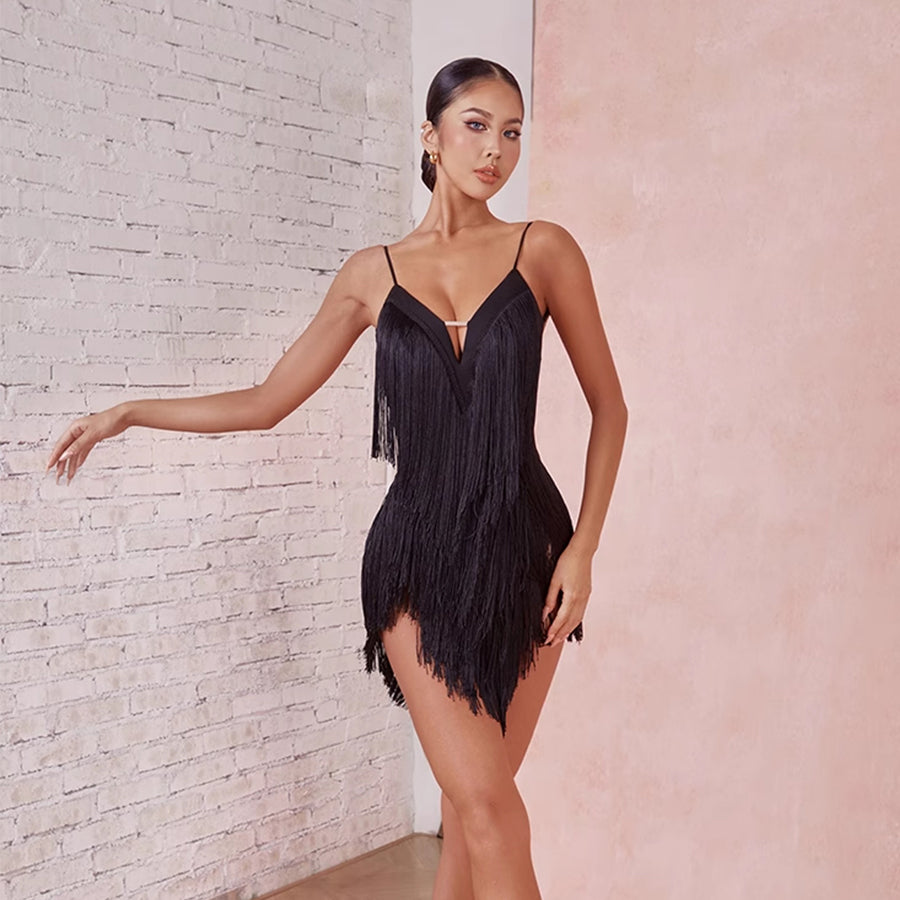
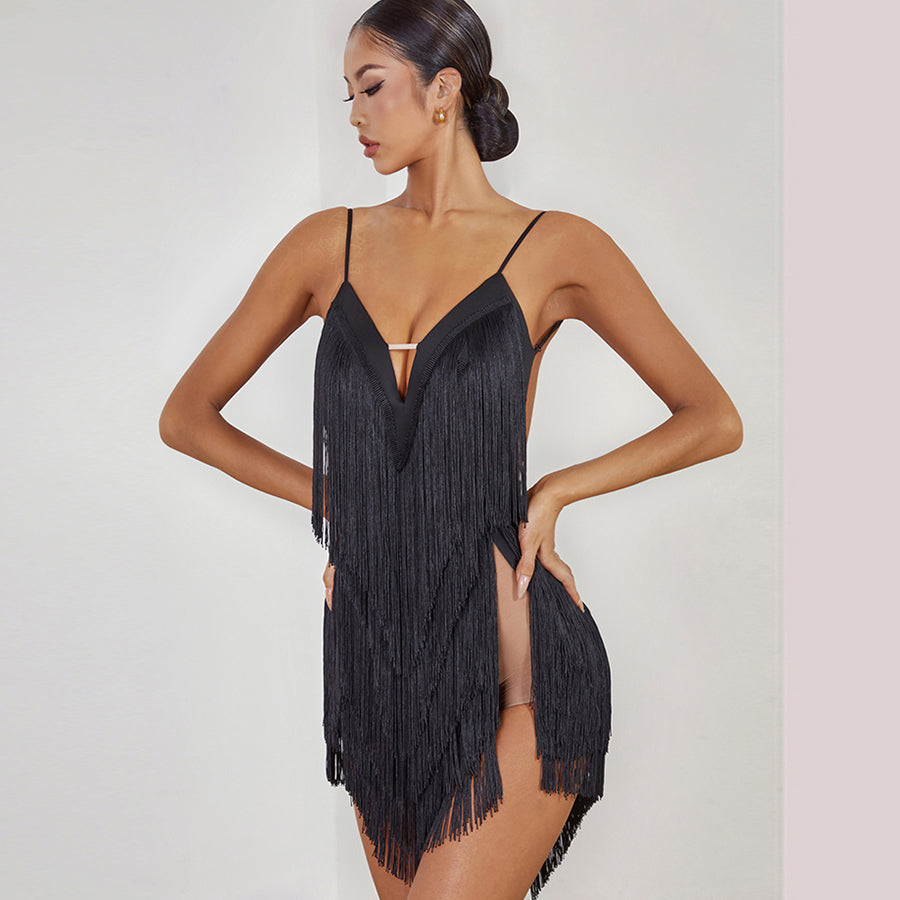
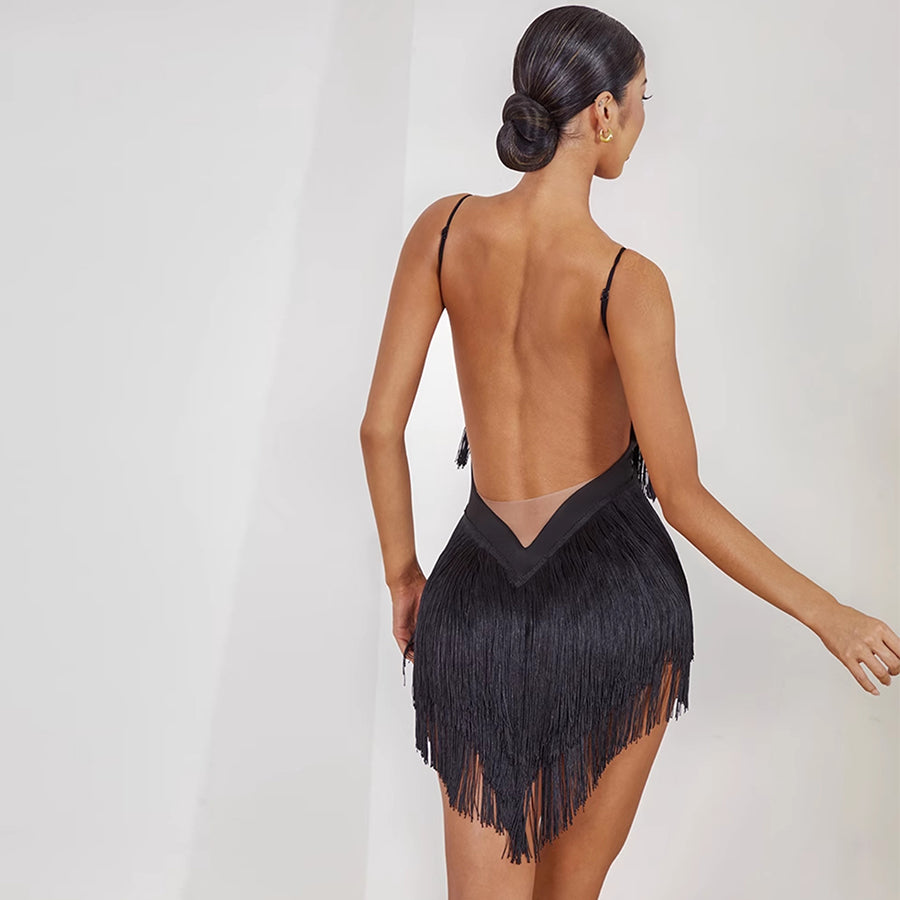
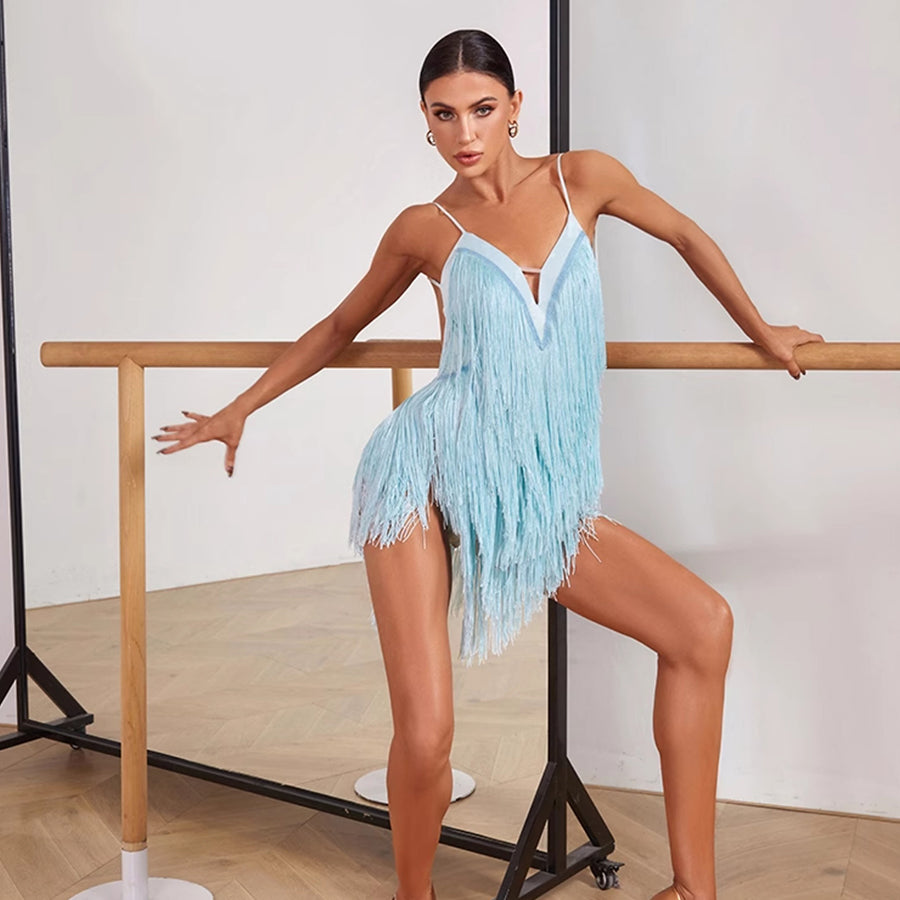
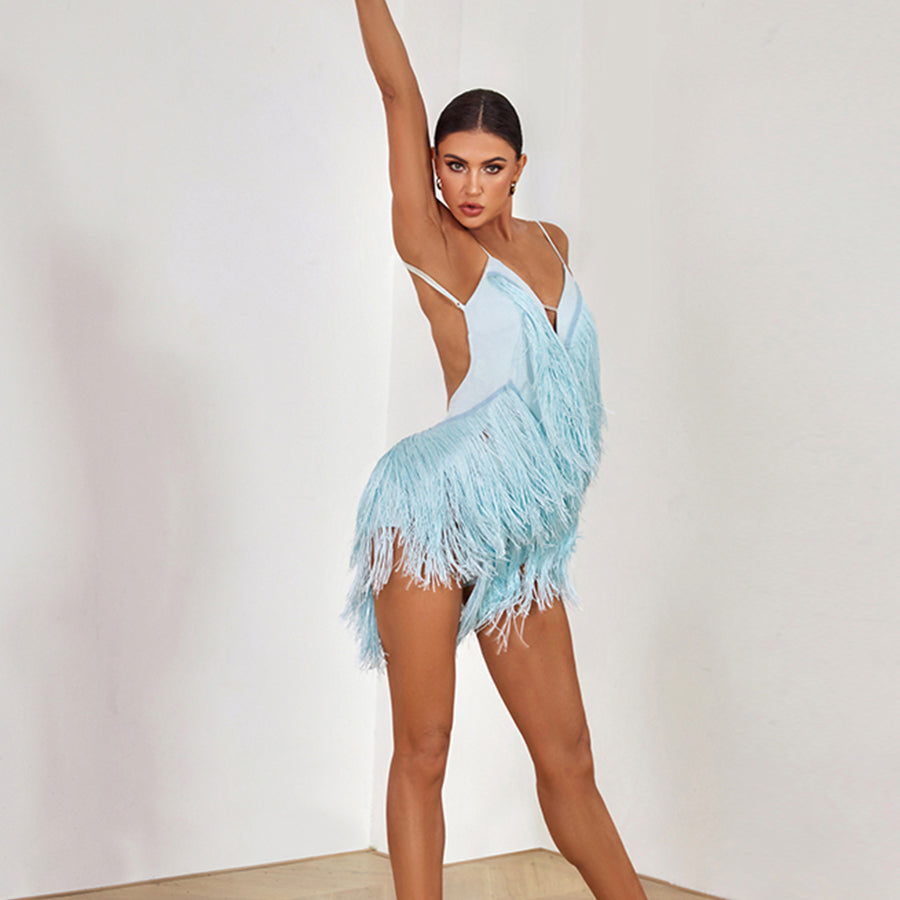
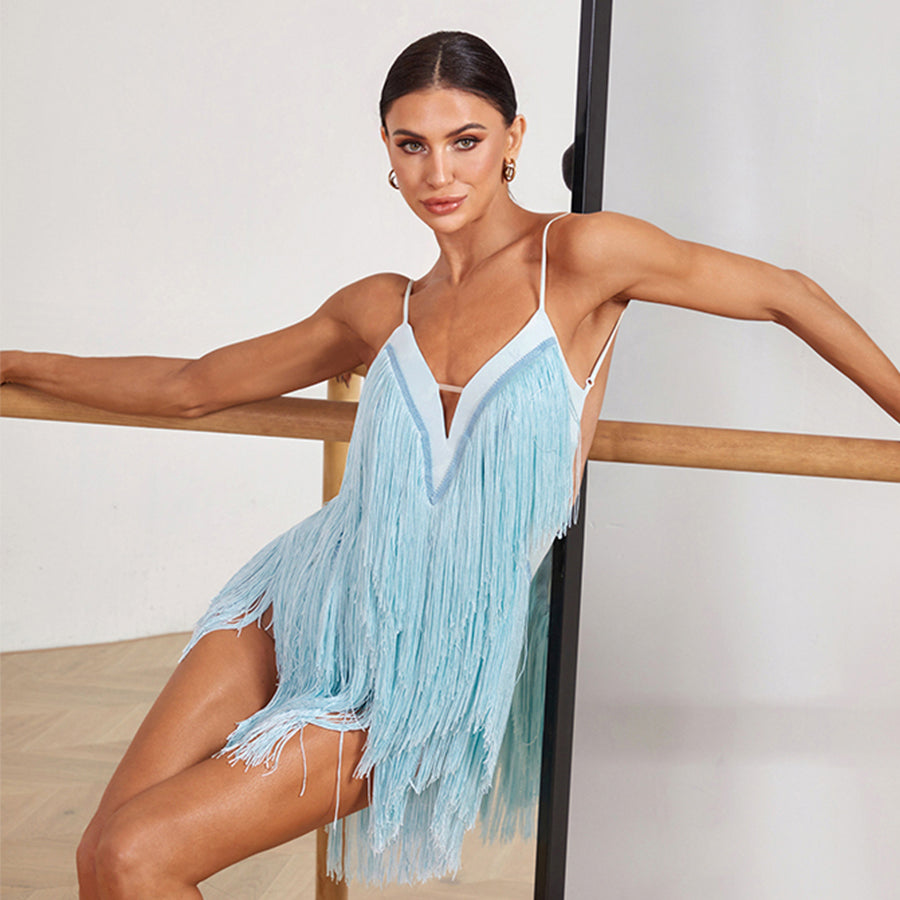
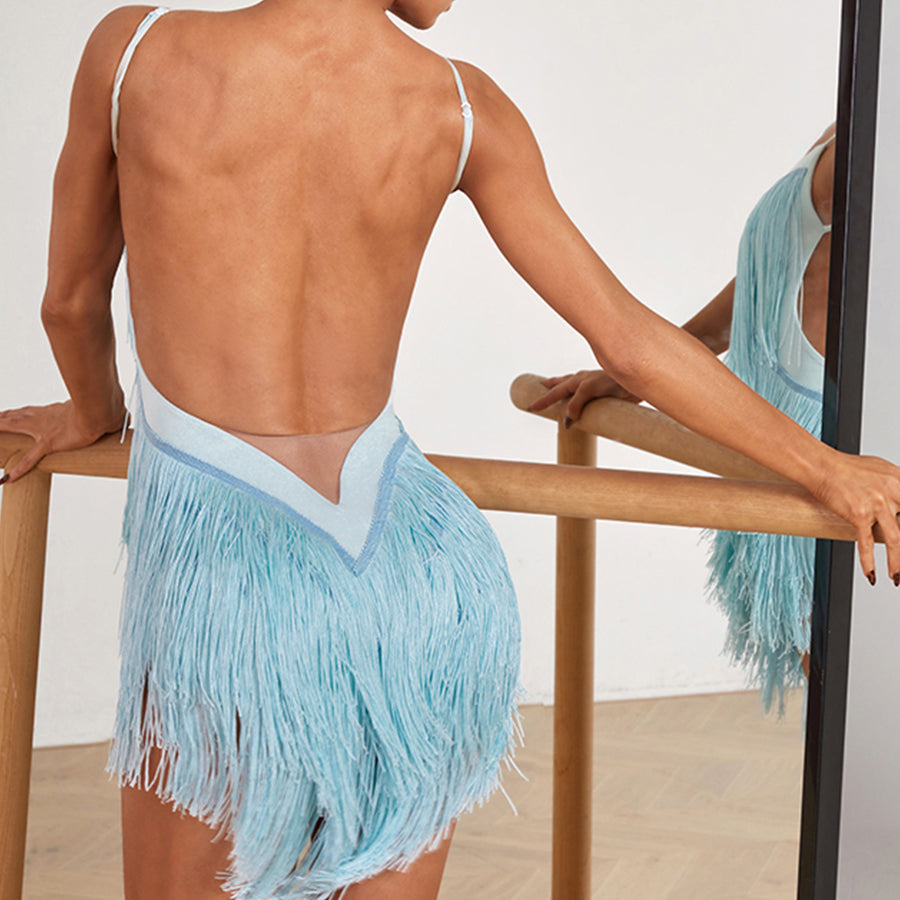
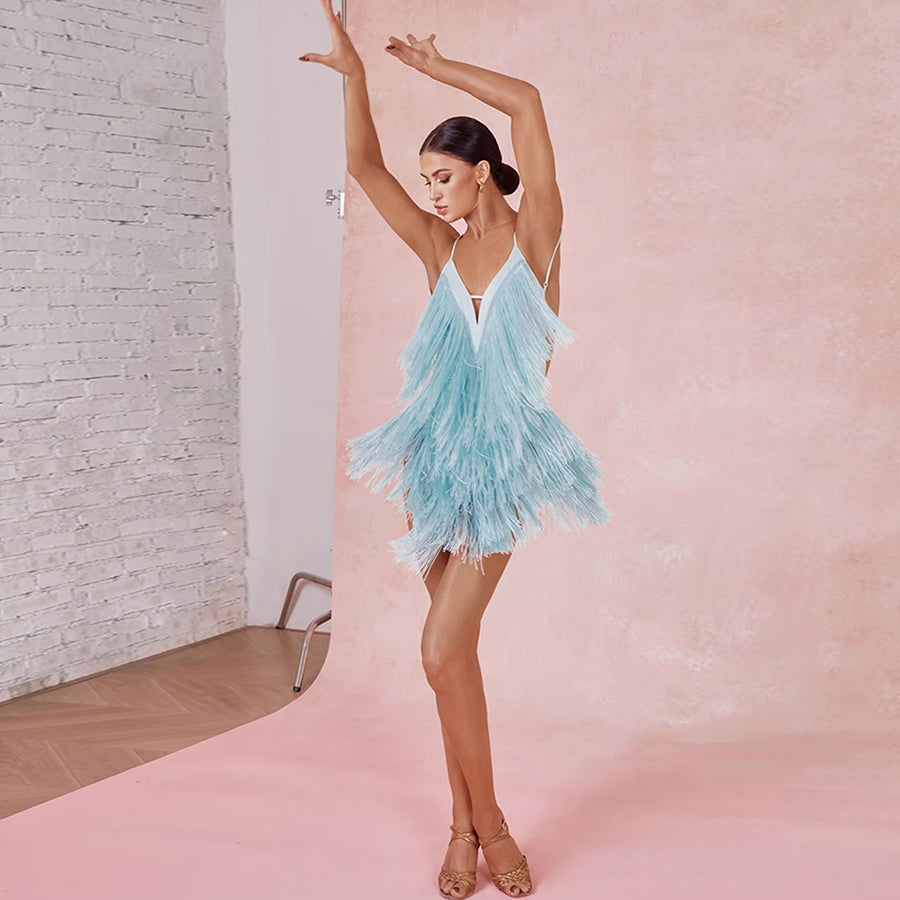
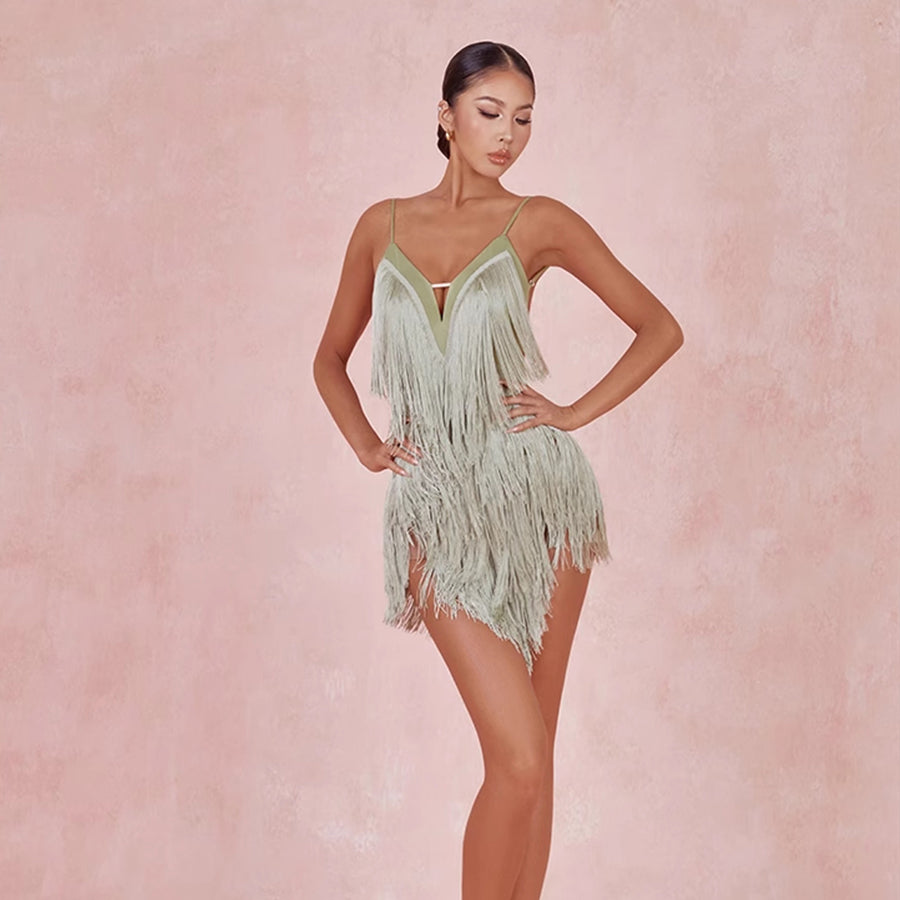
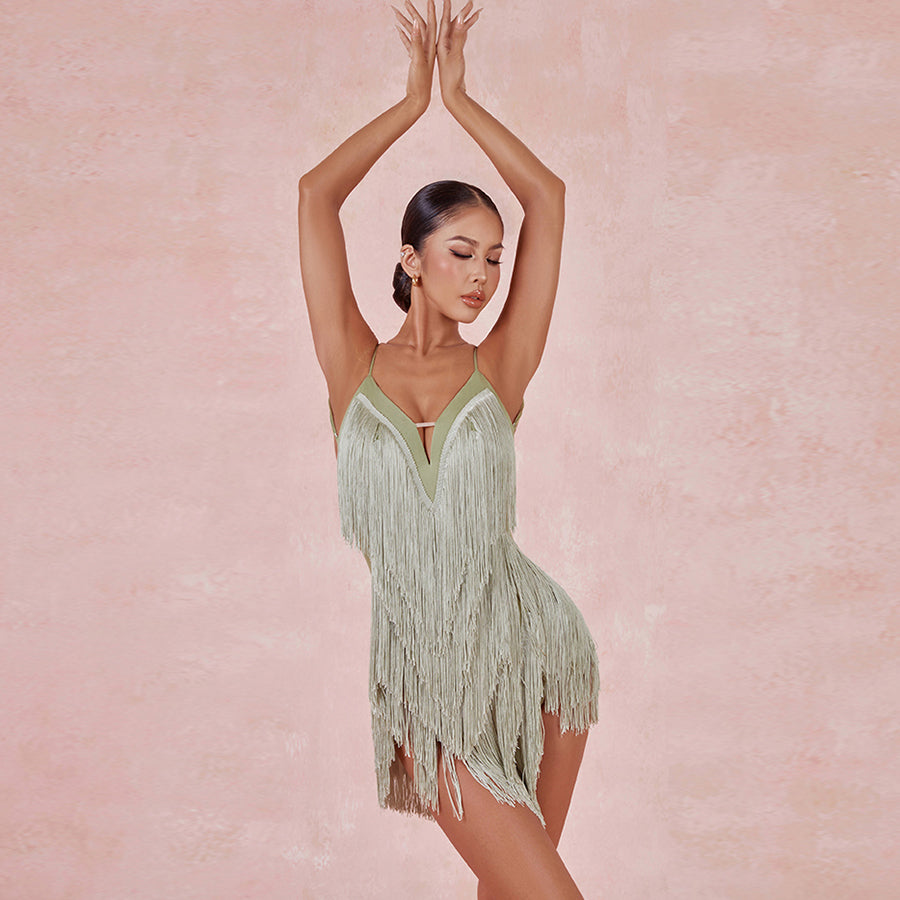
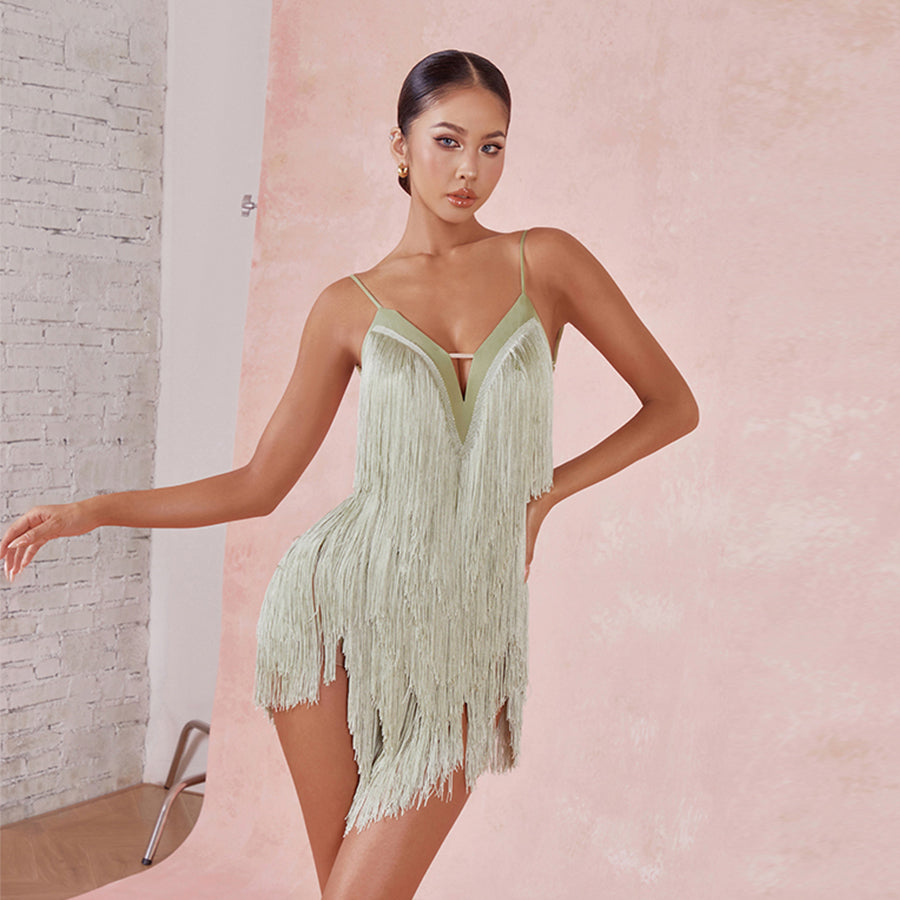
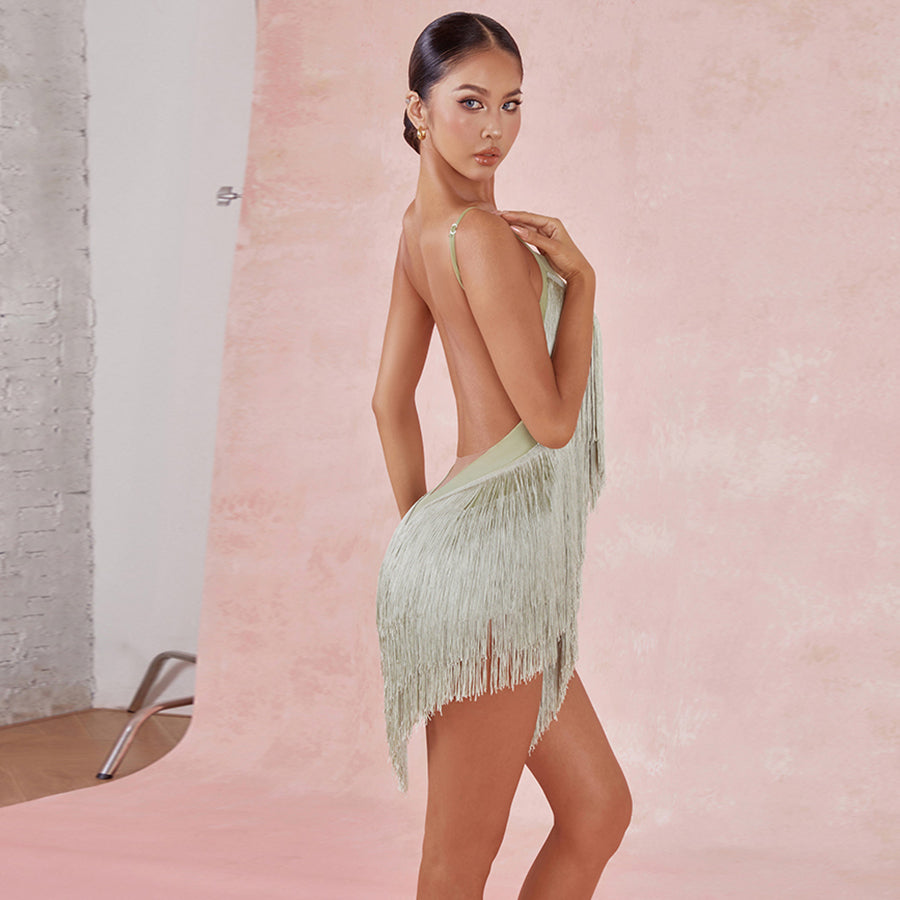
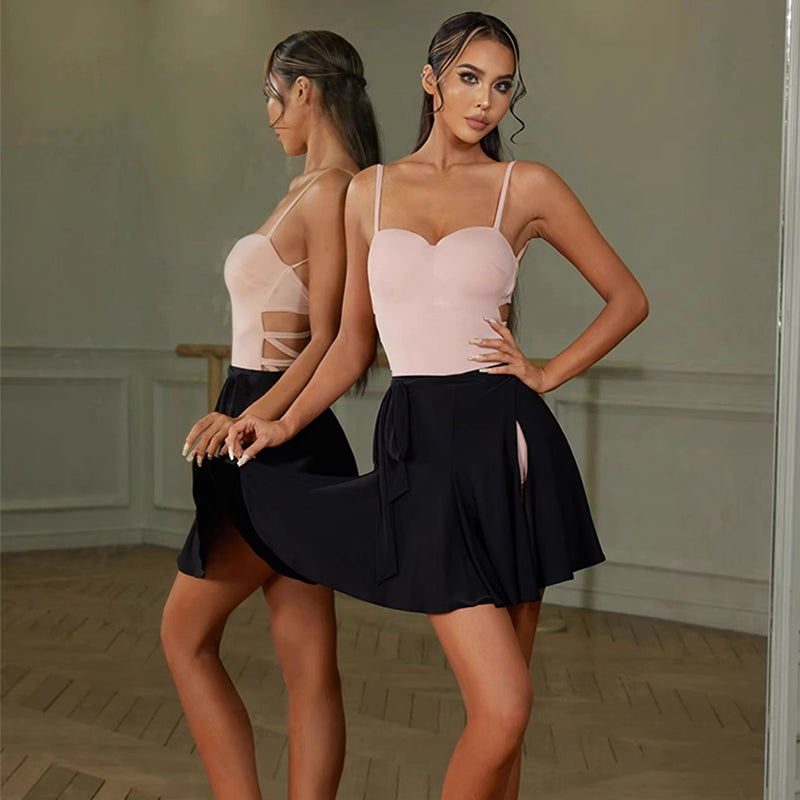
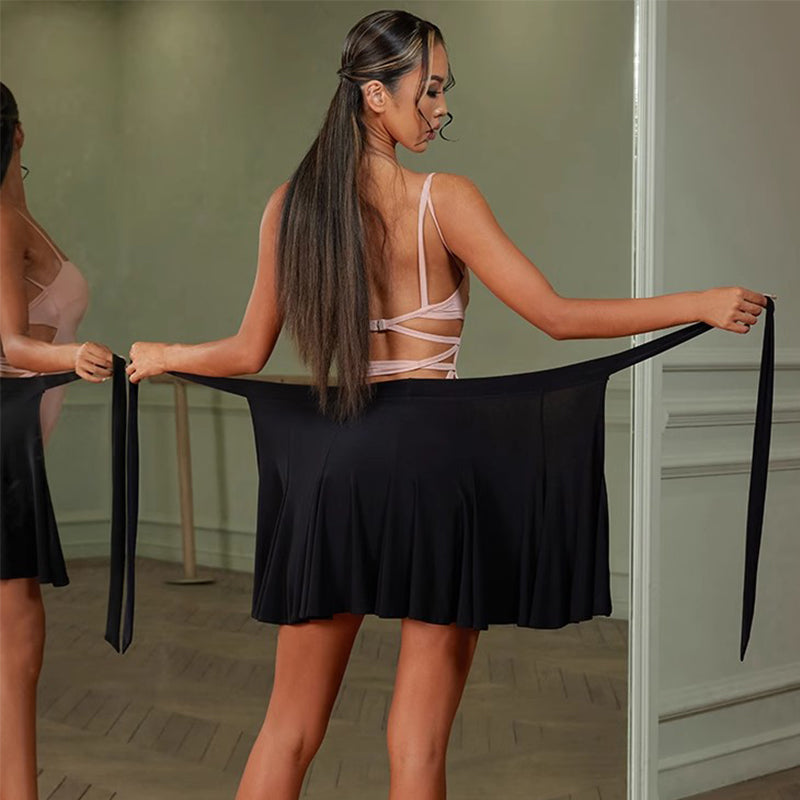
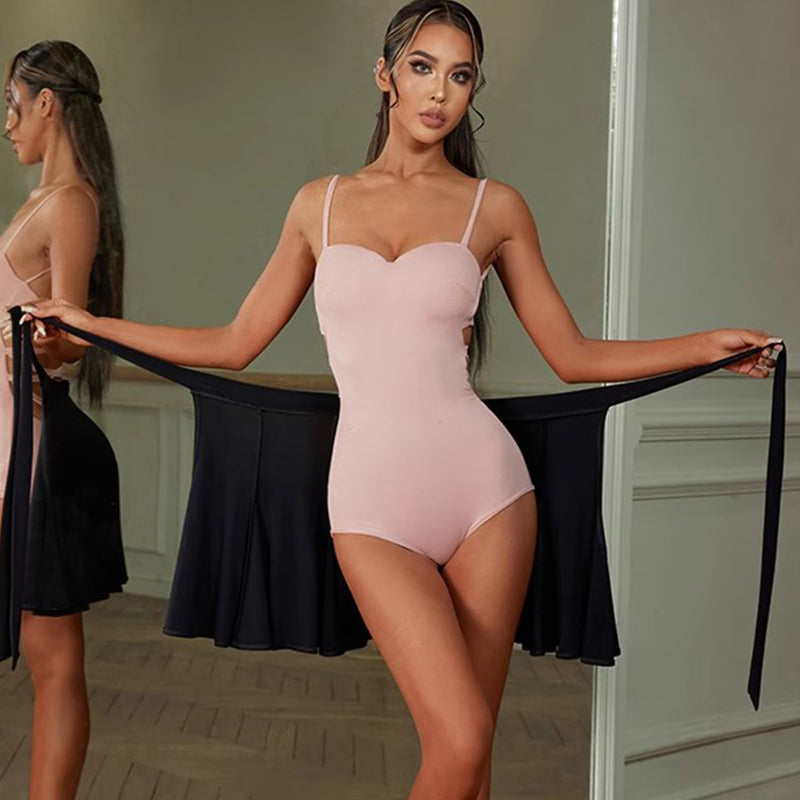
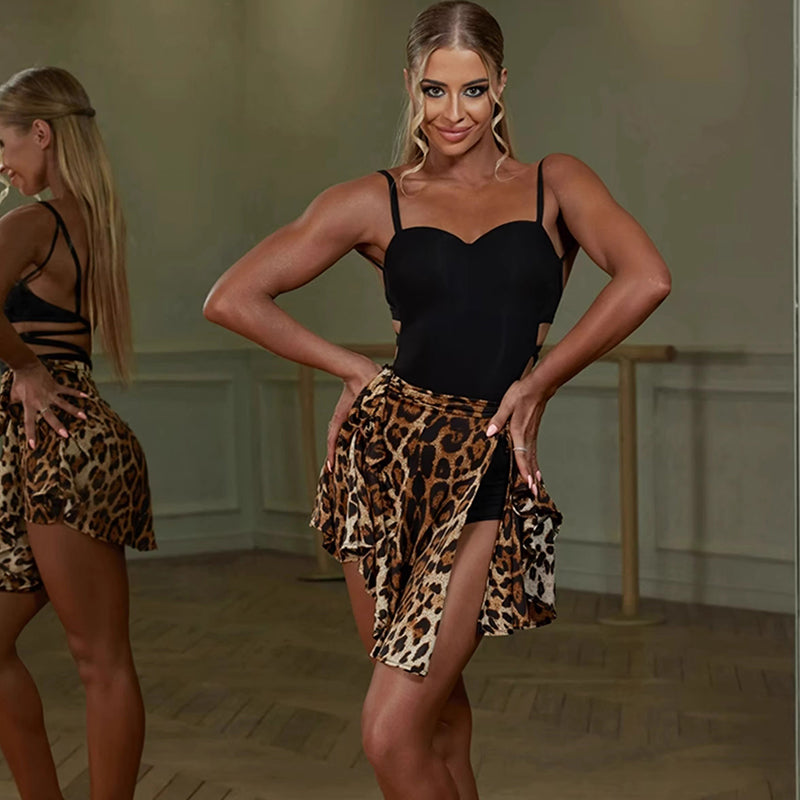
Your first dance class is exciting — and a little intimidating. One of the biggest worries for new dancers isn't the choreography; it's the wardrobe. Do you need a leotard? Special shoes? Can you just wear leggings and sneakers?
The short answer: you don't need to buy much before your first class. But knowing what to wear (and what to avoid) will help you feel confident, move freely, and focus on dancing instead of tugging at your clothes.
Here's a complete beginner's guide to dressing for your first dance class — plus when it's worth investing in proper dance supplies.
The Golden Rule: Dress for Movement, Not Fashion
Before you buy anything, remember the single most important rule of dancewear: your clothing should let your instructor see your body's lines and let you move without restriction.
That means:
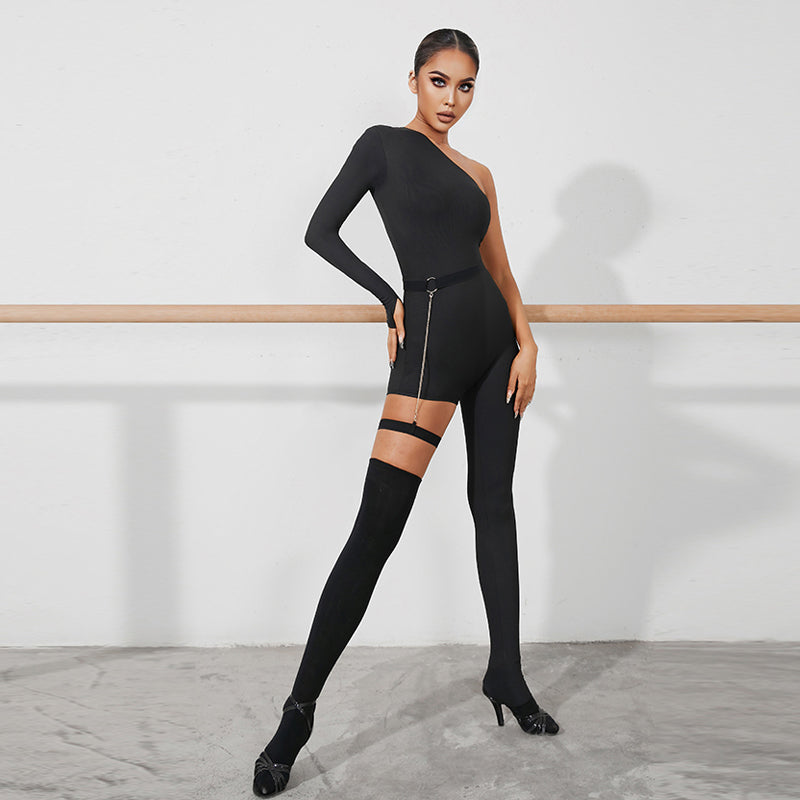
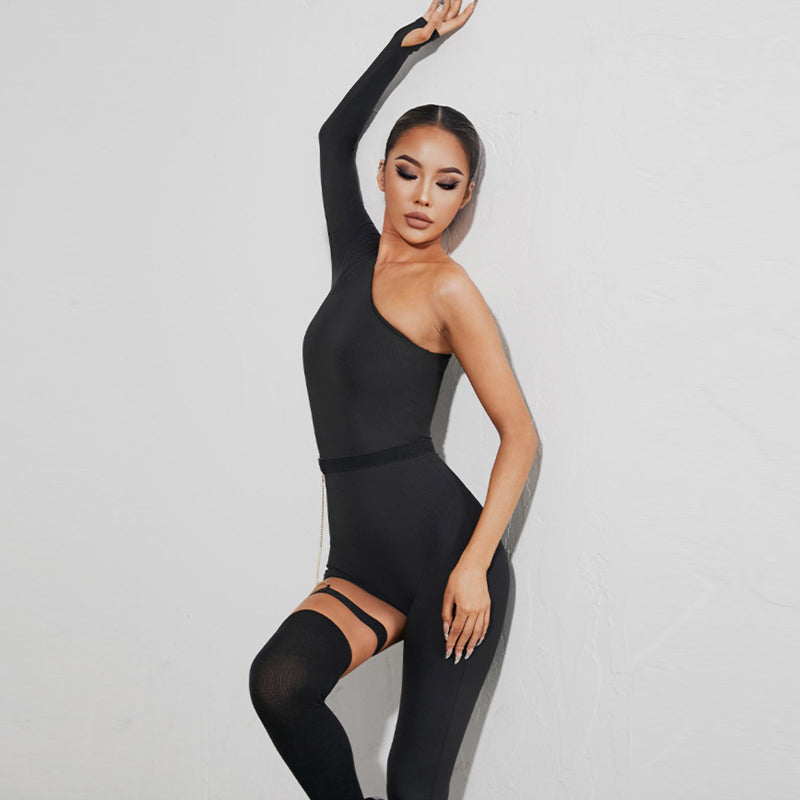
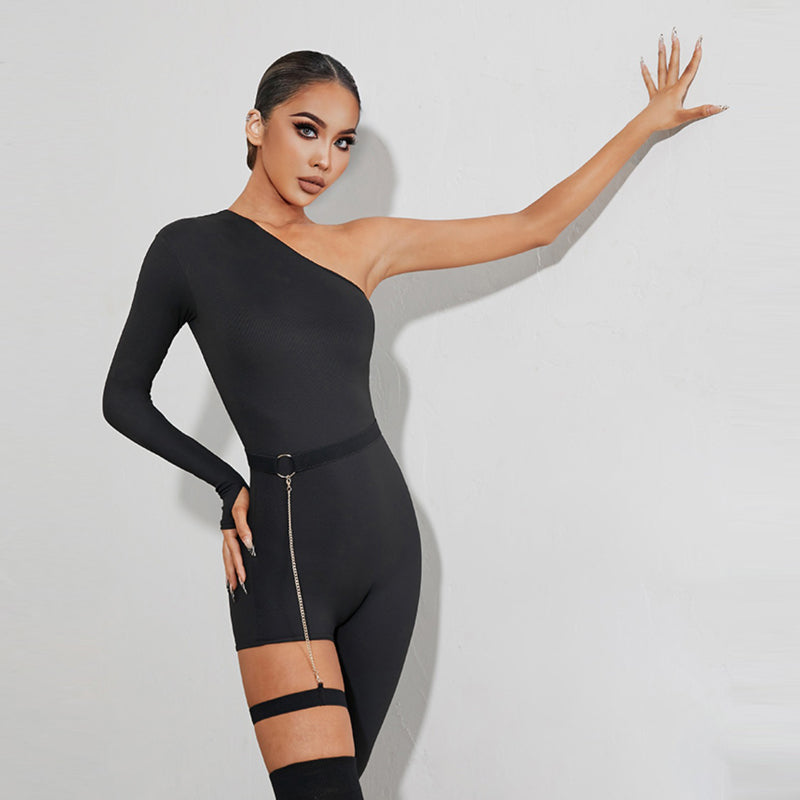
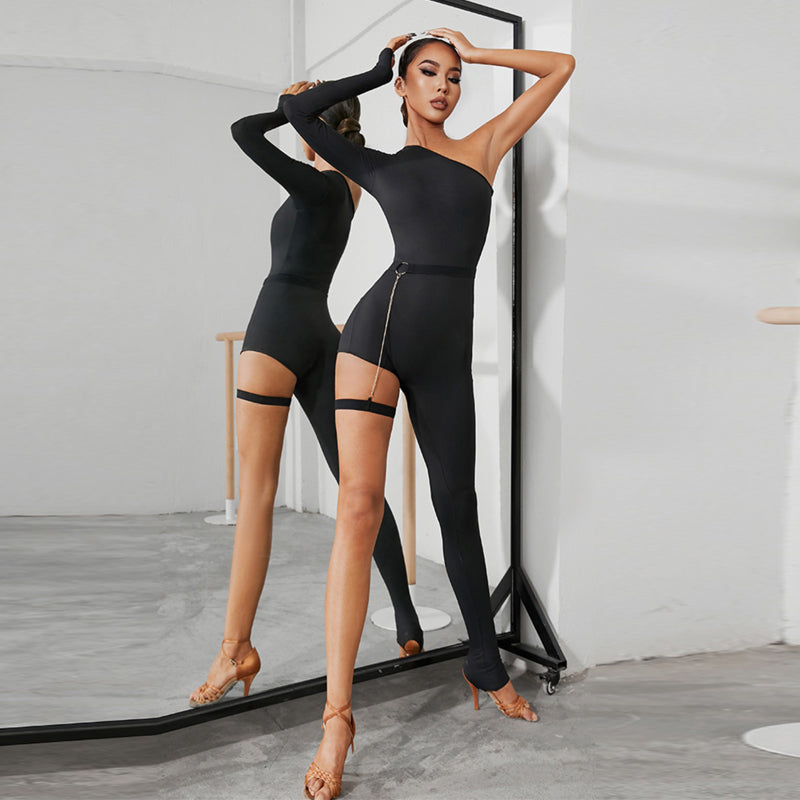
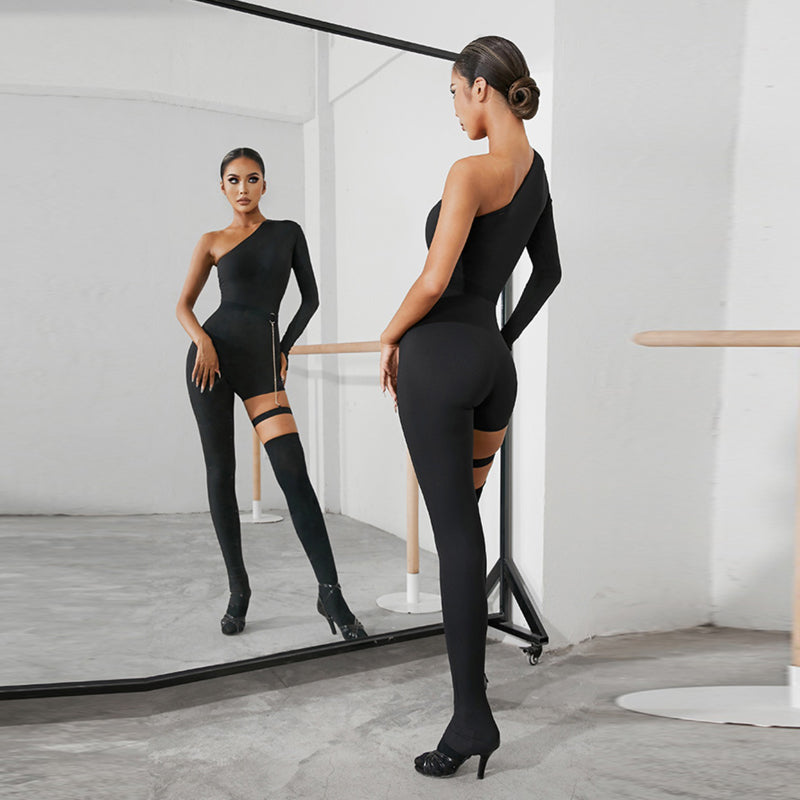
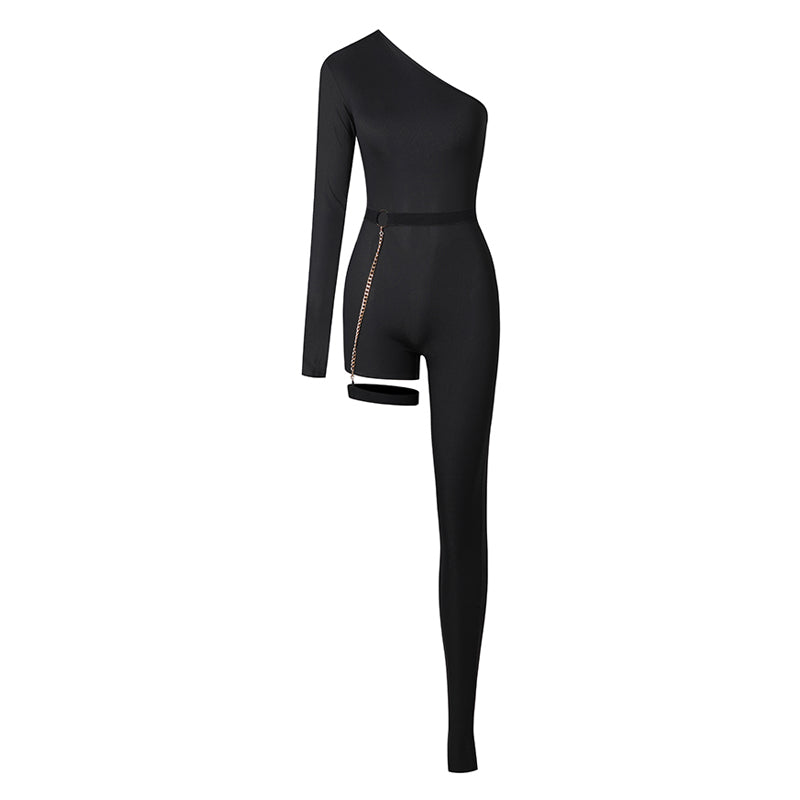
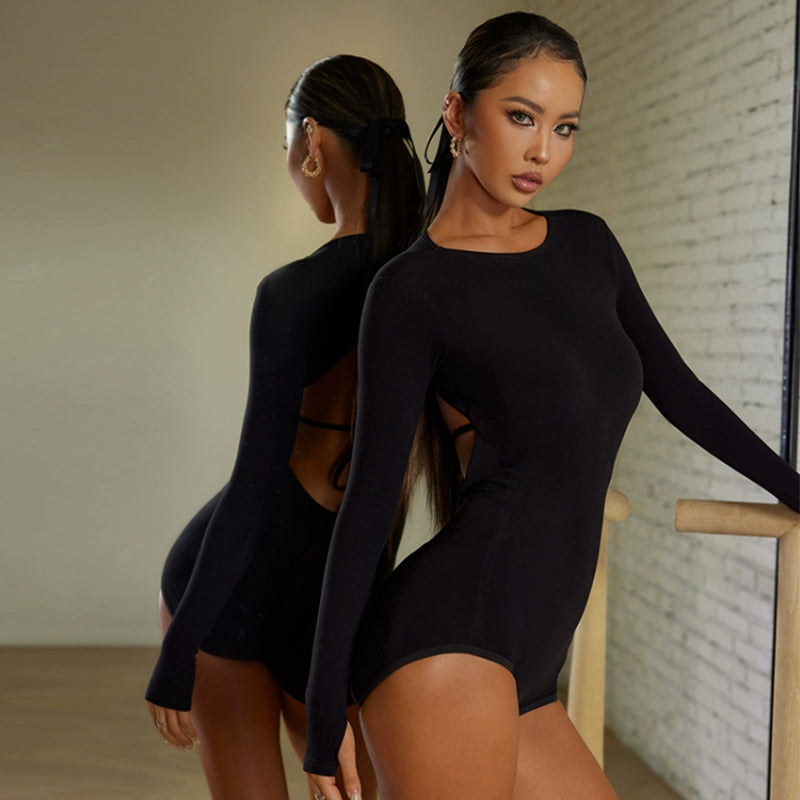
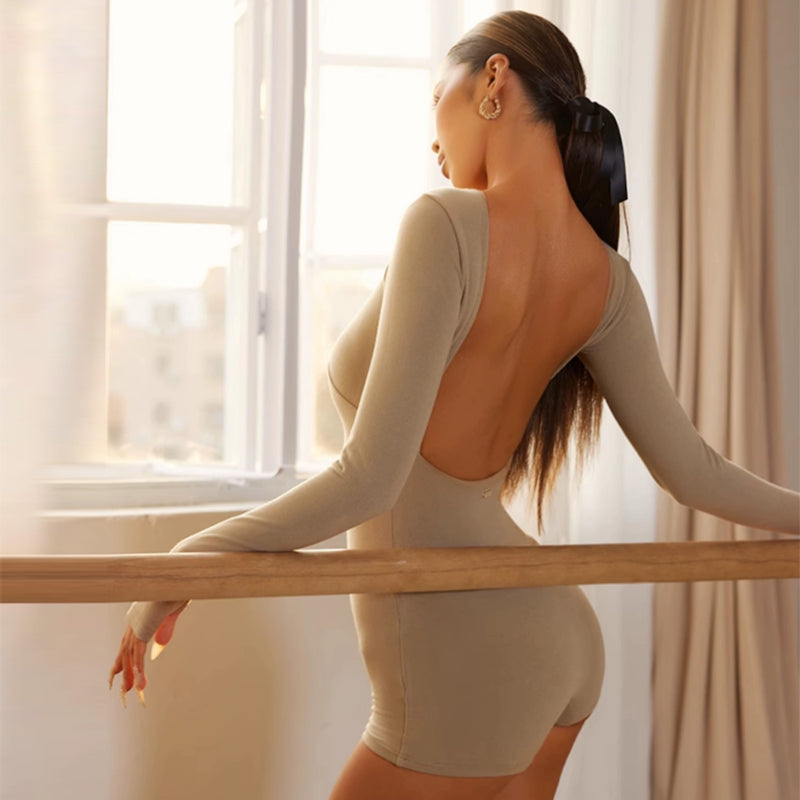
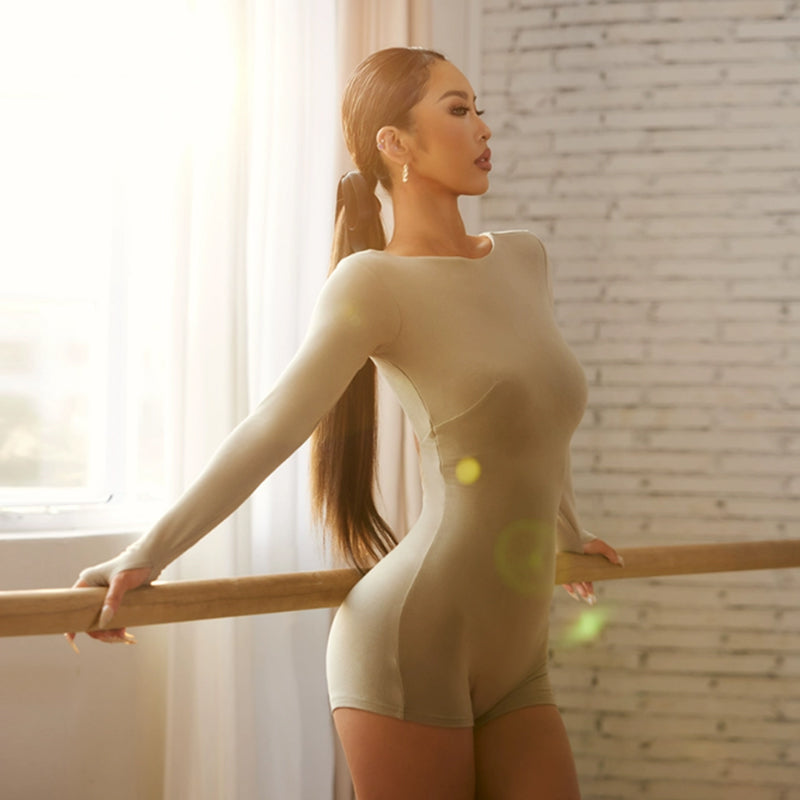
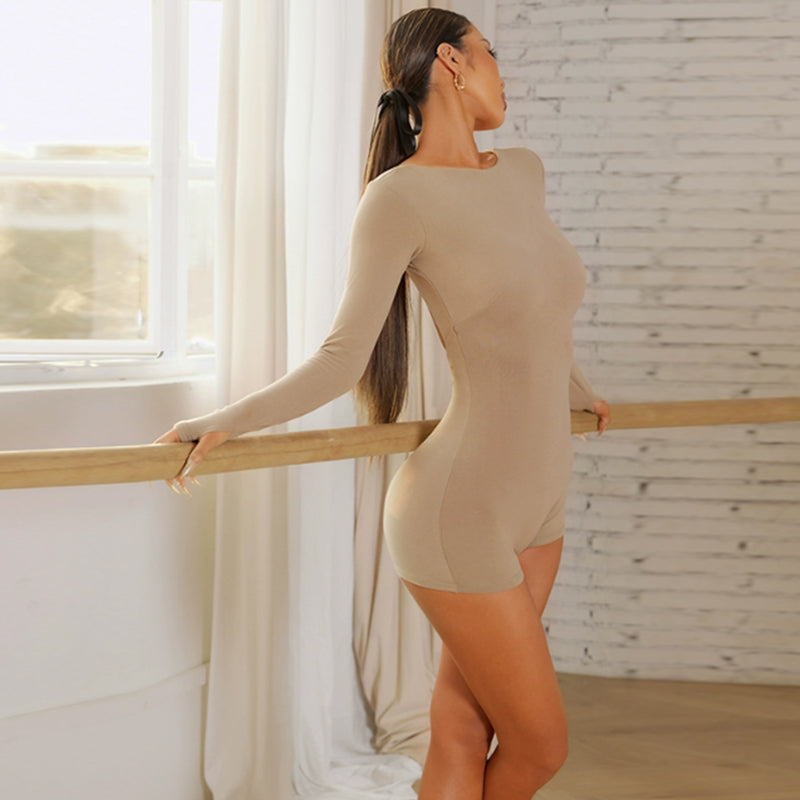
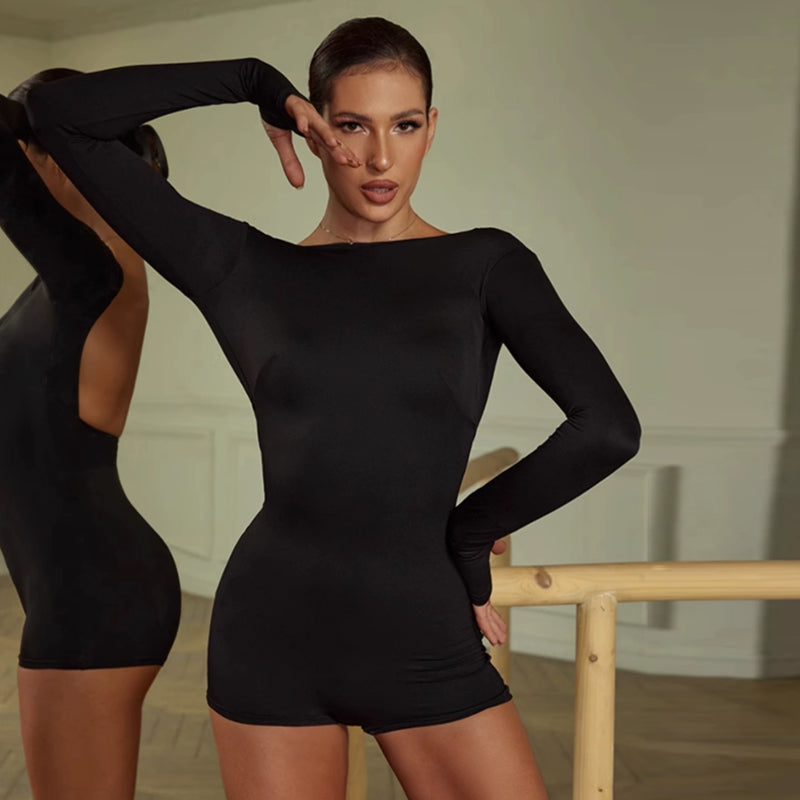
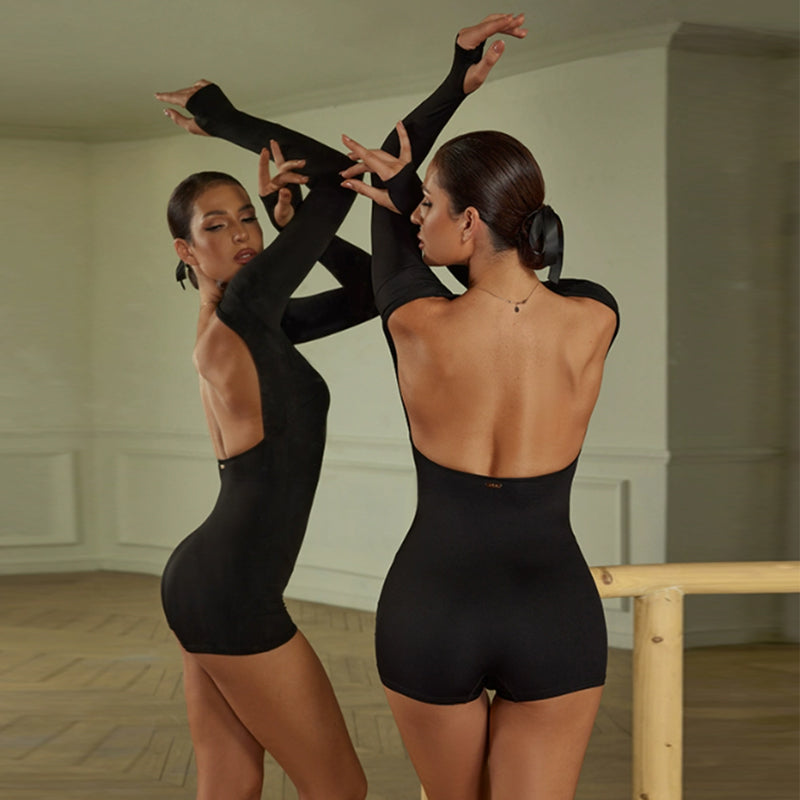
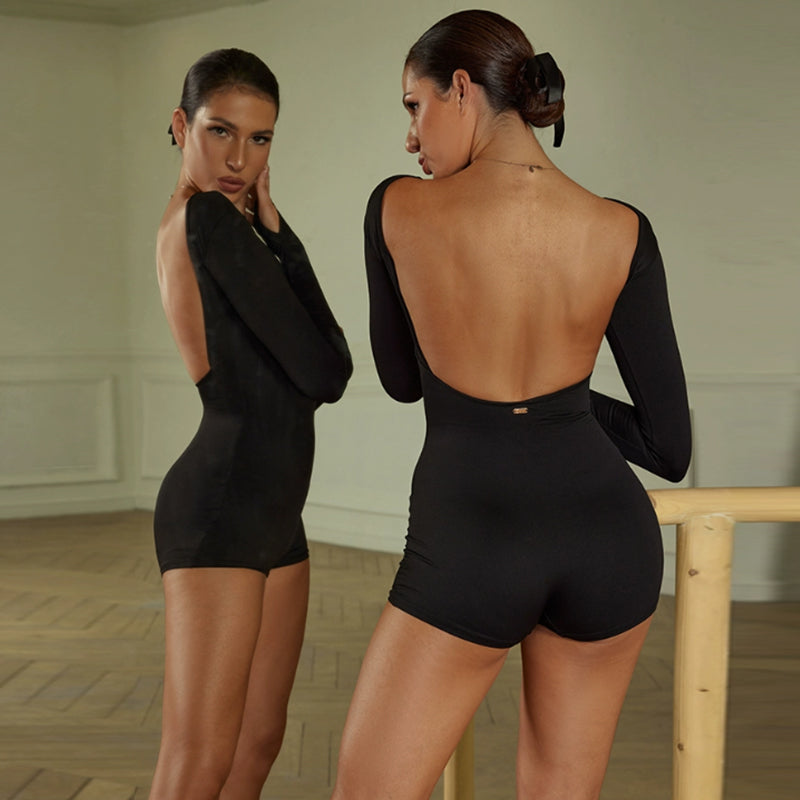
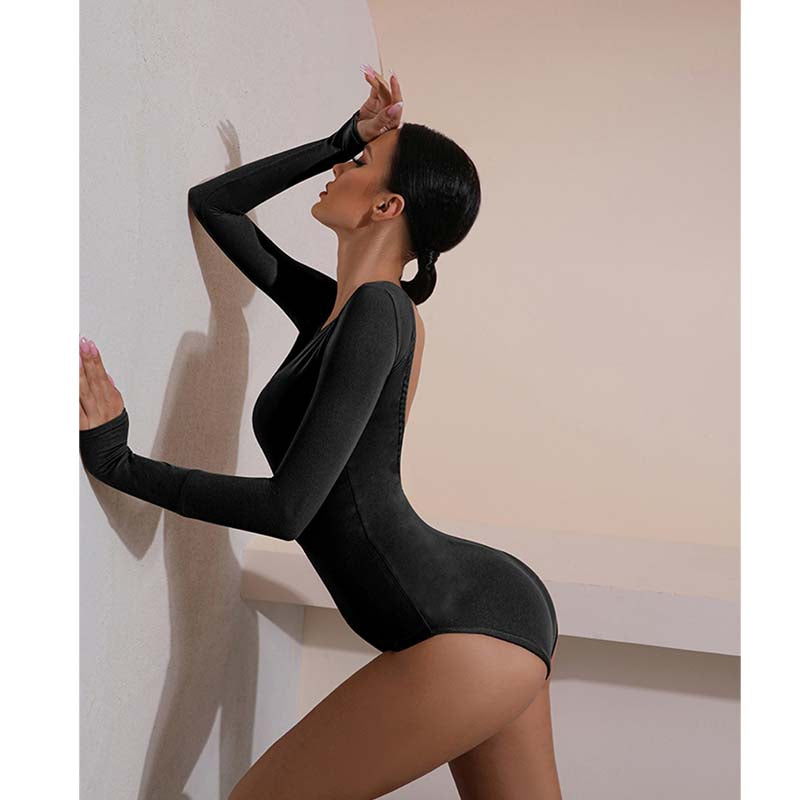
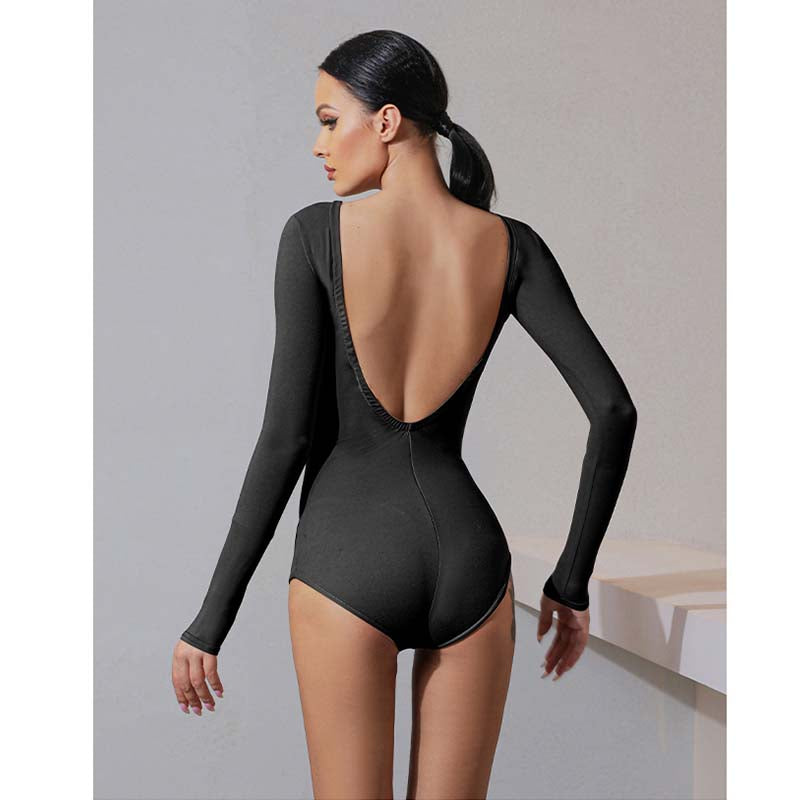
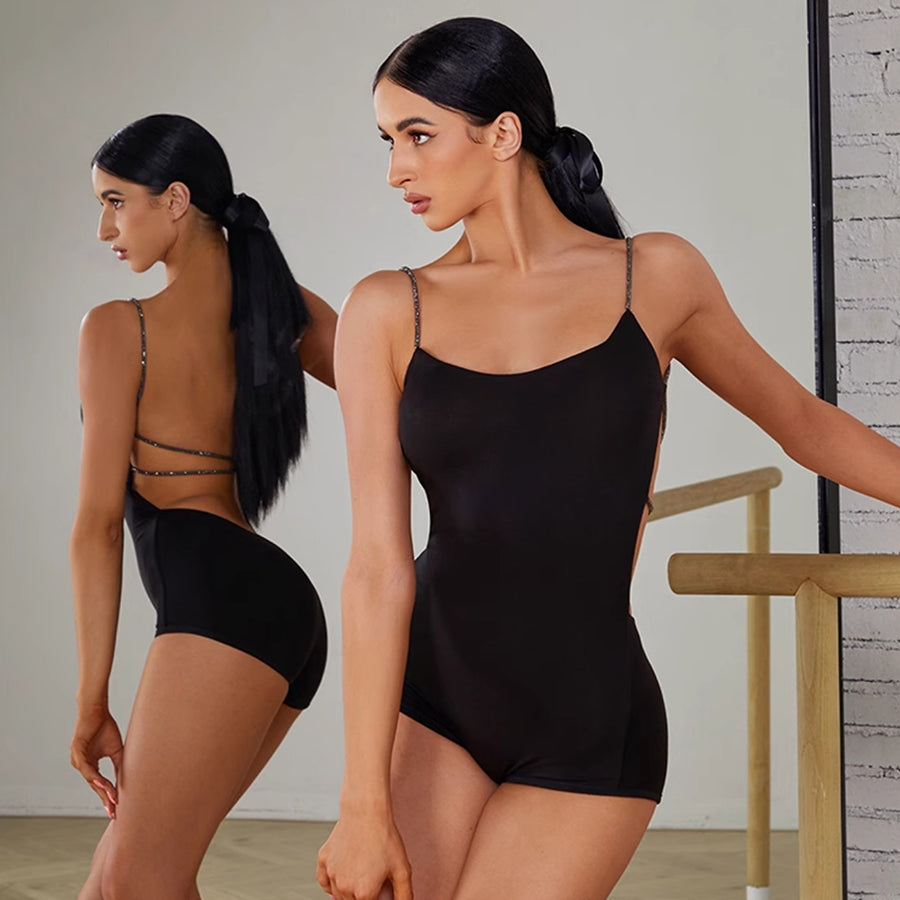
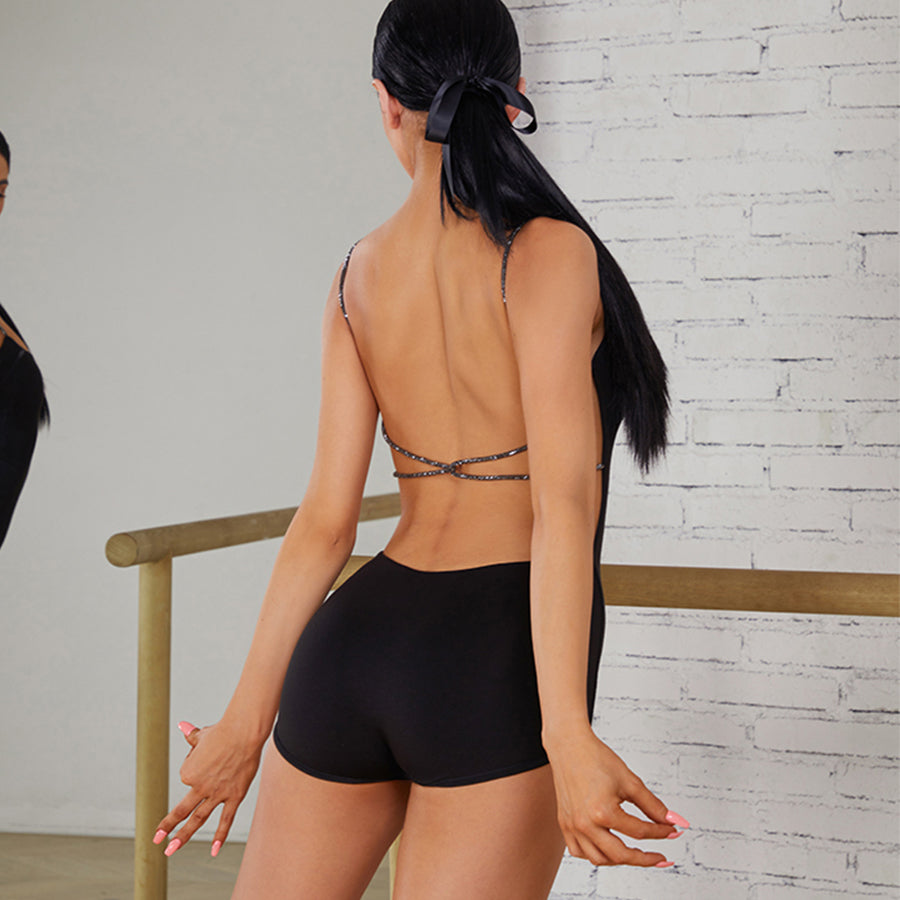
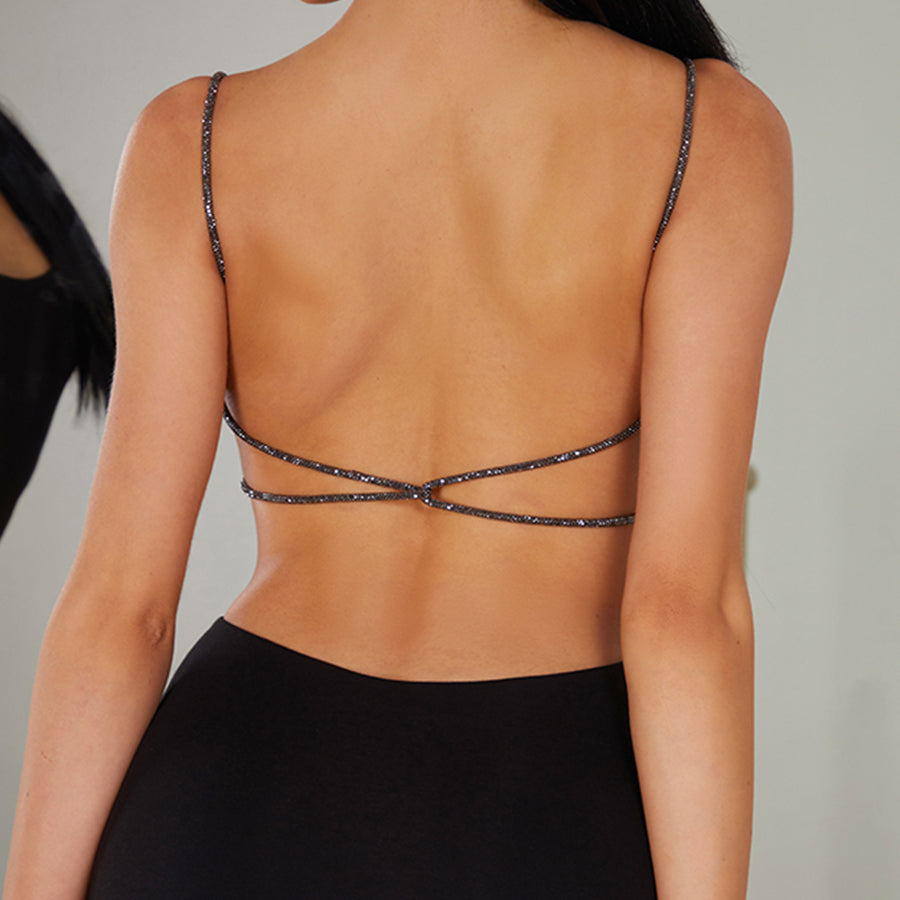
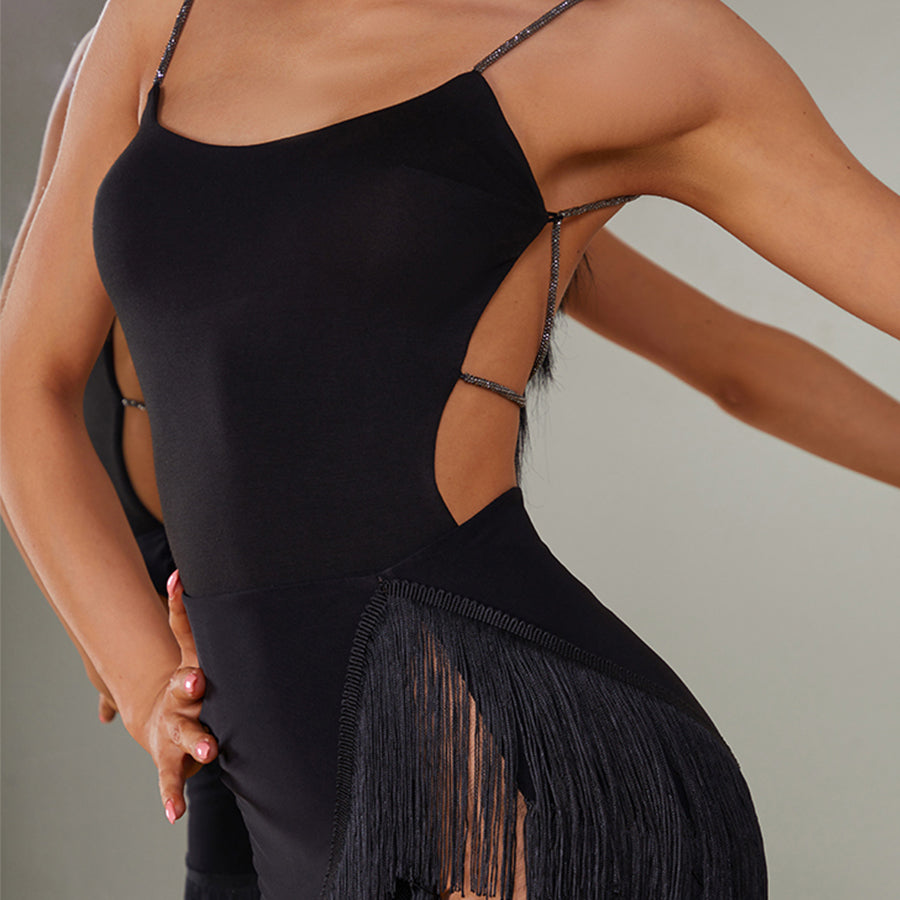
Fitted, not tight. Clothing should hug your body enough that a teacher can spot misaligned hips or knees, but never so tight it pinches or restricts breathing.
Stretchy and breathable. Look for four-way stretch fabrics that wick sweat and hold their shape.
Nothing baggy or dangling. Loose tops, long necklaces, and oversized pants can hide your posture and become a tripping hazard.

What to Wear by Dance Style
Different styles have different demands. Here's a quick breakdown:
Swing, Salsa, and Social Dance
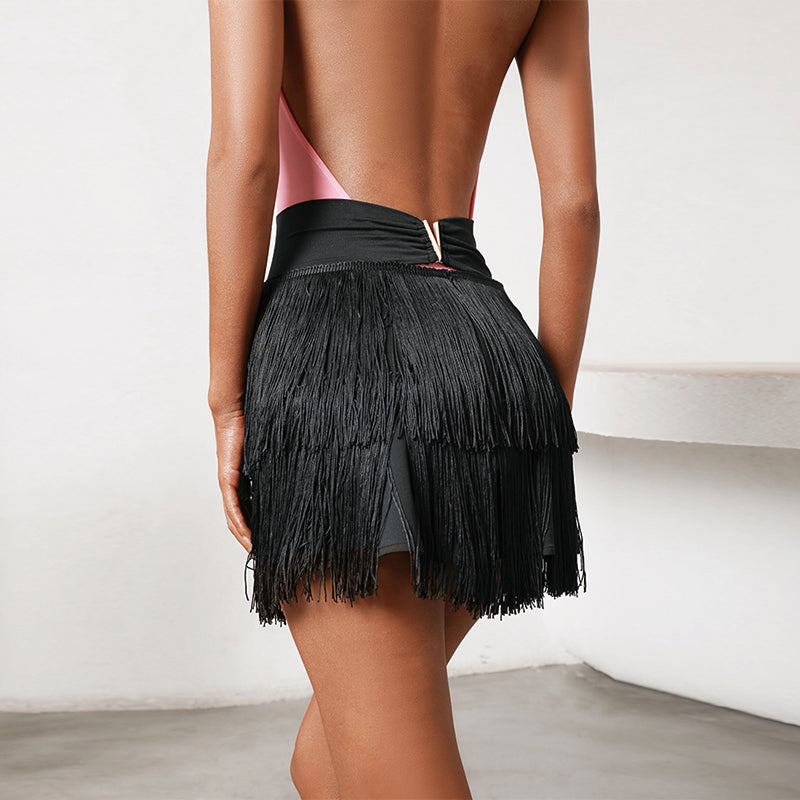
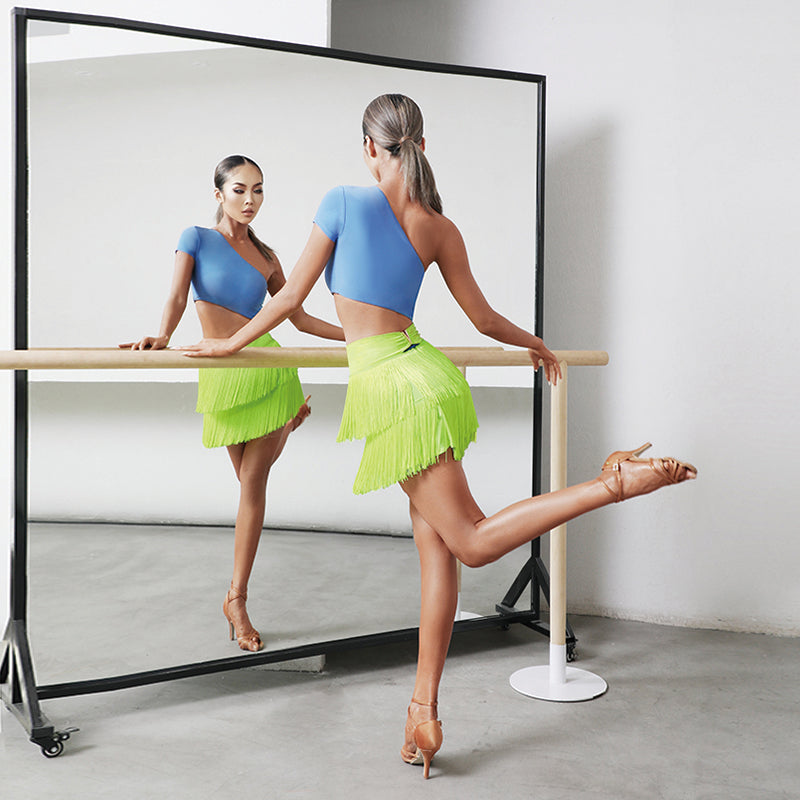
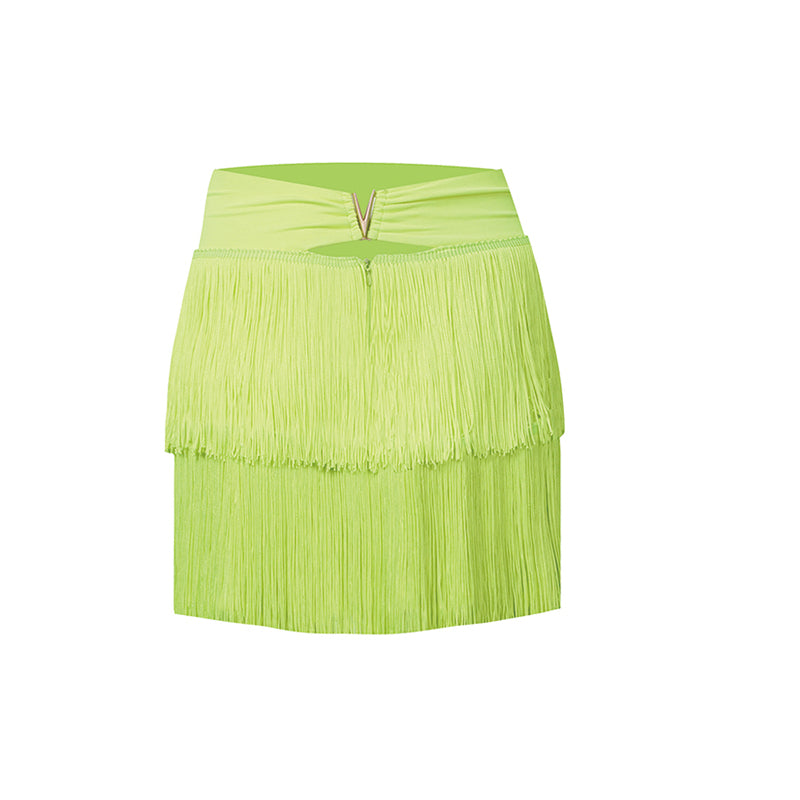
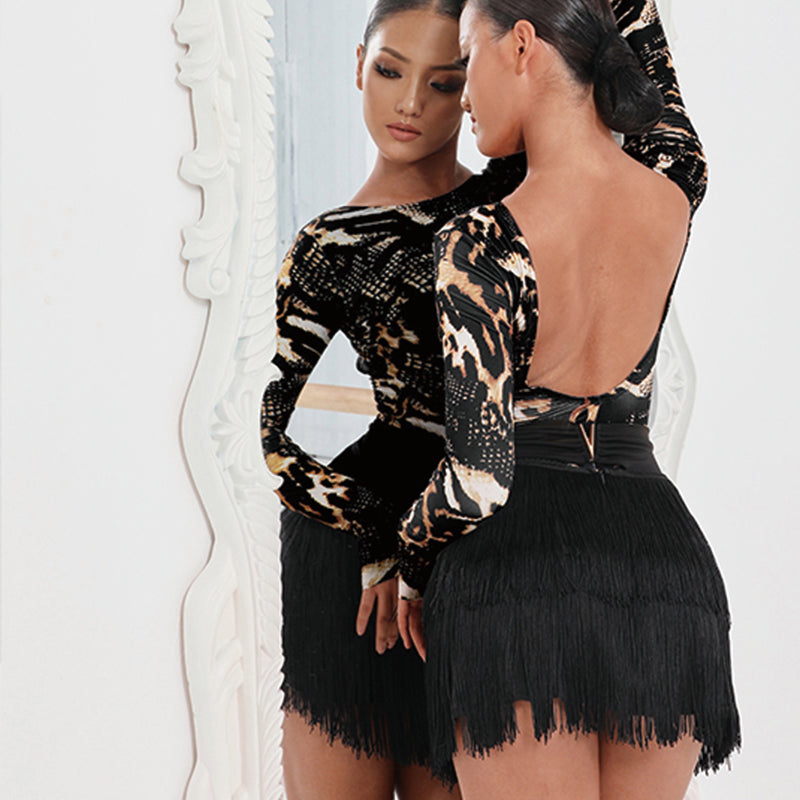
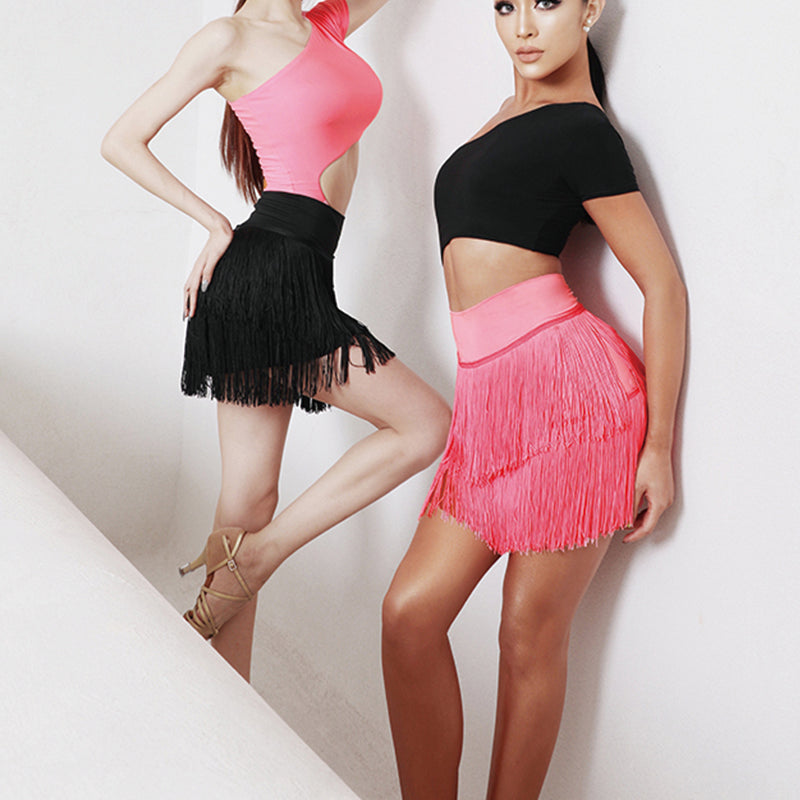
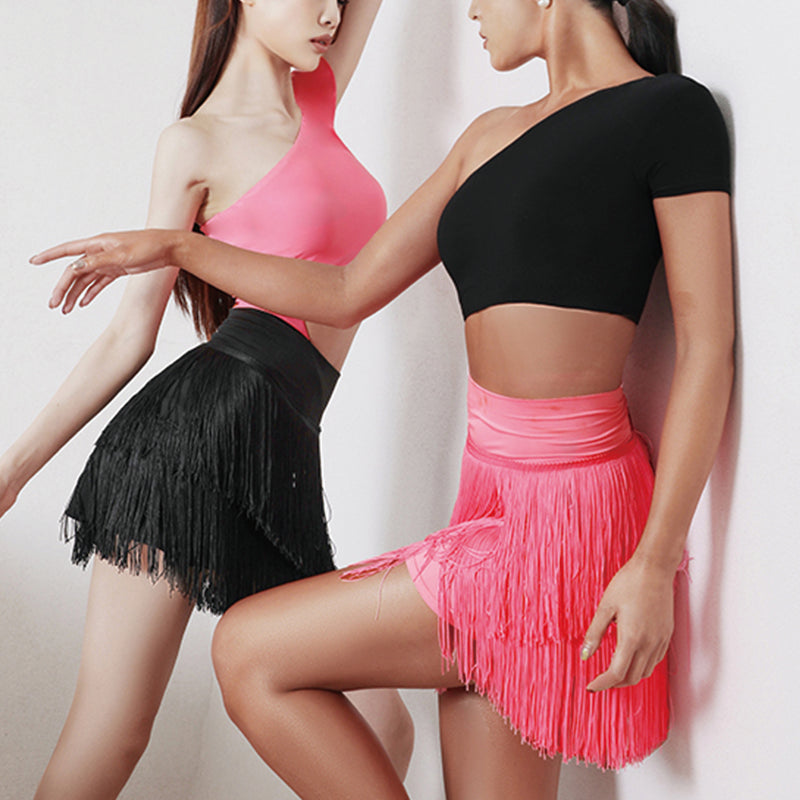
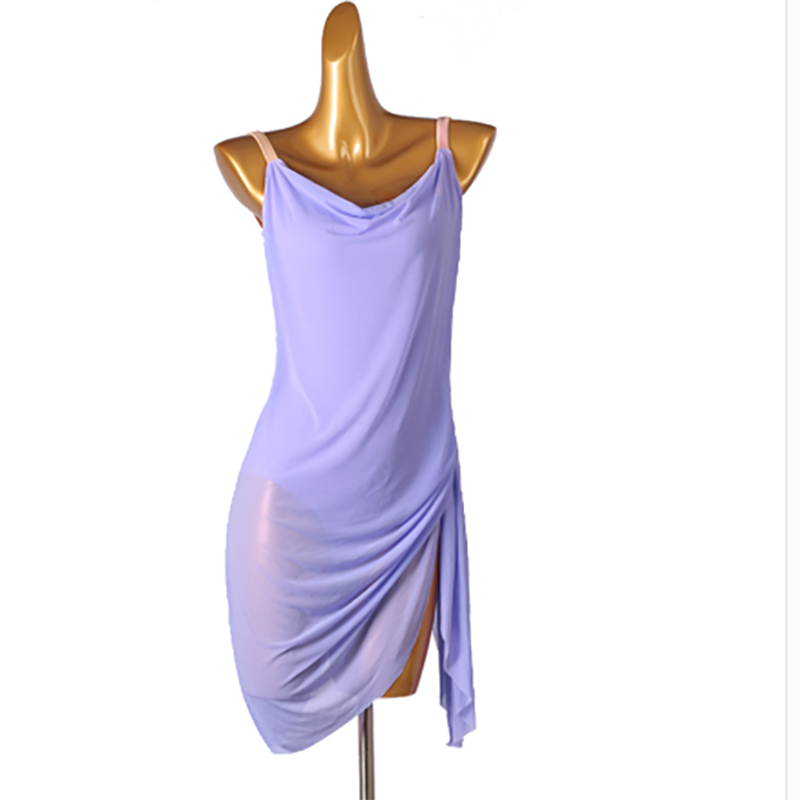
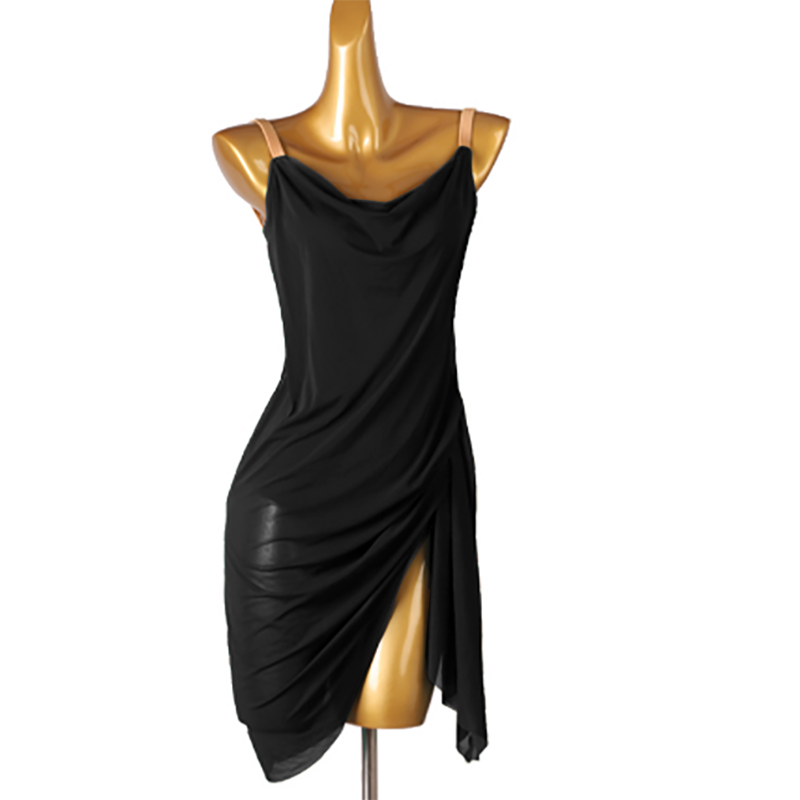
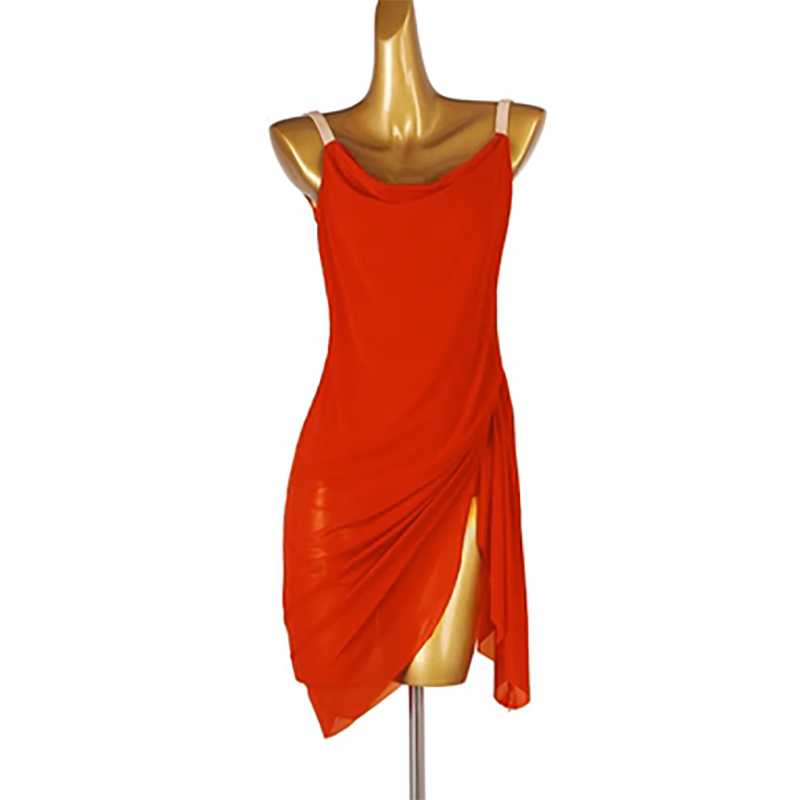
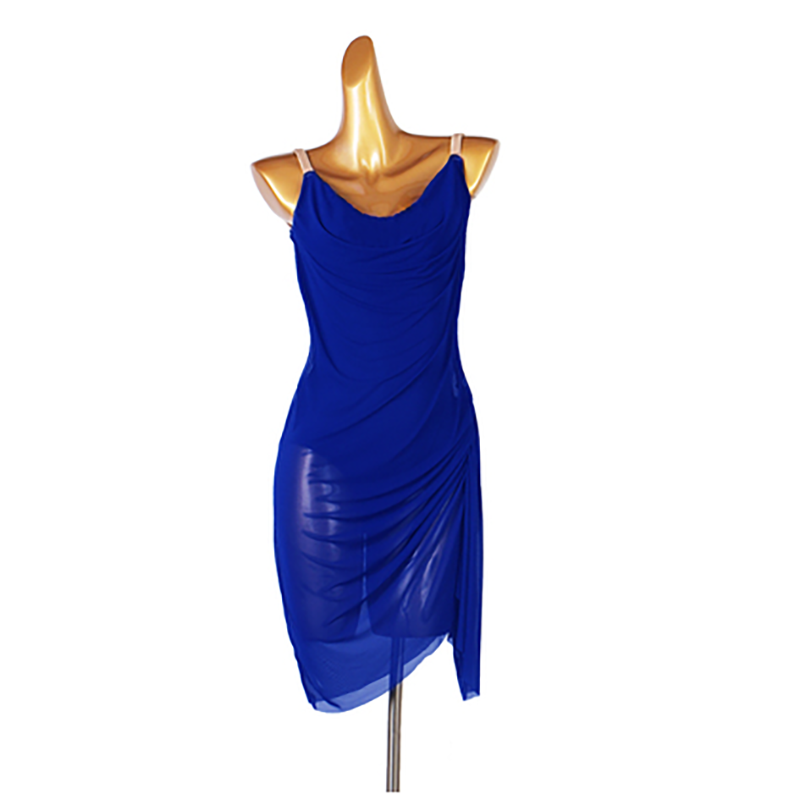
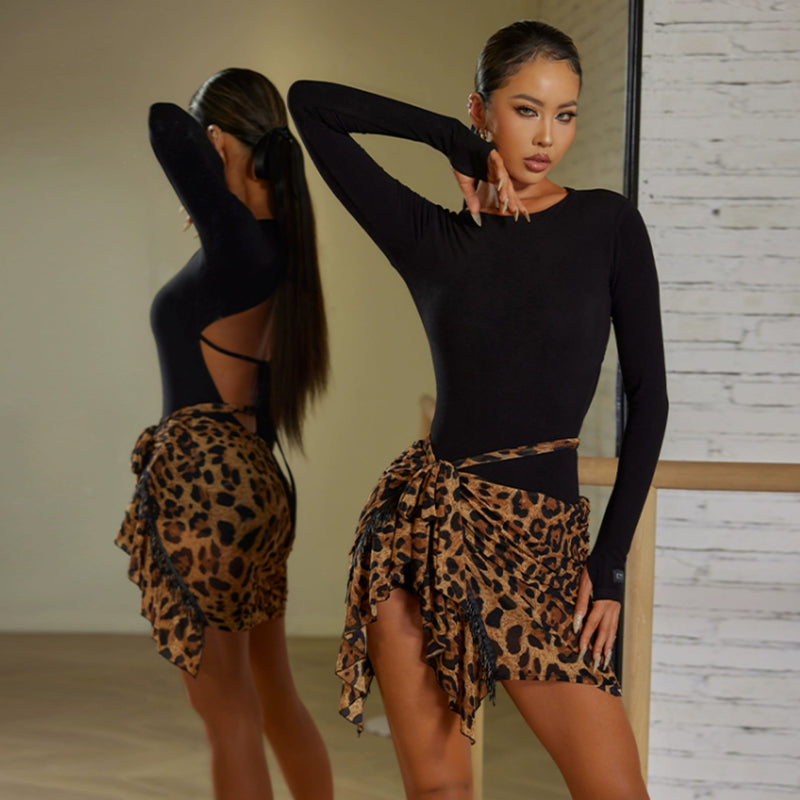
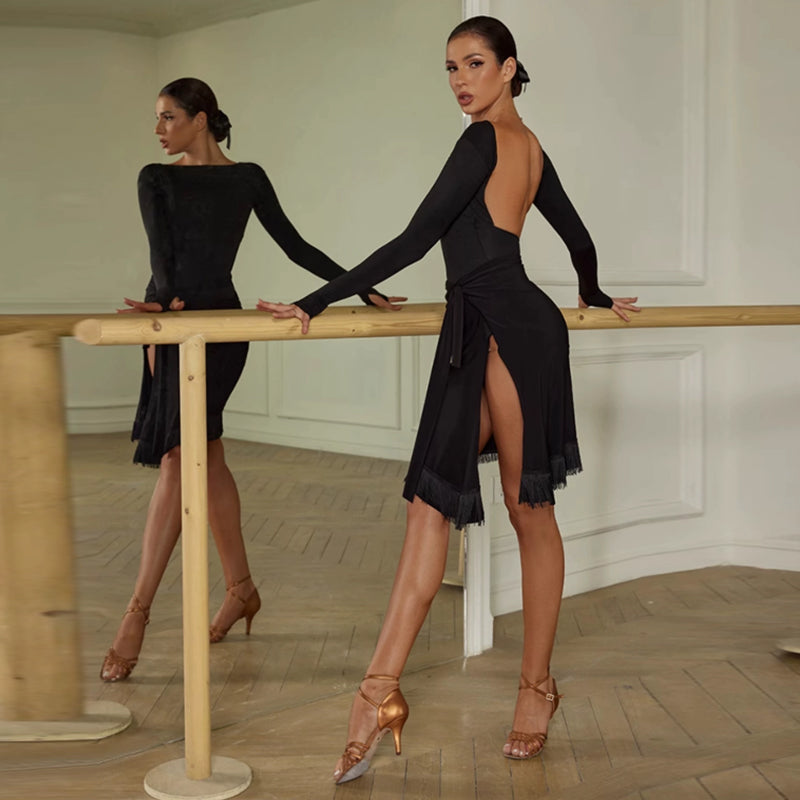
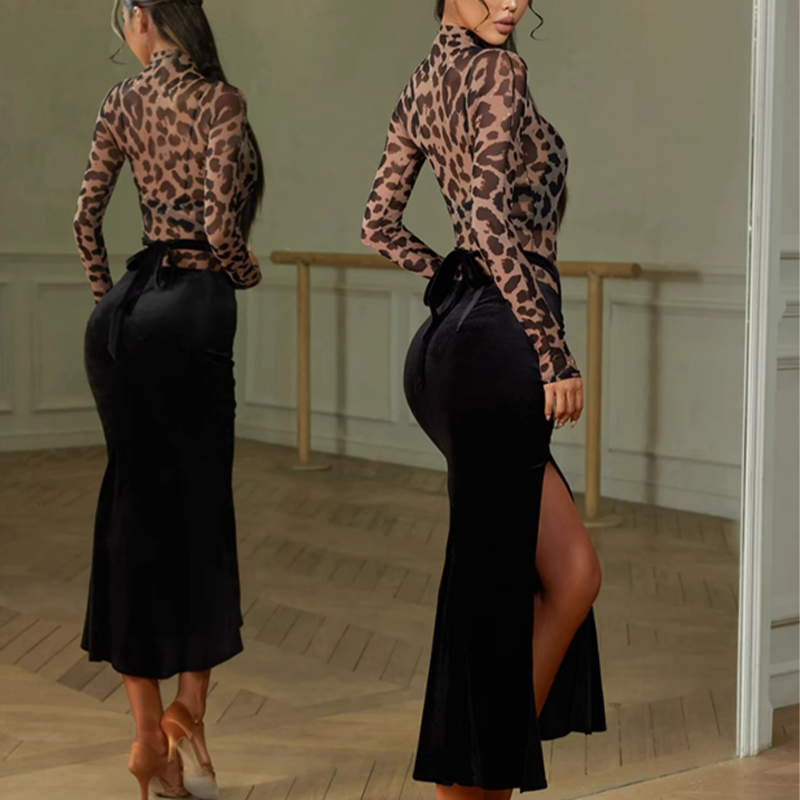
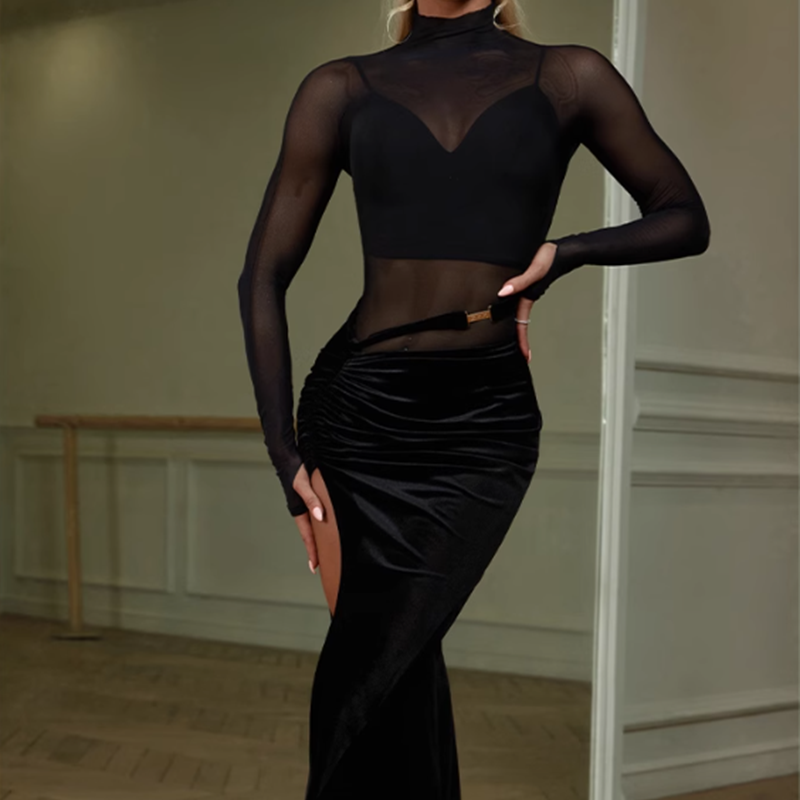
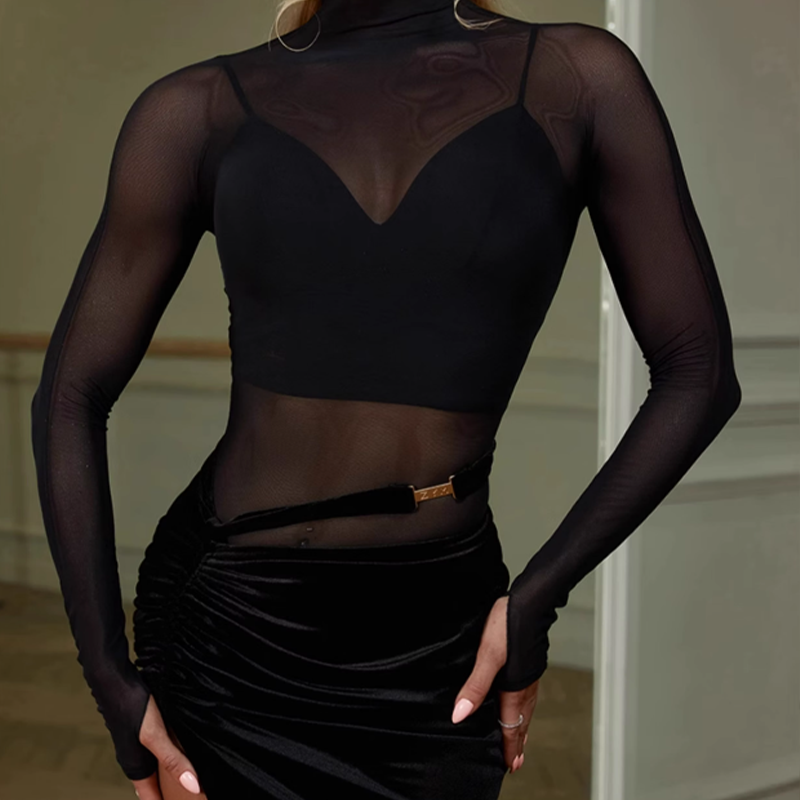
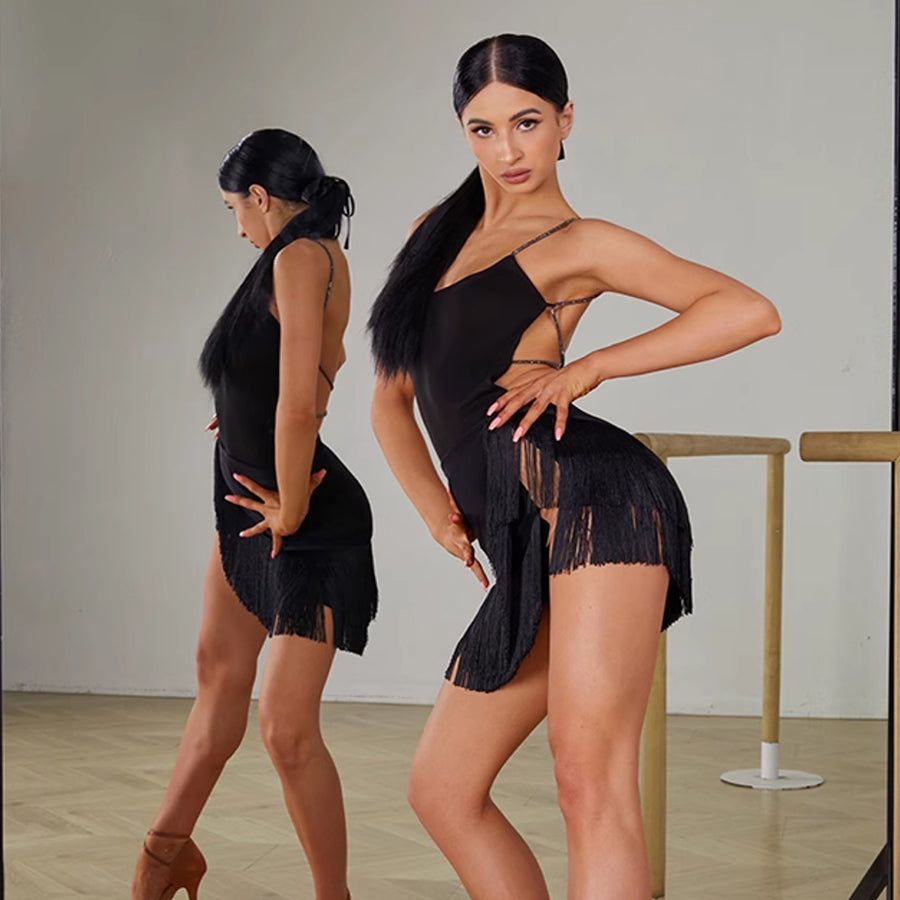
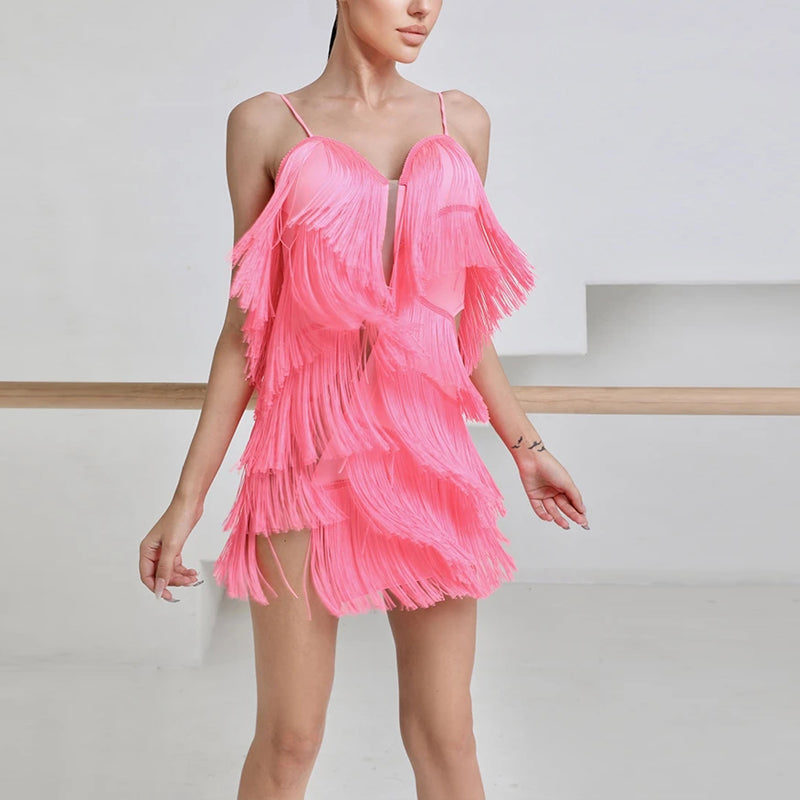
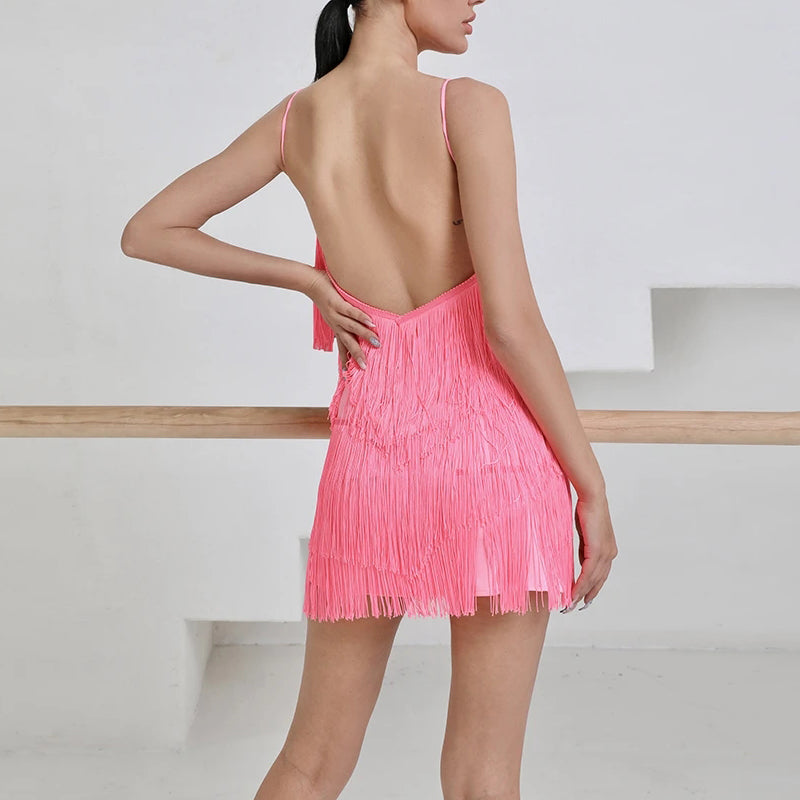
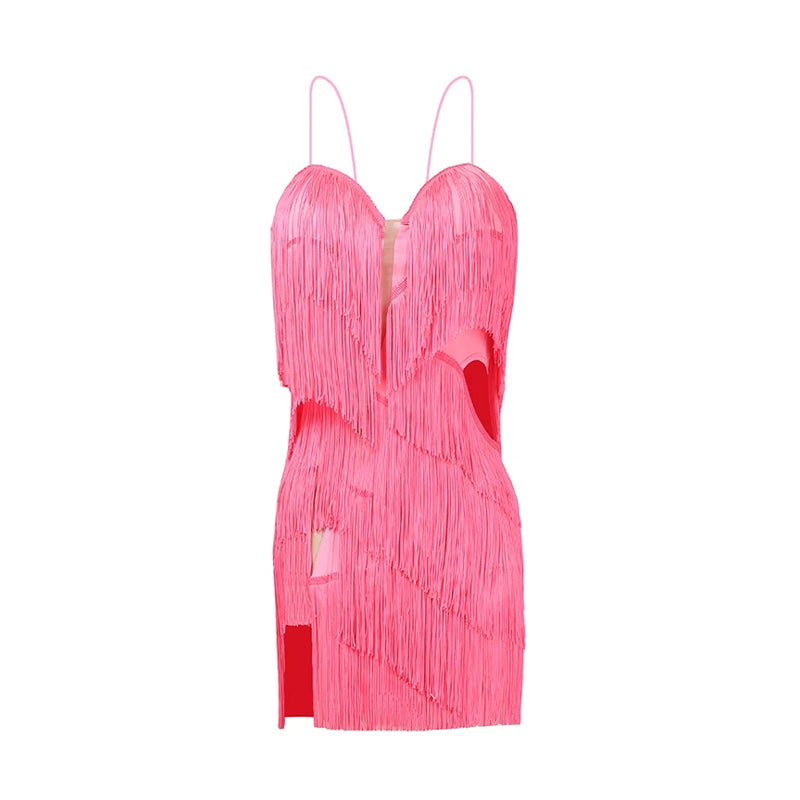
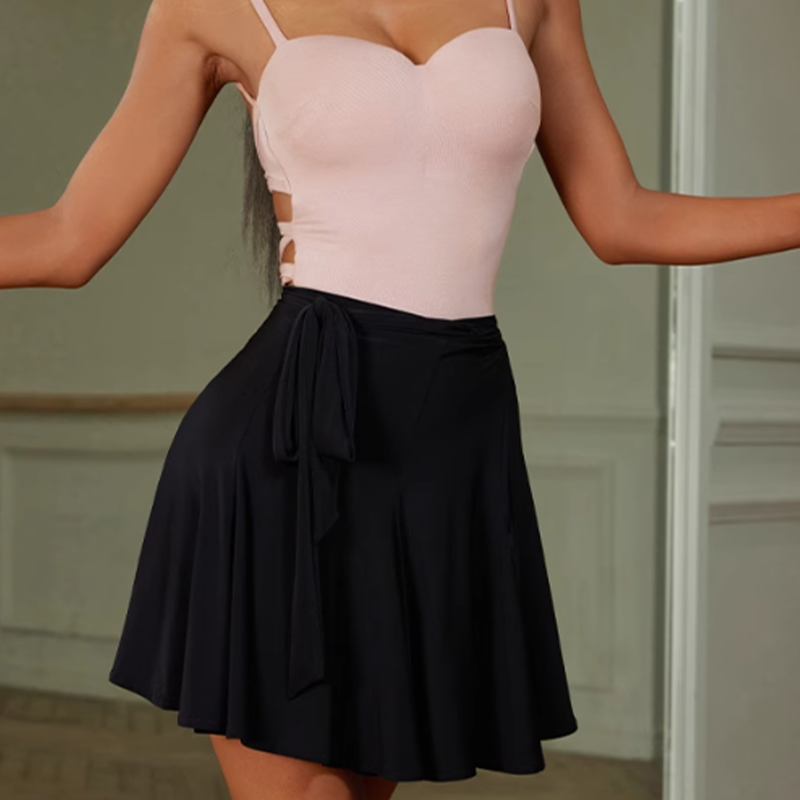
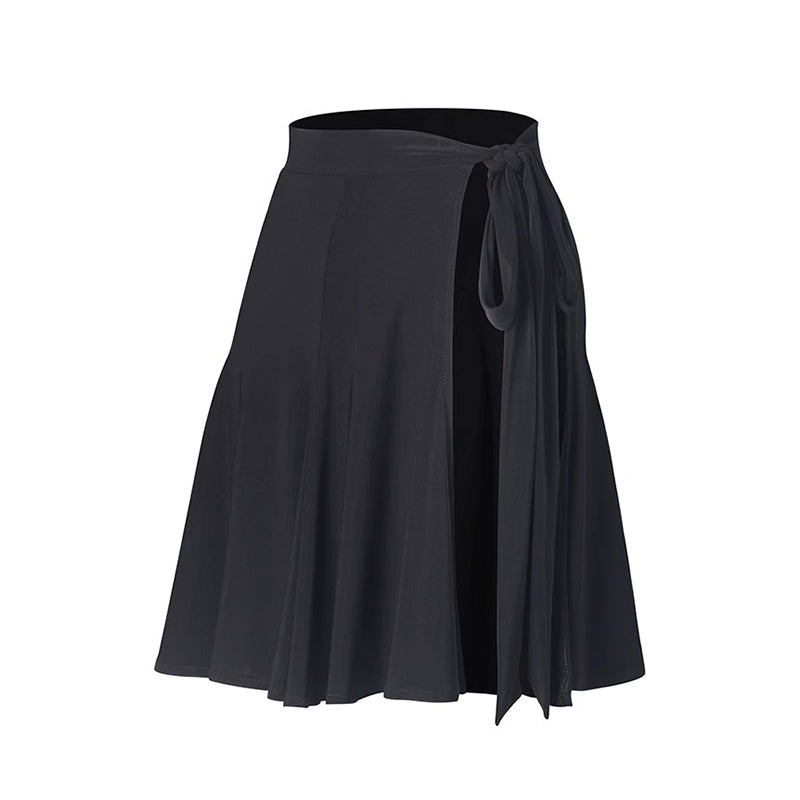
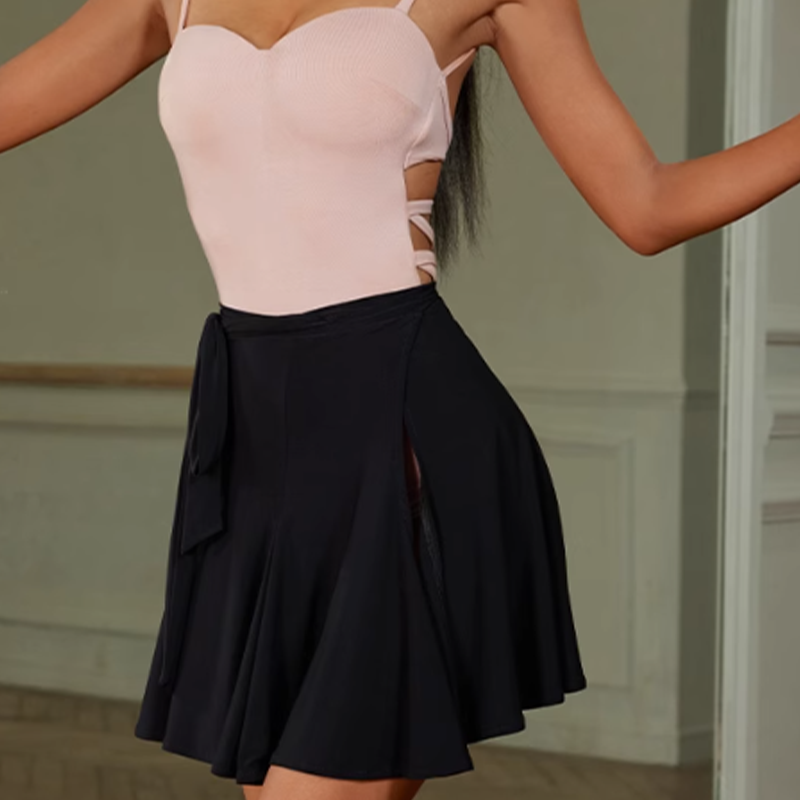
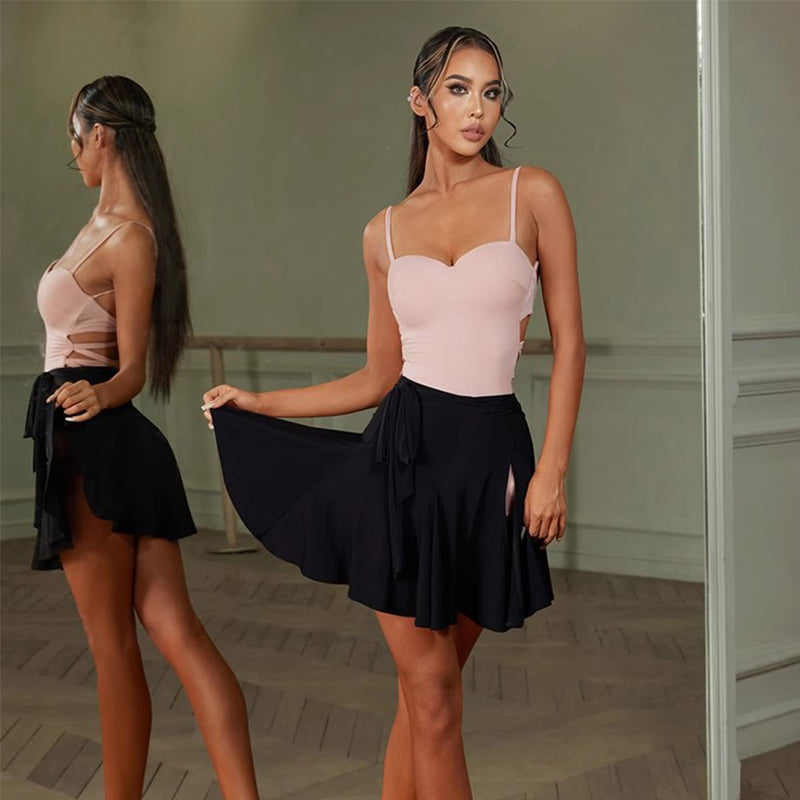
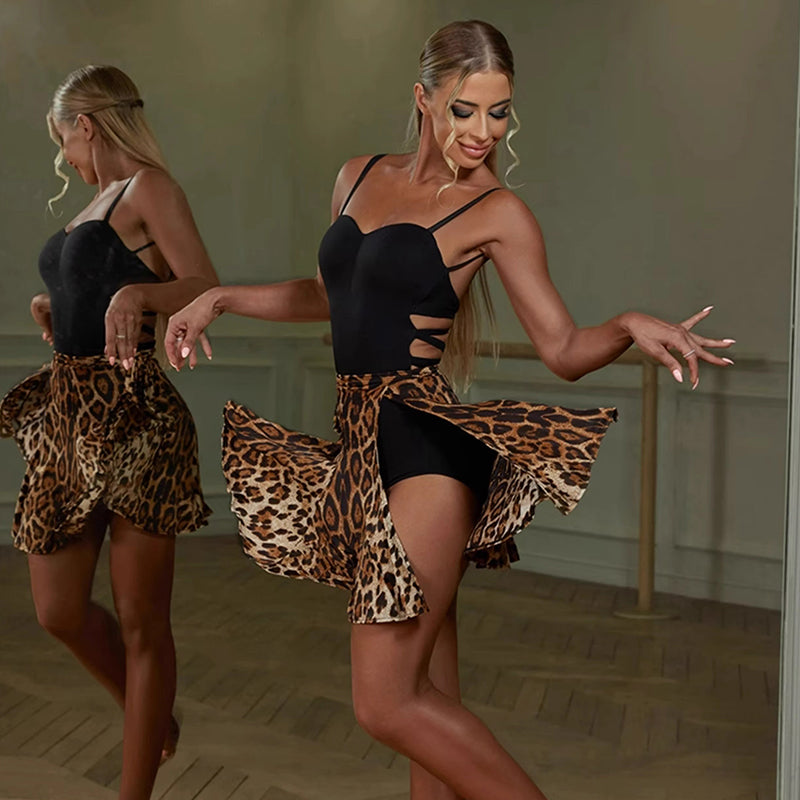
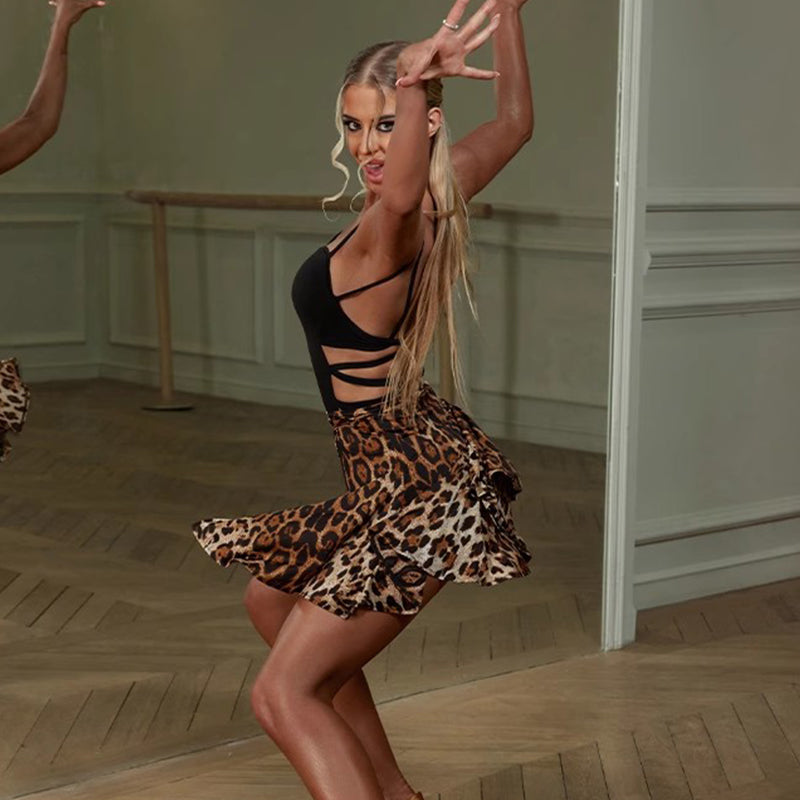
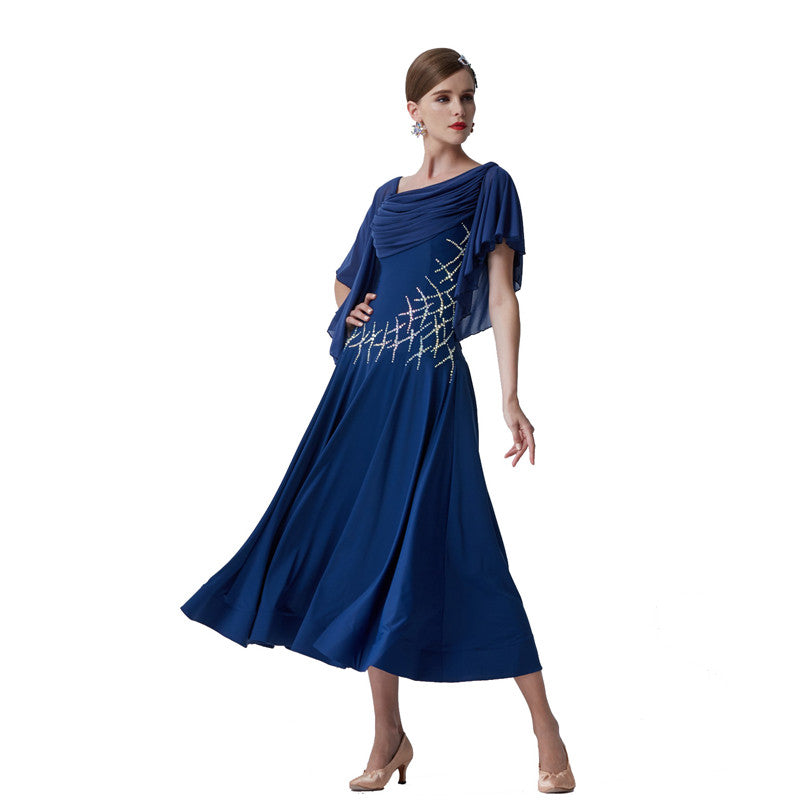
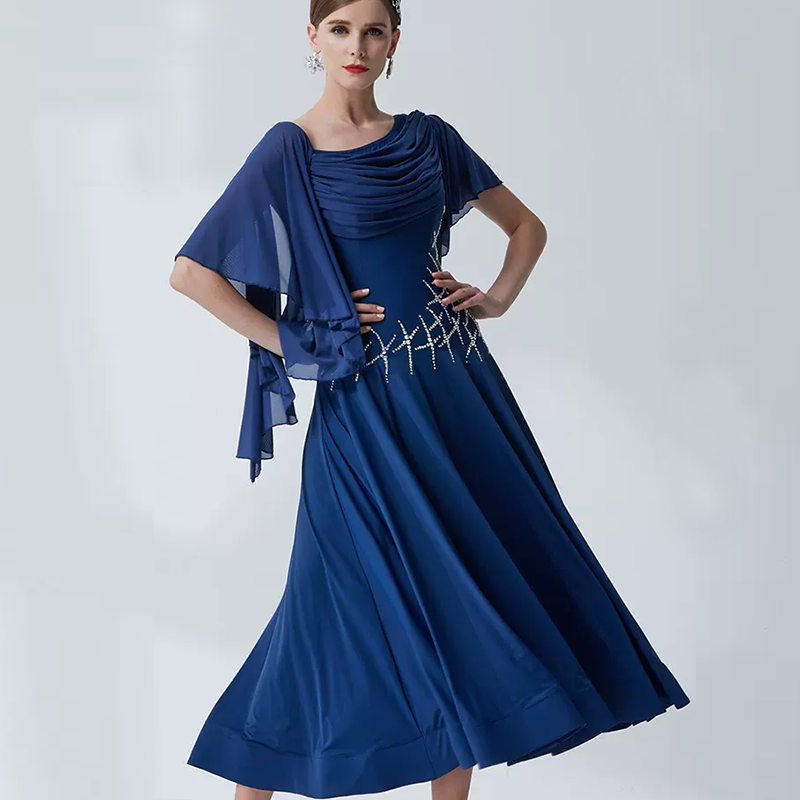
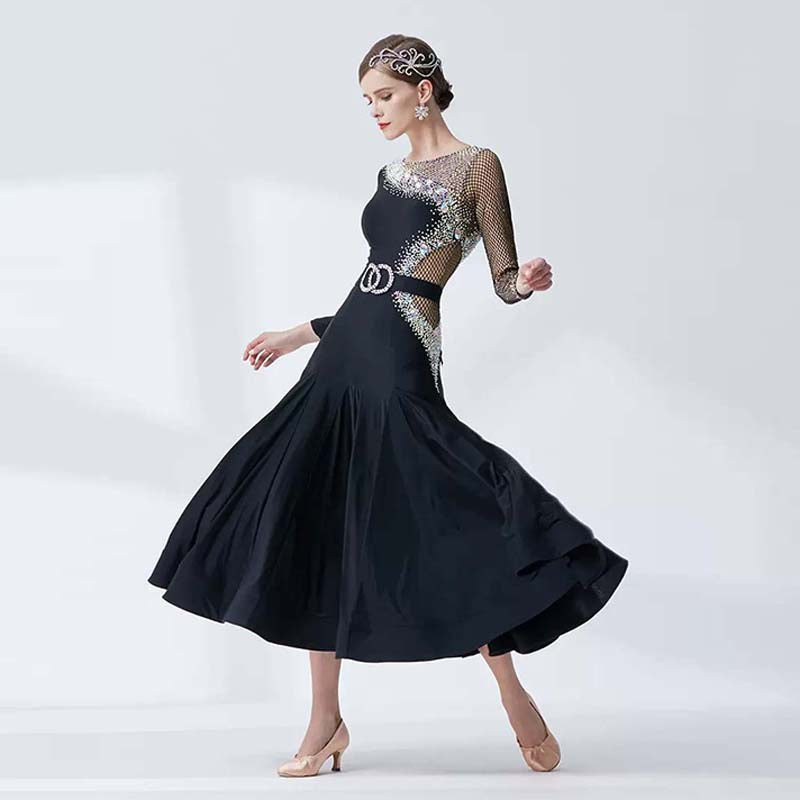
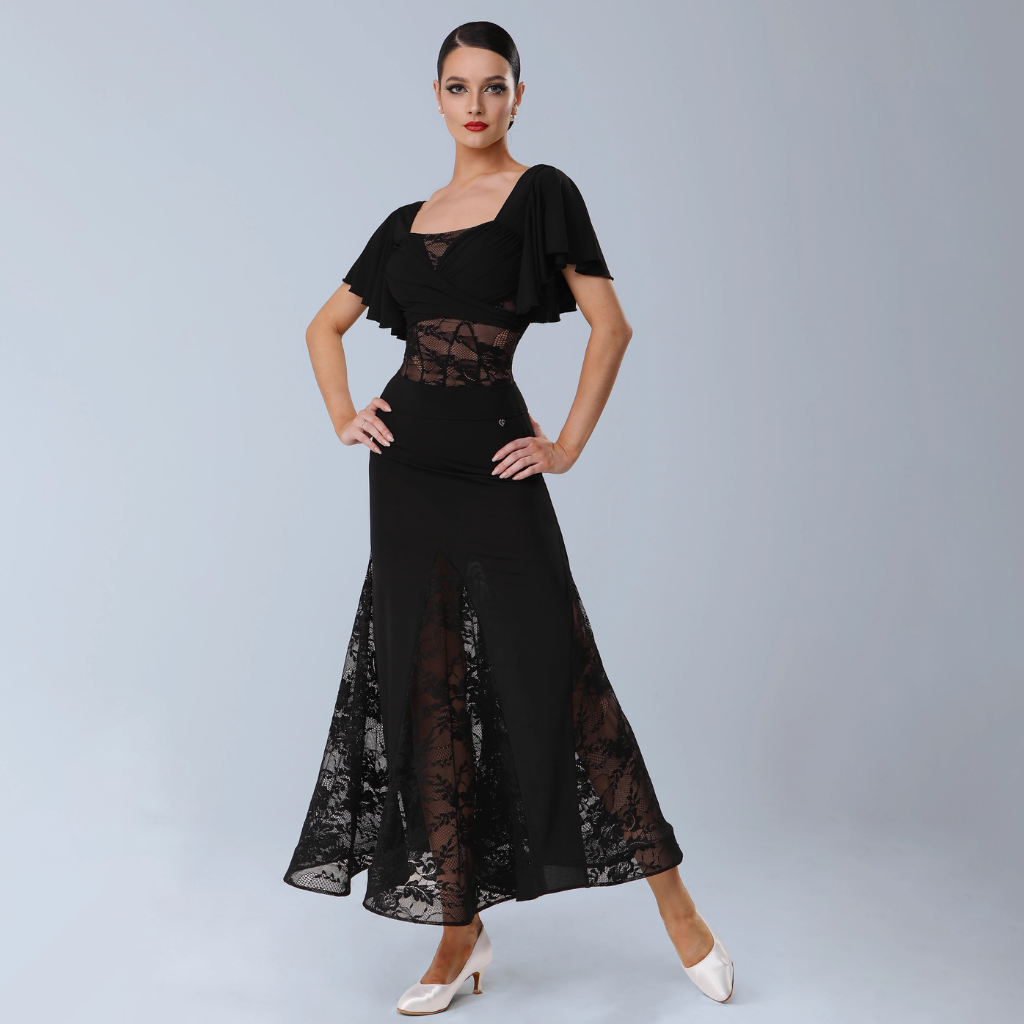
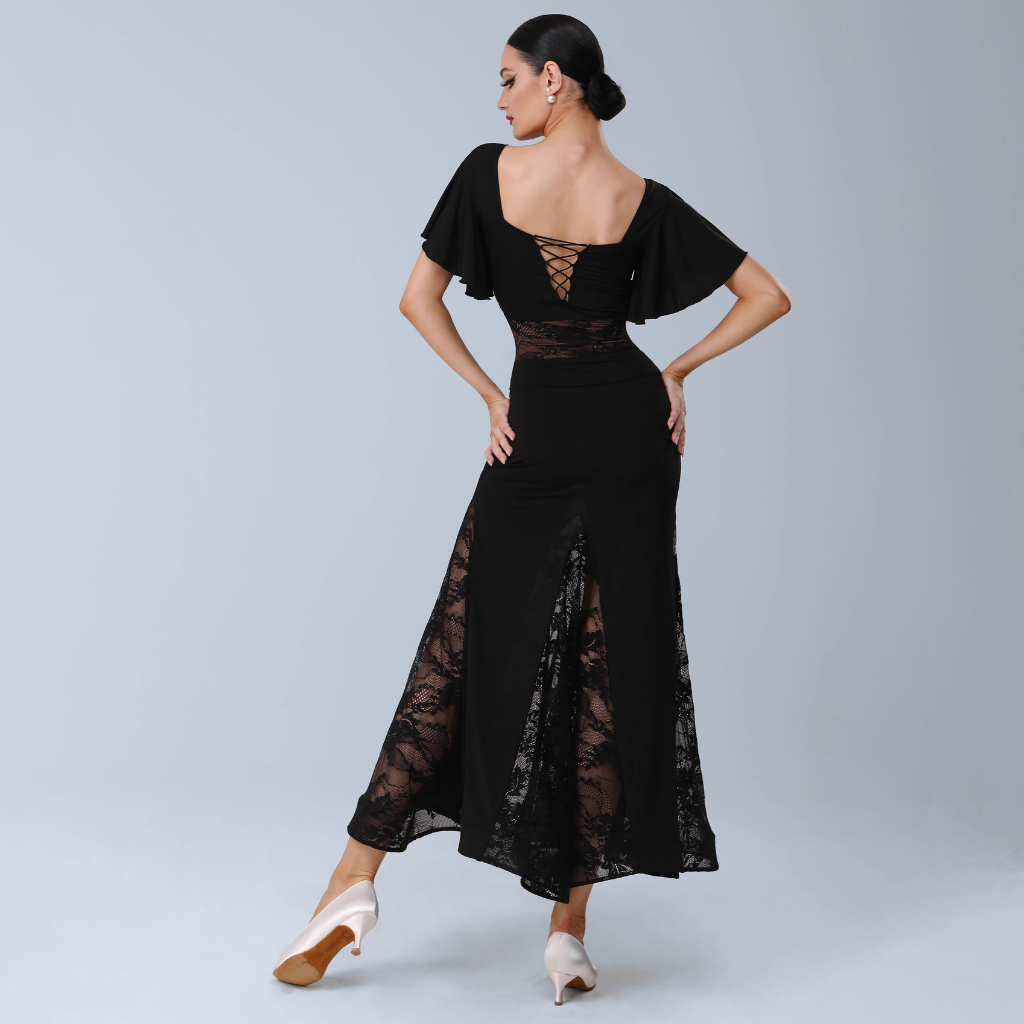
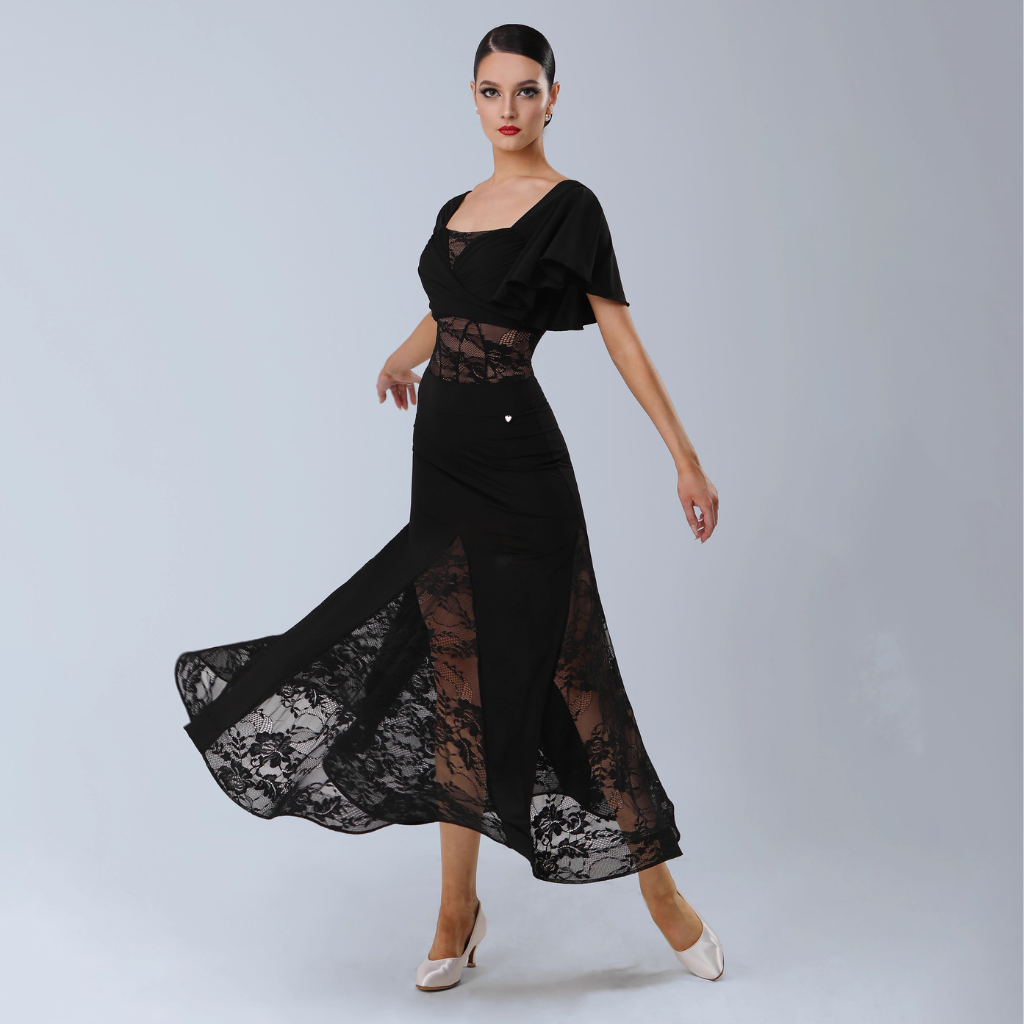
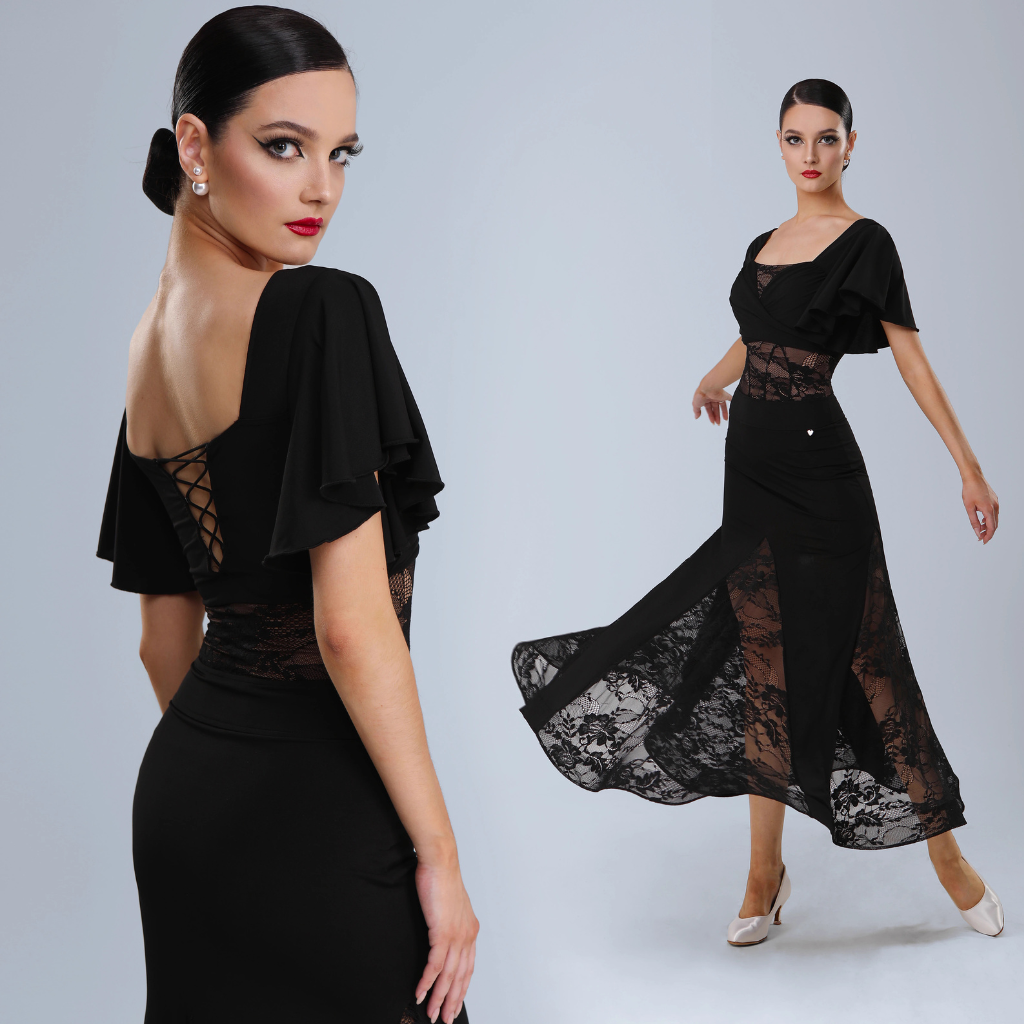
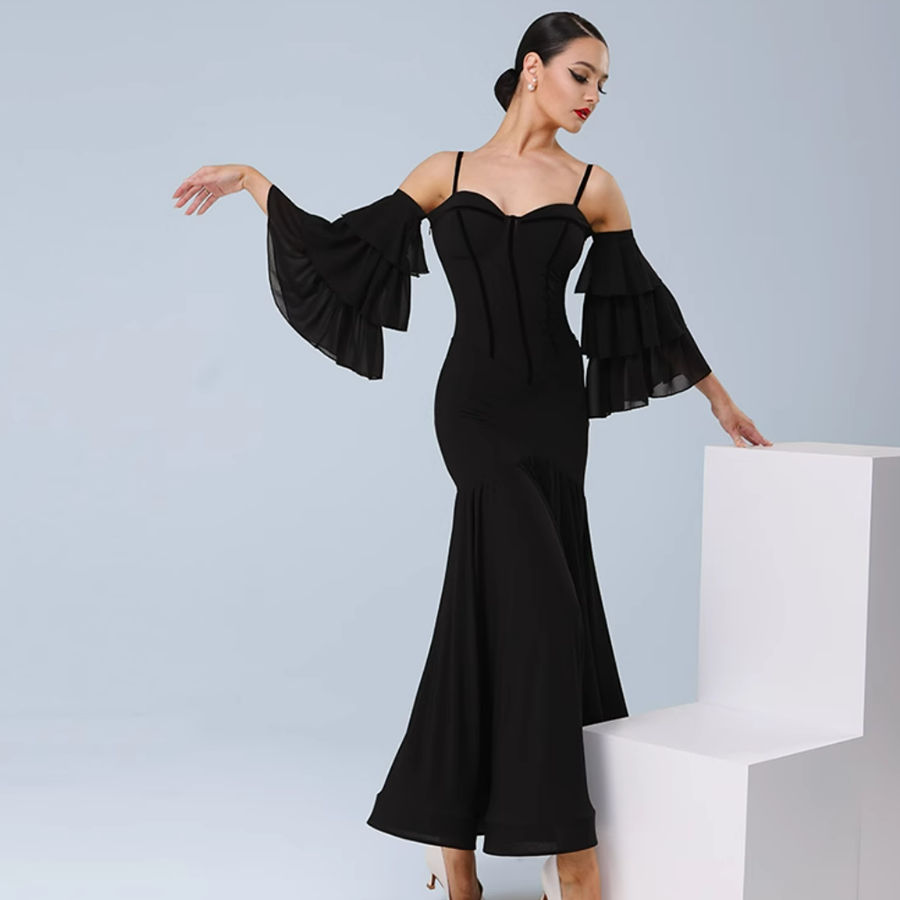
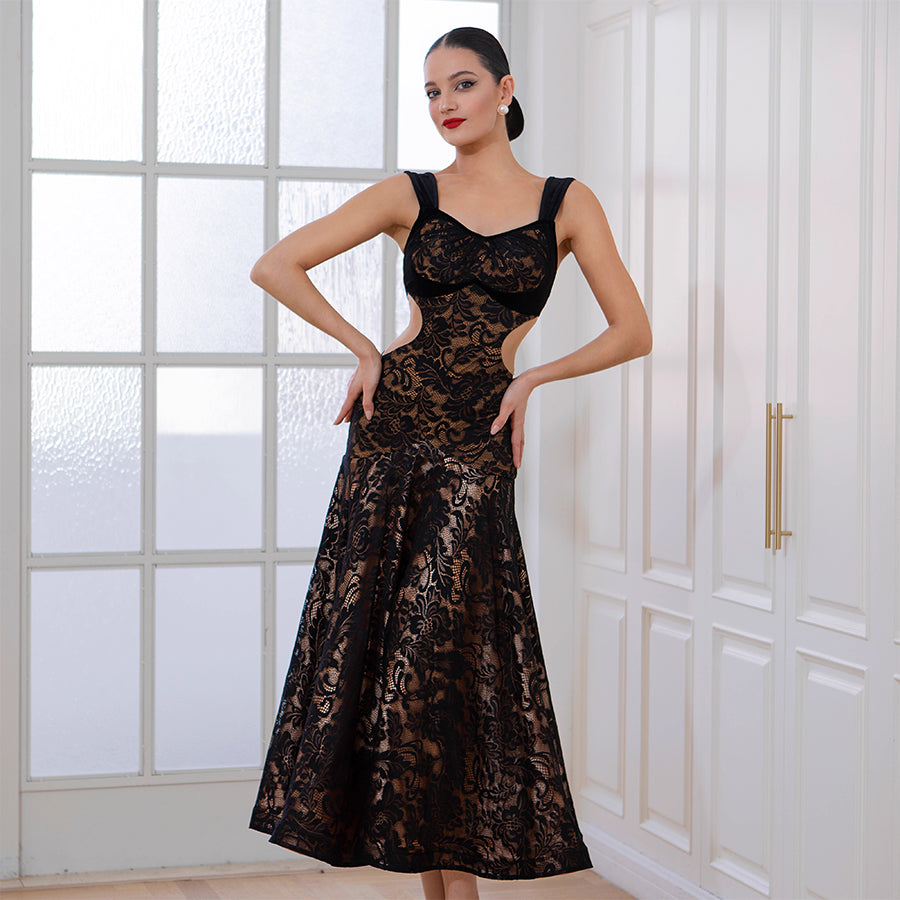
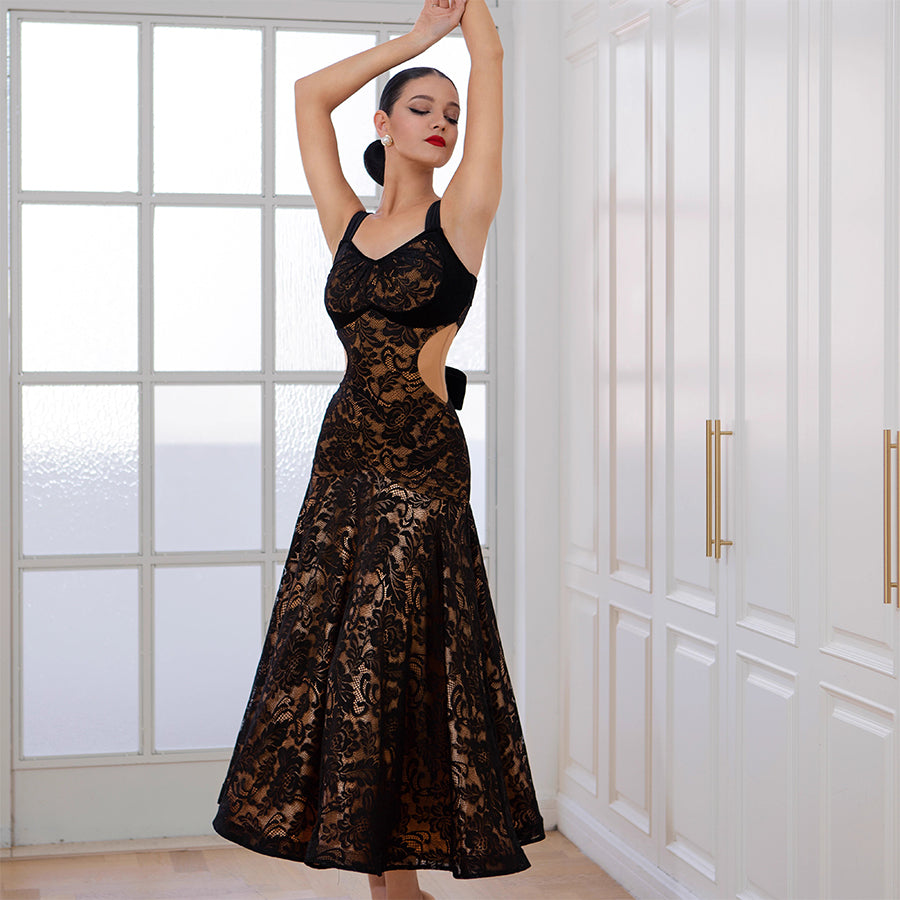
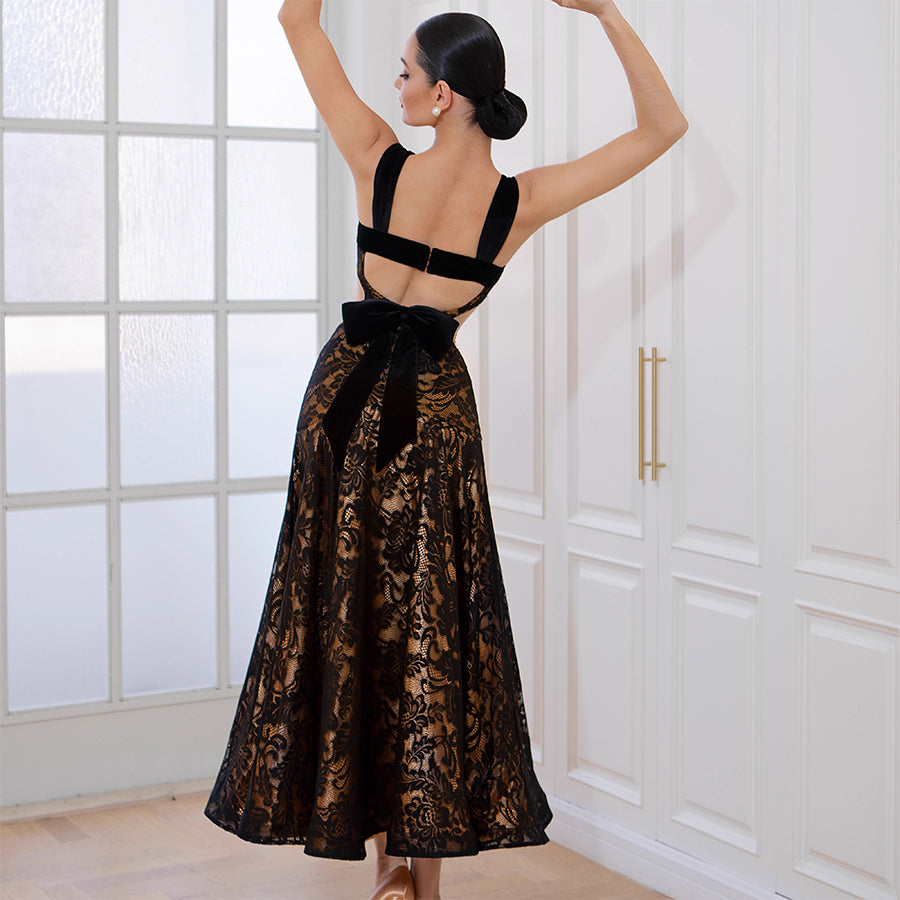
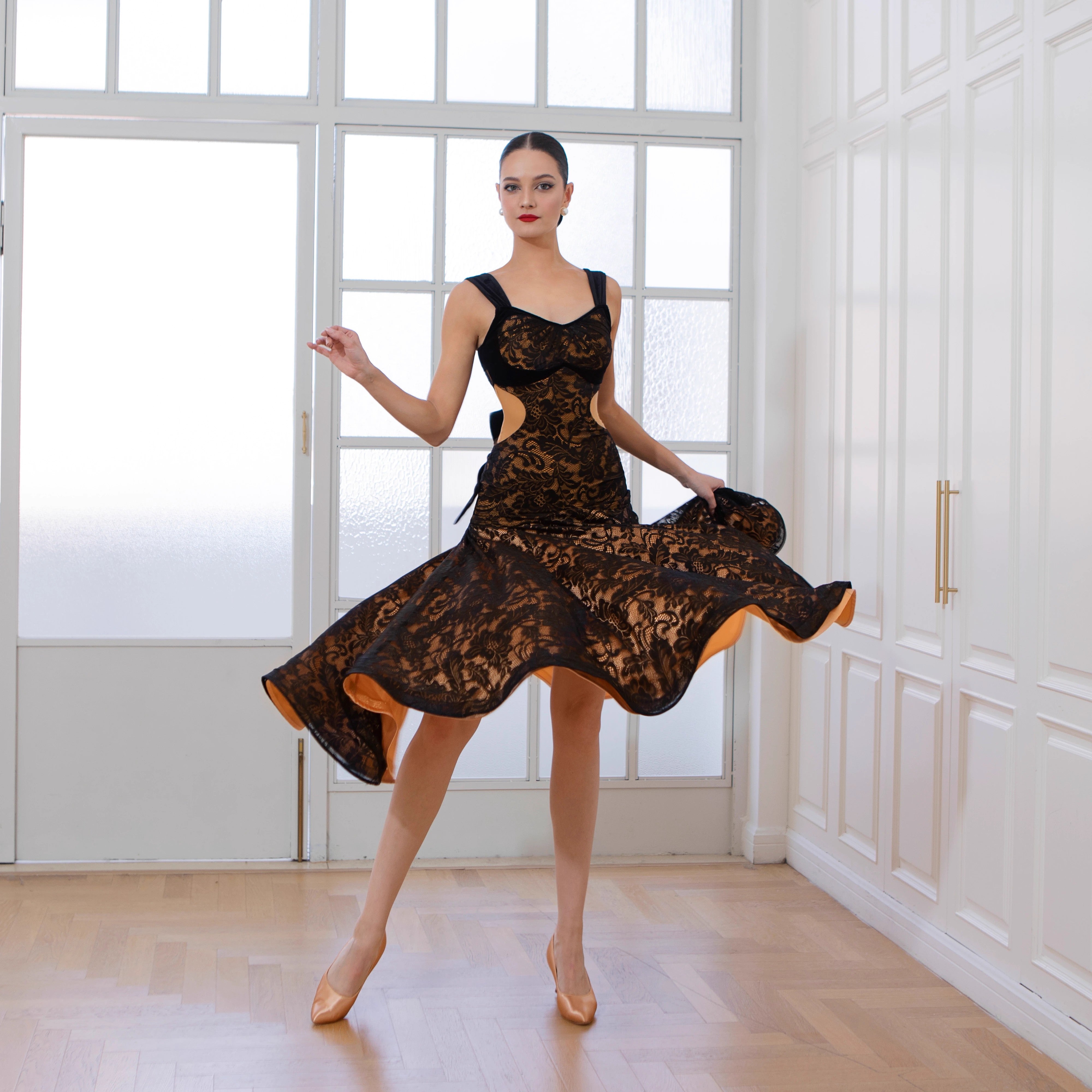
Comfort and freedom of movement are key. Breathable tops, pants or skirts that allow pivoting, and — most importantly — the right footwear for turning and sliding on a social floor.
Jazz, Contemporary, and Lyrical
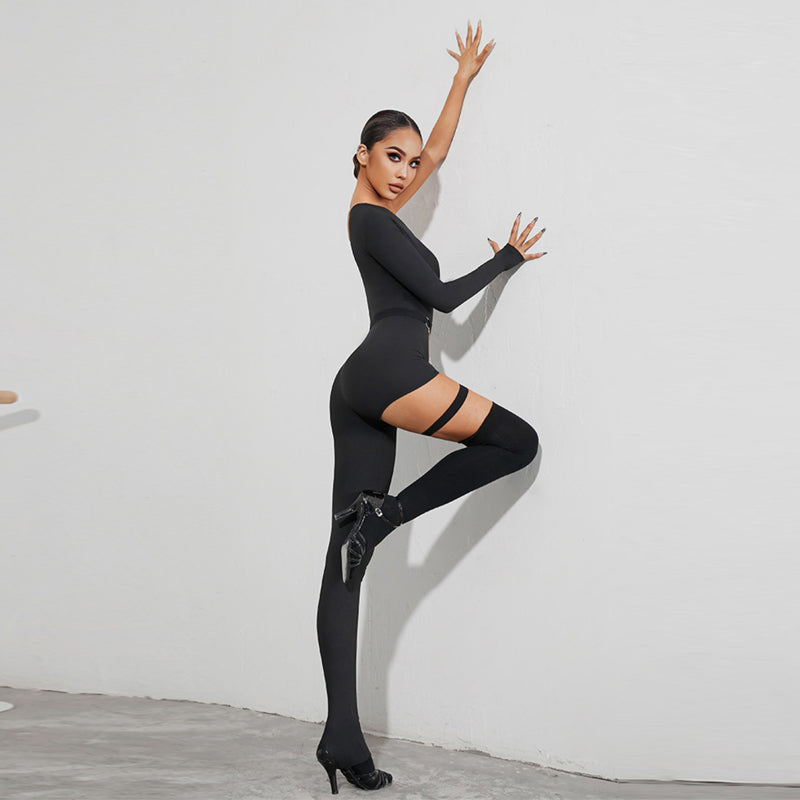
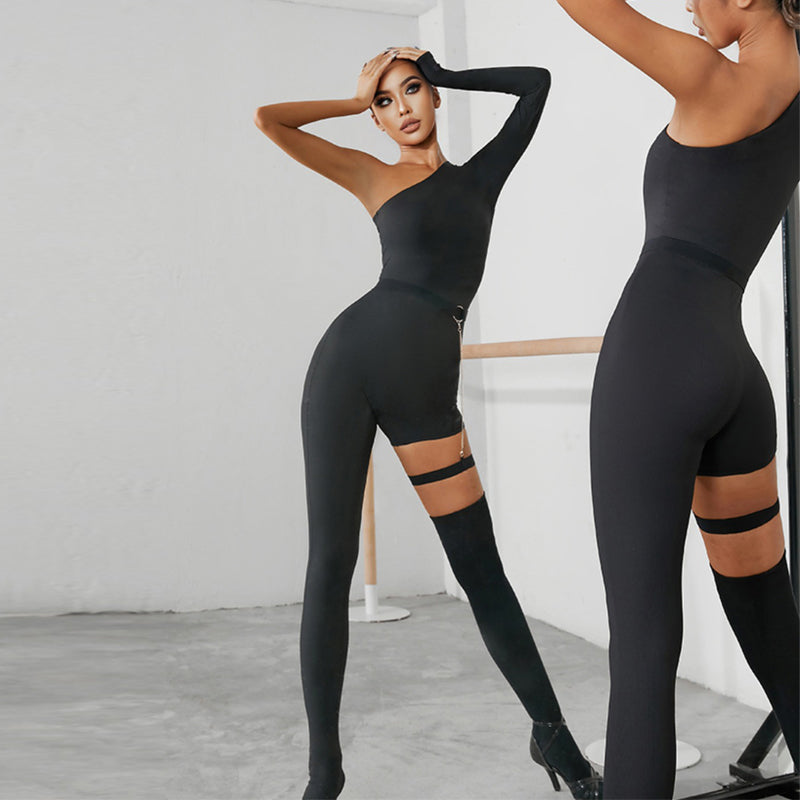
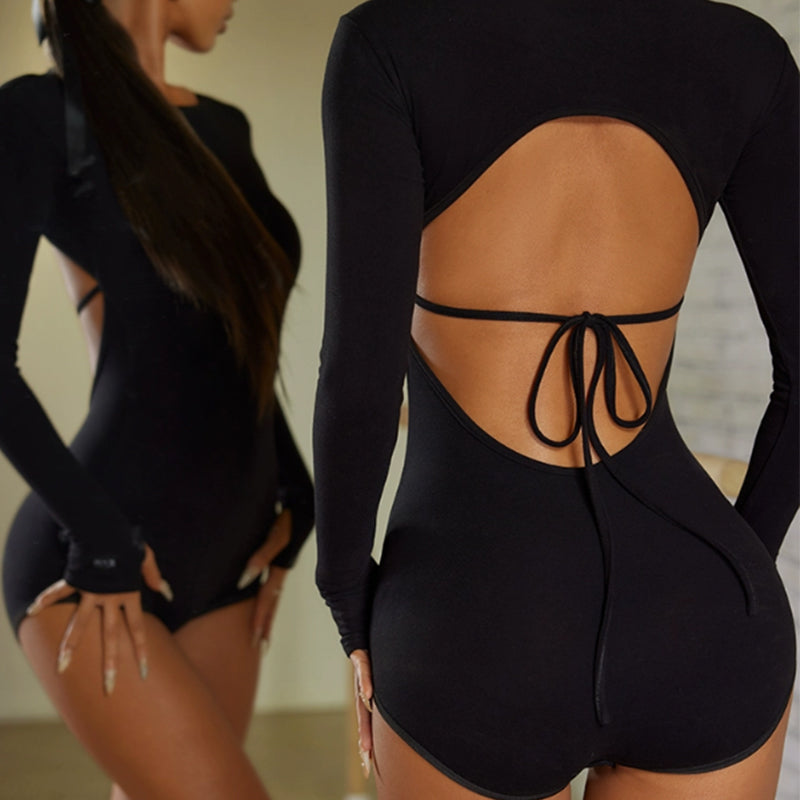
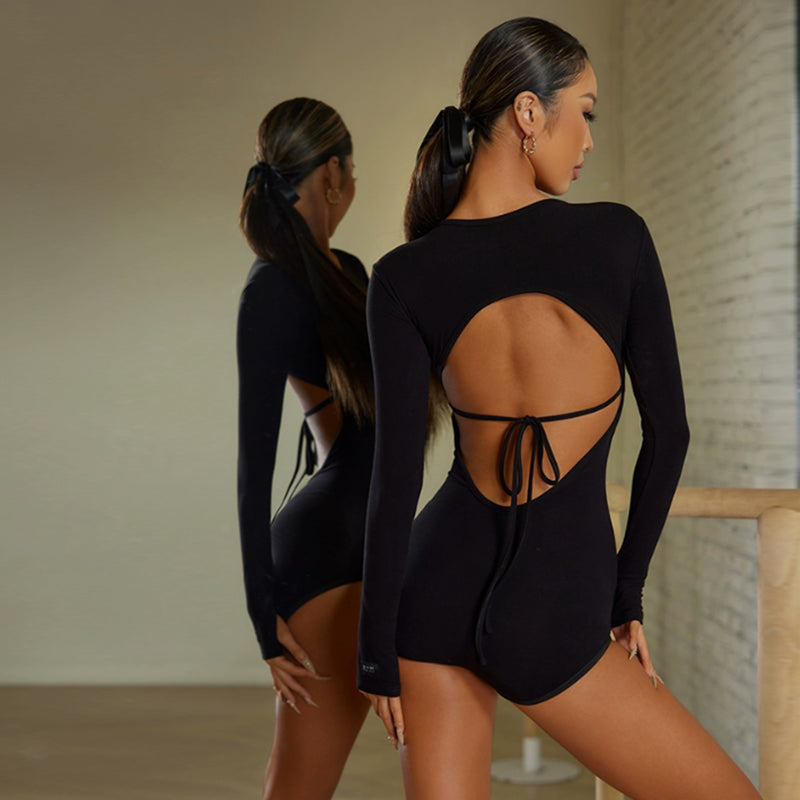
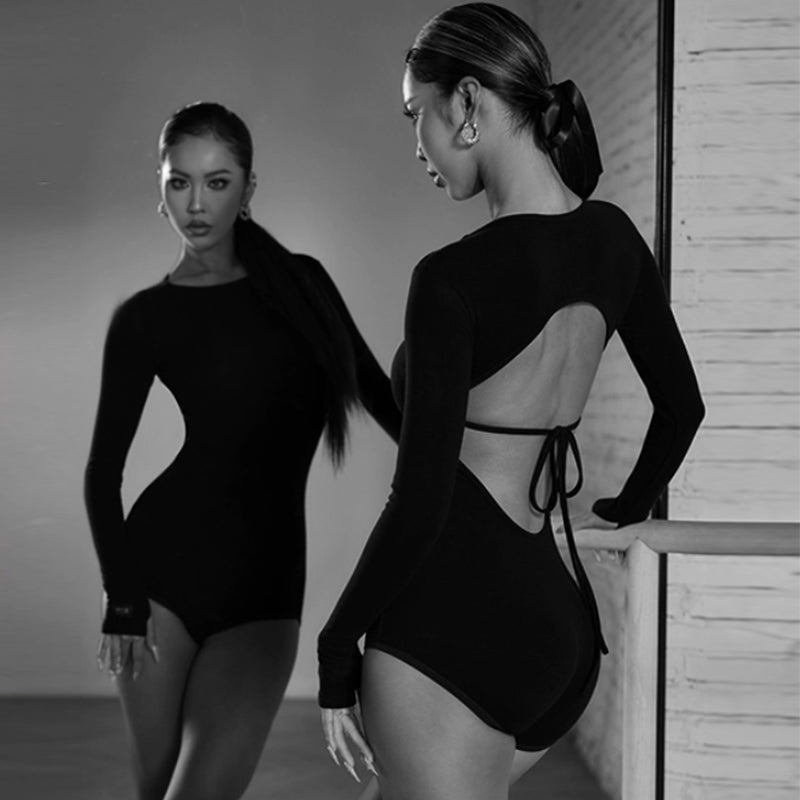
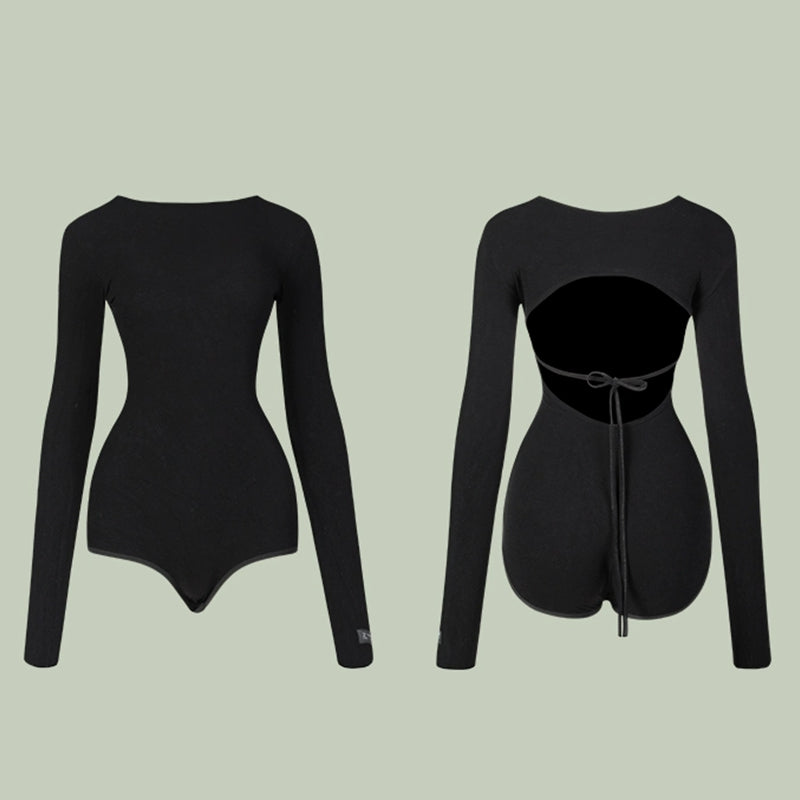
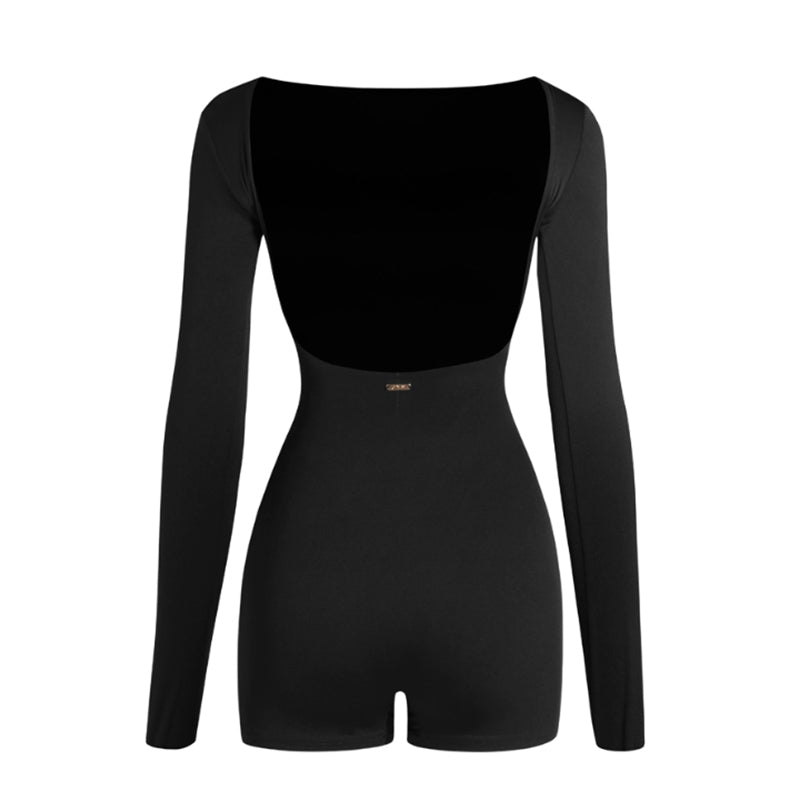
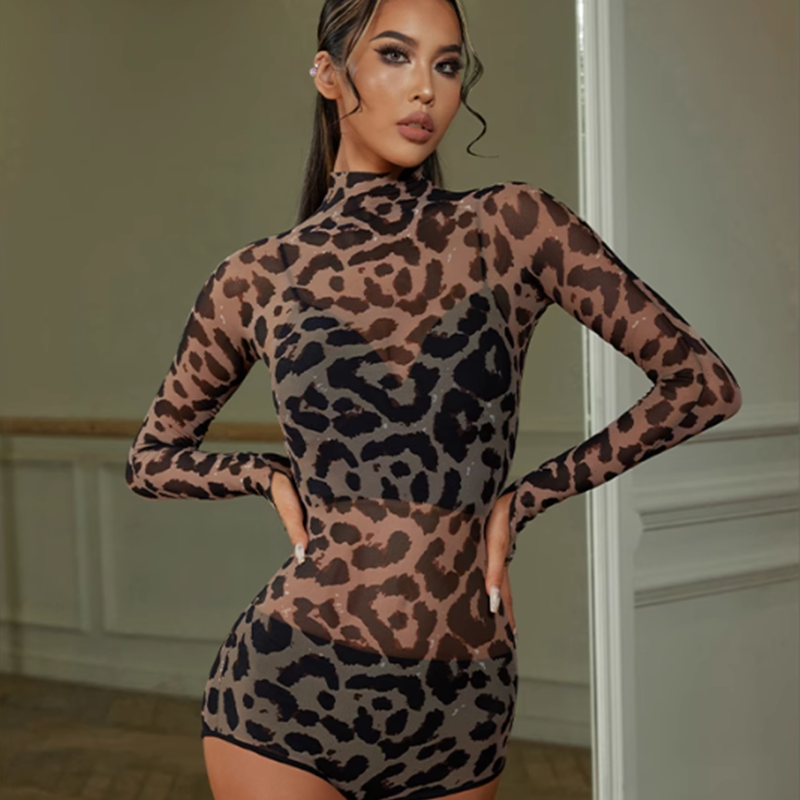
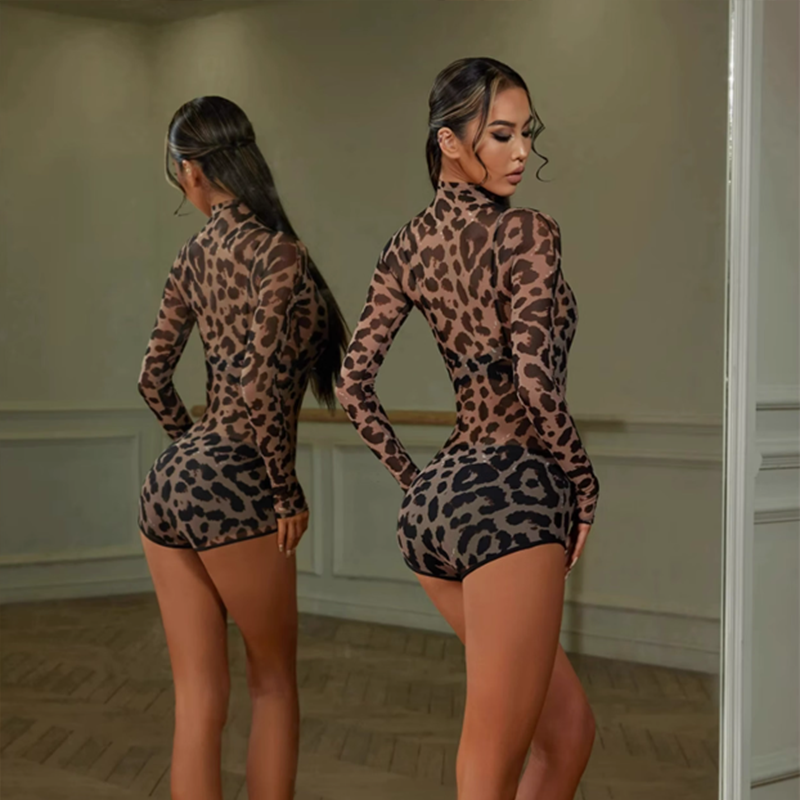
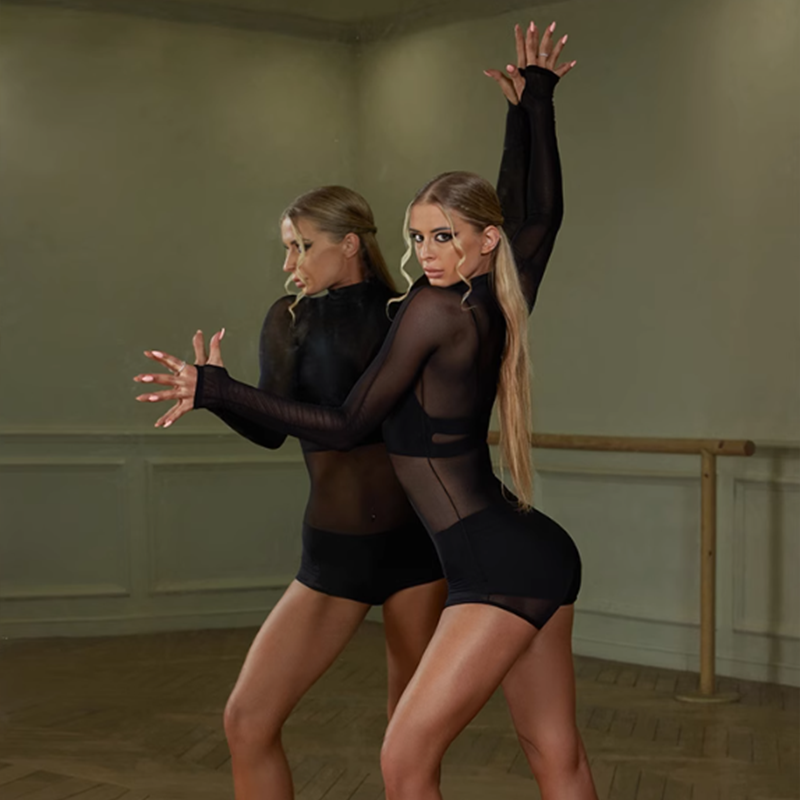
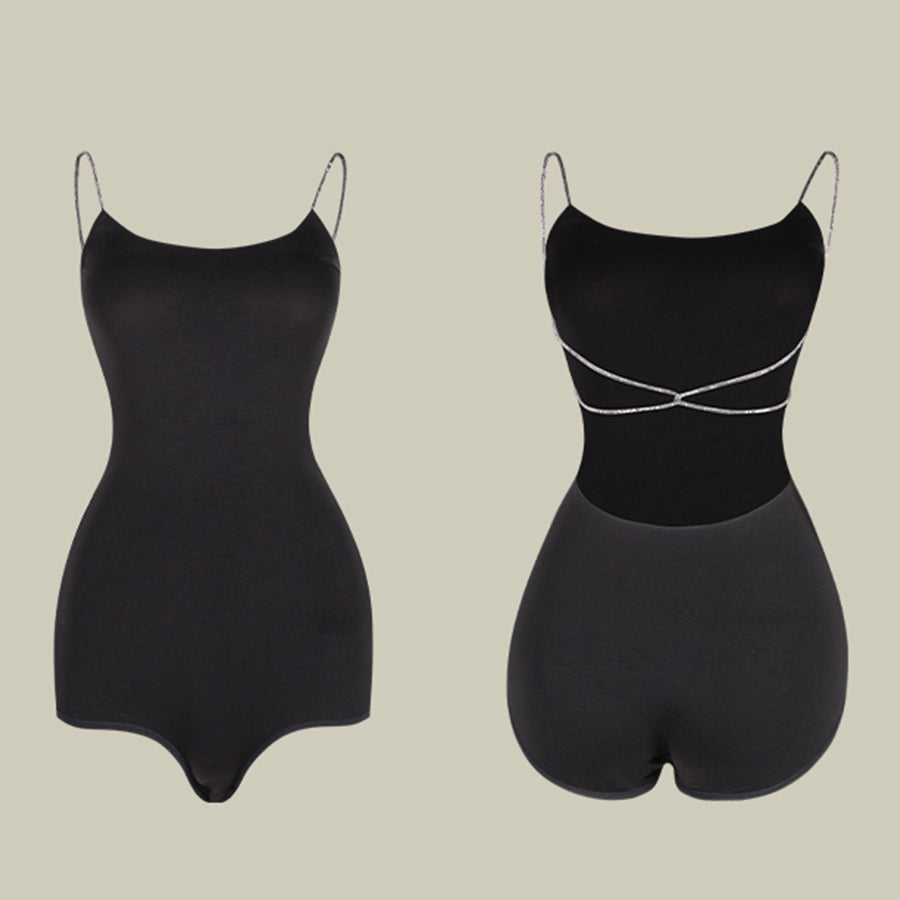
Fitted leggings or dance shorts with a form-fitting top. Teachers need to see your lines, so avoid loose sweatshirts. Layers like a fitted cardigan or leg warmers are fine for warm-up.
Hip-Hop
This is the one style where looser clothing works. Baggy joggers, a t-shirt, and clean sneakers are standard. Just make sure nothing is so loose that it tangles during footwork.
Ballet
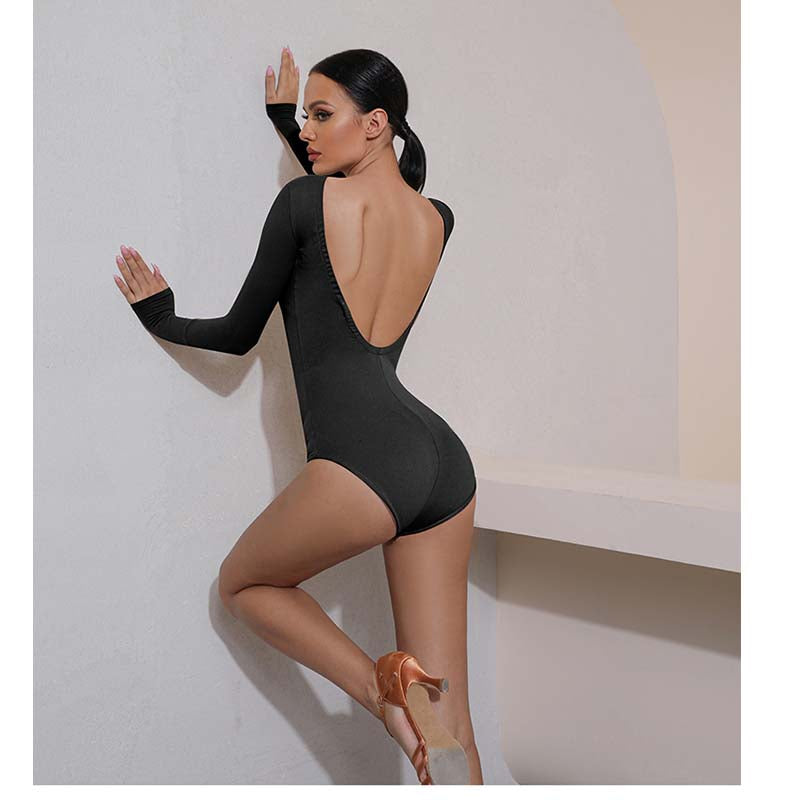
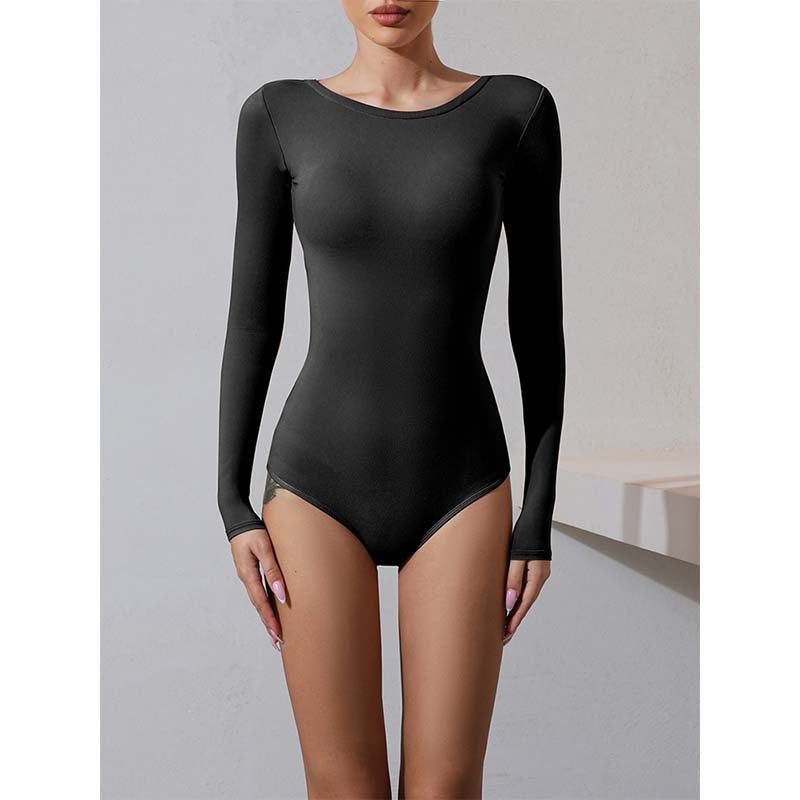
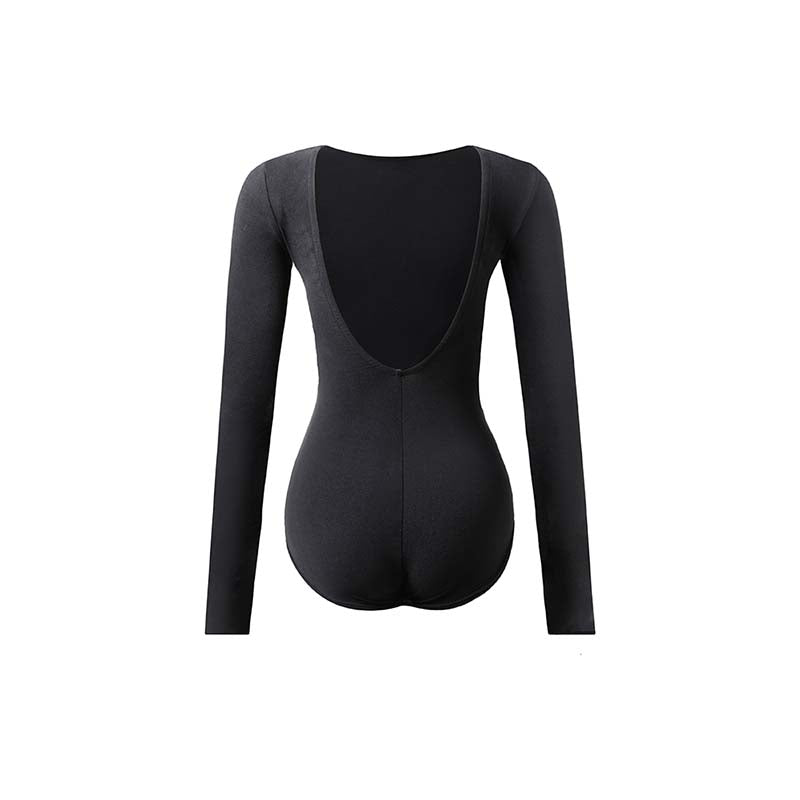
Traditional ballet attire is a leotard and tights. But for your very first class, fitted athletic wear — leggings and a fitted tank or tee — is perfectly acceptable. Call the studio and ask; most beginner classes are relaxed about dress code for newcomers.
The Most Important Purchase: Dance Shoes
If you're going to spend money on anything before your first class, spend it on your feet.
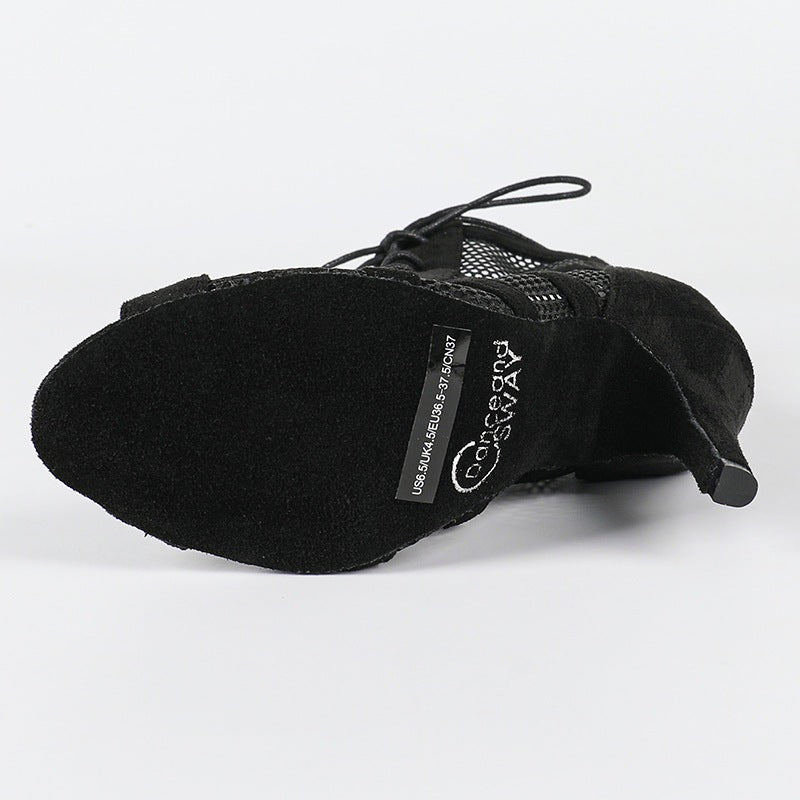
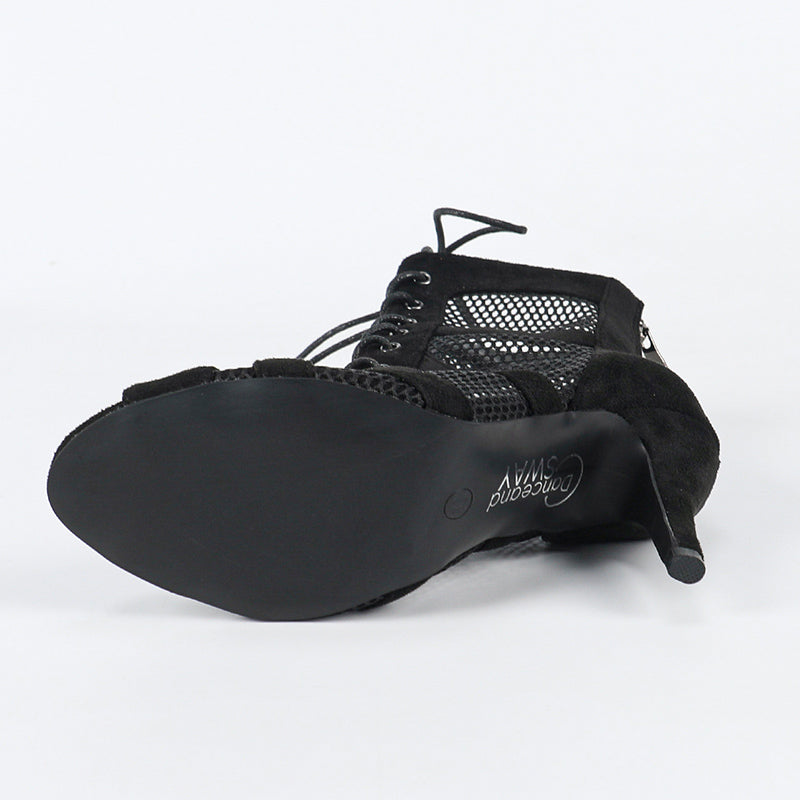
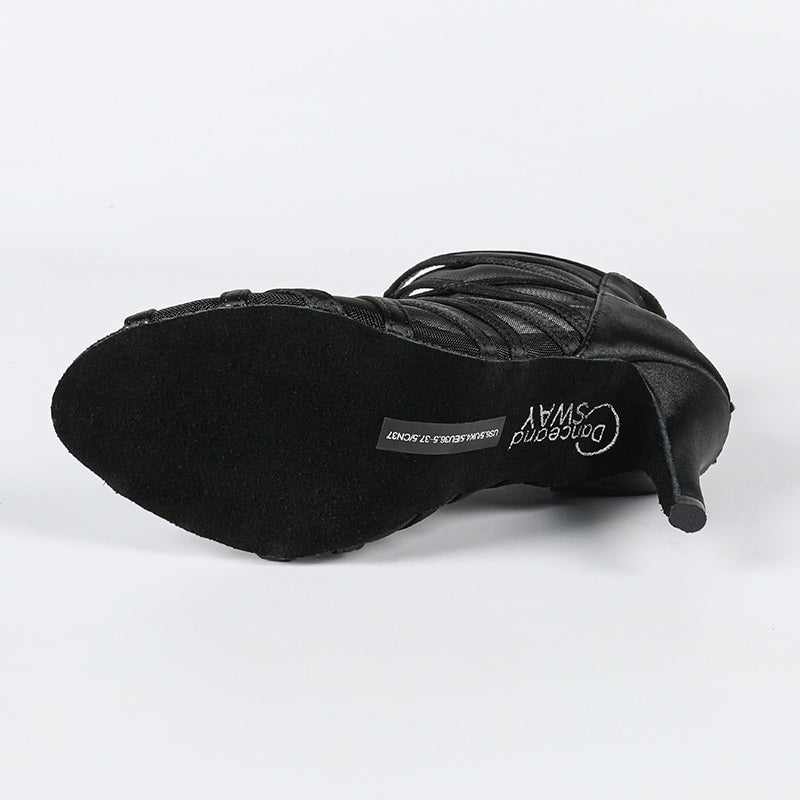
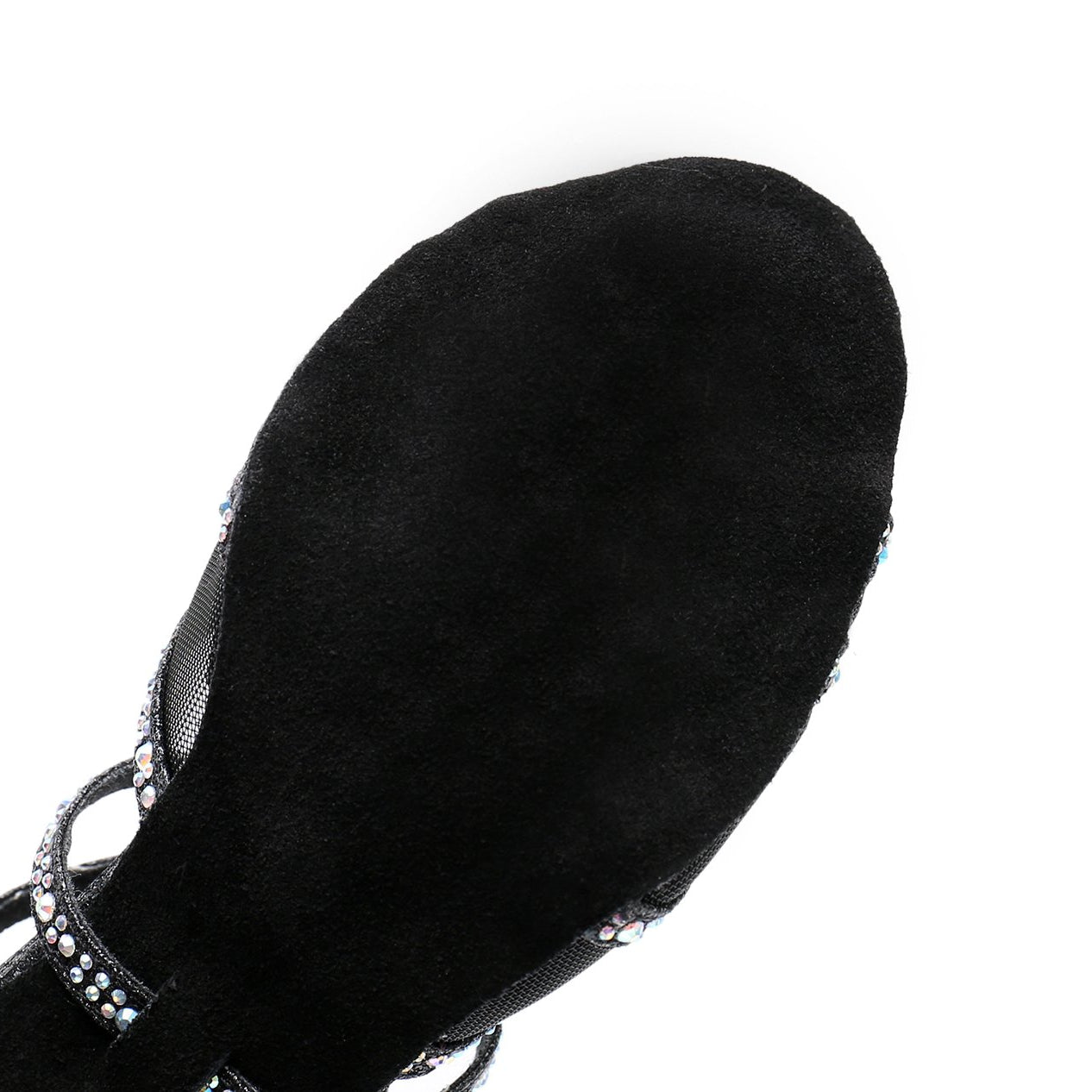
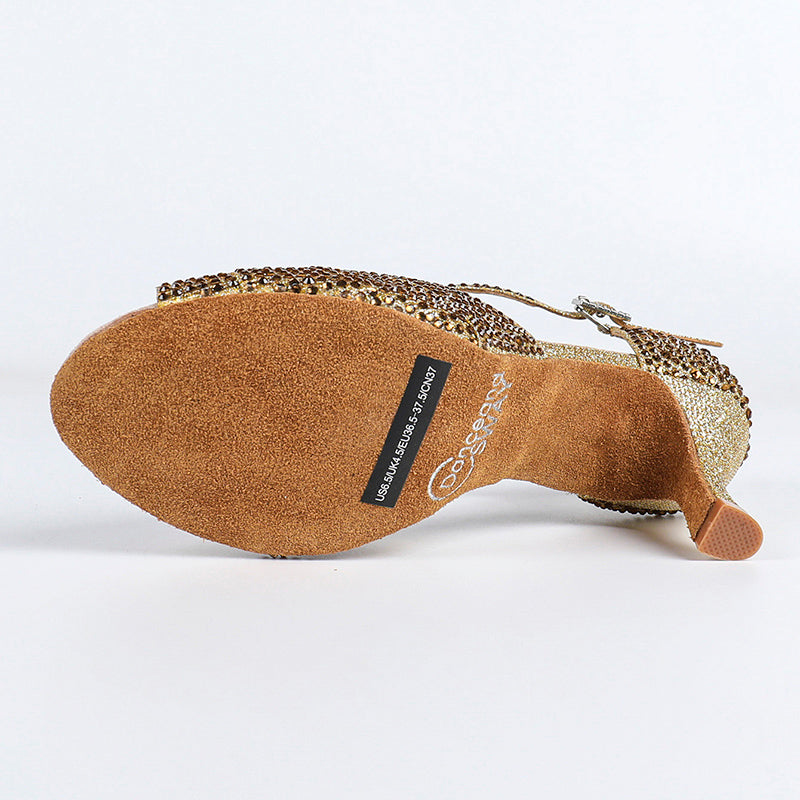
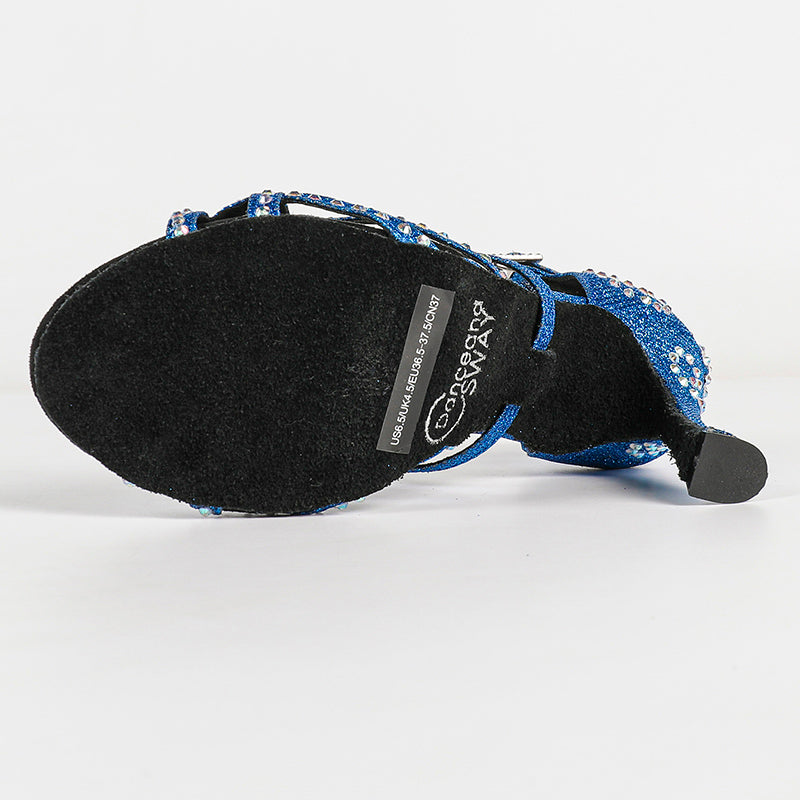
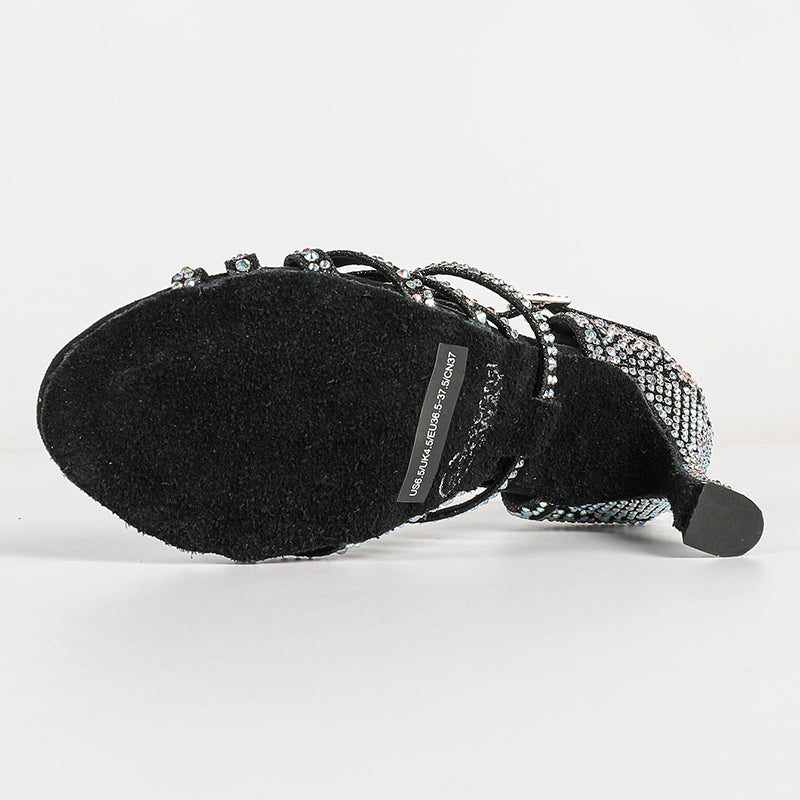
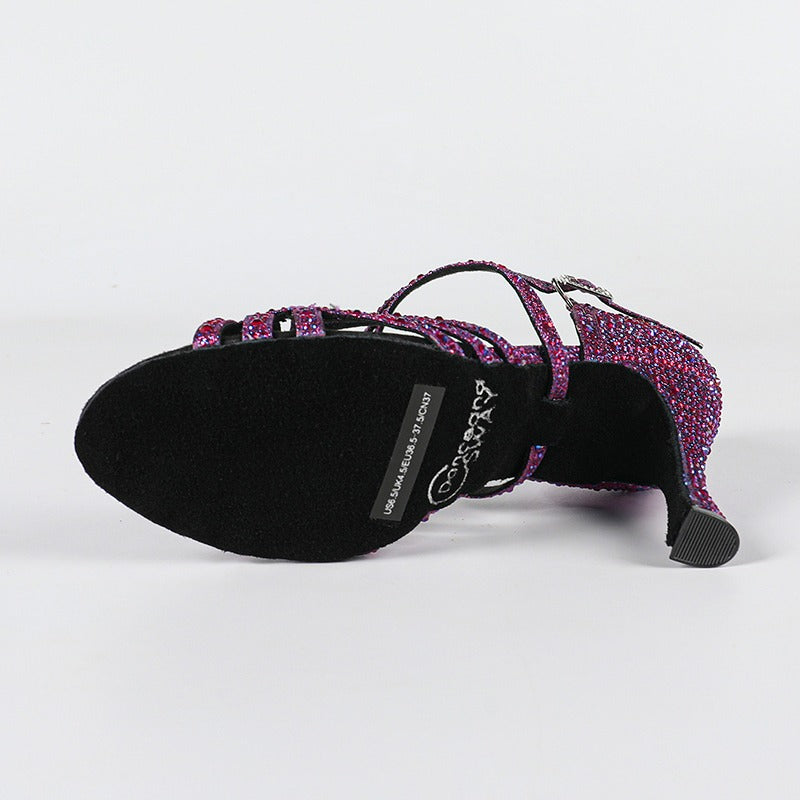
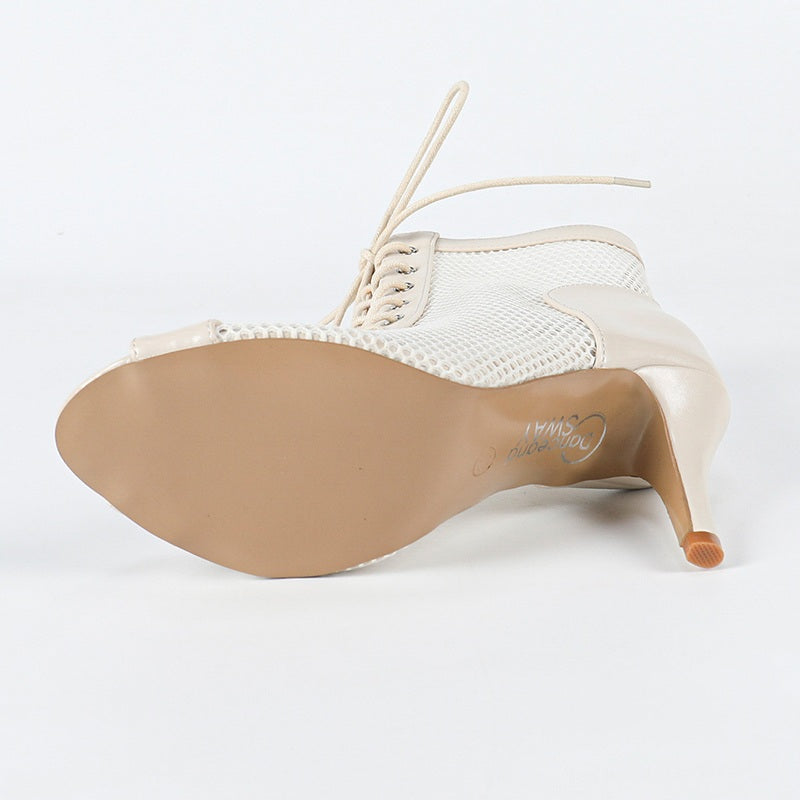
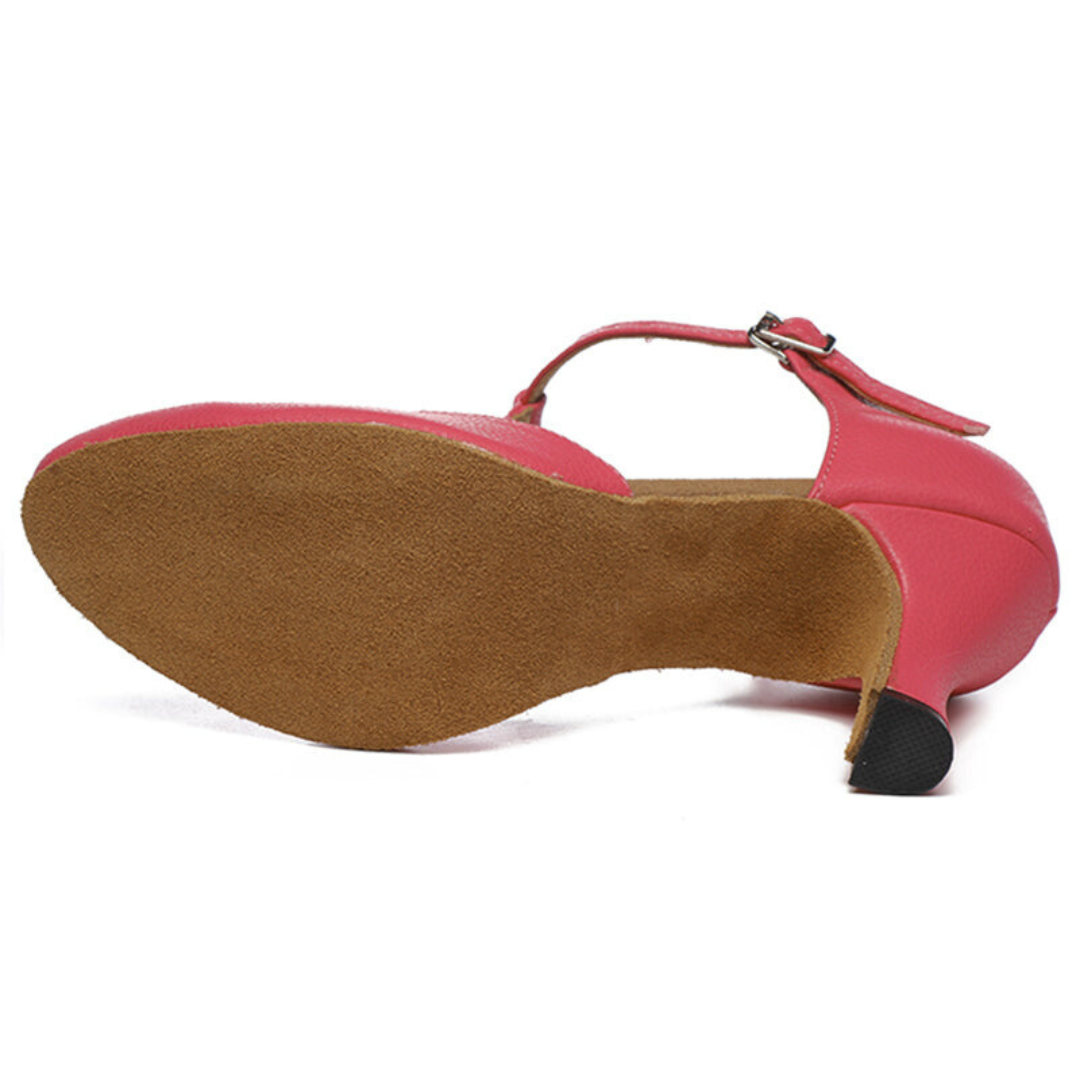
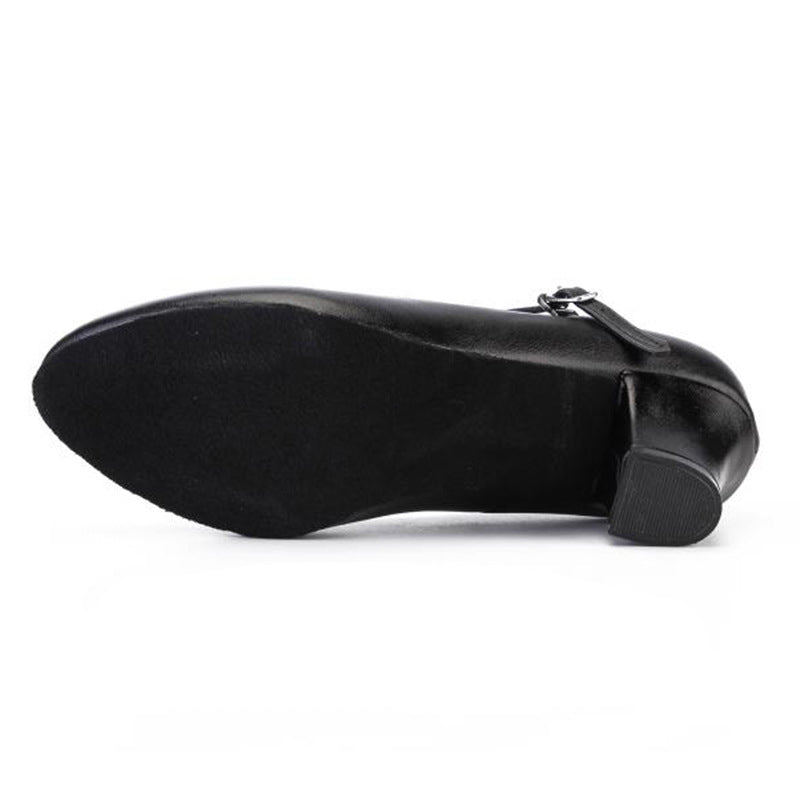
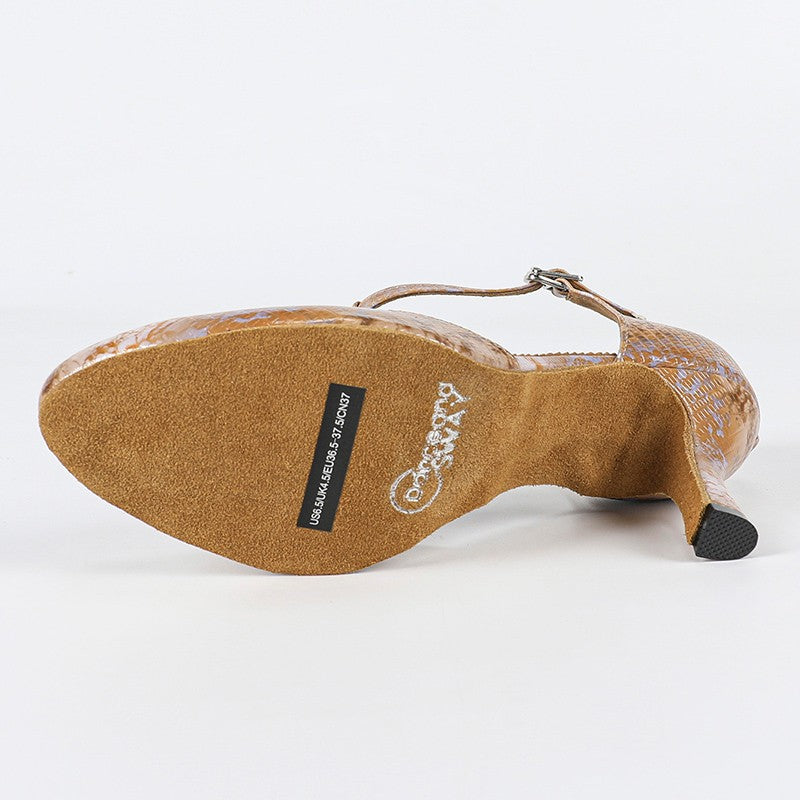
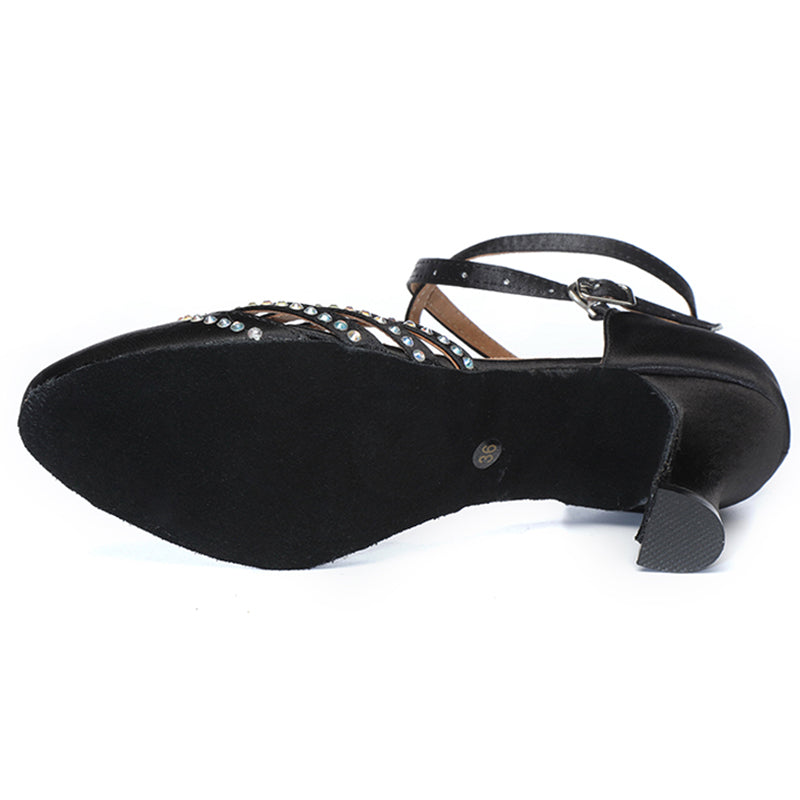
Regular sneakers have rubber soles that grip the floor. That's great for walking, but terrible for dancing — rubber soles catch during turns and can torque your knees. That's why dance shoes are designed with suede or leather soles that let you pivot and slide safely.

For your first class:
Check with the studio first. Many beginner classes allow clean, non-marking sneakers or socks. Some studios require specific shoes from day one.
Don't borrow worn-out shoes. Ill-fitting footwear is the fastest way to get injured.
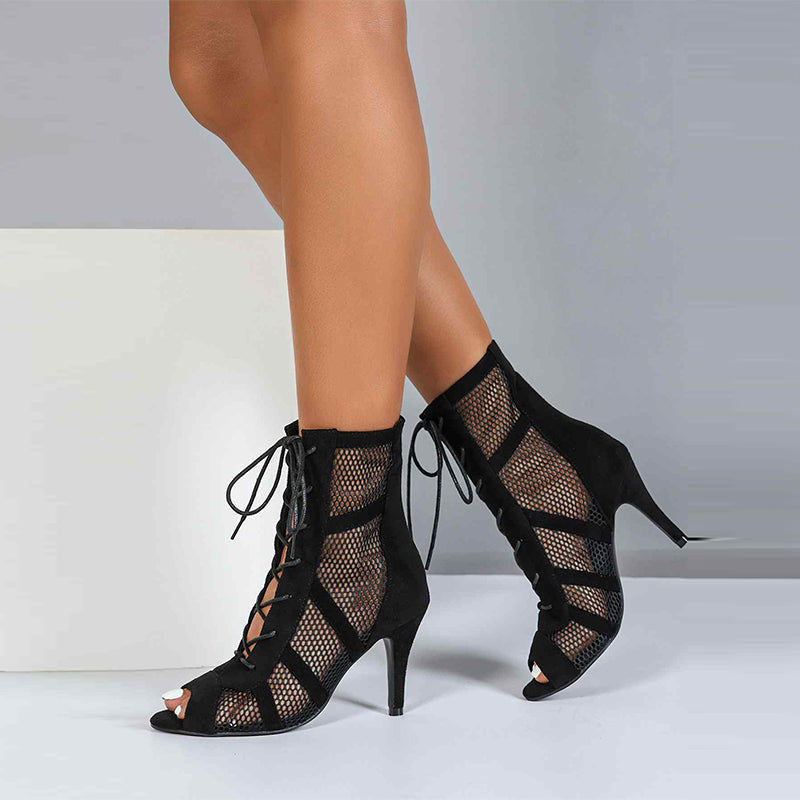
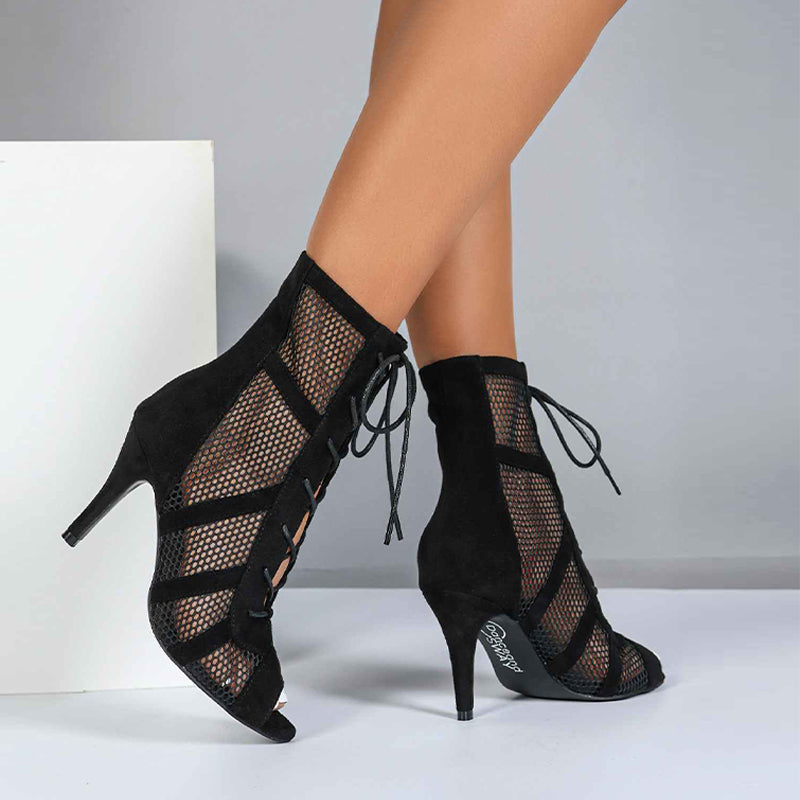
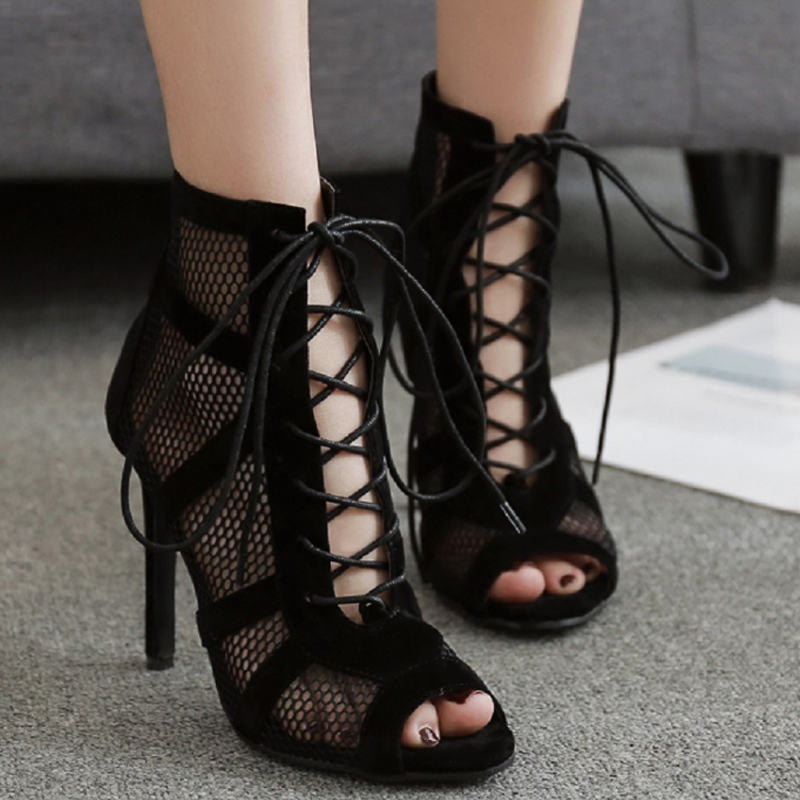
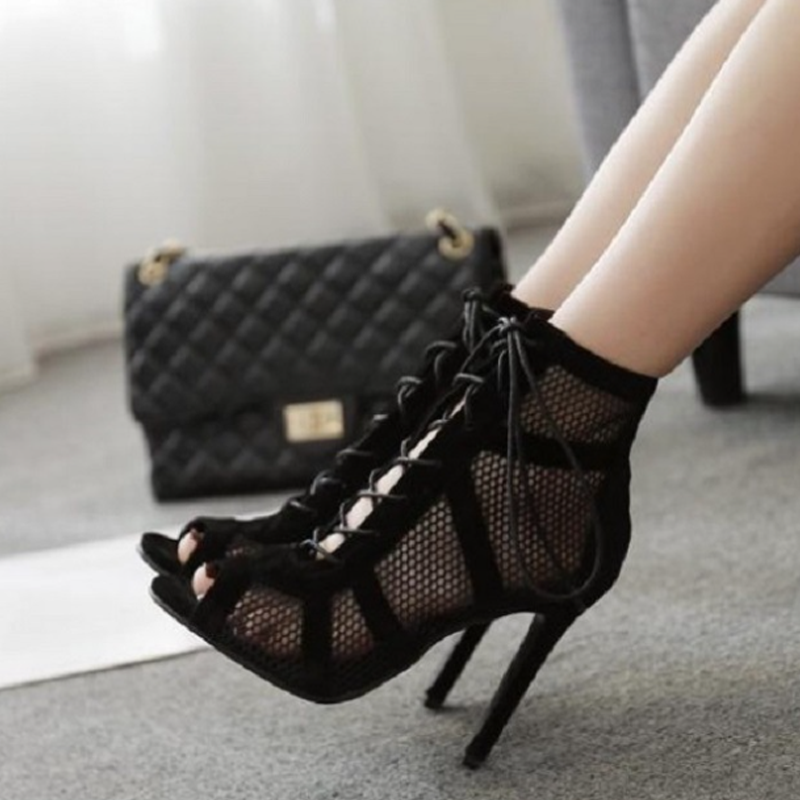
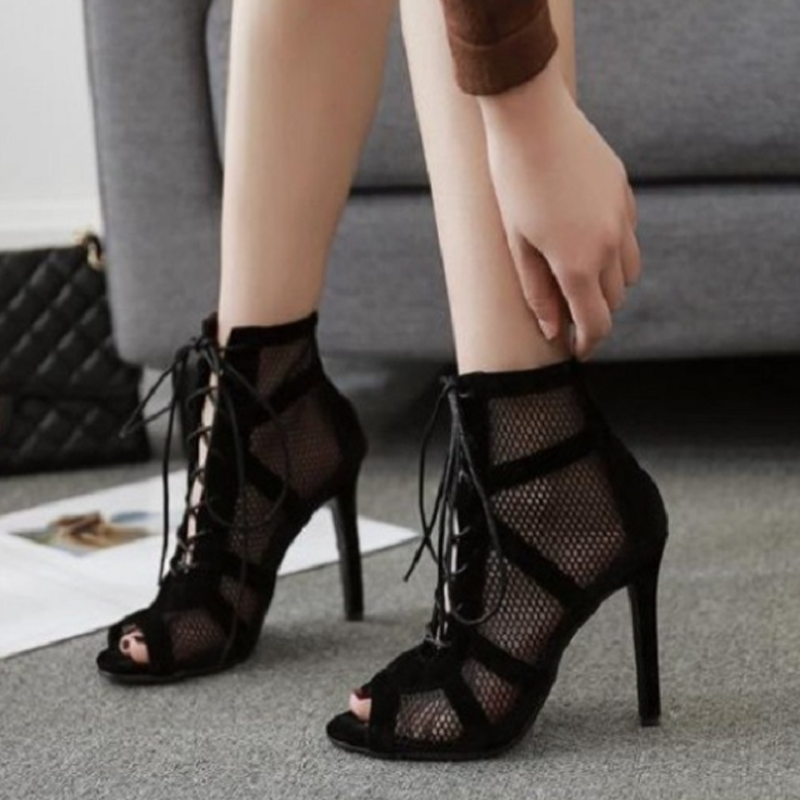
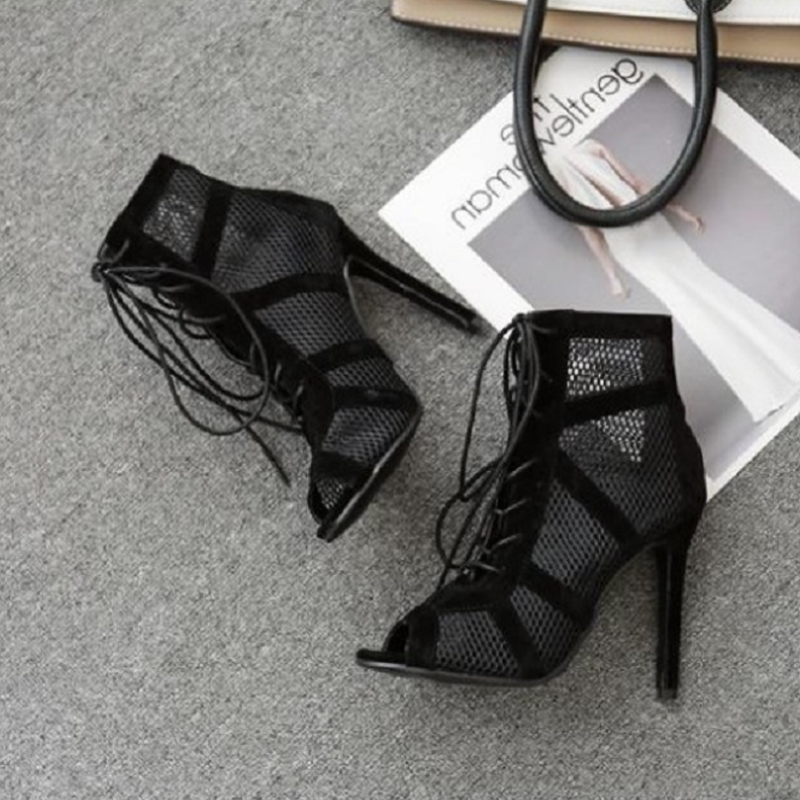
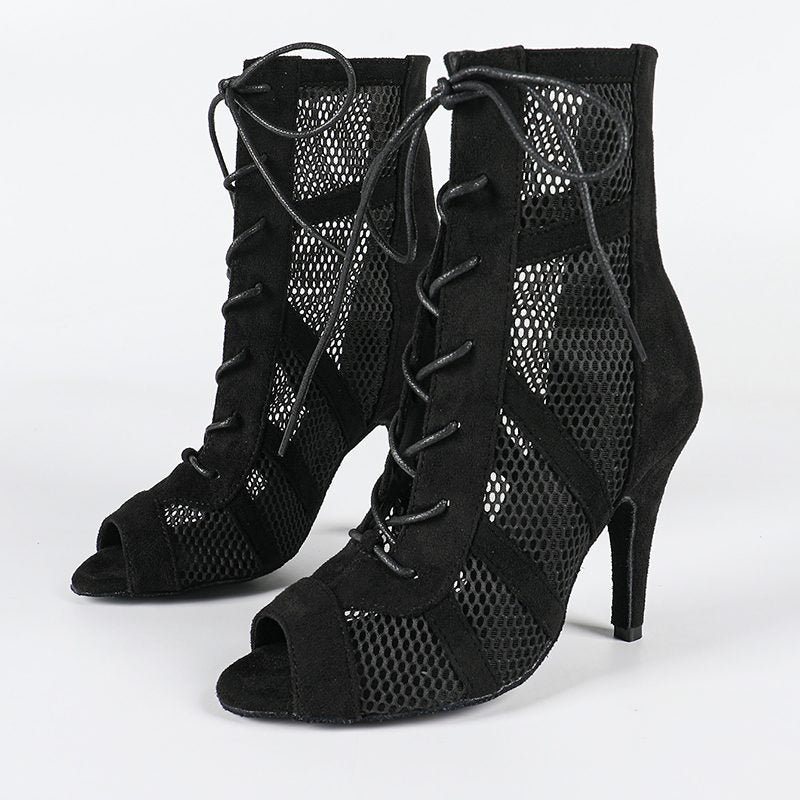
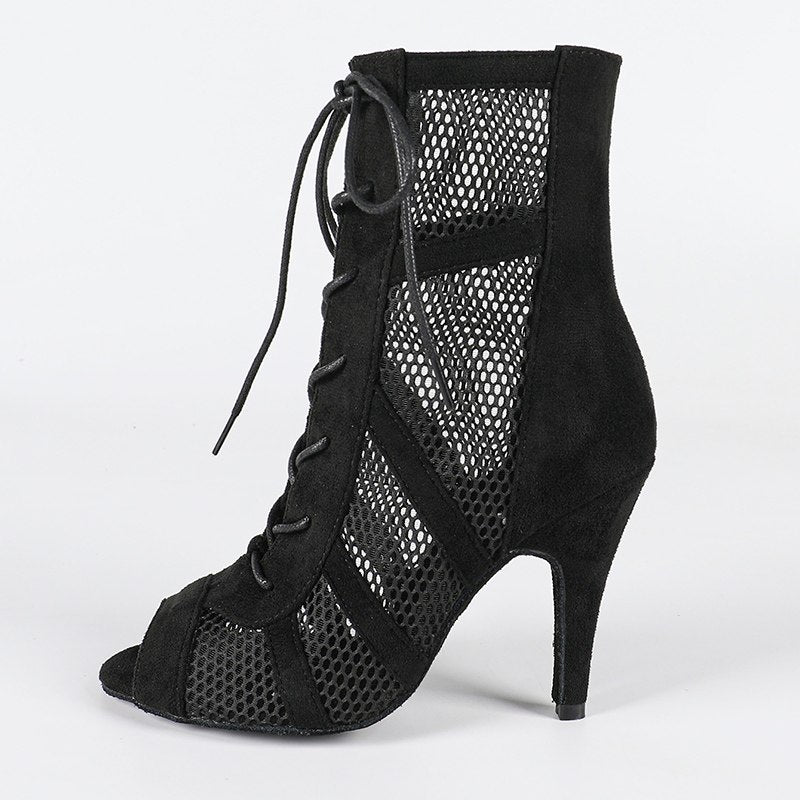
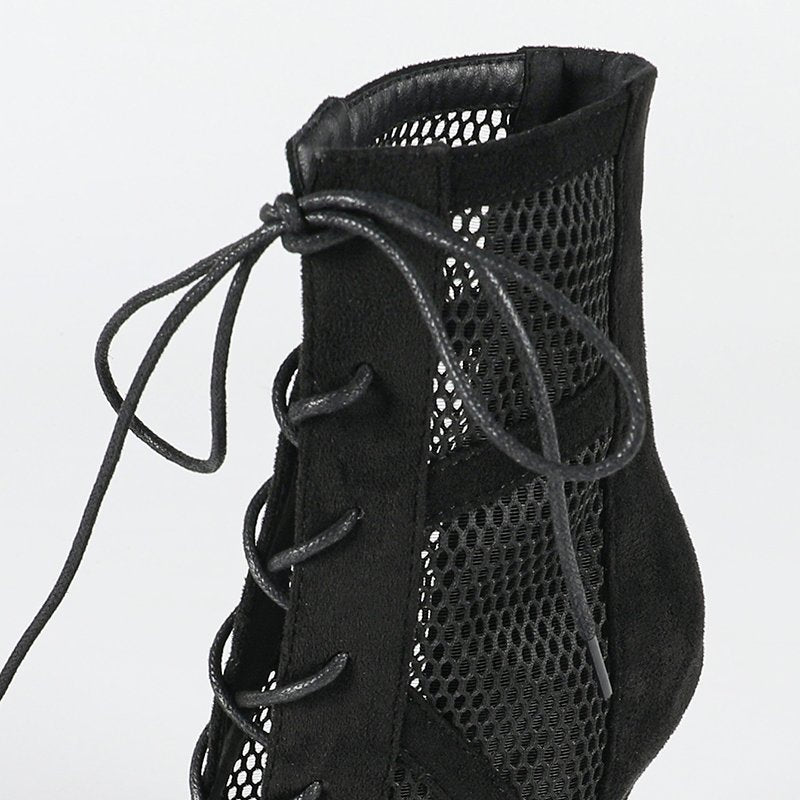
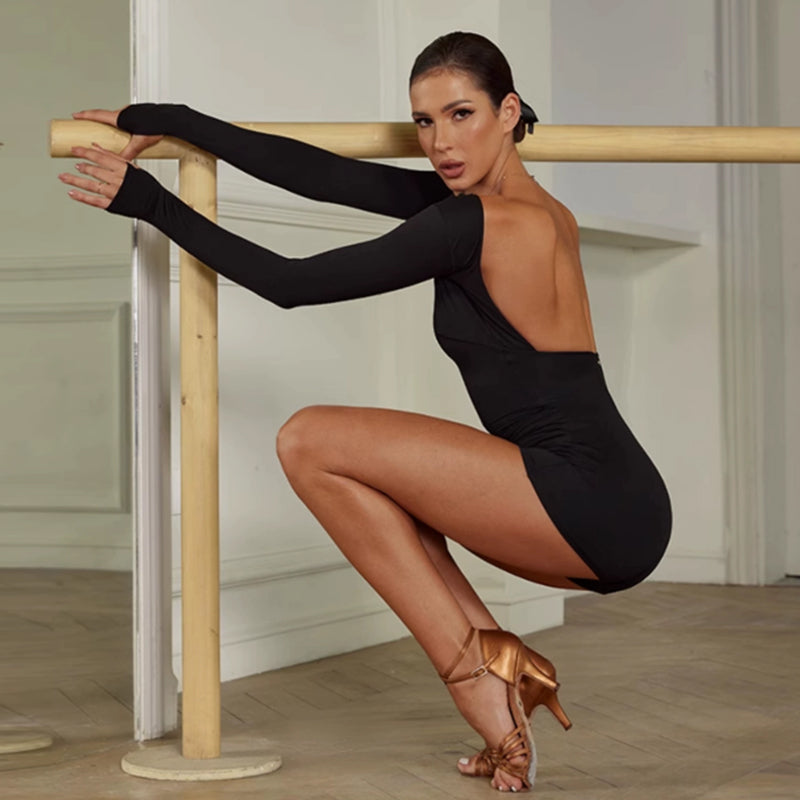
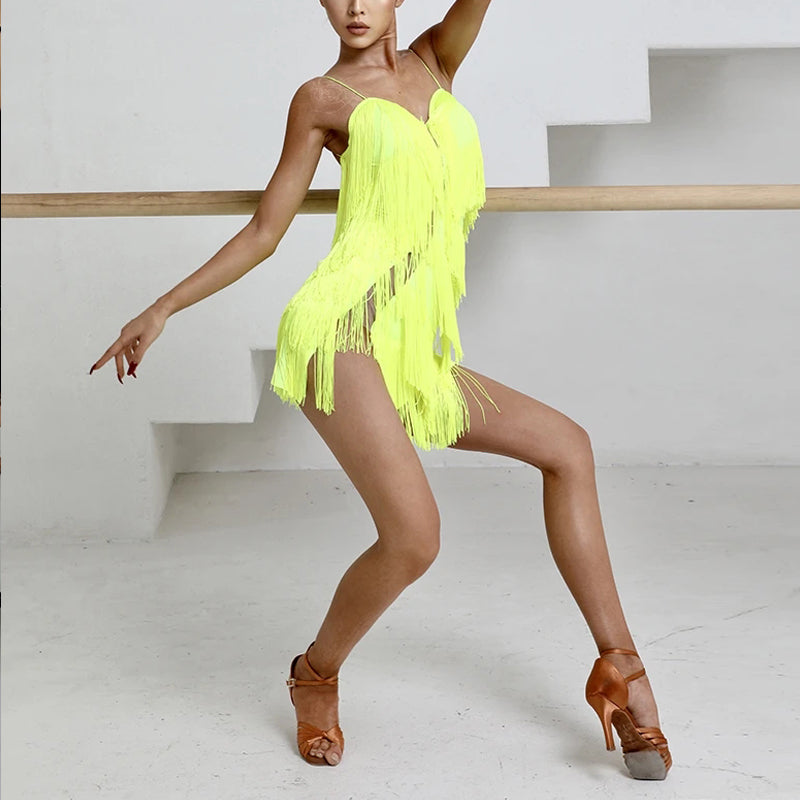
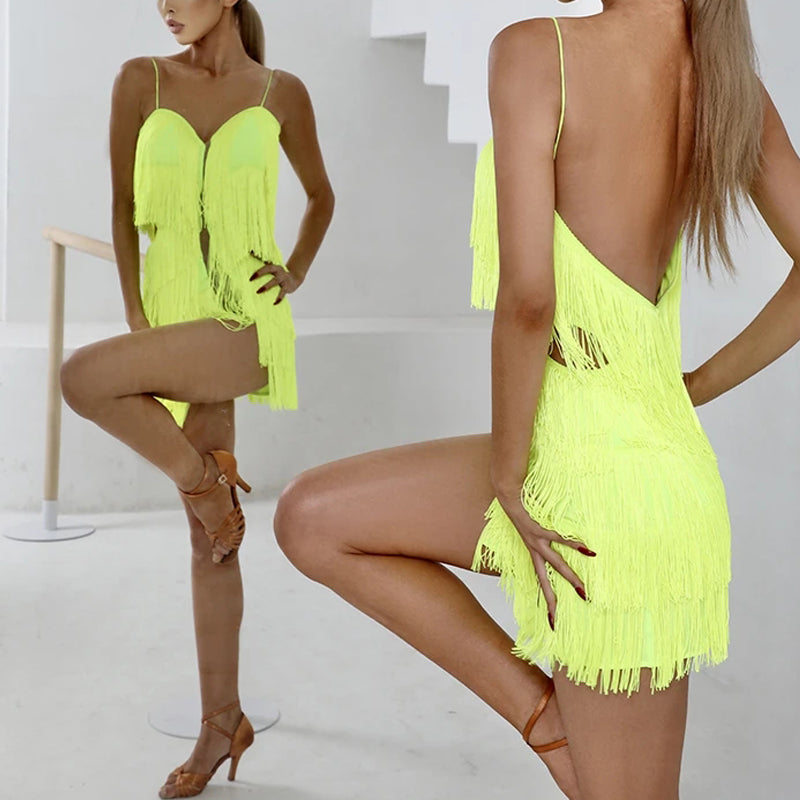
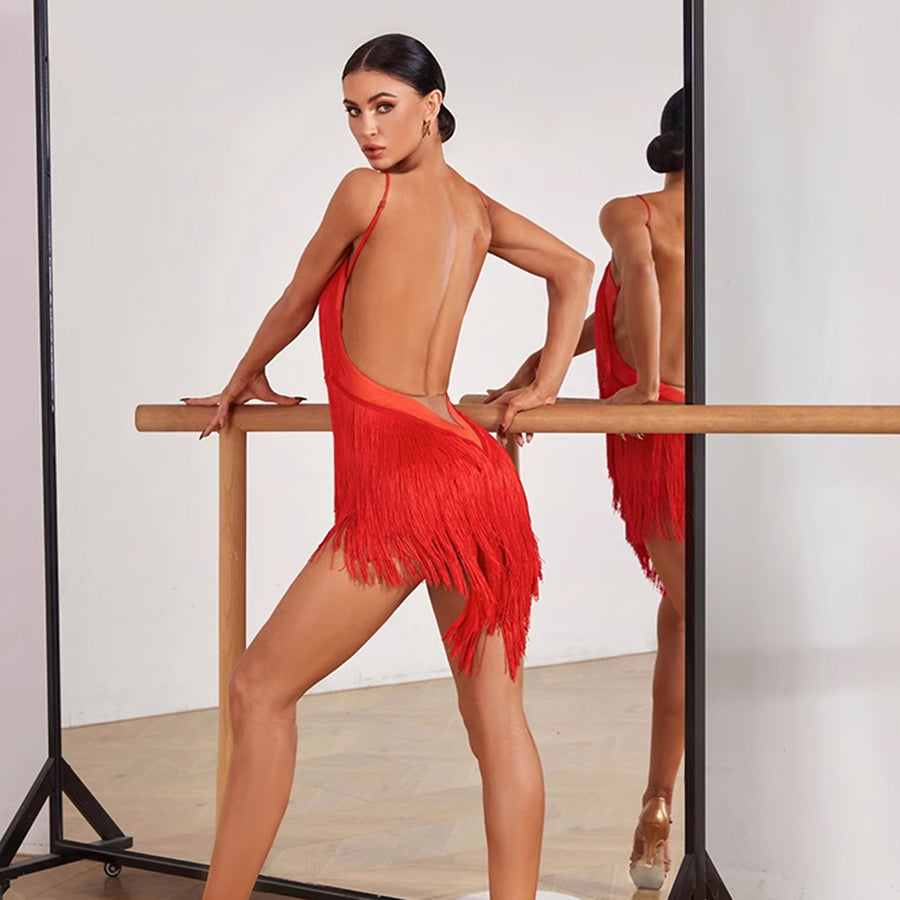
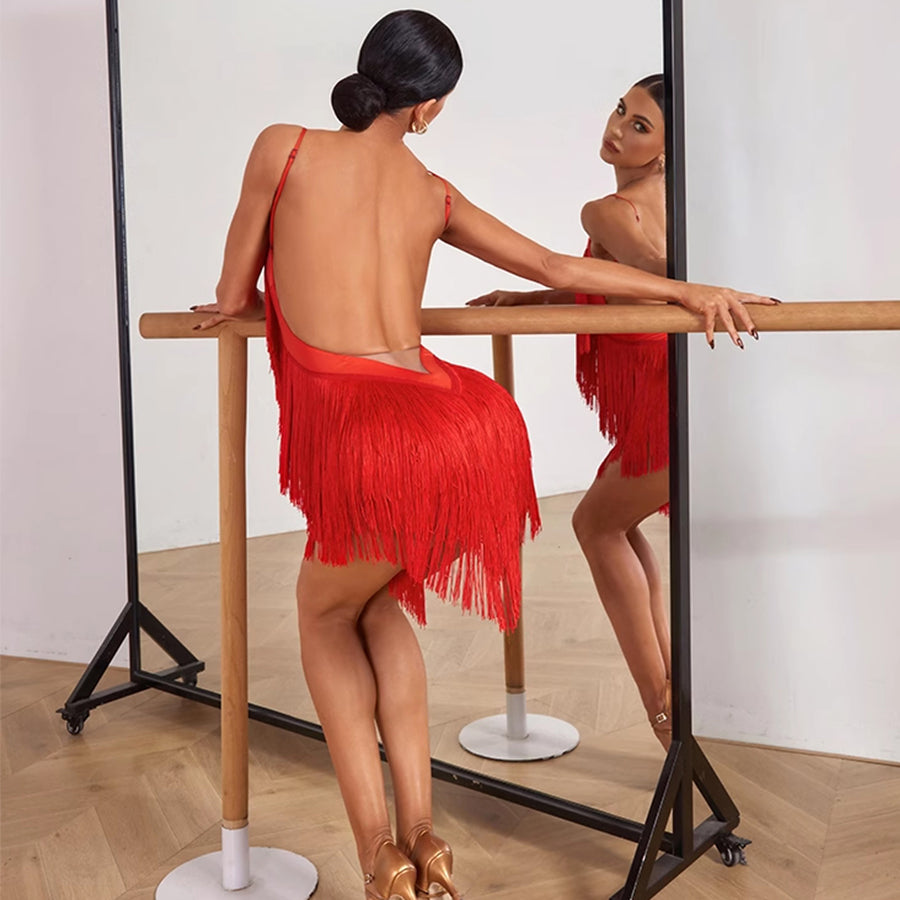
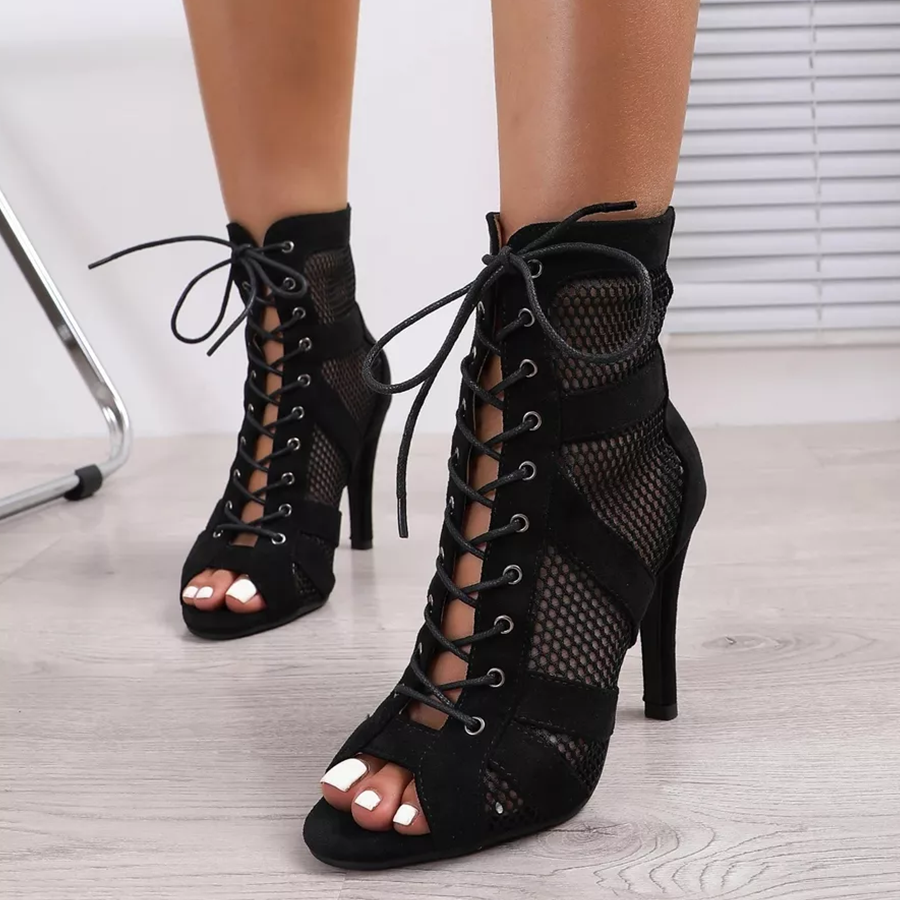
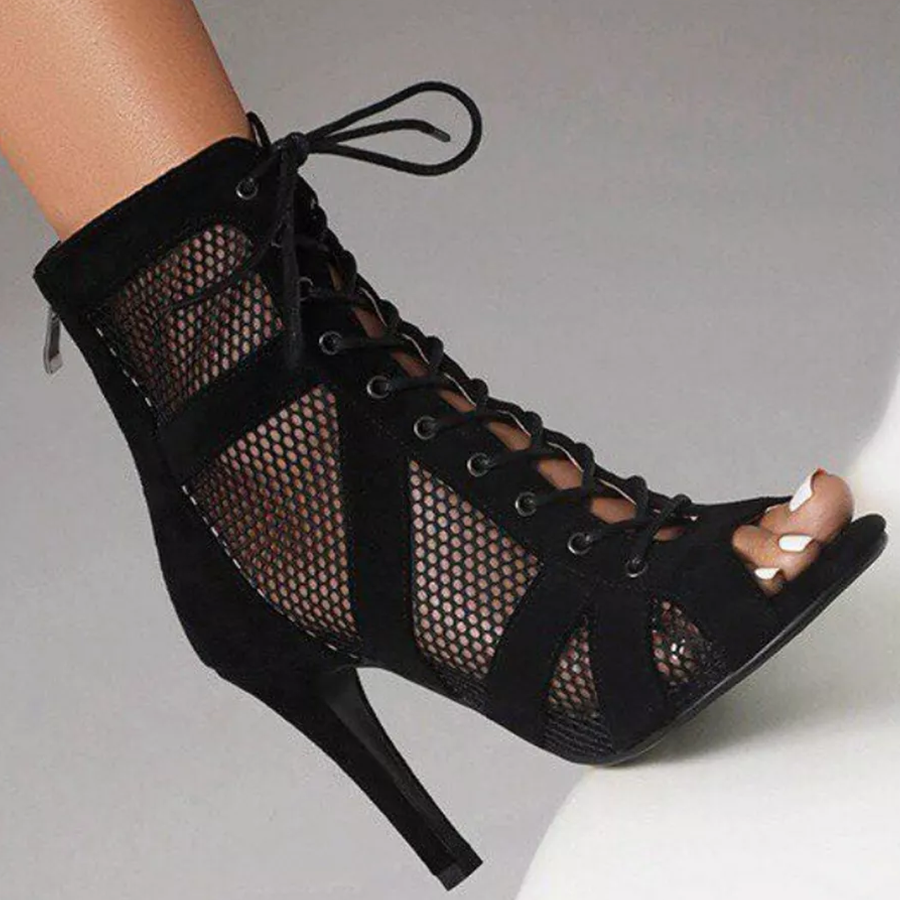
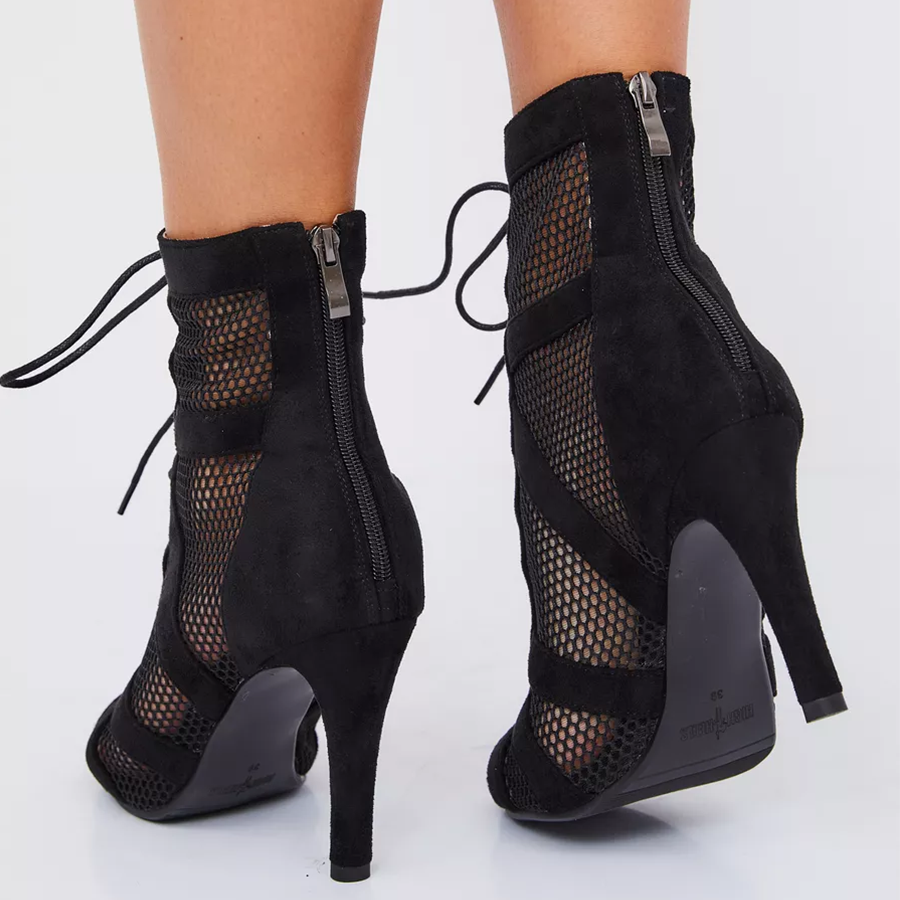
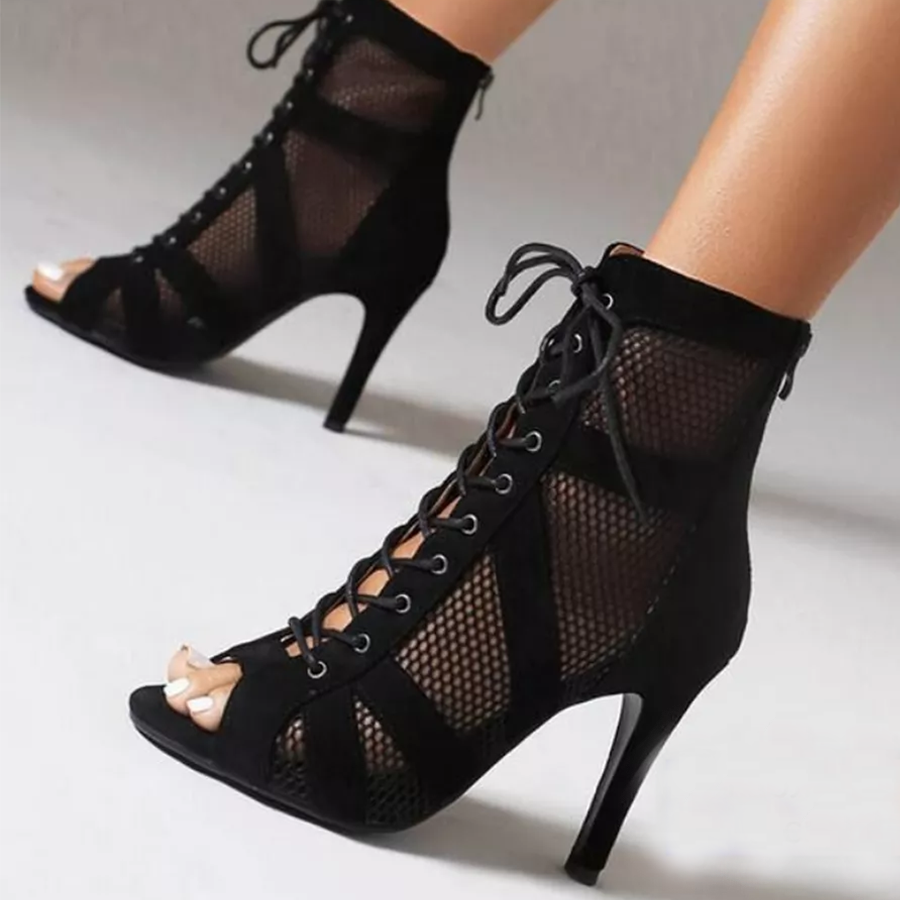
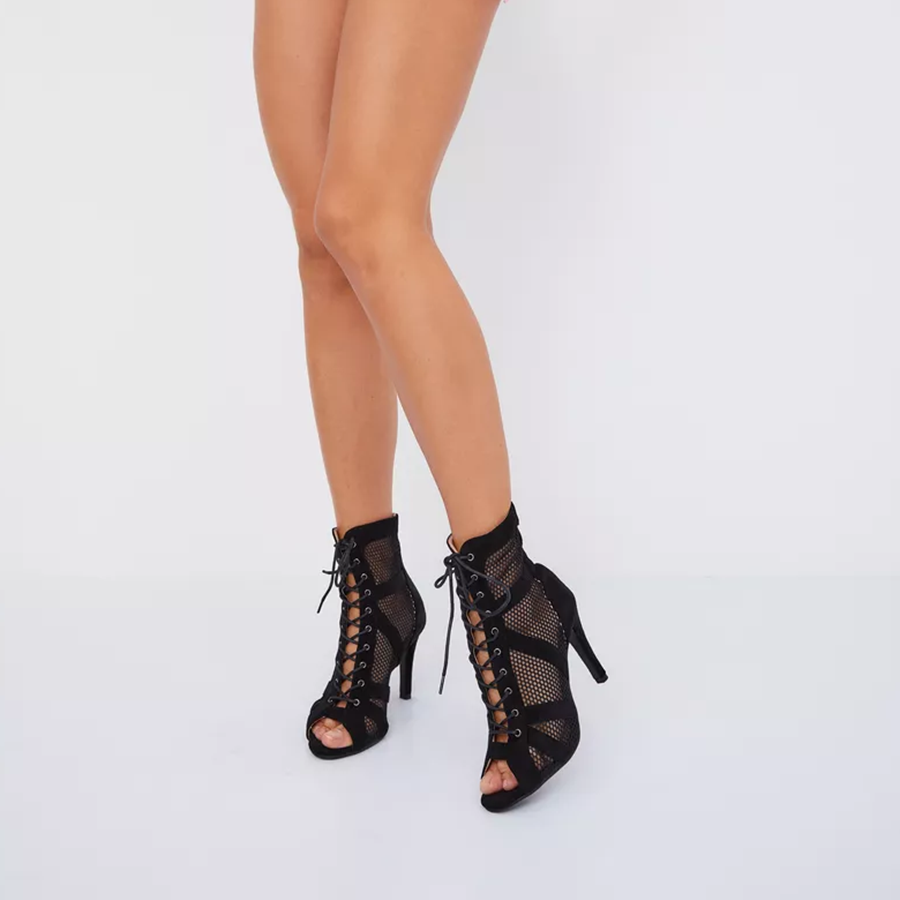
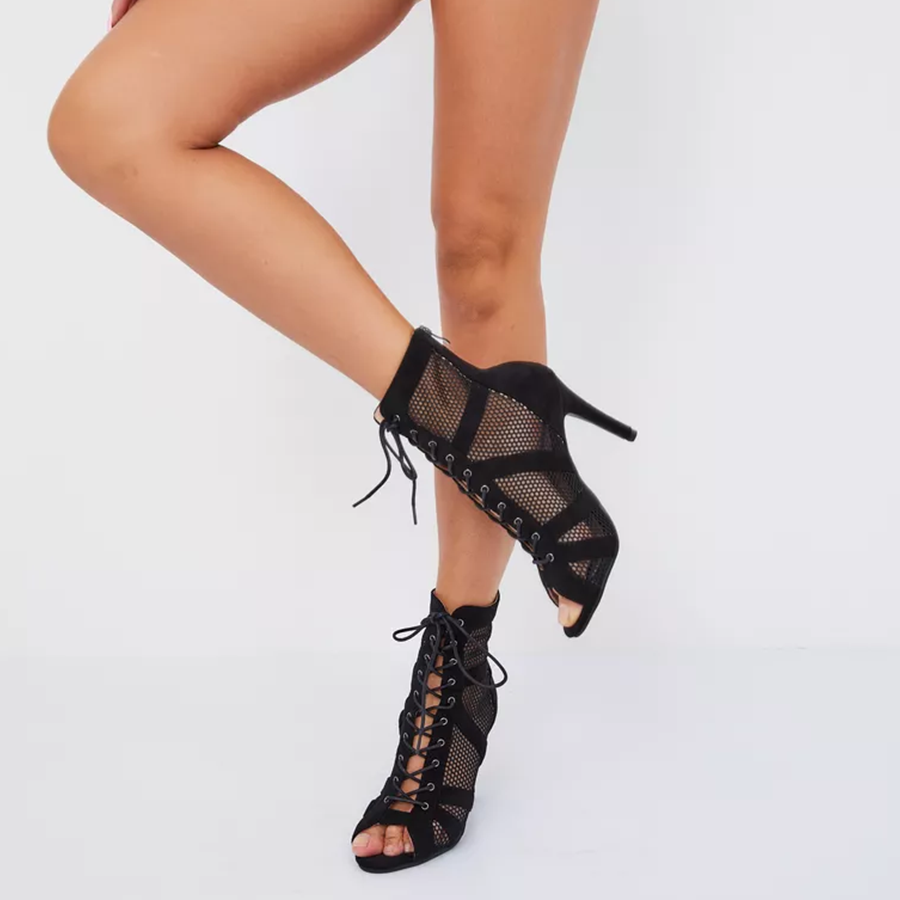
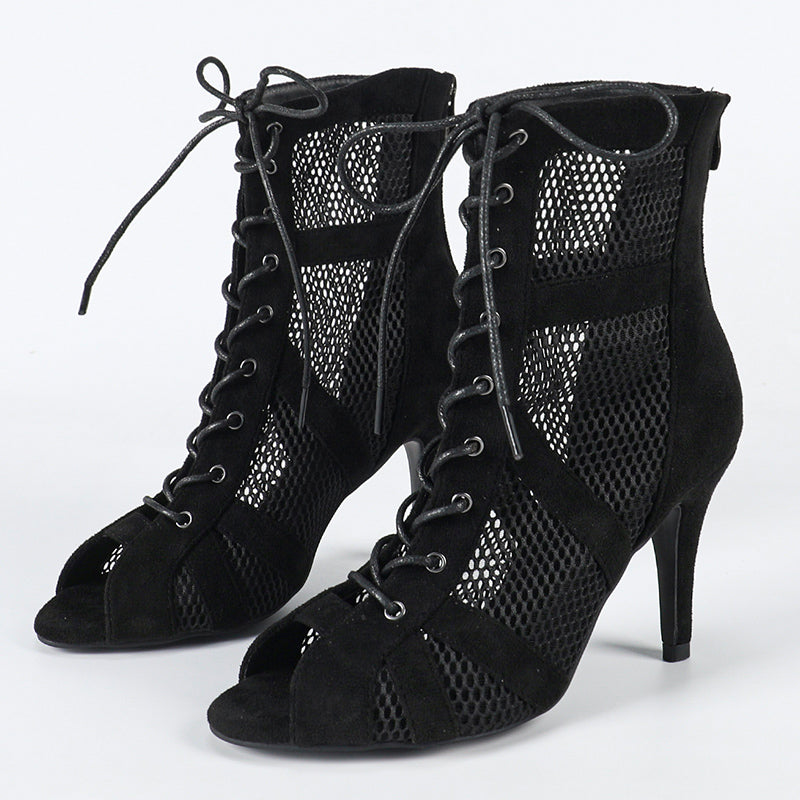
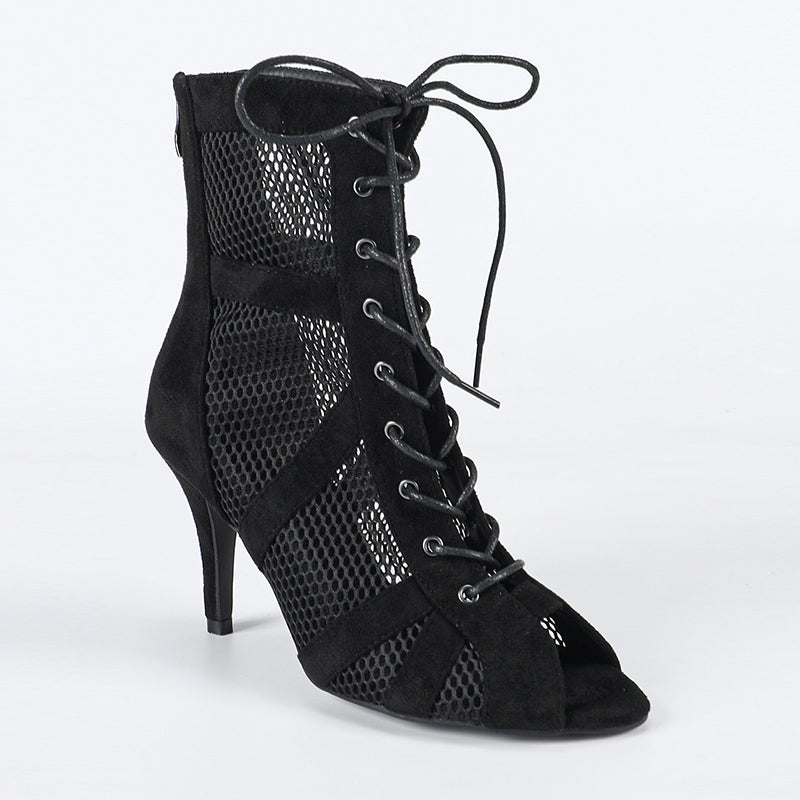
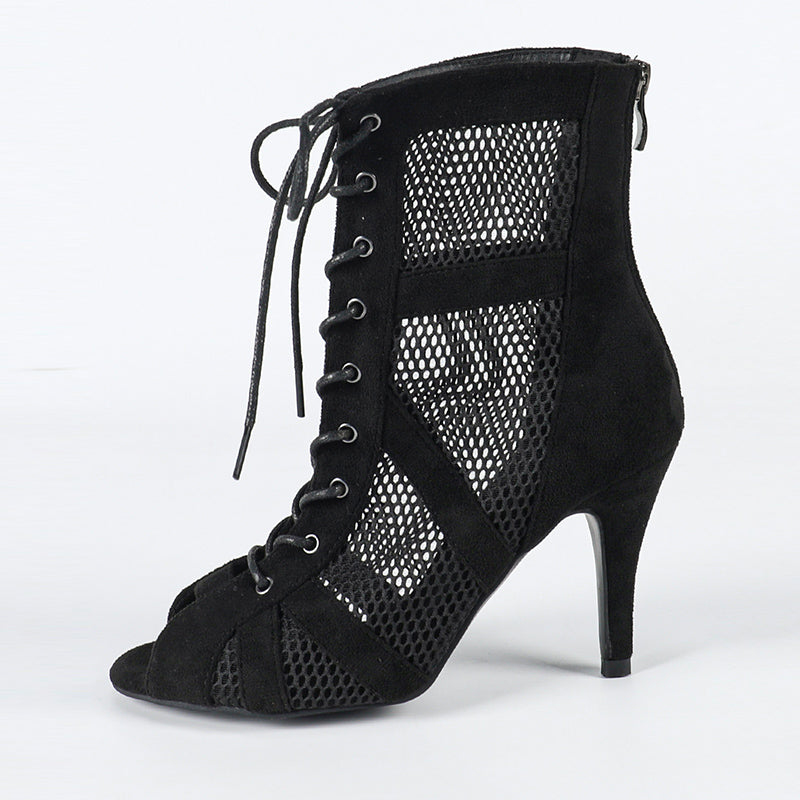
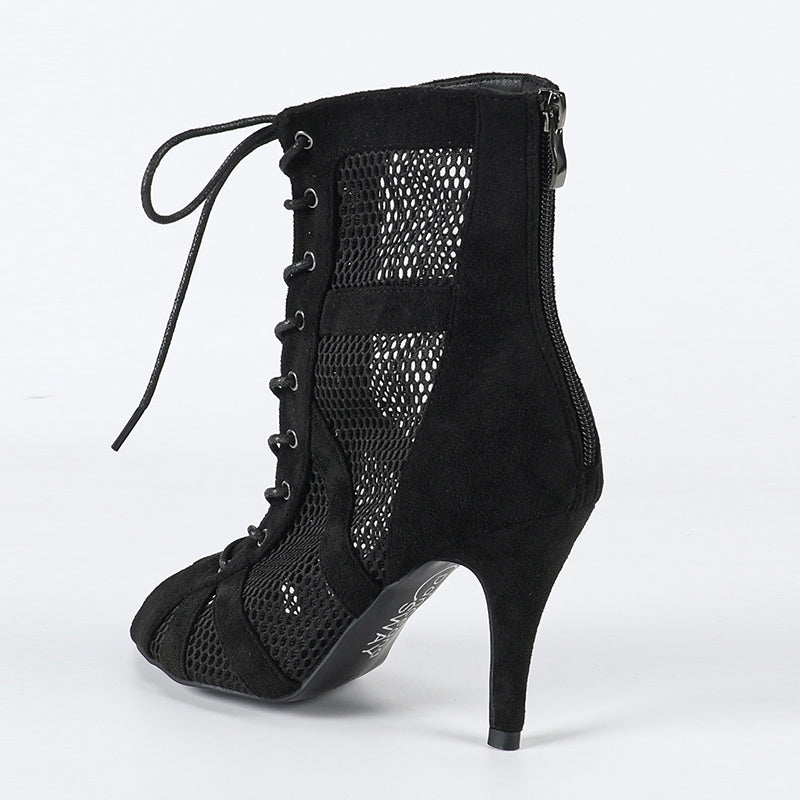
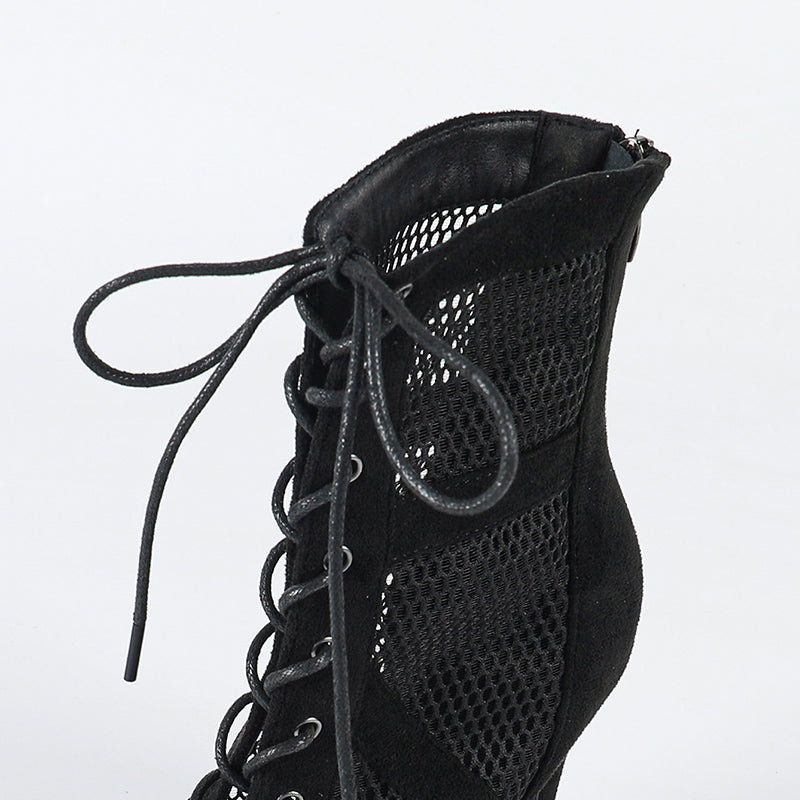
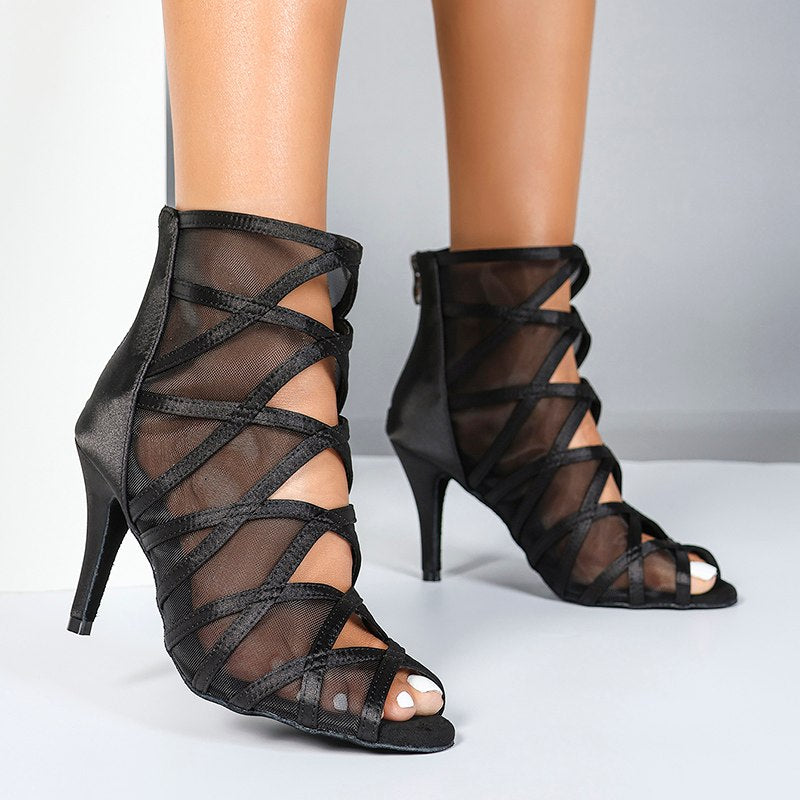
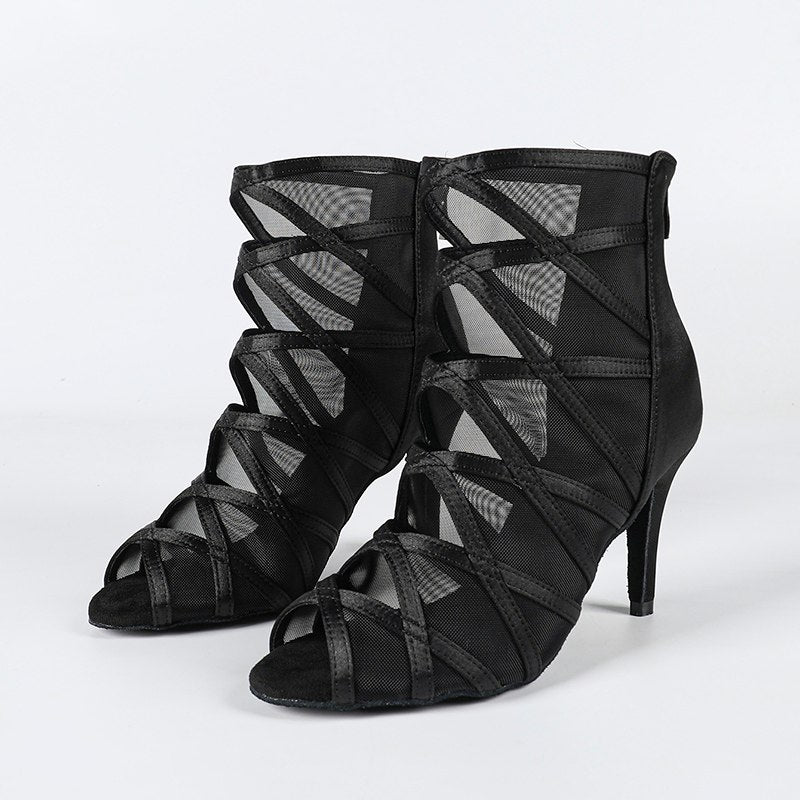
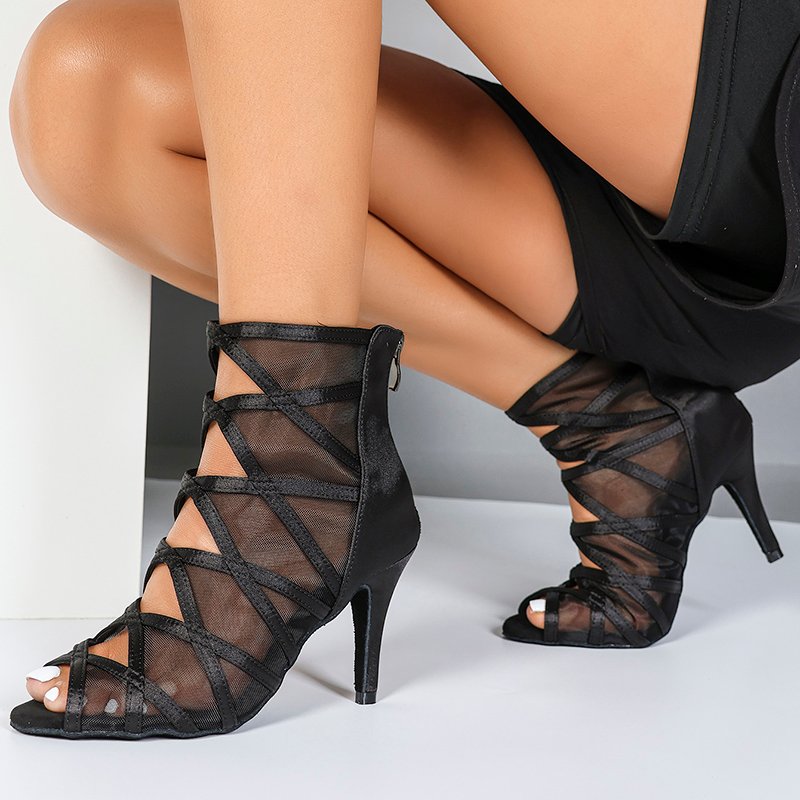
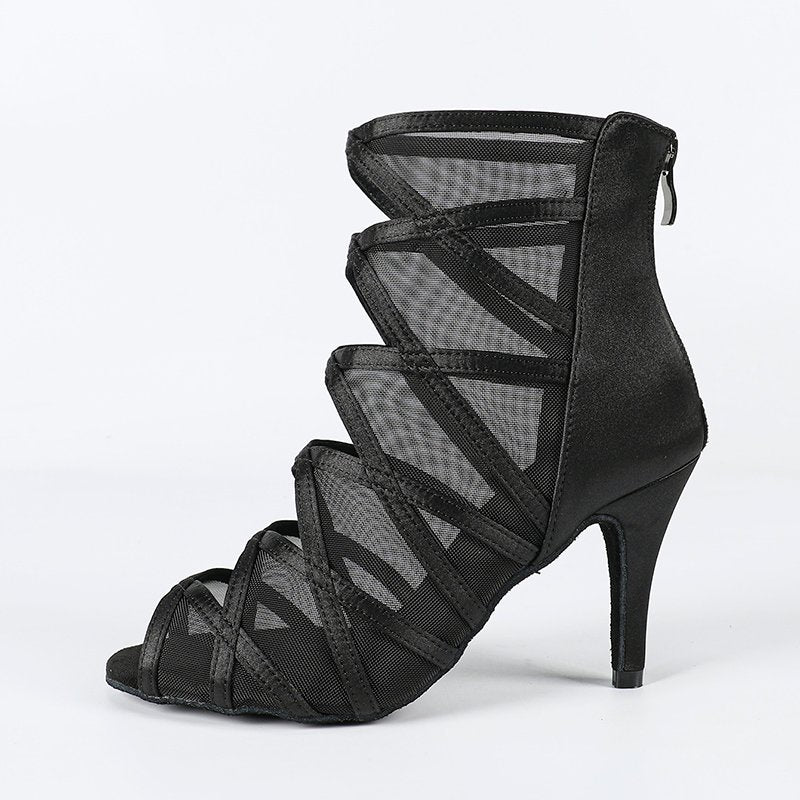
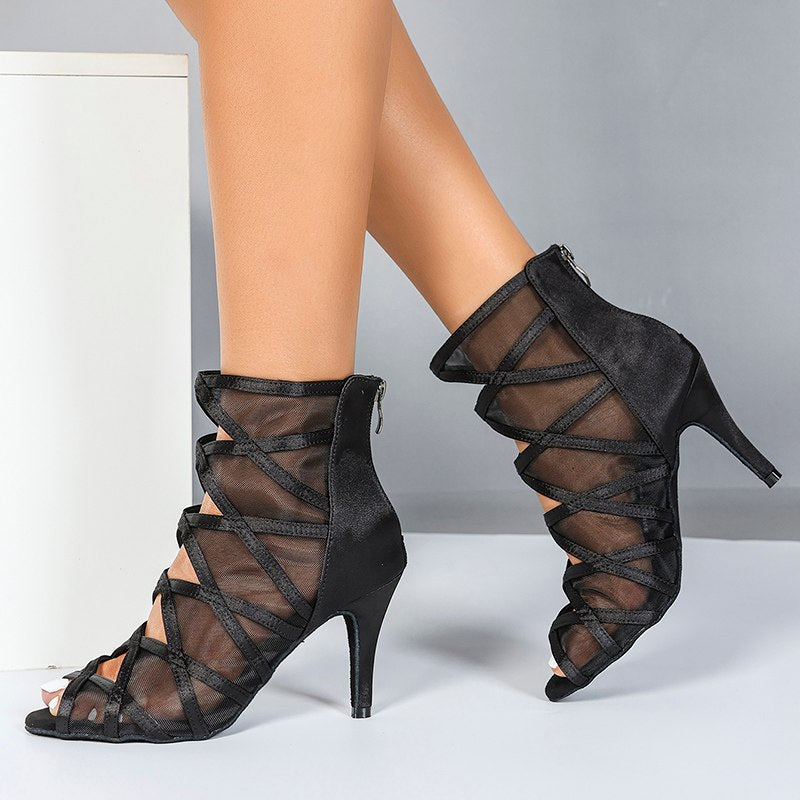
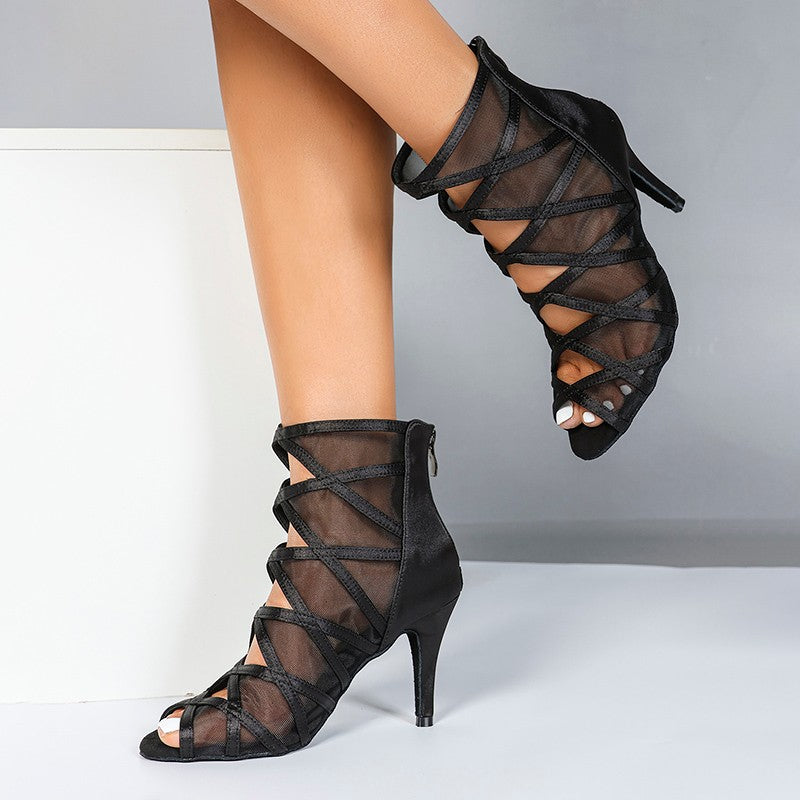
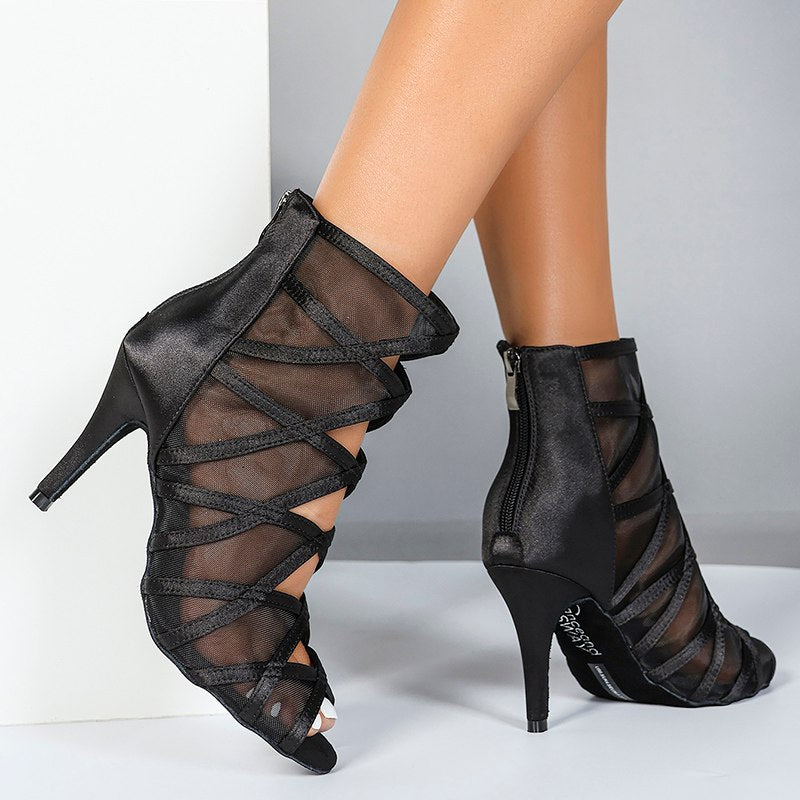
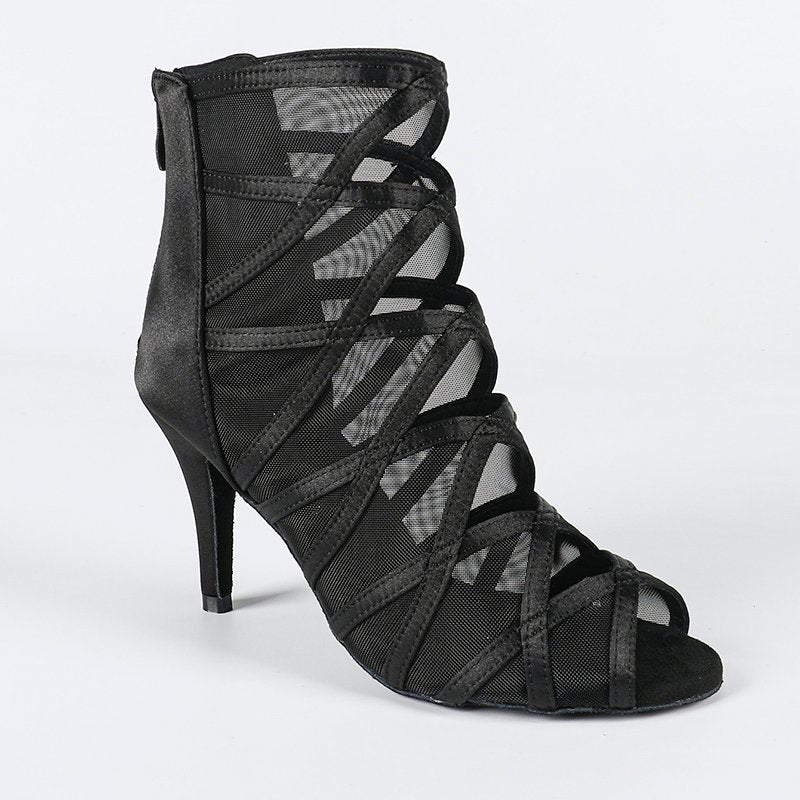
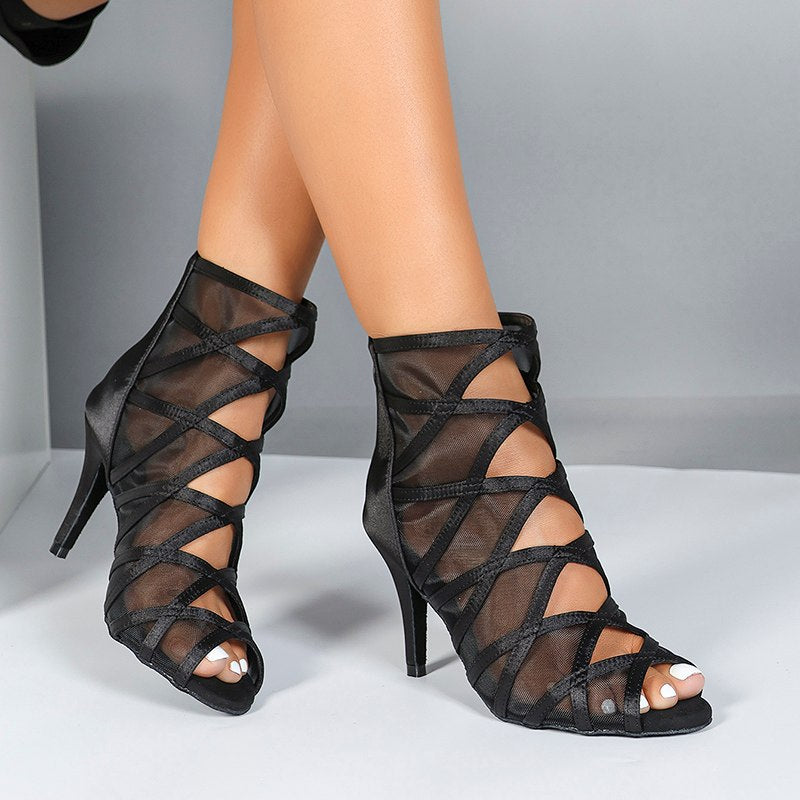
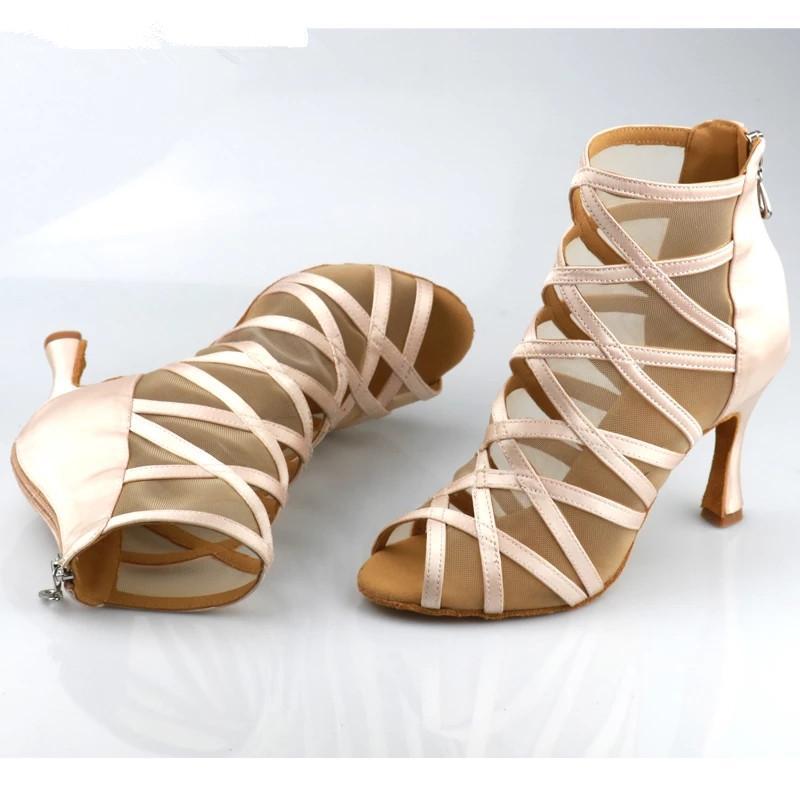
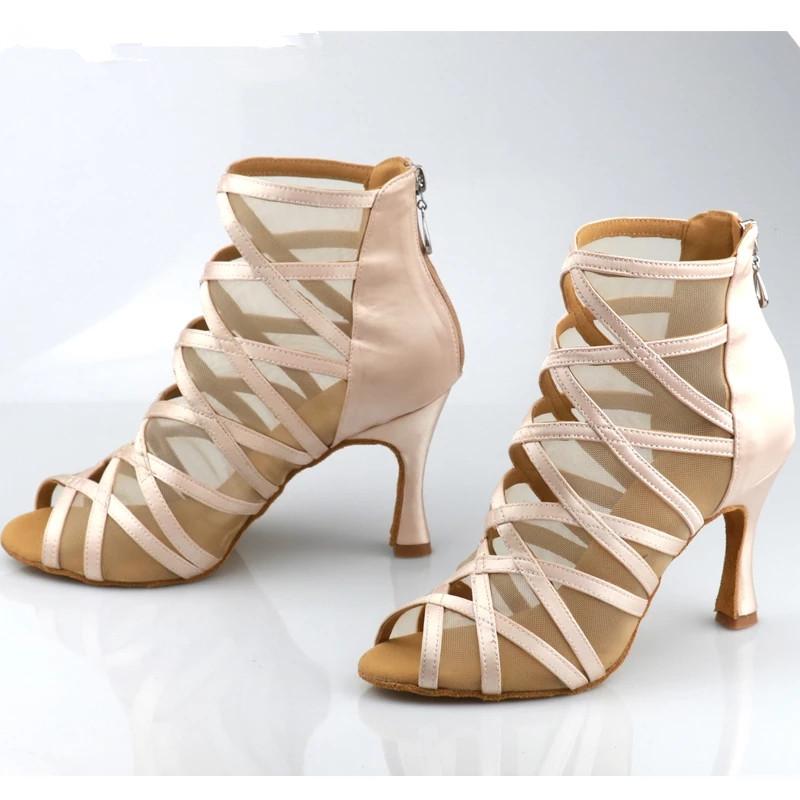
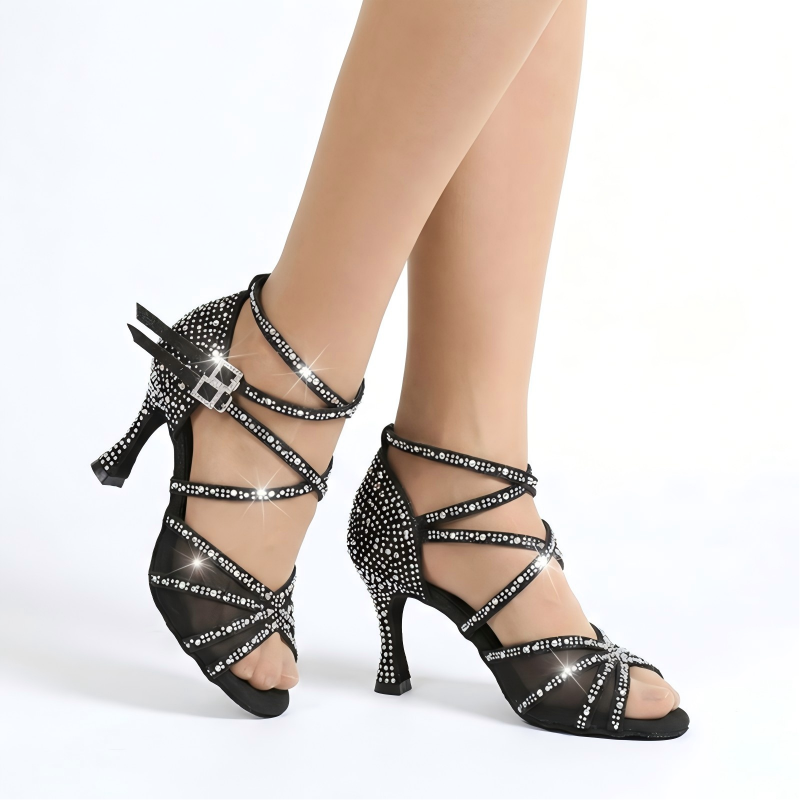
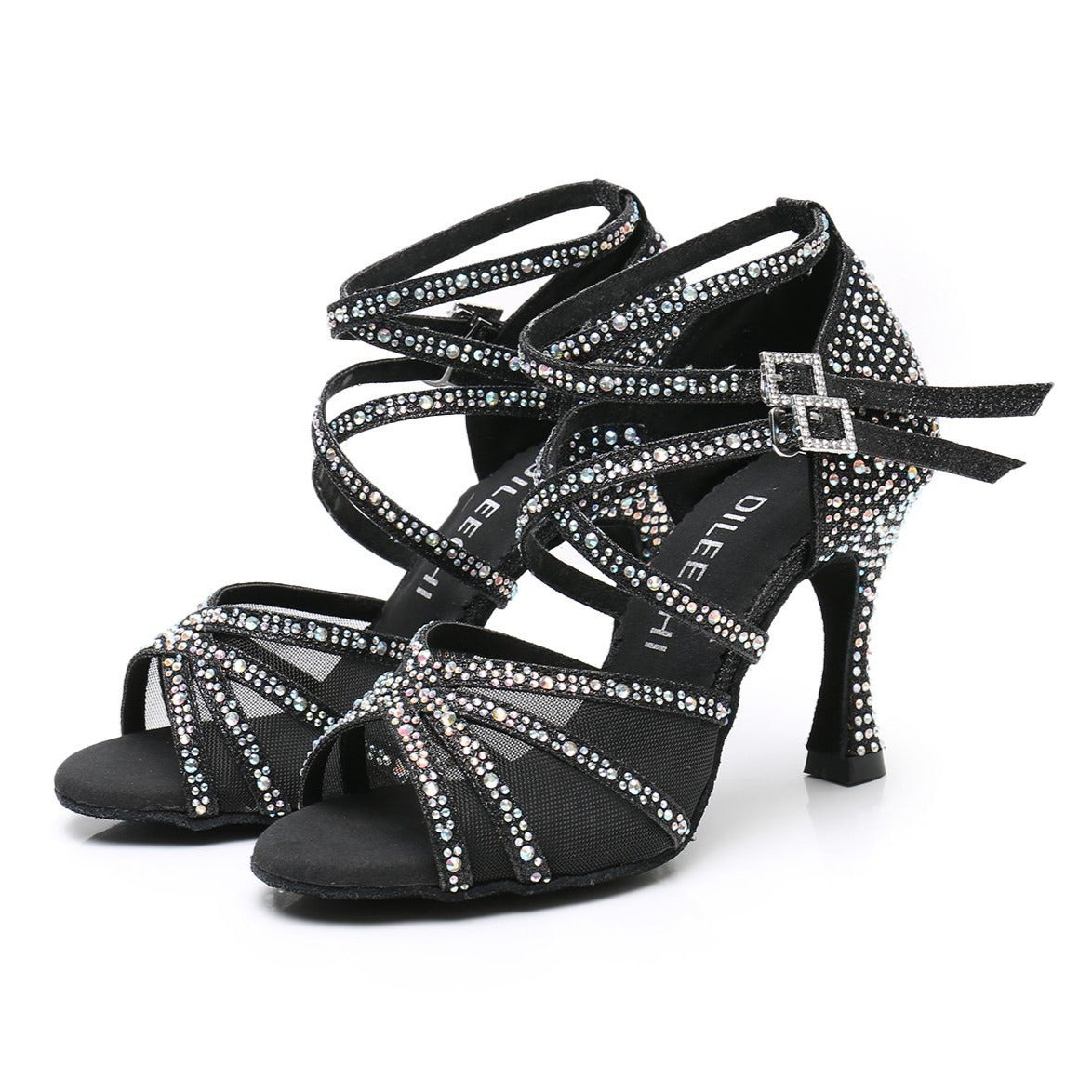
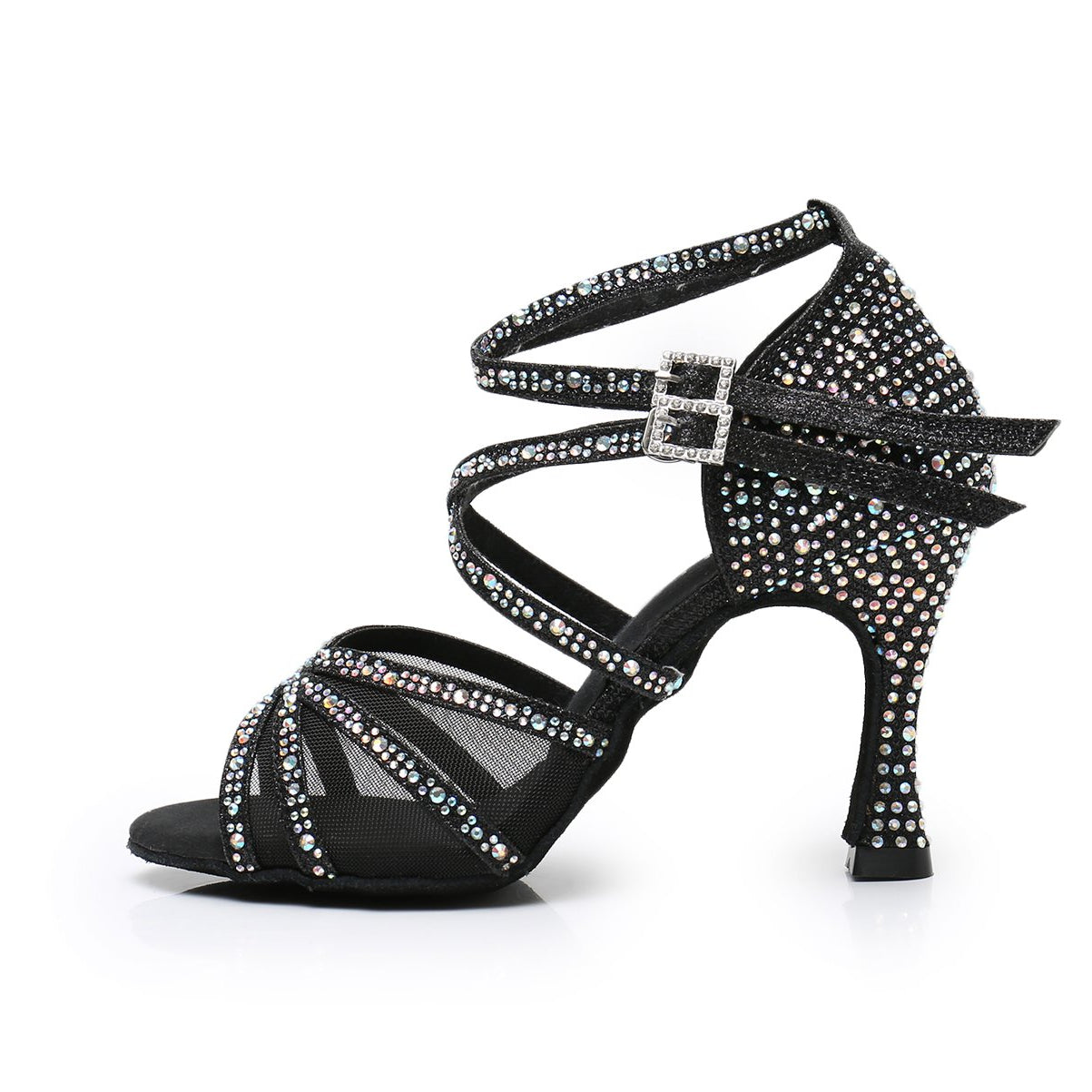
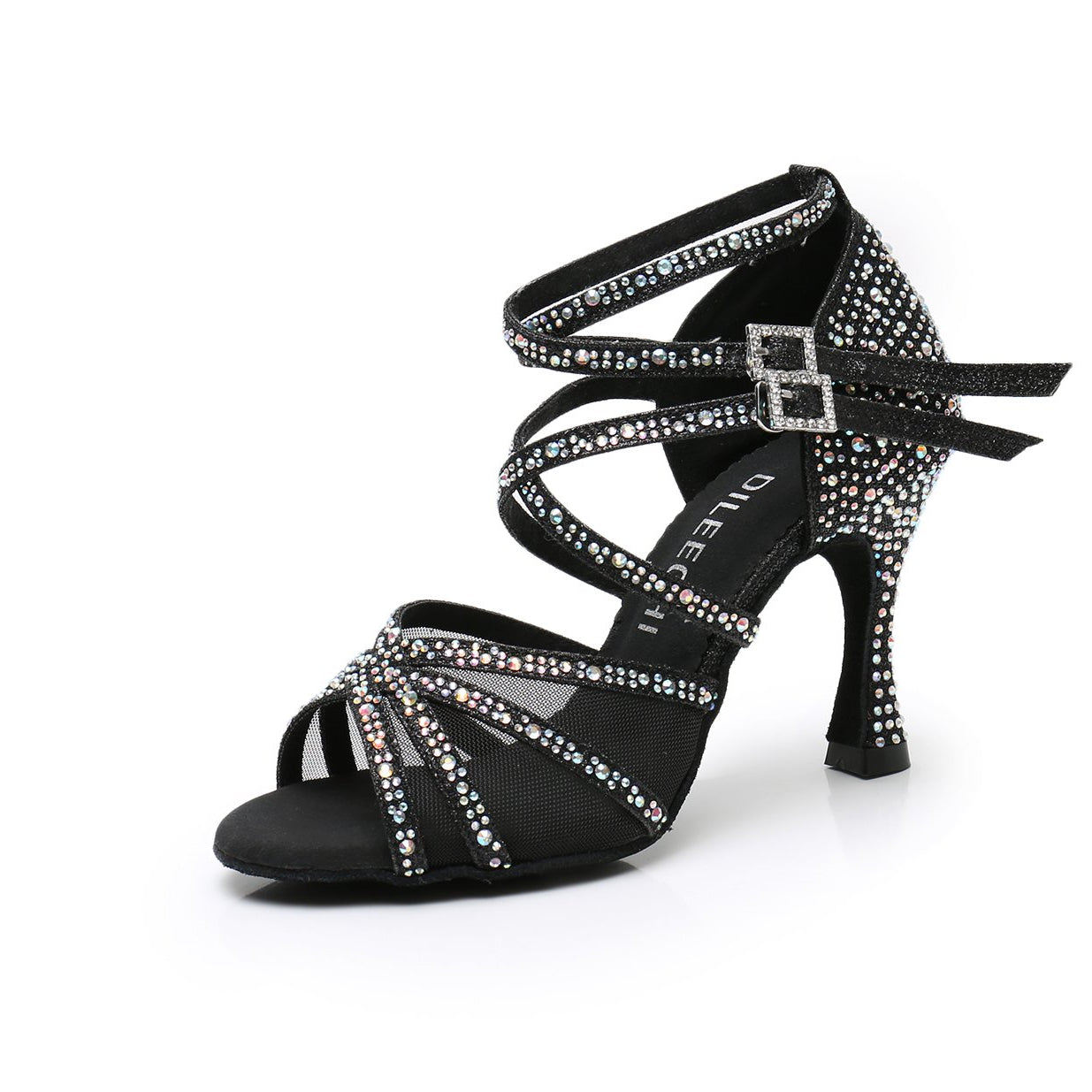
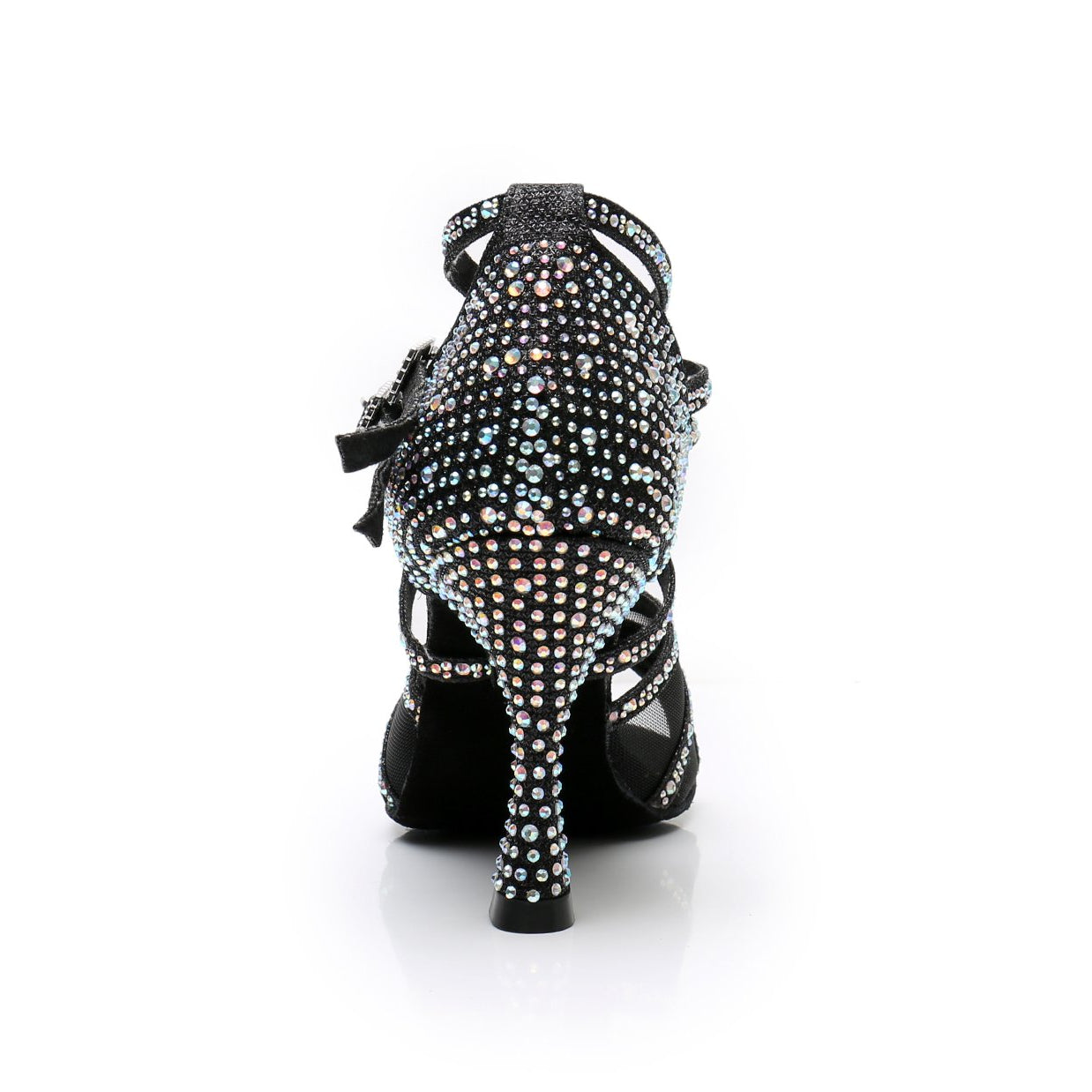
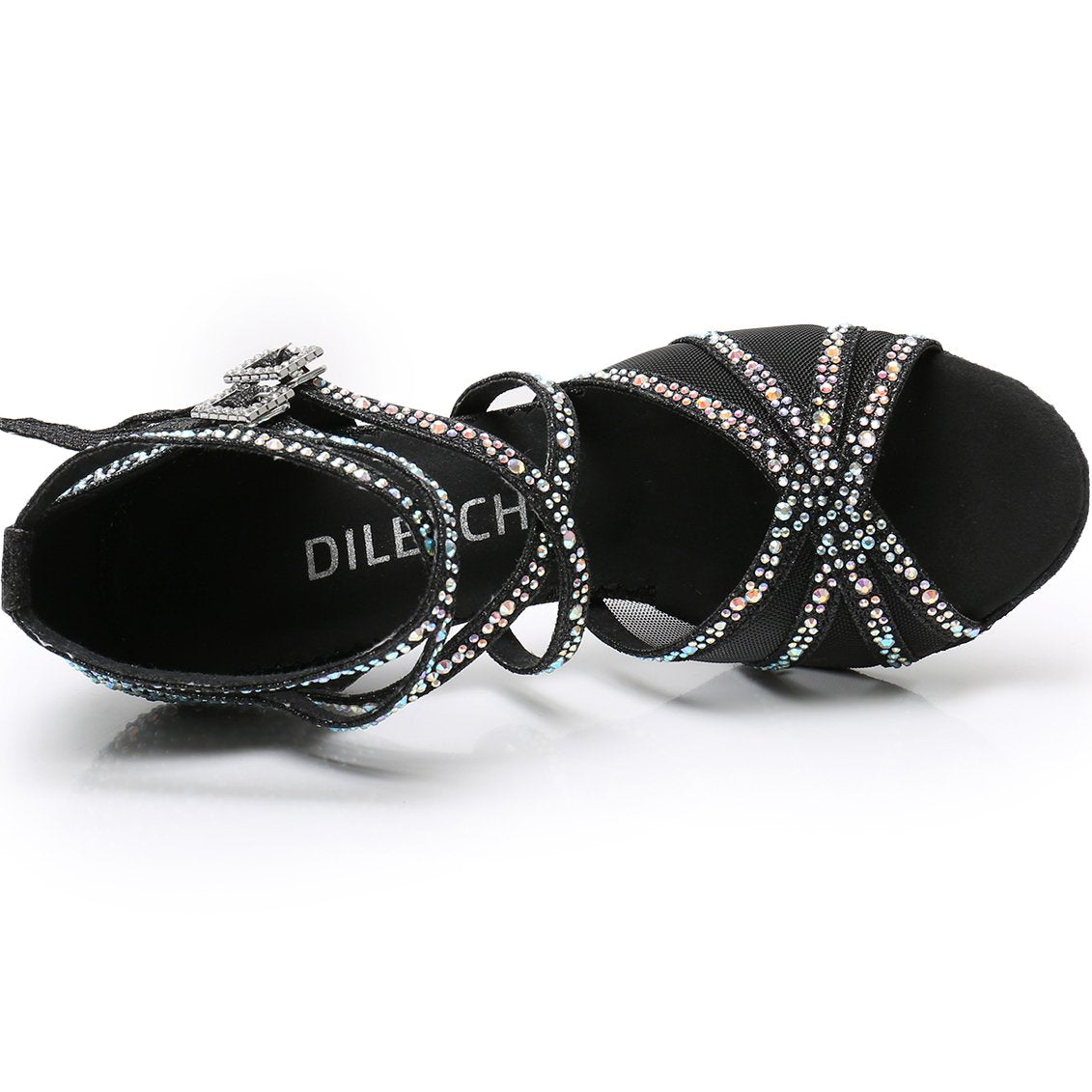
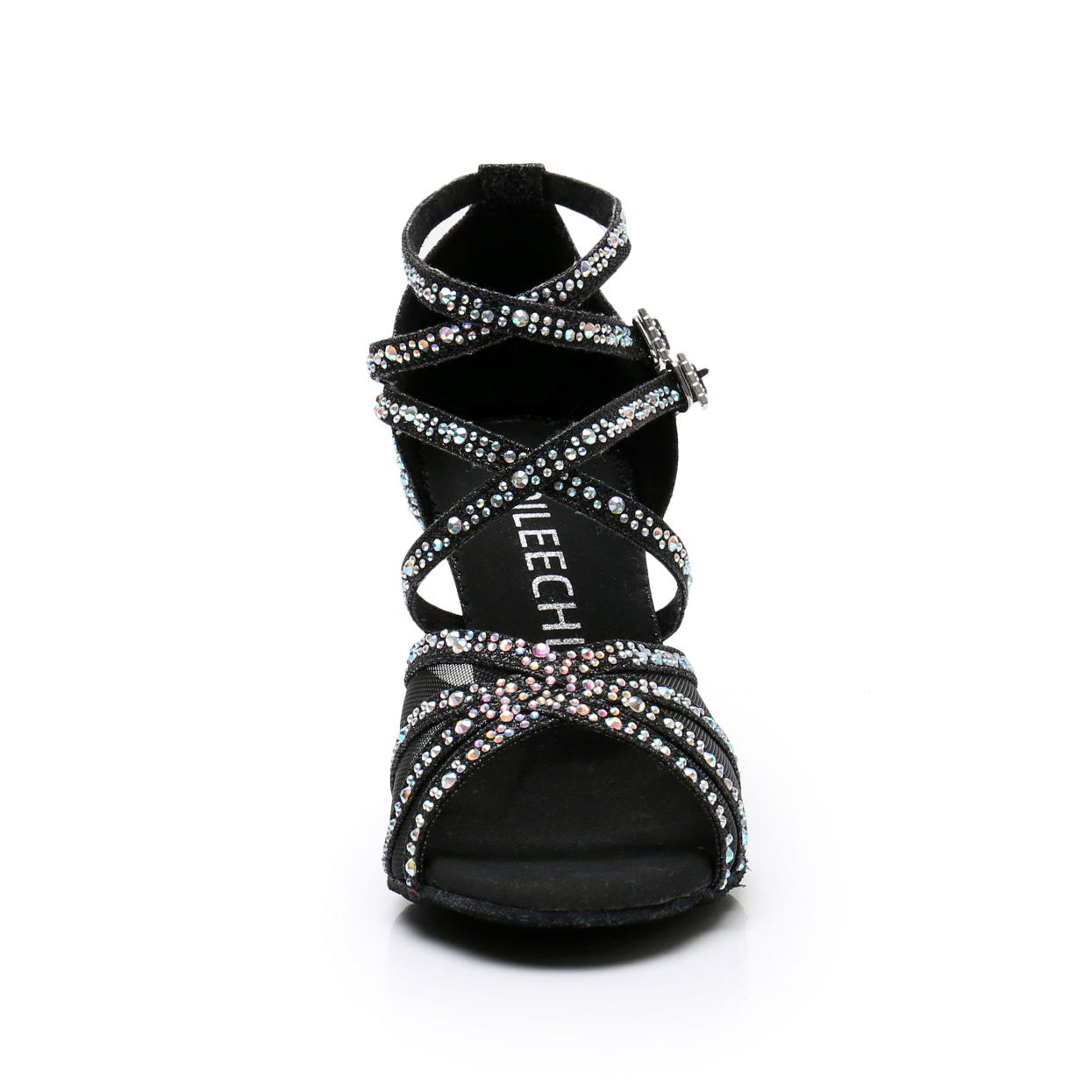
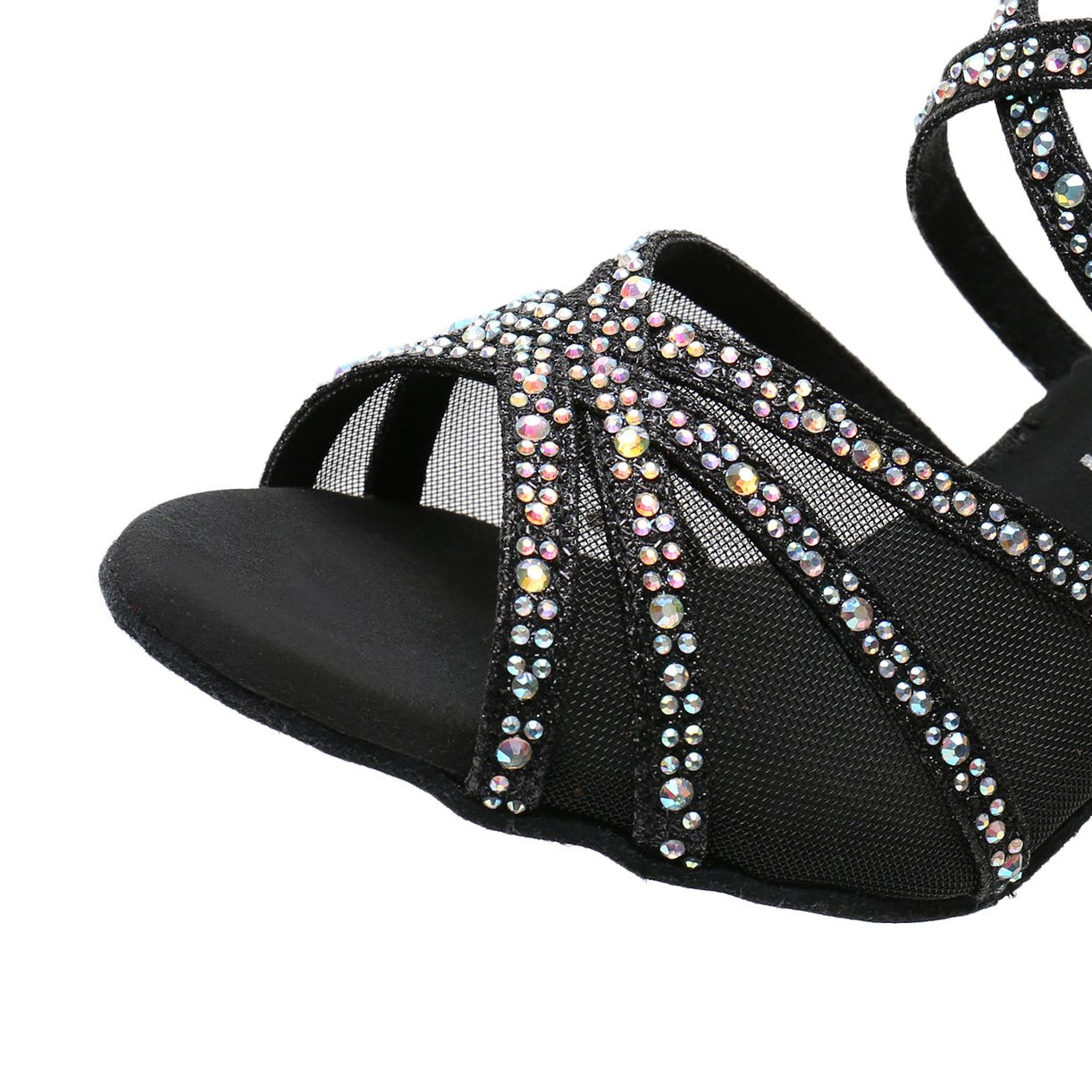
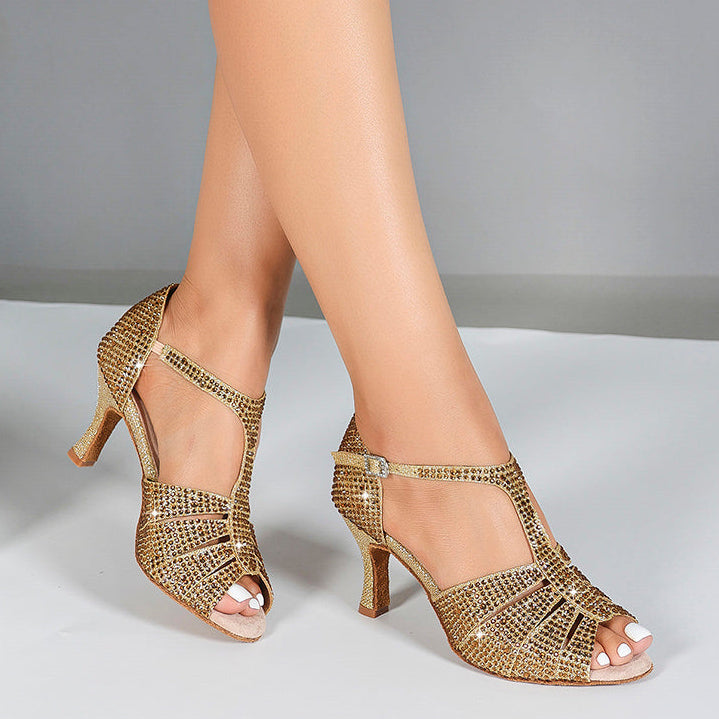
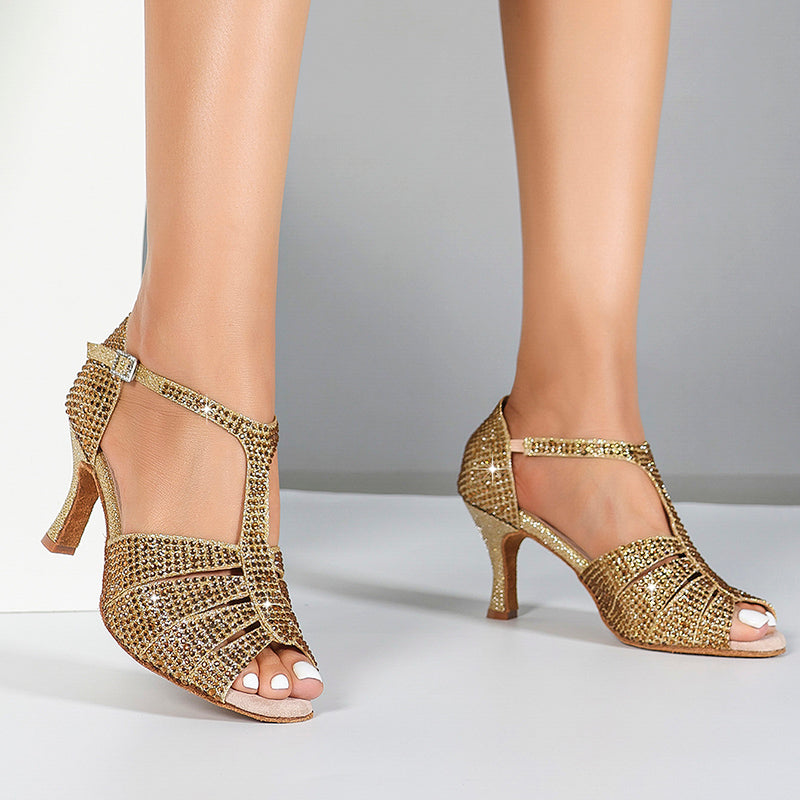
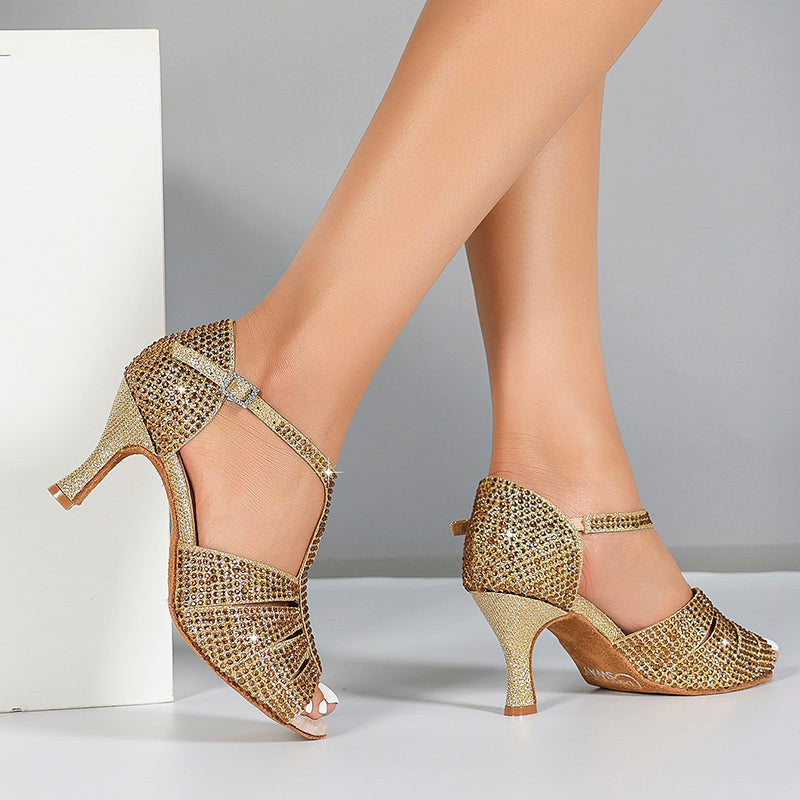
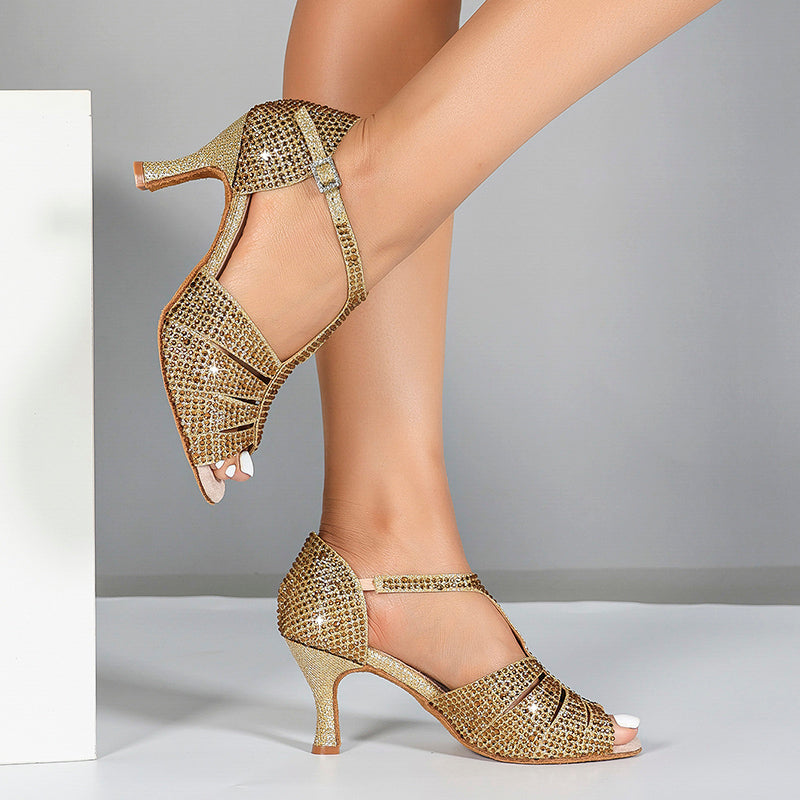
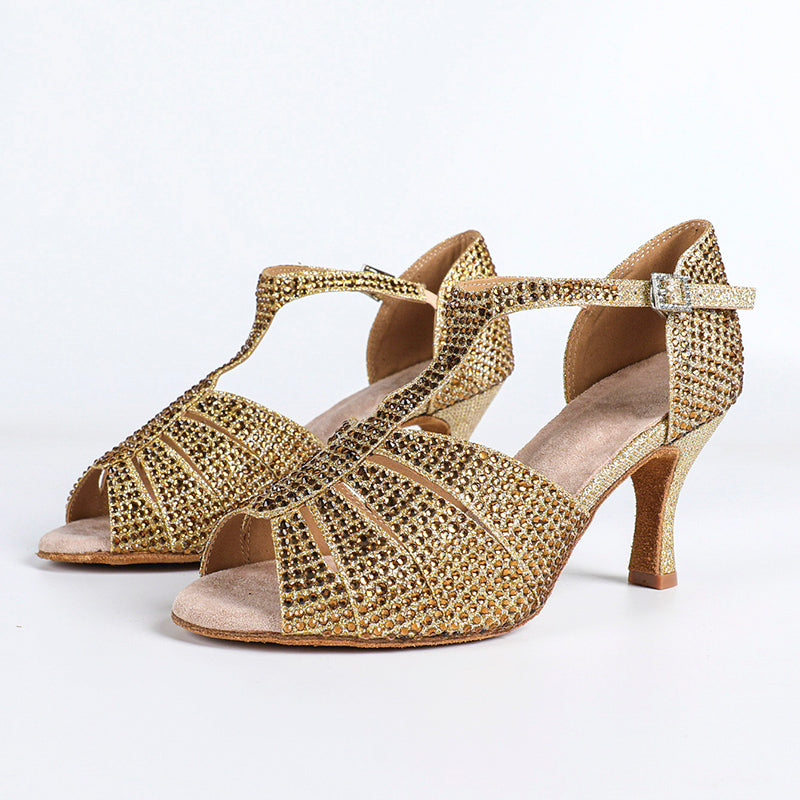
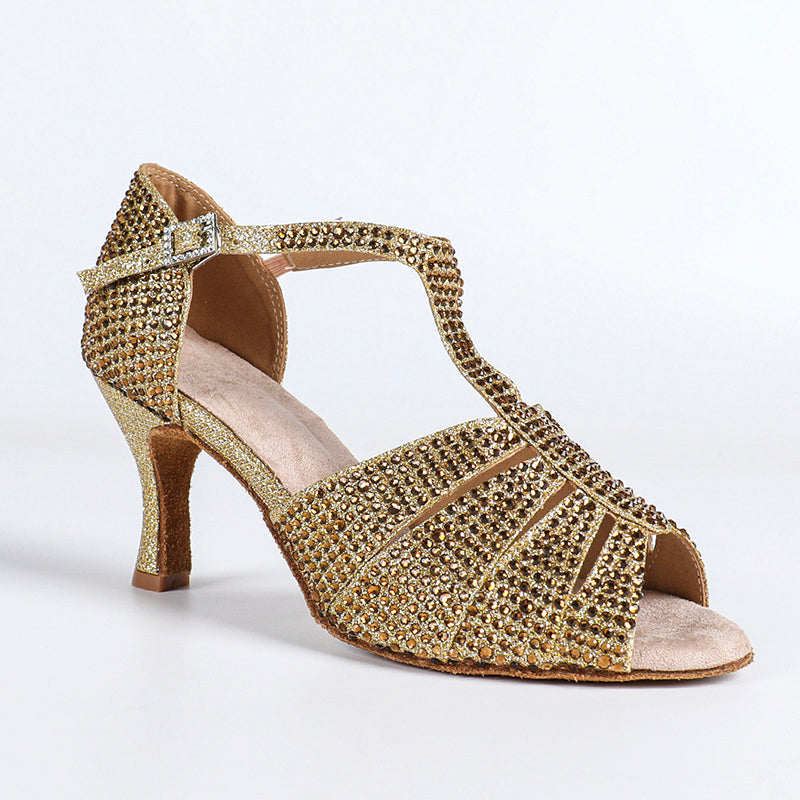
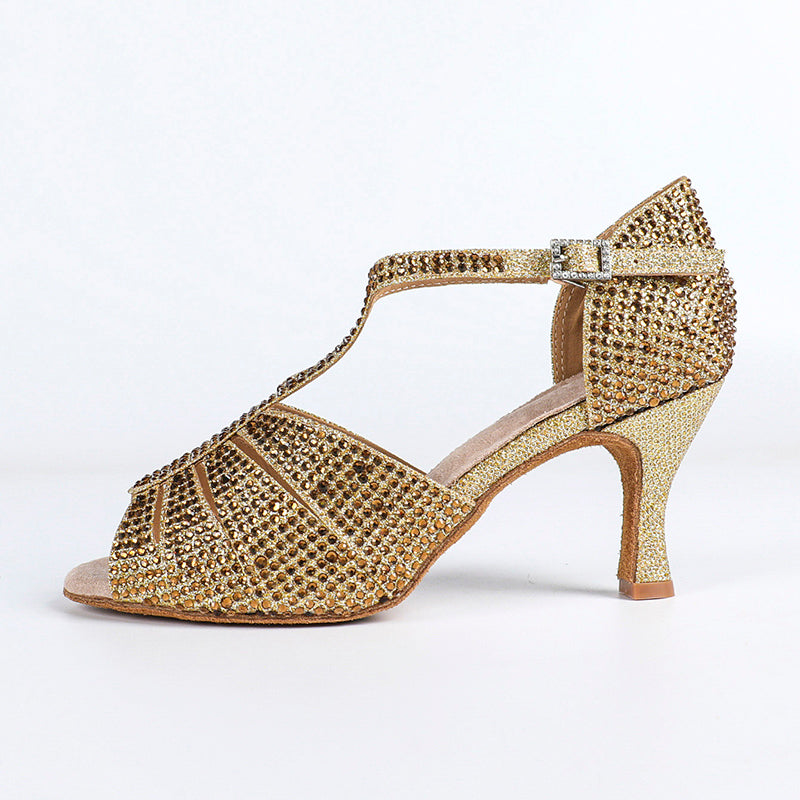
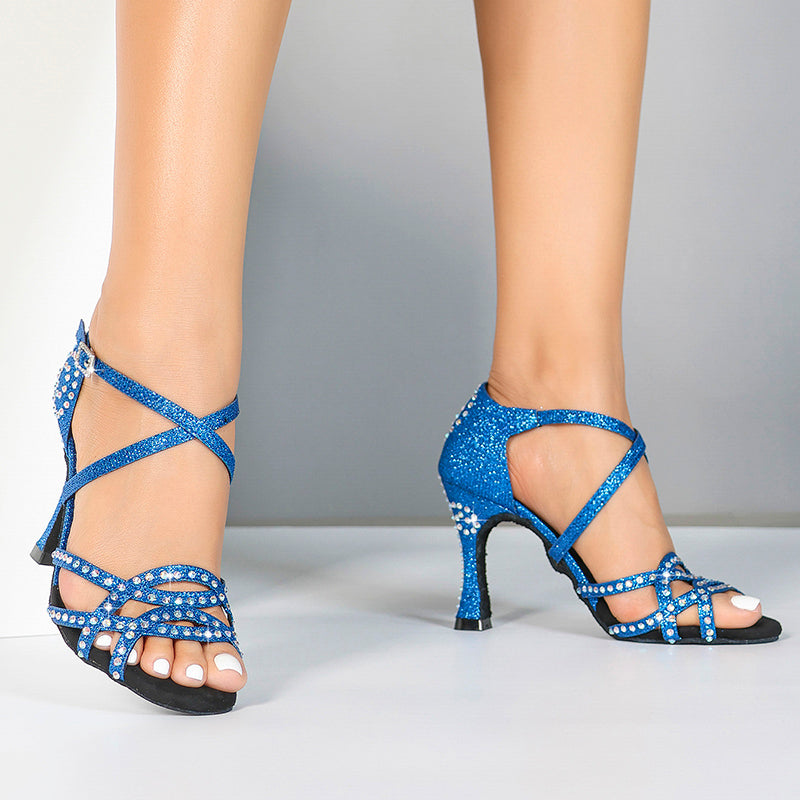
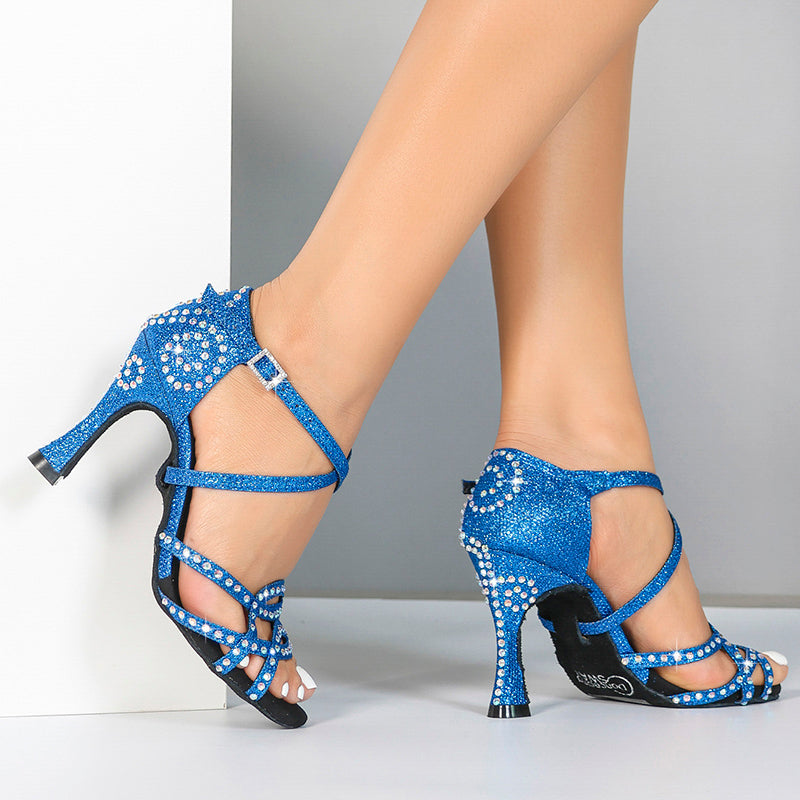
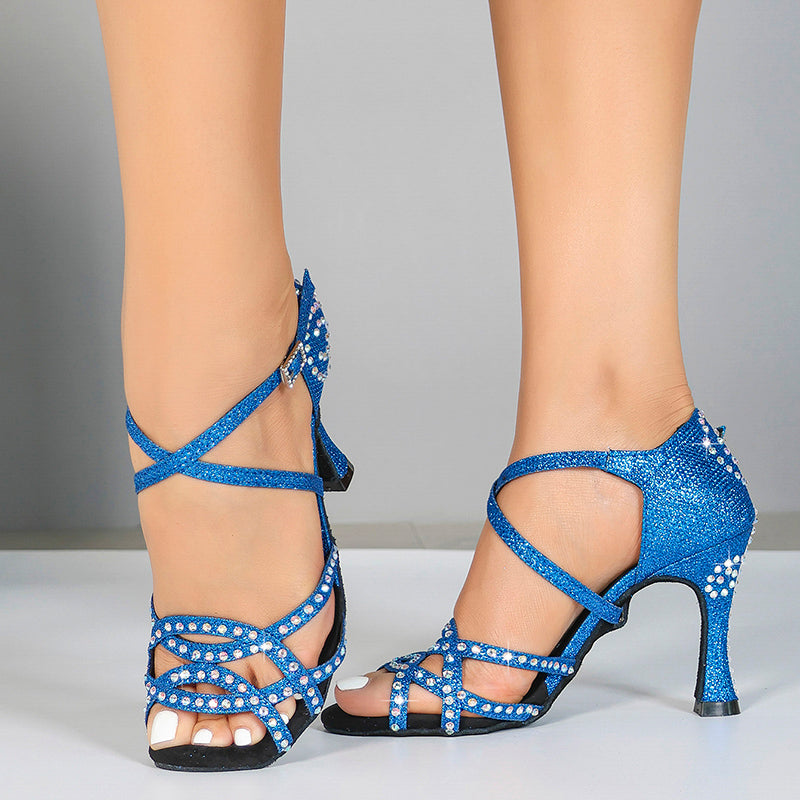
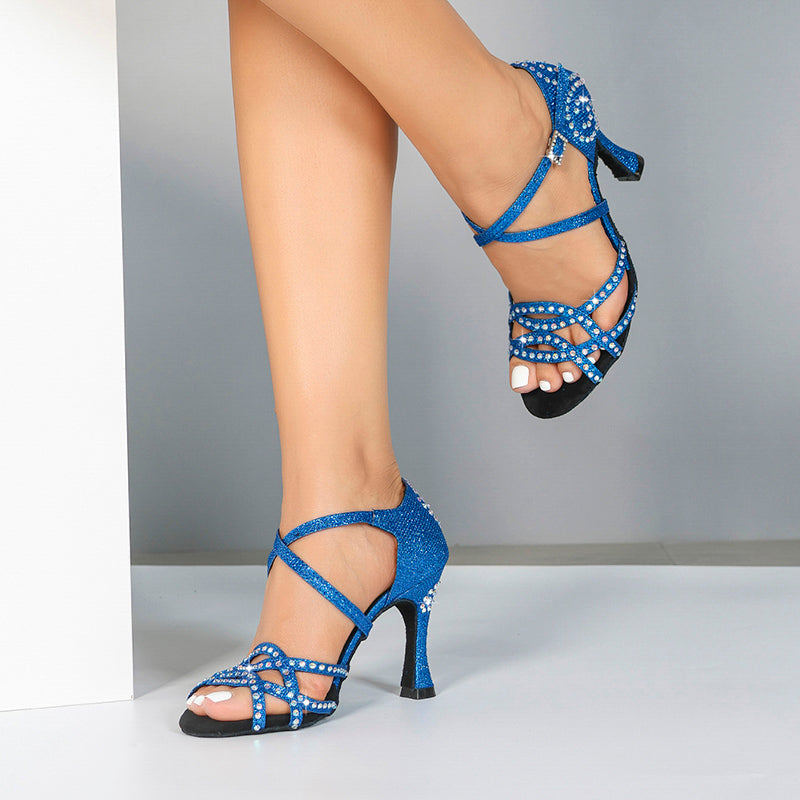
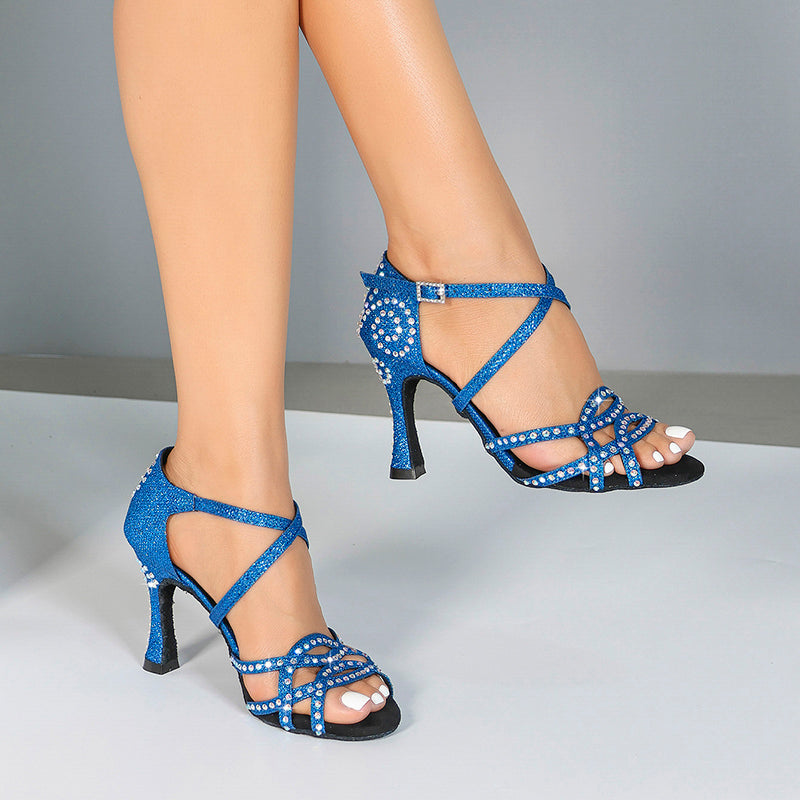
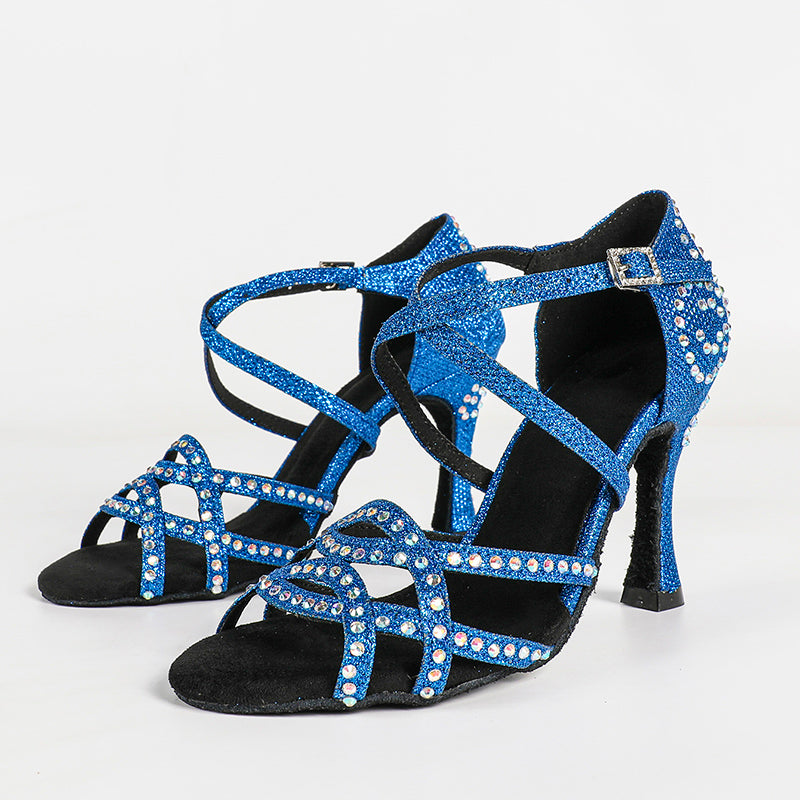
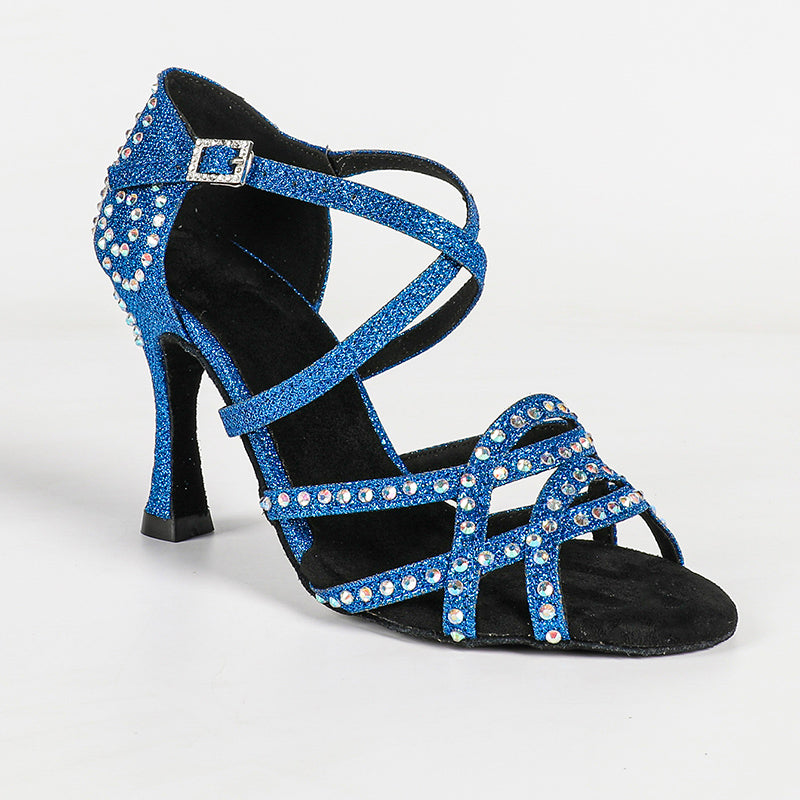
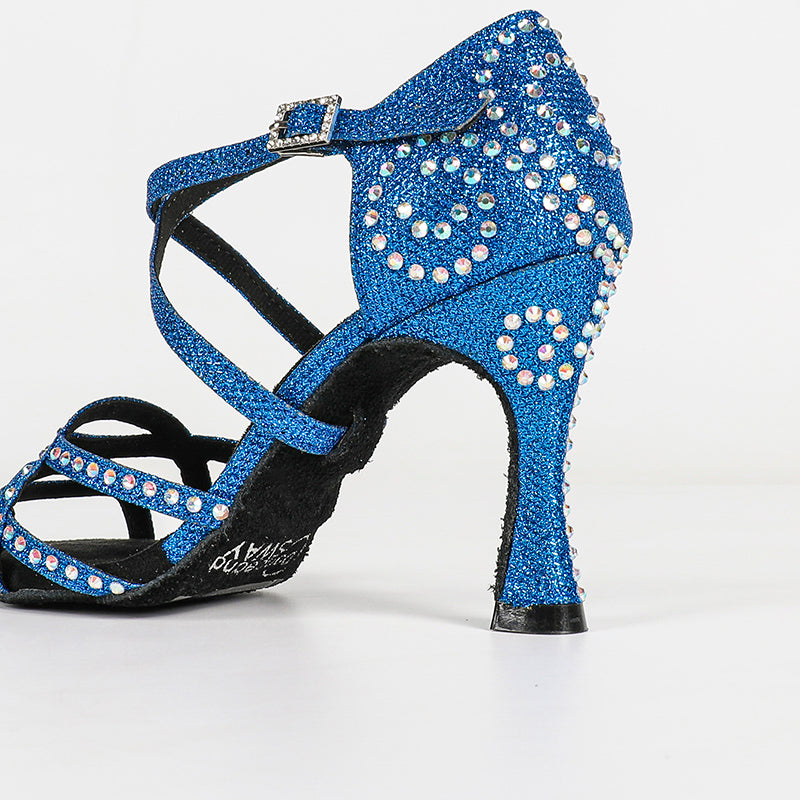
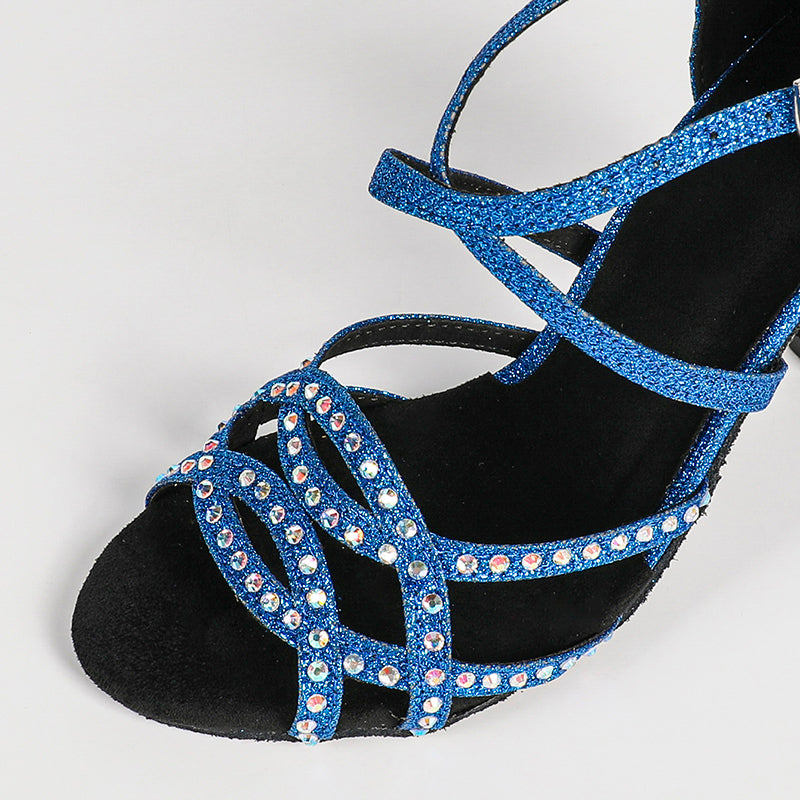
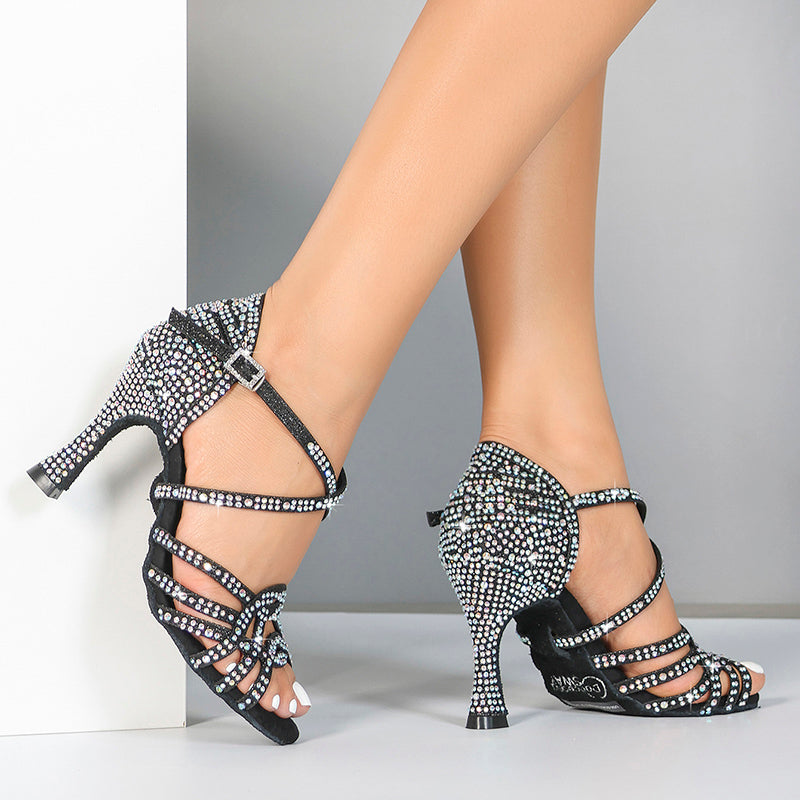
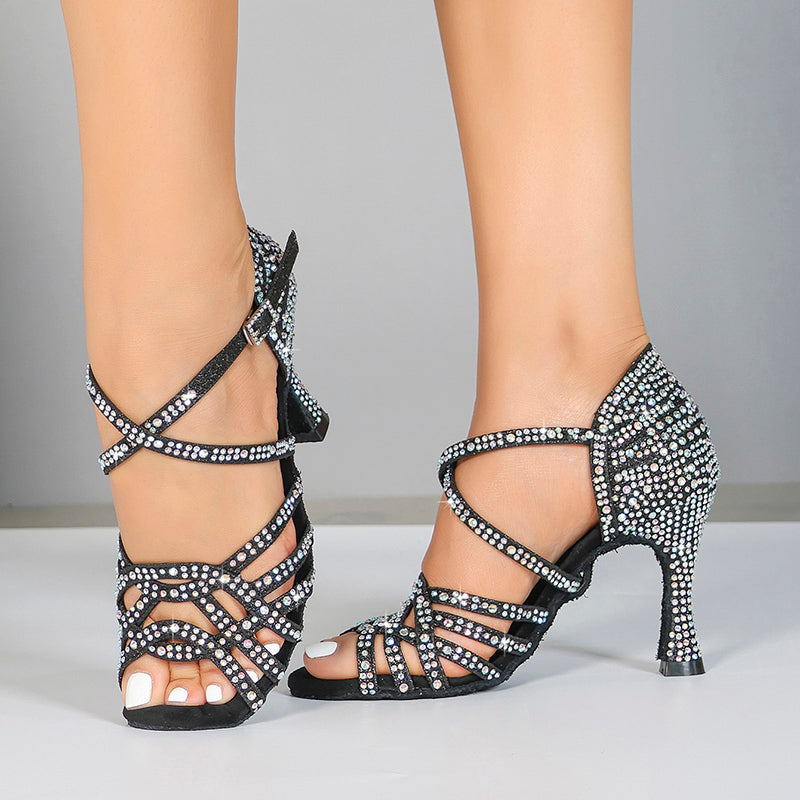
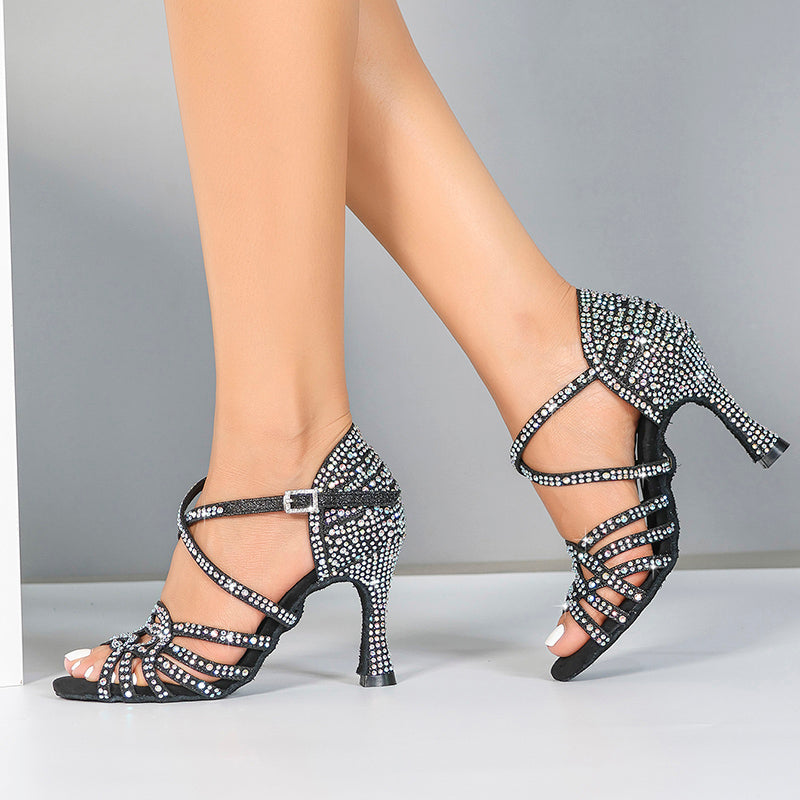
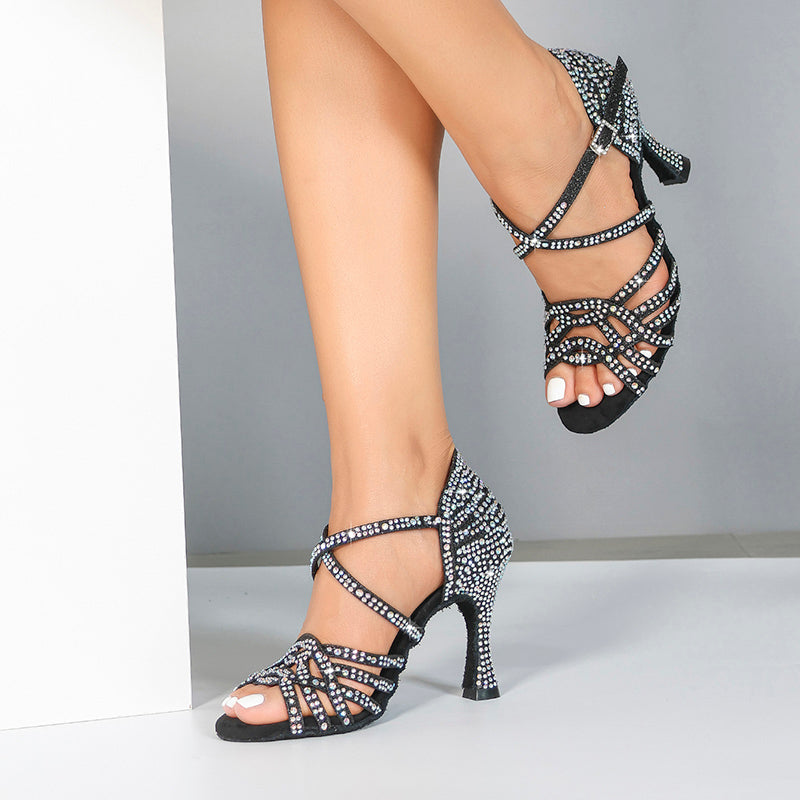
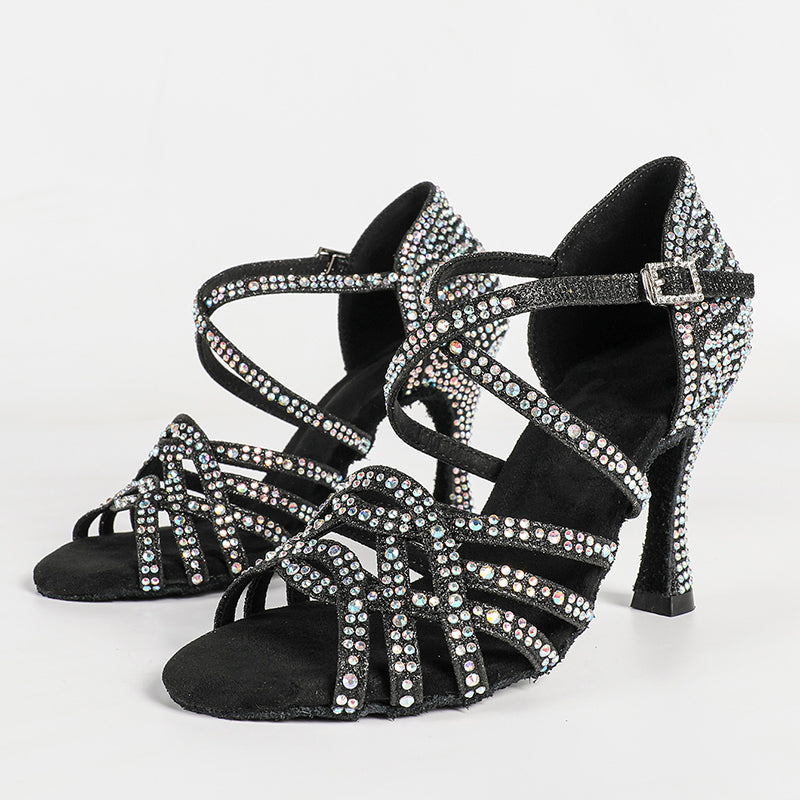
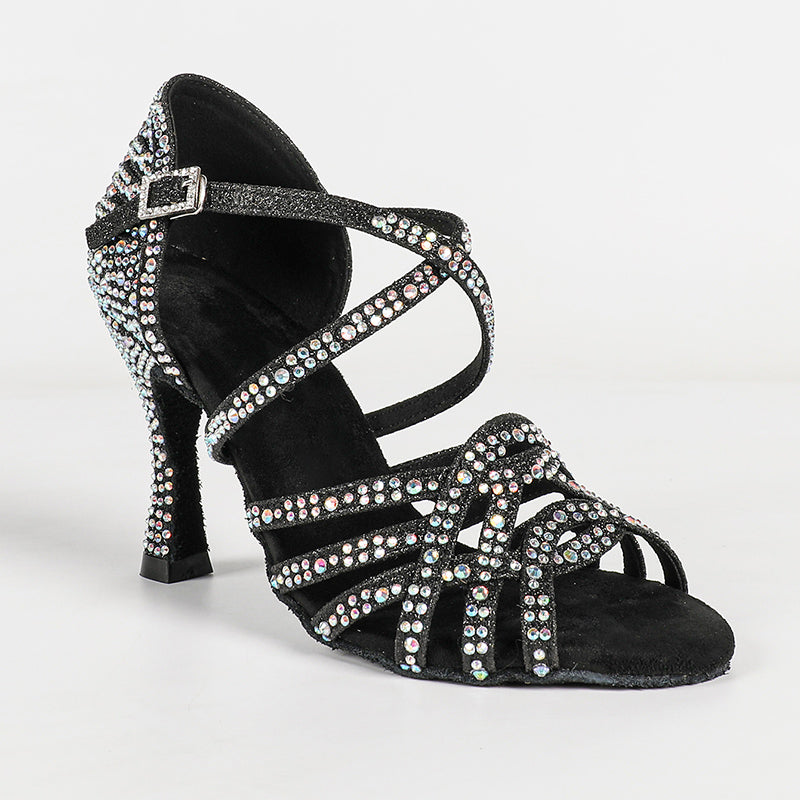
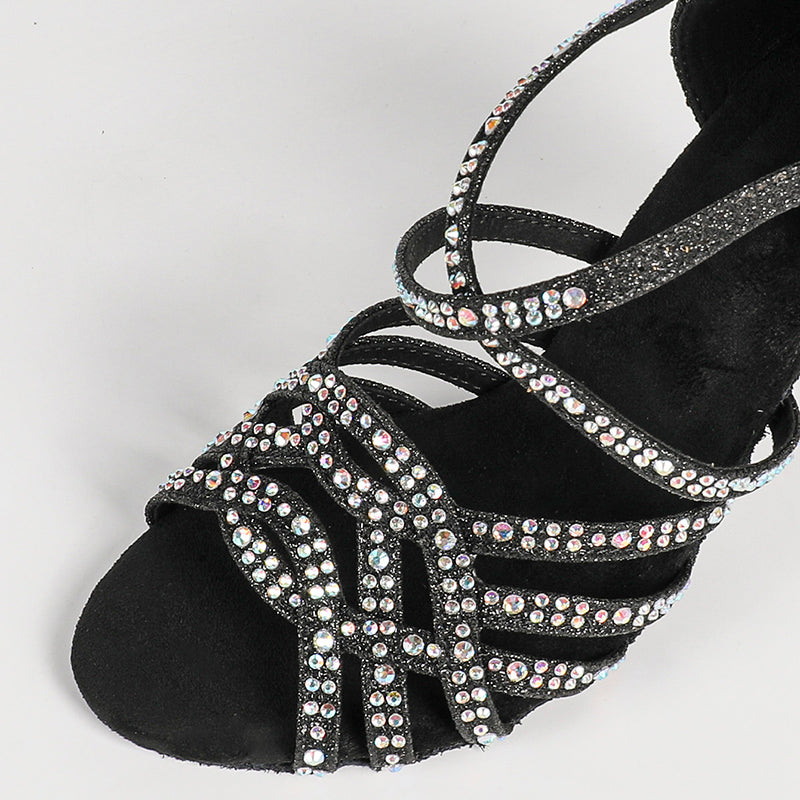
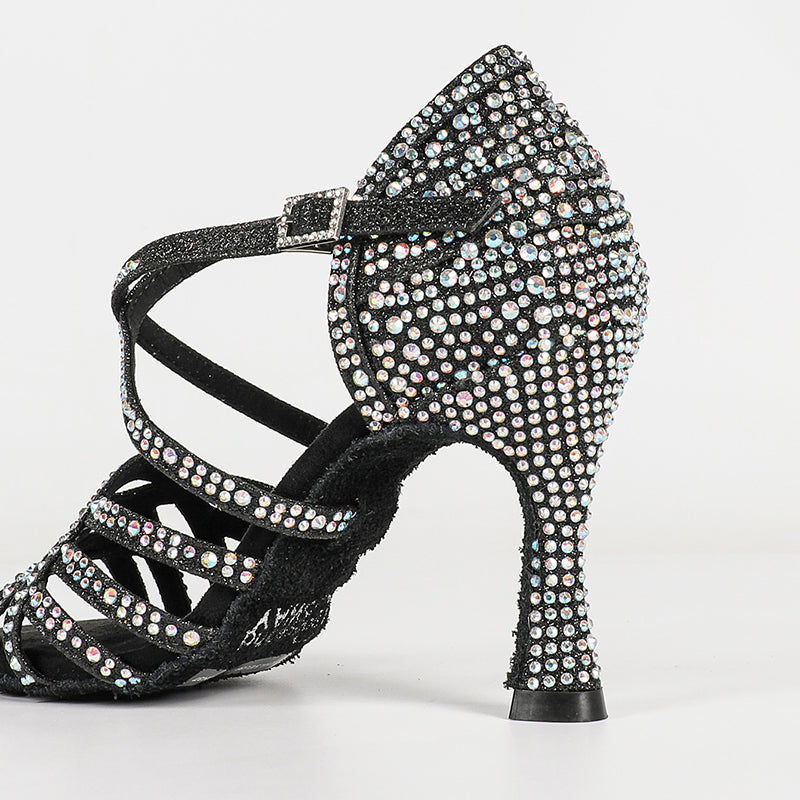
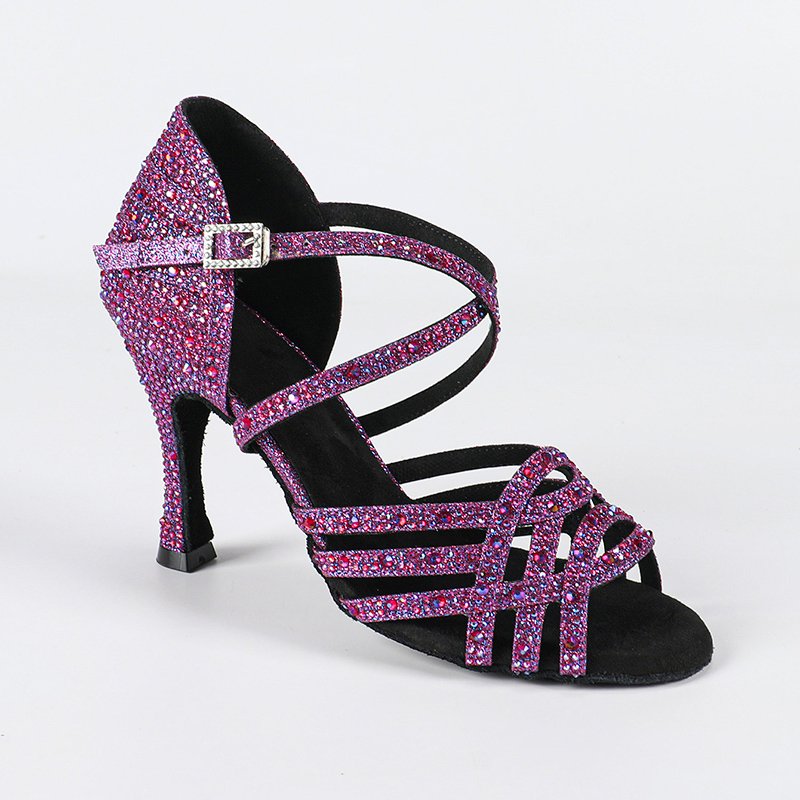
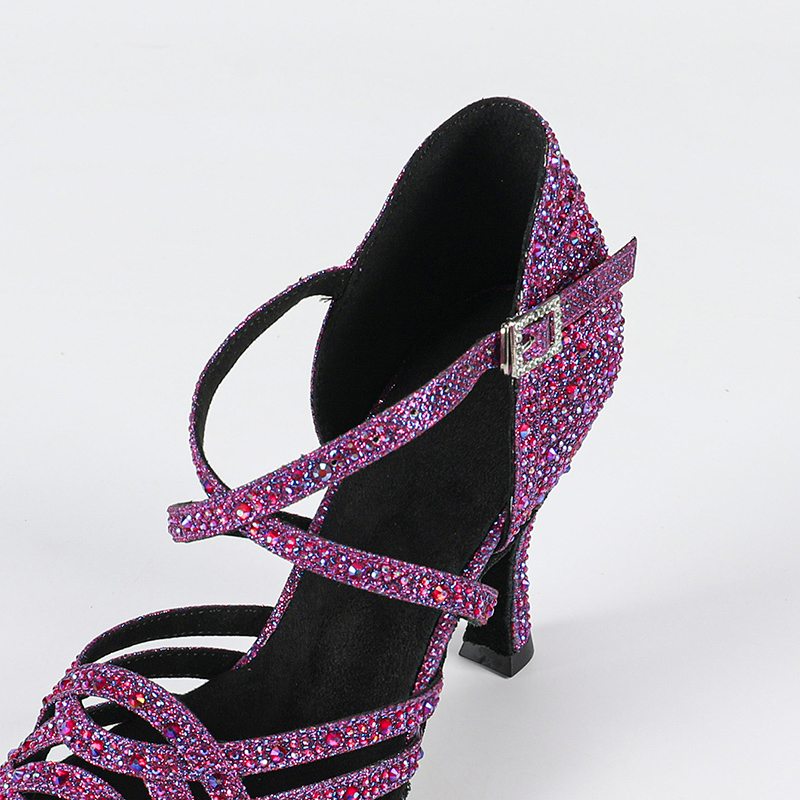
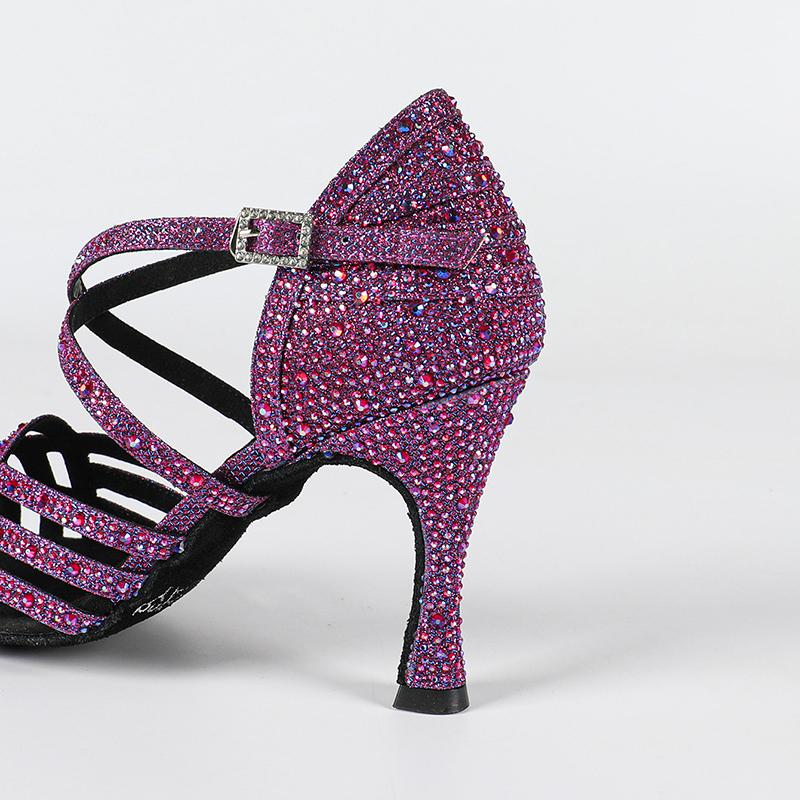
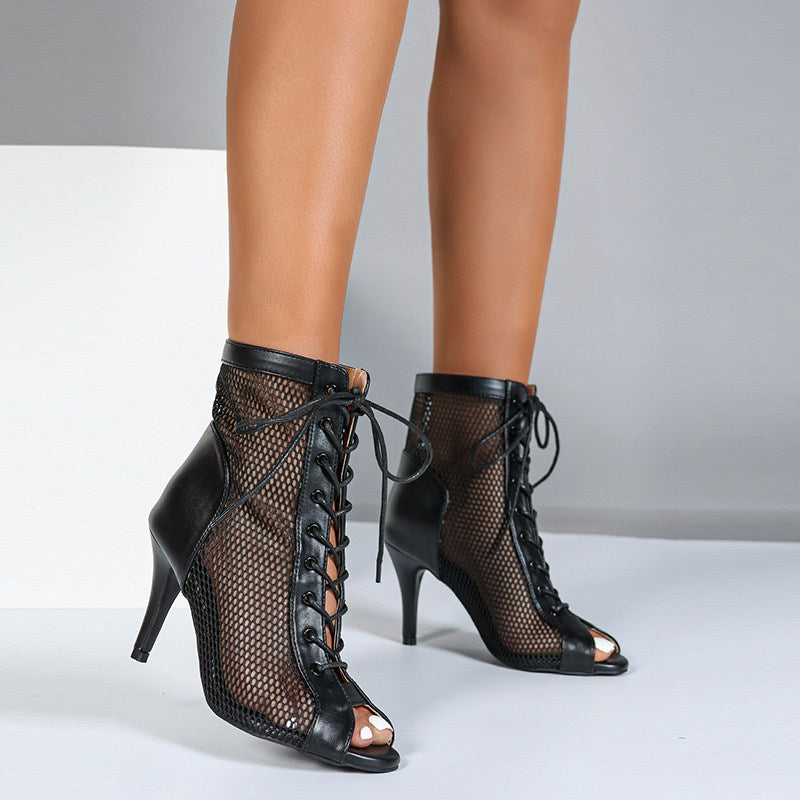
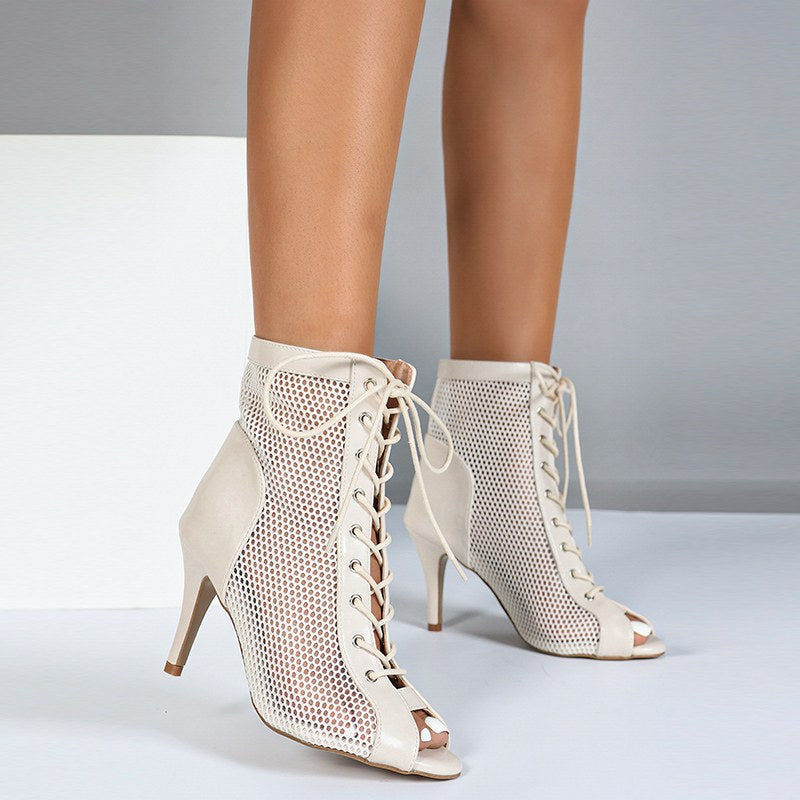
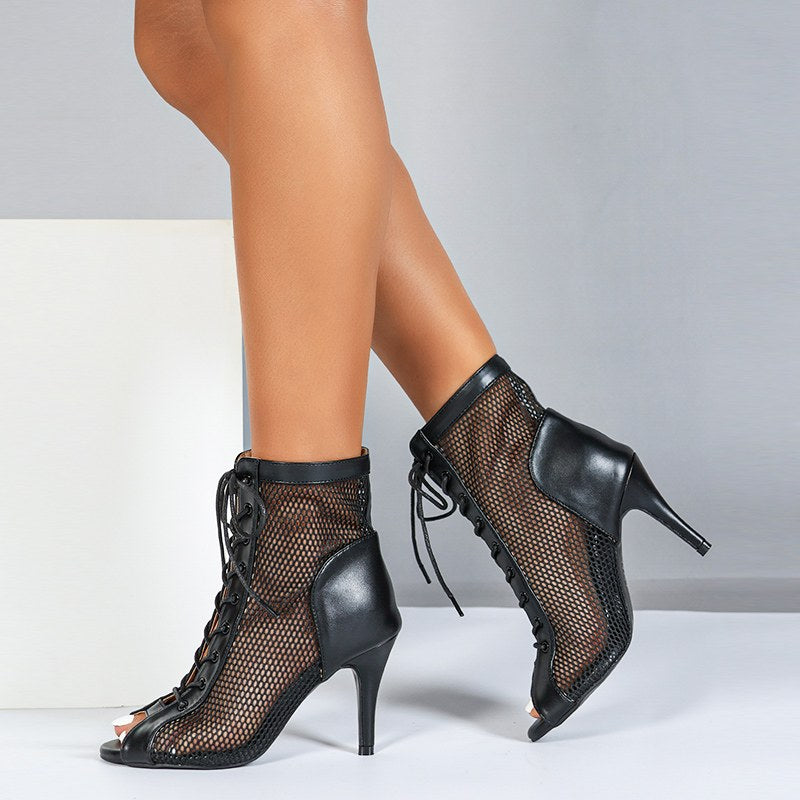
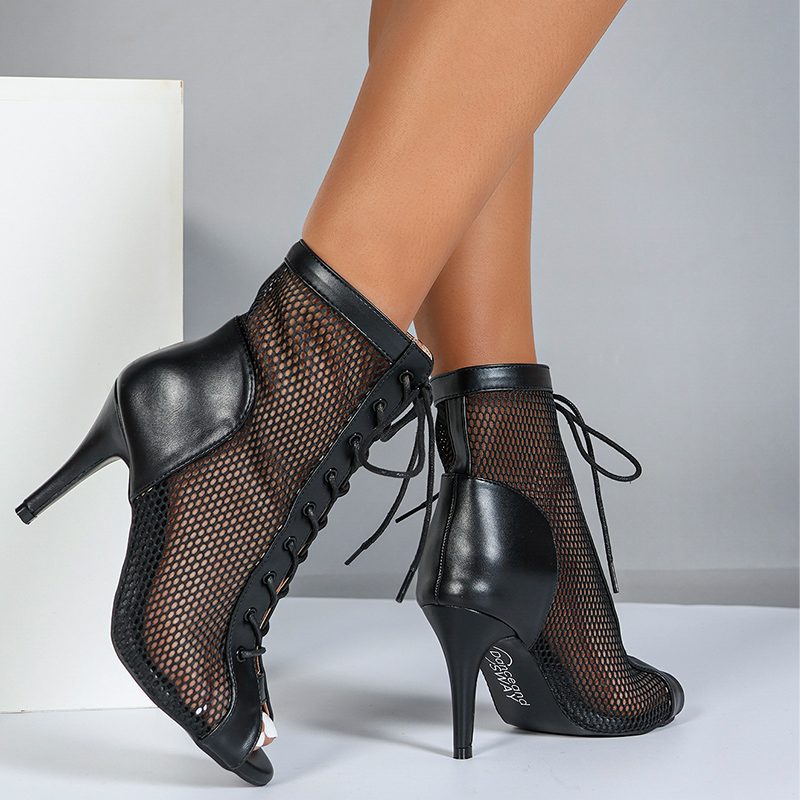
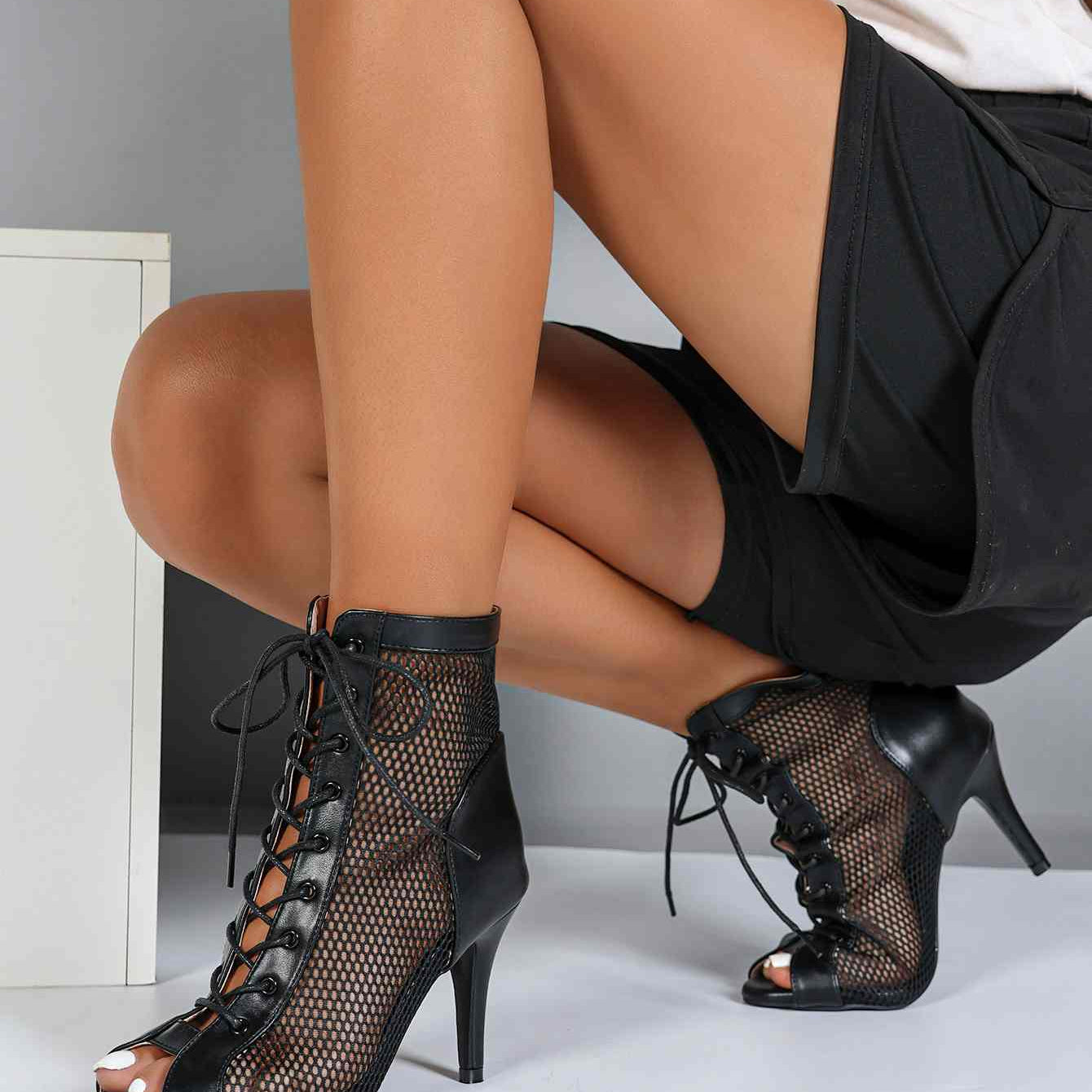
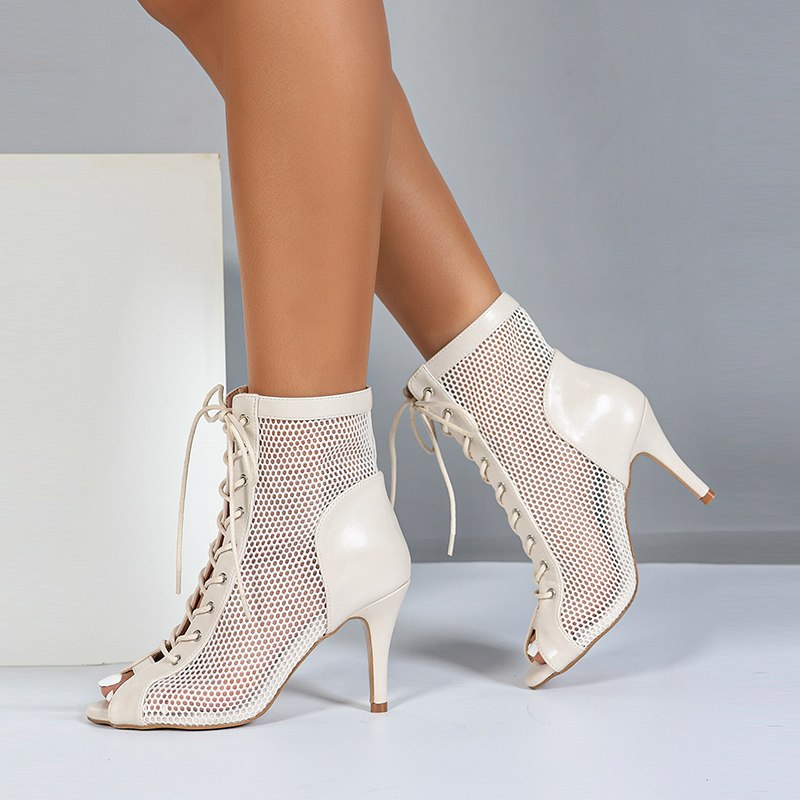
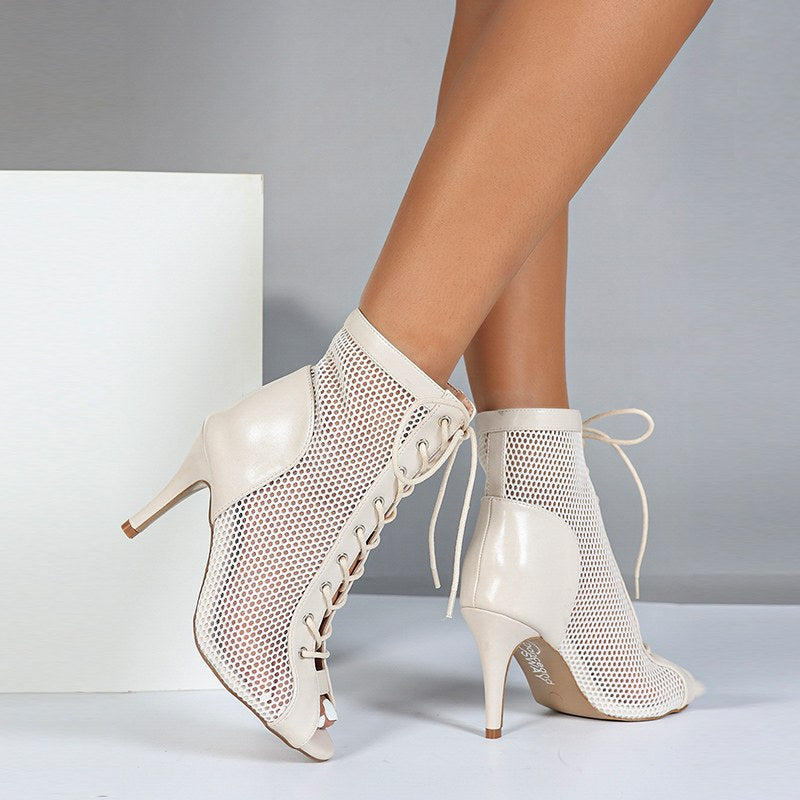
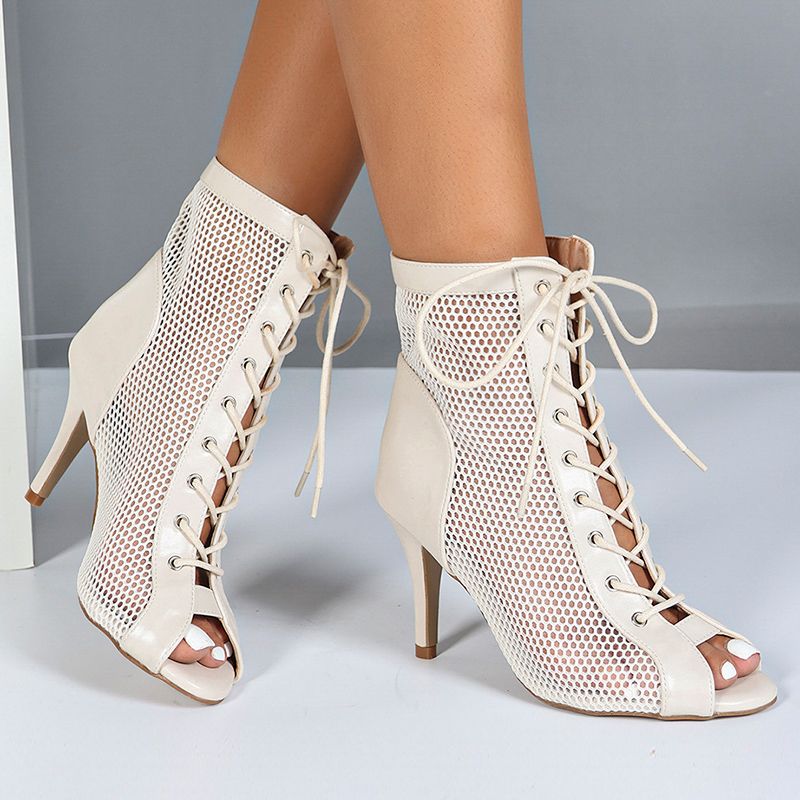
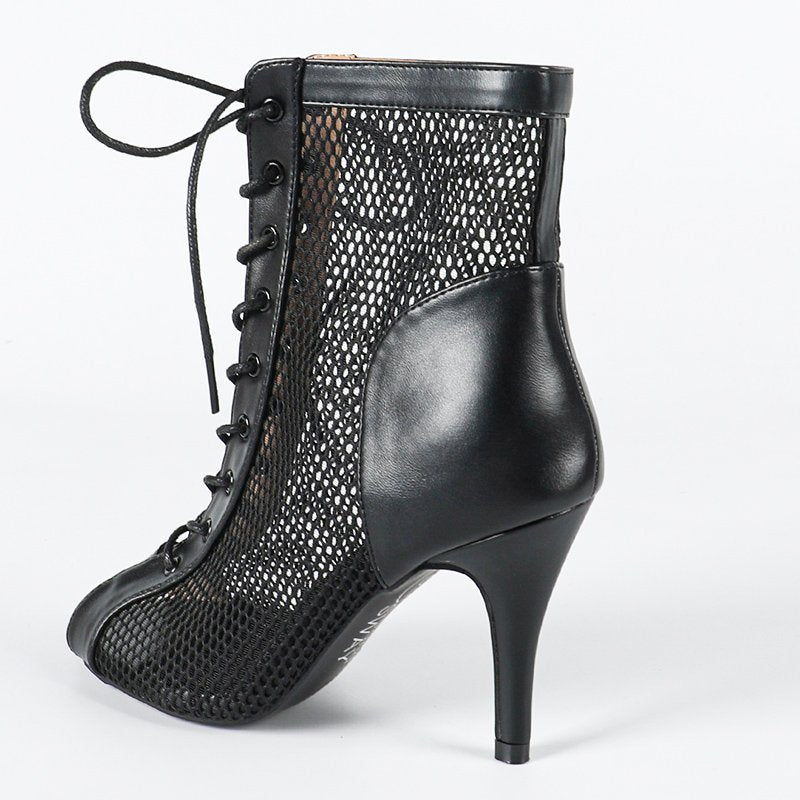
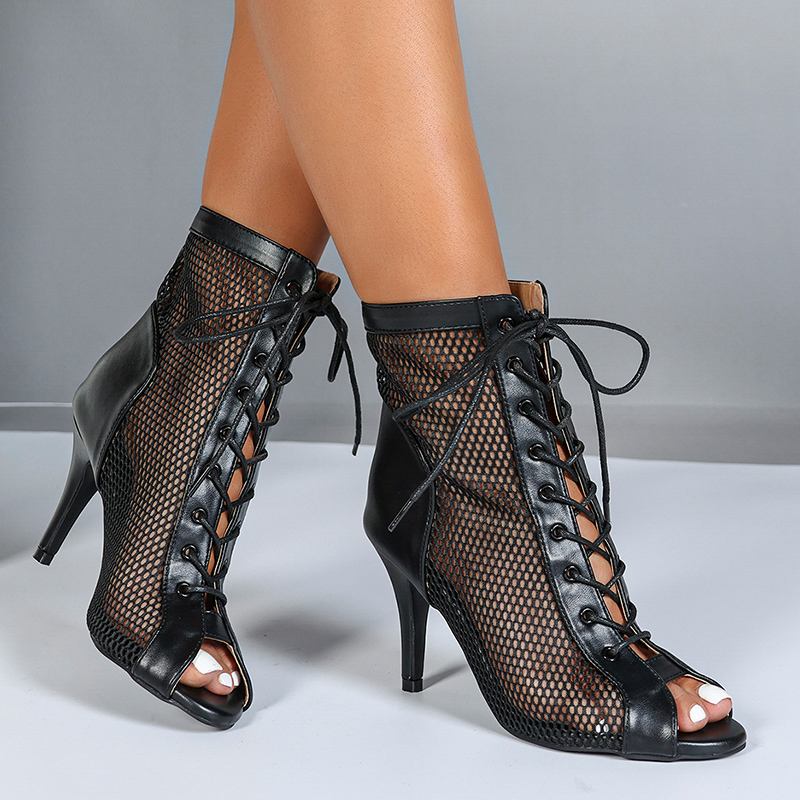
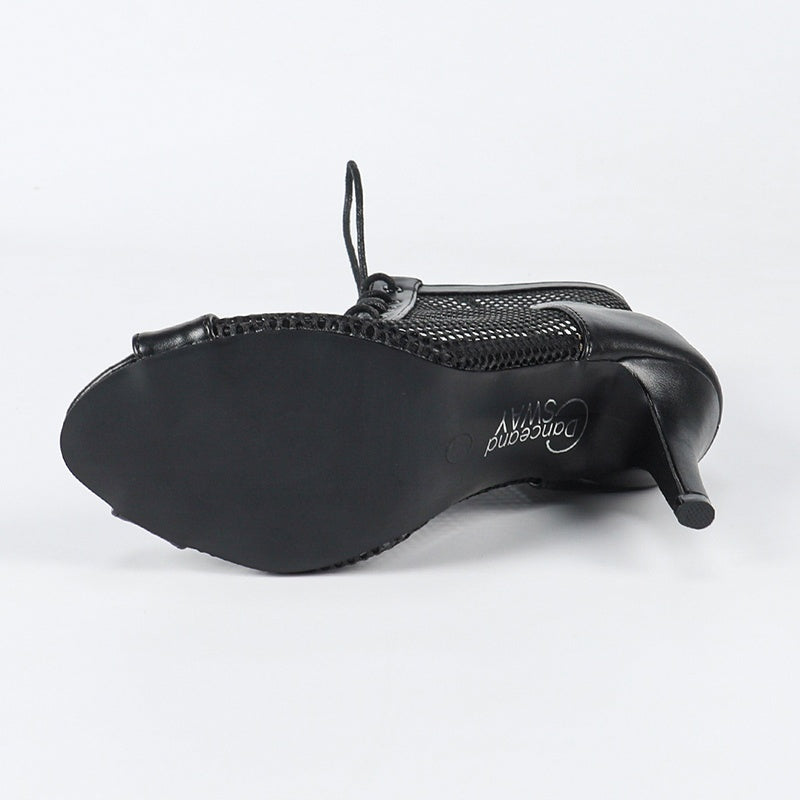
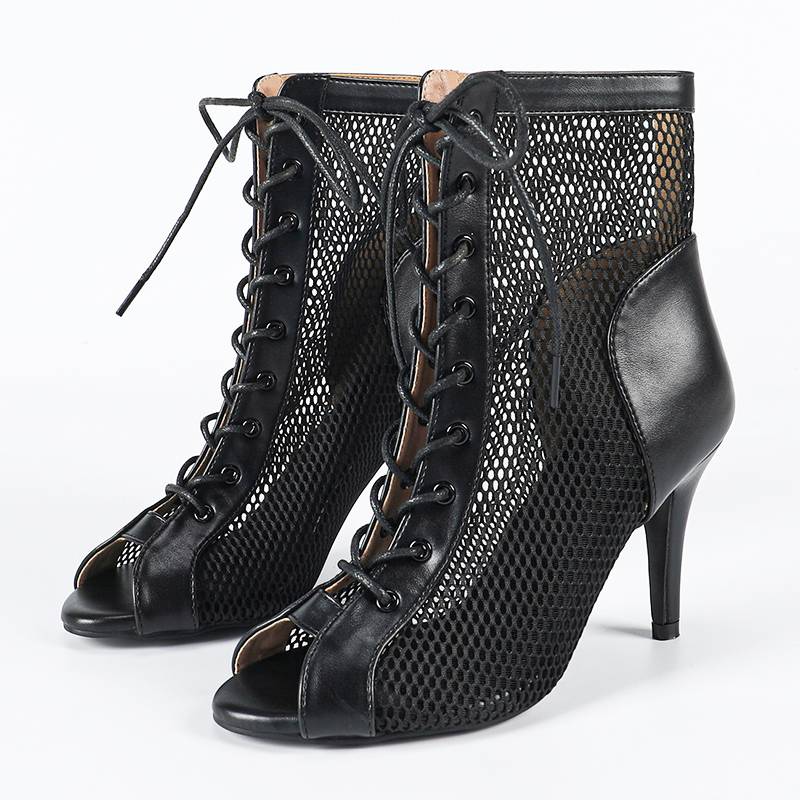
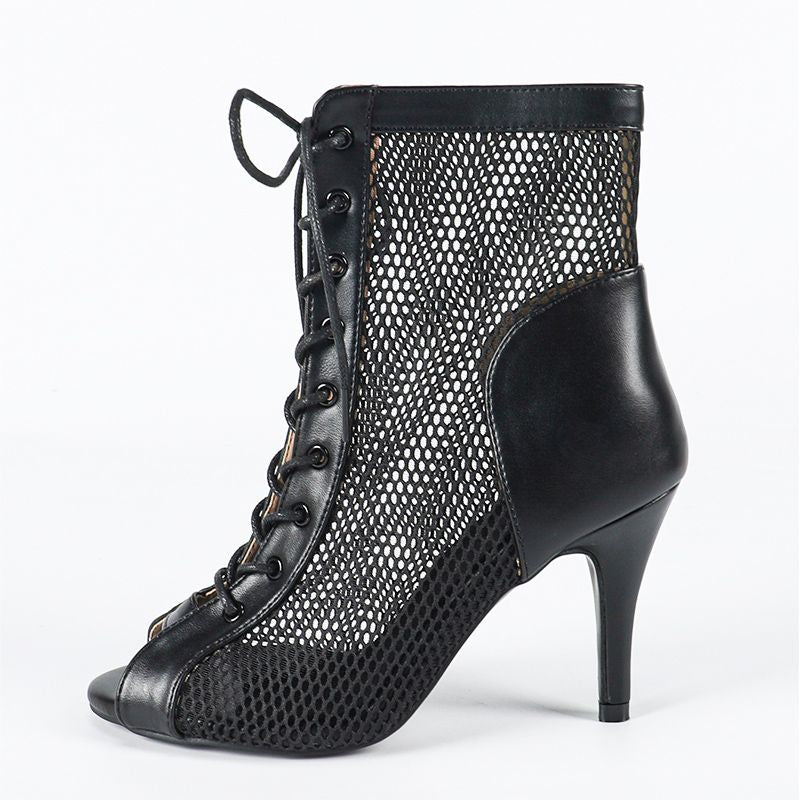
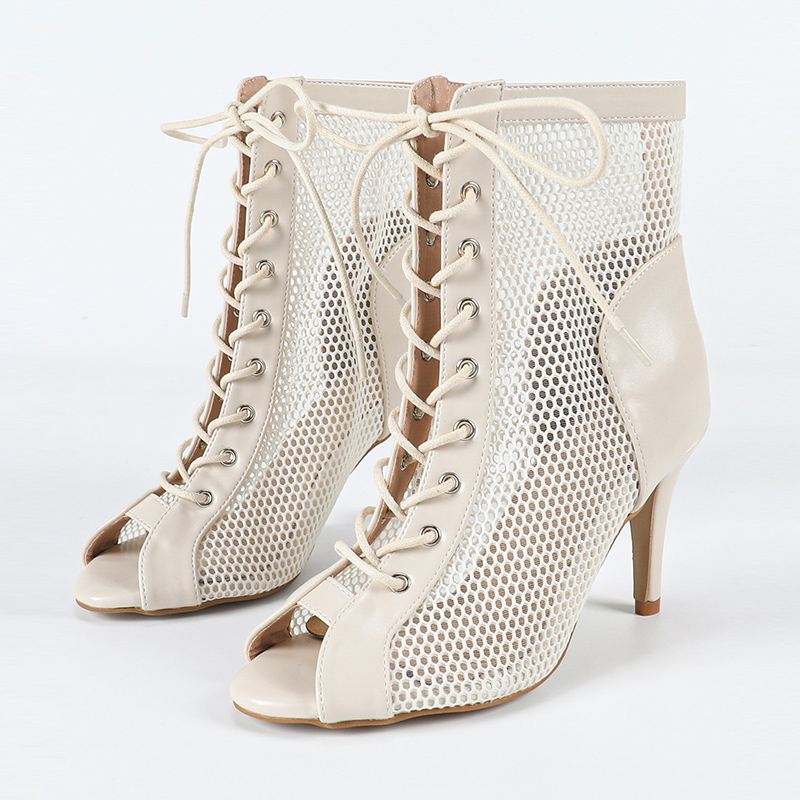
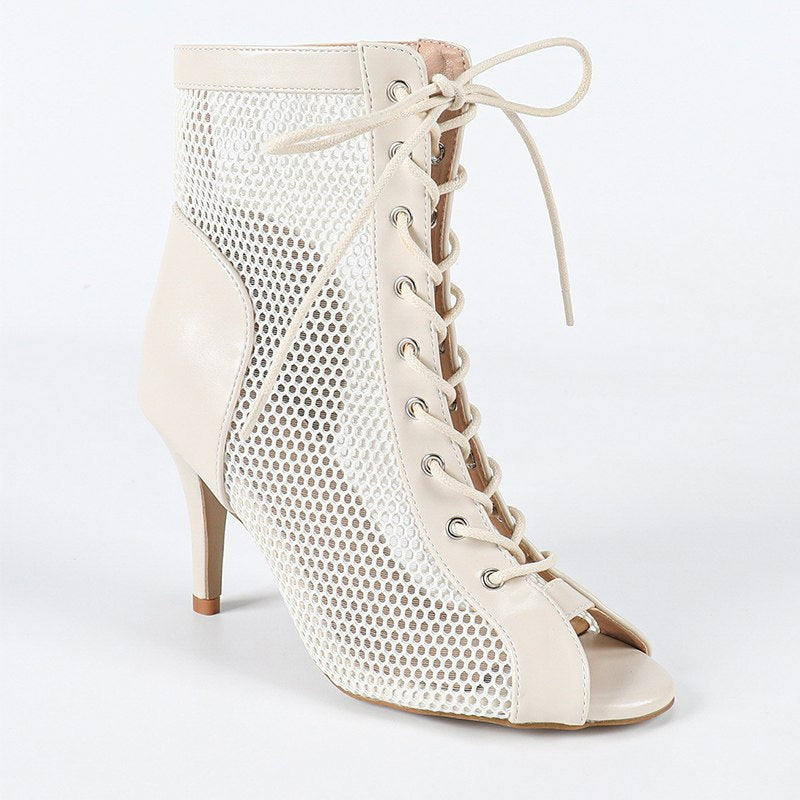
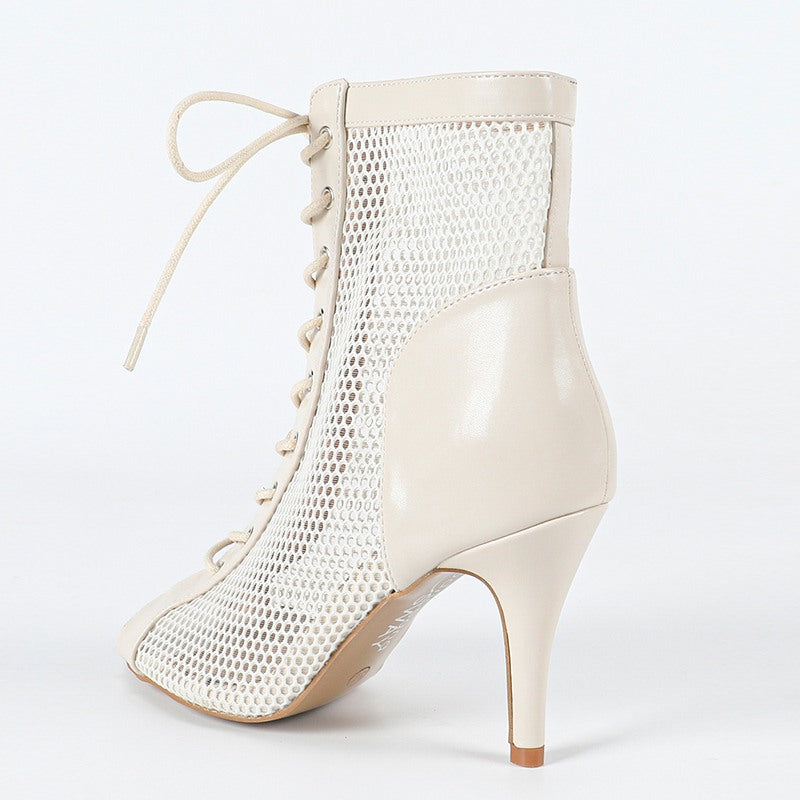
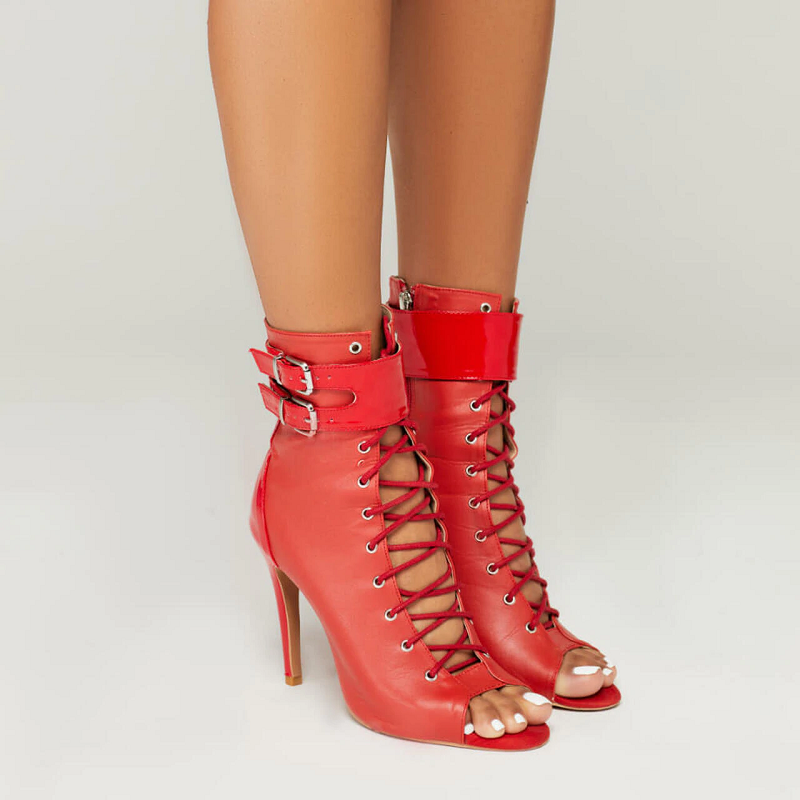
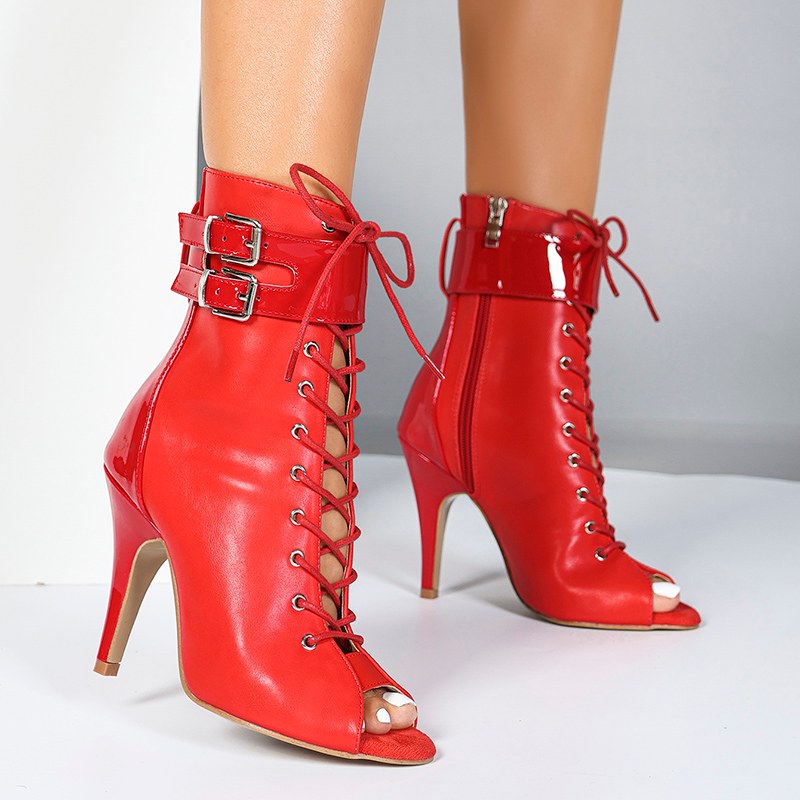
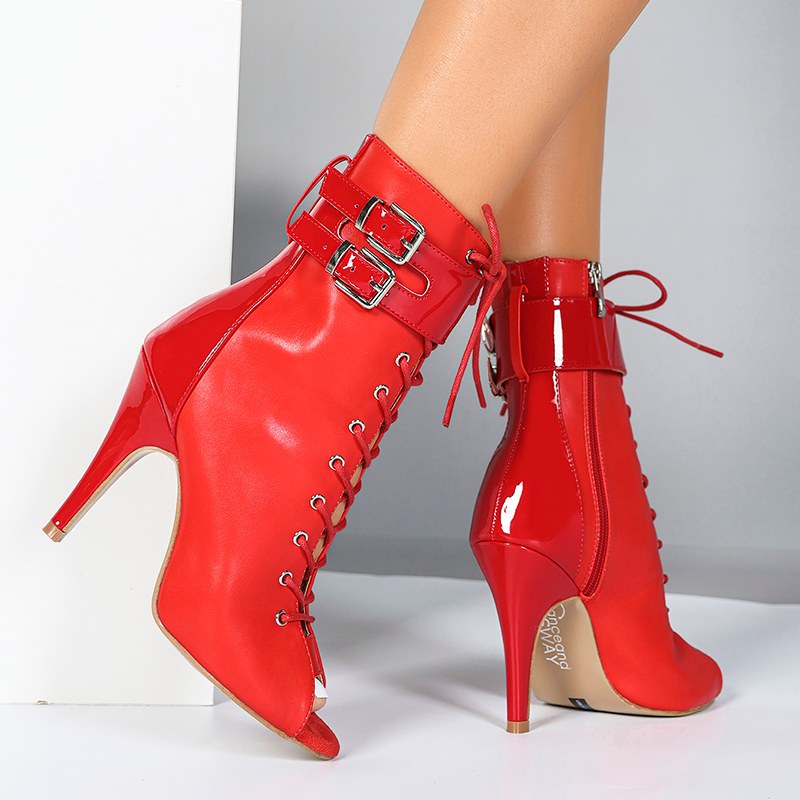
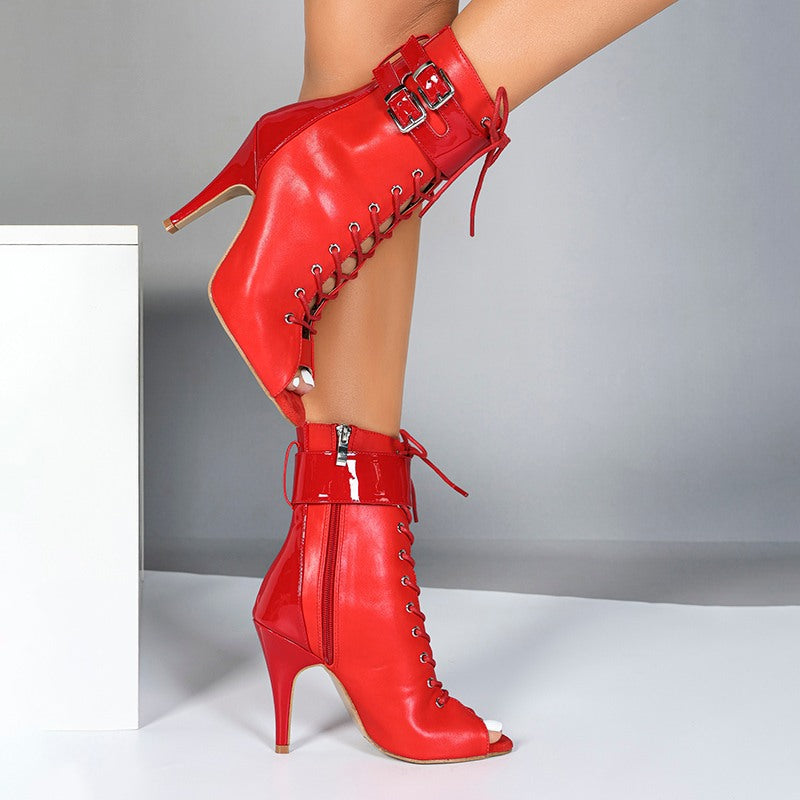
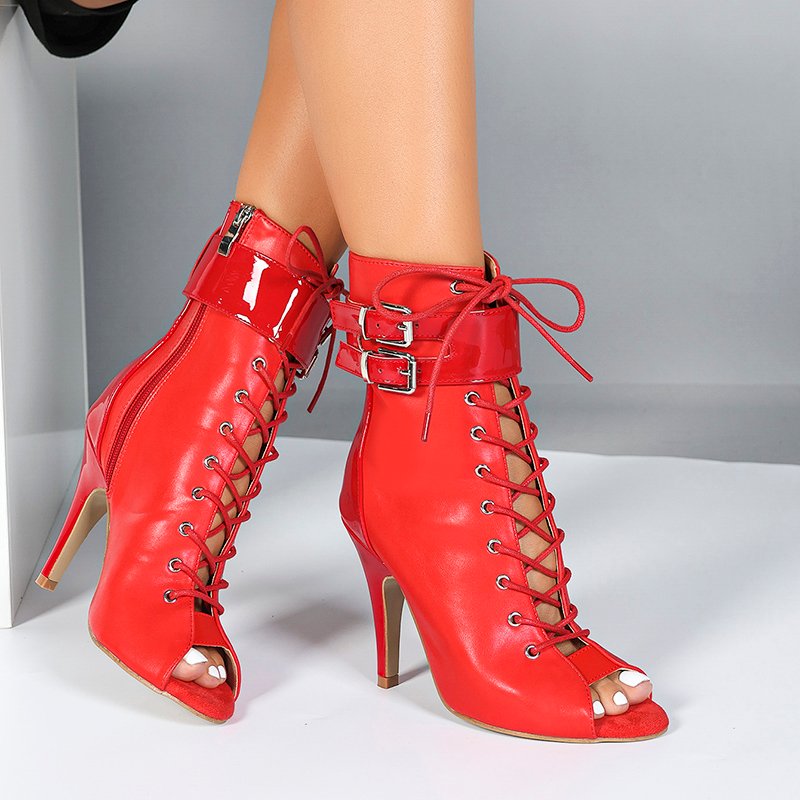
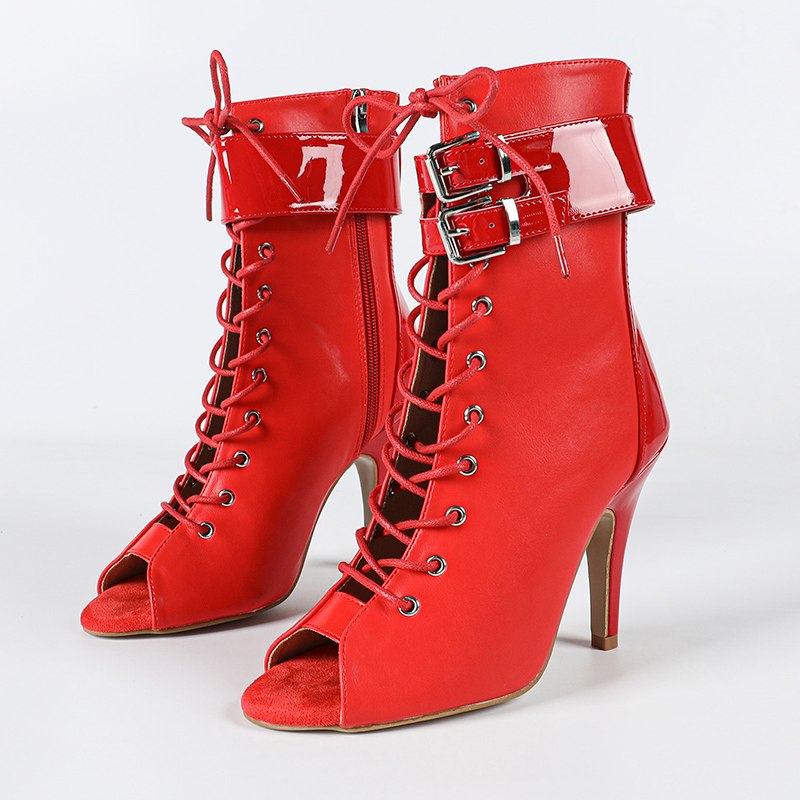
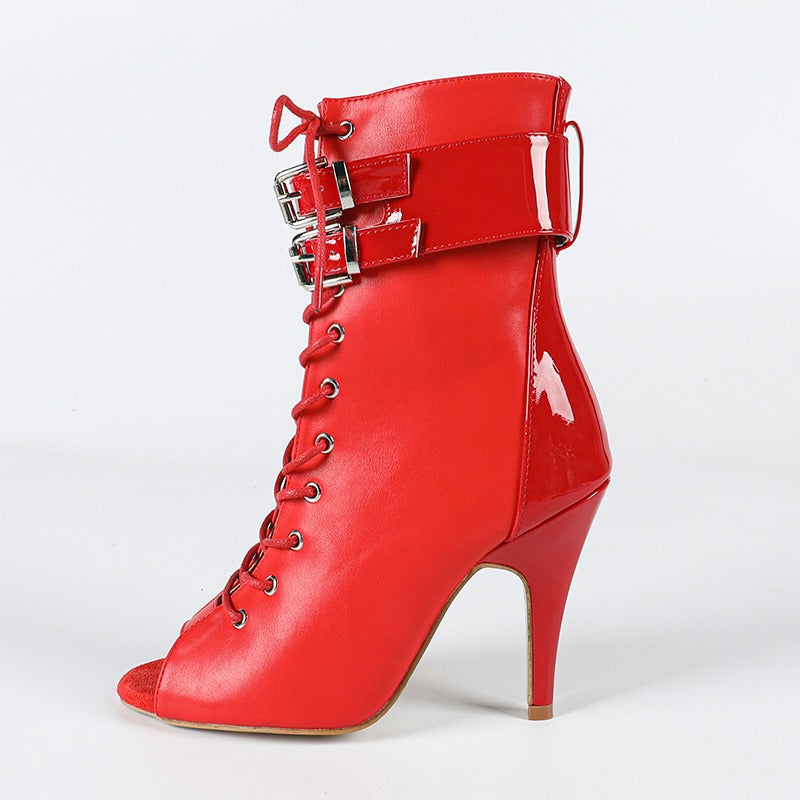
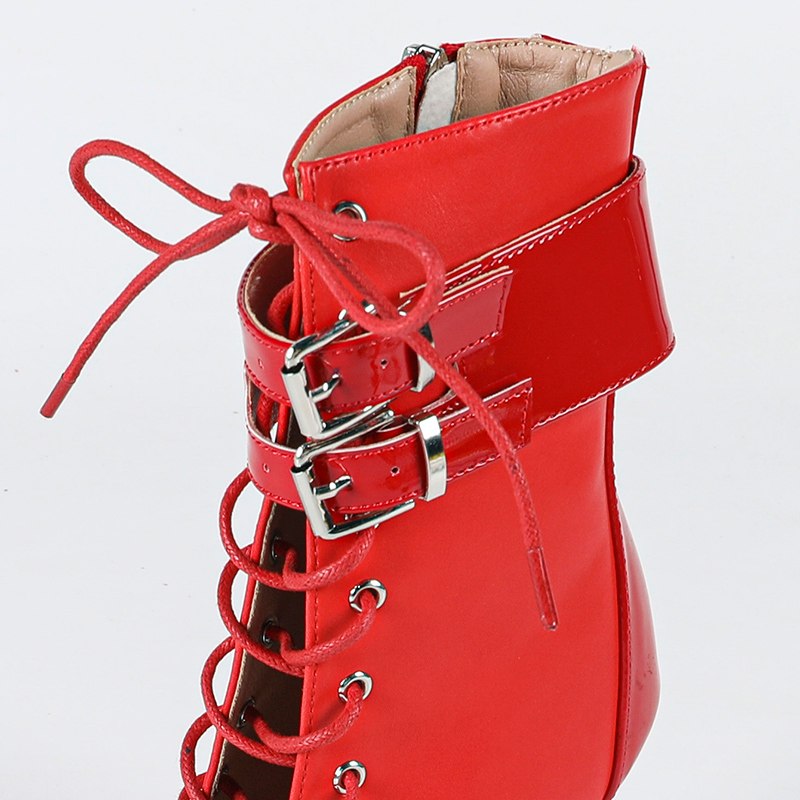
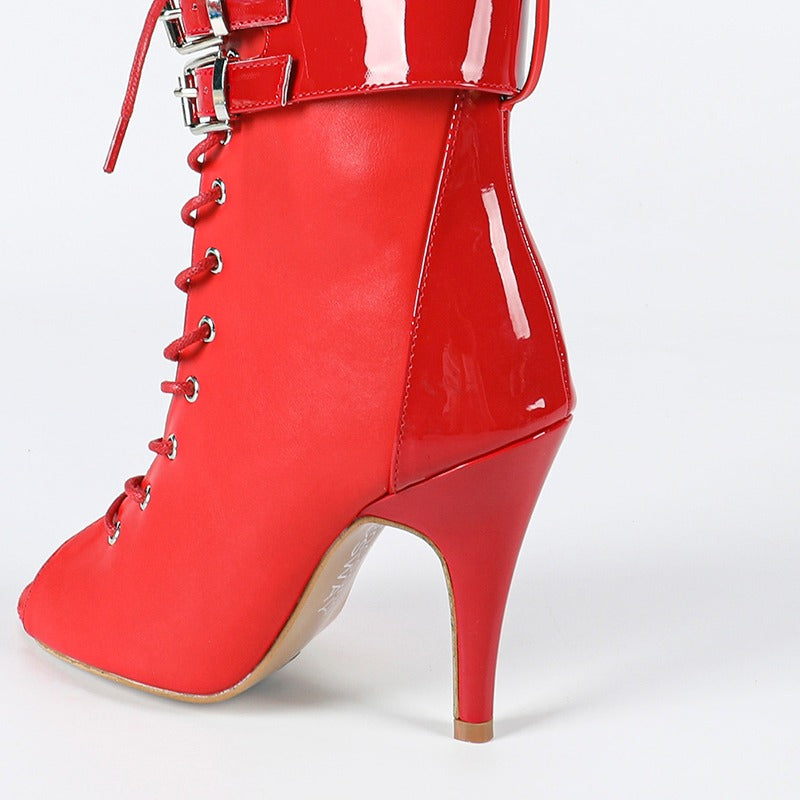
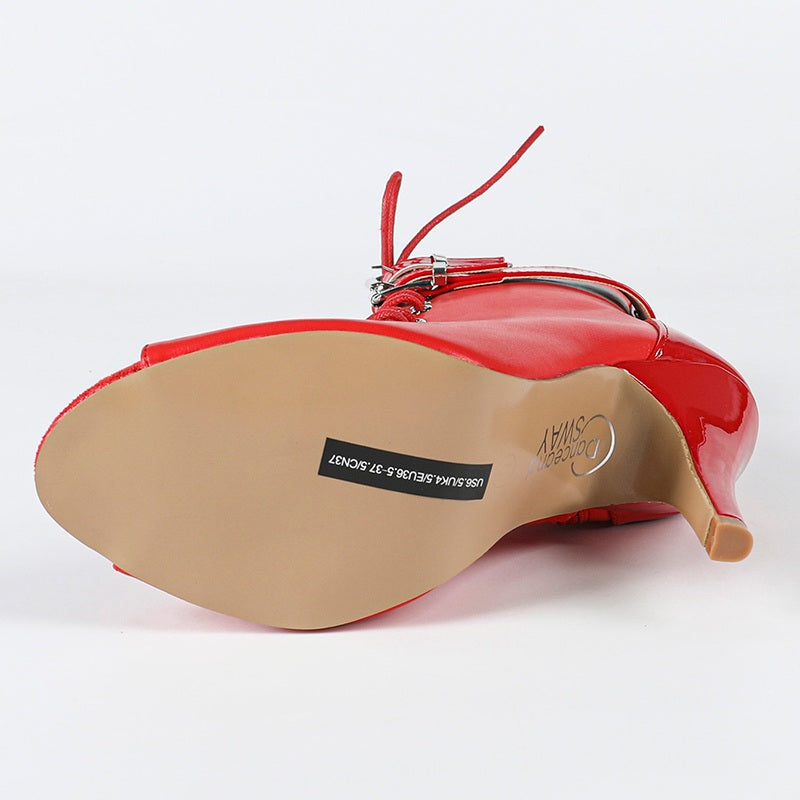
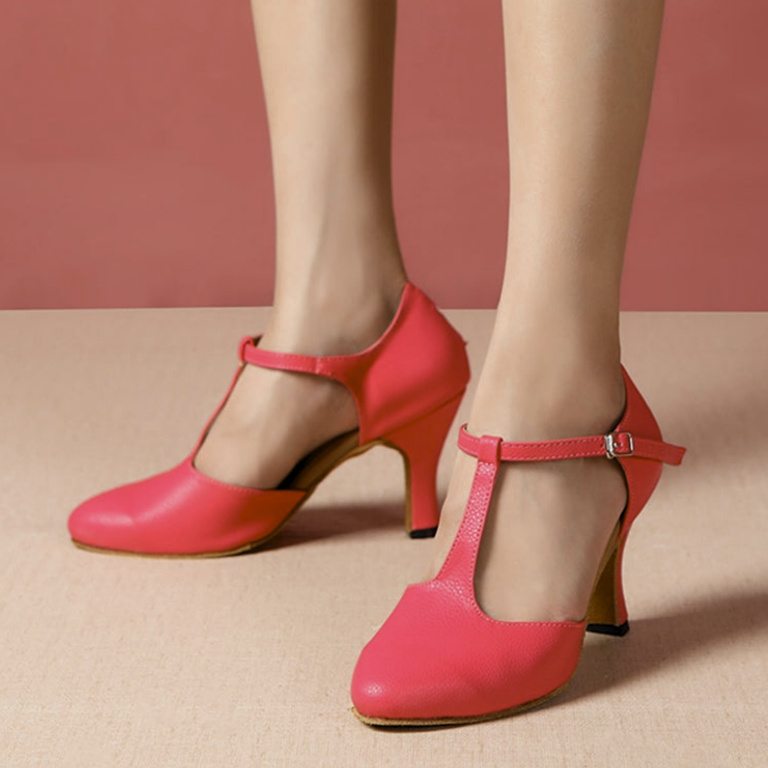
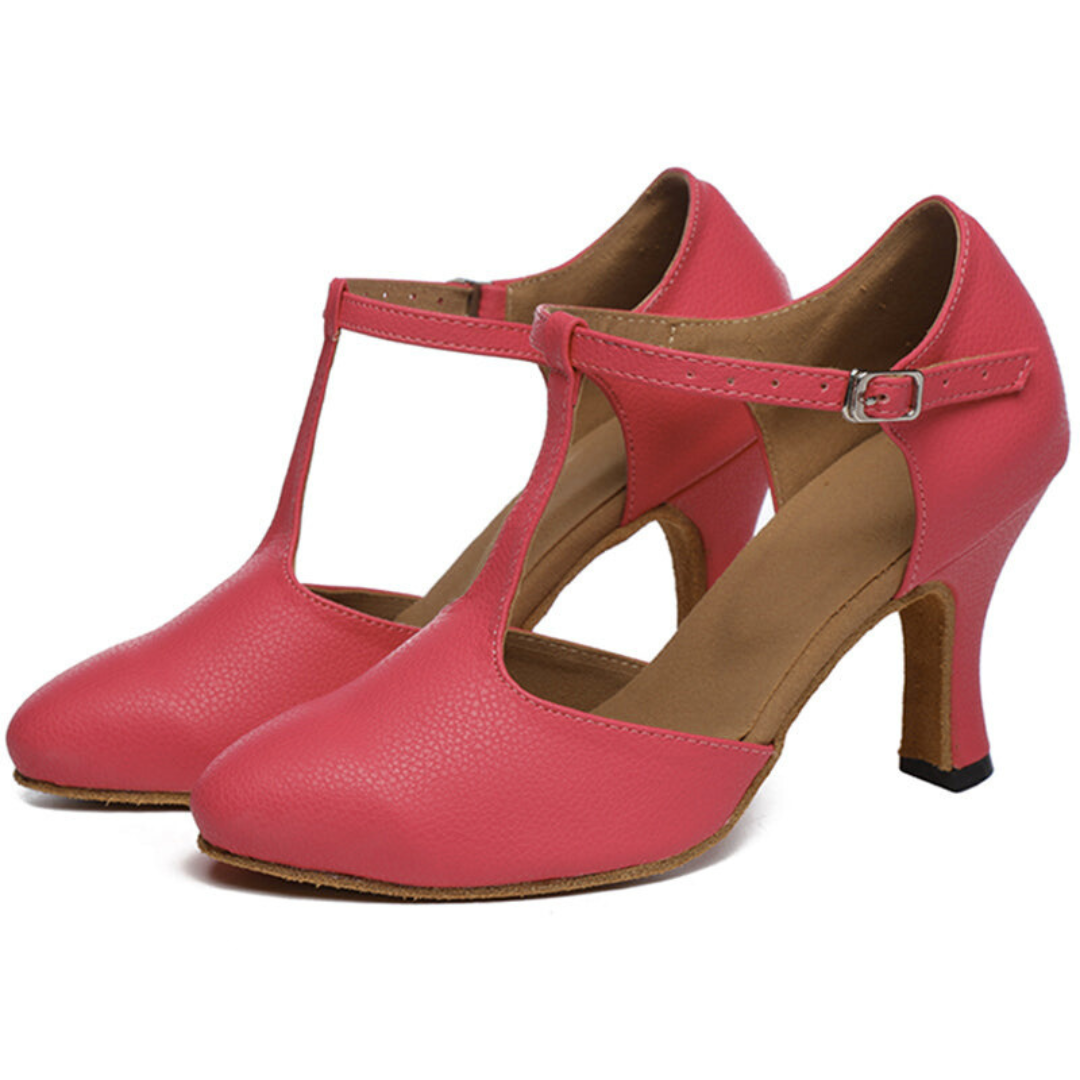
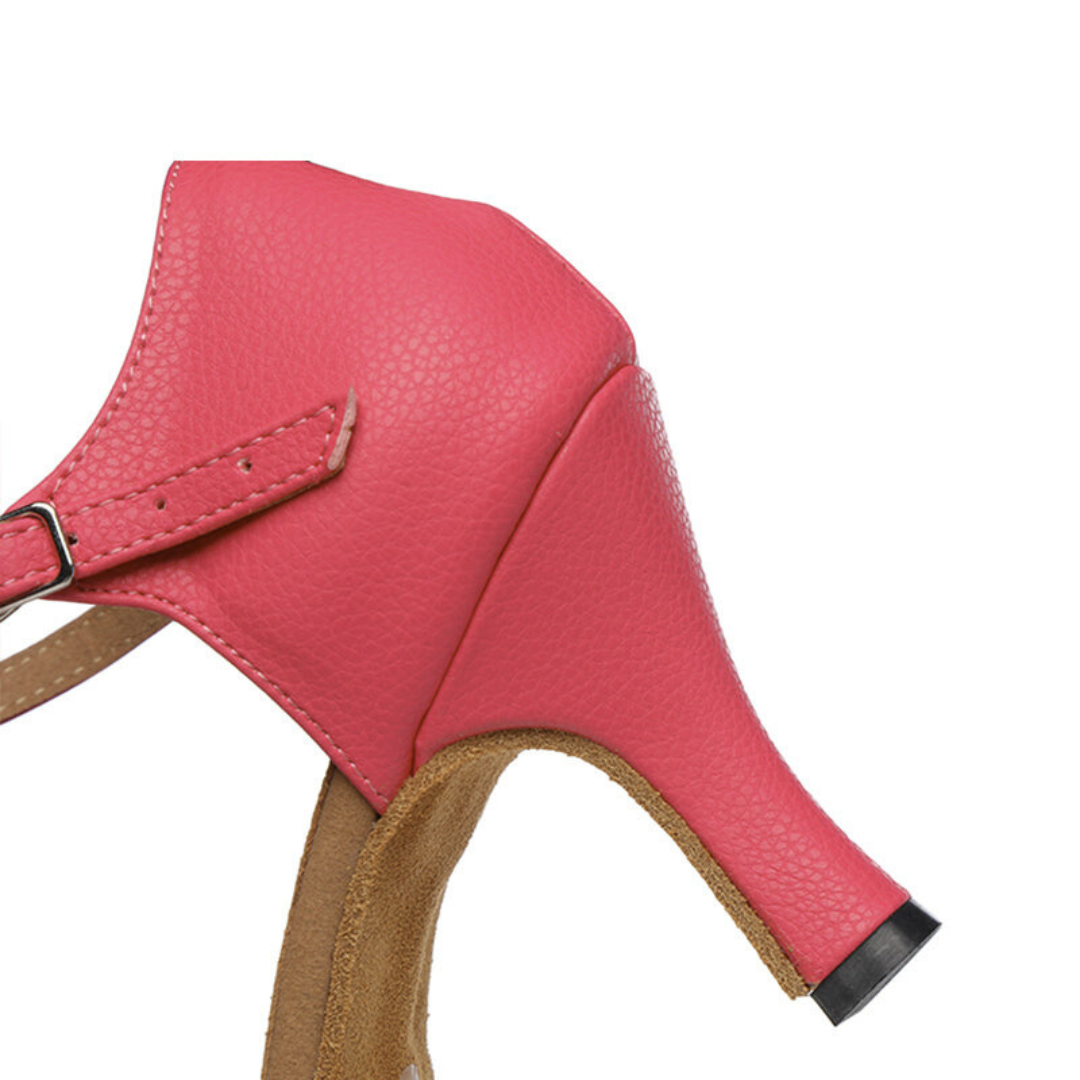
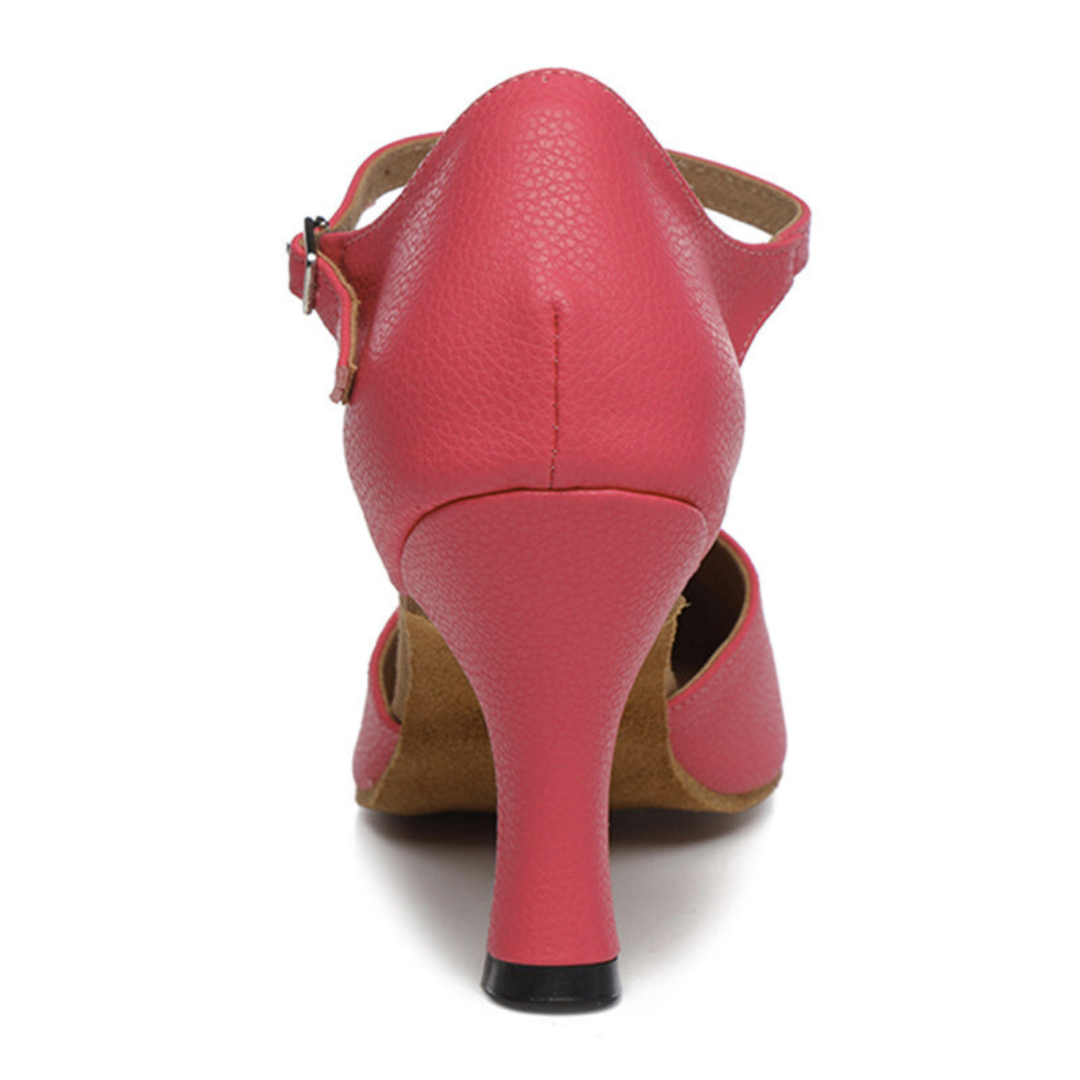
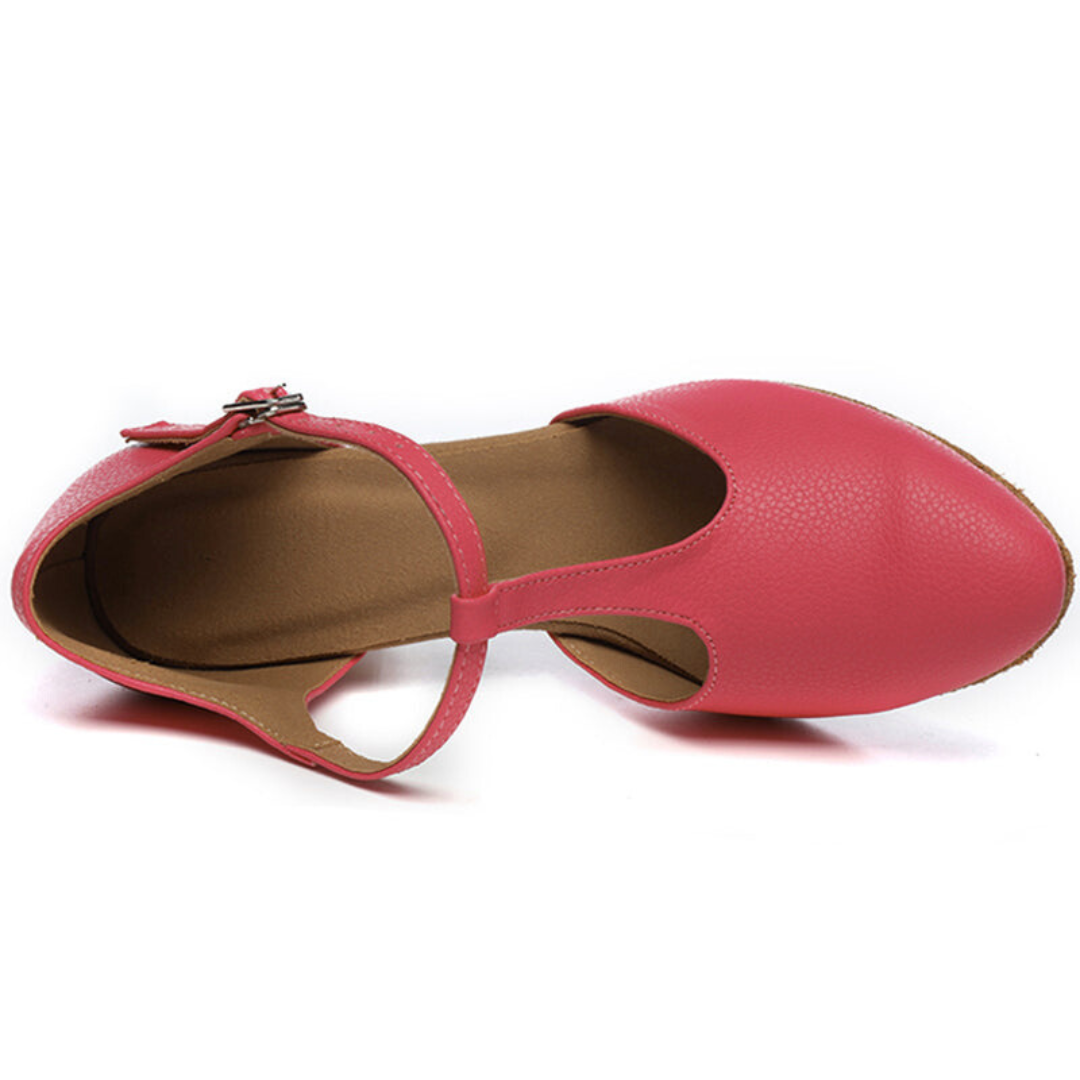
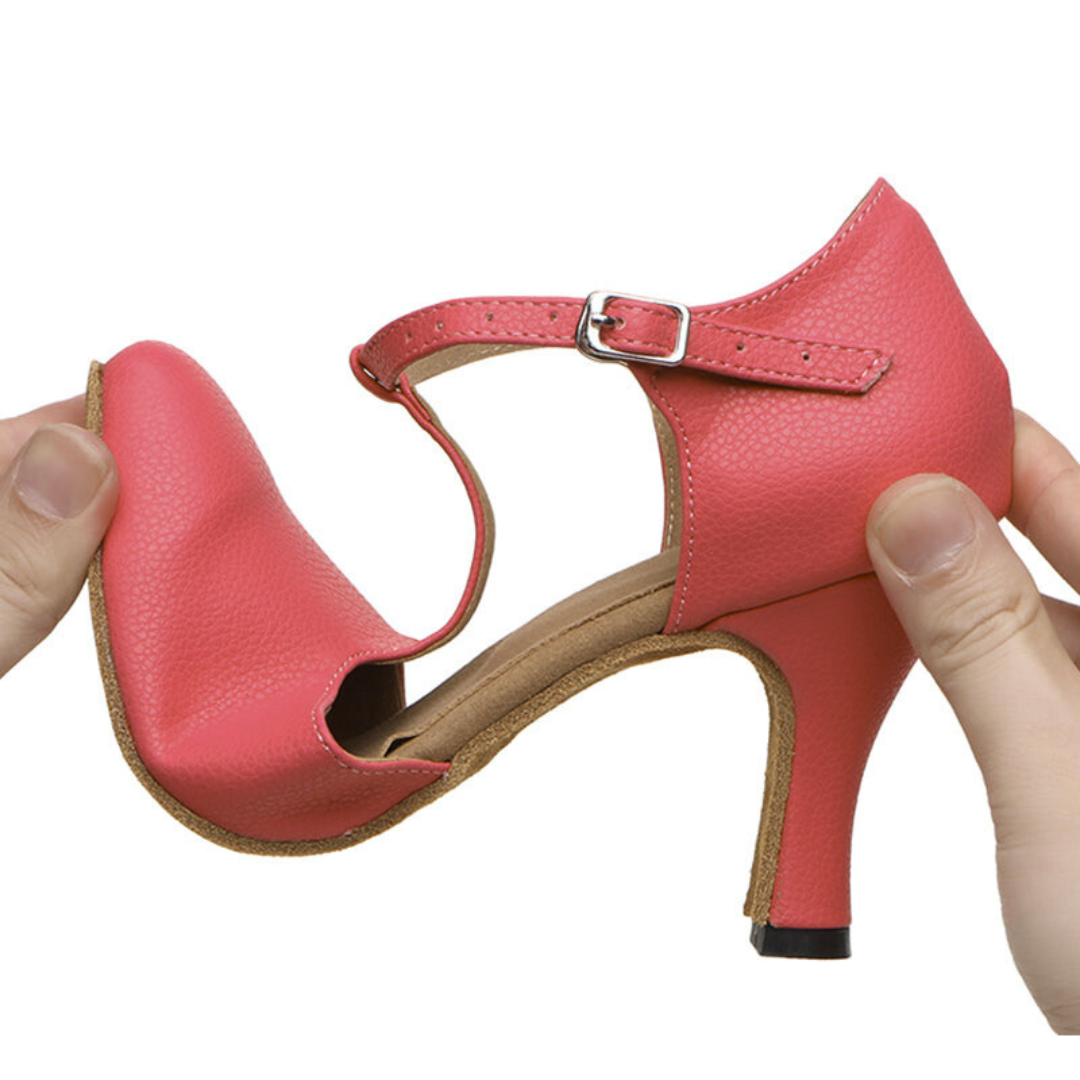
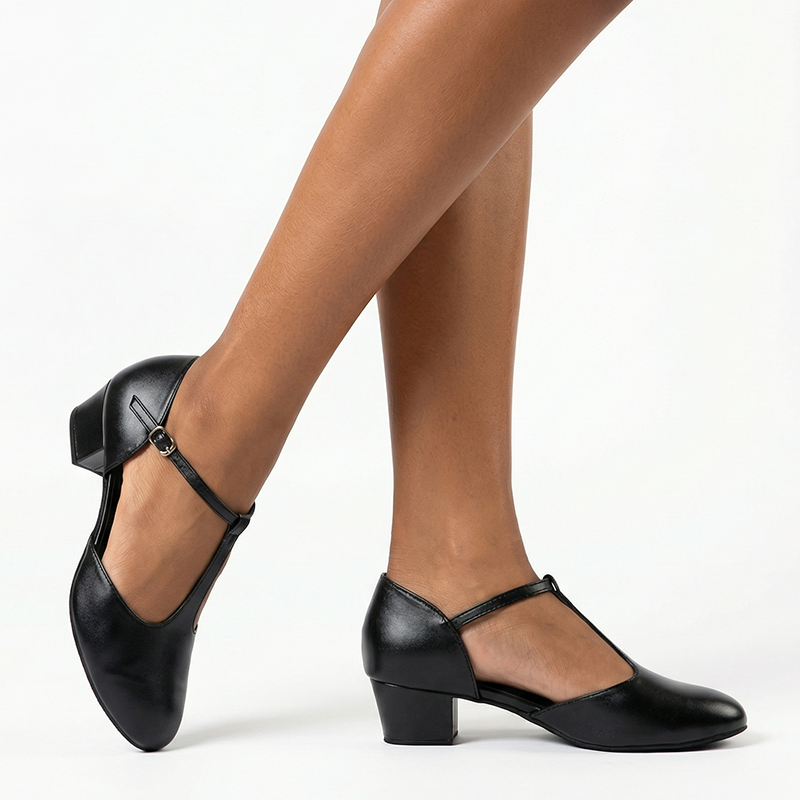
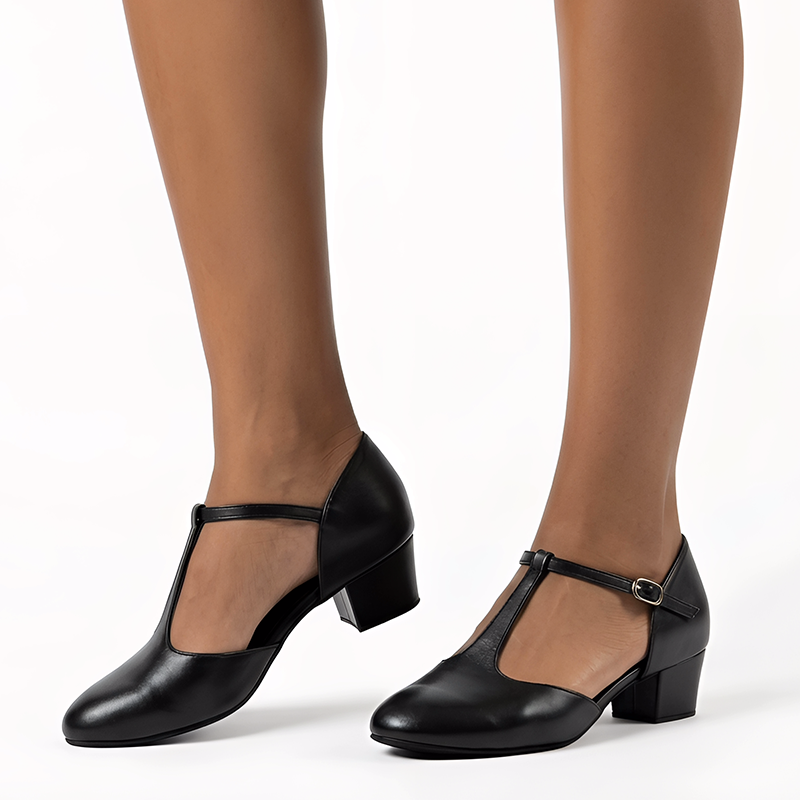
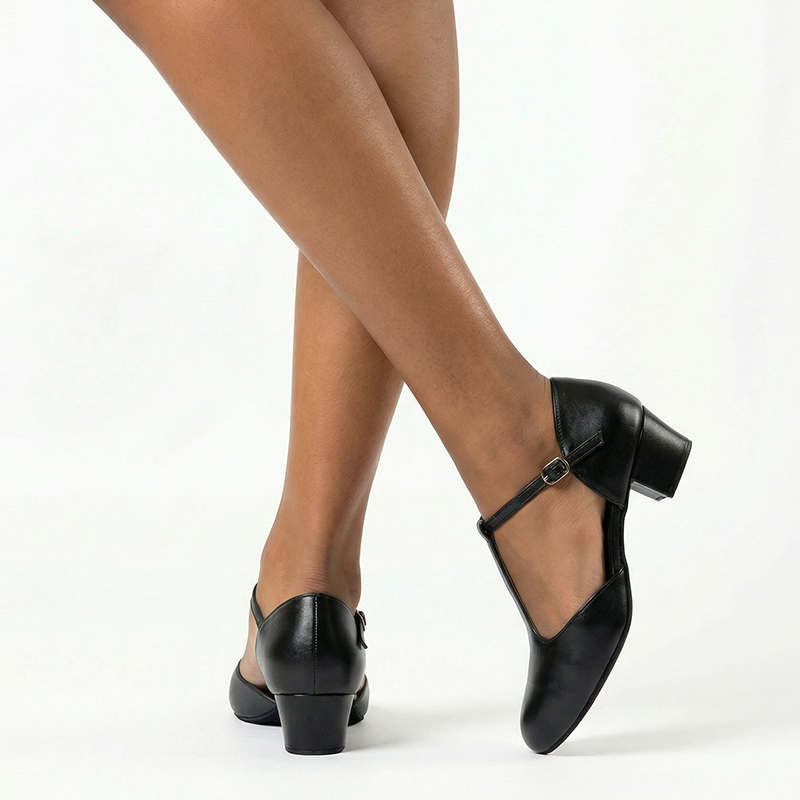
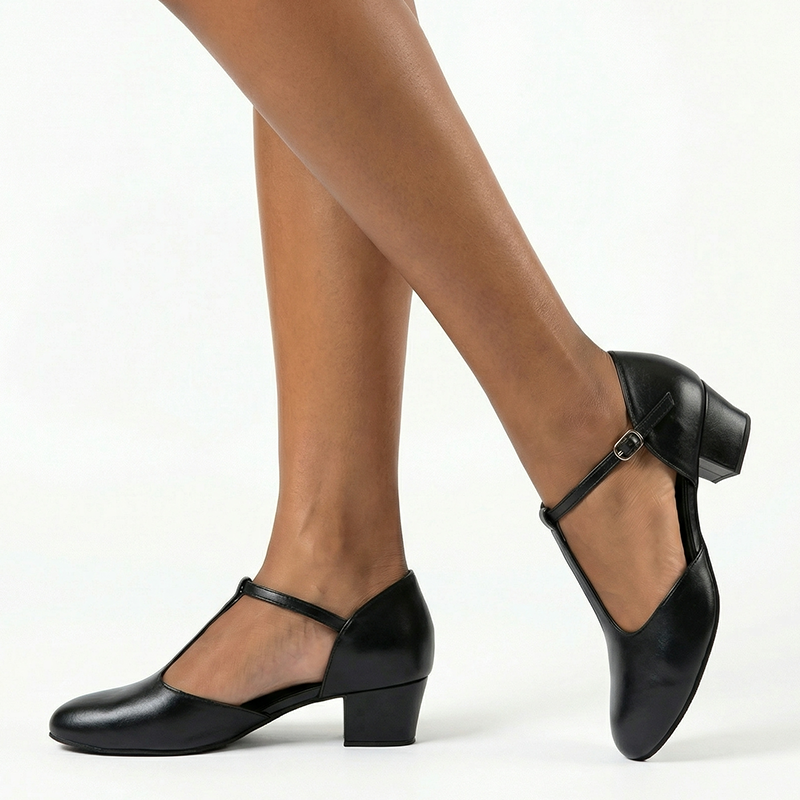
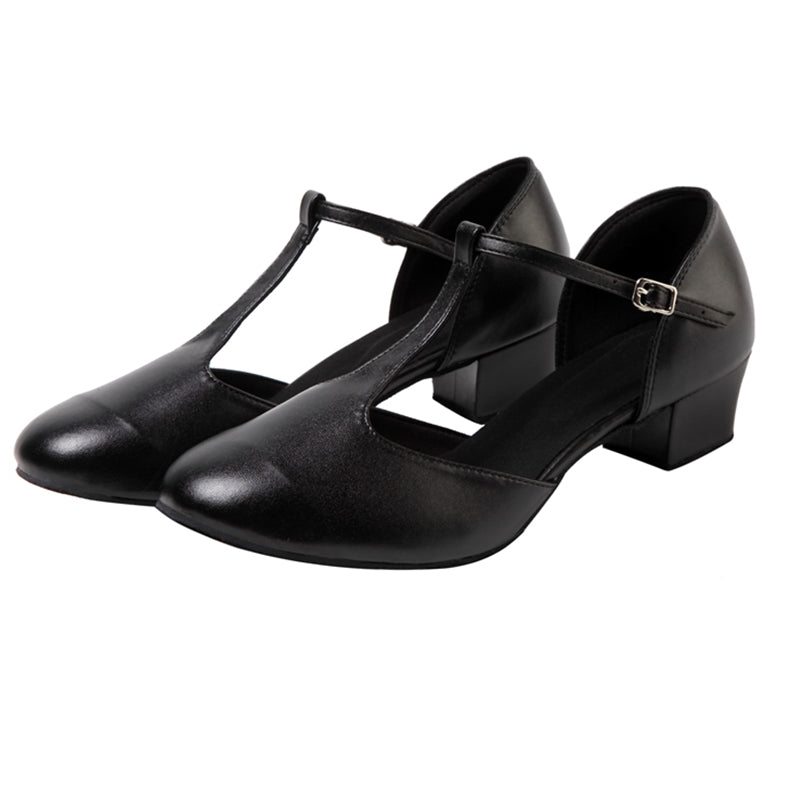
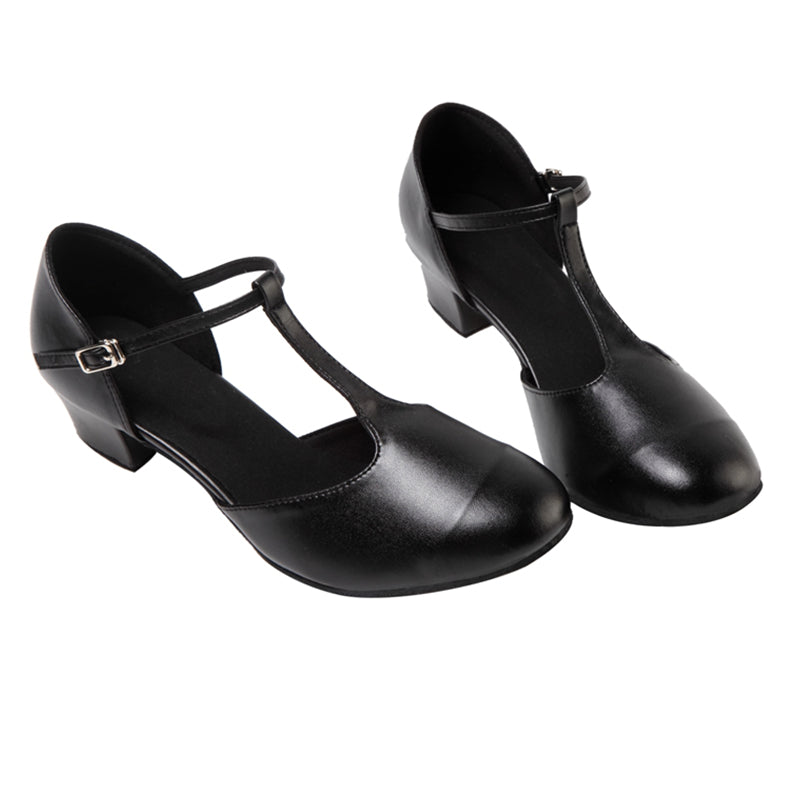
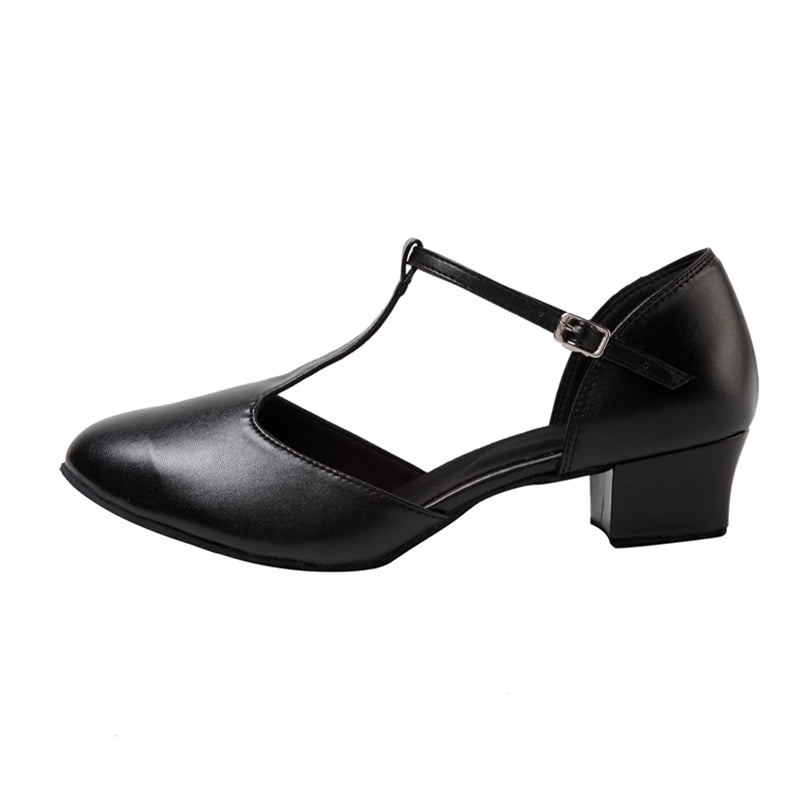
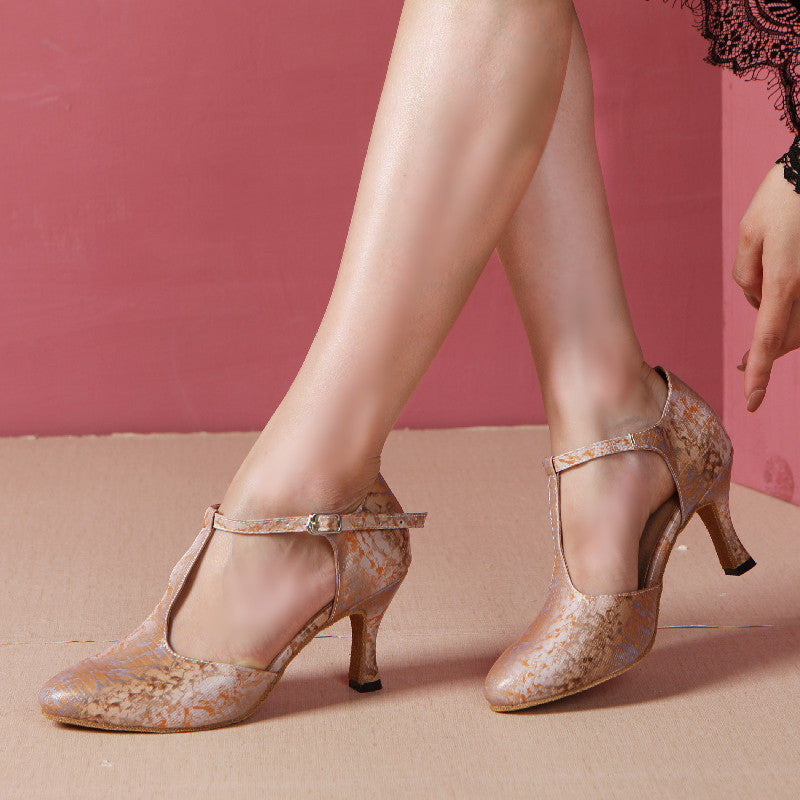
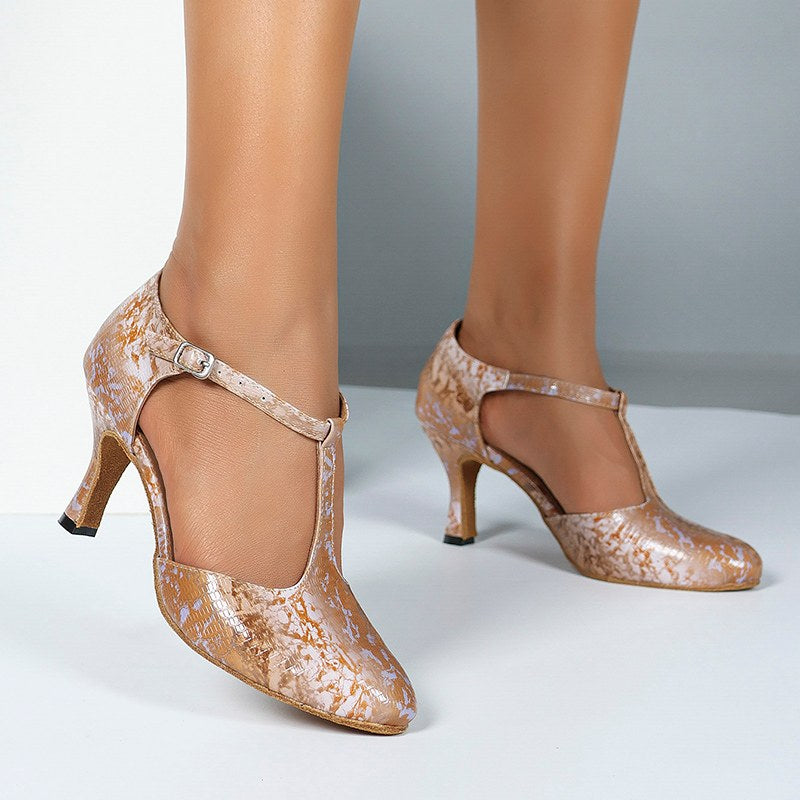
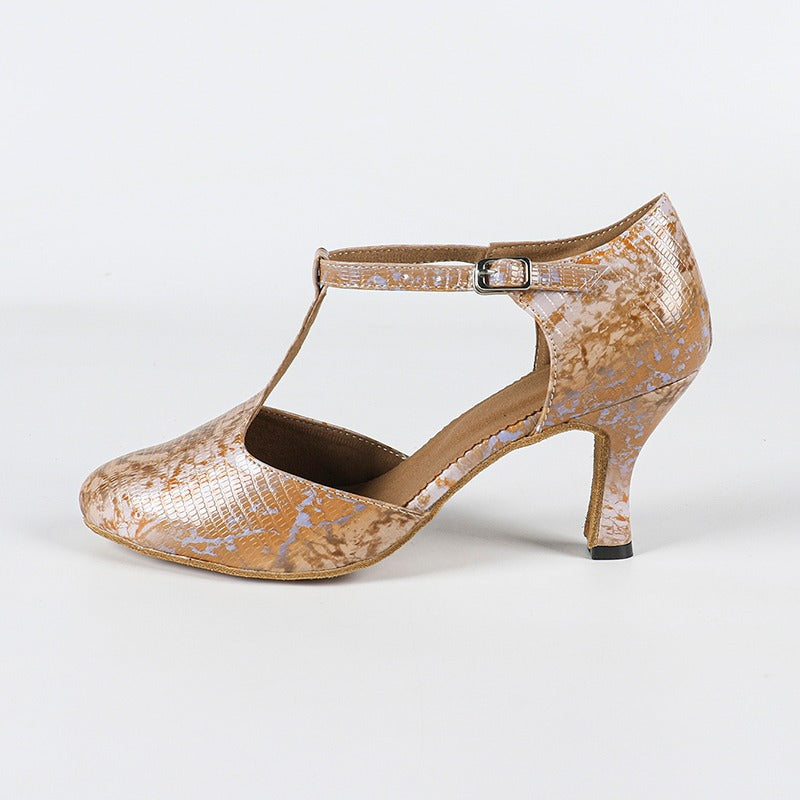
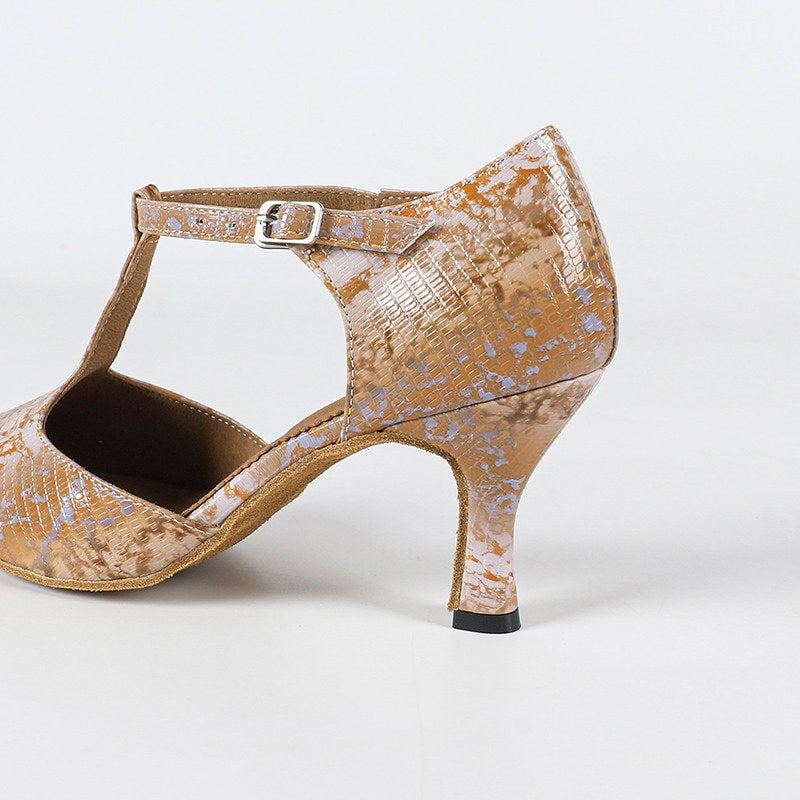
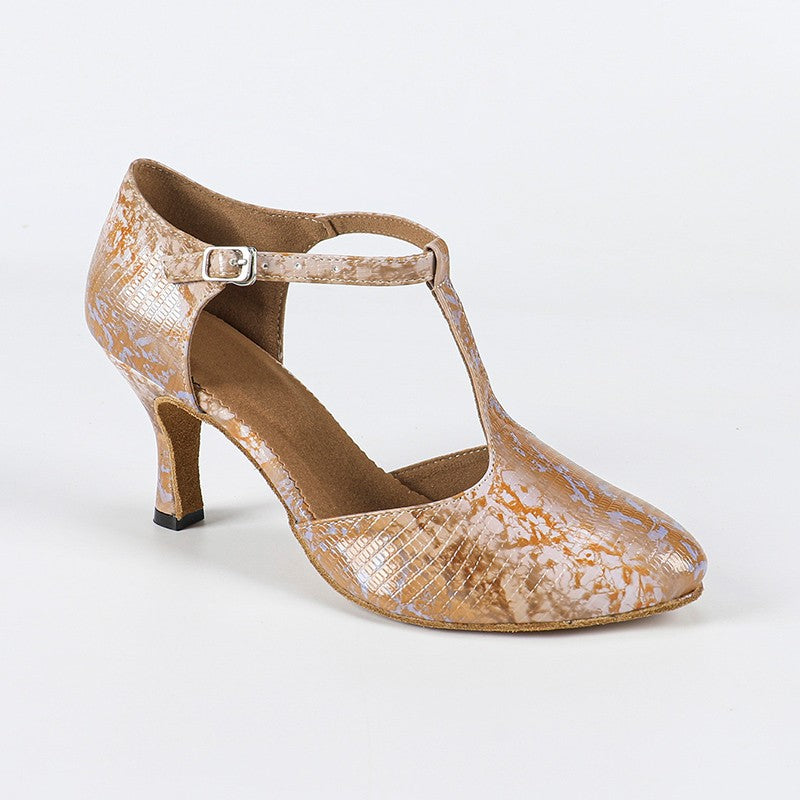
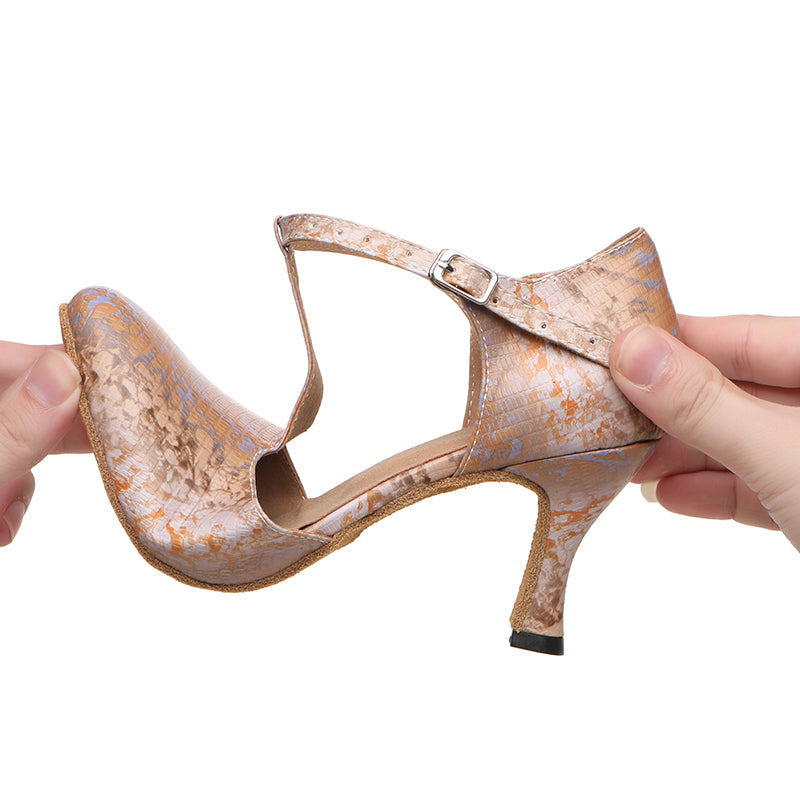
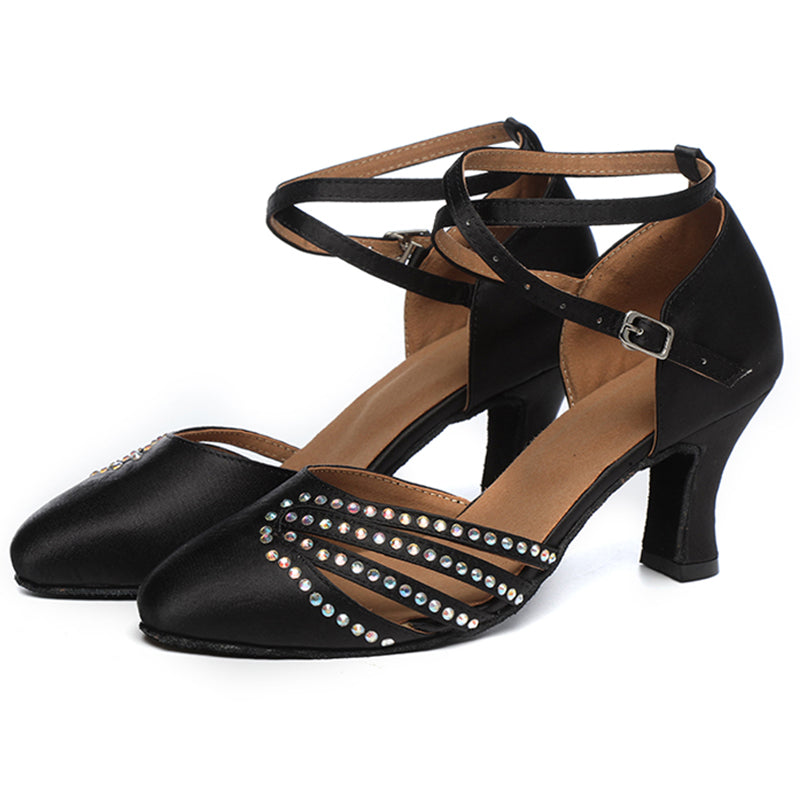
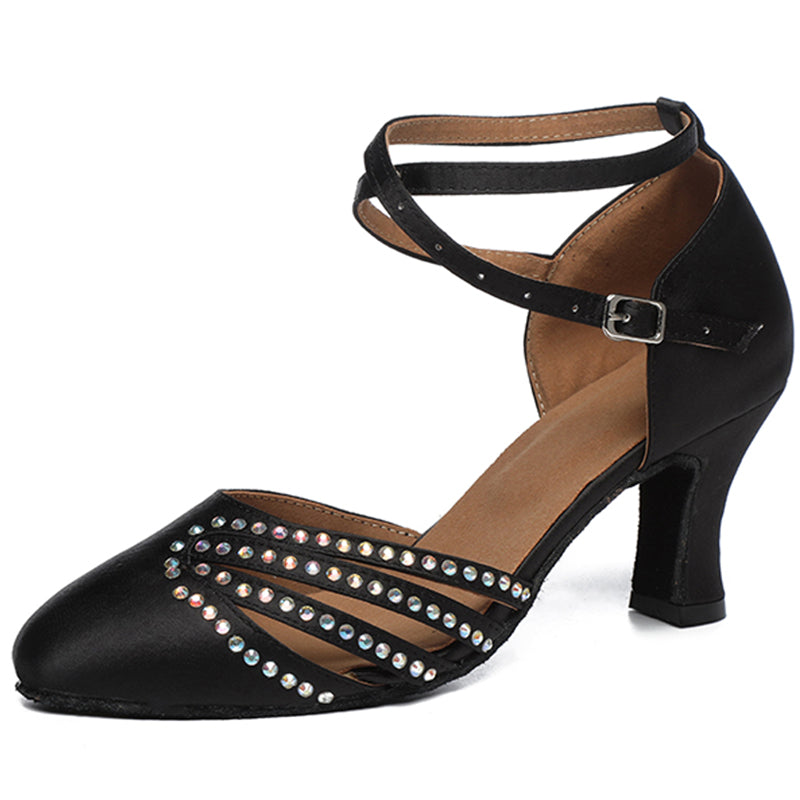
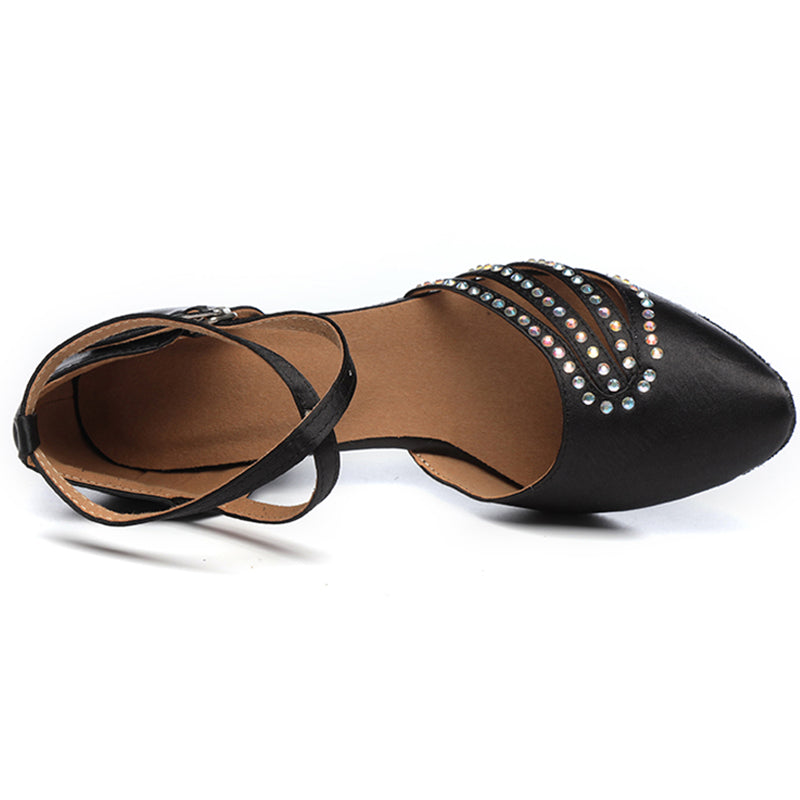
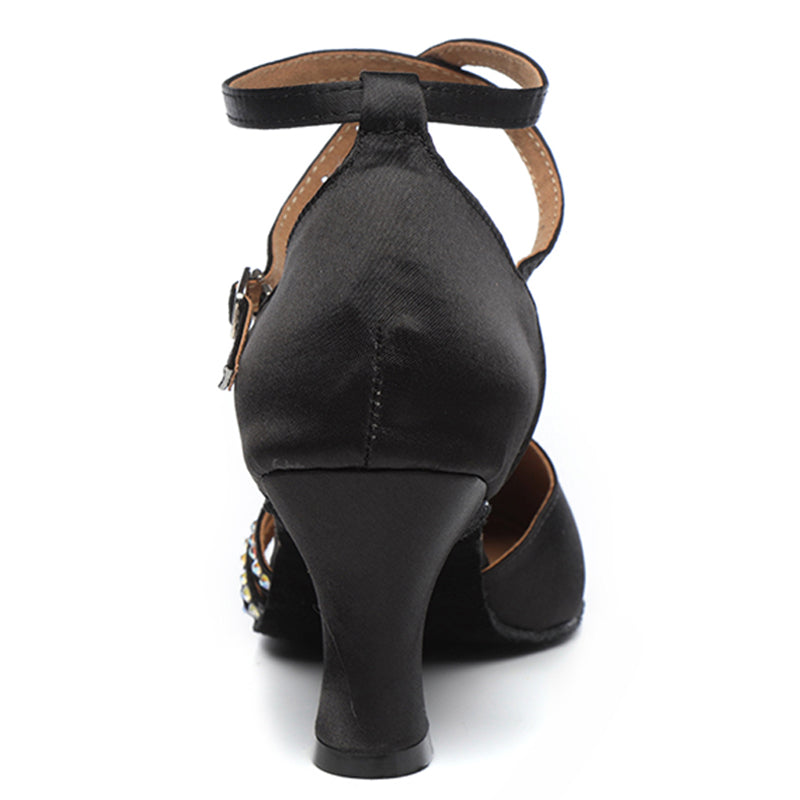
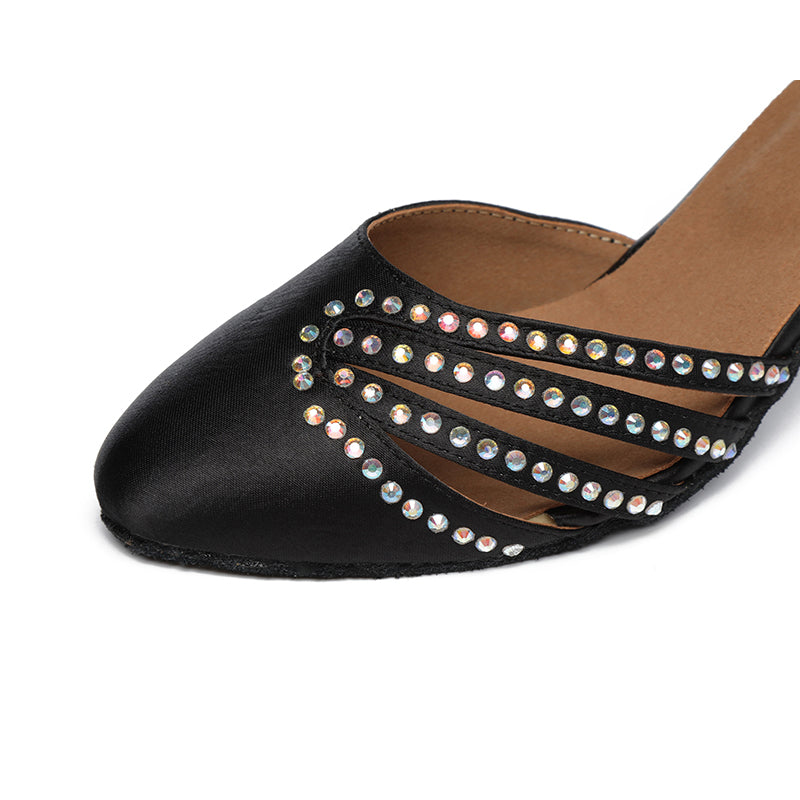
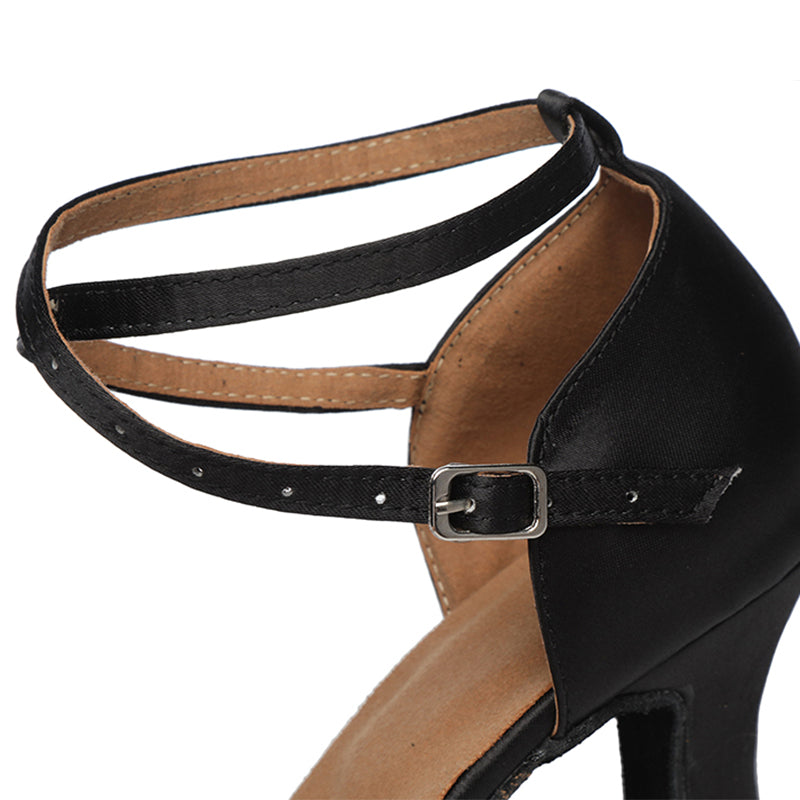
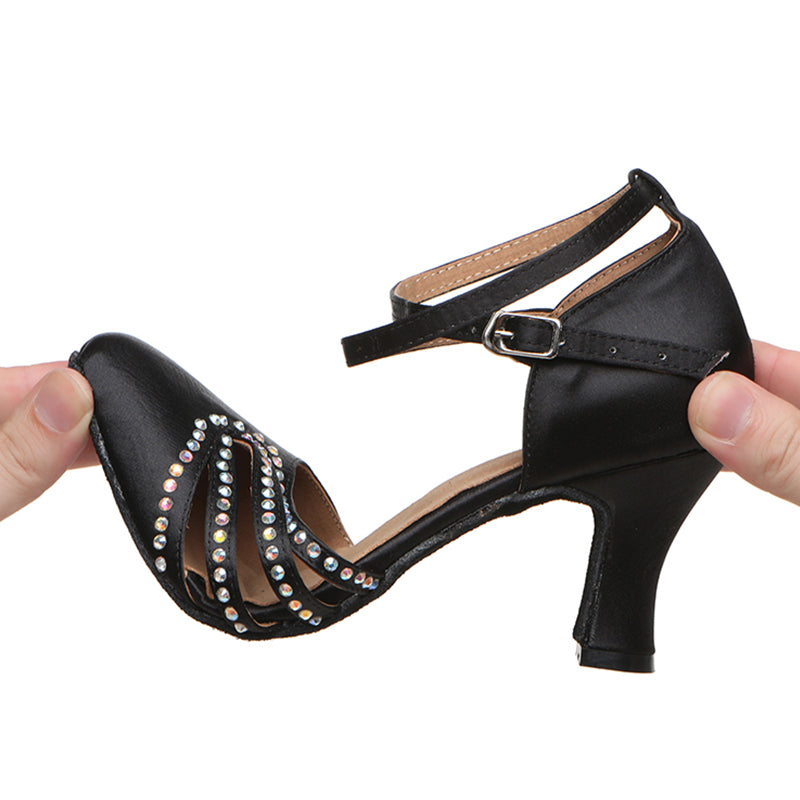
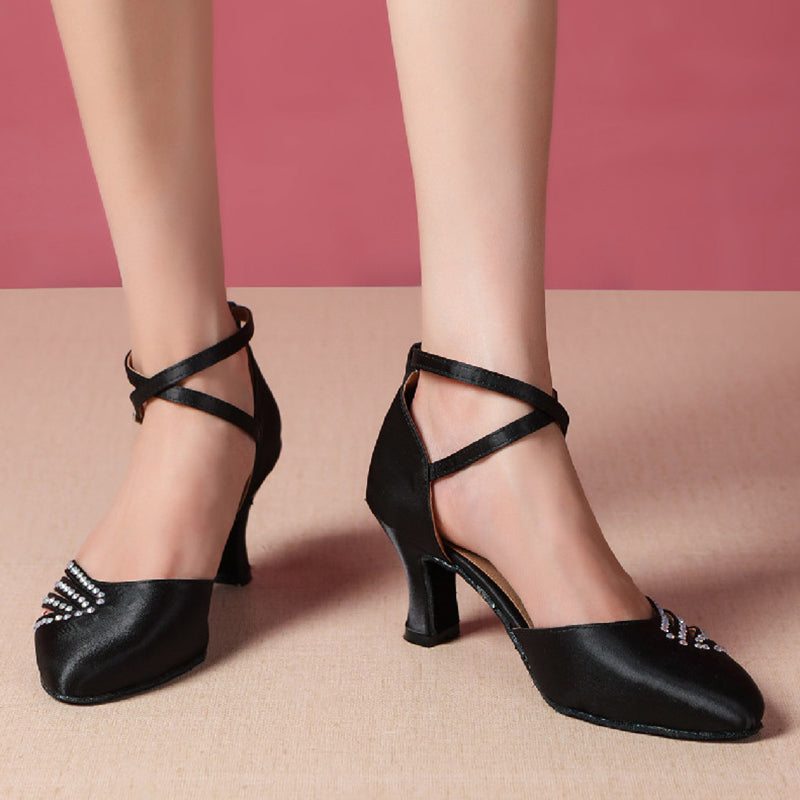
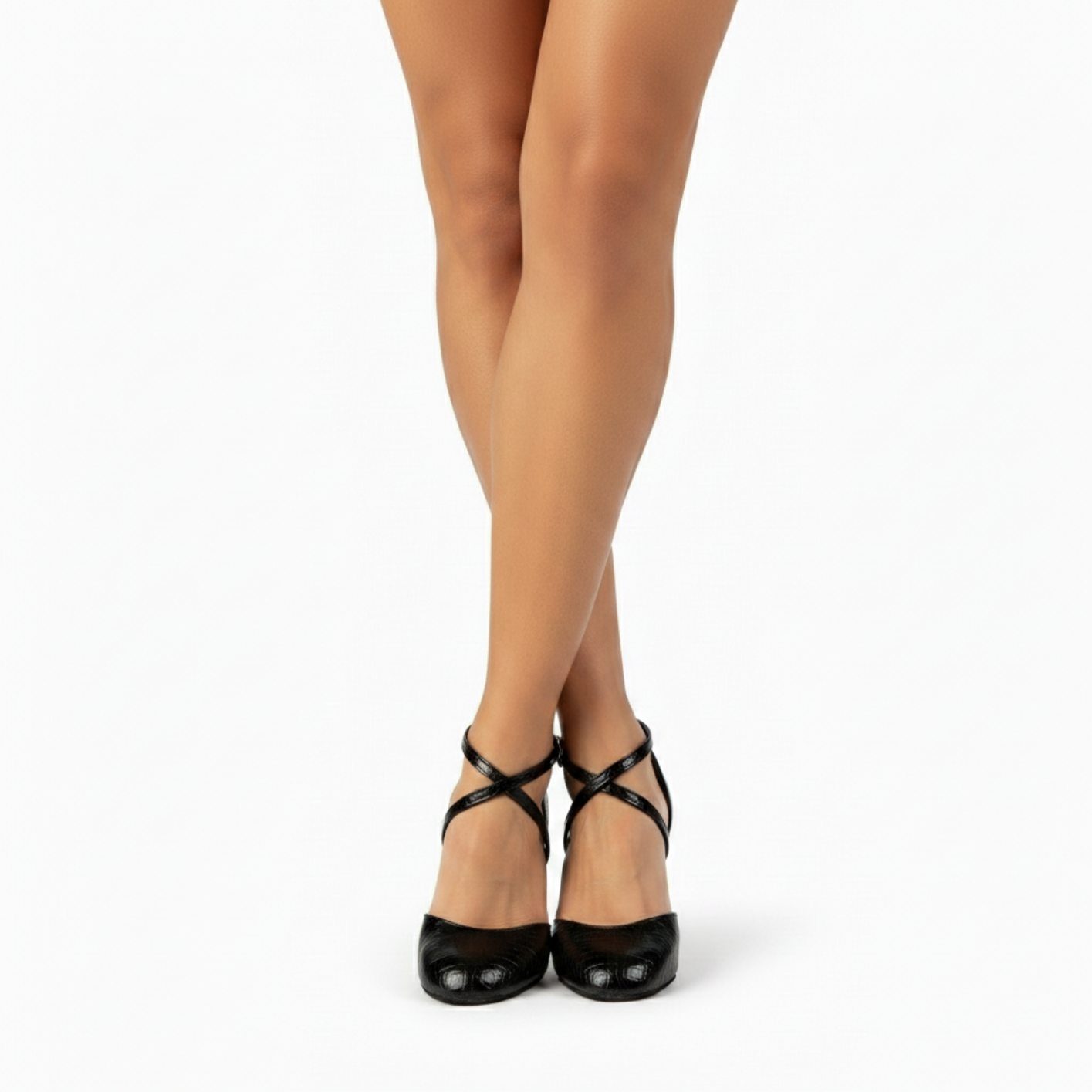
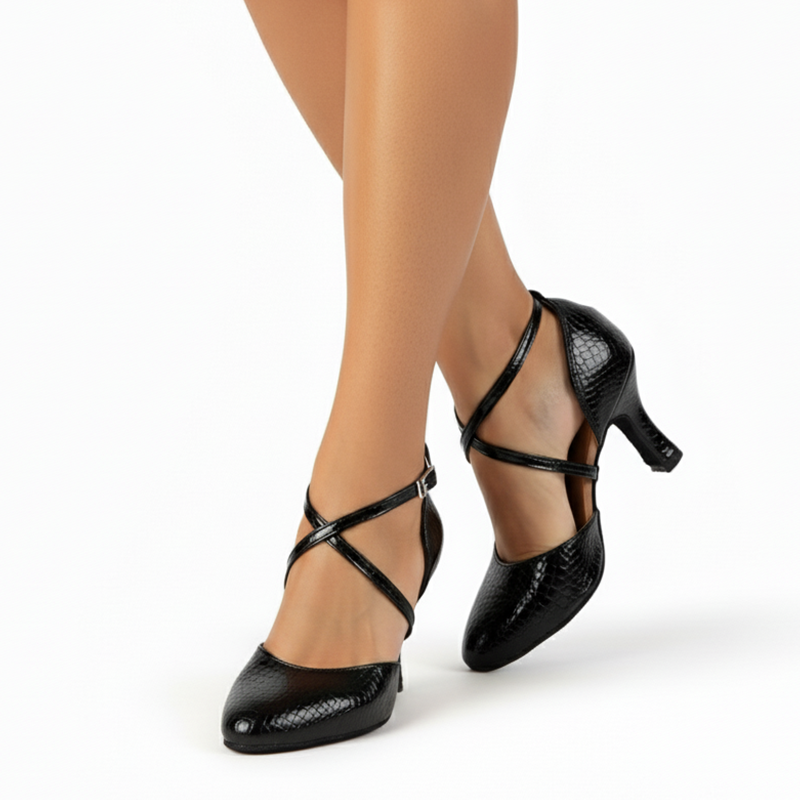
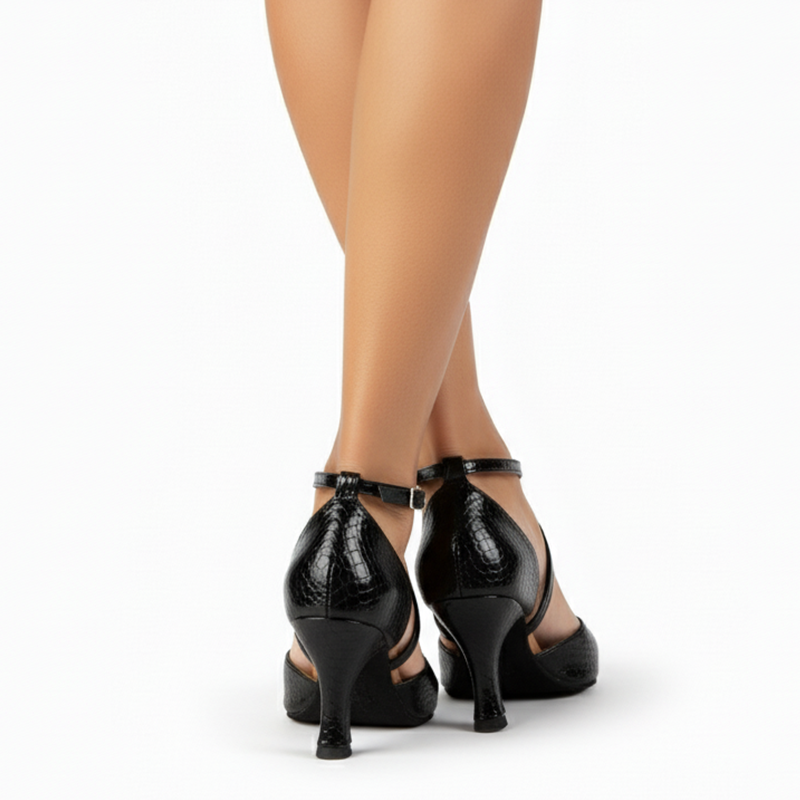
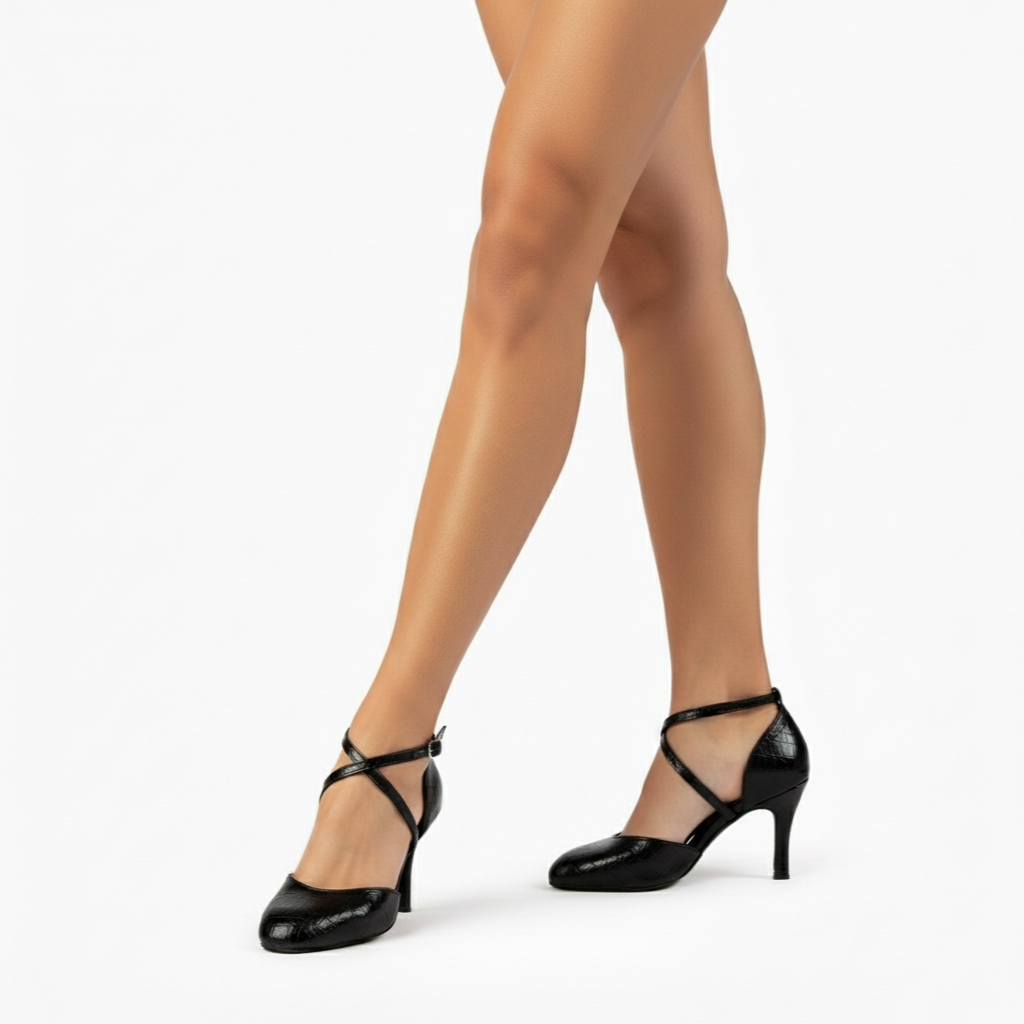
For social dance styles, you may eventually want dance heels — but start with a low, stable heel or flat practice shoe. Stability matters far more than style when you're learning balance and weight transfer.
Where to Buy: What to Look For
When you're ready to shop for dance supplies, keep these tips in mind:
Check fabric composition. Nylon/Spandex blends hold their shape best. Pure cotton absorbs sweat, gets heavy, and loses shape quickly.
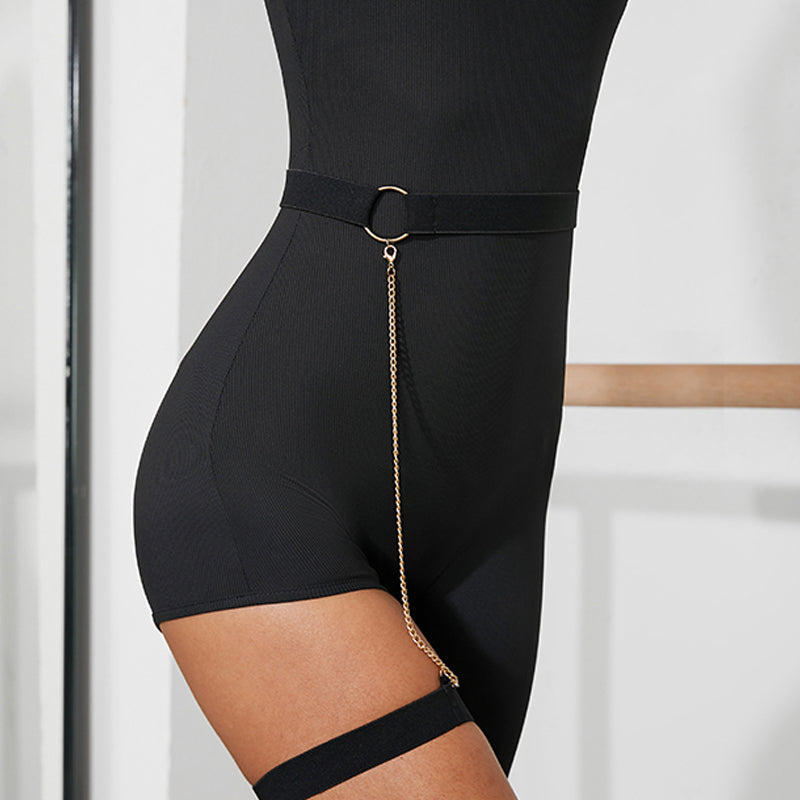
Look for a gusset. In leggings and leotards, a reinforced crotch panel prevents chafing and splitting during splits and high kicks.
Prioritize fit over brand. An expensive leotard in the wrong size will perform worse than an affordable one that fits properly.
Start minimal. One outfit and one pair of shoes is plenty. You can expand your dancewear wardrobe as you discover what you actually need.
What to Avoid
Jeans or stiff fabrics — they restrict movement and can cause chafing.
Rubber-soled athletic shoes for turning styles — a knee injury waiting to happen.
Oversized t-shirts — they hide your posture from your instructor.
Brand-new, never-worn shoes on class day — break them in first, or bring a backup.
Heavy jewelry — it flies around, catches on fabric, and can hit you or a partner.
A Simple First-Class Checklist
Fitted leggings or dance shorts
Fitted tank top or t-shirt
Supportive undergarments (a sports bra for added support)
Clean socks or approved dance shoes
A water bottle
A small bag for layers and street shoes
Hair tie to keep hair off your face
The Bottom Line
You don't need a full wardrobe to start dancing. Wear fitted, stretchy athletic clothing you already own, confirm the shoe policy with your studio, and show up ready to learn. As you fall in love with your style, you can gradually build a collection of dancewear, dance shoes, and — when you're ready — your first pair of dance heels.
The best outfit for your first dance class is the one you forget you're wearing. Focus on the movement, and the rest will follow.