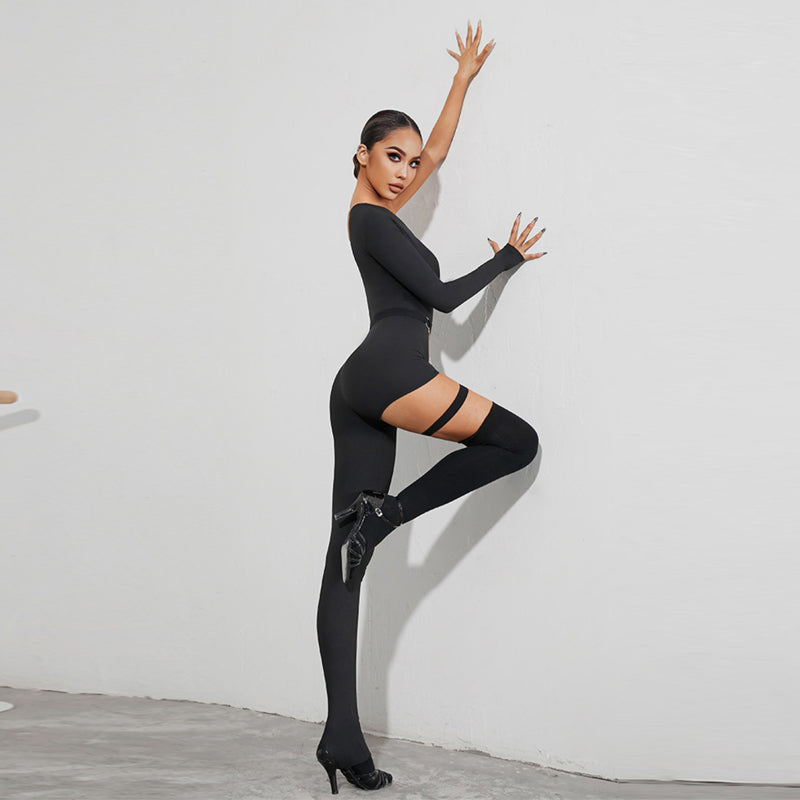
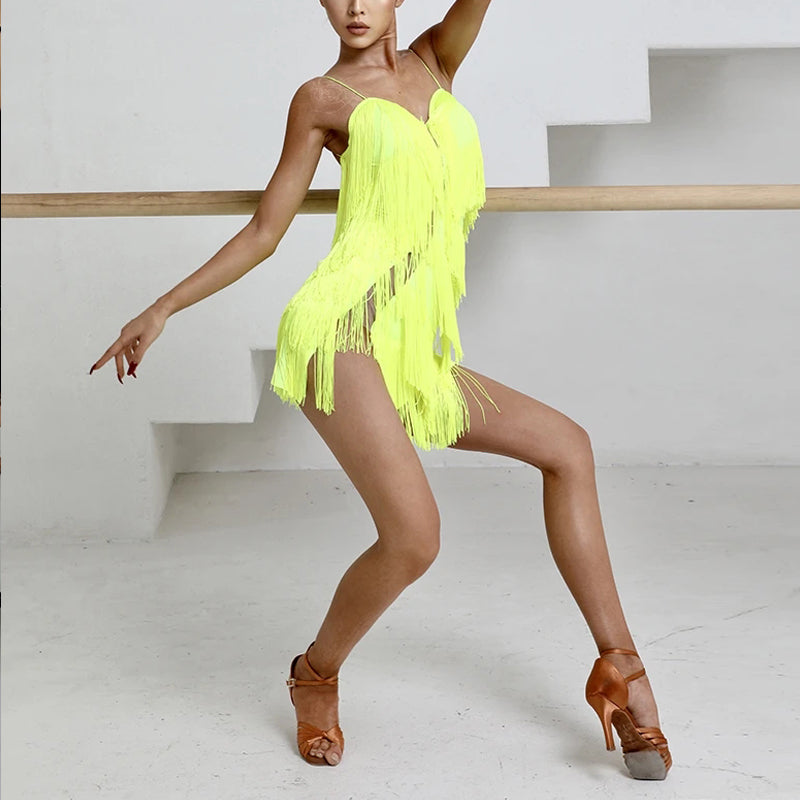
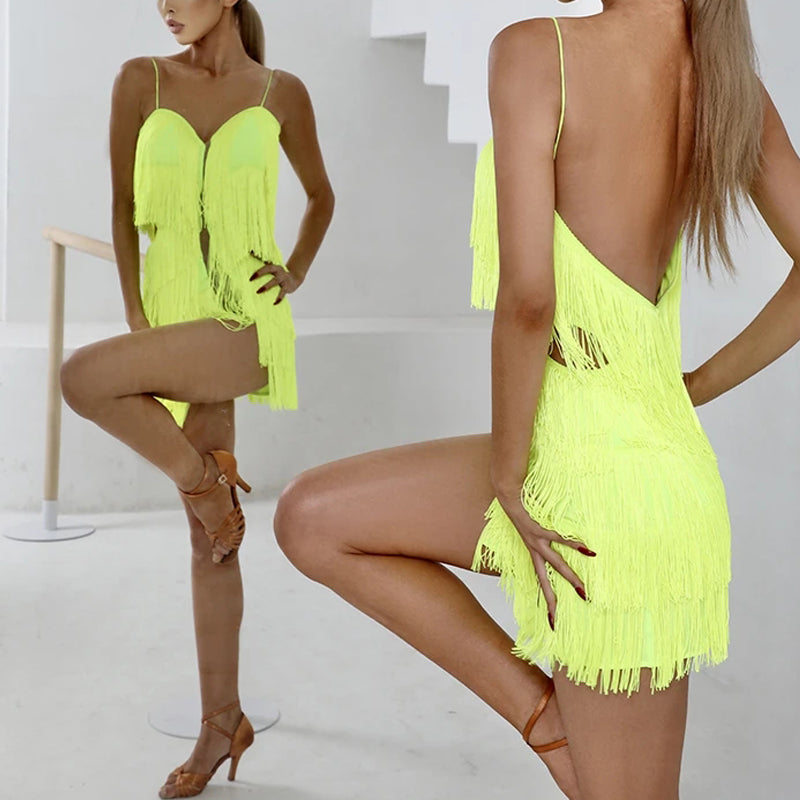
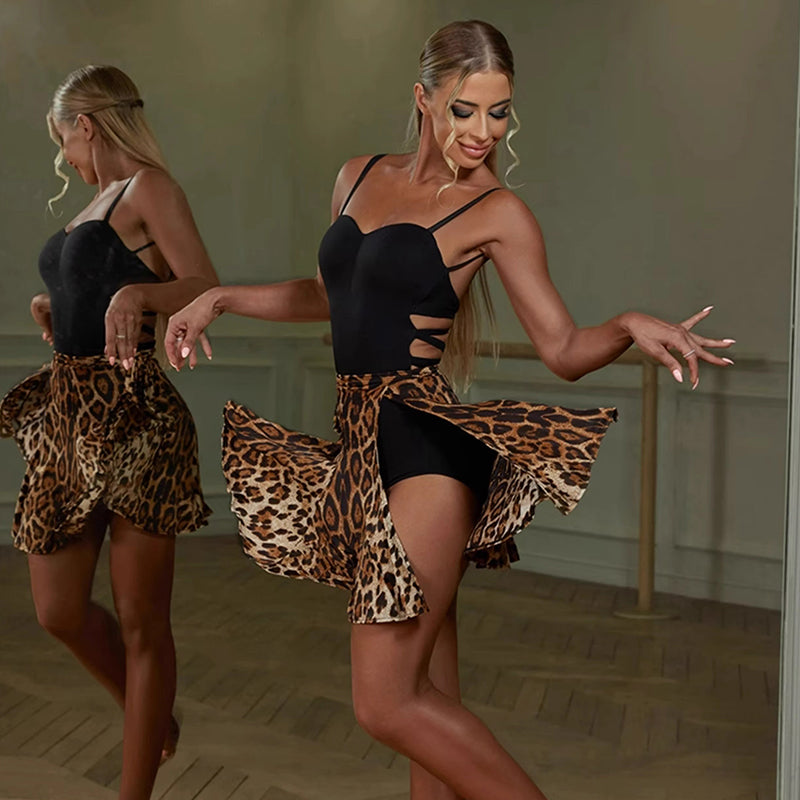
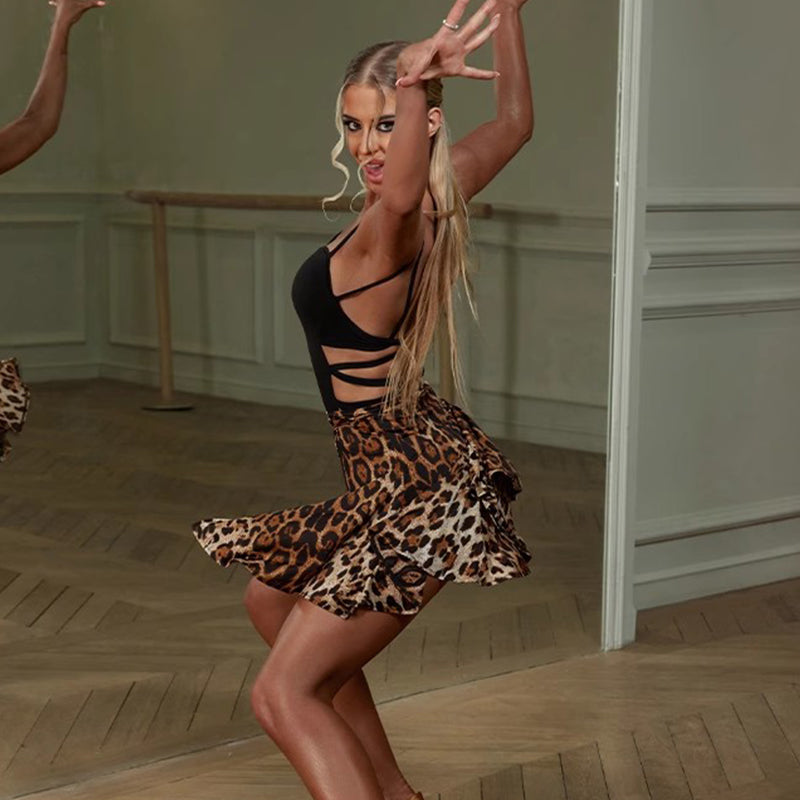
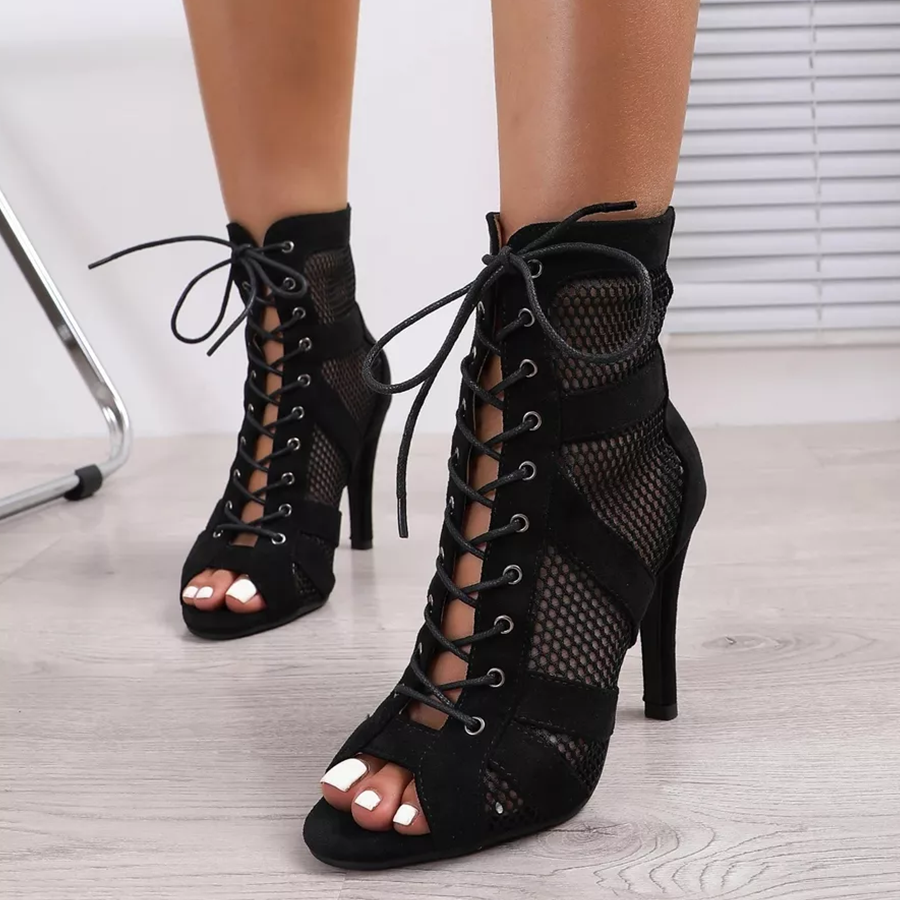
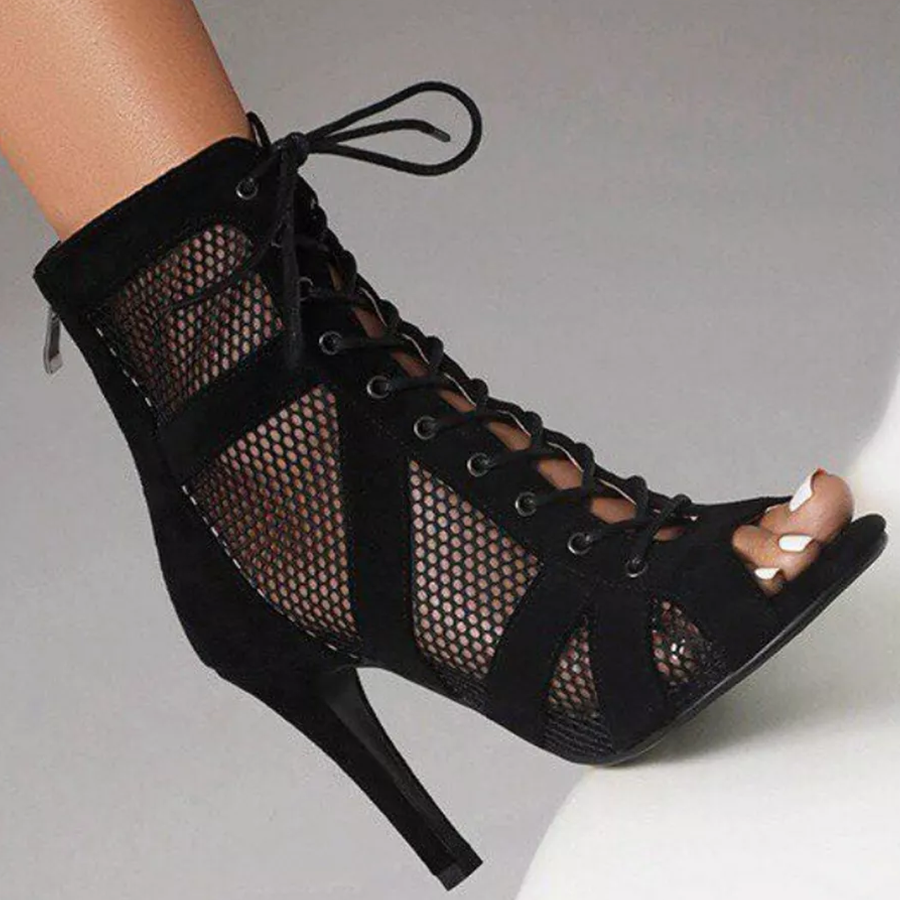
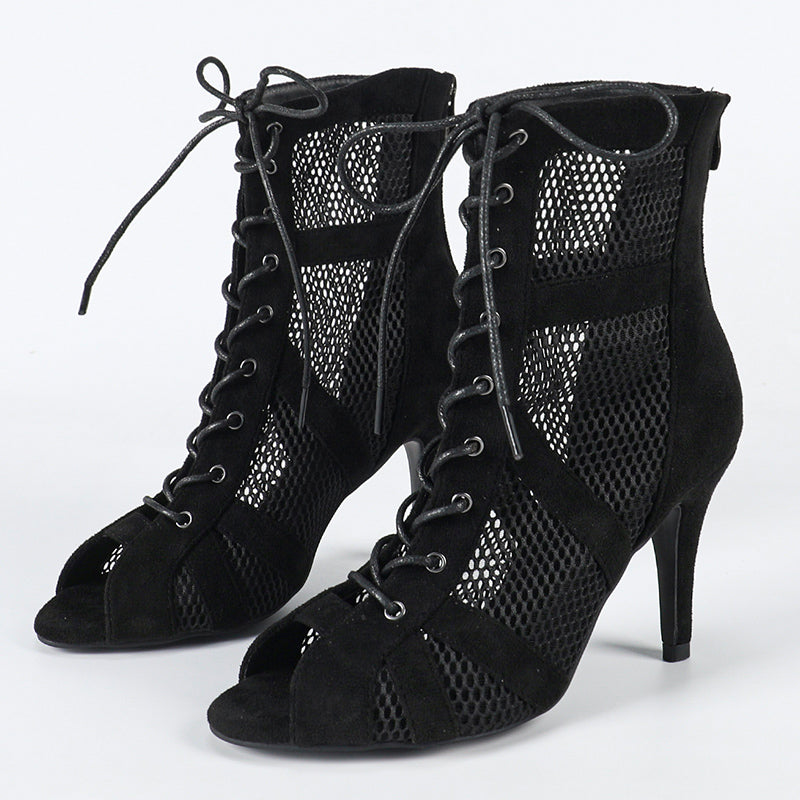
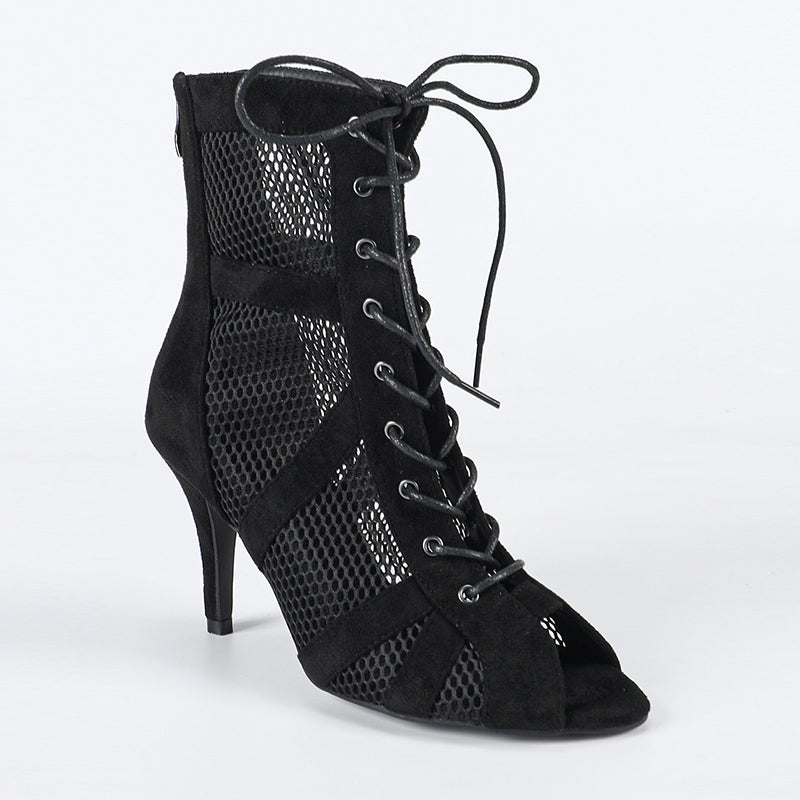
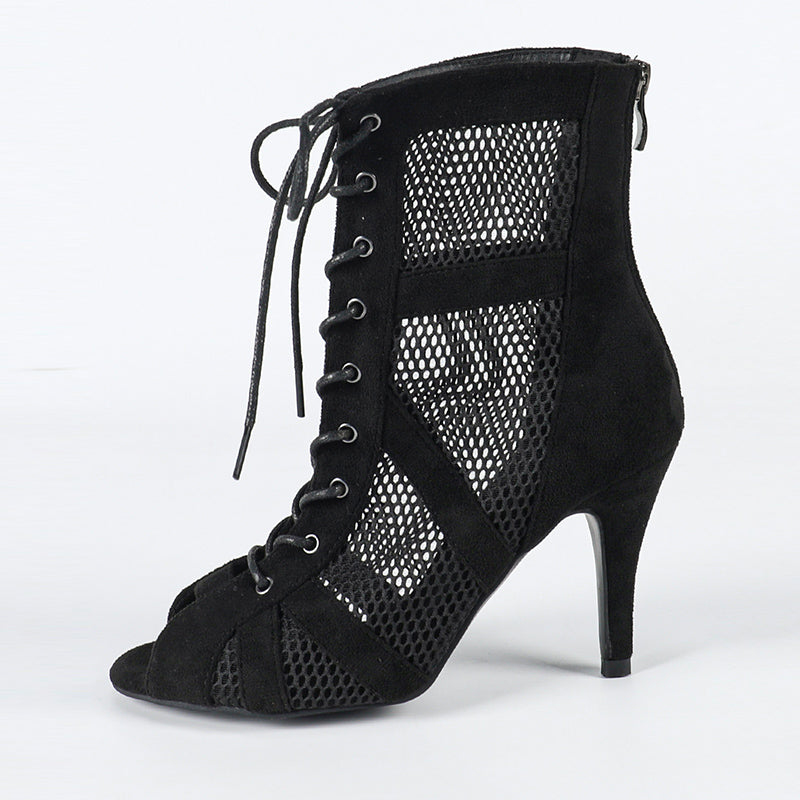
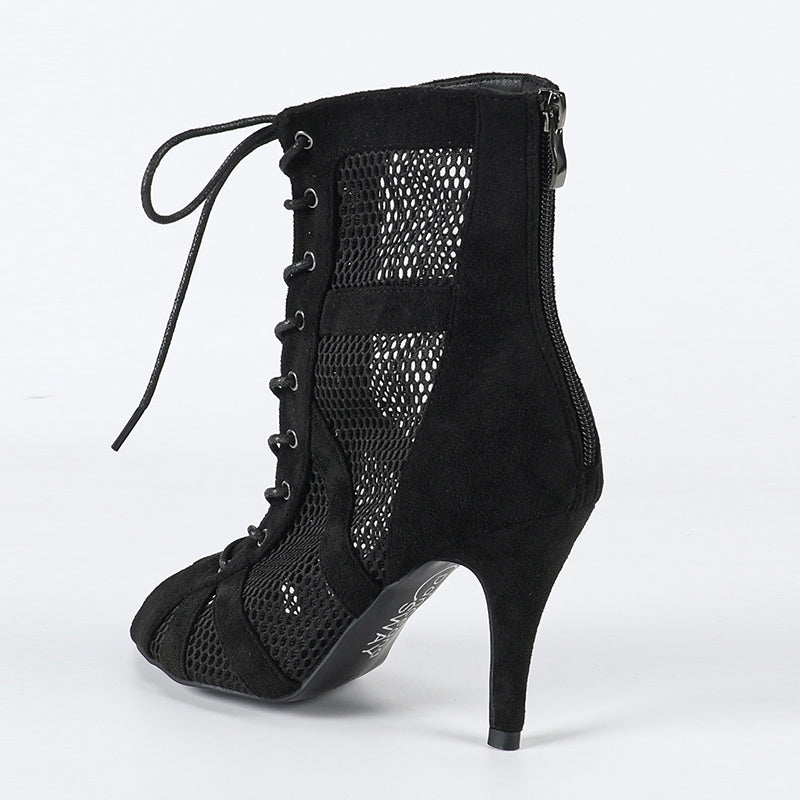
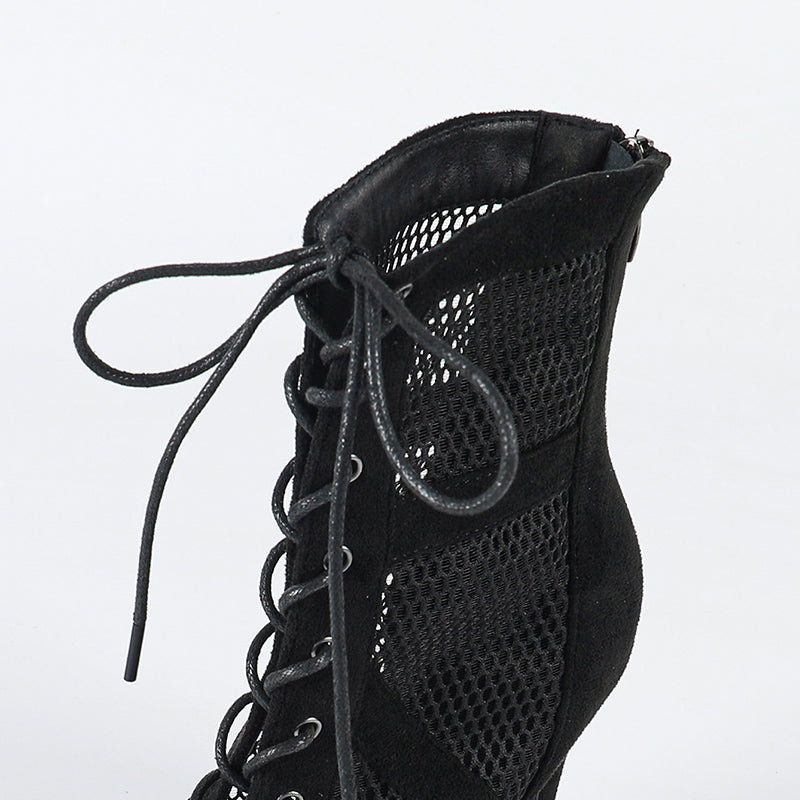
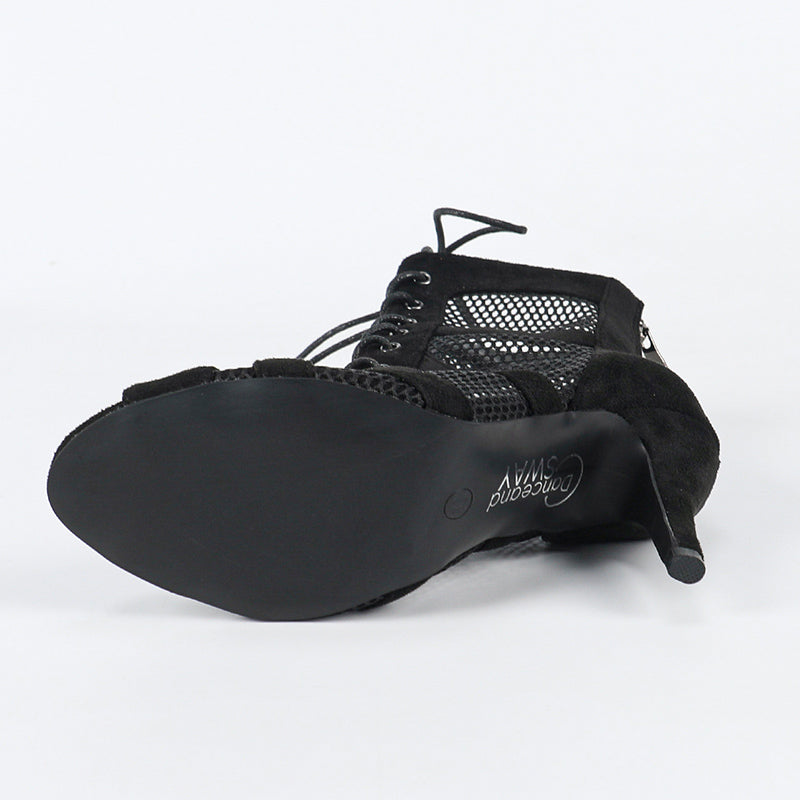
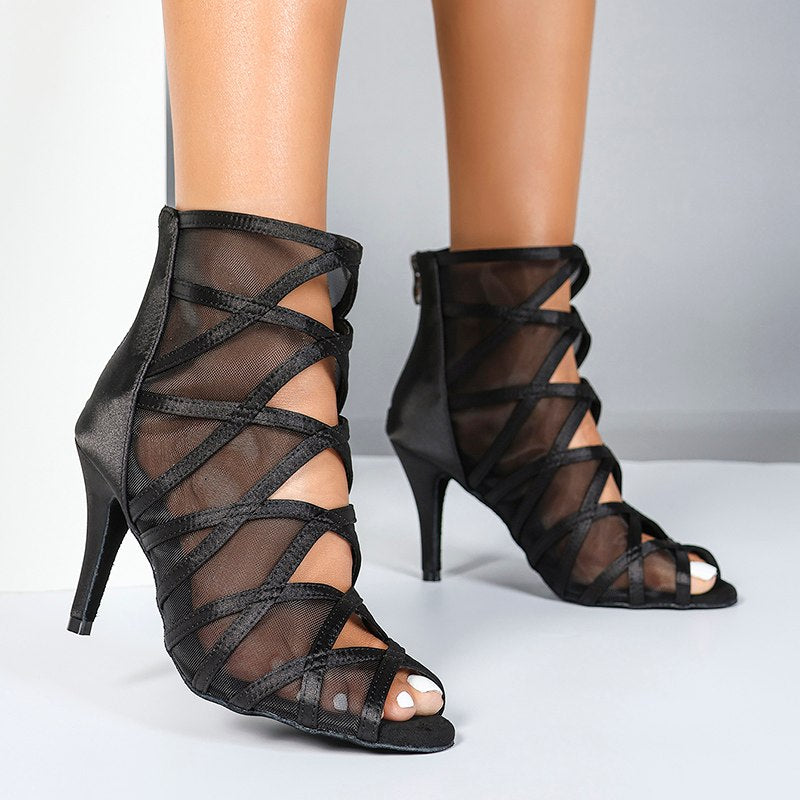
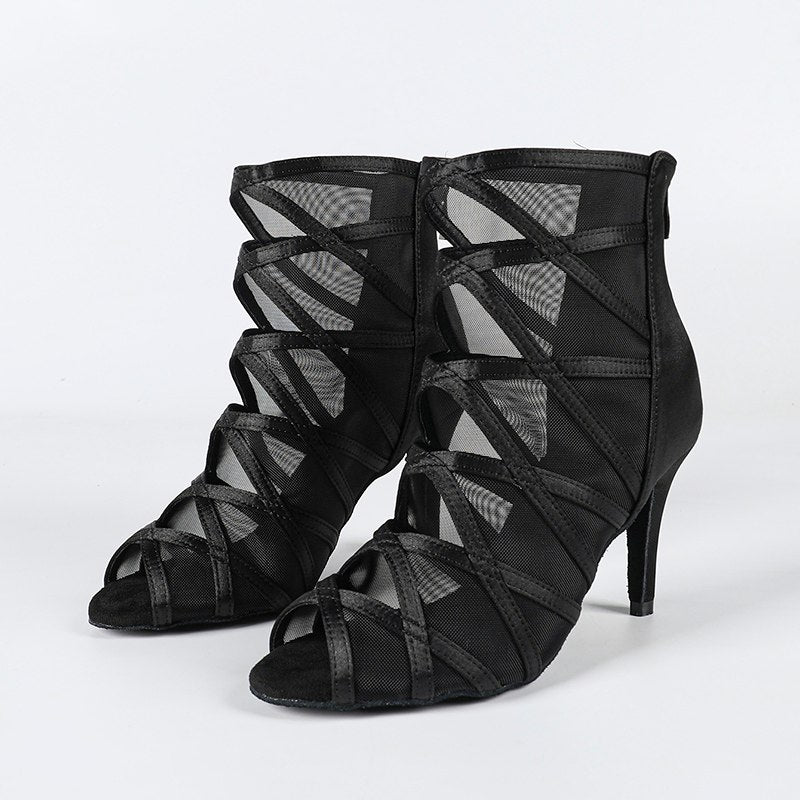
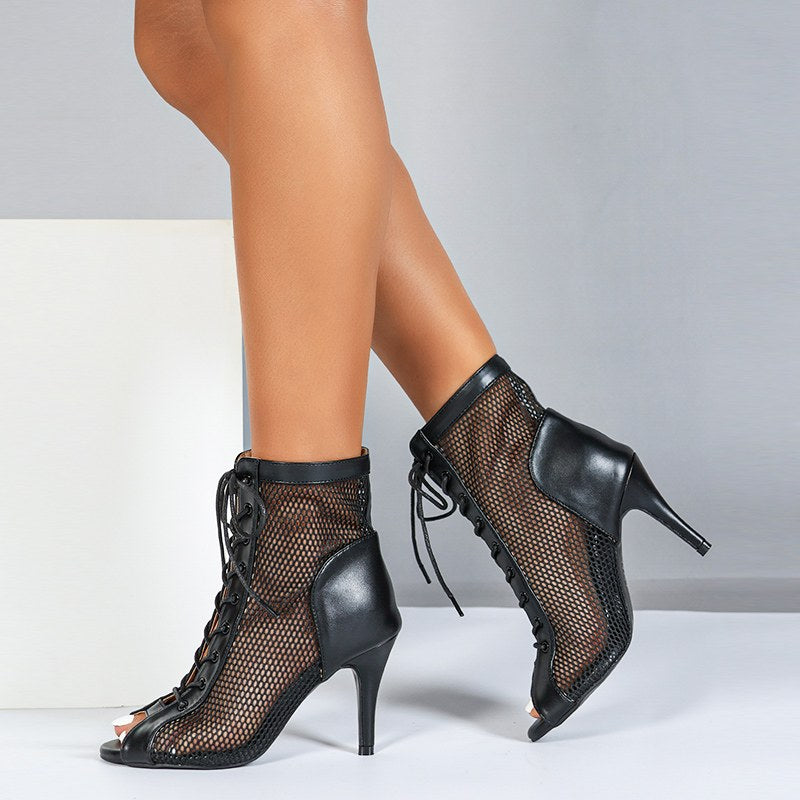
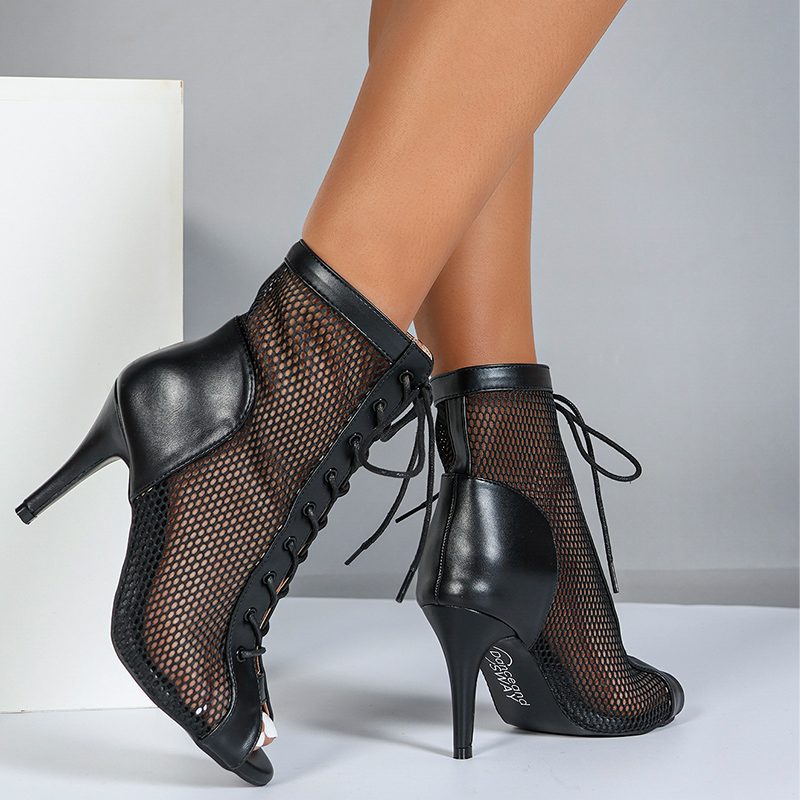
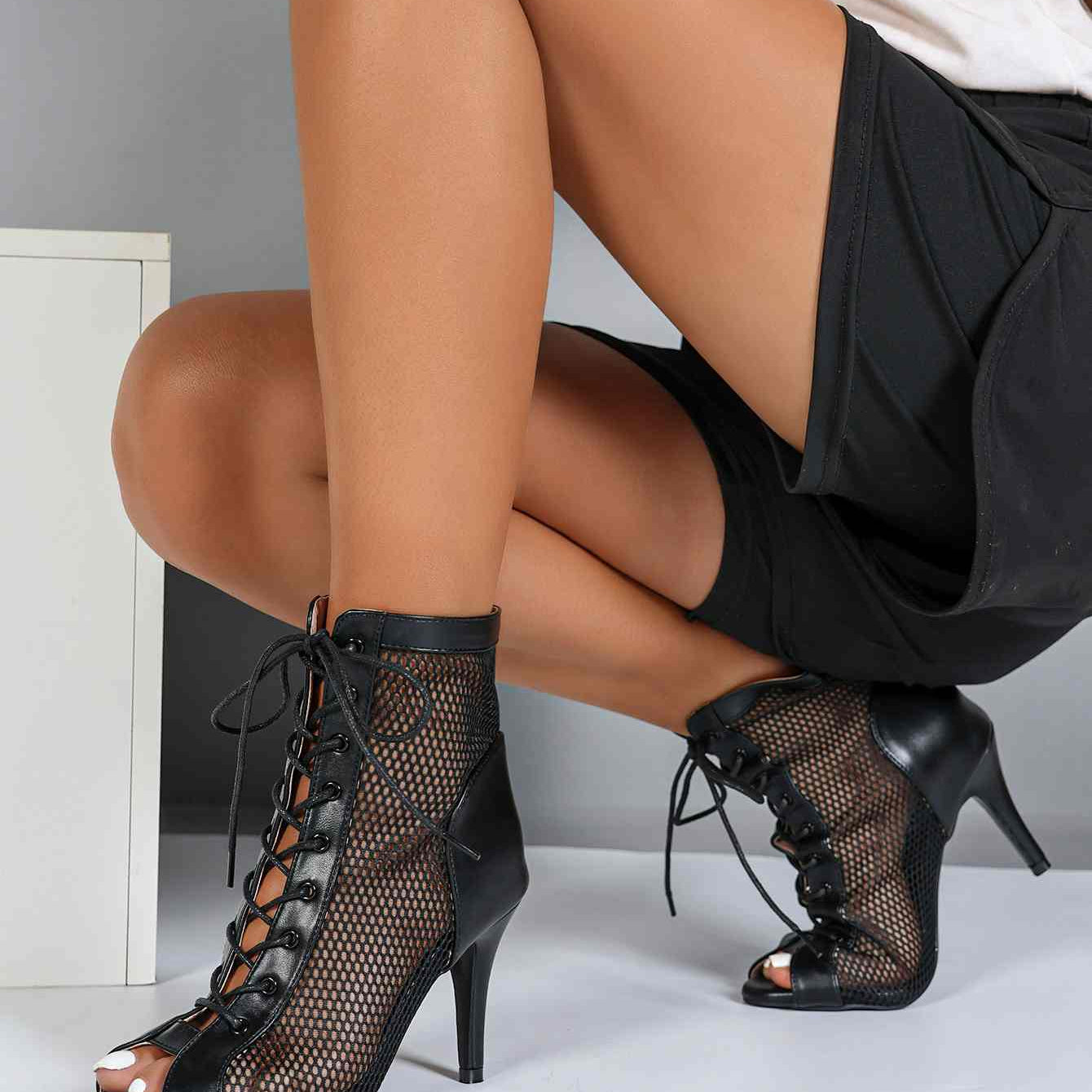
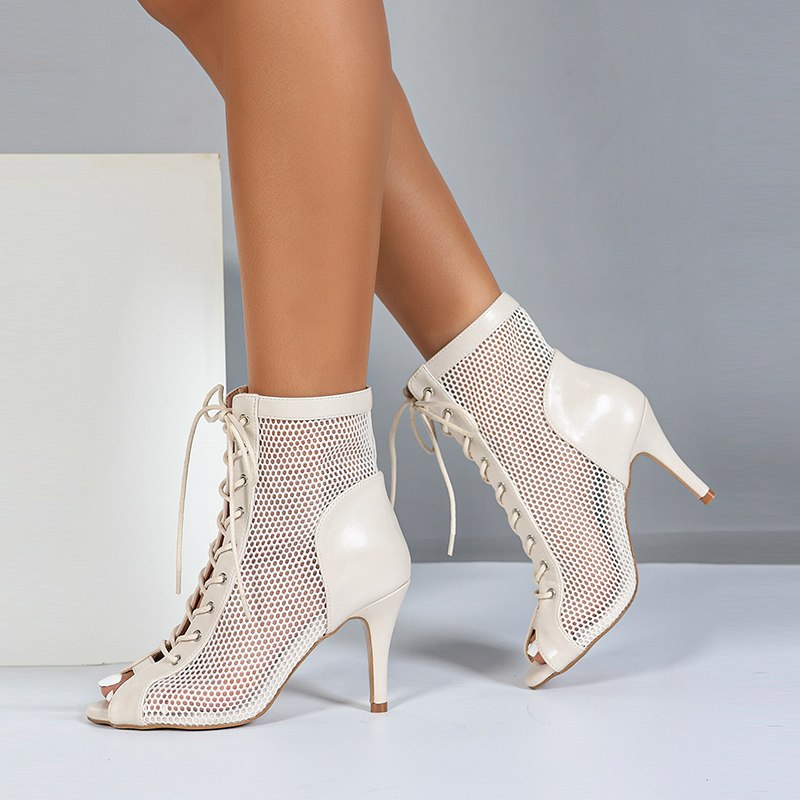
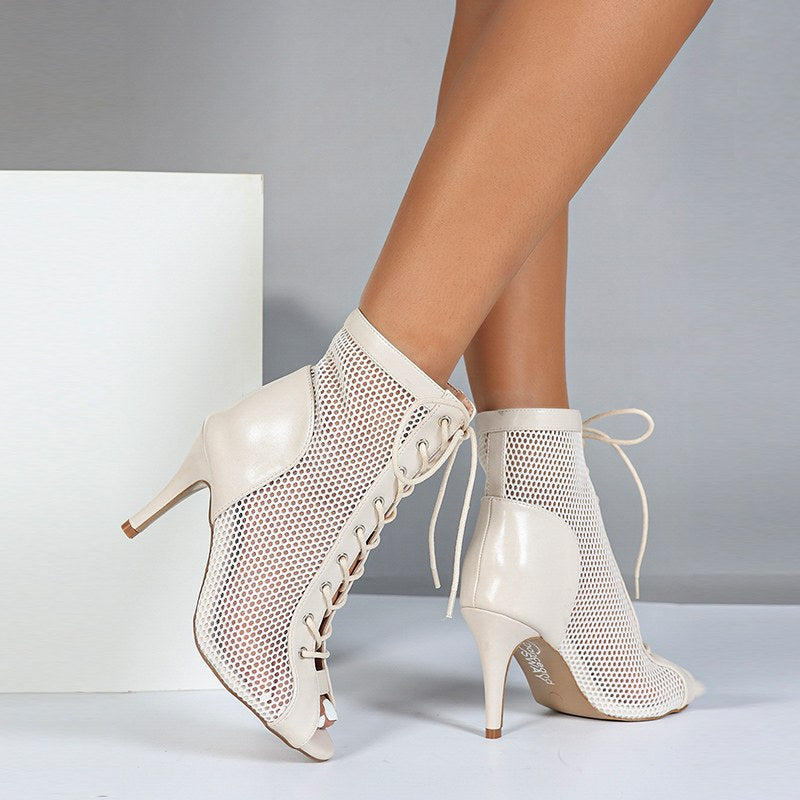
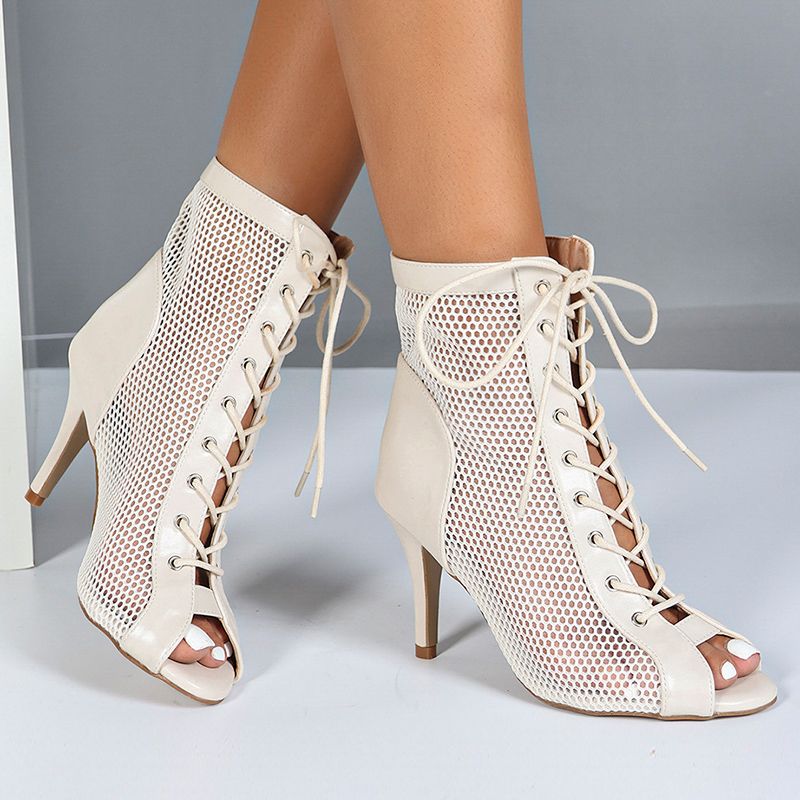
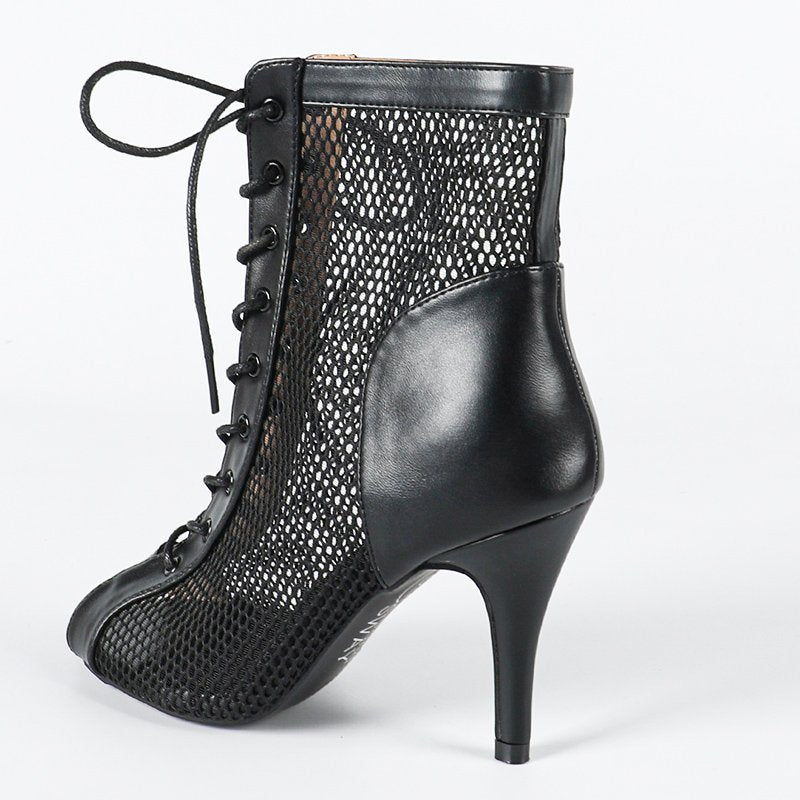
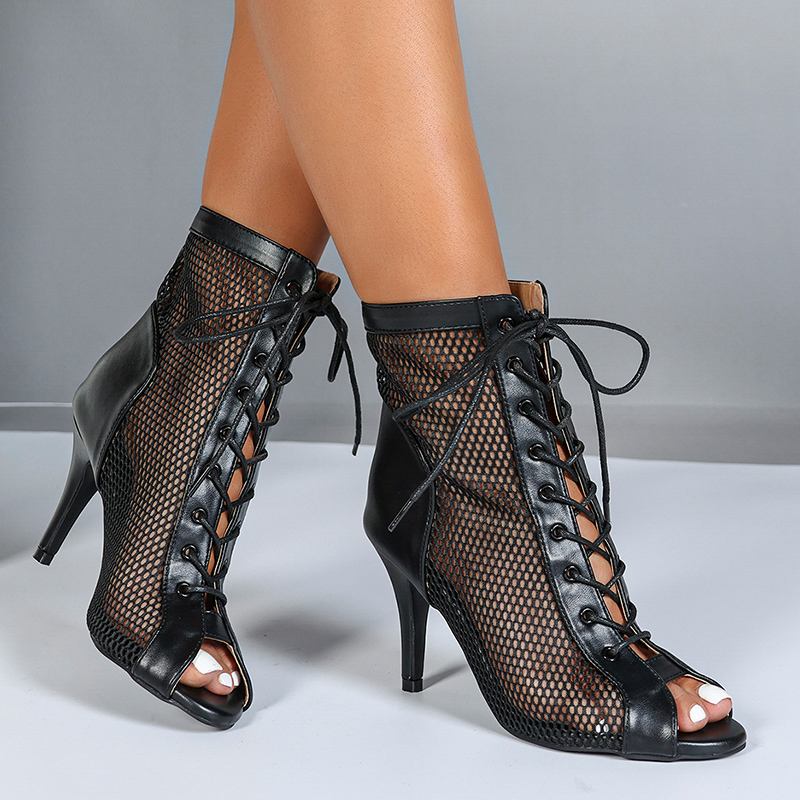
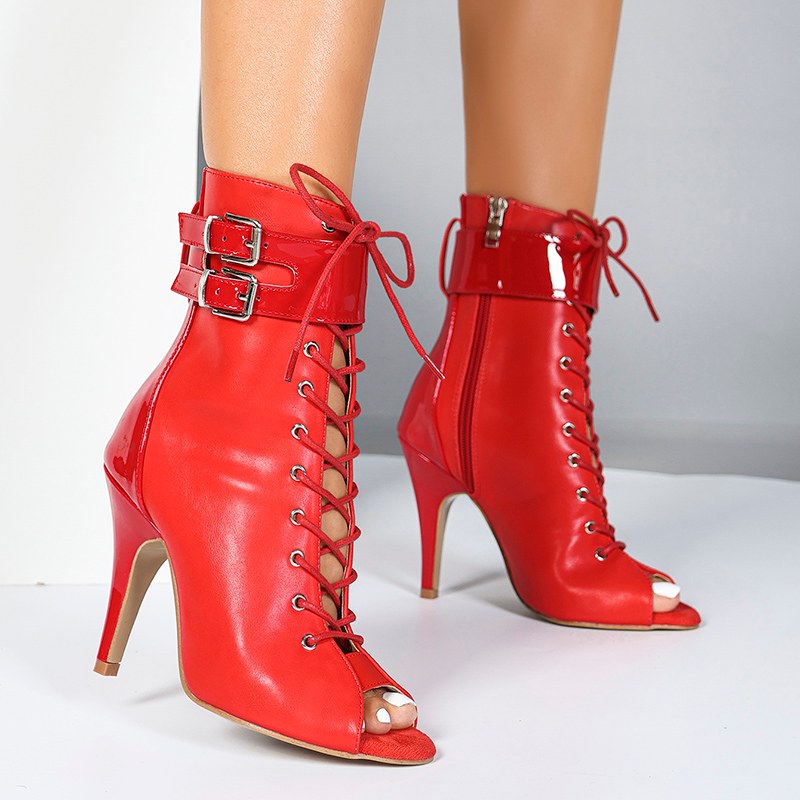
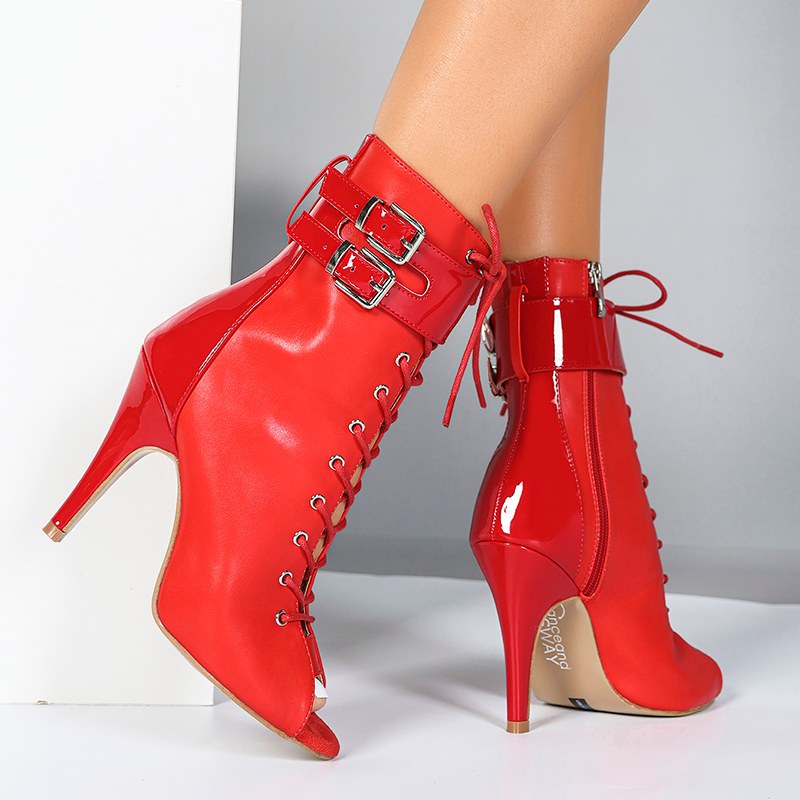
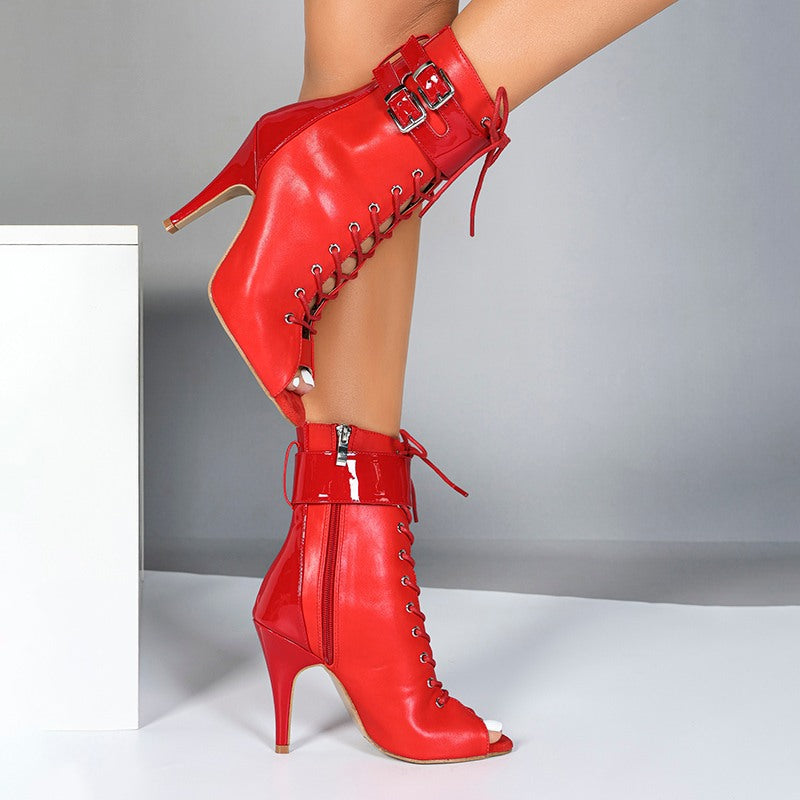
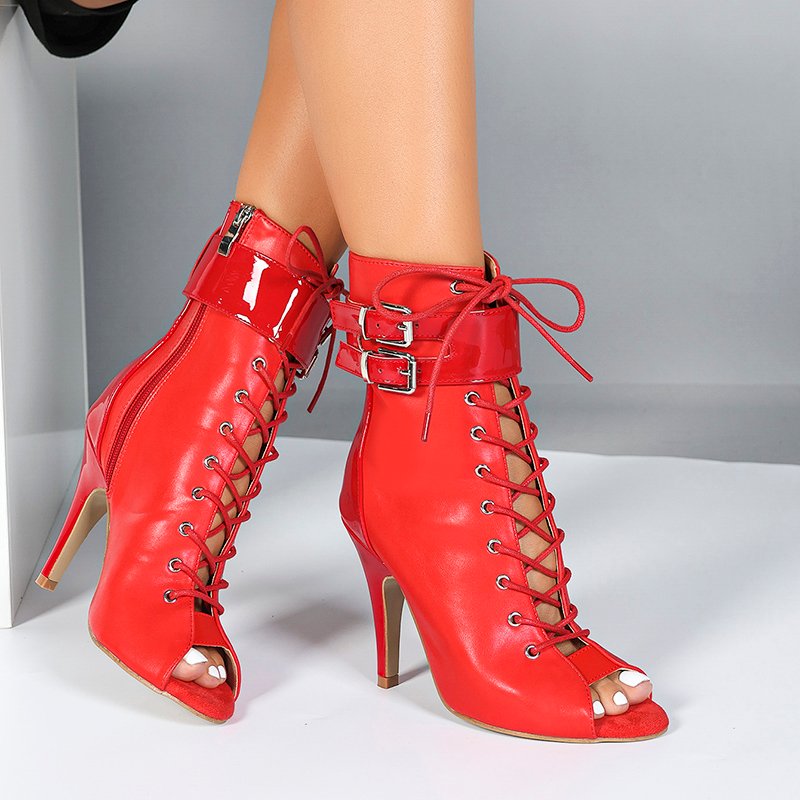
Choosing the right dance shoes can make a noticeable difference in how you move, balance, and feel on the dance floor. Whether you're a beginner taking your first ballroom lesson or an experienced dancer preparing for a Latin dance competition, the shoes you wear play an important role in your performance.
One of the most common questions dancers ask is: What is the difference between ballroom and Latin dance shoes?
Although these two types of dance shoes may look similar, they are designed for different dance techniques, movements, and styles. From heel height and toe design to flexibility and sole materials, each feature serves a specific purpose.
In this guide, we'll explore the key differences between ballroom dance shoes and Latin dance shoes, help you choose the right pair, and share practical tips for finding comfortable, stylish dance footwear.
1. What Are Ballroom Dance Shoes?

Ballroom dance shoes are specially designed for smooth, flowing movements across the dance floor. They are commonly worn for Standard ballroom dances such as:
-
Waltz
-
Tango
-
Foxtrot
-
Quickstep
-
Viennese Waltz
These dance styles involve graceful steps, controlled footwork, and coordinated movements between partners.
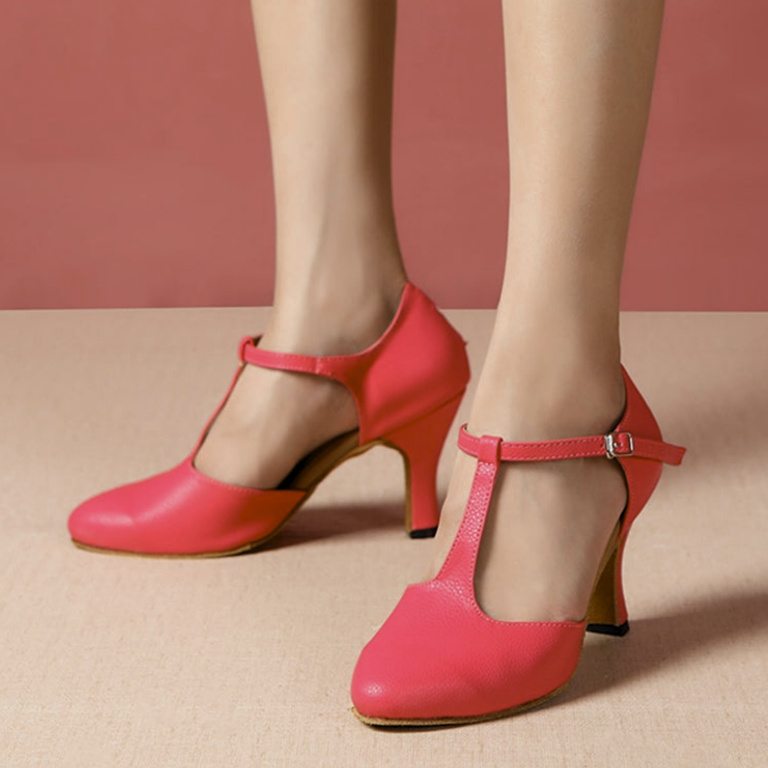
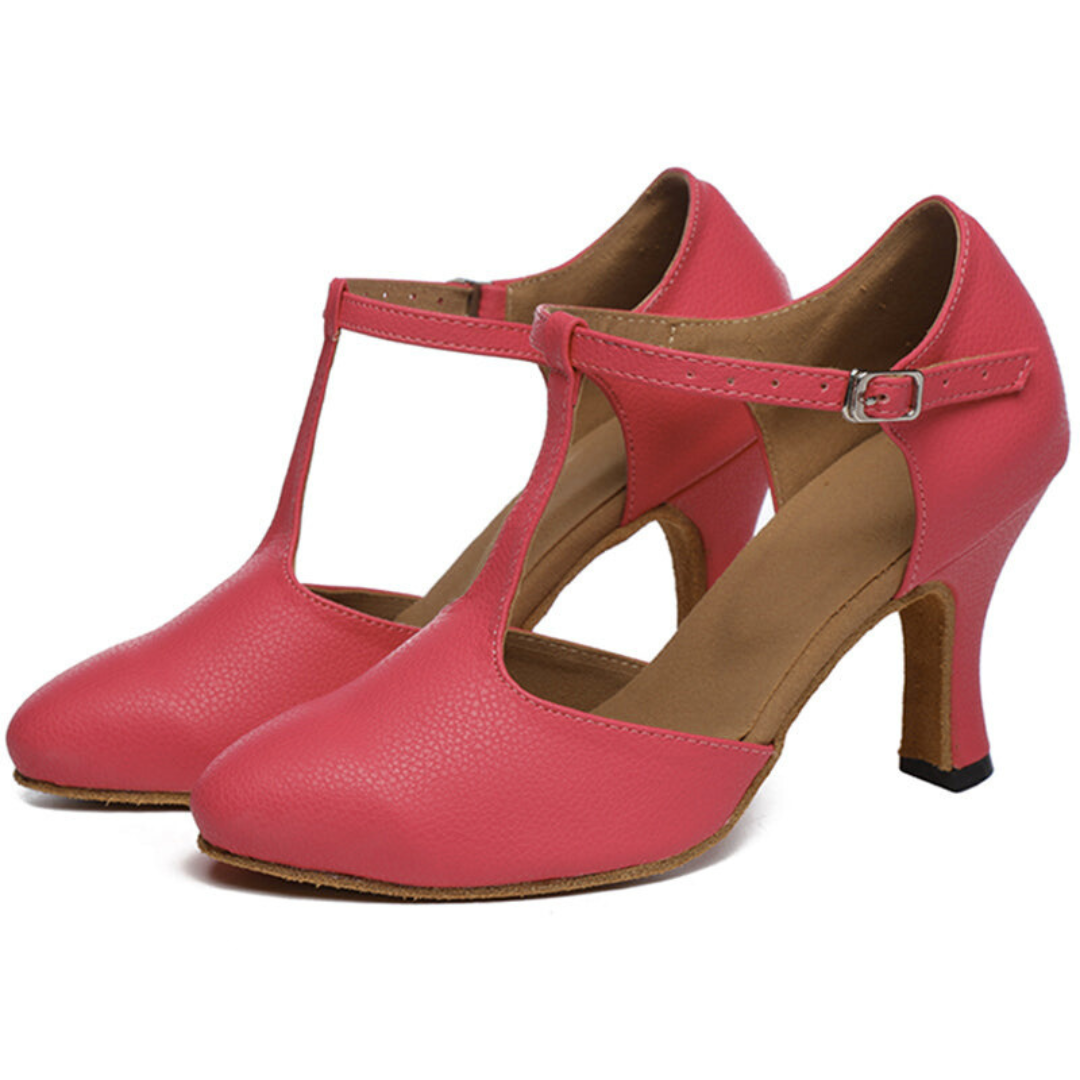
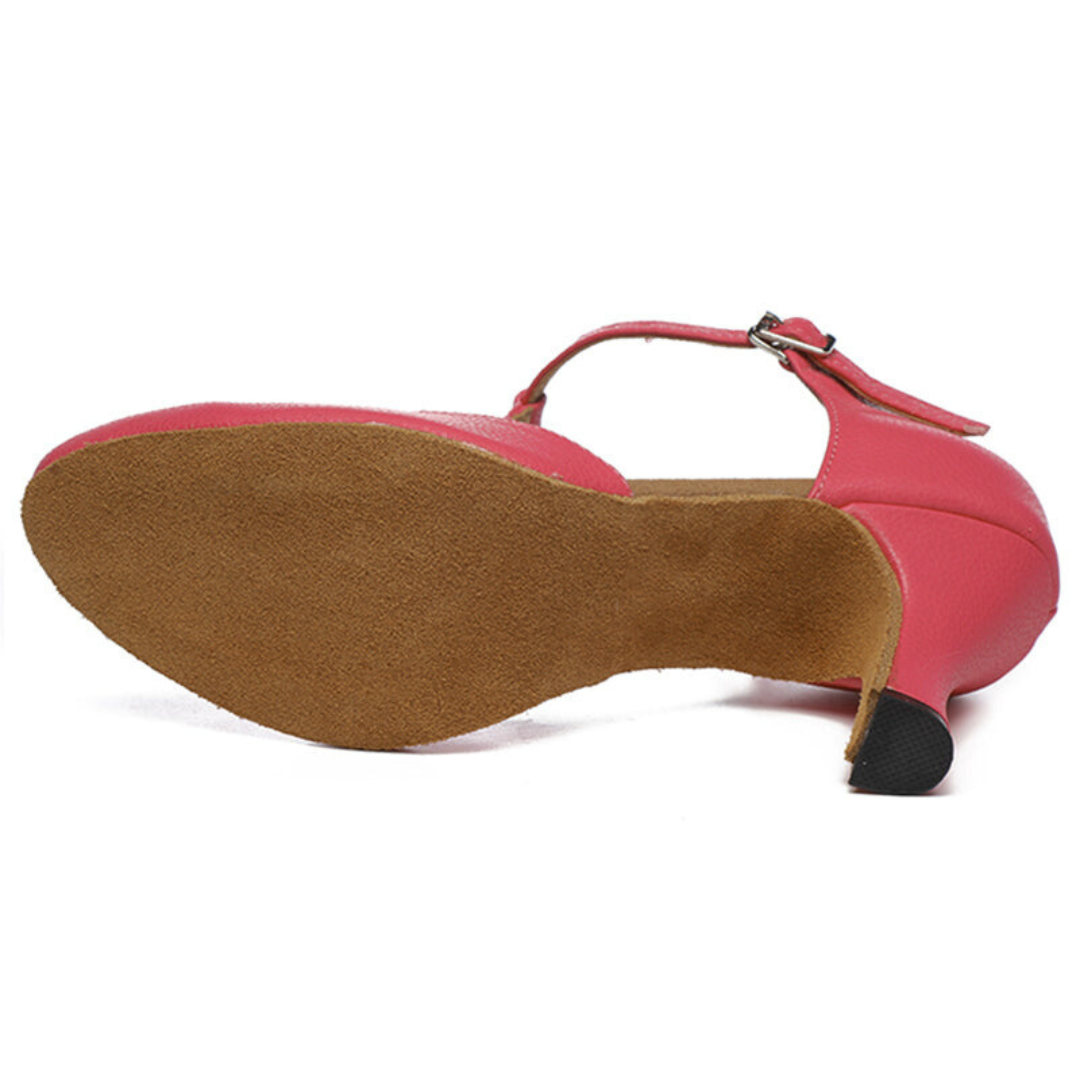
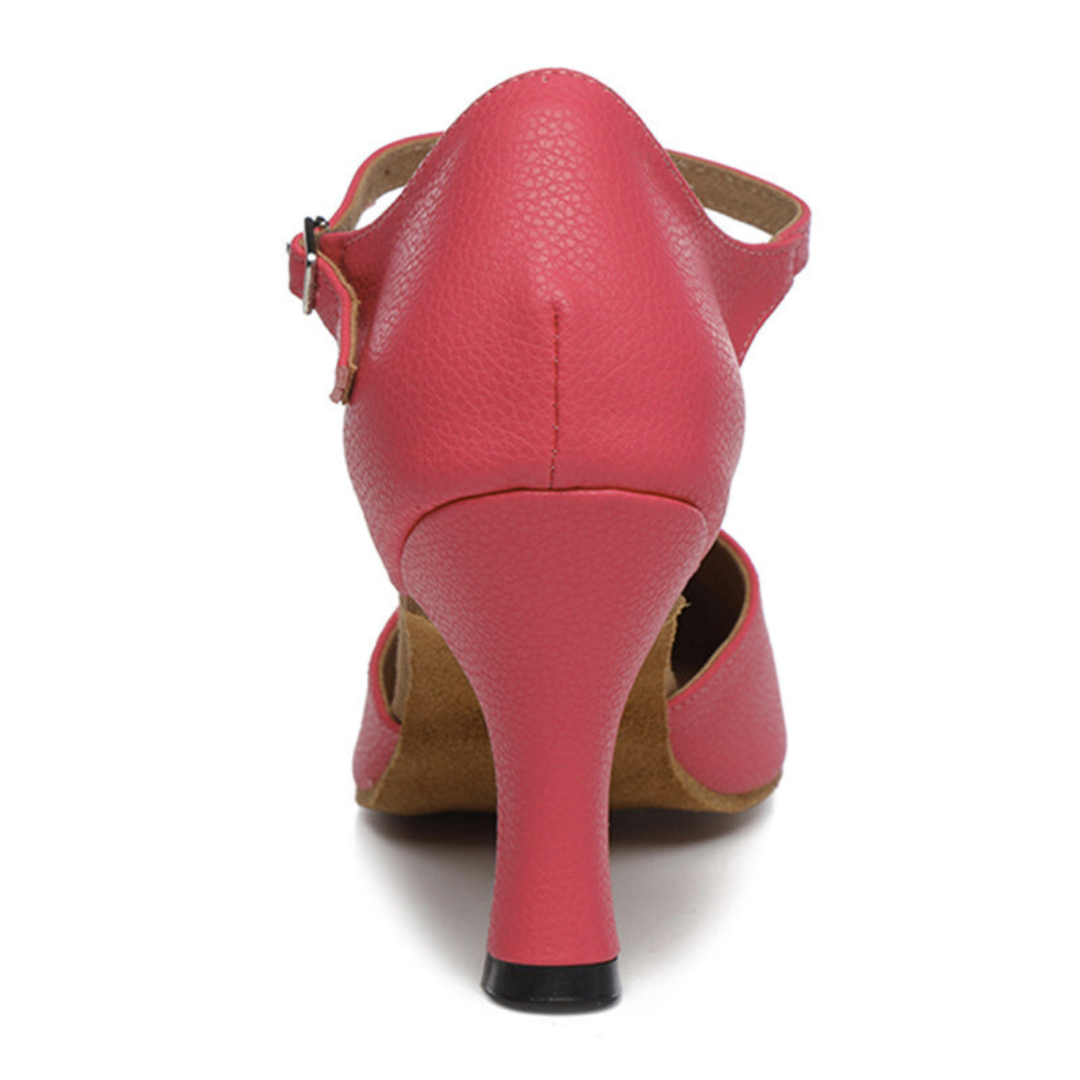
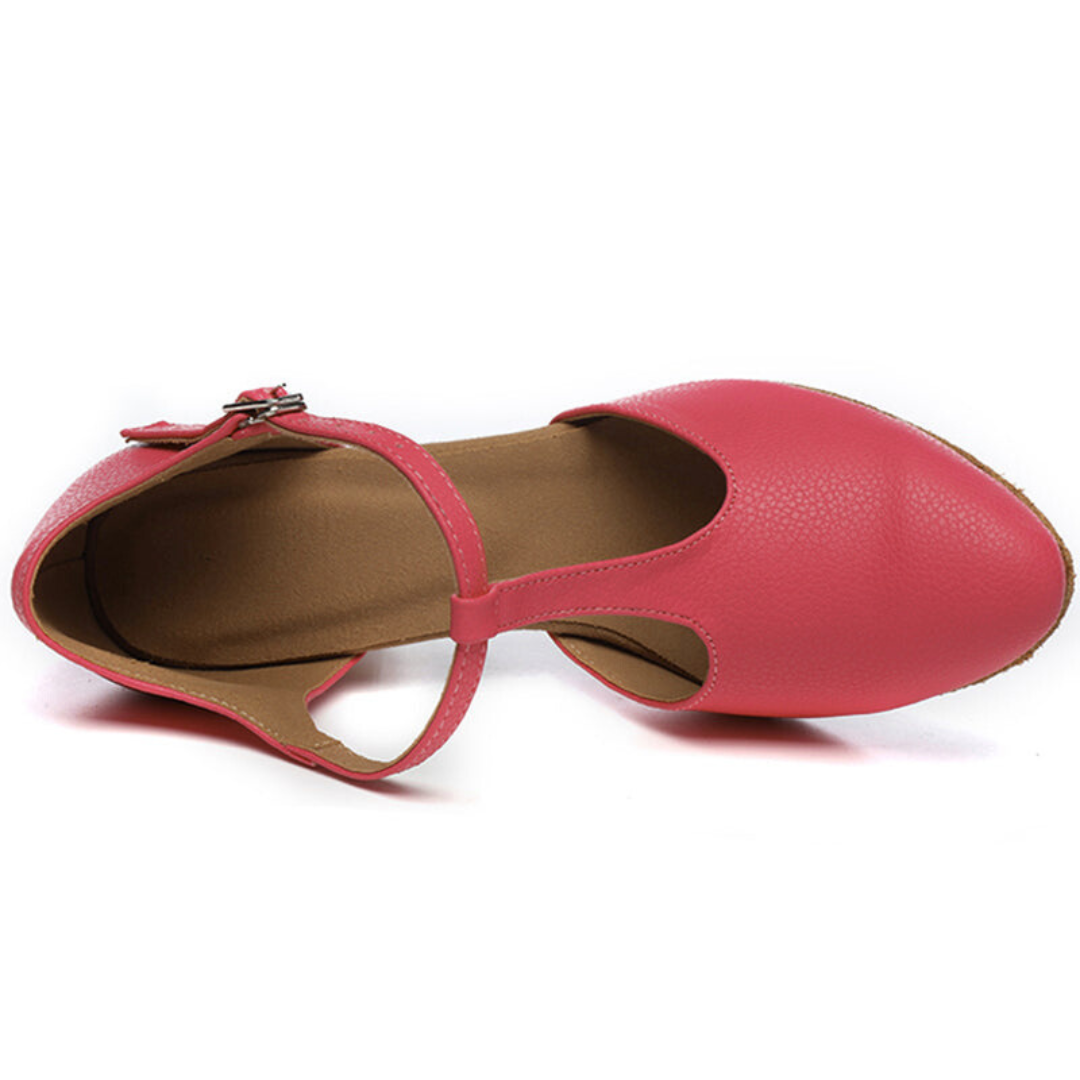
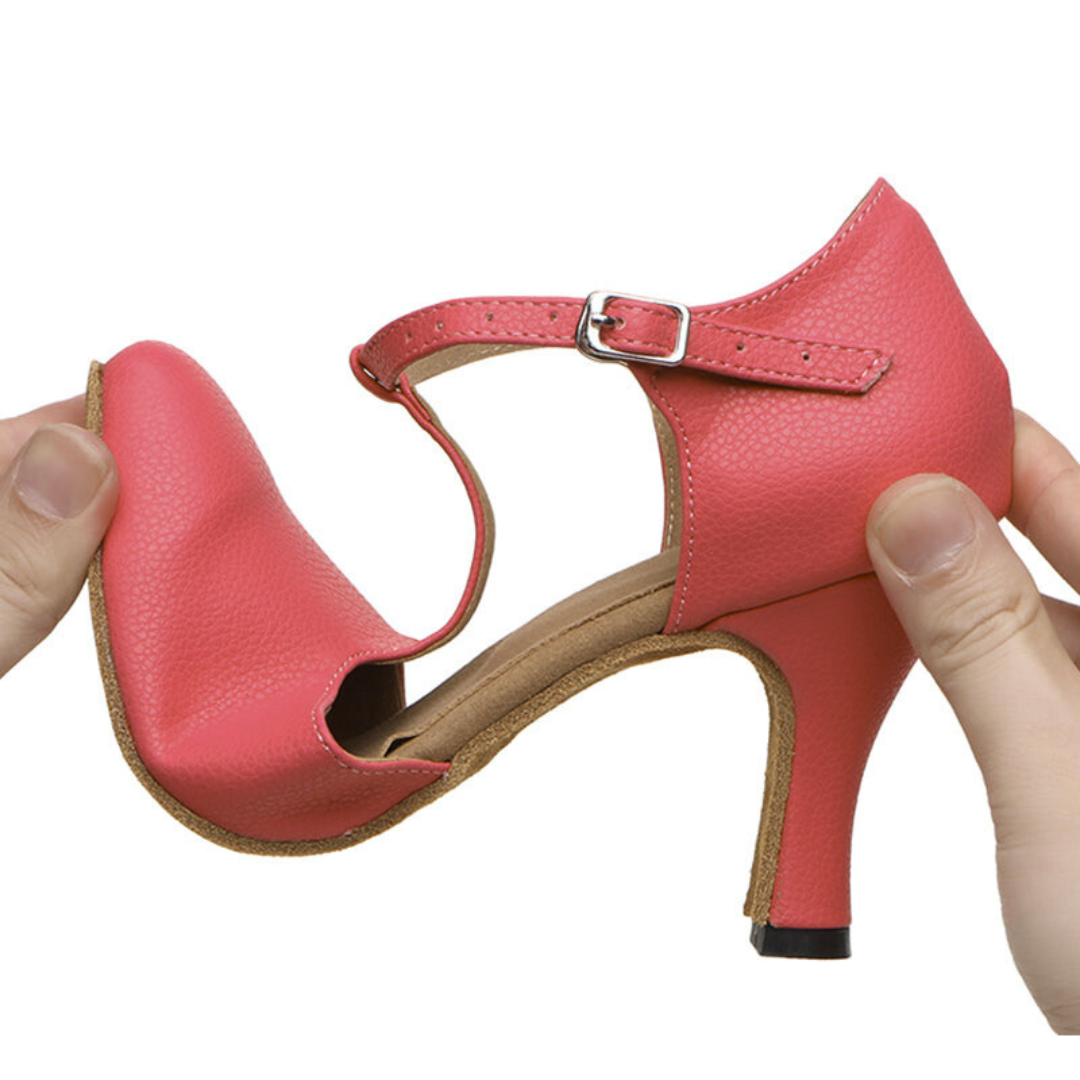
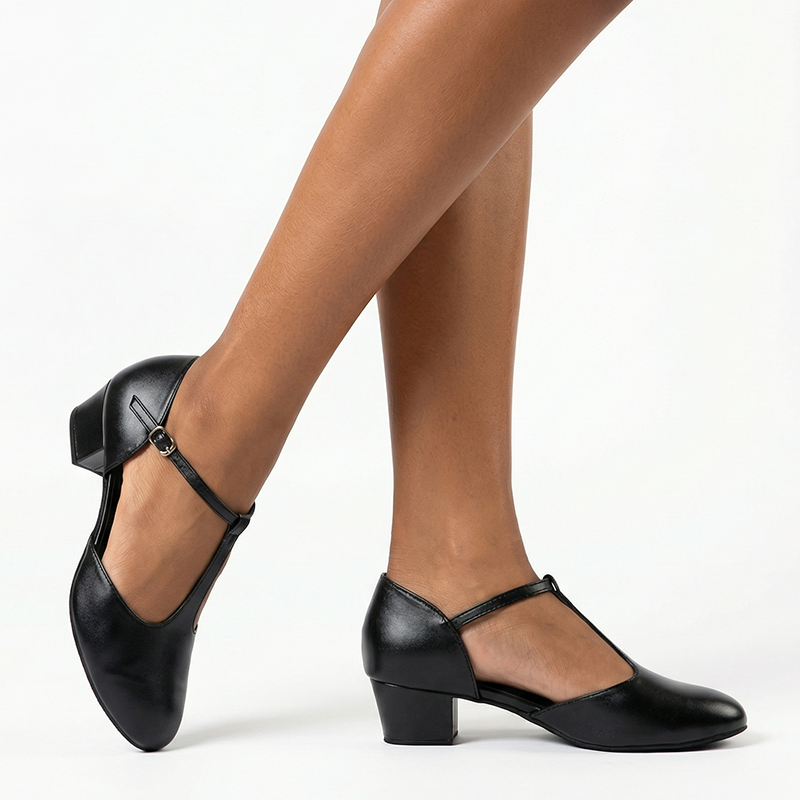
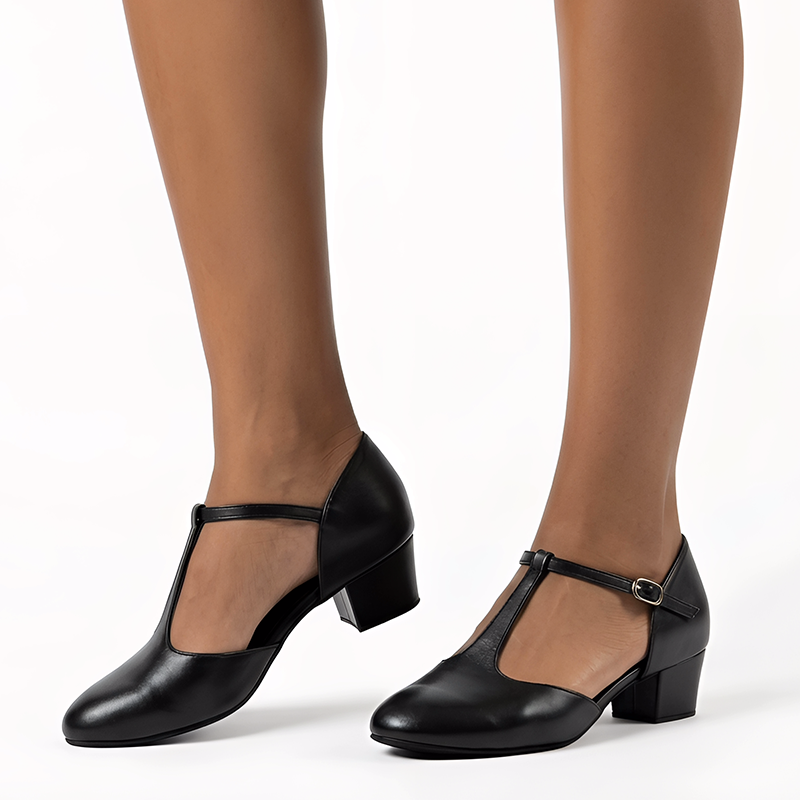
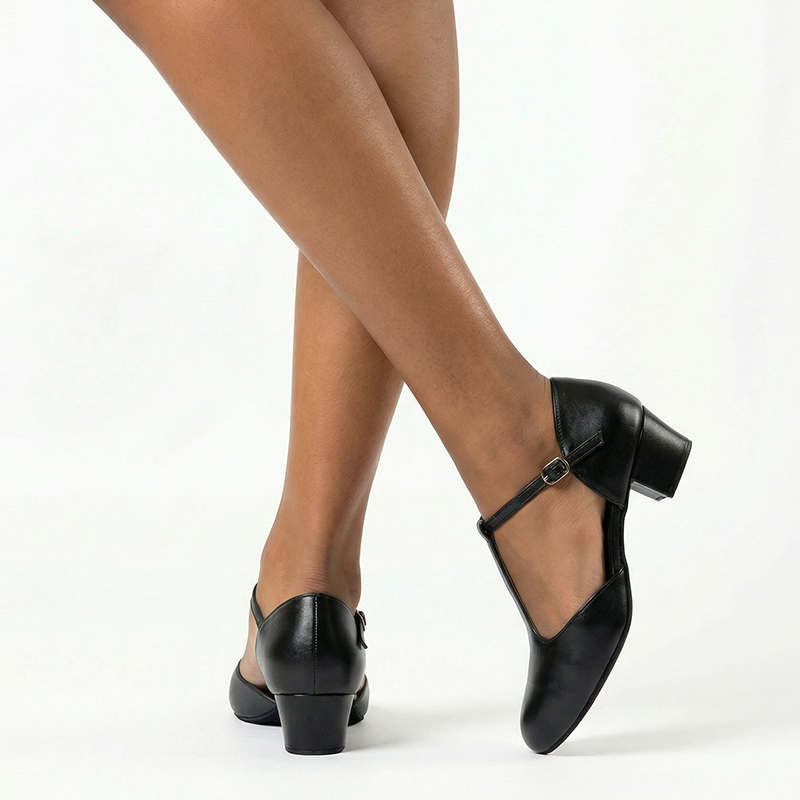
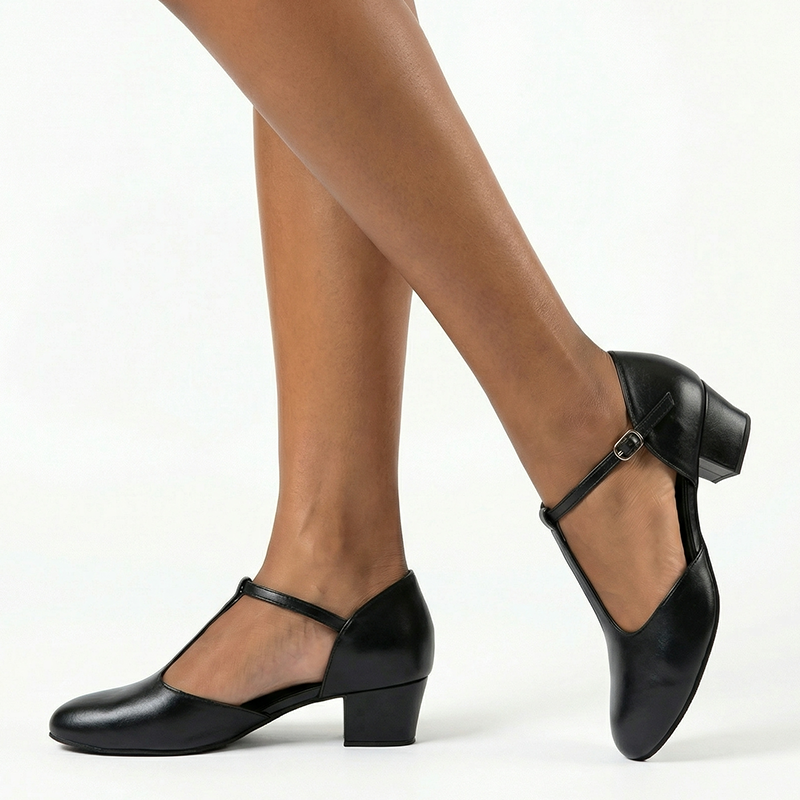
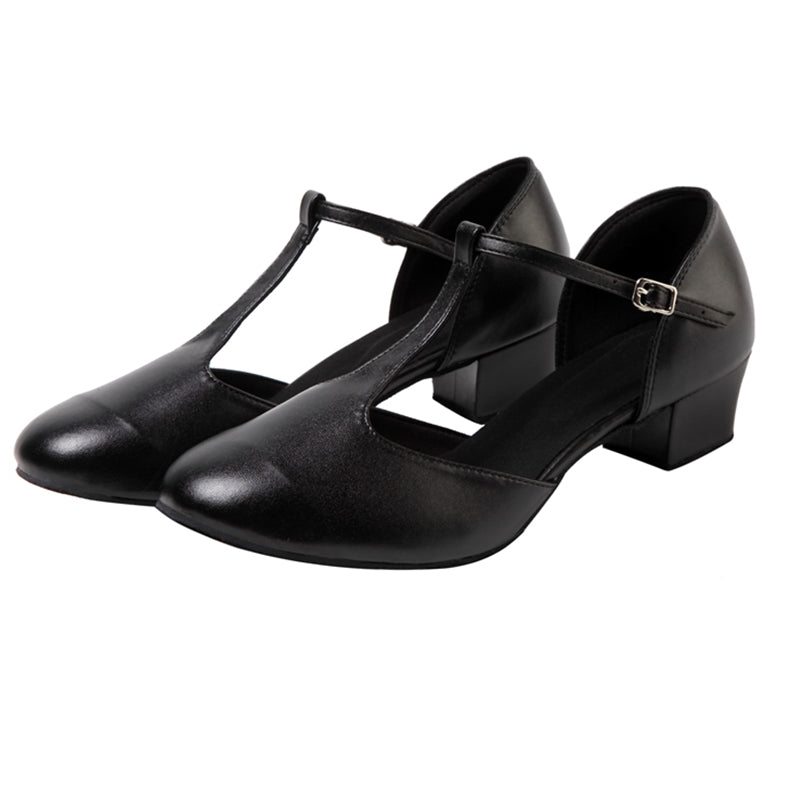
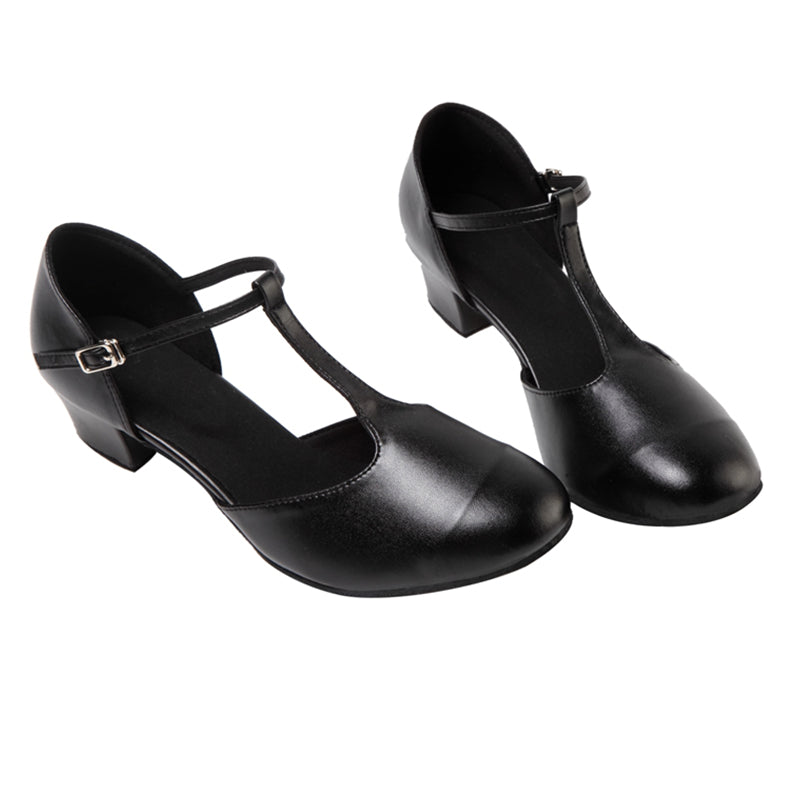
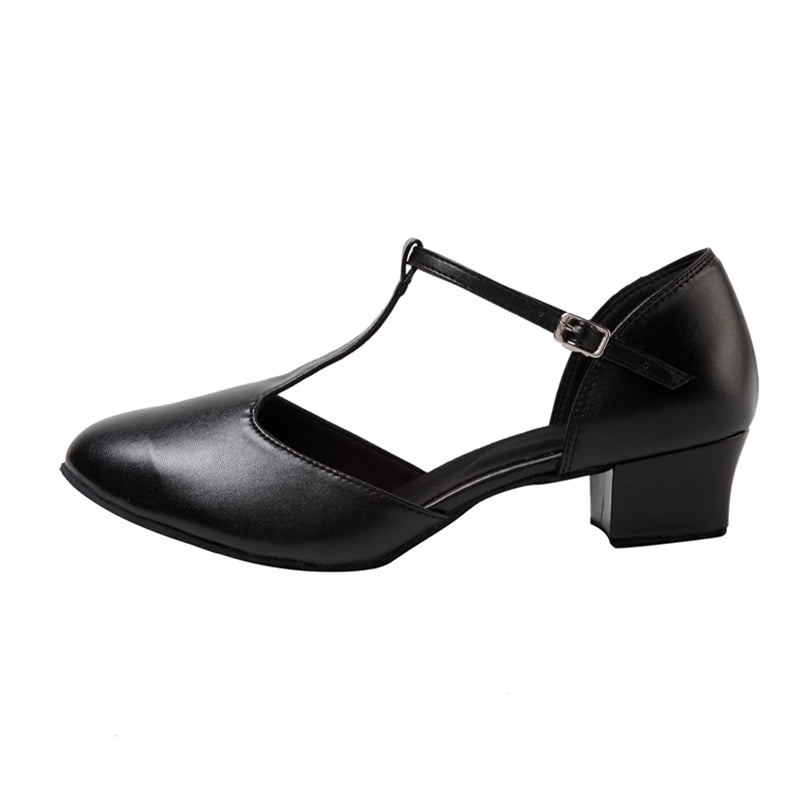
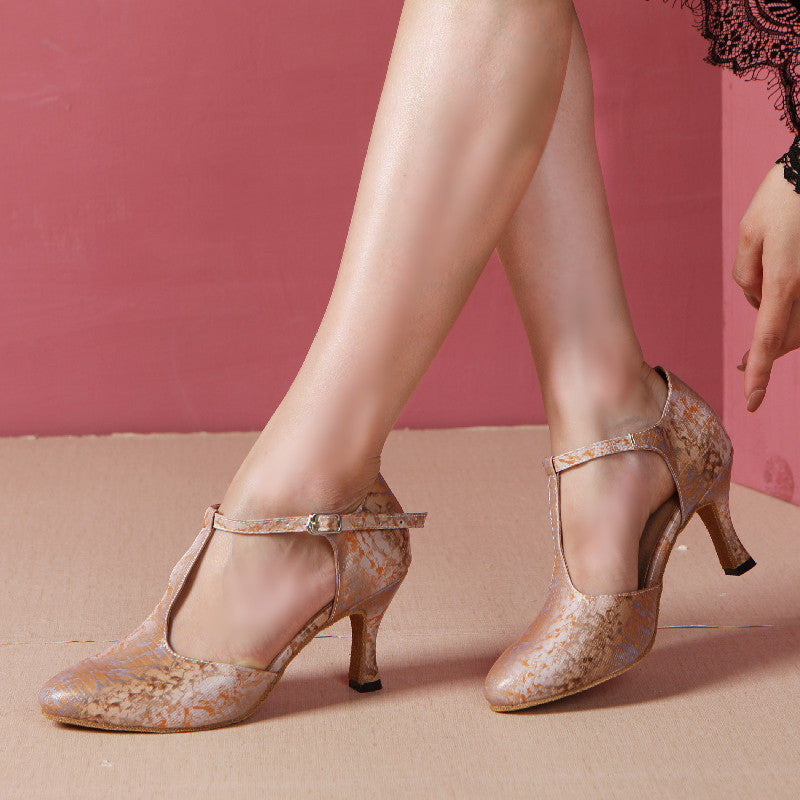
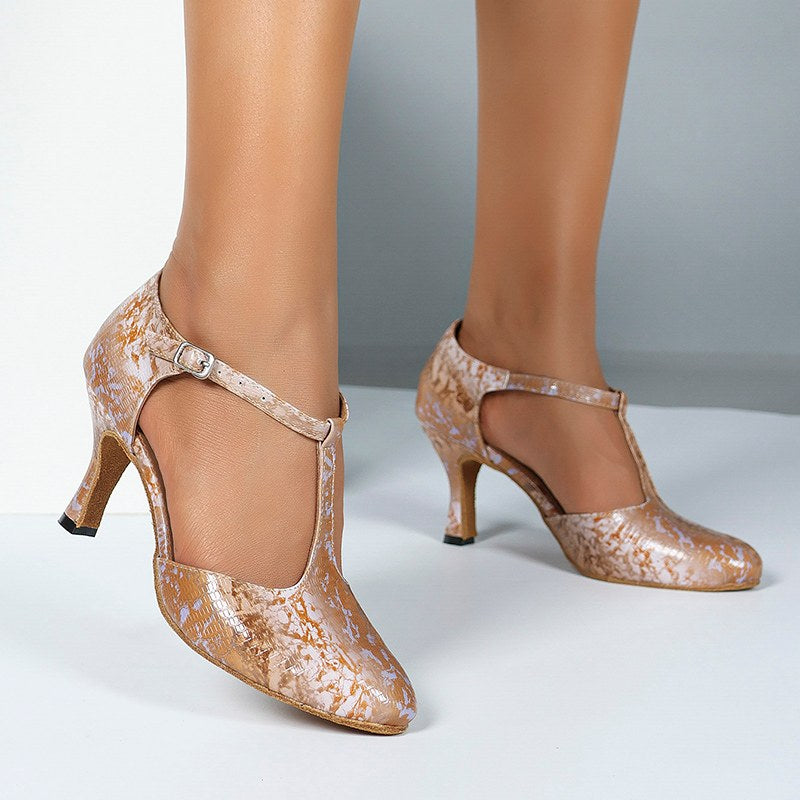
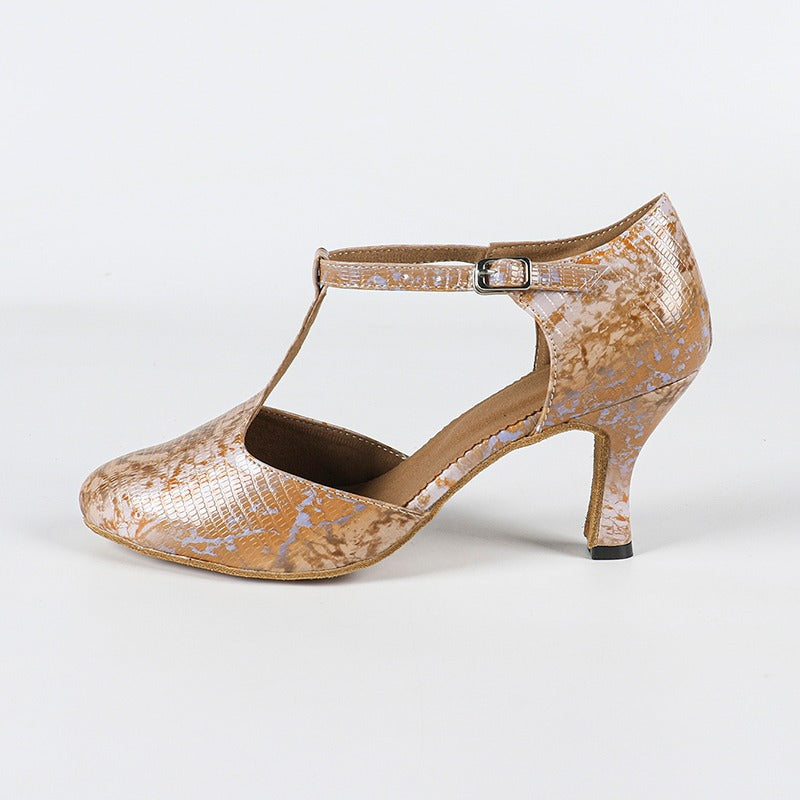
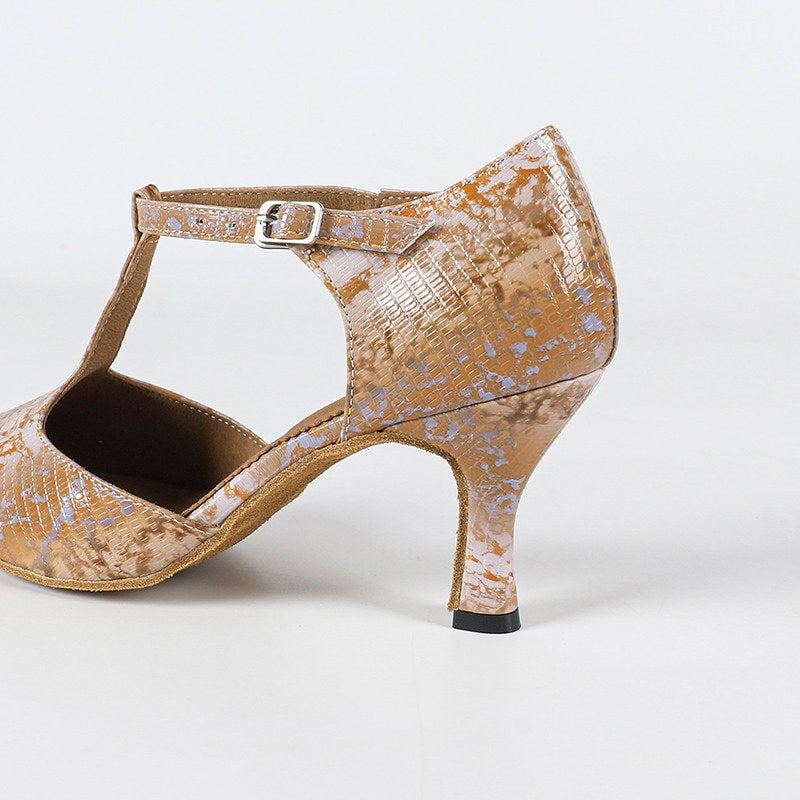
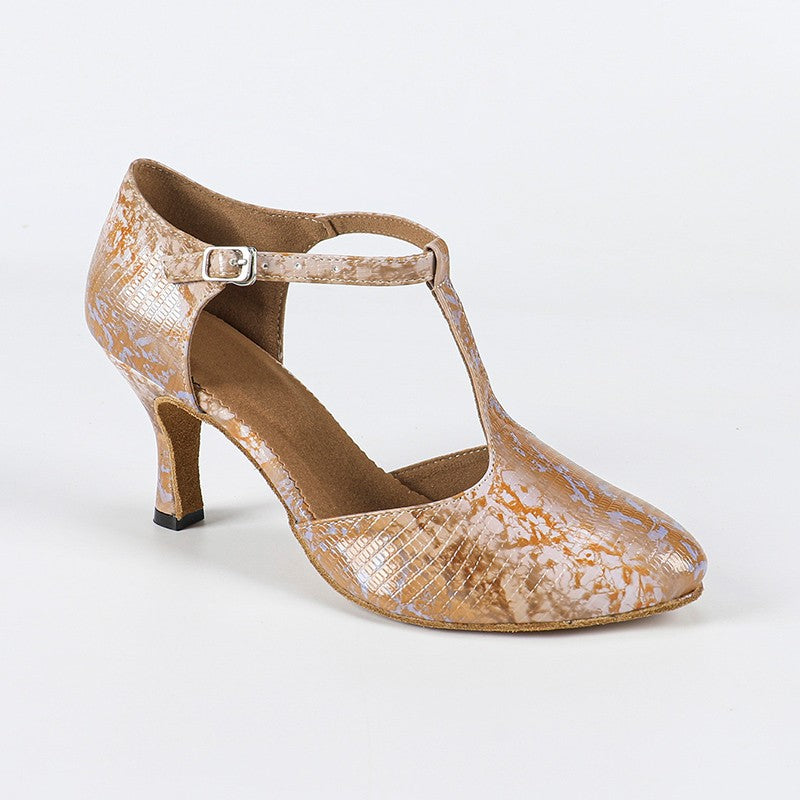
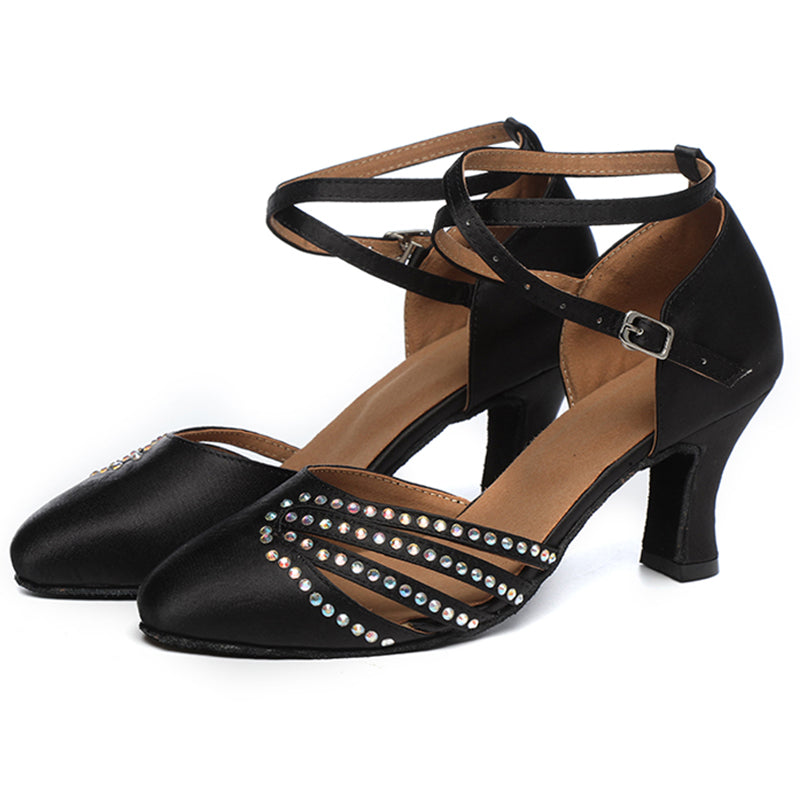
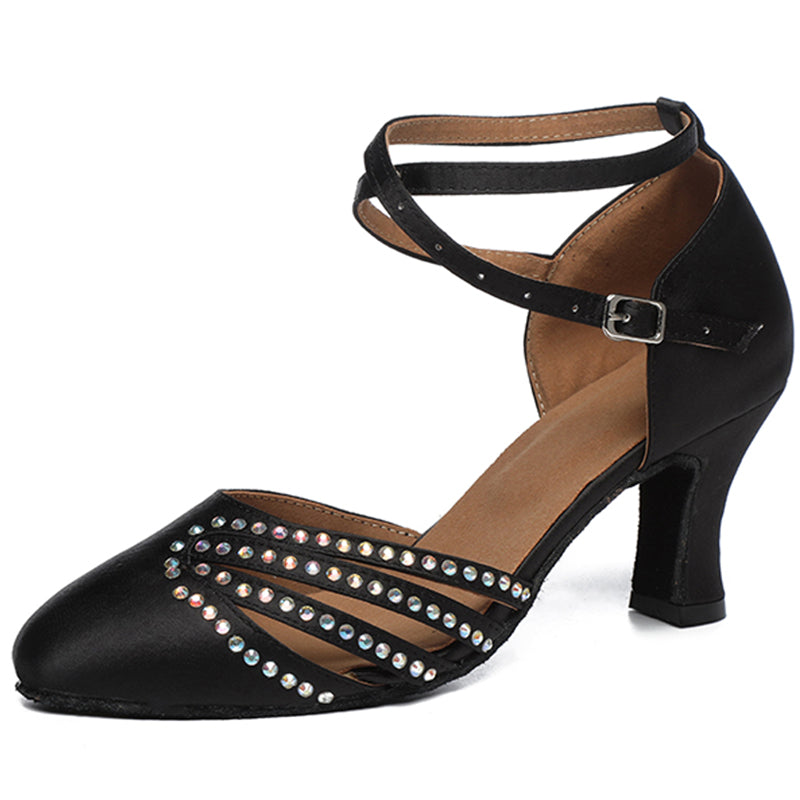
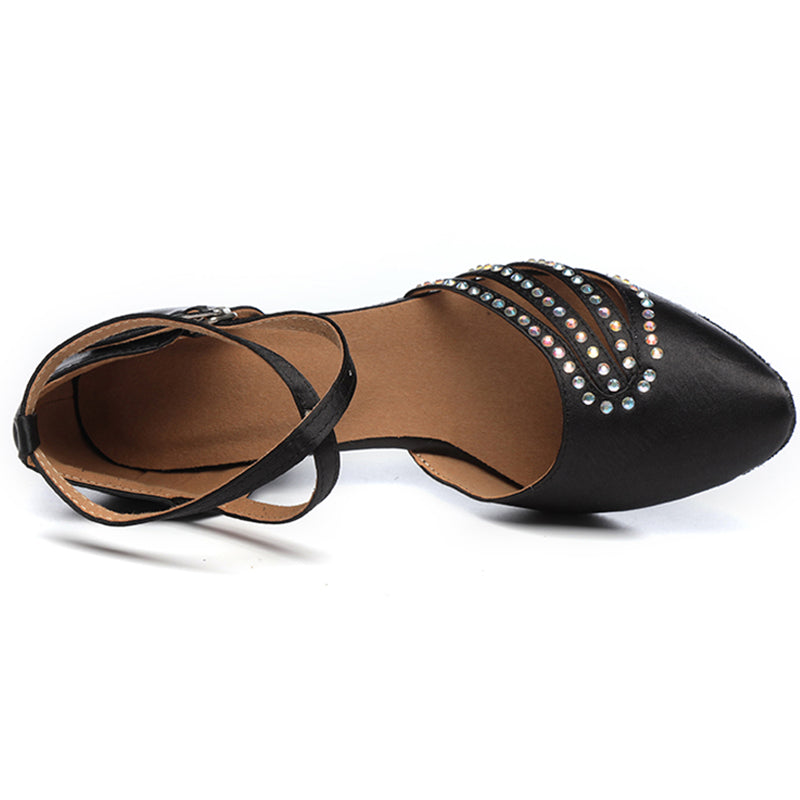
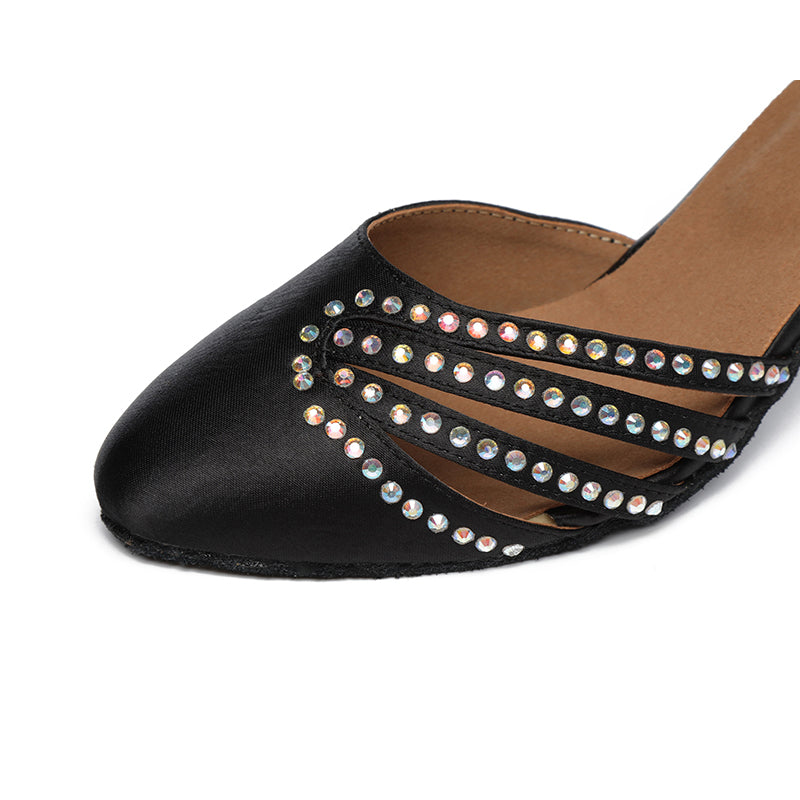
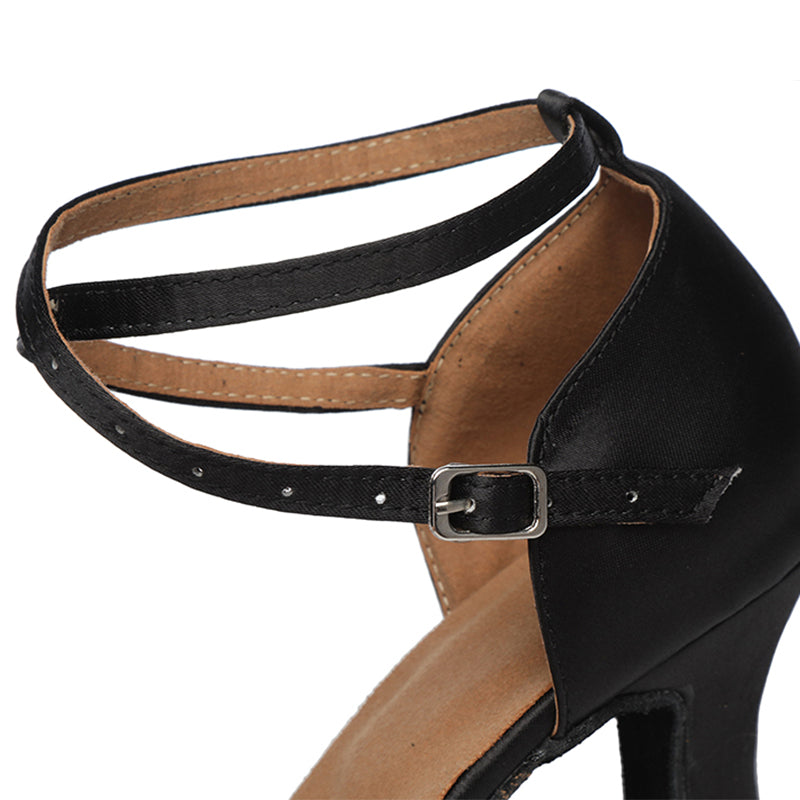
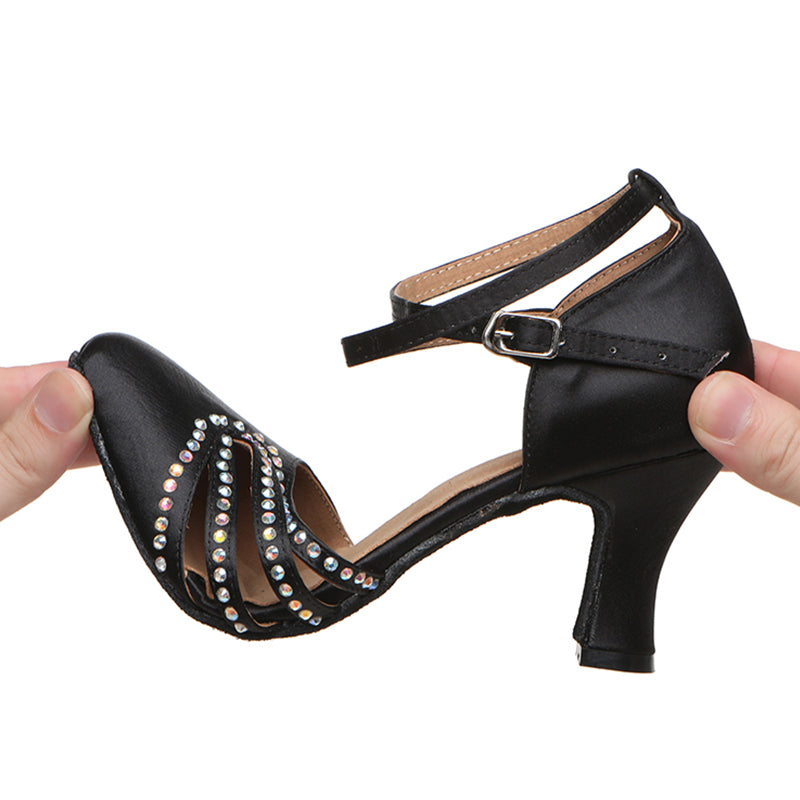
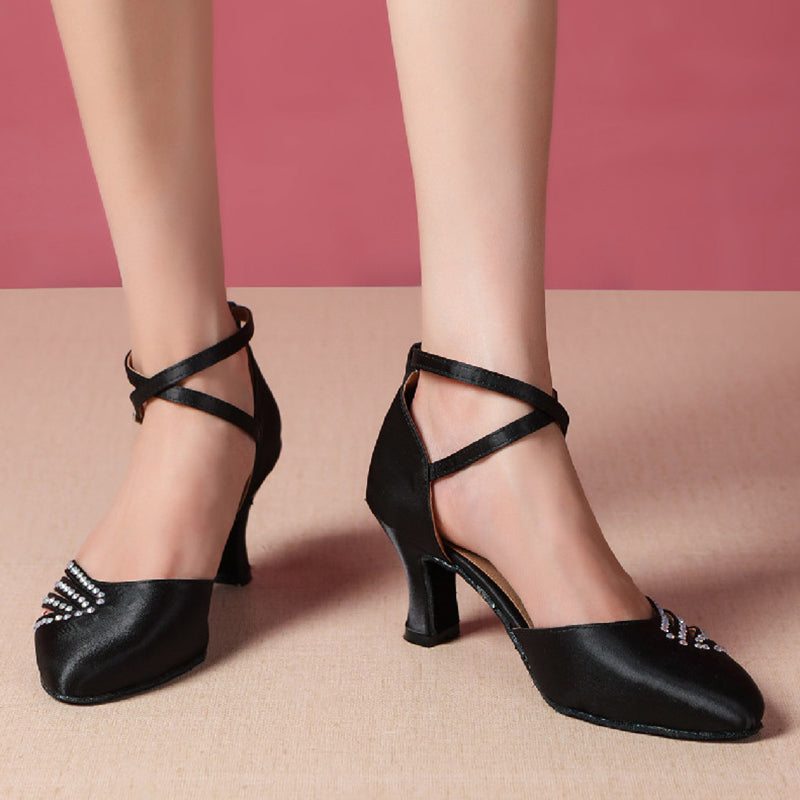
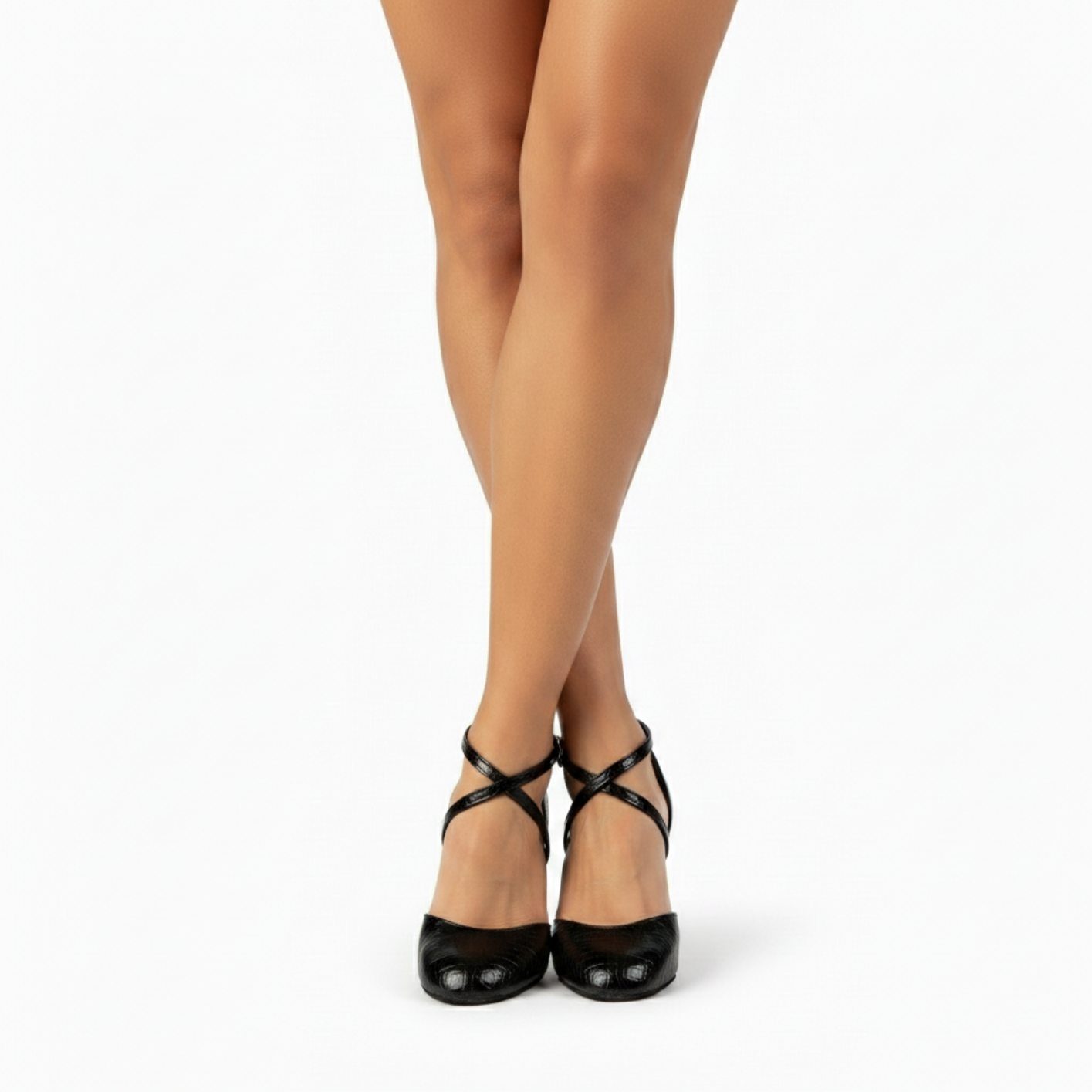
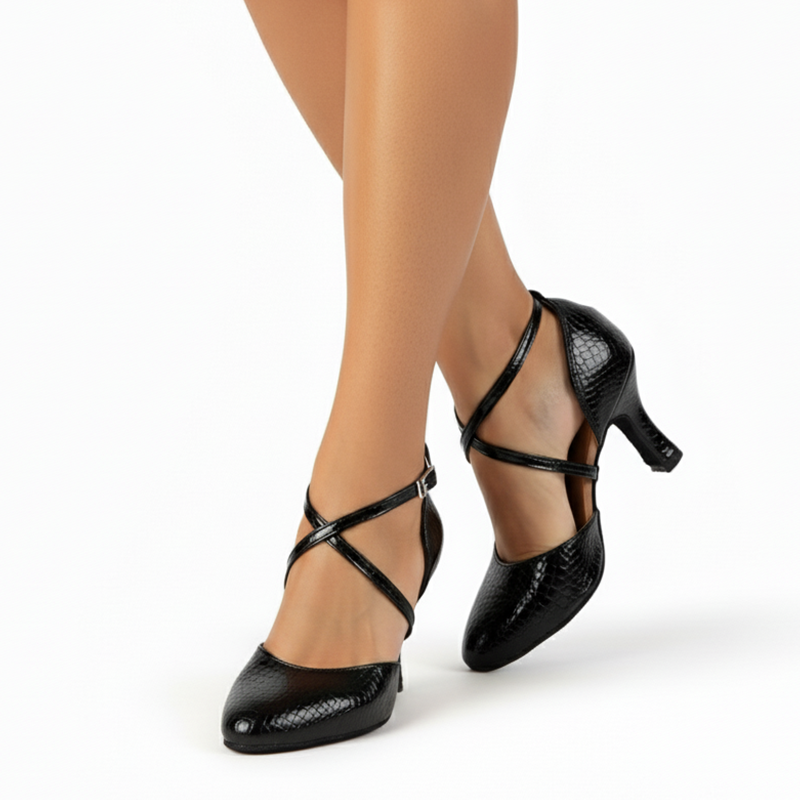
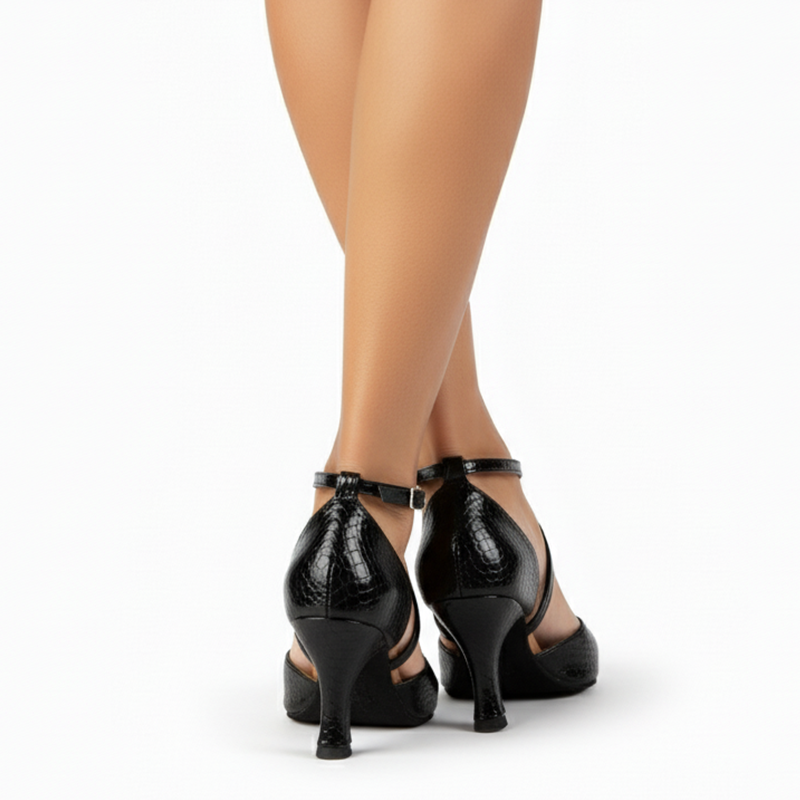
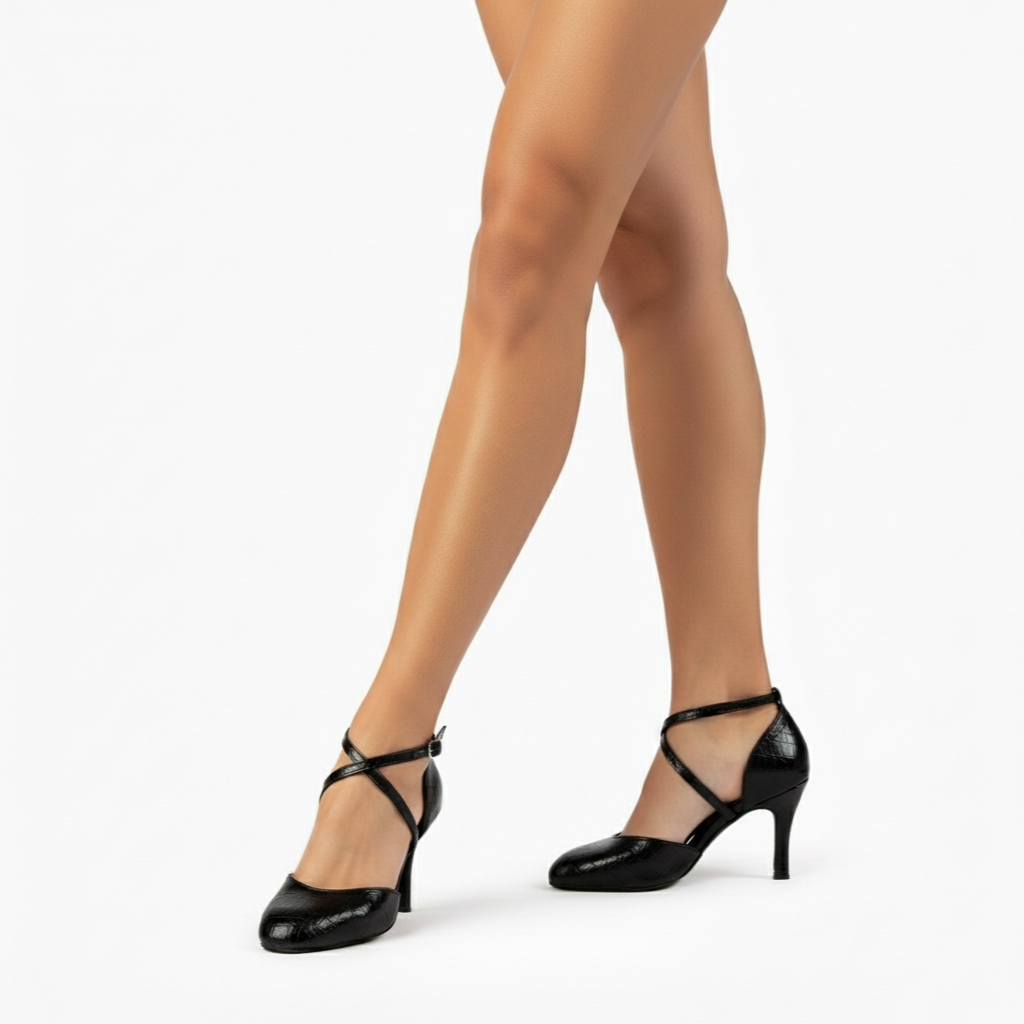
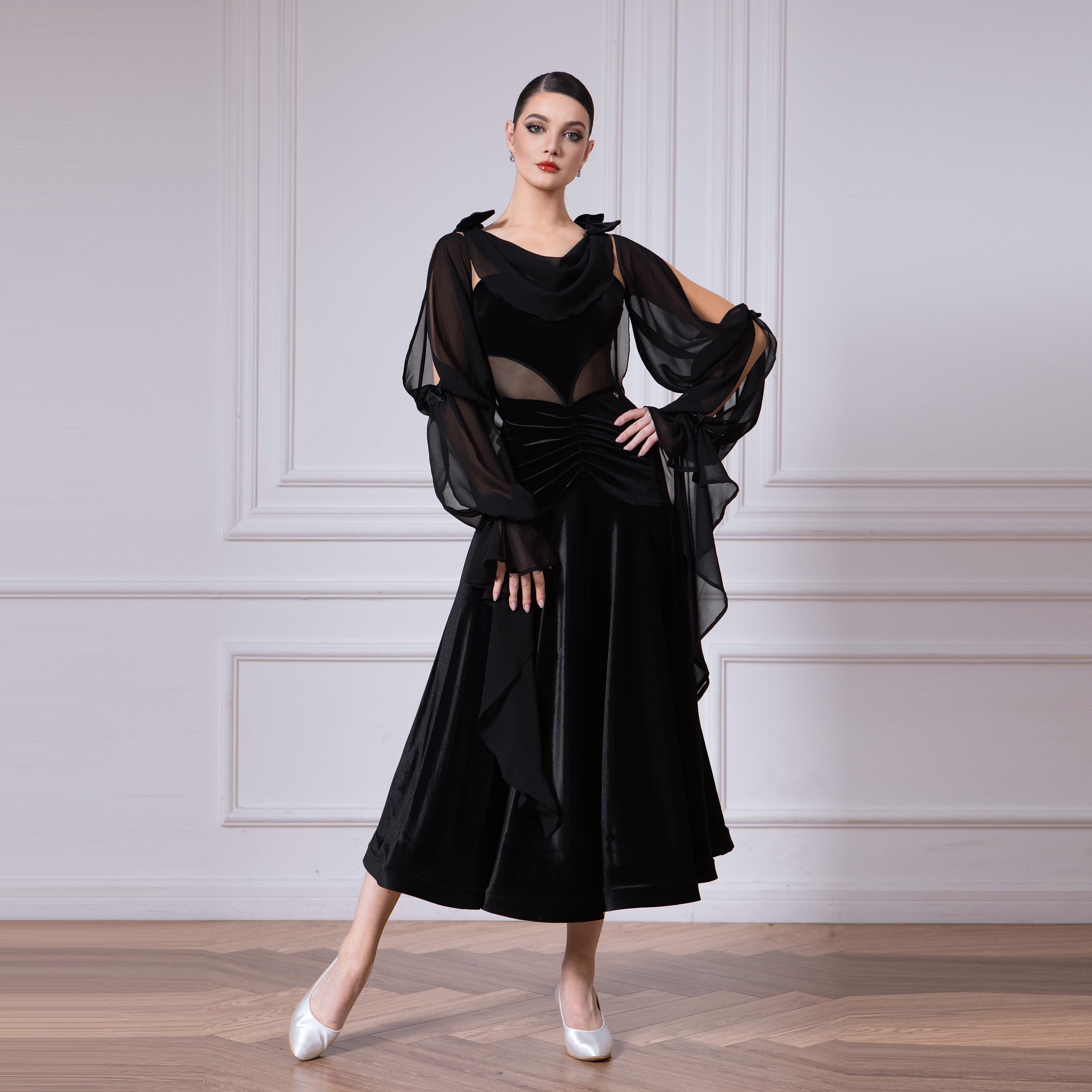
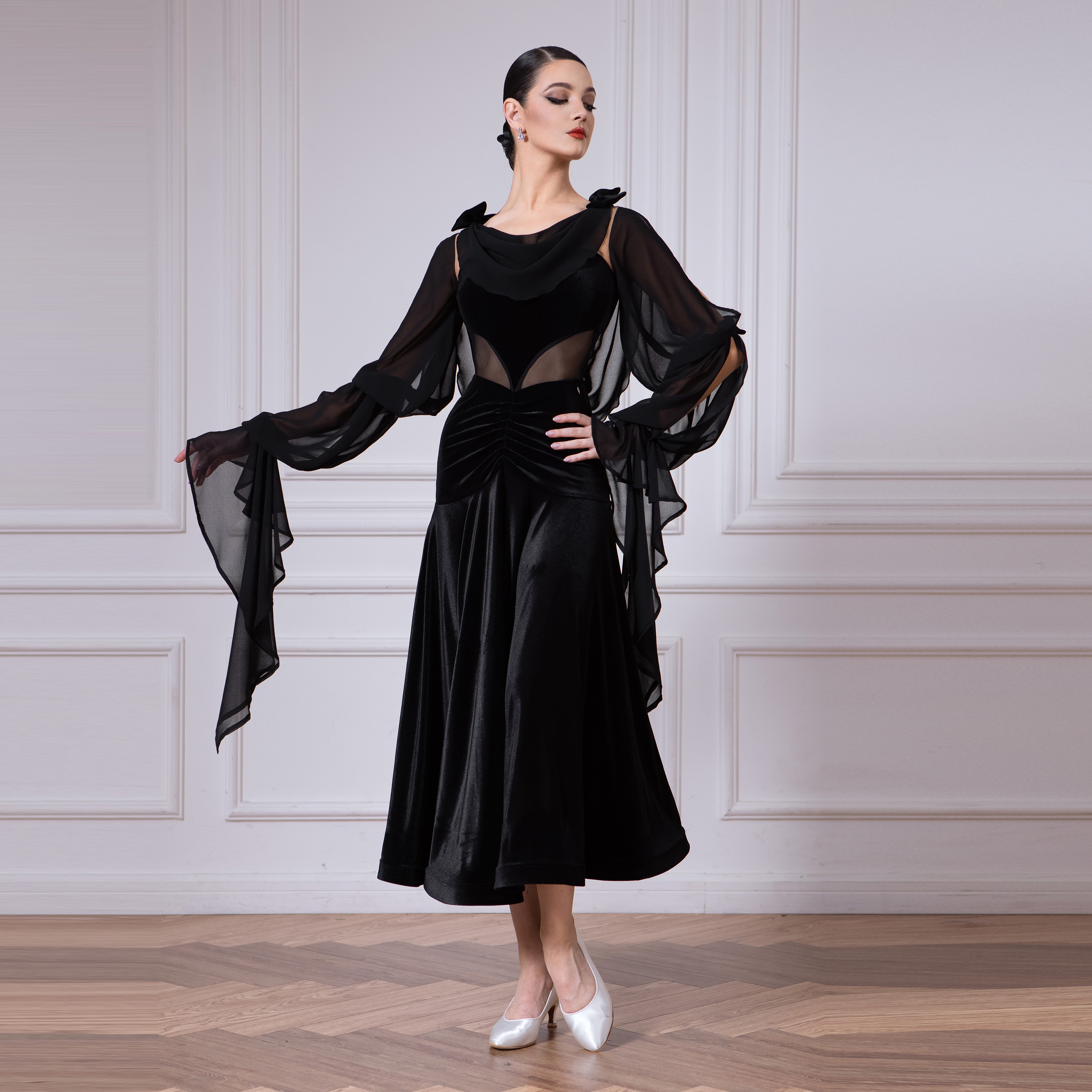
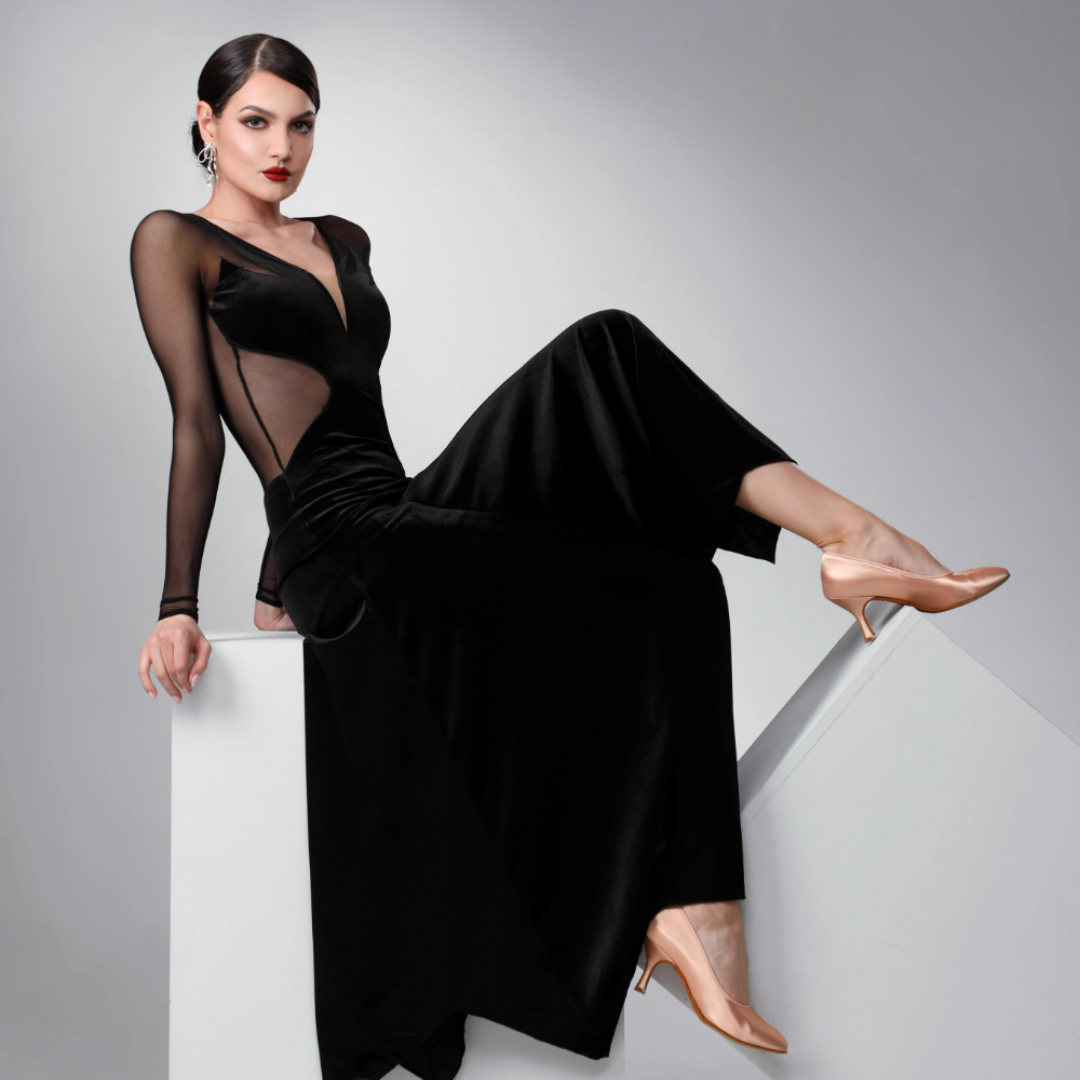
Women's ballroom dance shoes typically feature a closed-toe design, a secure strap or fastening, and a supportive heel. The closed front creates a polished appearance while helping keep the toes contained during movement.
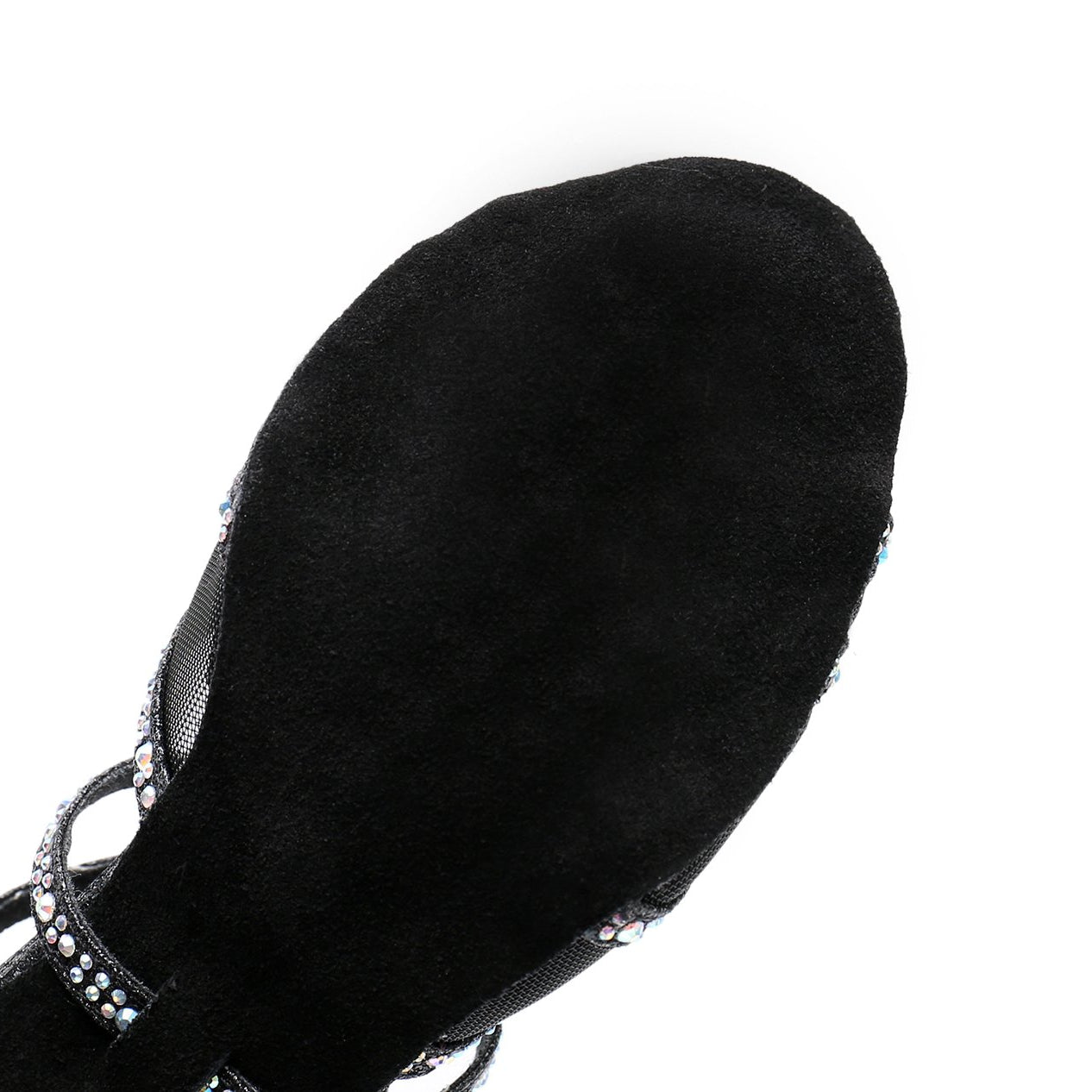
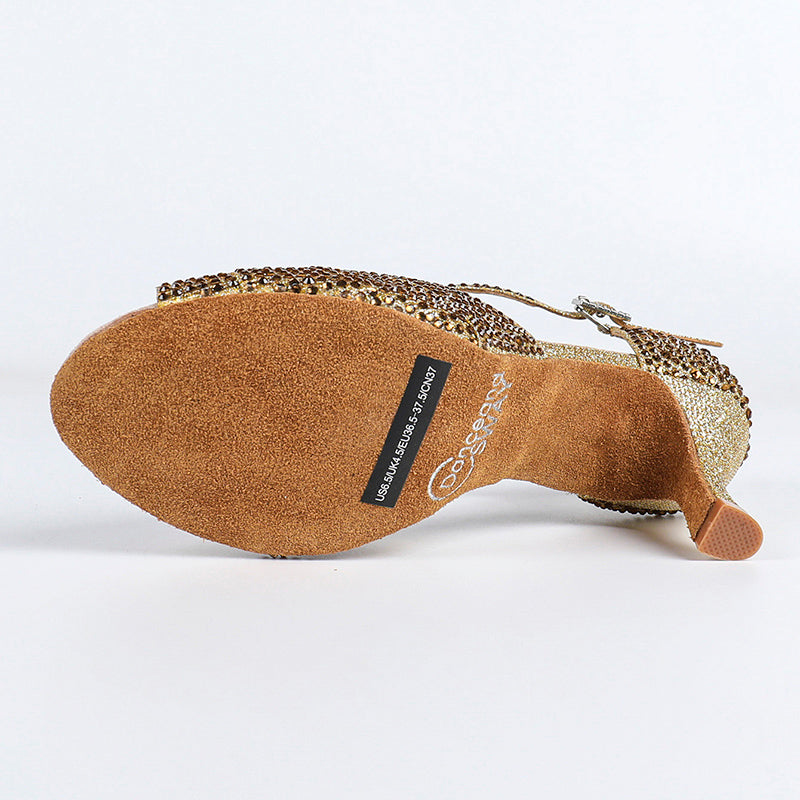
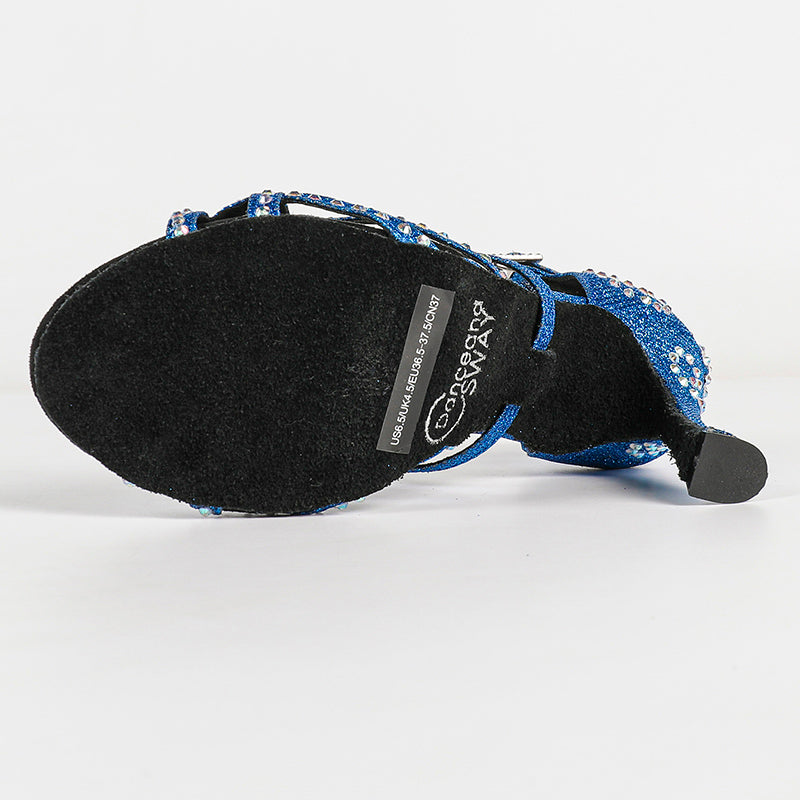
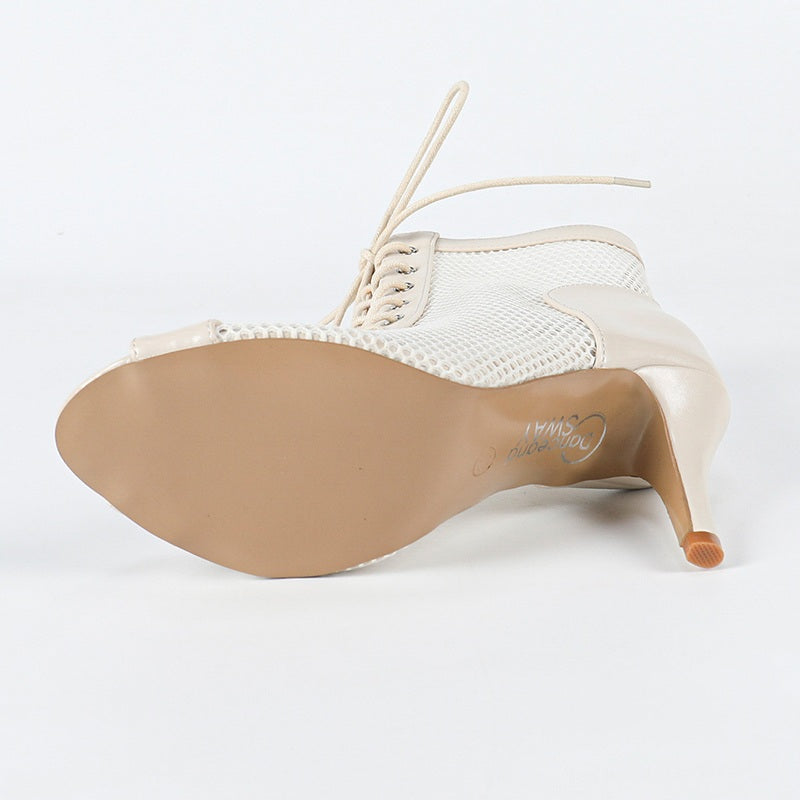
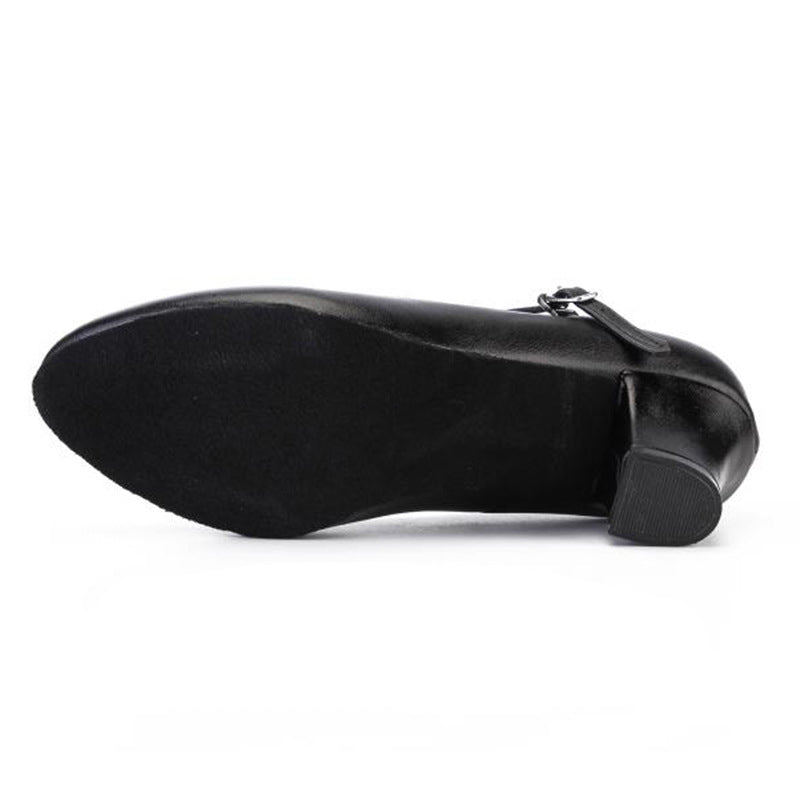
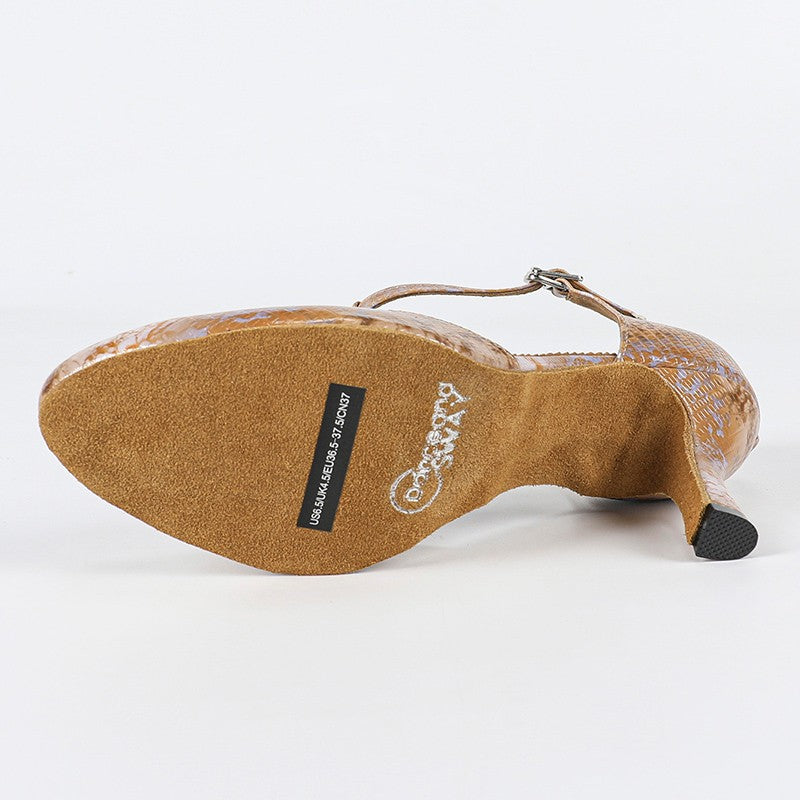
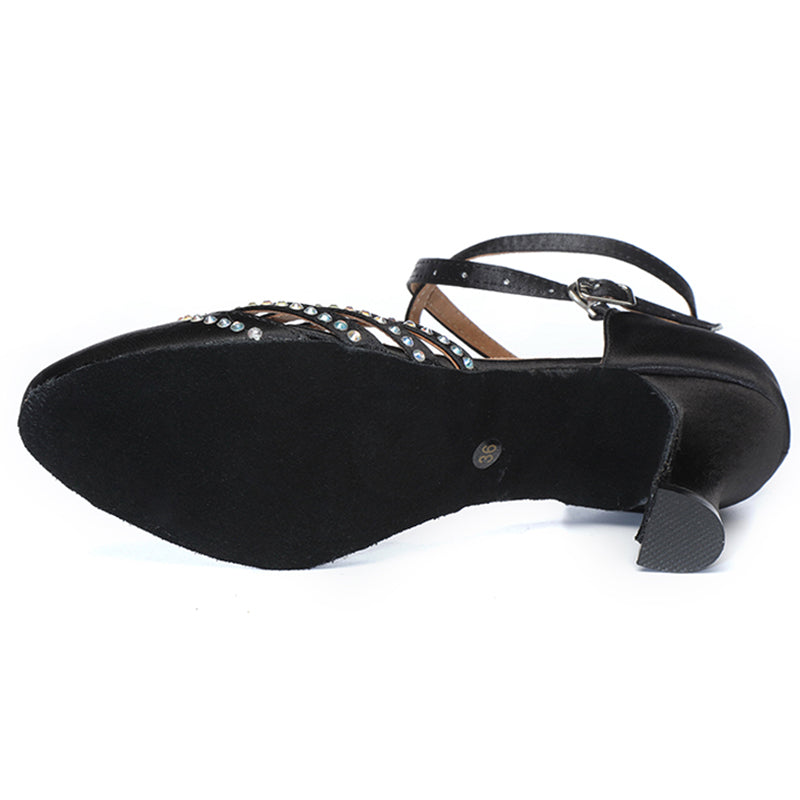
Many traditional ballroom shoes have suede soles, which allow dancers to glide, pivot, and turn smoothly on suitable indoor dance floors.
Key Features of Ballroom Dance Shoes
Closed-Toe Design: Most traditional women's Standard ballroom shoes have a closed toe, offering a classic and elegant look.
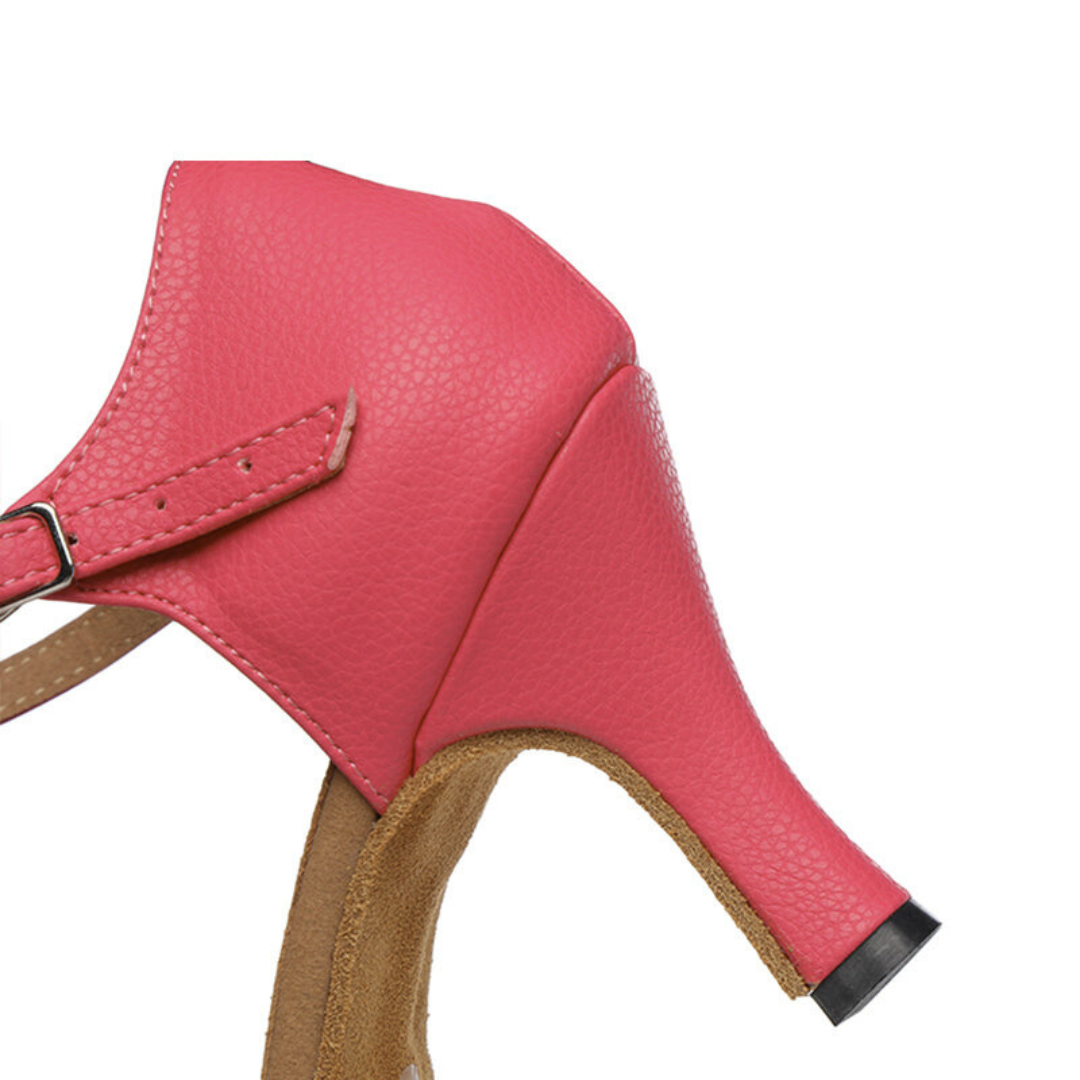
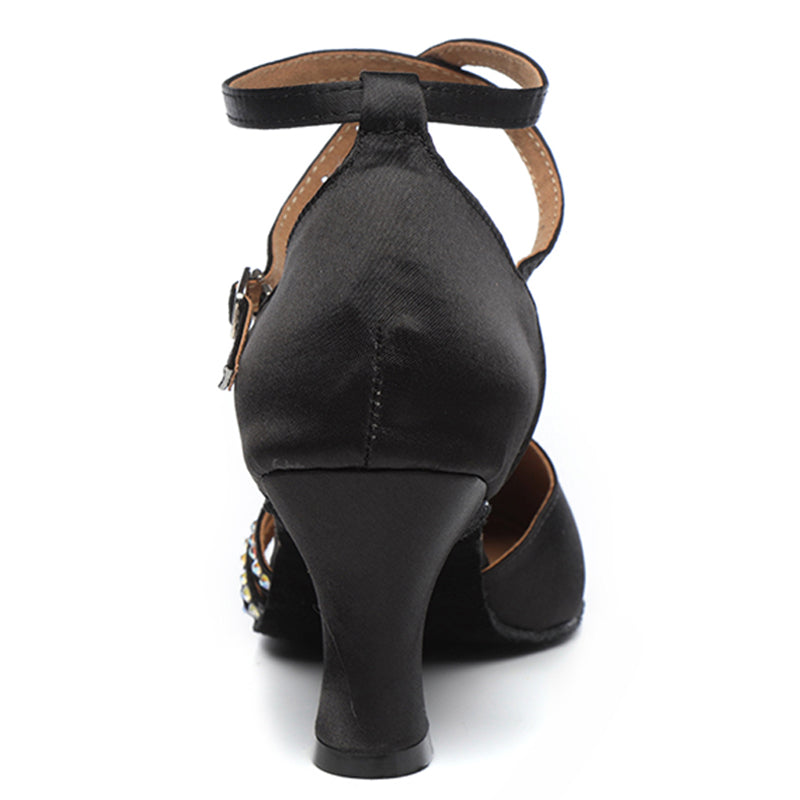
Supportive Heels: Ballroom heels are designed to provide balance during smooth traveling movements. Heel heights and shapes vary by style and dancer preference.
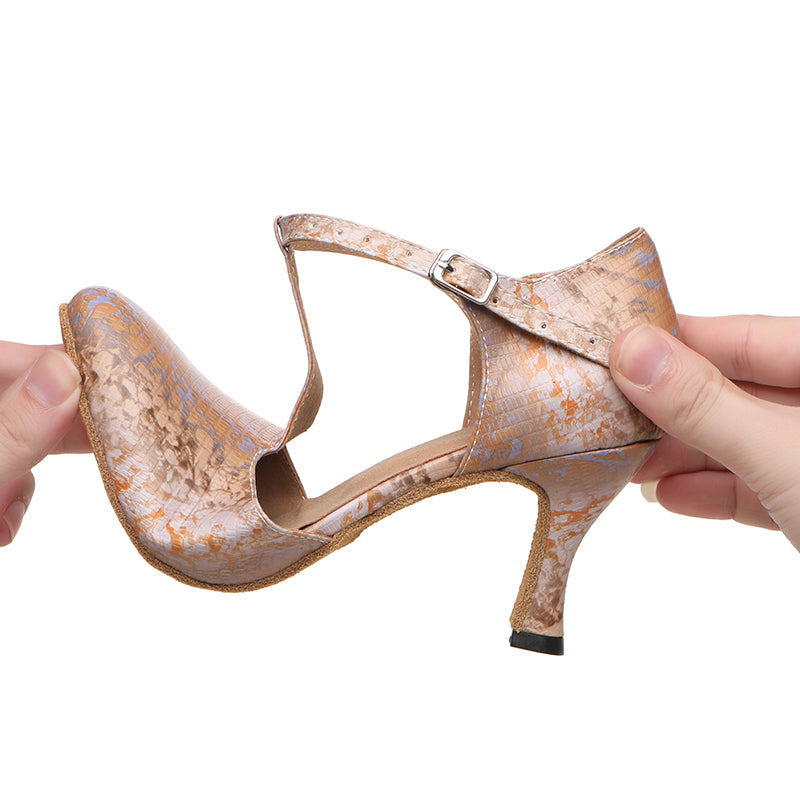
Flexible Soles: Quality ballroom dancing shoes allow the foot to move naturally through steps, turns, and weight transfers.
Elegant Materials: Satin, leather, suede, and other materials are commonly used to create sophisticated ballroom footwear.
If you enjoy Waltz, Foxtrot, or Tango, choosing dedicated ballroom shoes can help you develop the appropriate footwork and movement technique.
Explore our Ballroom Dance Shoes Collection at Danceandsway to discover different styles, colors, and heel options.
2. What Are Latin Dance Shoes?

Latin dance shoes are designed for dynamic movement, expressive footwork, and precise control.
They are commonly used for International Latin dances, including:
-
Cha Cha
-
Rumba
-
Samba
-
Jive
-
Paso Doble
Latin dance movements often involve quick directional changes, strong foot articulation, hip action, and controlled weight transfers.
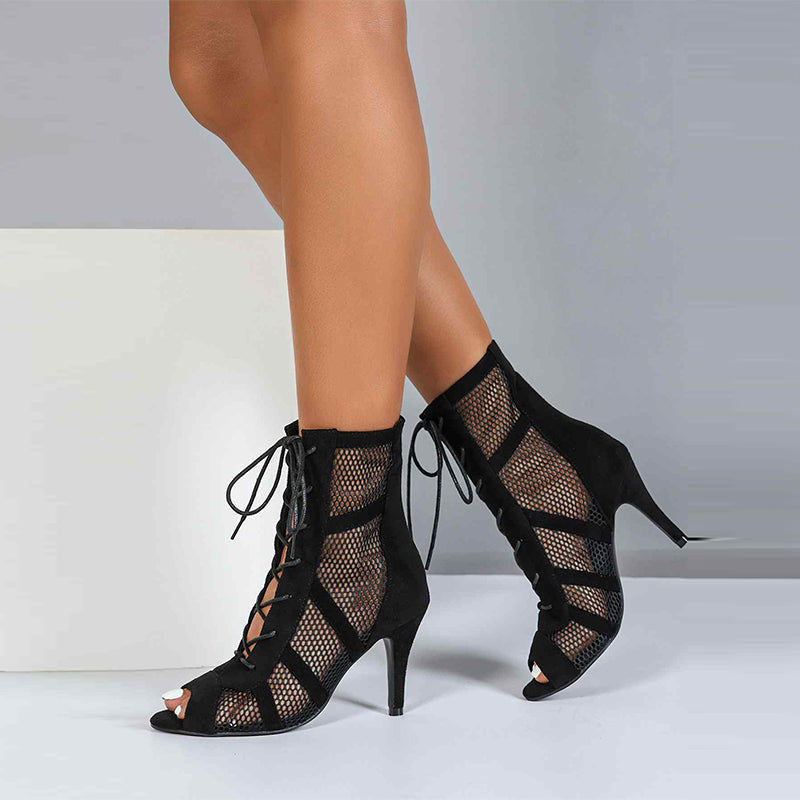
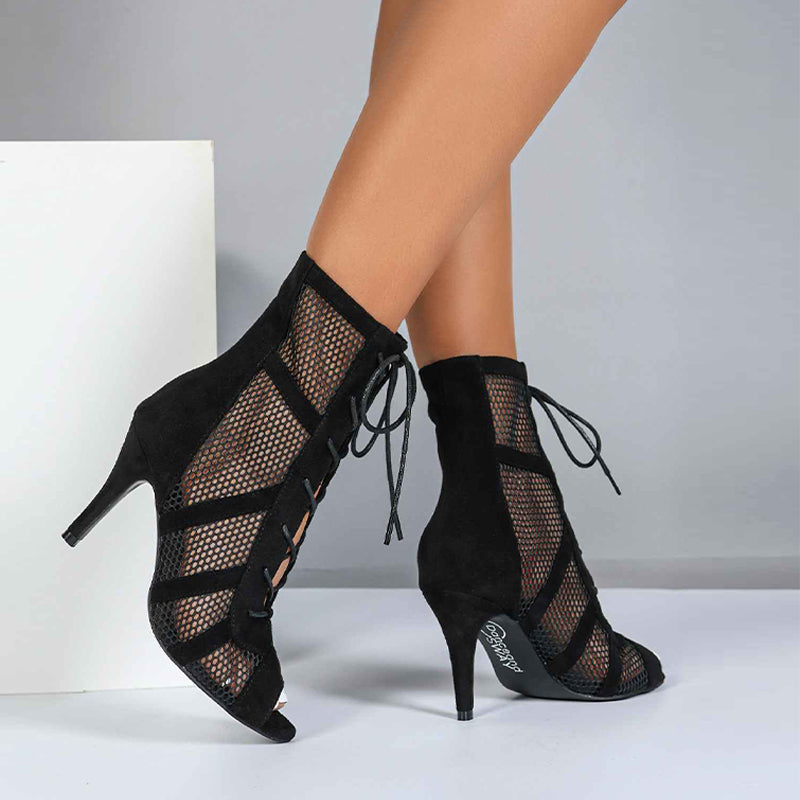
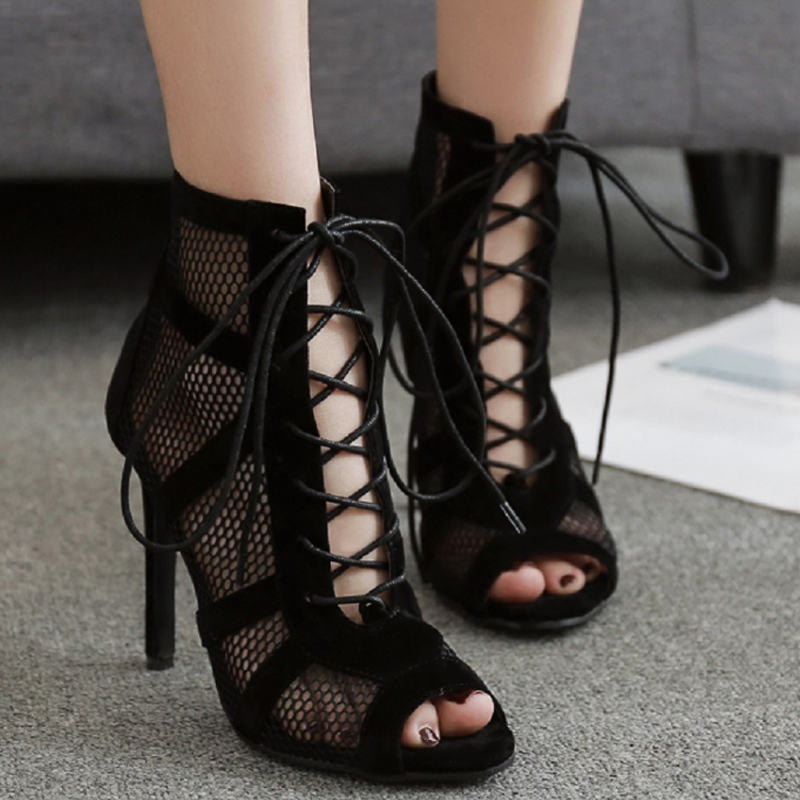
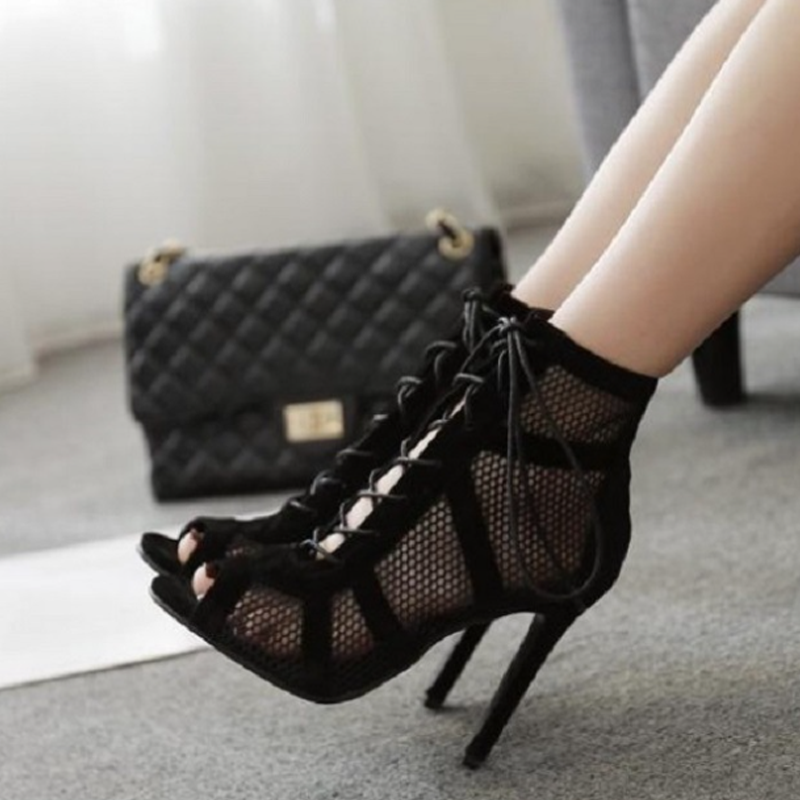
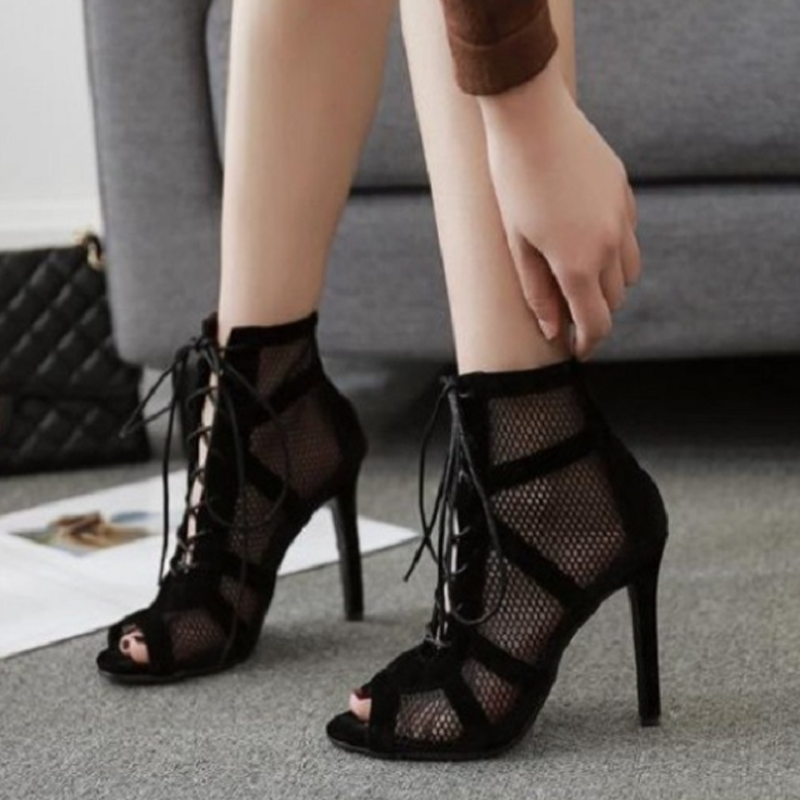
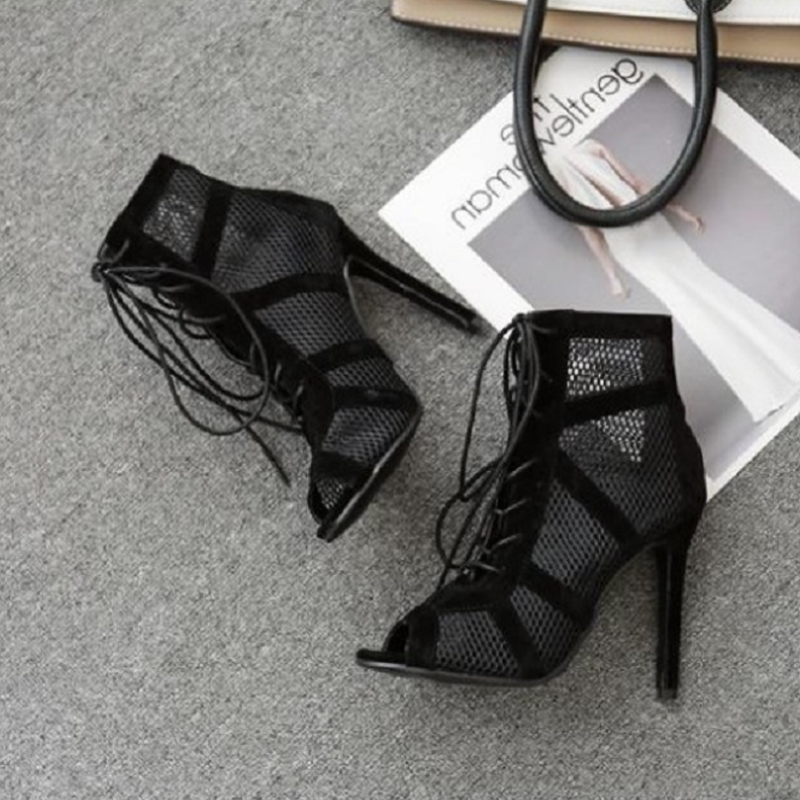
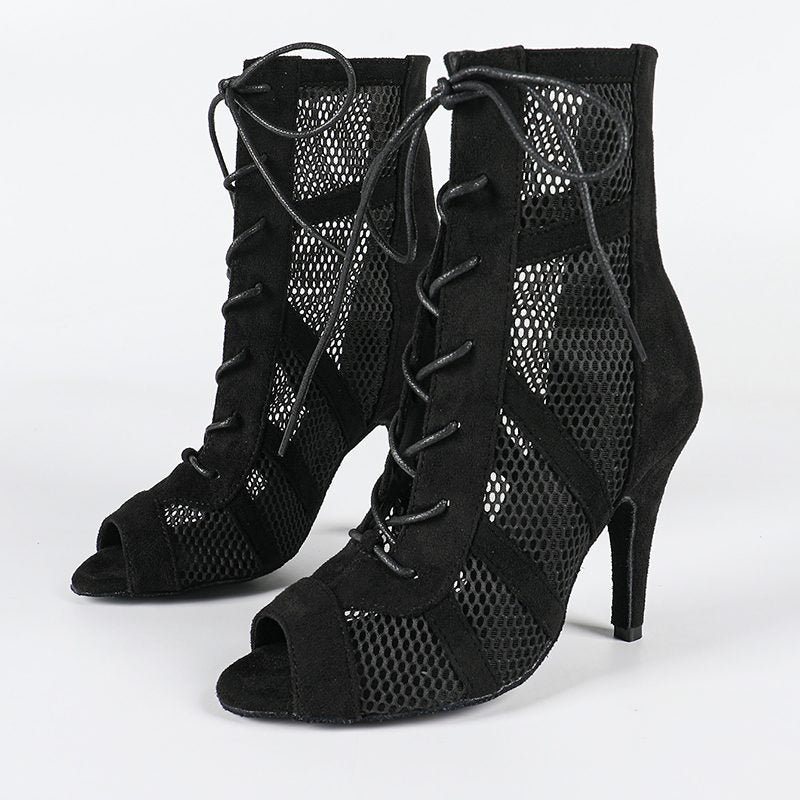
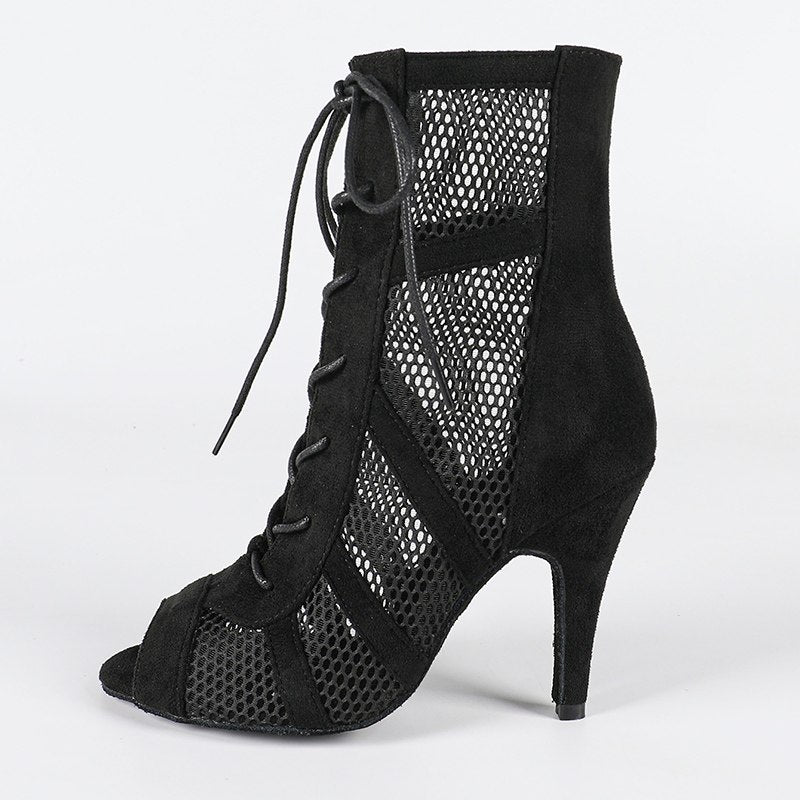
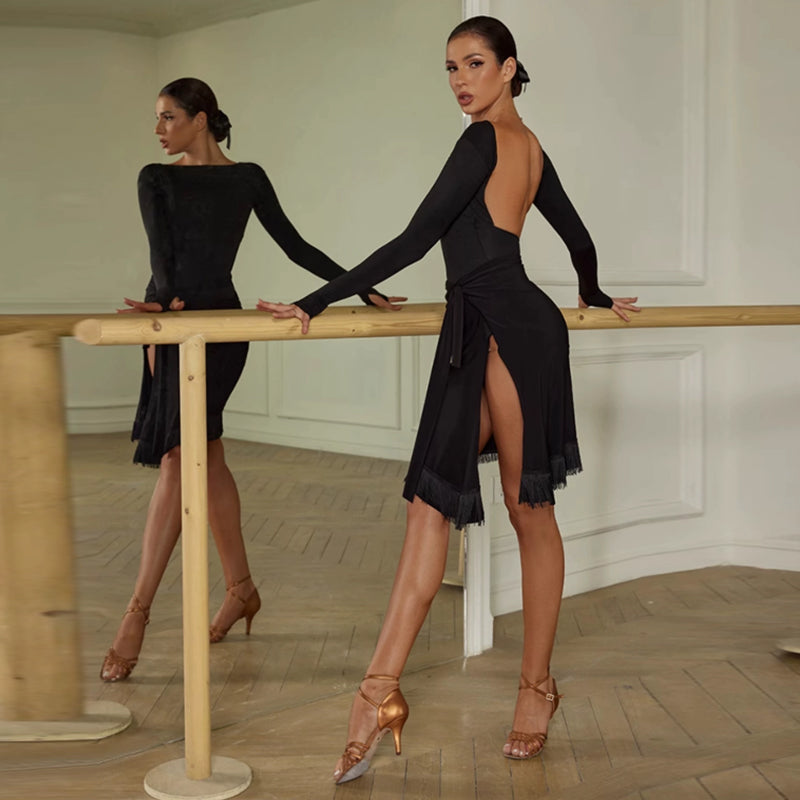
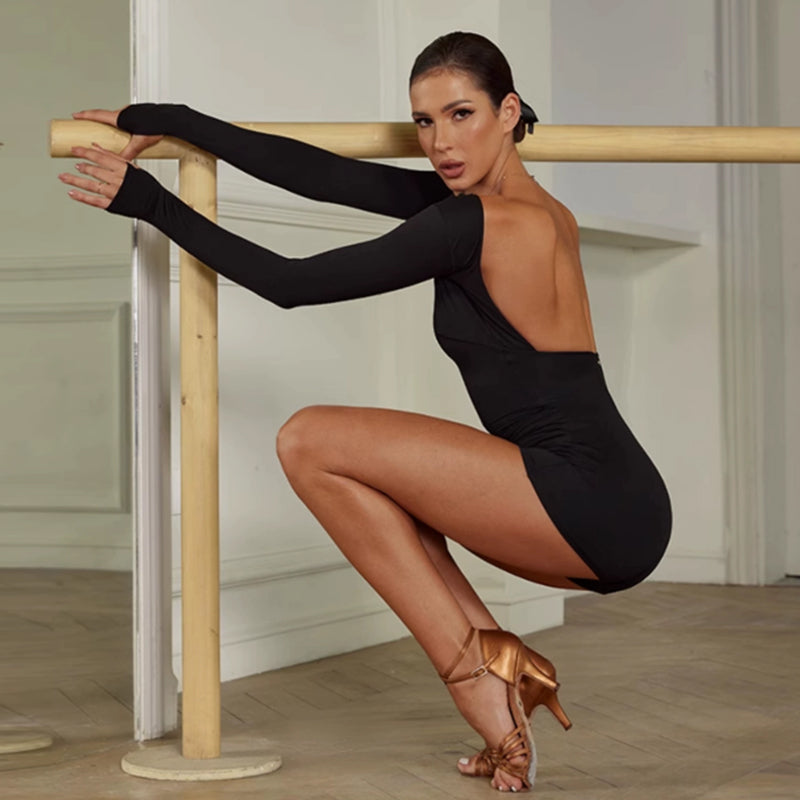
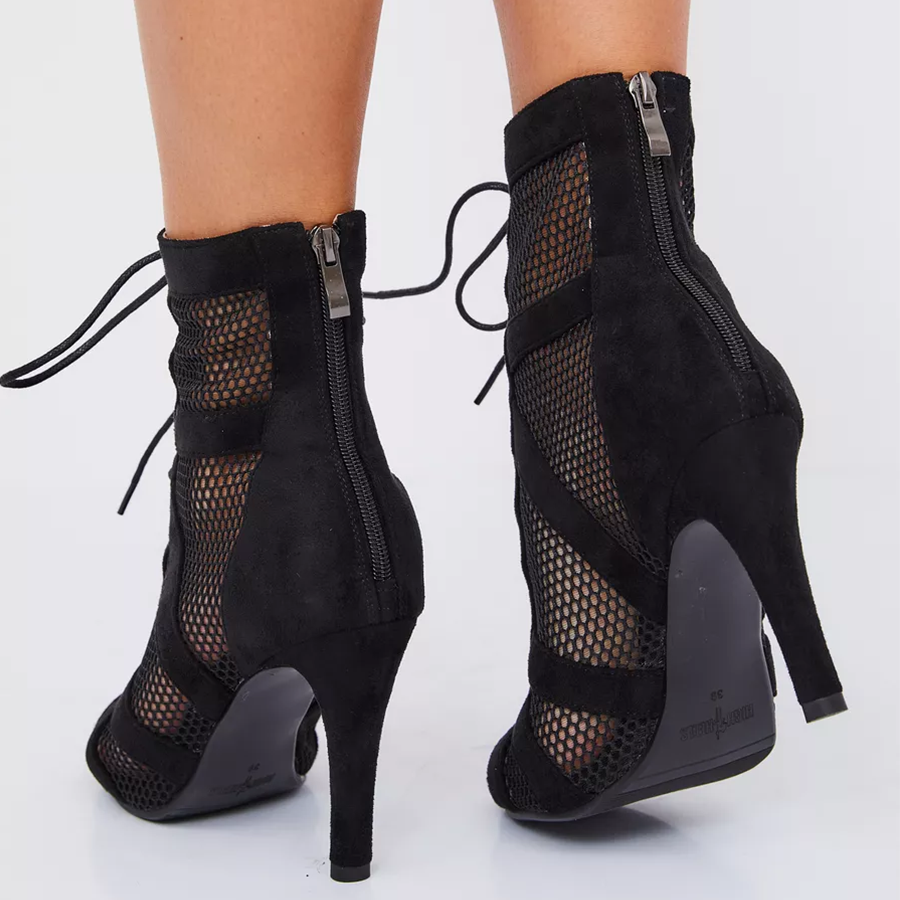
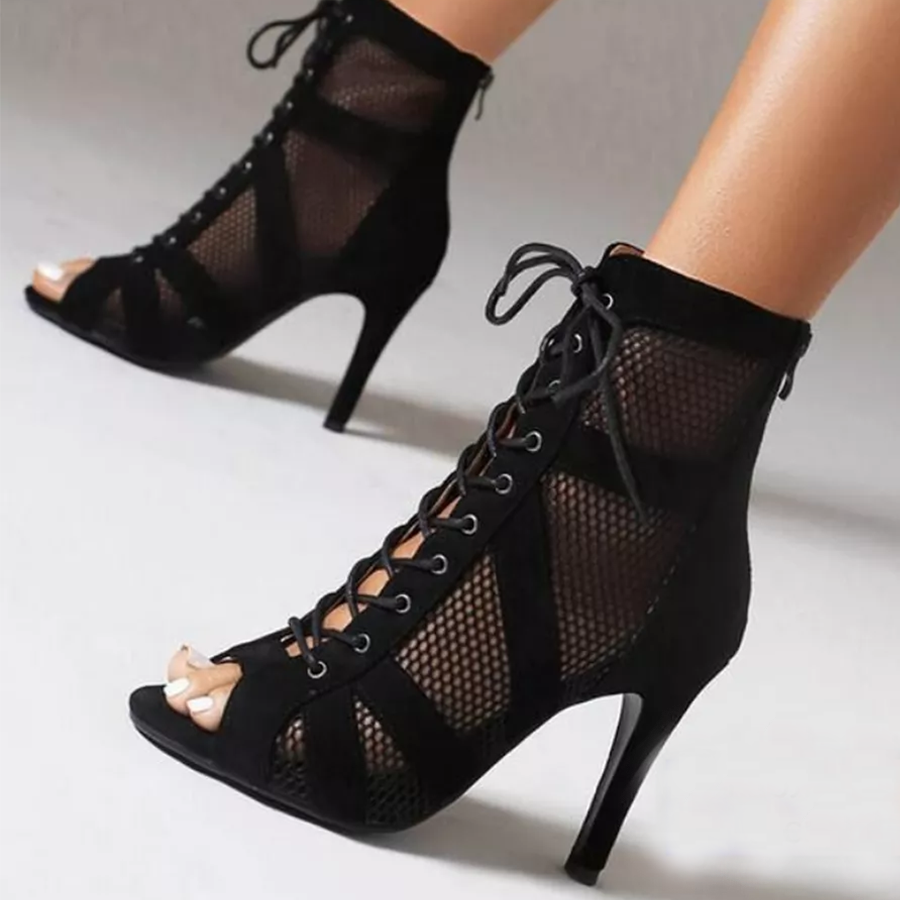
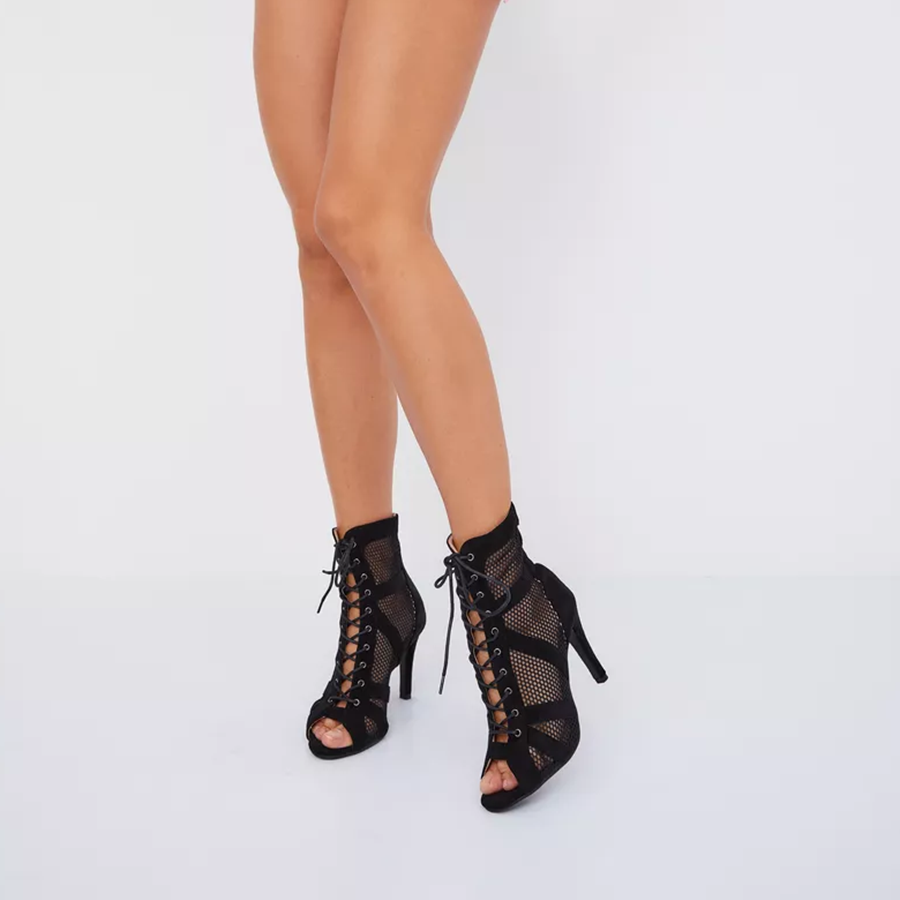
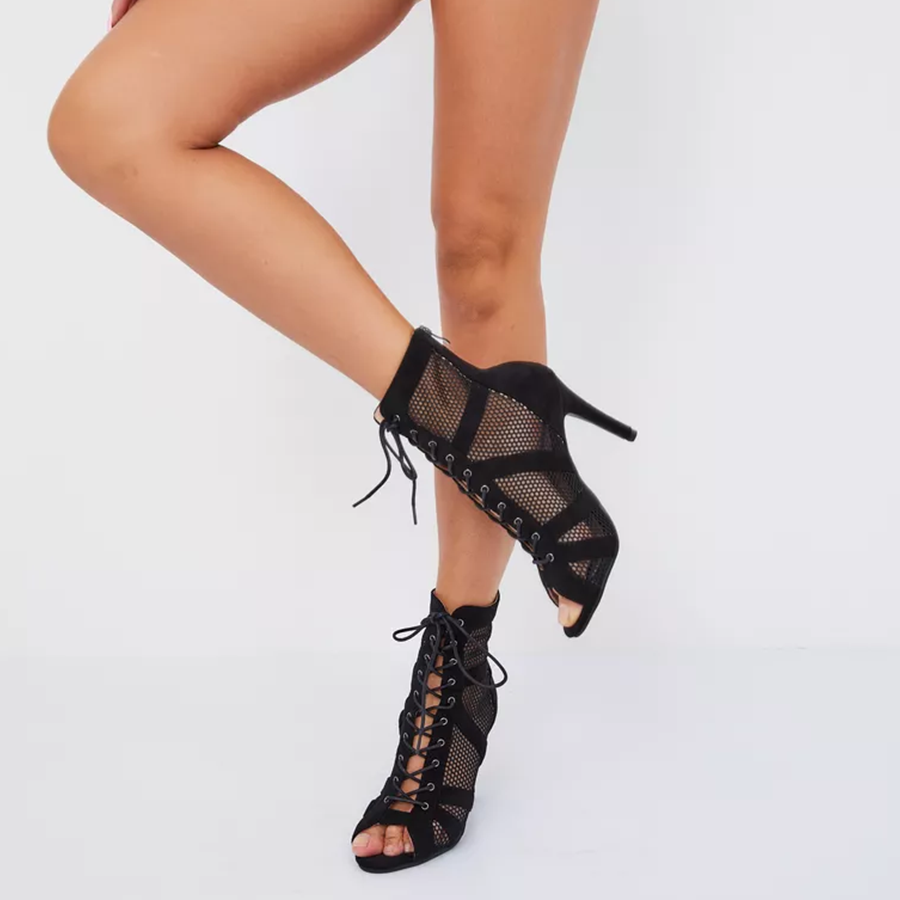
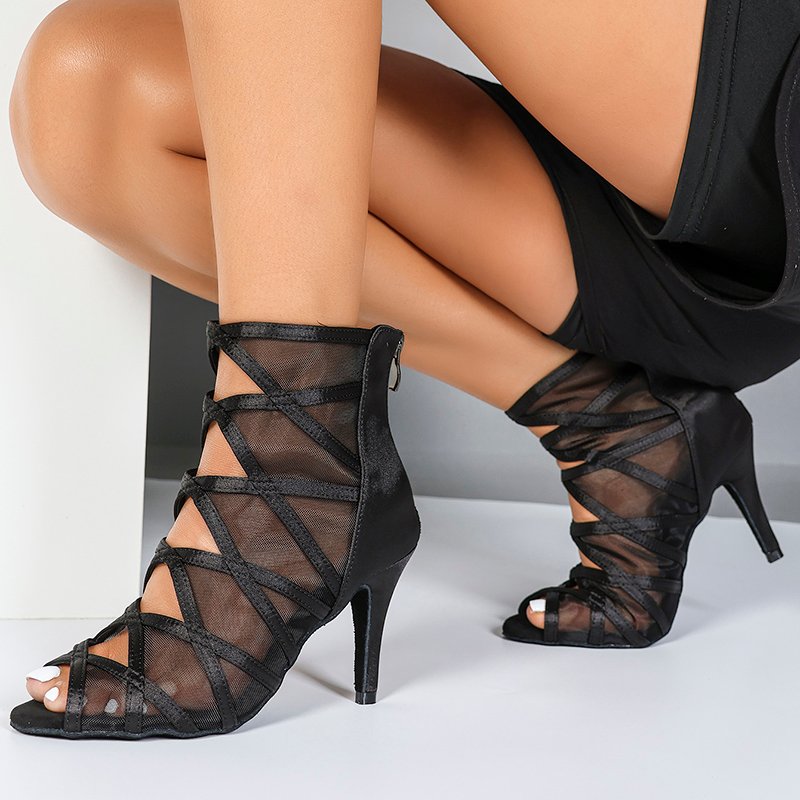
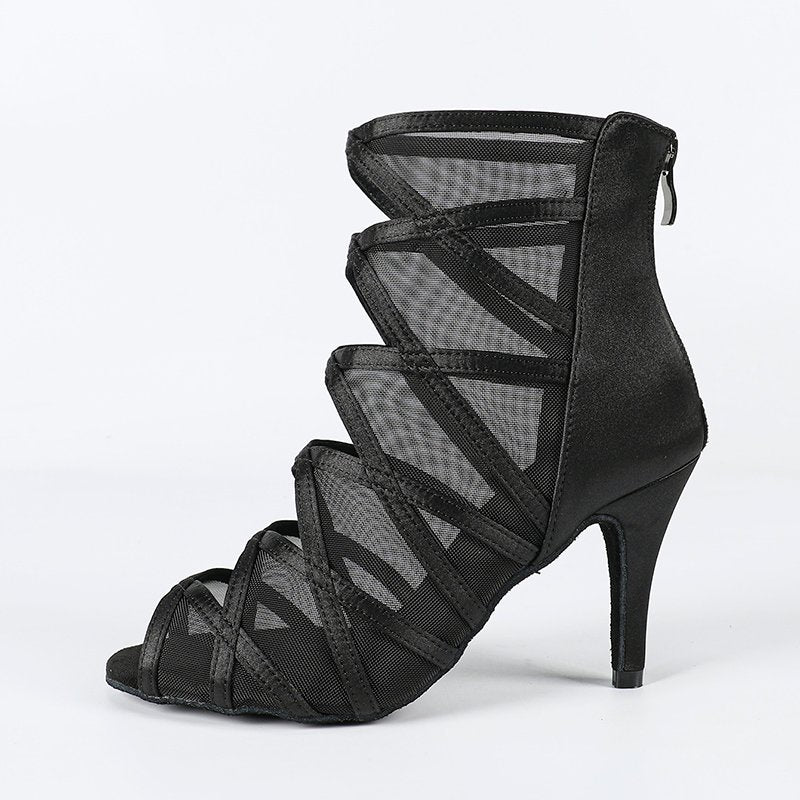
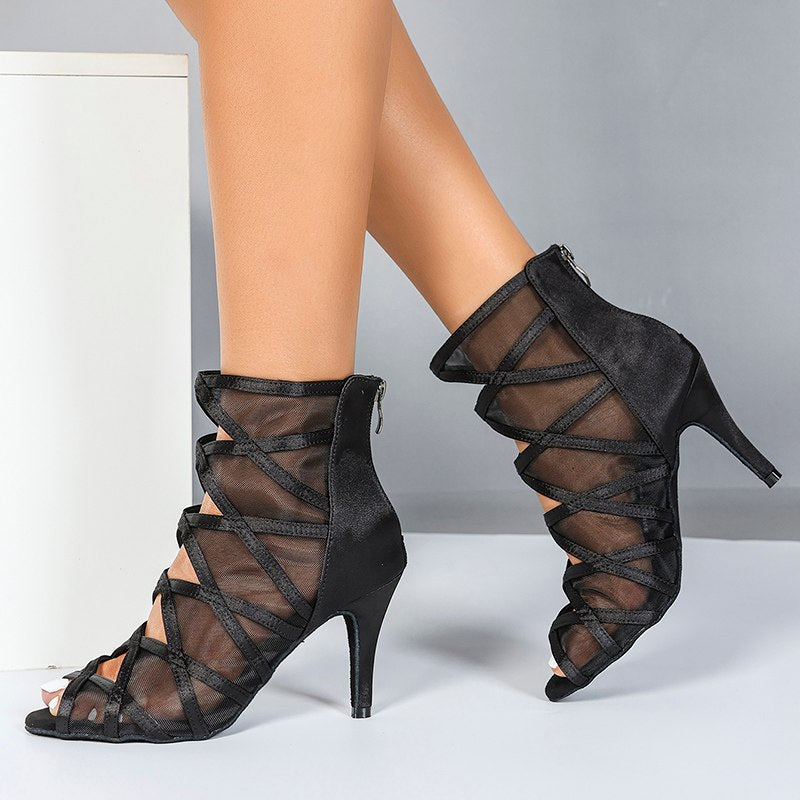
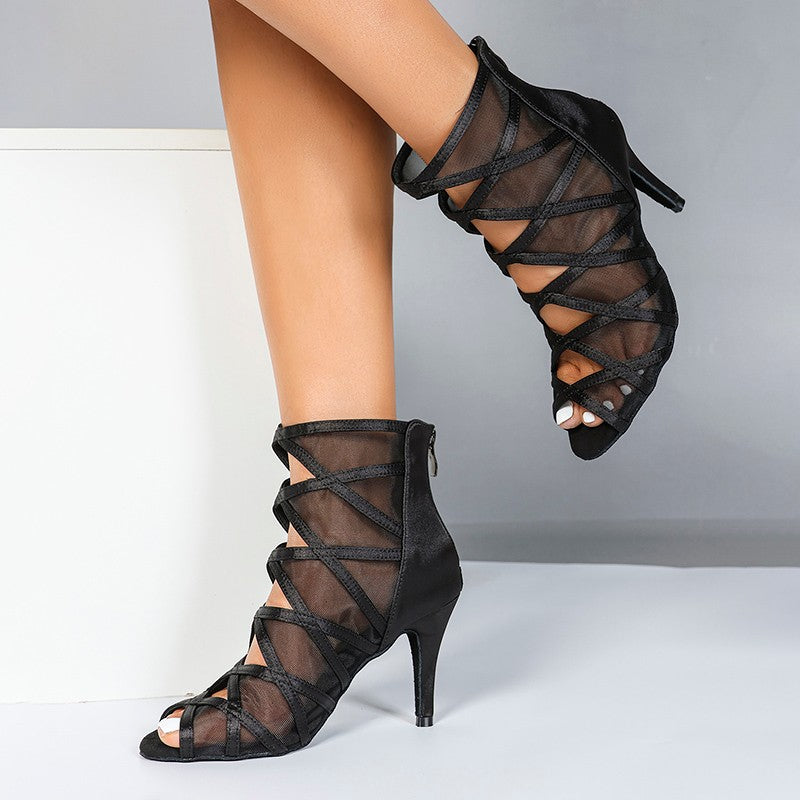
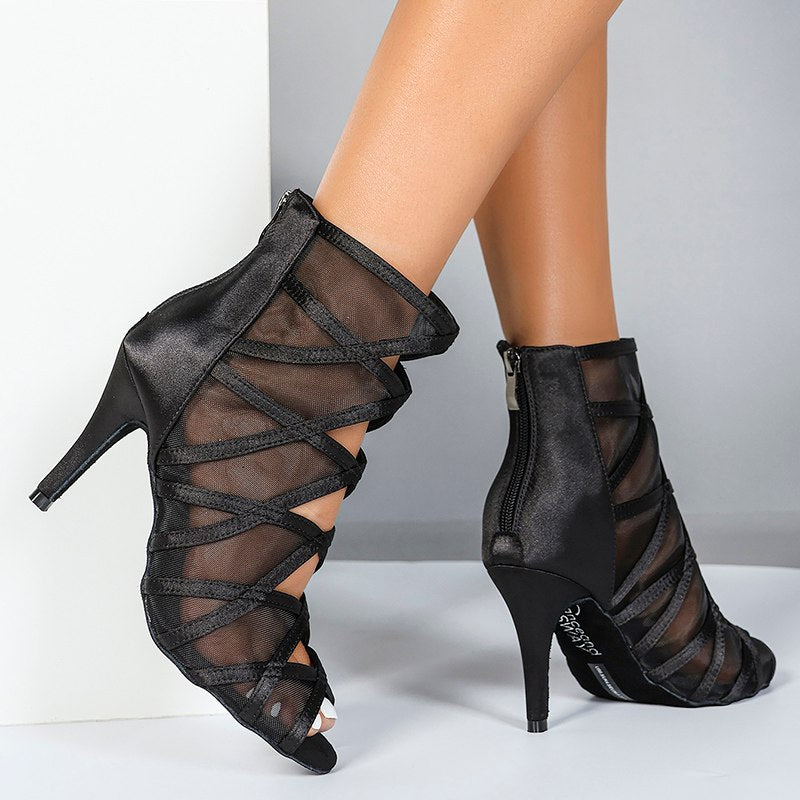
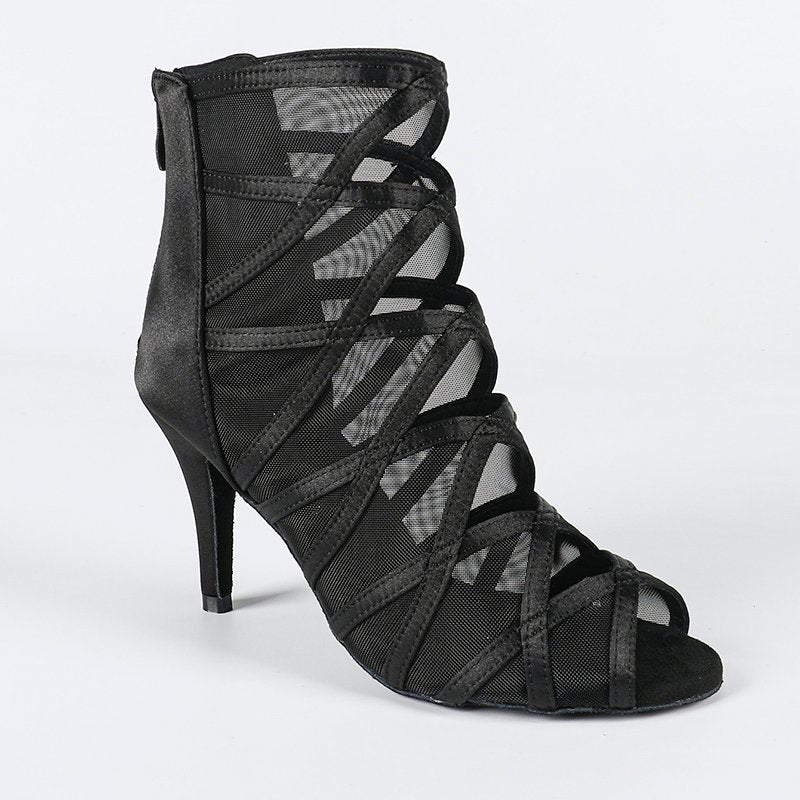
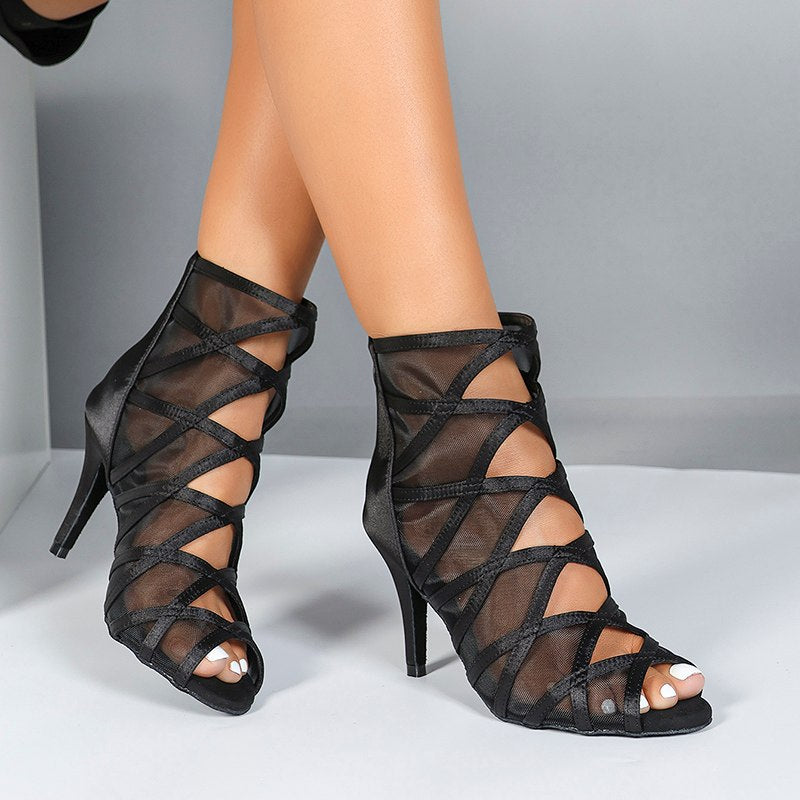
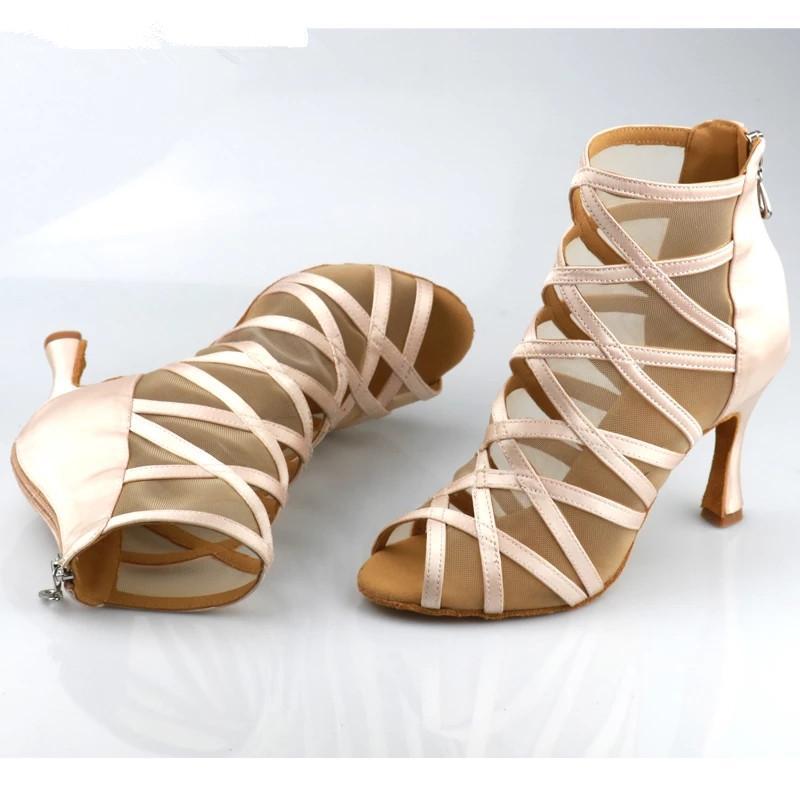
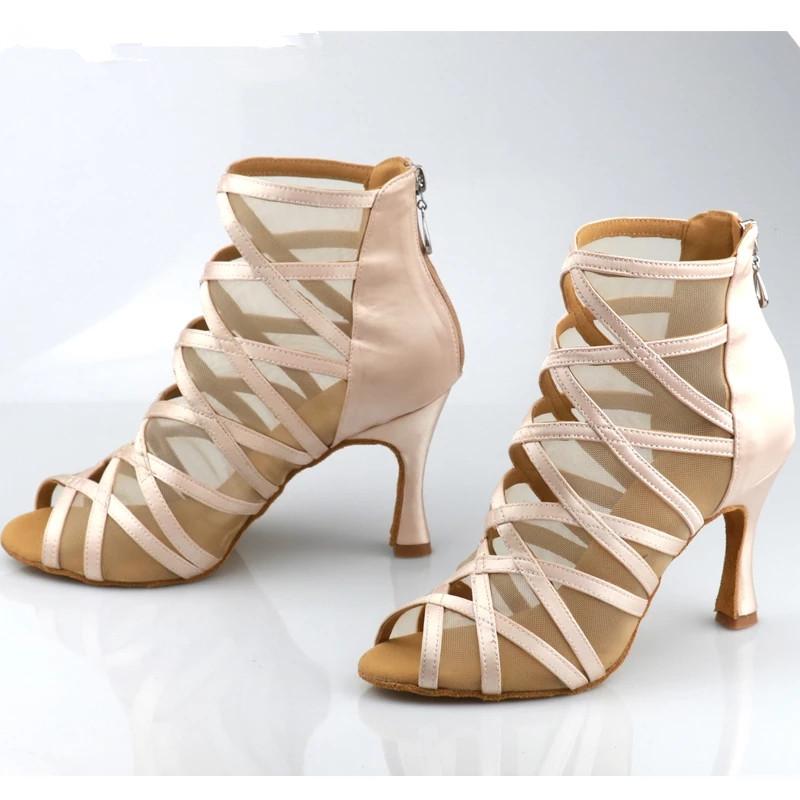
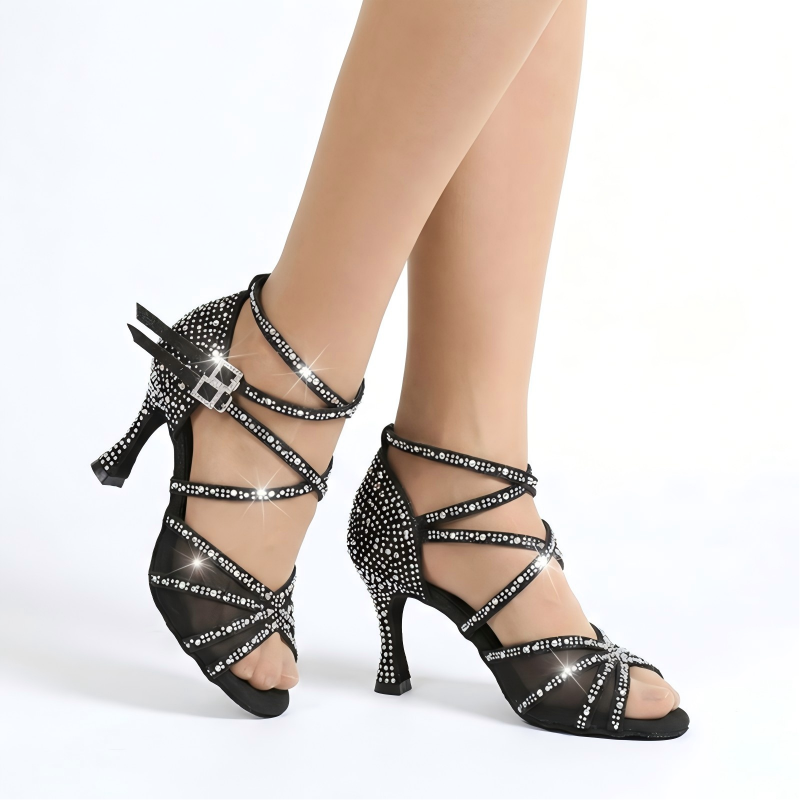
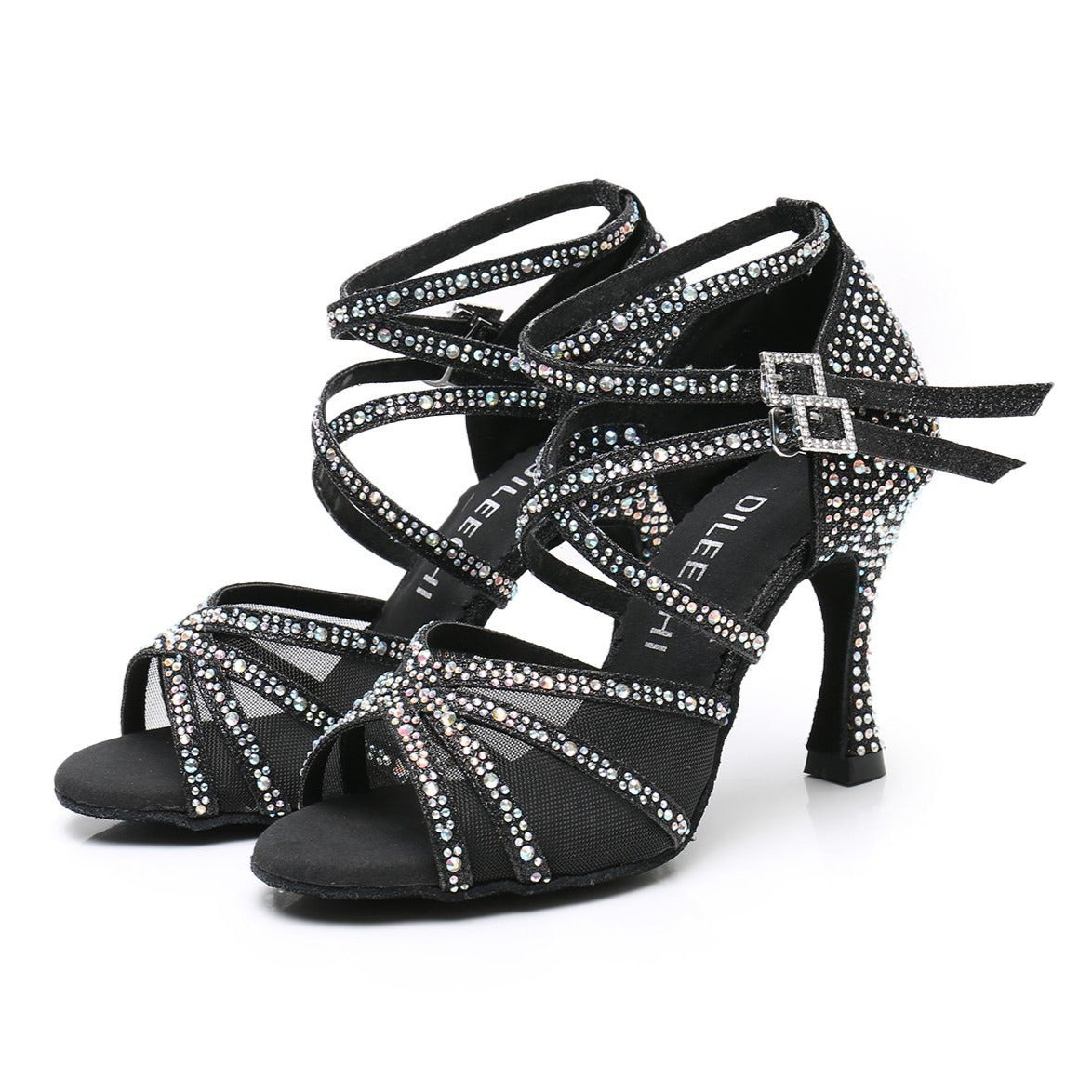
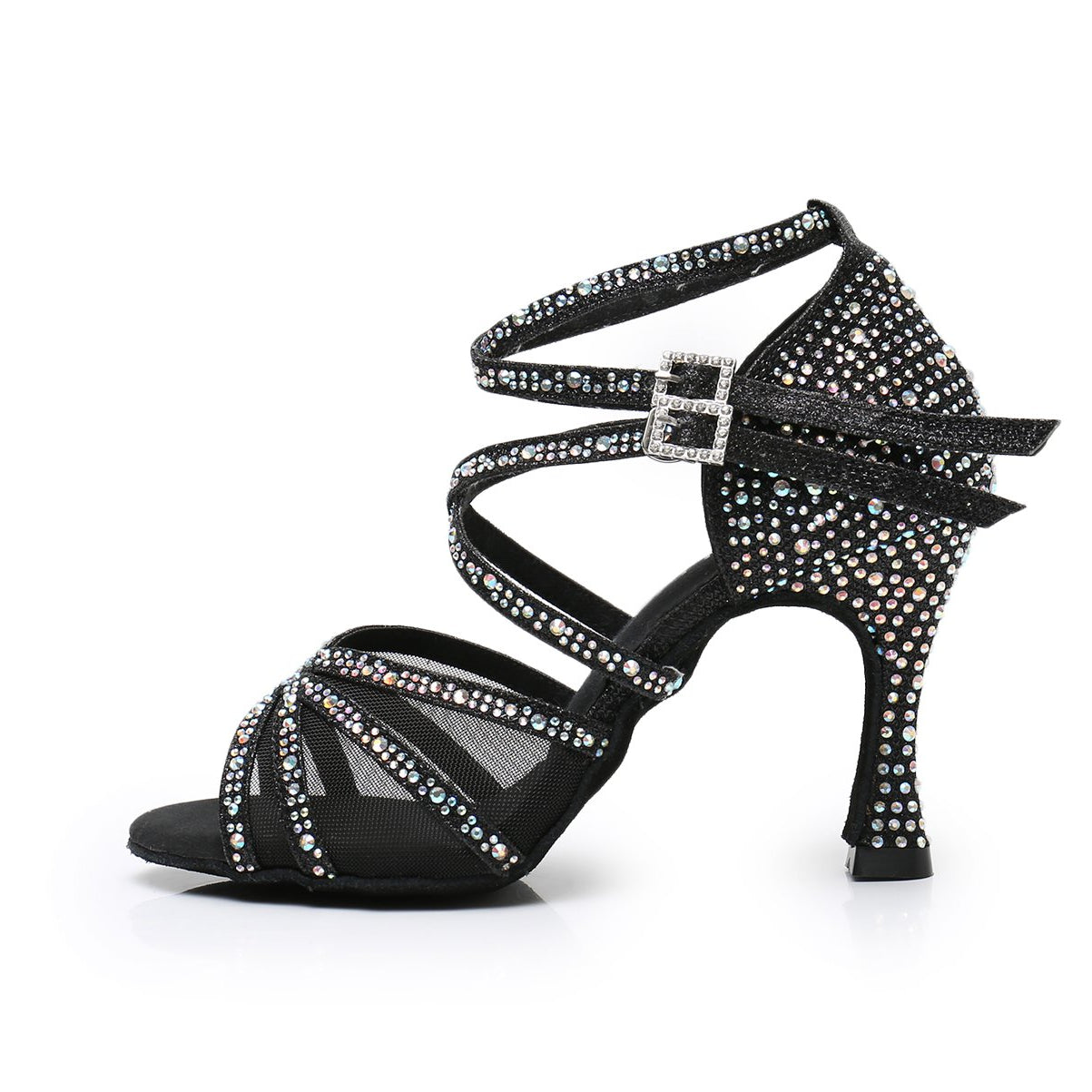
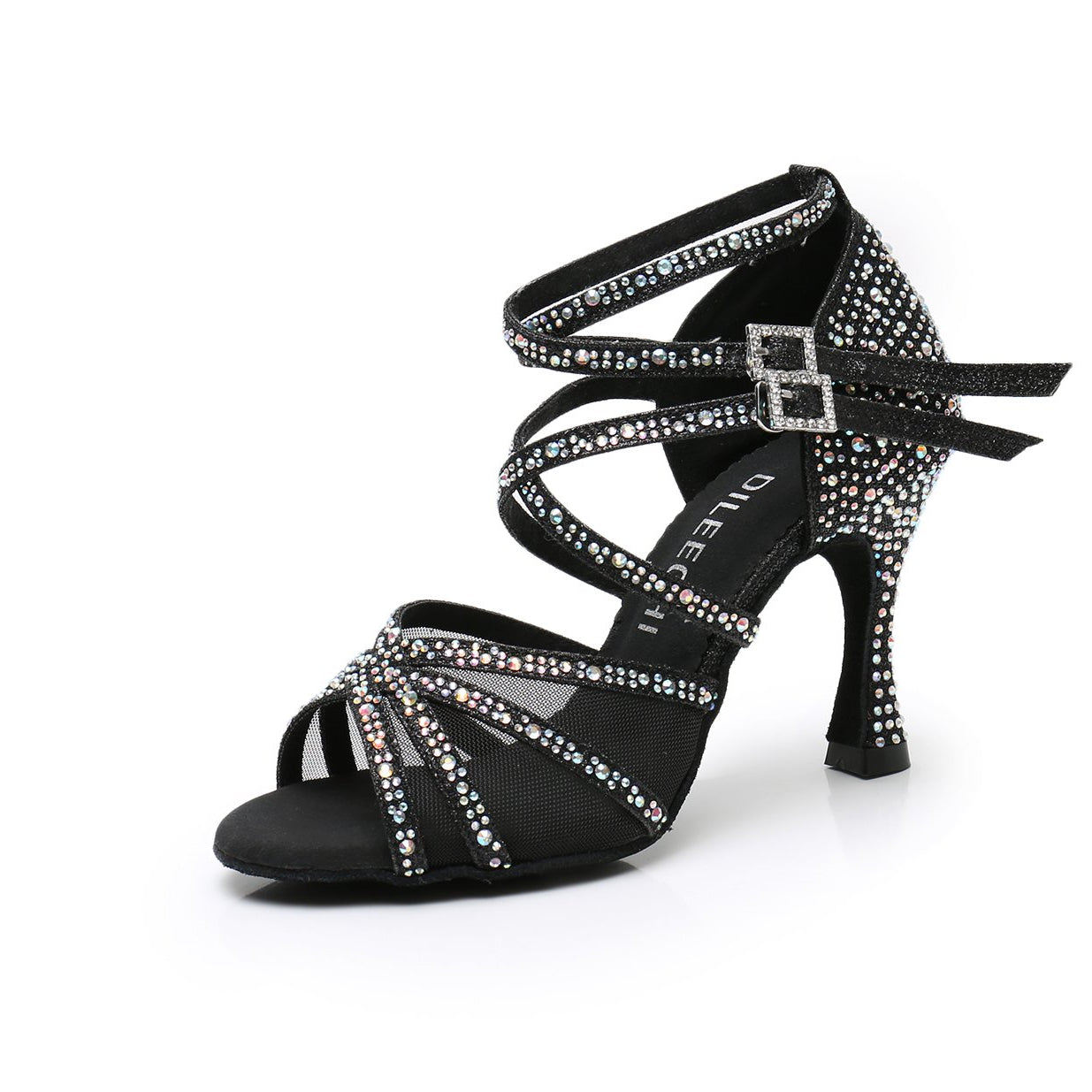
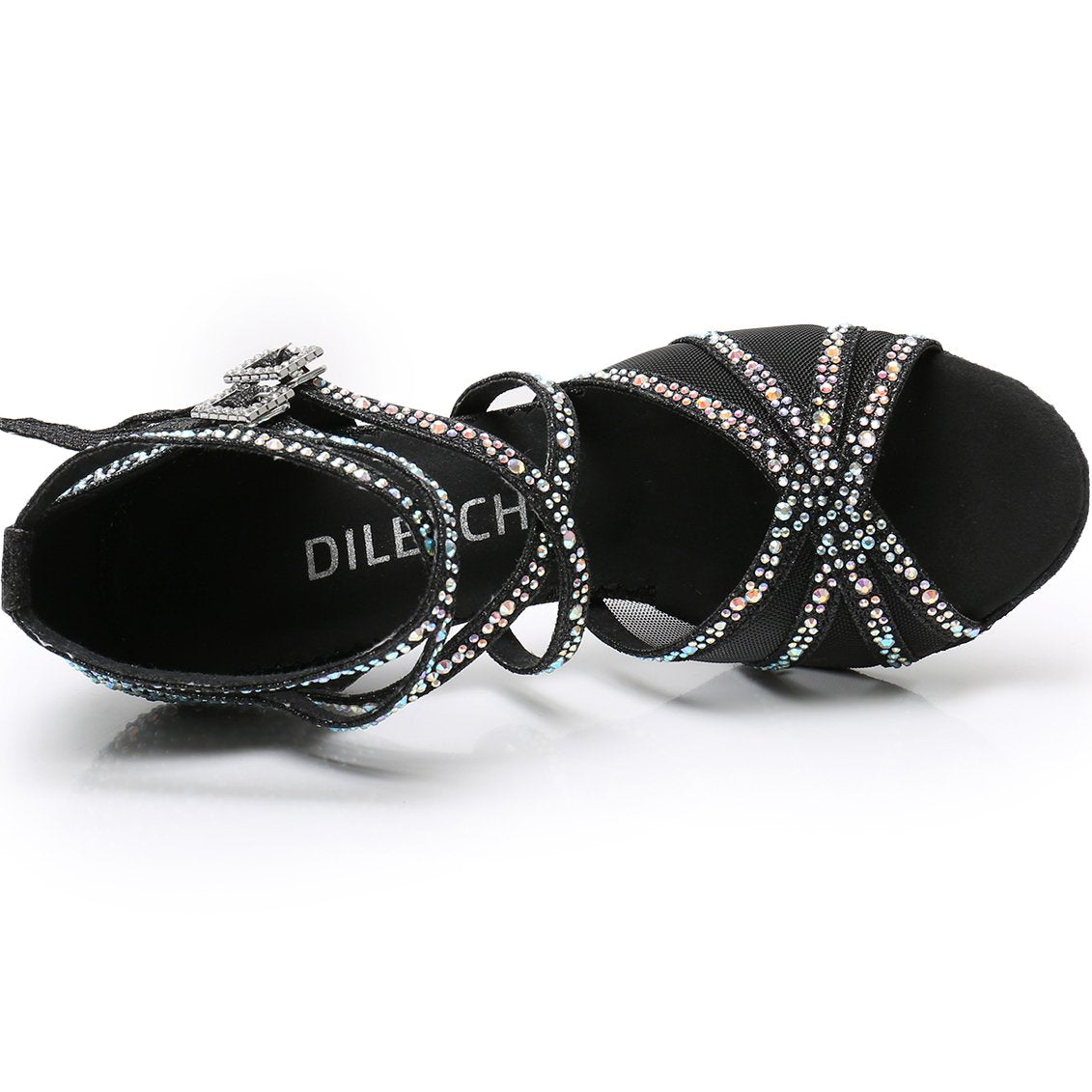
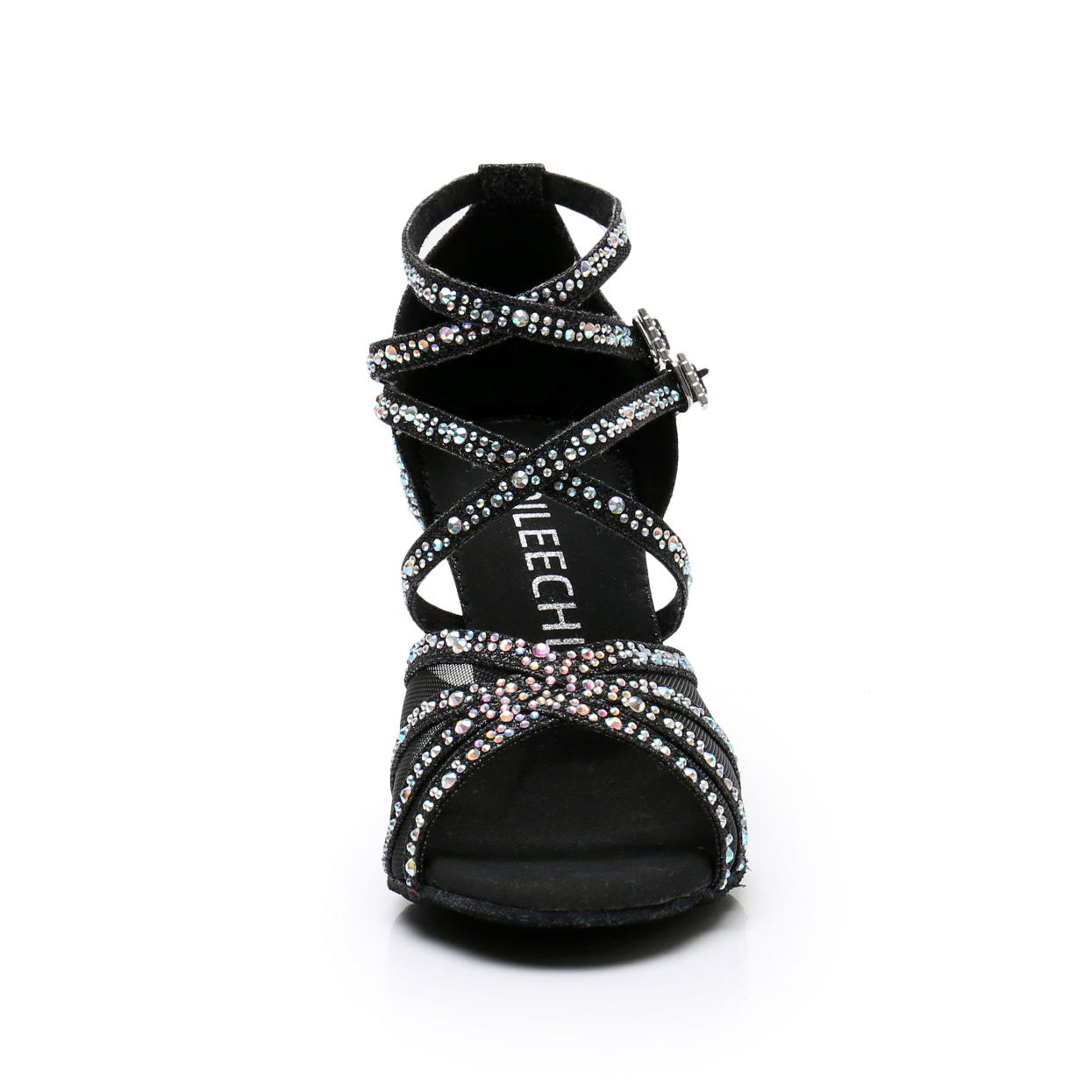
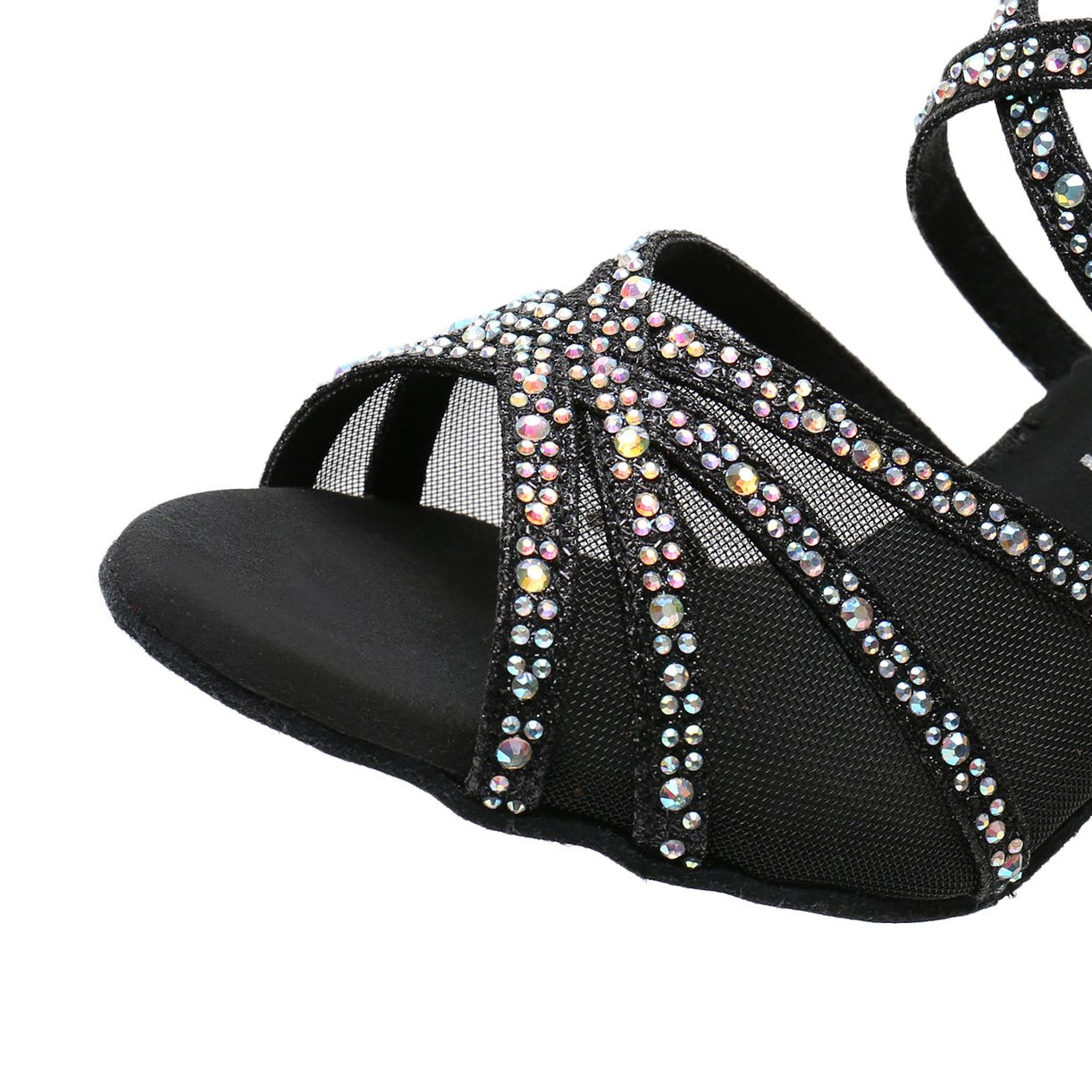
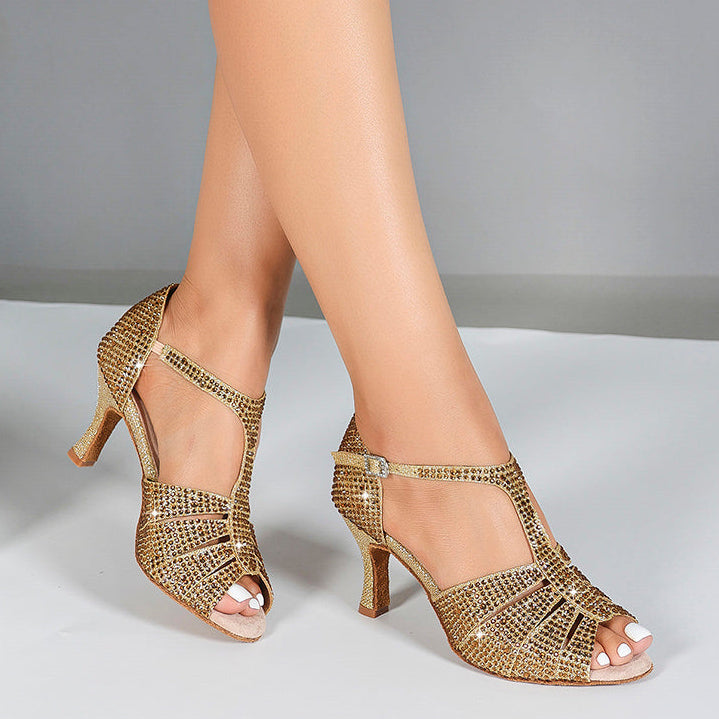
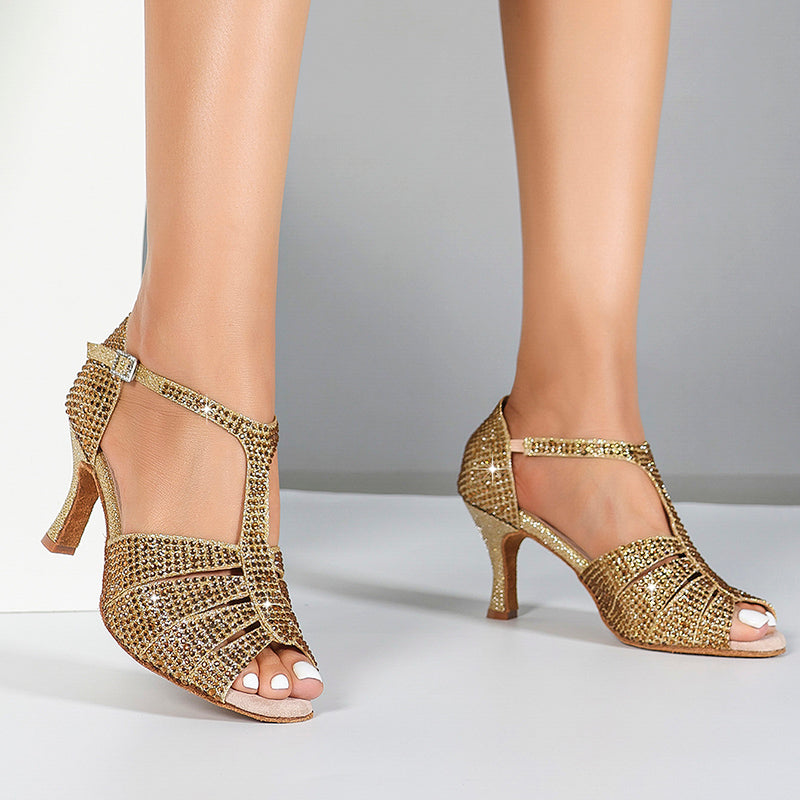
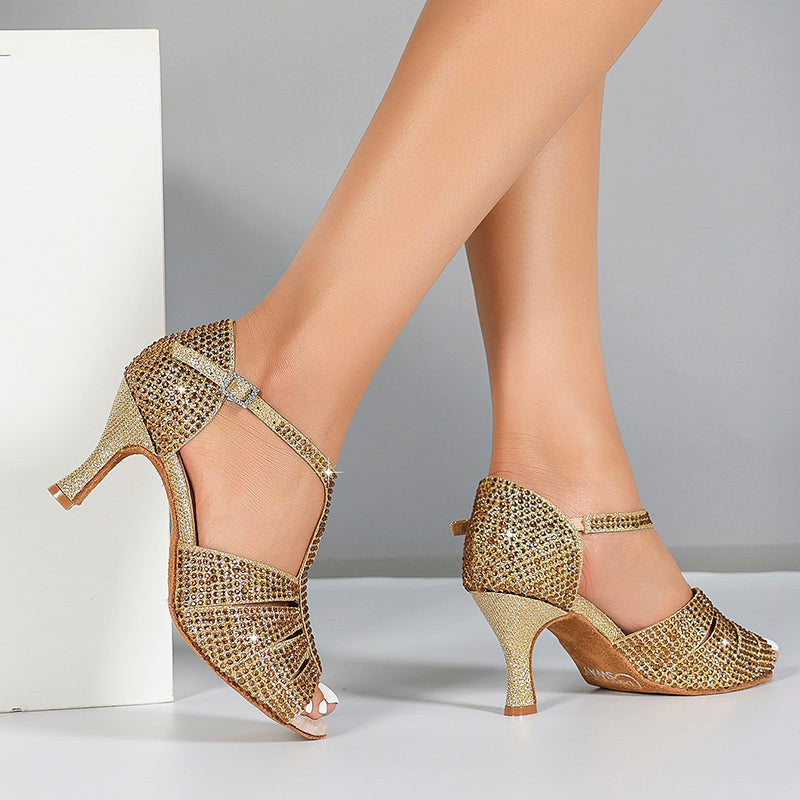
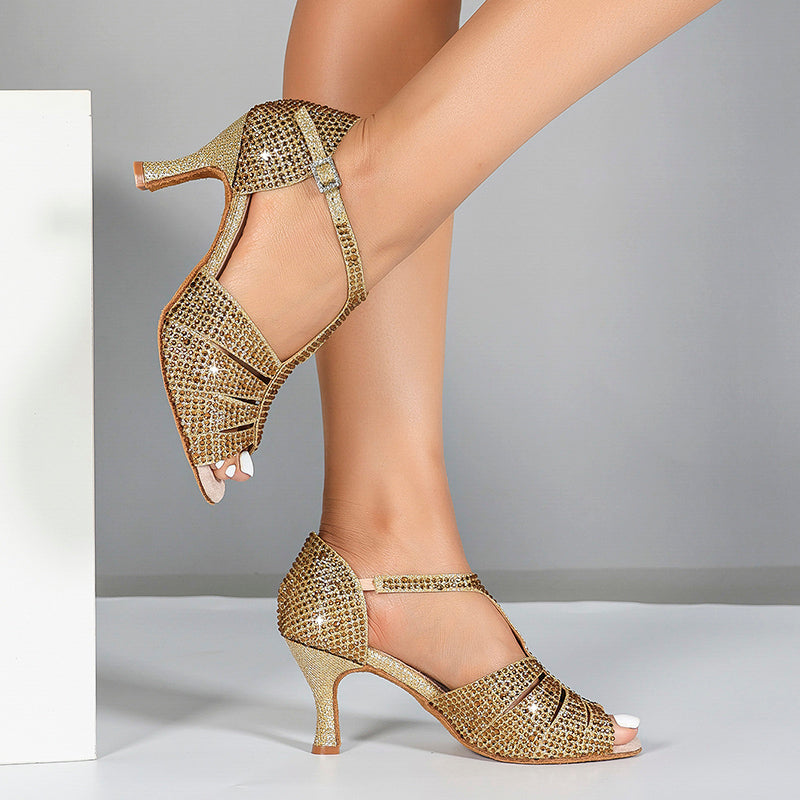
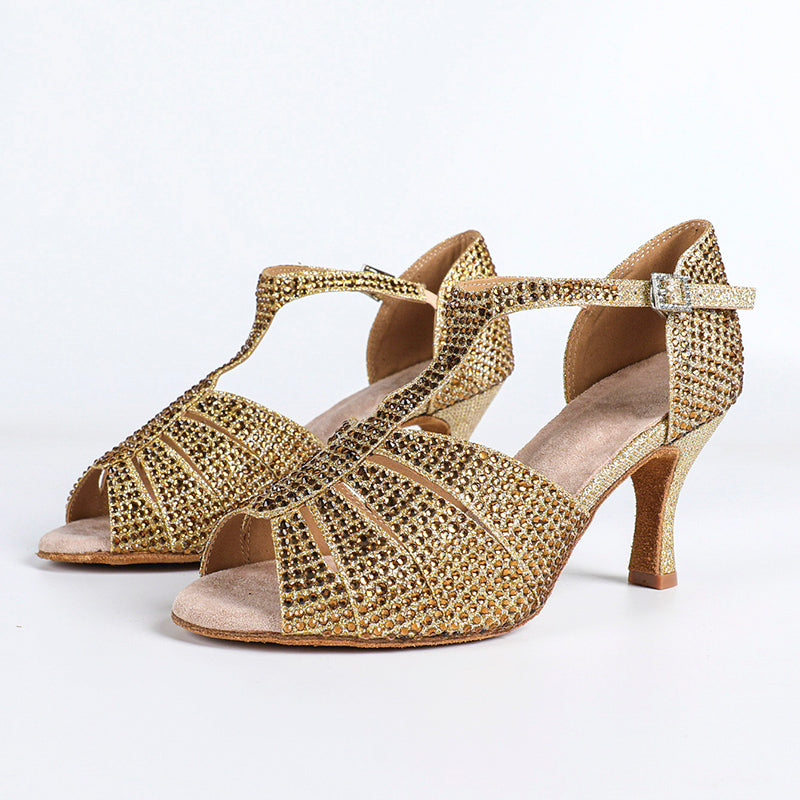
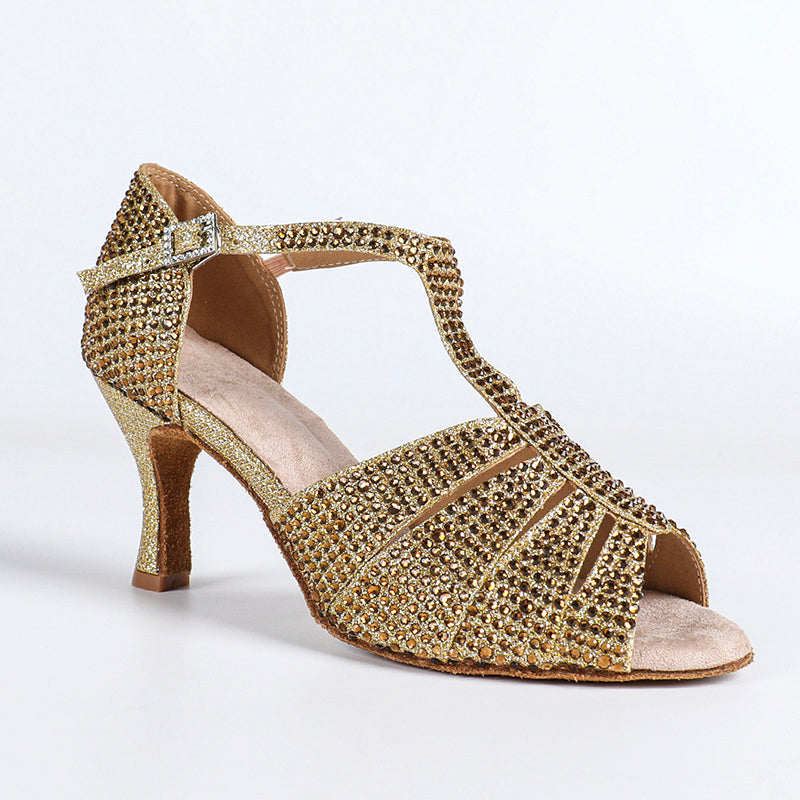
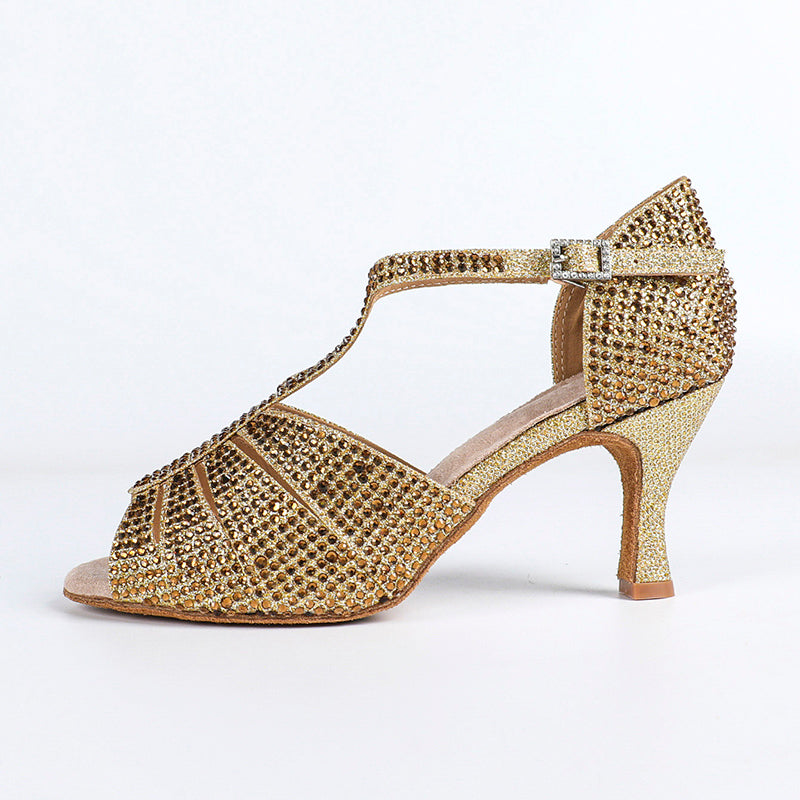
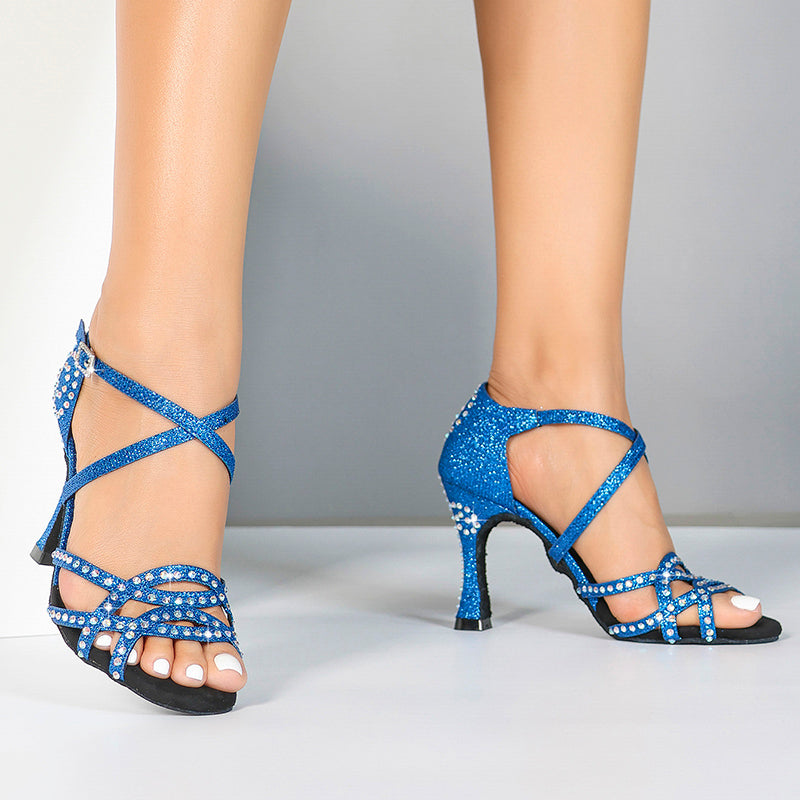
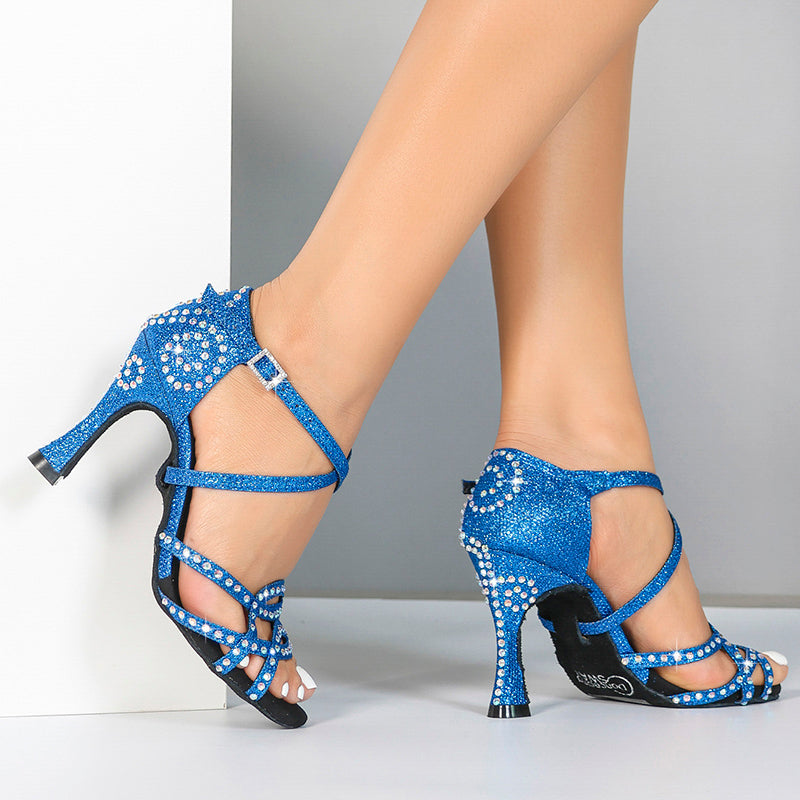
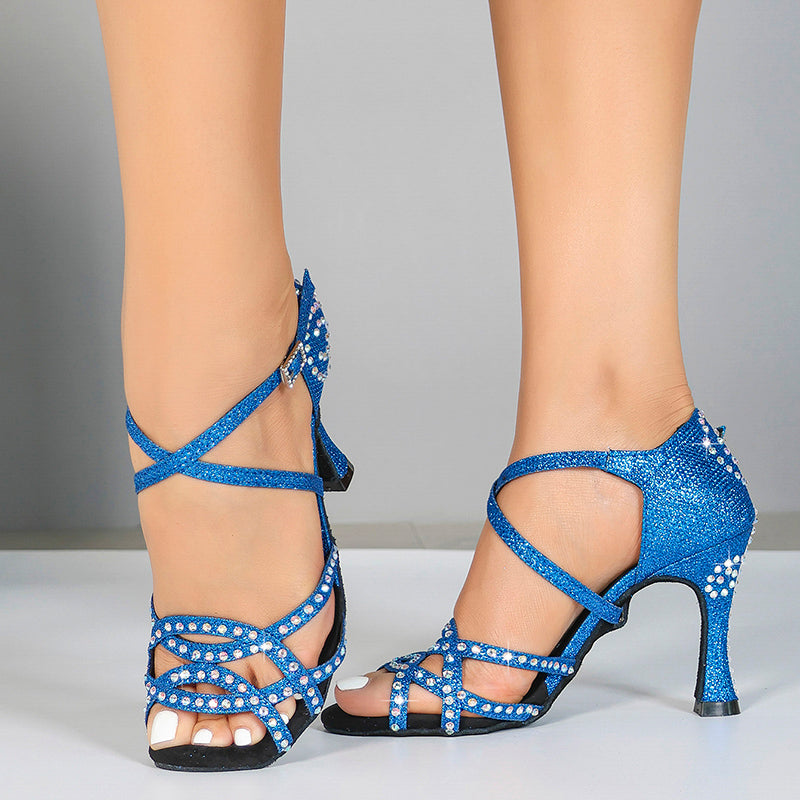
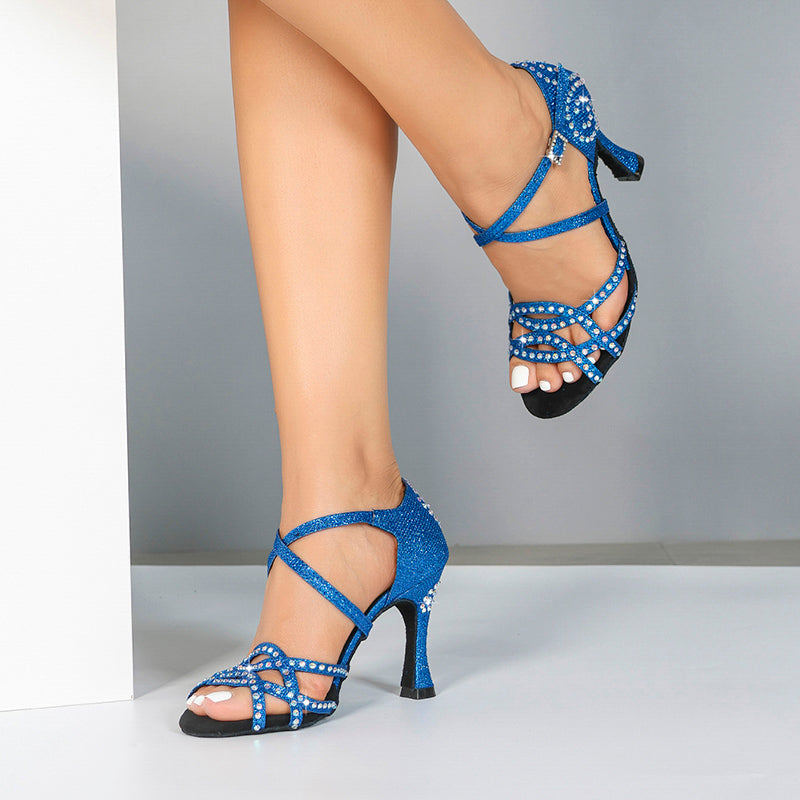
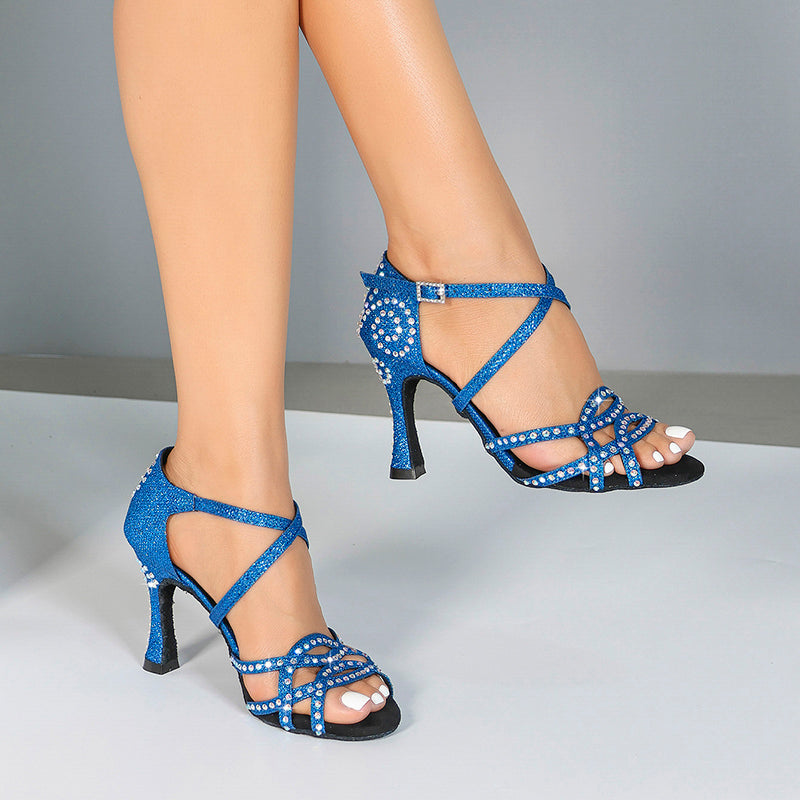
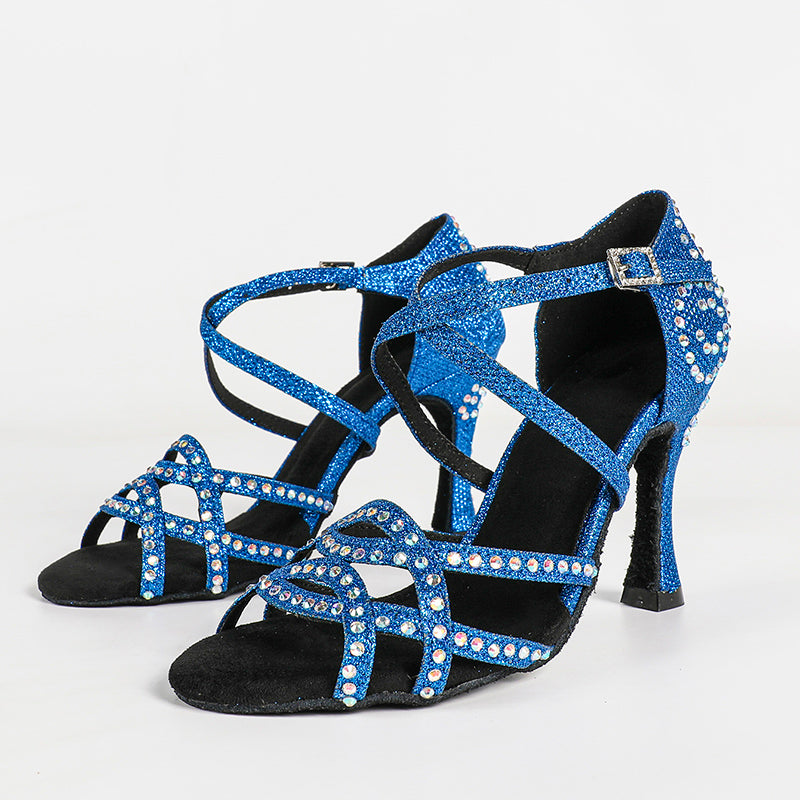
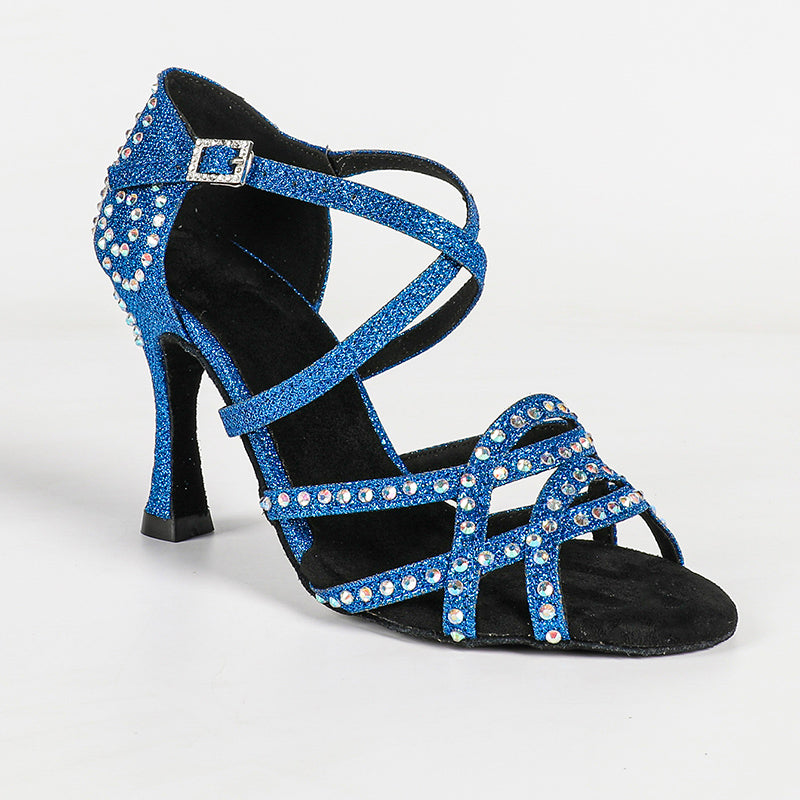
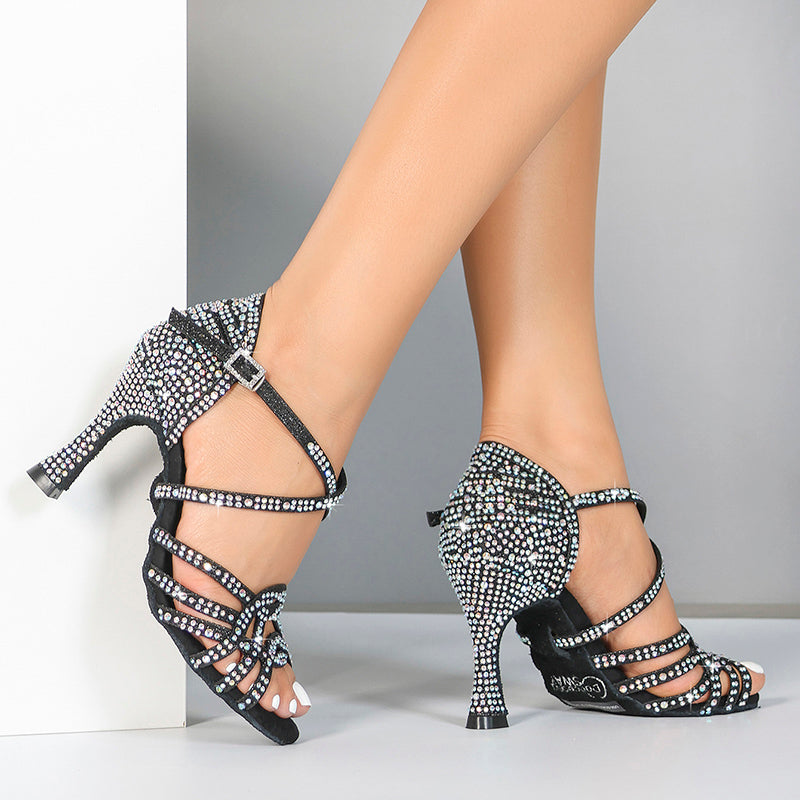
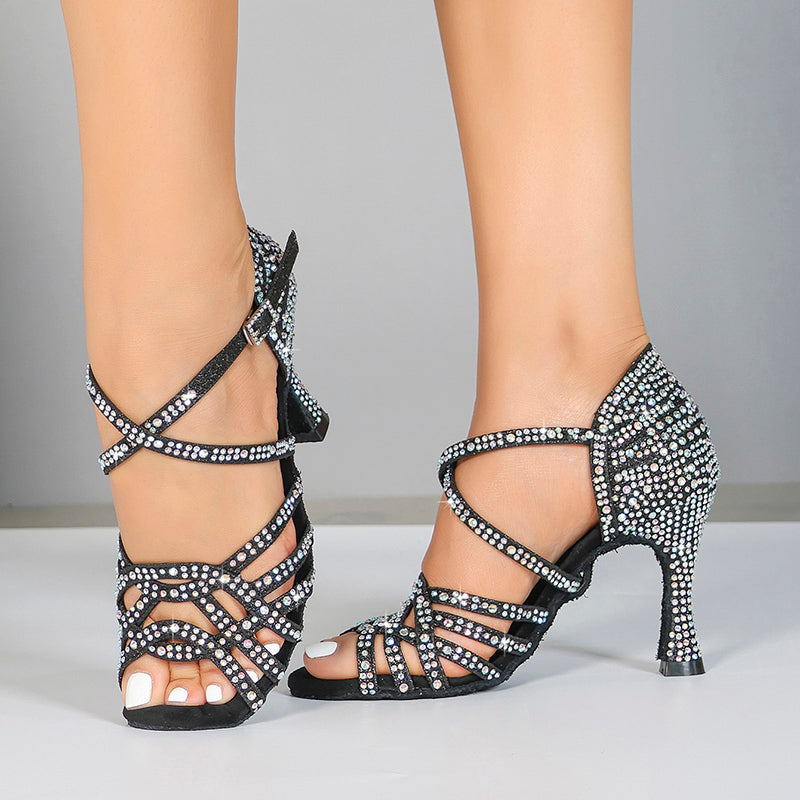
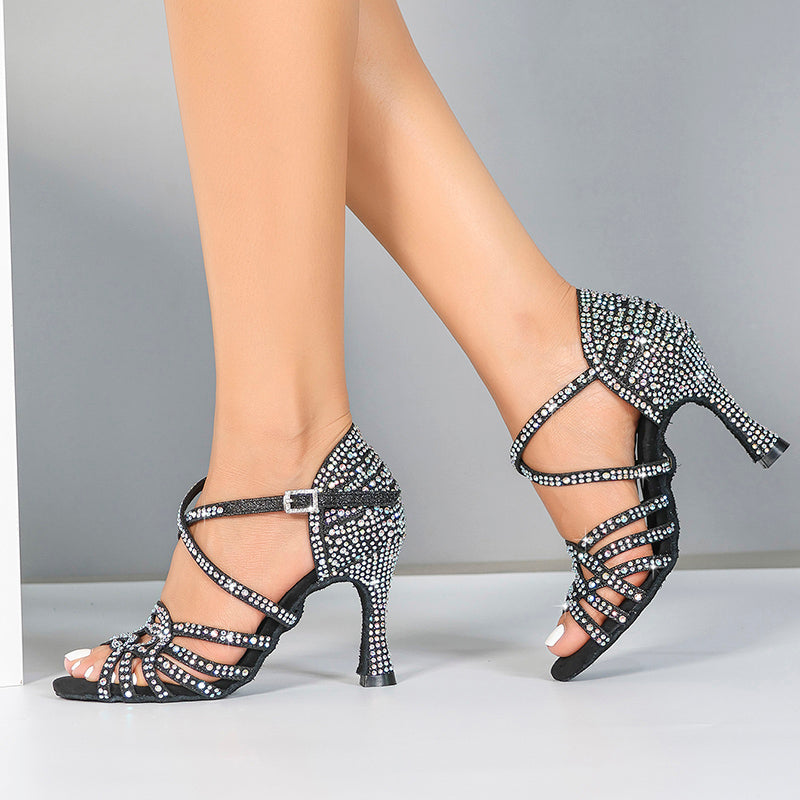
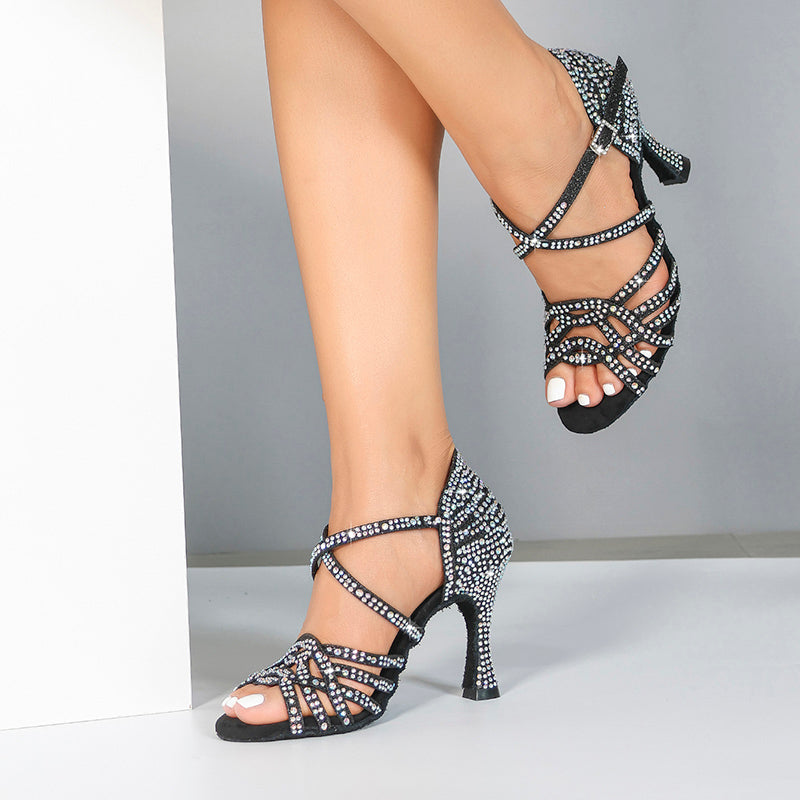
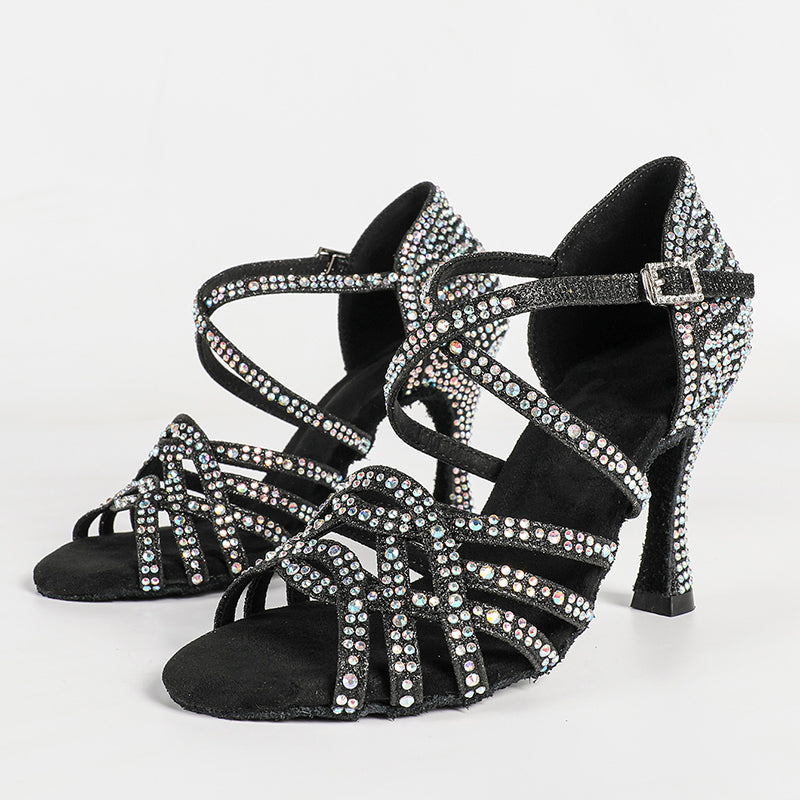
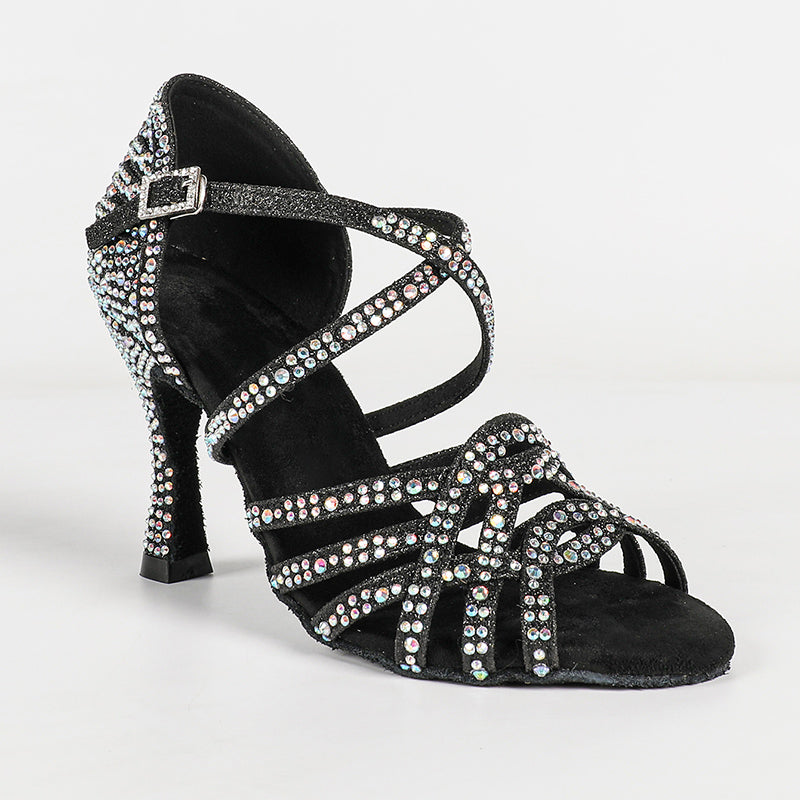
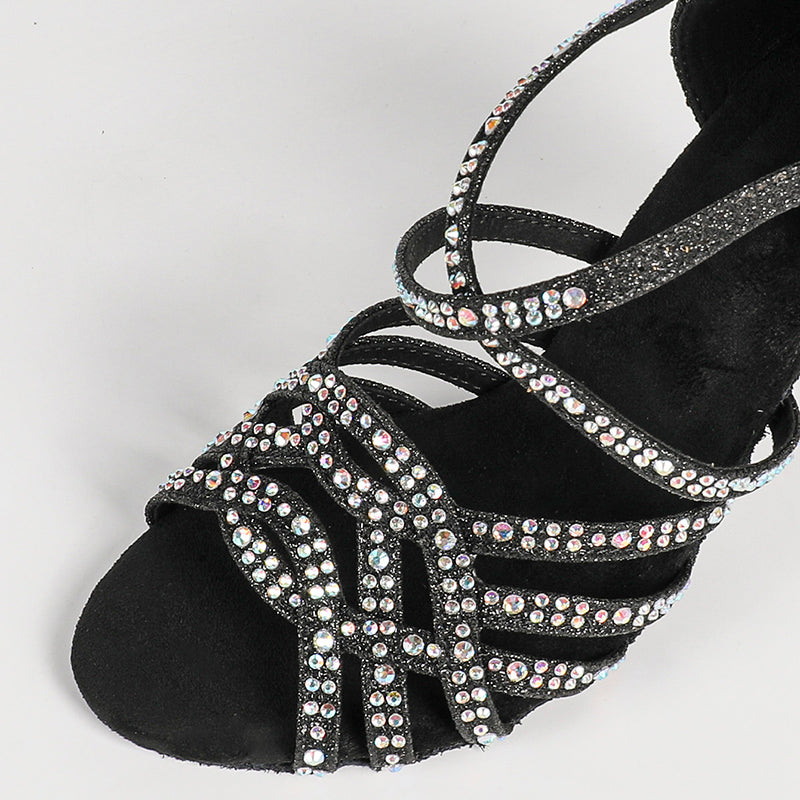
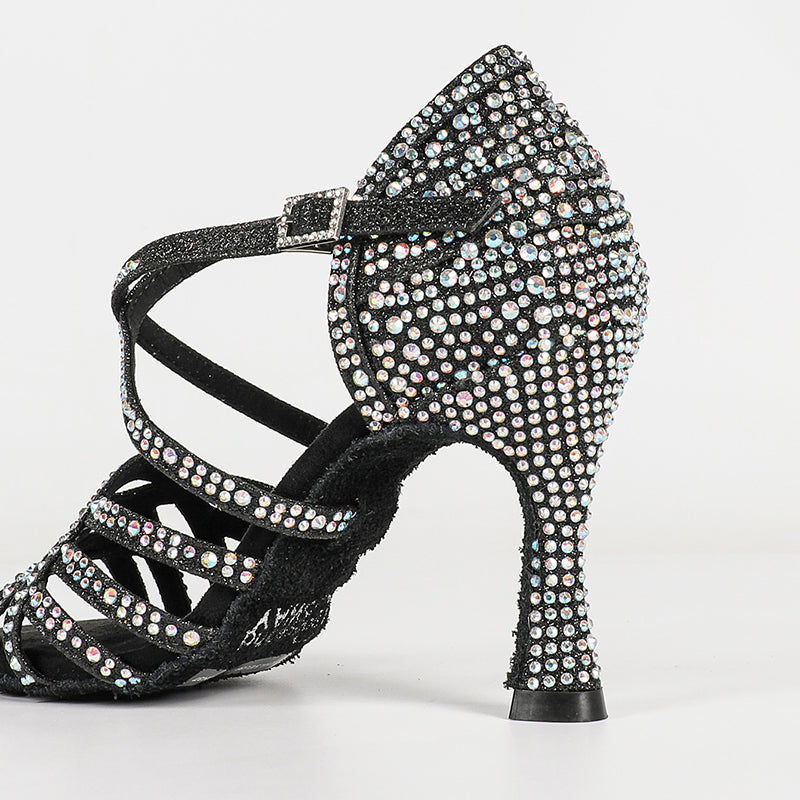
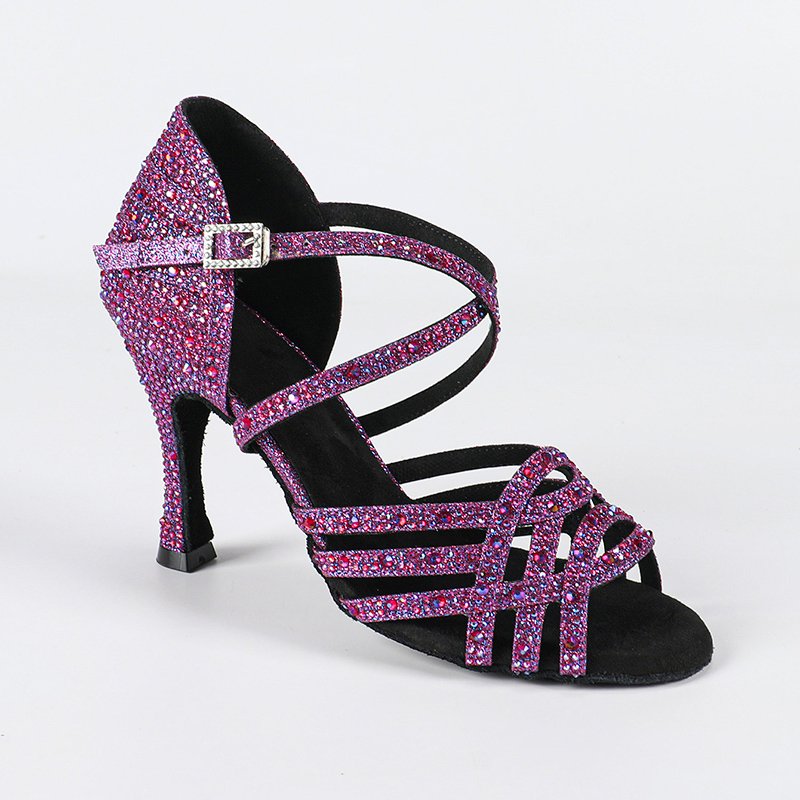
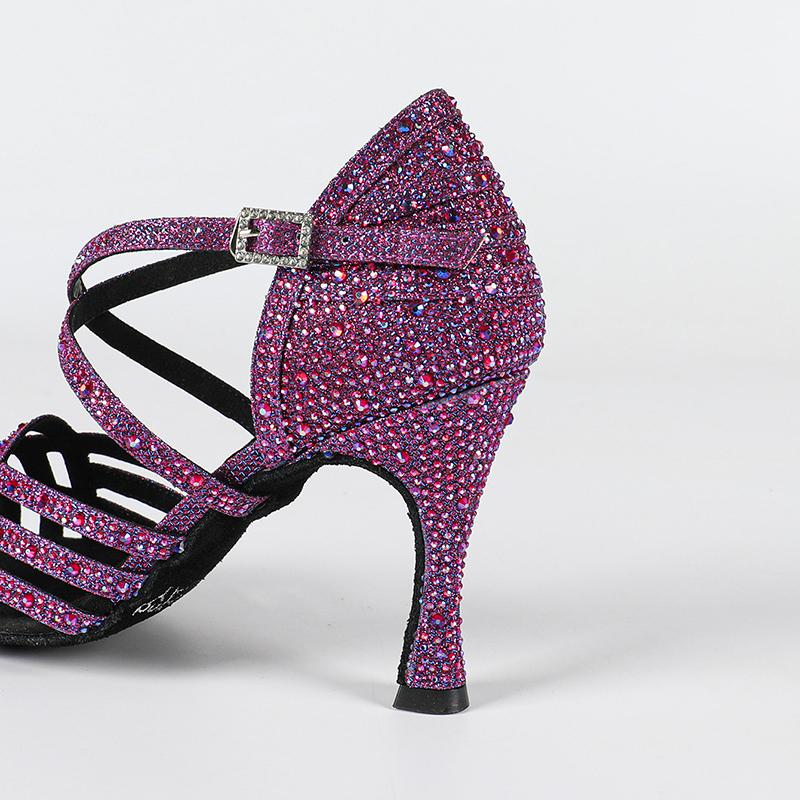
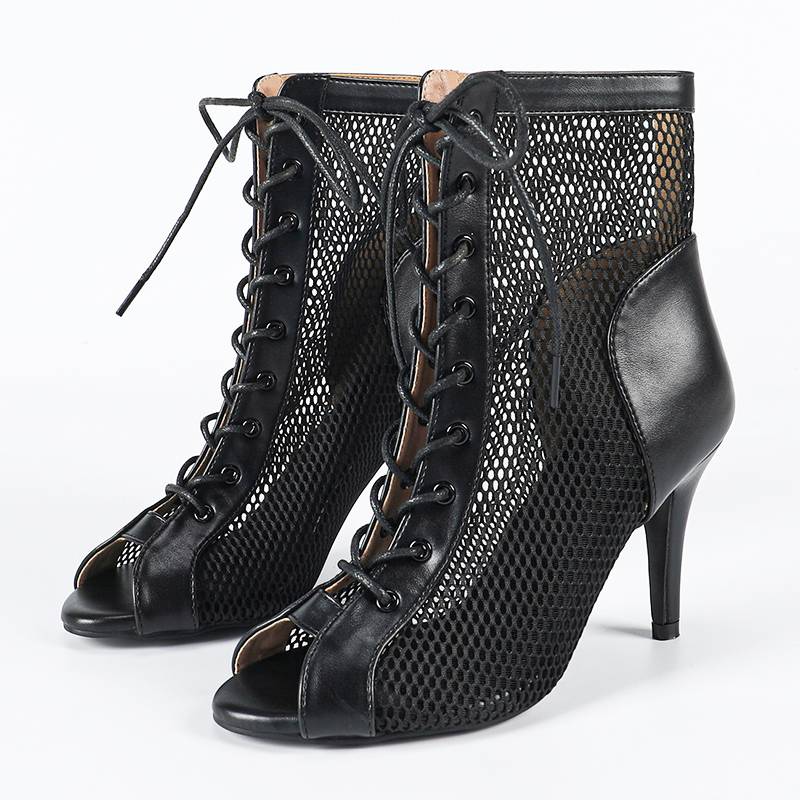
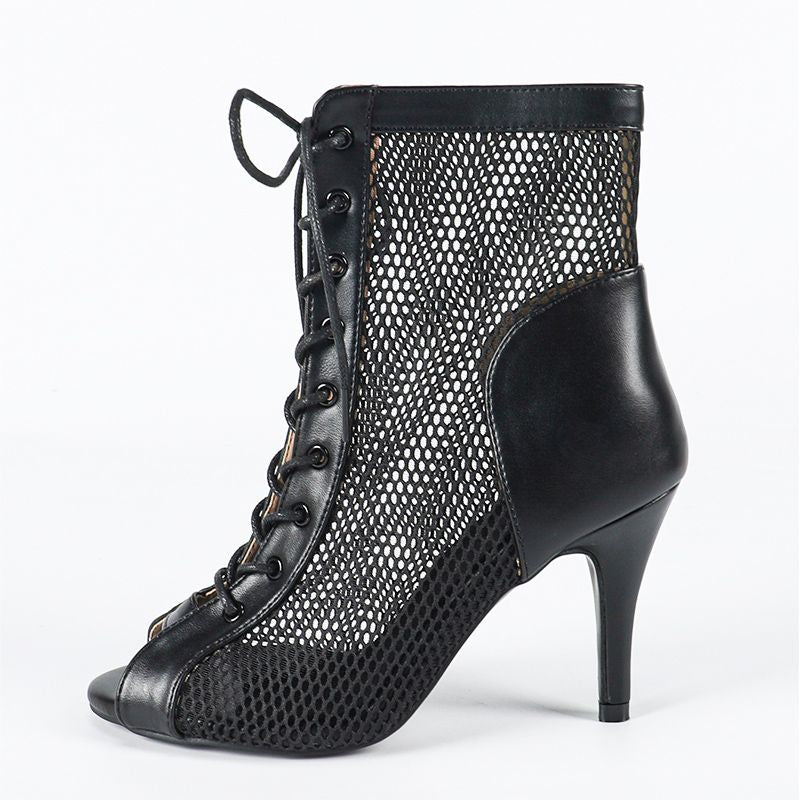
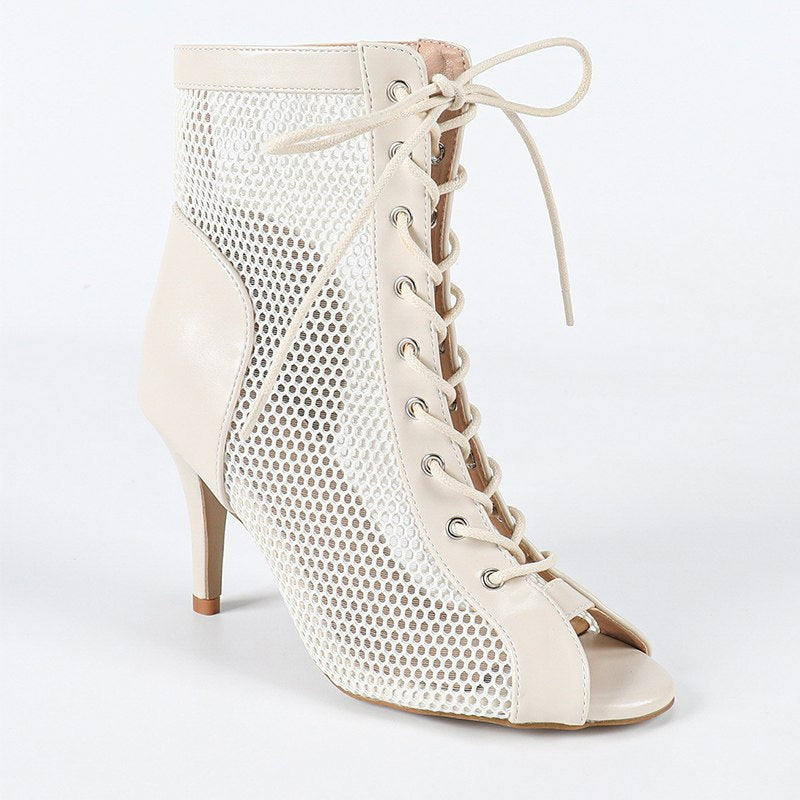
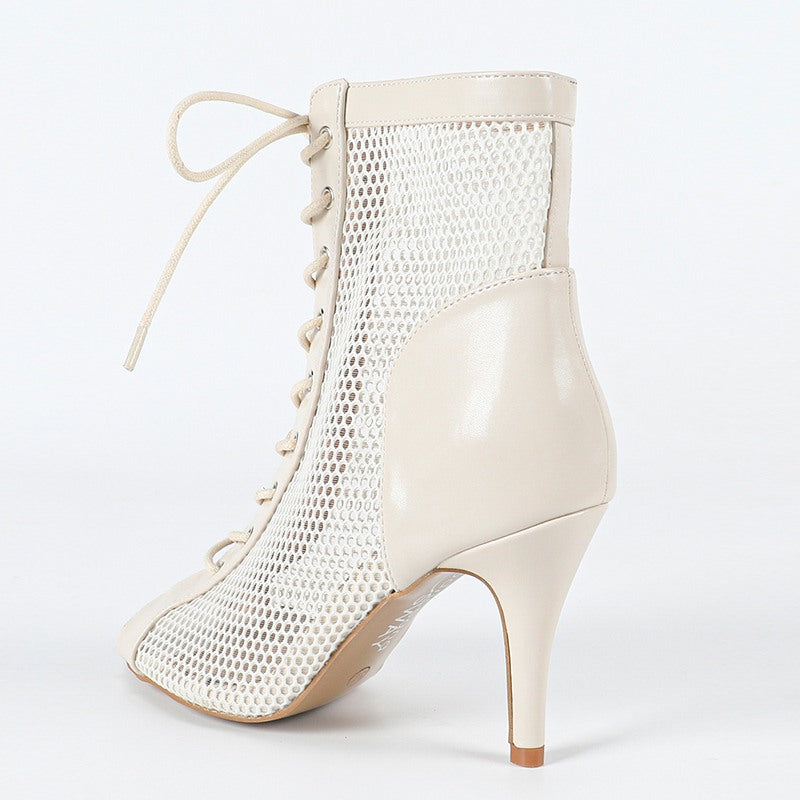
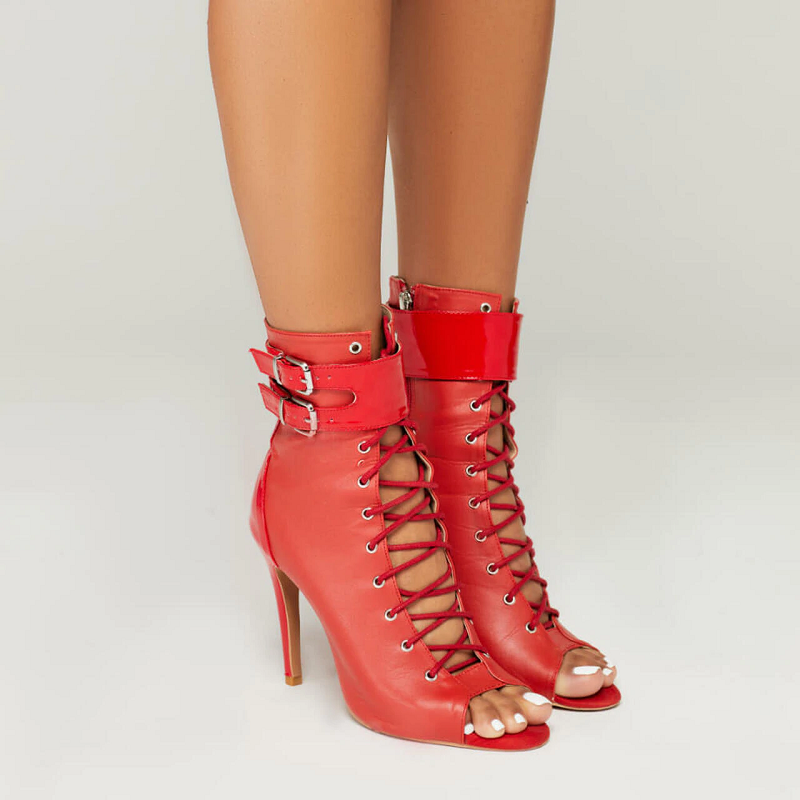
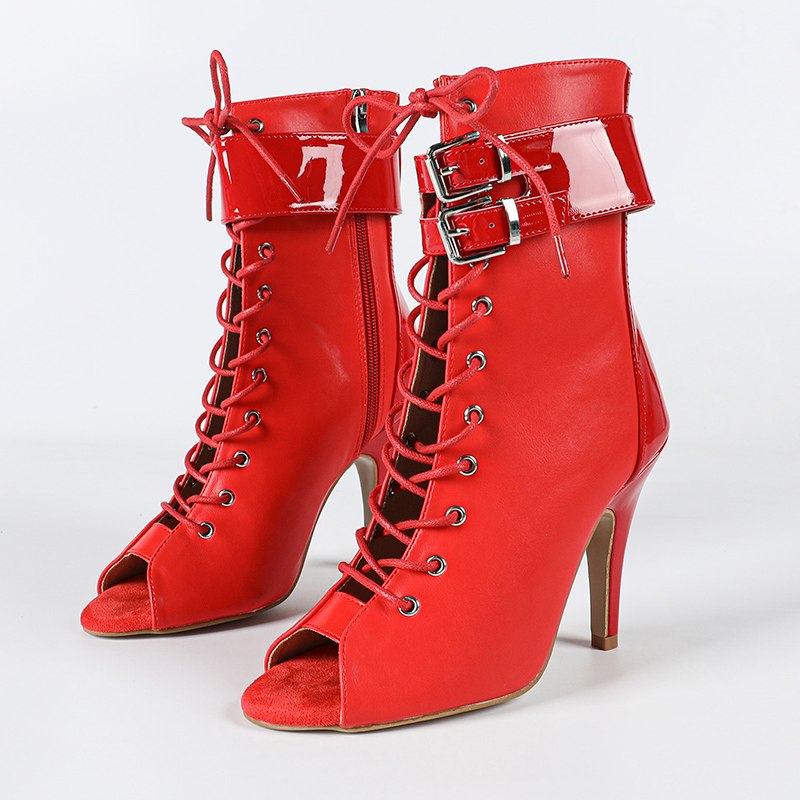
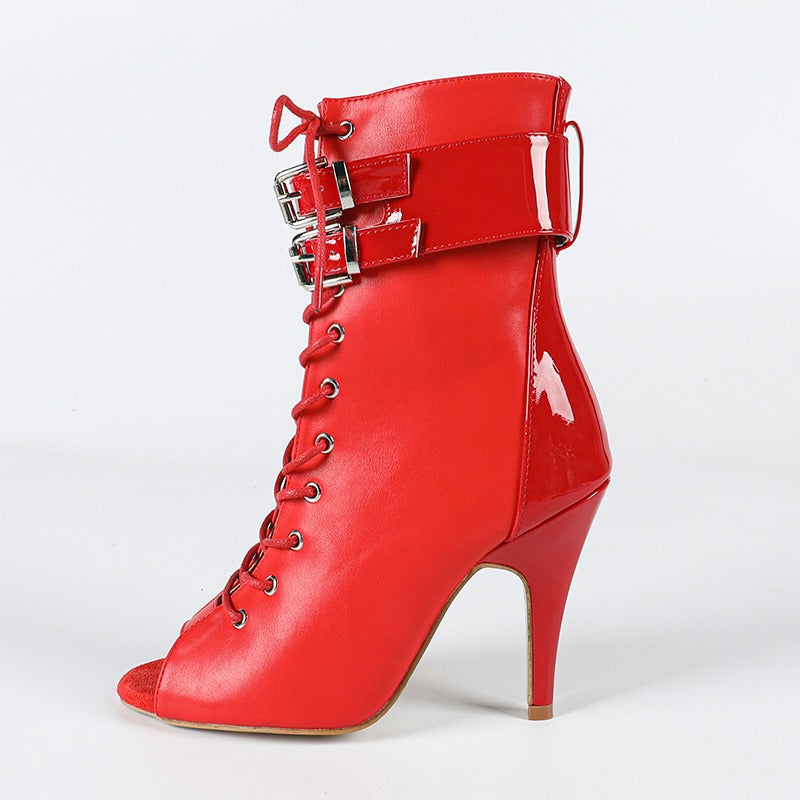
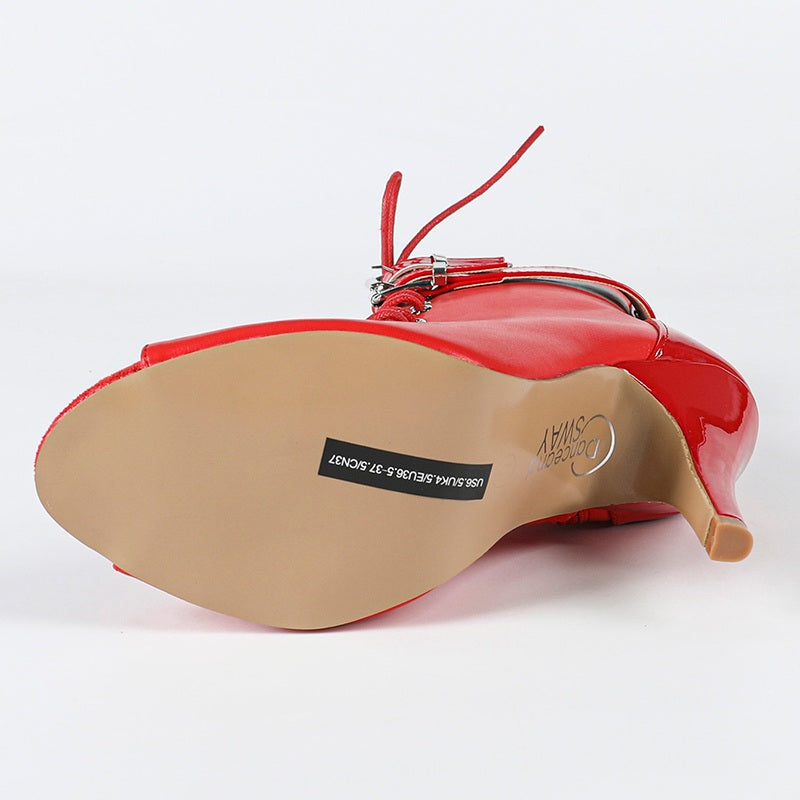
Unlike traditional ballroom shoes, women's Latin dance shoes usually feature open toes and multiple straps across the foot.
These designs help dancers articulate their feet while maintaining a secure fit during turns and faster movements.
Key Features of Latin Dance Shoes
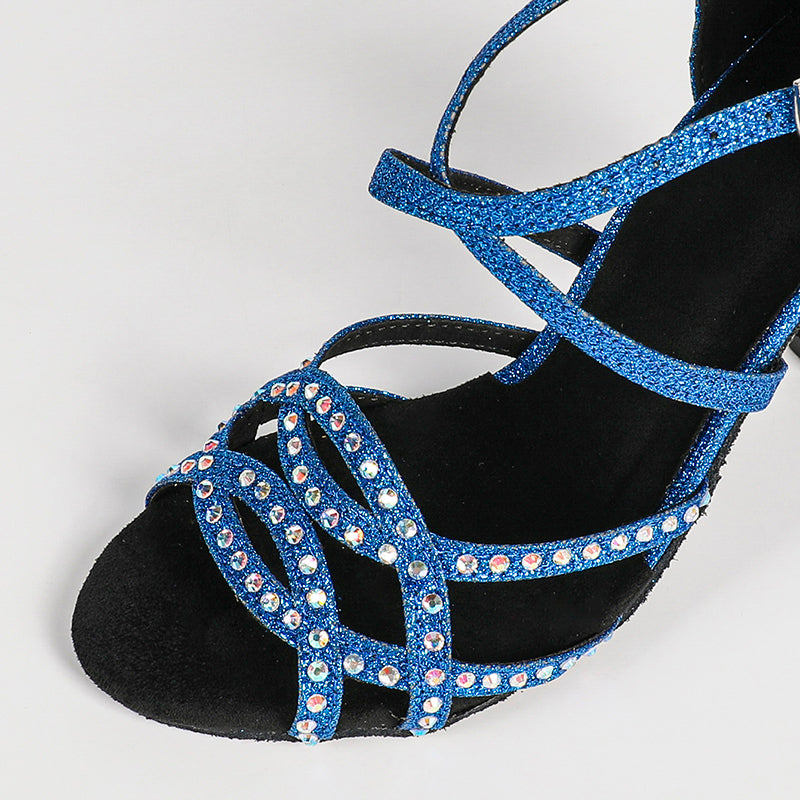
Open-Toe Design: Many Latin shoes use an open-toe sandal construction that allows greater freedom of movement through the toes.
Flexible Forefoot: Flexibility through the ball of the foot supports pointing, pressing, and articulating movements.
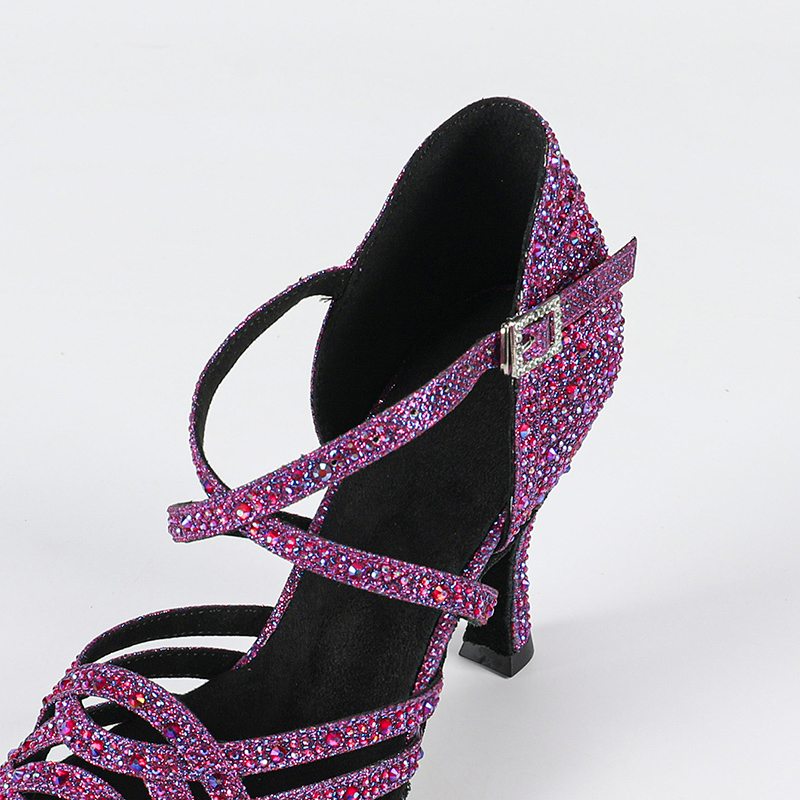
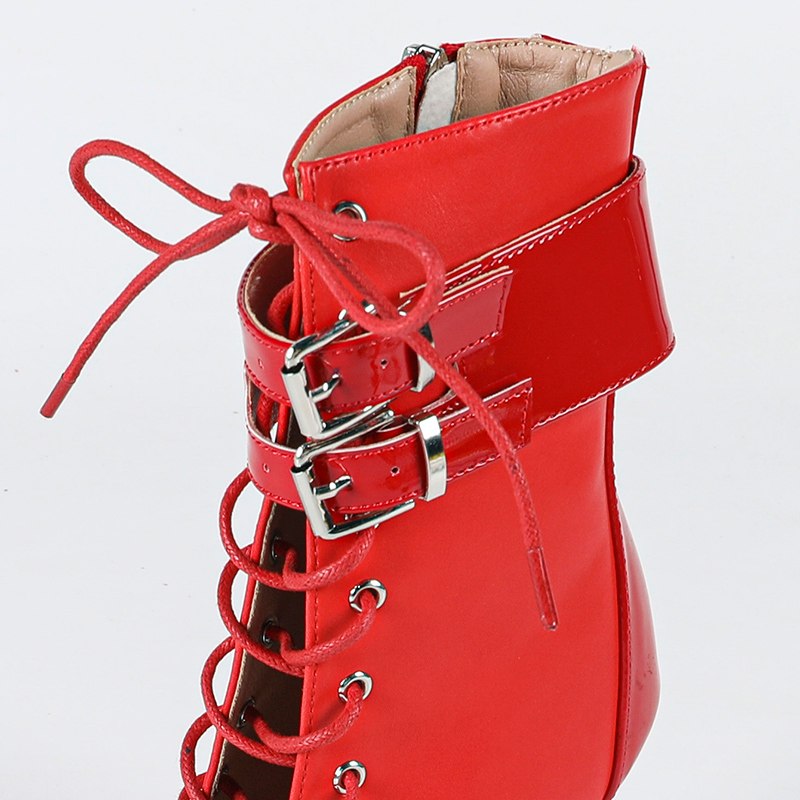
Secure Ankle Straps: Adjustable ankle straps and buckles help keep the shoes securely attached during spins and direction changes.
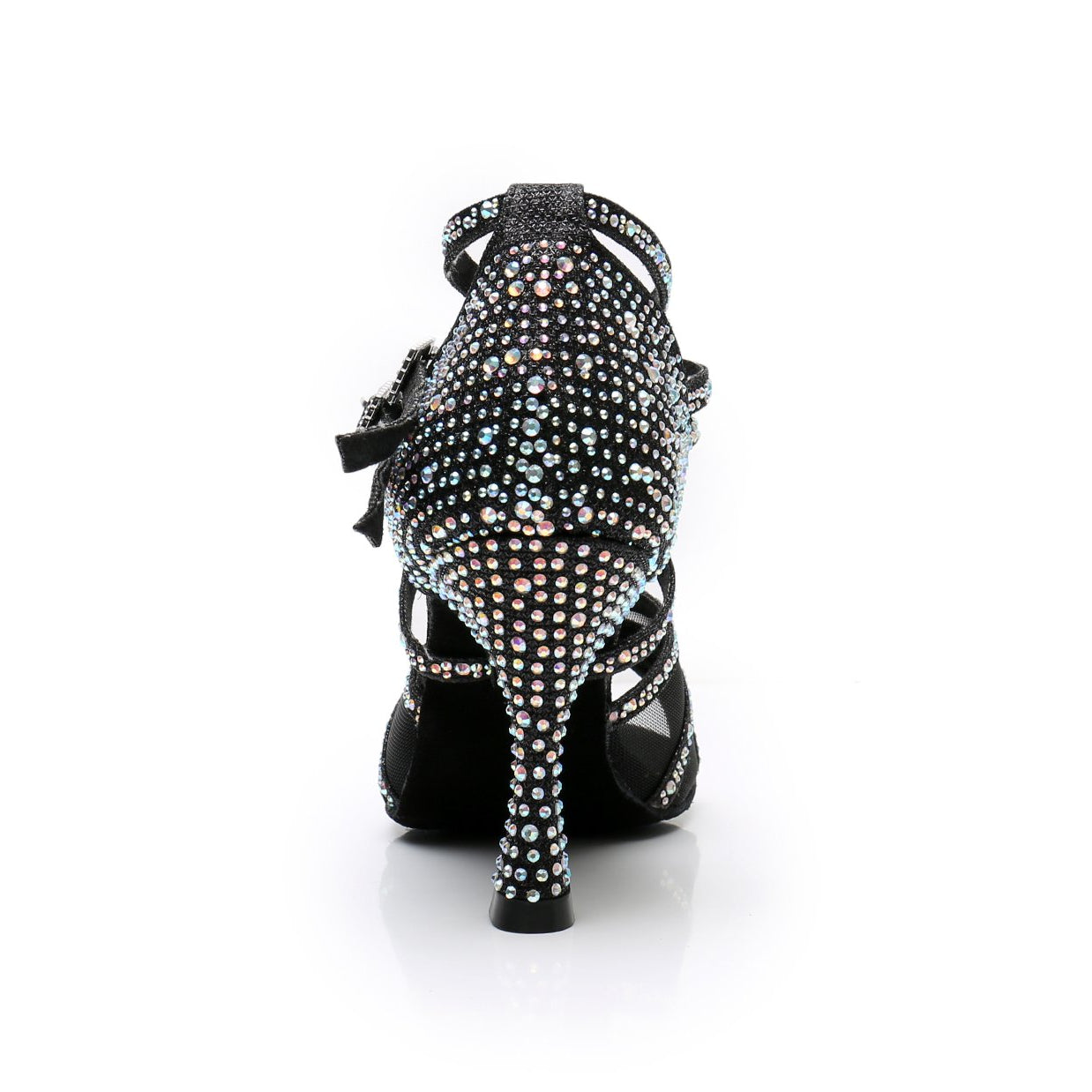
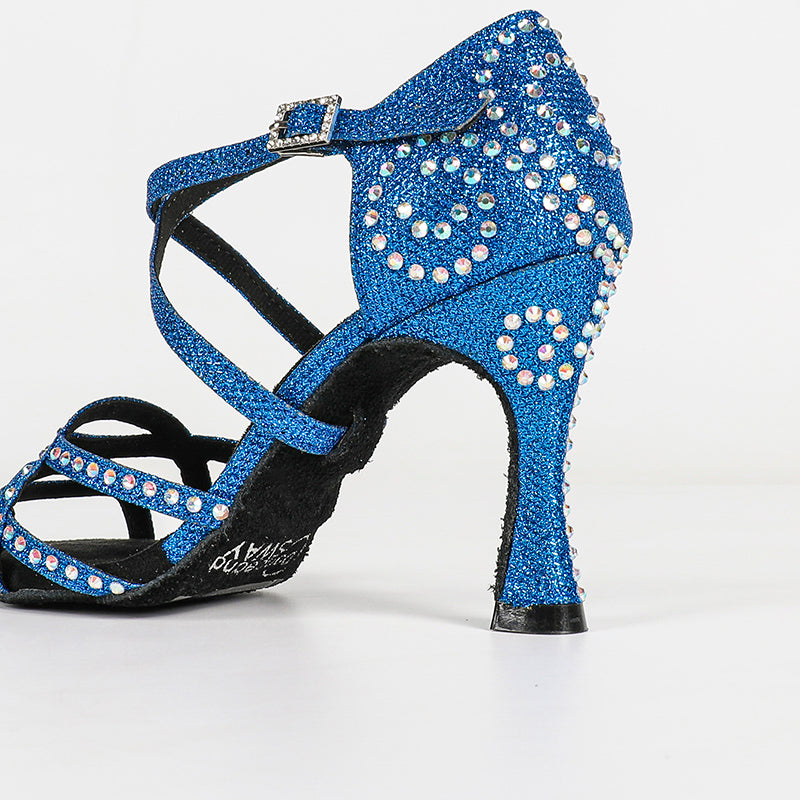
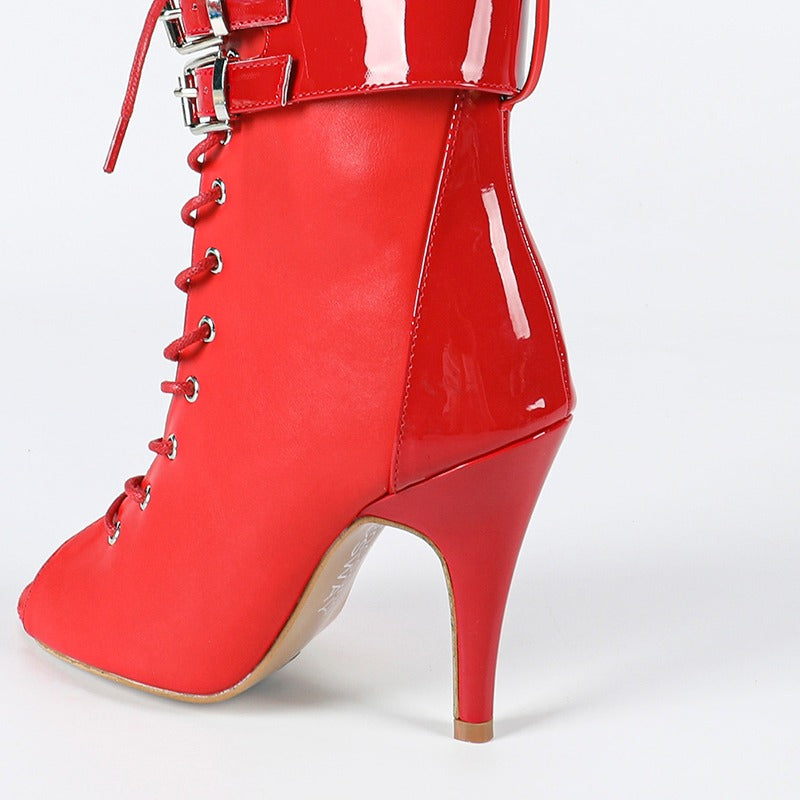
Different Heel Options: Latin dance heels often feature flared or slim heels, with various heights to suit individual preferences and experience levels.
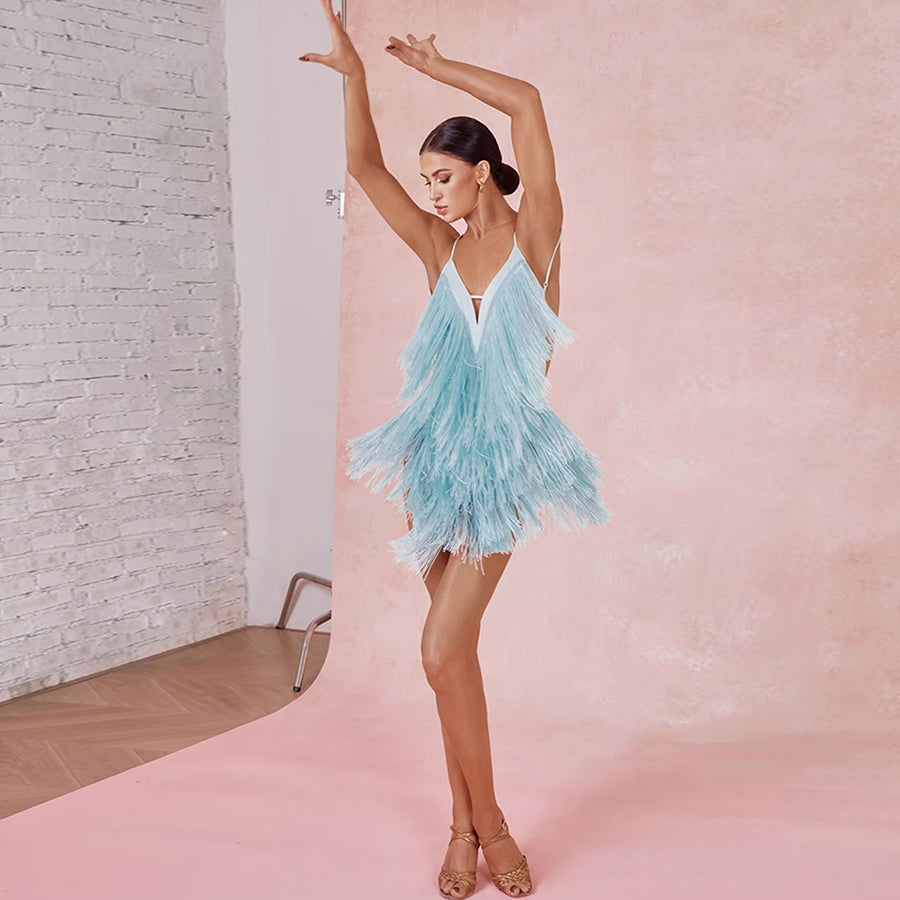
Stylish Appearance: Latin dance shoes are available in satin, glitter, leatherette, and other decorative finishes for practice, social dancing, and performance.
Whether you're practicing Rumba or performing an energetic Cha Cha routine, the right pair of Latin heels can complement your technique and personal style.
Discover a variety of Dance Shoes for Latin, Salsa, and Ballroom Dancing at Danceandsway.
3. Ballroom vs Latin Dance Shoes: Key Differences
Understanding the main differences between these two types of dance shoes can help you make a more confident purchasing decision.
| Feature | Ballroom Dance Shoes | Latin Dance Shoes |
|---|---|---|
| Toe Design | Usually closed toe for women's Standard styles | Usually open toe for women's Latin styles |
| Dance Styles | Waltz, Tango, Foxtrot, Quickstep | Cha Cha, Rumba, Samba, Jive |
| Heel Design | Often positioned for smooth, controlled movement | Often designed to support forward weight transfer and articulation |
| Flexibility | Supports smooth rolling through the foot | Emphasizes forefoot flexibility |
| Straps | Frequently features a single secure strap | Often features multiple straps and ankle fastening |
| Appearance | Classic, elegant, and refined | Expressive, stylish, and decorative |
| Main Purpose | Smooth traveling movements | Rhythmic, dynamic footwork |
While there are clear differences, the ideal shoe always depends on its specific construction, heel shape, fit, and your personal dancing needs.
4. Heel Height: Which Dance Shoes Are Right for You?
Heel height is one of the most important factors when choosing ballroom or Latin dance shoes.
The right heel should complement your dancing technique without sacrificing comfort or stability.
Latin Dance Shoe Heel Heights
Women's Latin dance heels are often selected in heights around 5.5 cm to 7.5 cm, with higher options available for dancers who prefer them.
A higher heel changes how weight is distributed through the foot, so it's important to choose a height that matches your strength and experience.
For beginners, starting with a comfortable, manageable heel is usually better than immediately choosing the tallest option.
Customized Heel Dance Shoes
At Danceandsway, selected dance shoe styles offer different heel heights and shapes, allowing dancers to choose footwear that better suits their needs.
Whether you're looking for low heel ballroom dance shoes, flared heel Latin shoes, or customized heel dance shoes, checking the available product options can help you find the right fit for your dance routine.
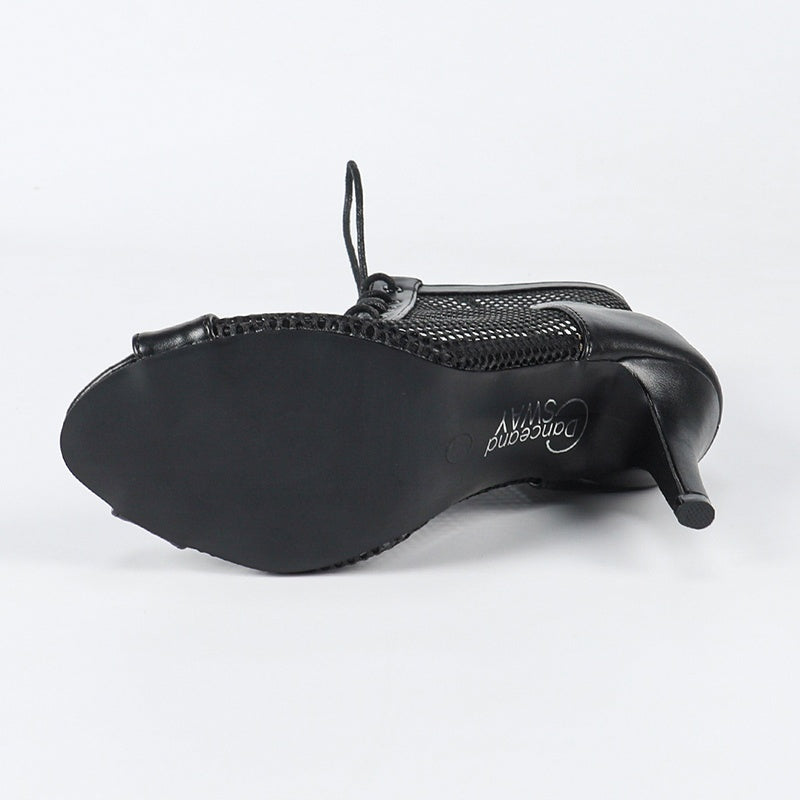
5. Suede Sole vs Rubber Sole Dance Shoes
Another important consideration when shopping for dance shoes is the sole material.
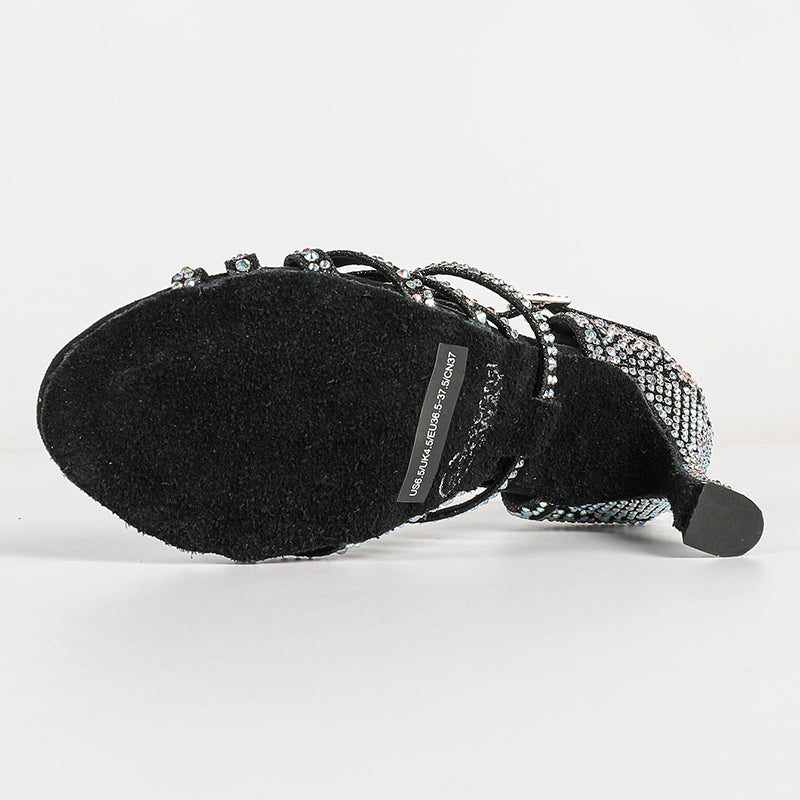
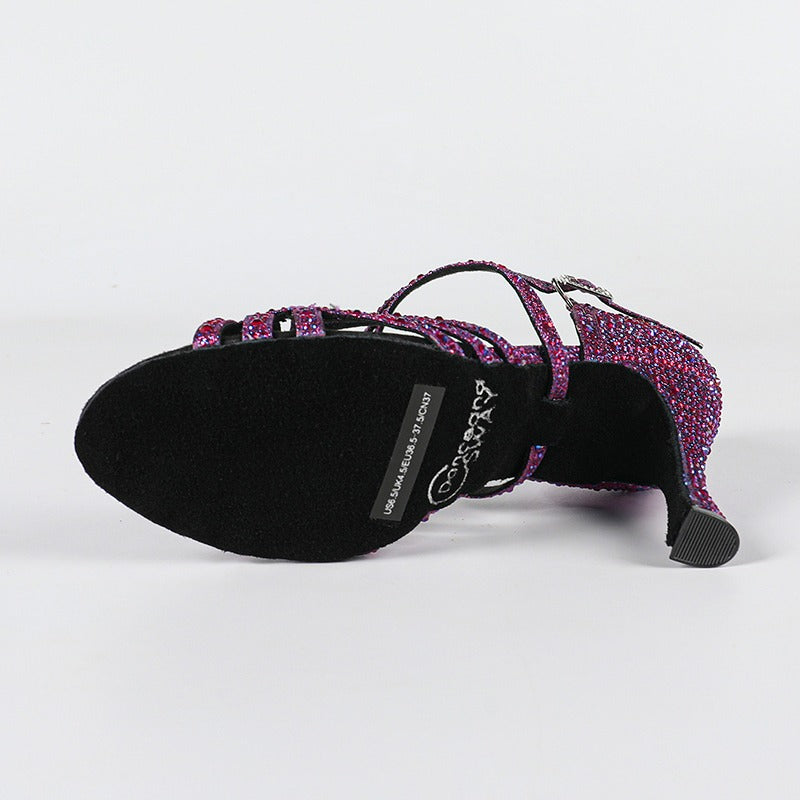
Both ballroom and Latin shoes are commonly available with suede soles, but rubber sole dance shoes are also worth considering for certain dancing environments.
Suede Sole Dance Shoes
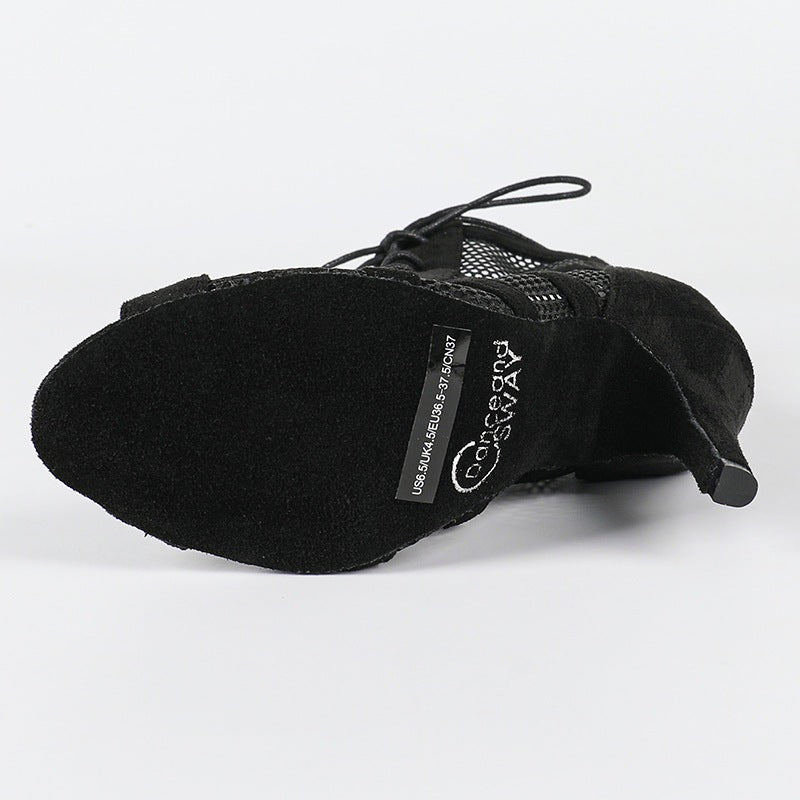
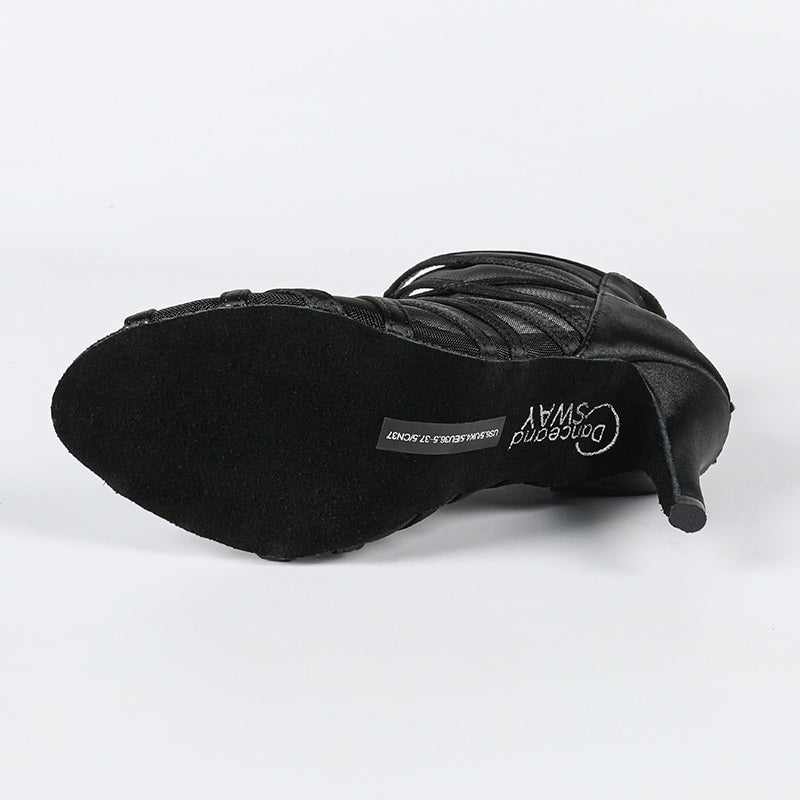
Suede soles are a popular choice for indoor ballroom and Latin dancing because they provide a balance of grip and controlled sliding on appropriate dance floors.
Benefits of suede sole dance shoes include:
-
Smooth pivots and turns
-
Controlled movement across indoor dance floors
-
Flexibility during footwork
-
Suitability for many ballroom and Latin dance techniques
However, suede soles require proper care and are generally best reserved for clean indoor dancing surfaces.
Explore our Suede Sole Dance Shoes to find footwear for indoor practice and performance.
Rubber Sole Dance Shoes
Rubber sole dance shoes offer a different level of traction and may be useful for dancers who practice on surfaces where suede soles are less suitable.
Depending on the outsole design and flooring, rubber soles can offer more grip, although excessive traction may make some turns more difficult.
They may be a practical choice for casual dancing, selected training environments, or outdoor use when the shoe is specifically designed for those conditions.
Browse our Rubber Sole Dance Shoes Collection to explore alternative options.
Danceandsway Tip: Always choose your dance shoe sole based on the flooring and the type of movement you plan to perform.
6. Can You Wear Latin Dance Shoes for Ballroom Dancing?
If you're new to dancing, you might wonder whether you really need two different pairs of shoes.
The answer depends on your experience level and dancing goals.
For casual social dancing or beginner lessons that combine multiple dance styles, a comfortable pair of versatile dance shoes may be sufficient.
However, for more advanced ballroom or Latin training, wearing discipline-specific footwear can help support proper movement technique.
For example, open-toe Latin dance sandals may not offer the same toe coverage and foot support as traditional closed-toe ballroom shoes.
Similarly, closed-toe ballroom shoes may not provide the same forefoot freedom preferred for expressive Latin movements.
If you regularly practice both styles, investing in separate ballroom and Latin shoes may be worthwhile.
7. Are Practice Dance Shoes Good for Beginners?
Absolutely! Many beginners benefit from starting with dedicated teaching and practice shoes.
Ballroom practice shoes are often designed with comfort, stability, and extended training sessions in mind.
Common features include:
-
Lower or moderate heels
-
Supportive uppers
-
Secure lace-up or strap designs
-
Flexible construction
-
Comfortable materials for regular practice
Practice dance shoes can be particularly useful for dancers learning multiple styles, attending group classes, or spending long hours rehearsing.
At Danceandsway, we offer a selection of teaching and practice dance shoes, including canvas, leather, and other styles with different heel options.
Explore our Teaching & Practice Shoes Collection to find a pair for your next dance class.
8. How to Choose the Best Ballroom or Latin Dance Shoes
Choosing the best dance shoes involves more than finding a beautiful design.
Here are several important factors to consider before purchasing.
Consider Your Dance Style
If you primarily dance Waltz, Tango, or Foxtrot, traditional ballroom dance shoes may be the better option.
If you focus on Cha Cha, Rumba, or Samba, dedicated Latin dance shoes are usually more appropriate.
For Salsa, Bachata, and other social dance styles, many dancers prefer flexible dance heels or shoes designed for turning and directional changes.
Choose a Comfortable Heel Height
Your heel height should match your current experience and comfort level.
Beginners may benefit from lower heels, while experienced dancers can select different heights depending on their technical needs.
Check the Sole Material
Choose suede soles for suitable indoor dance floors where controlled pivots are important.
Consider purpose-designed rubber sole dance shoes when the surface or dancing environment calls for additional traction.
Pay Attention to Fit
Dance shoes should fit securely without painful pressure.
Your heel should stay stable, and your toes should have appropriate support for the shoe's design.
Check each product's size chart carefully because dance shoe sizing may differ from everyday footwear.
Consider Style and Material
Dance shoes come in many colors and materials, including satin, leather, suede, glitter, and leatherette.
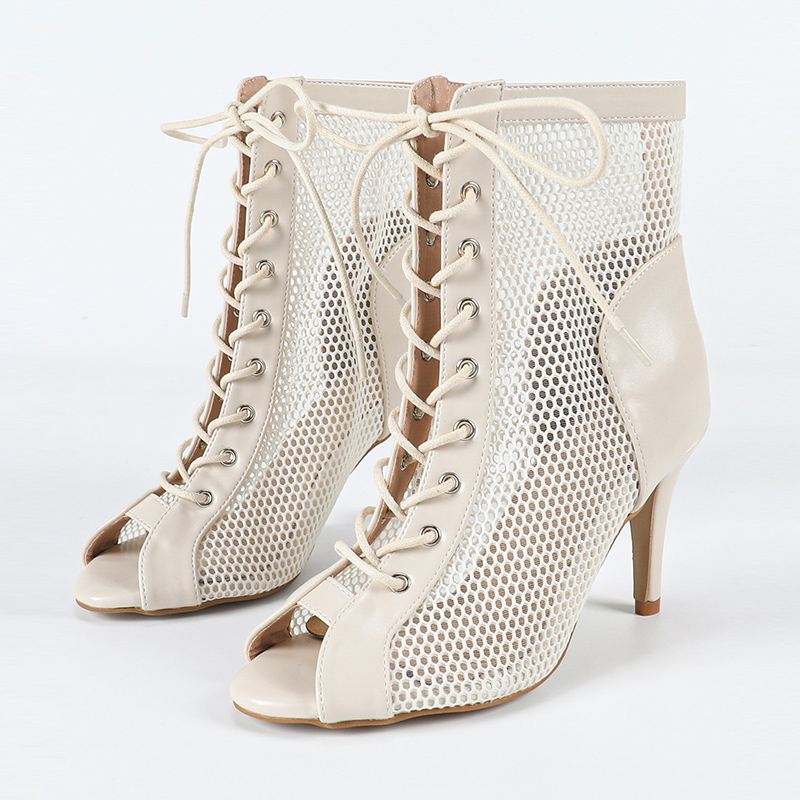
Classic black, champagne, and nude tones are versatile choices, while silver, gold, and sparkling styles can create a statement on the dance floor.
Choose a design that suits your outfit, dance style, and personal preferences.
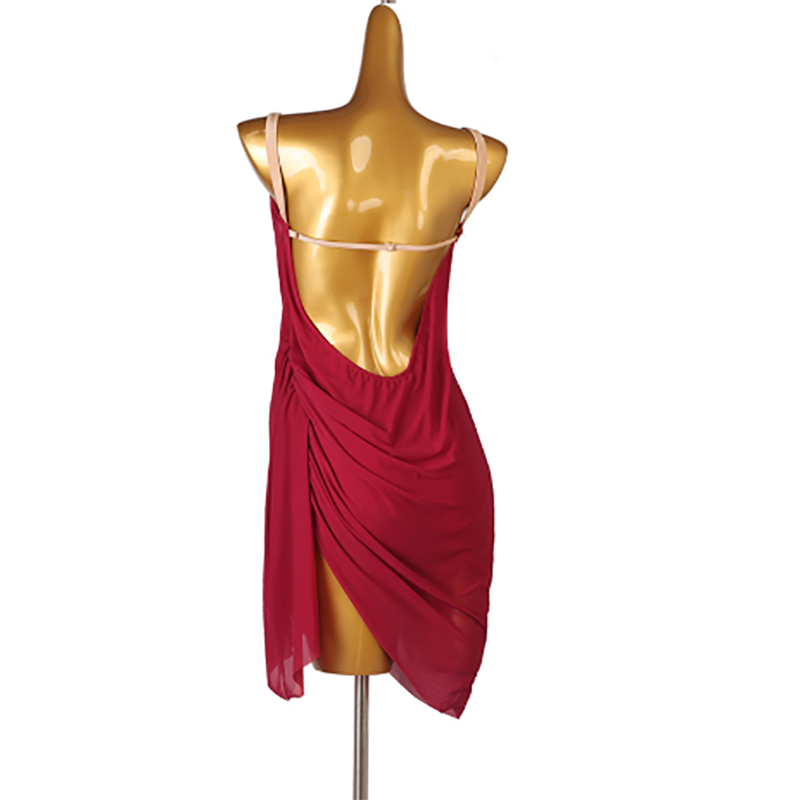
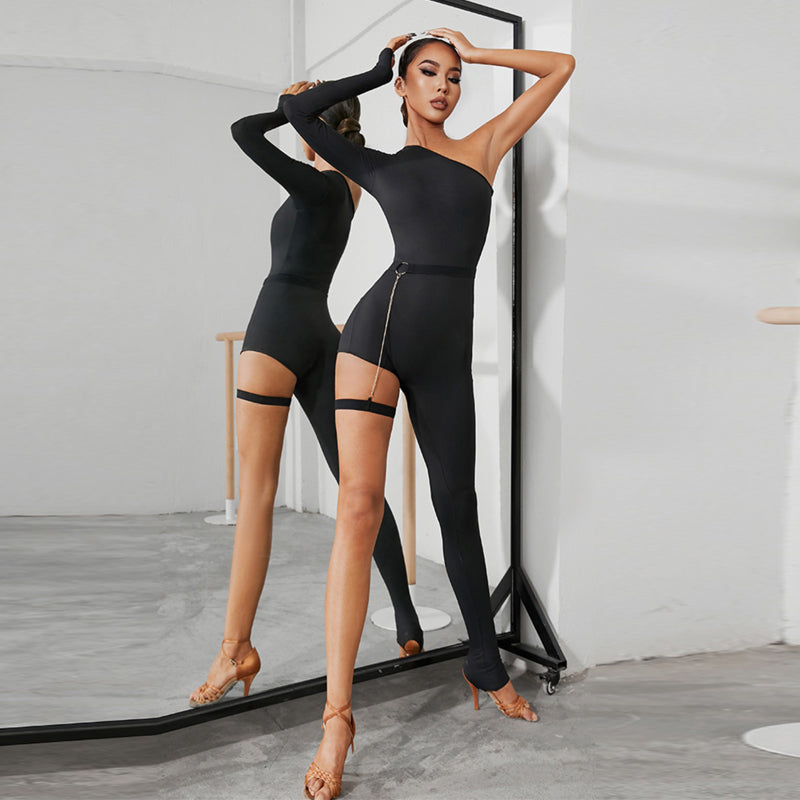
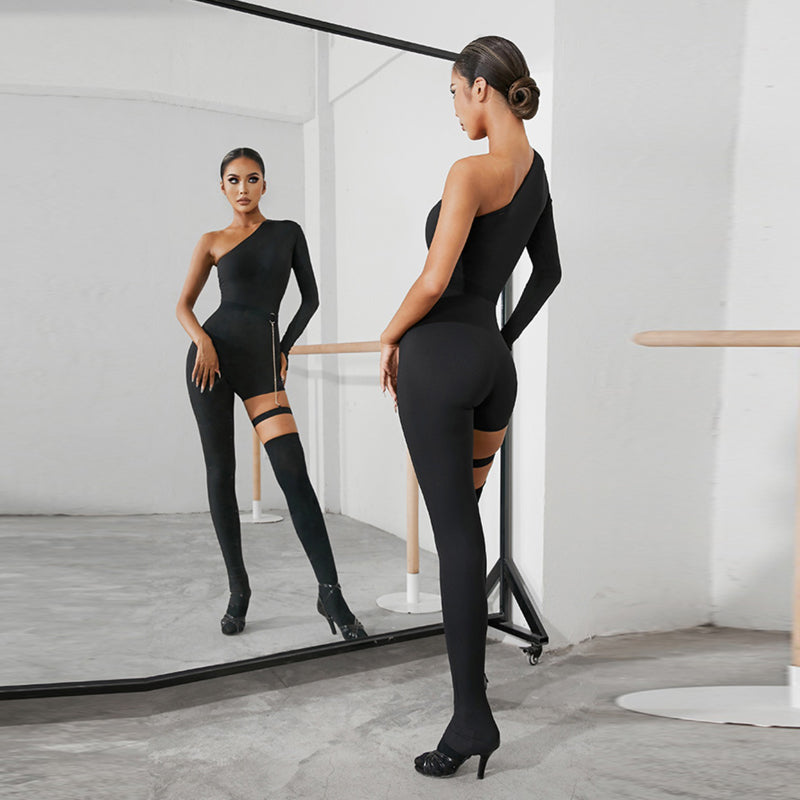
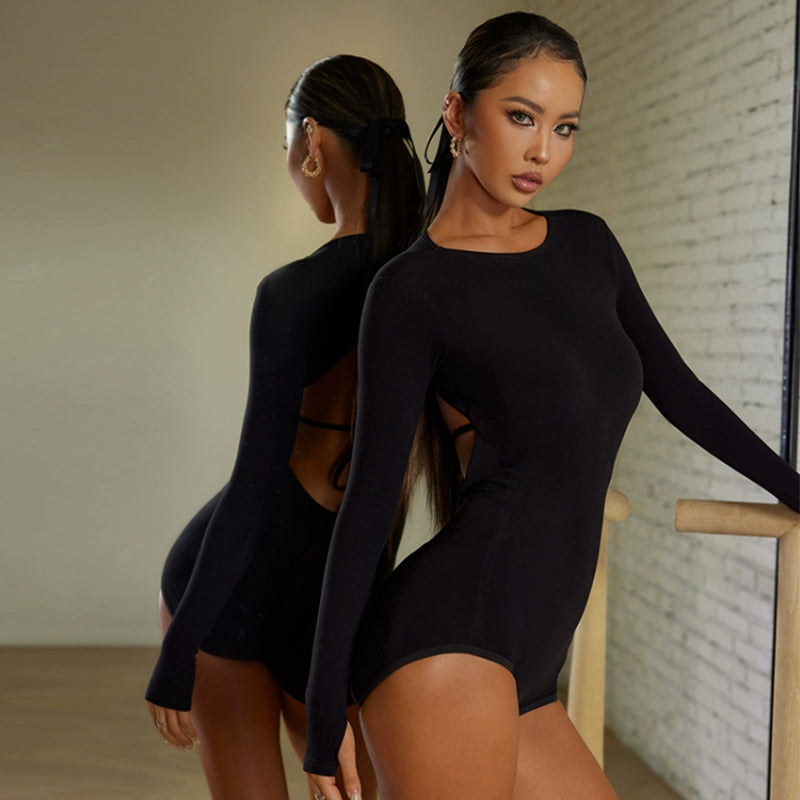
9. Complete Your Dance Look with Danceandsway
The right shoes are only part of a great dance outfit.
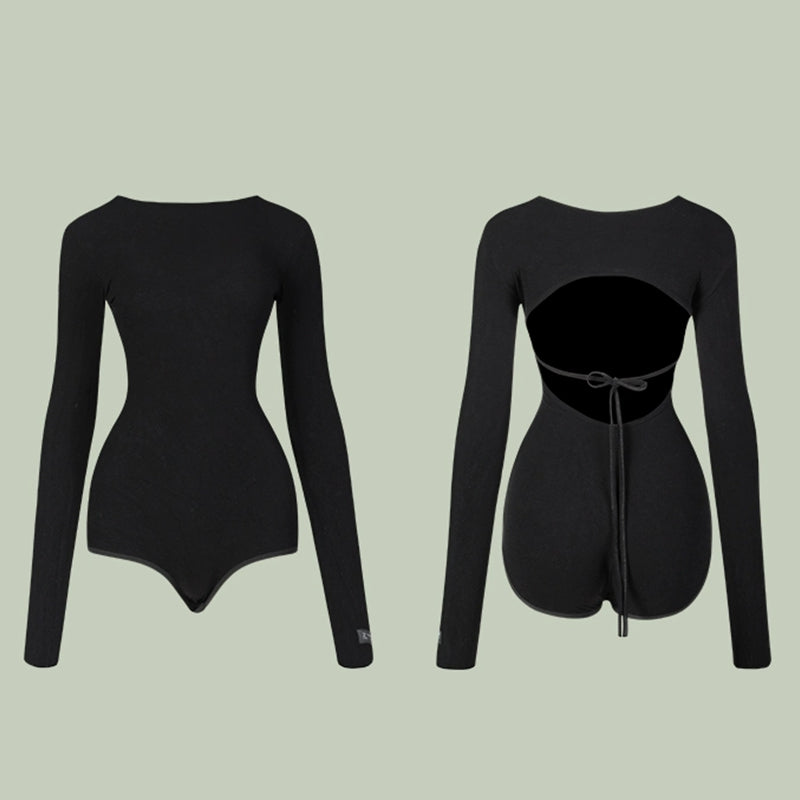
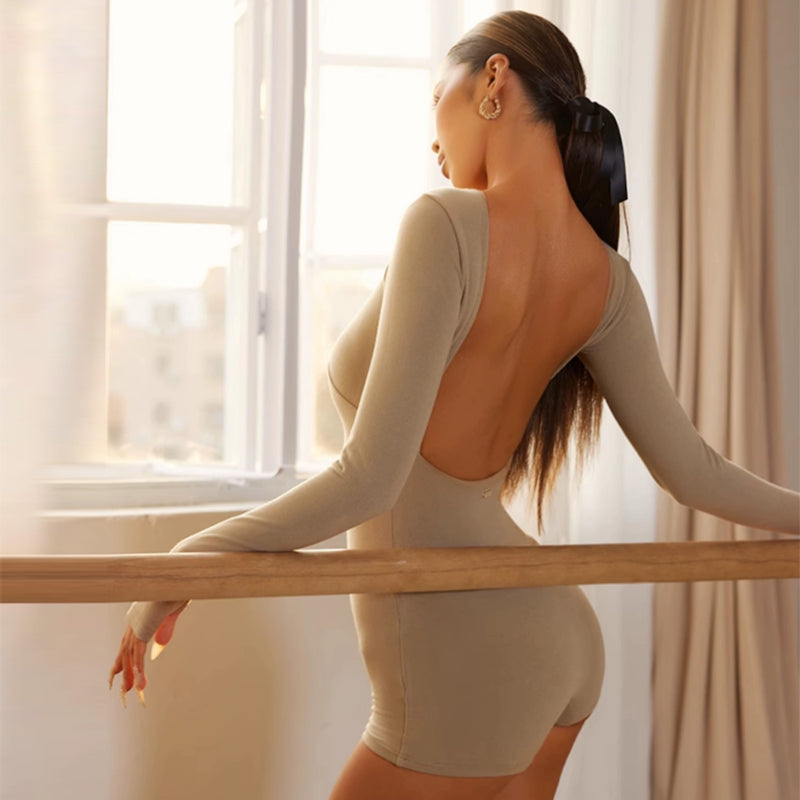
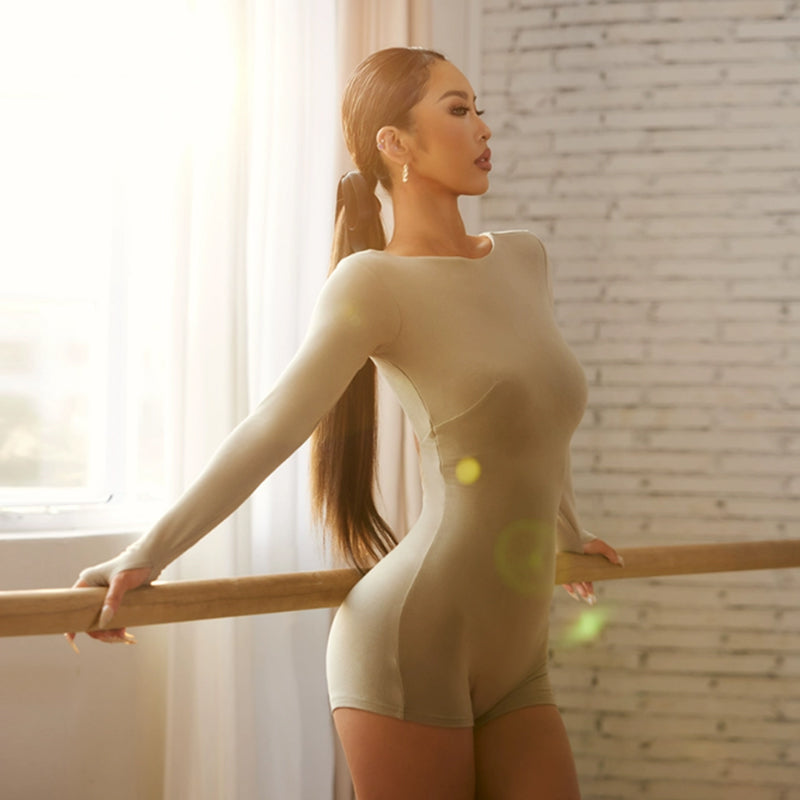
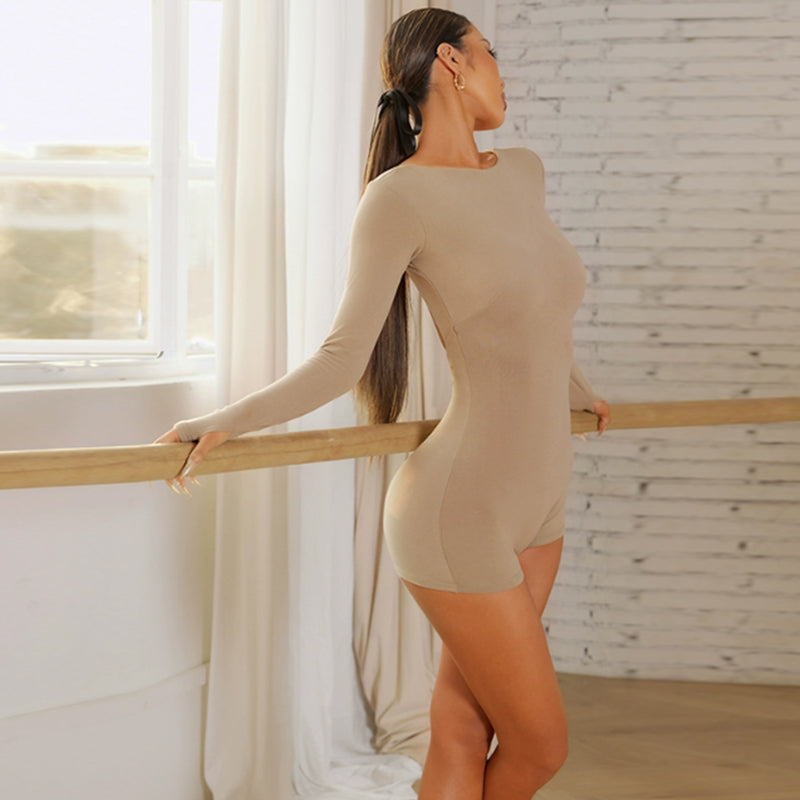
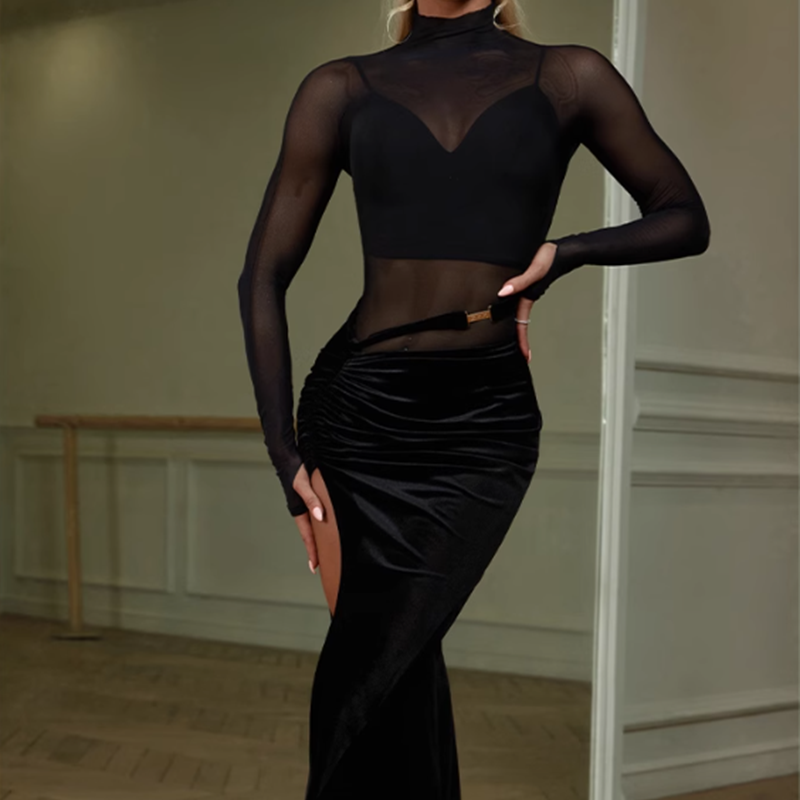
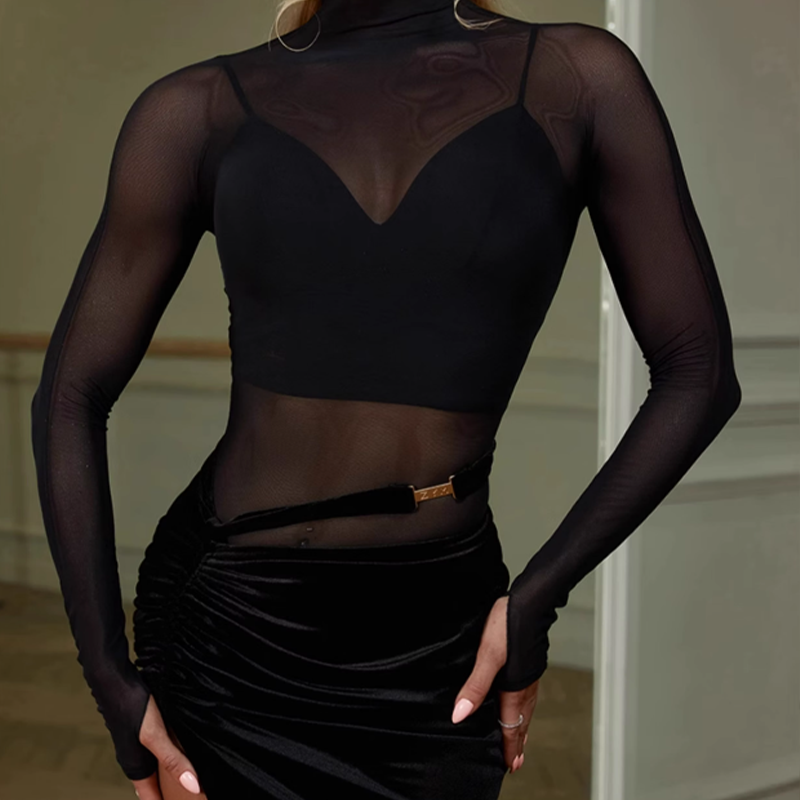
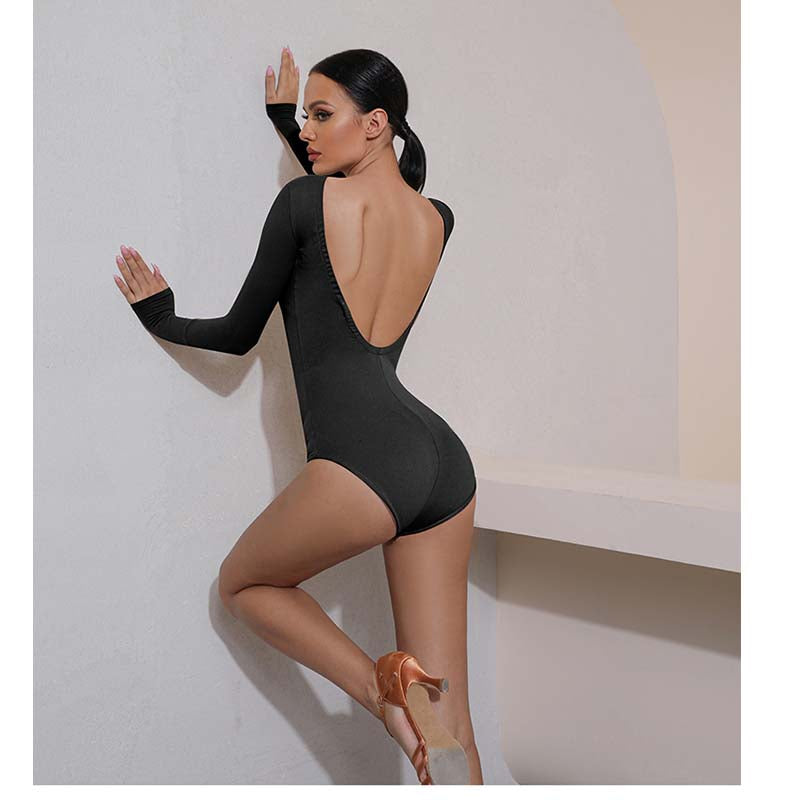
Comfortable, flexible dancewear can also help you move confidently during lessons, rehearsals, and performances.
At Danceandsway, you'll find a variety of dance essentials, including:
-
Ballroom and Latin dance shoes
-
Salsa dance shoes and dance heels
-
Teaching and practice shoes
-
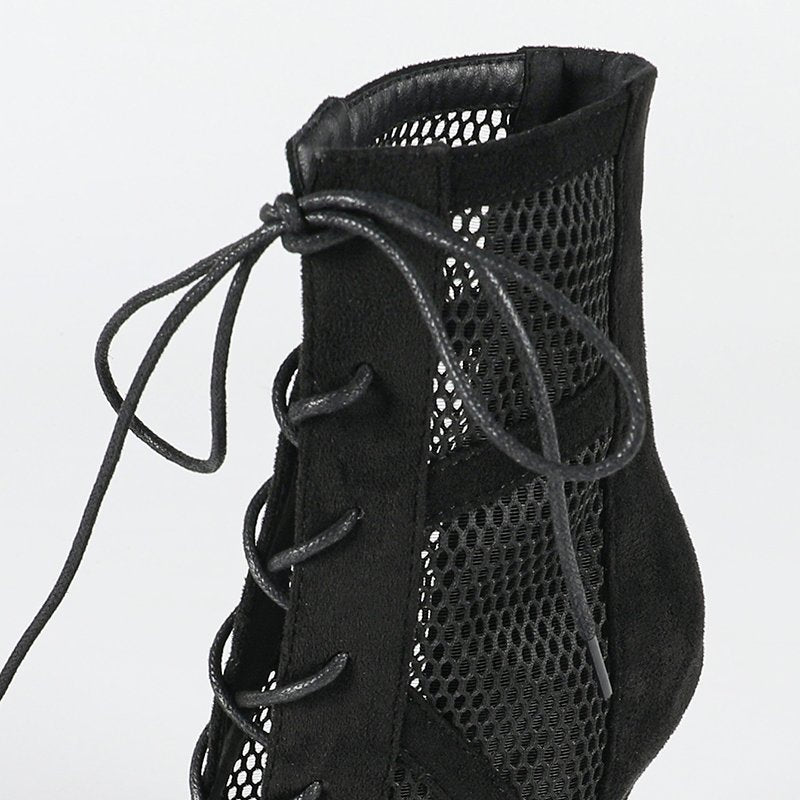
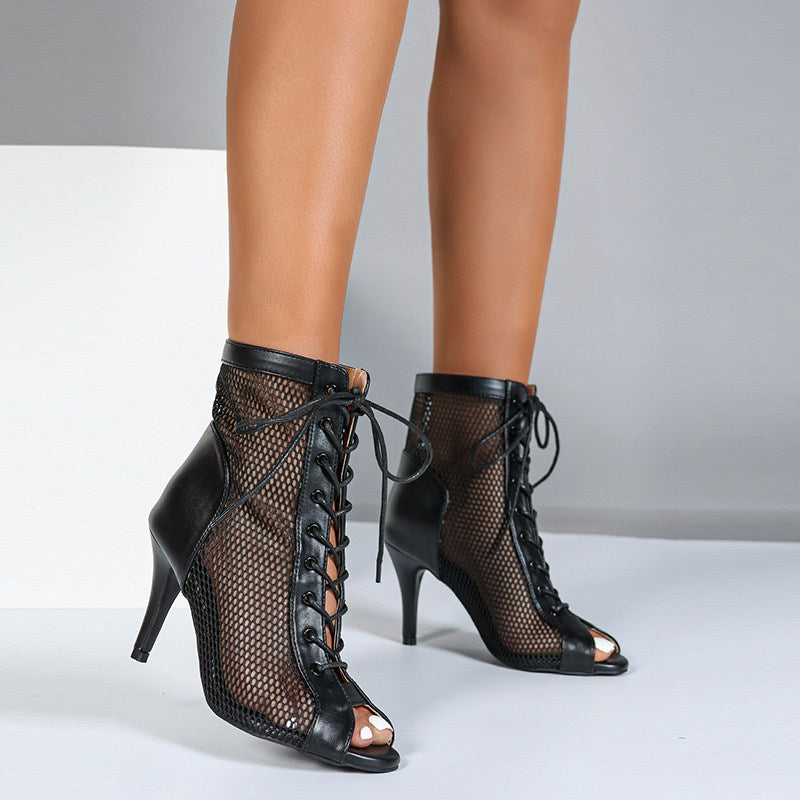
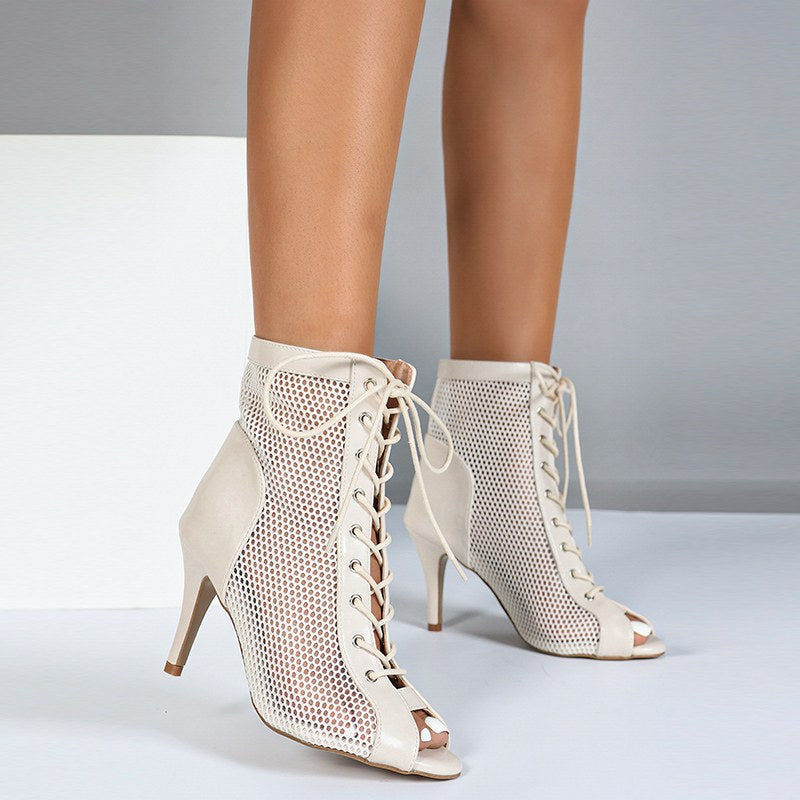
Dance boots for Salsa, Jazz, and heels dancing
-
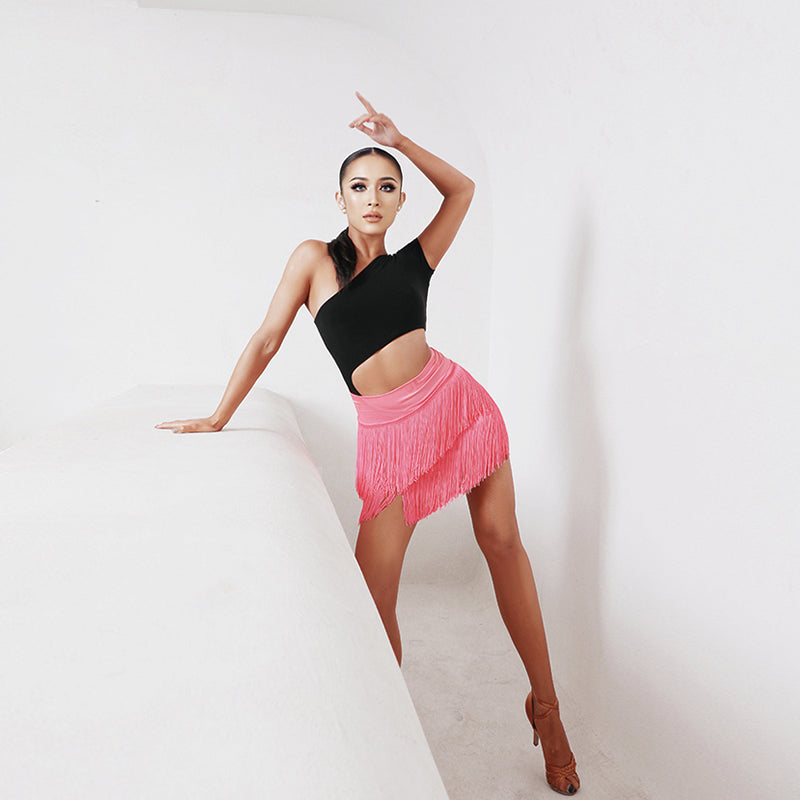
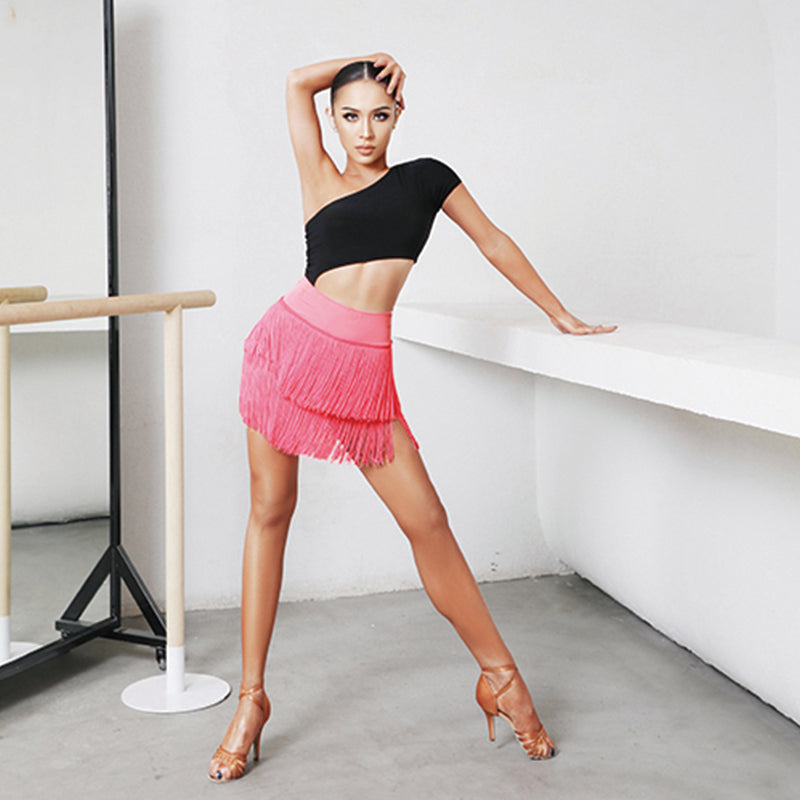
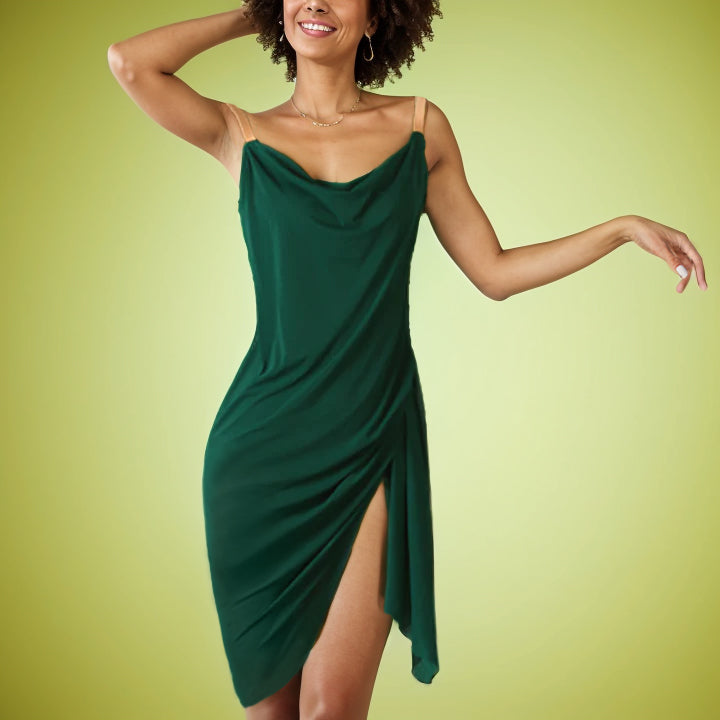
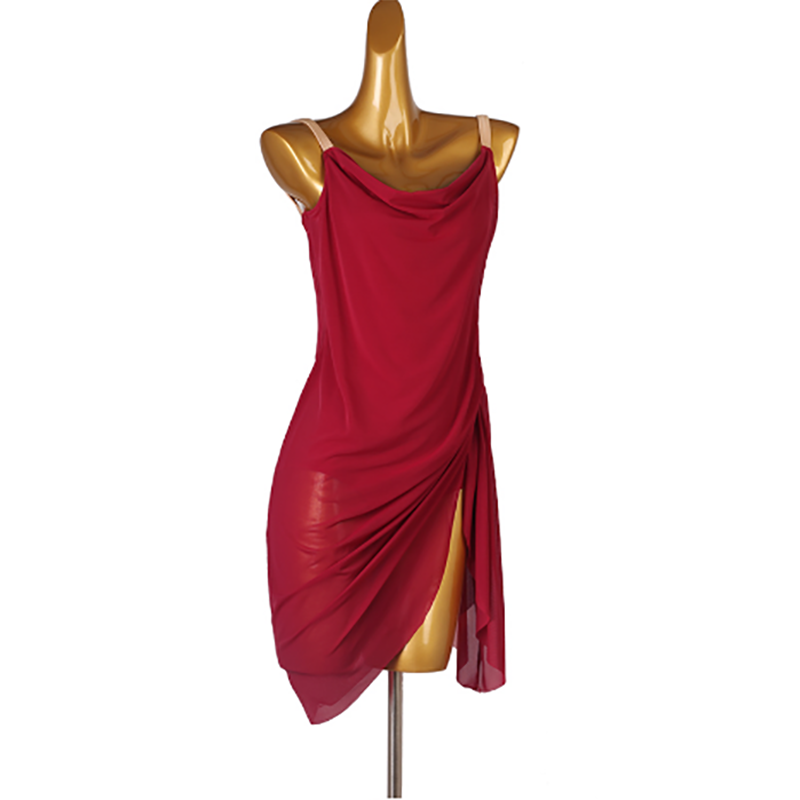
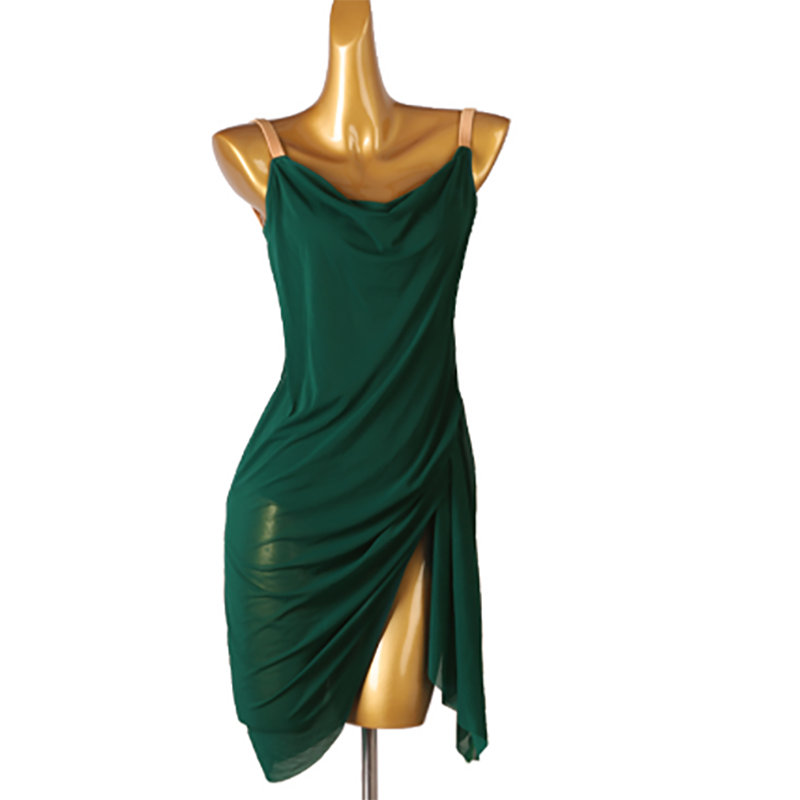
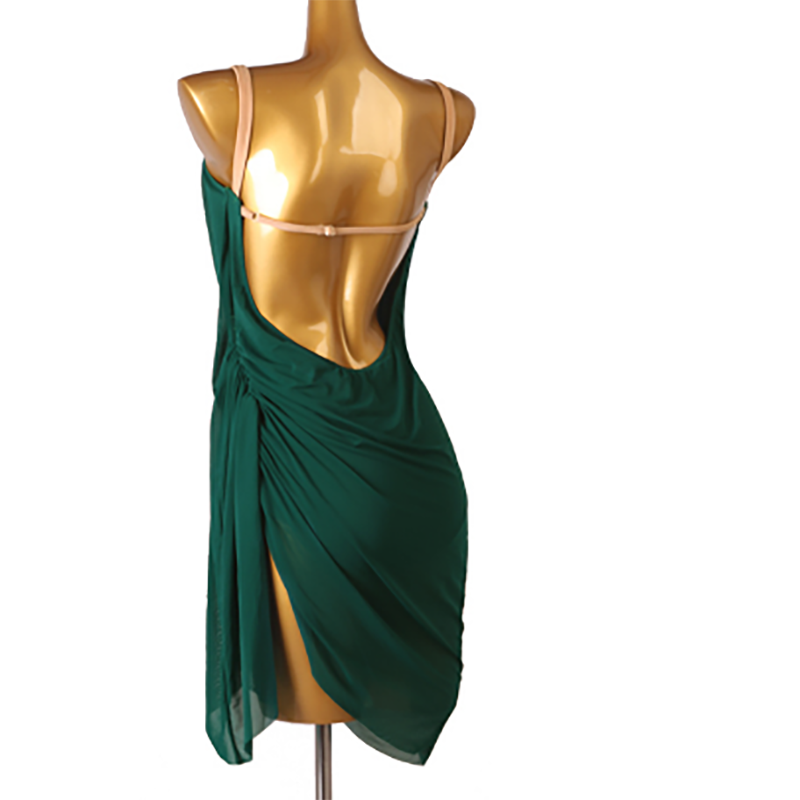
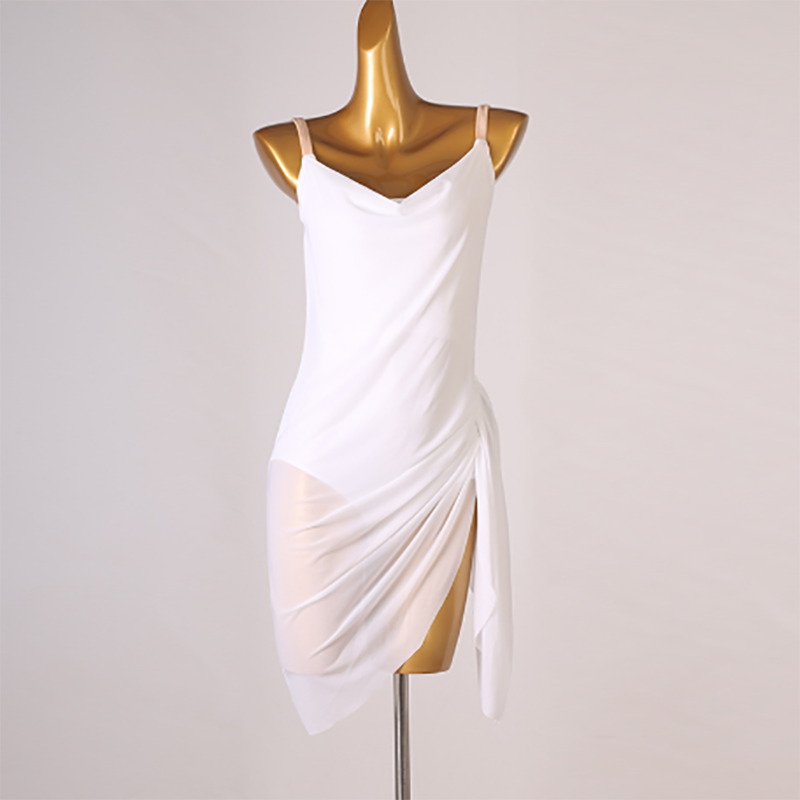
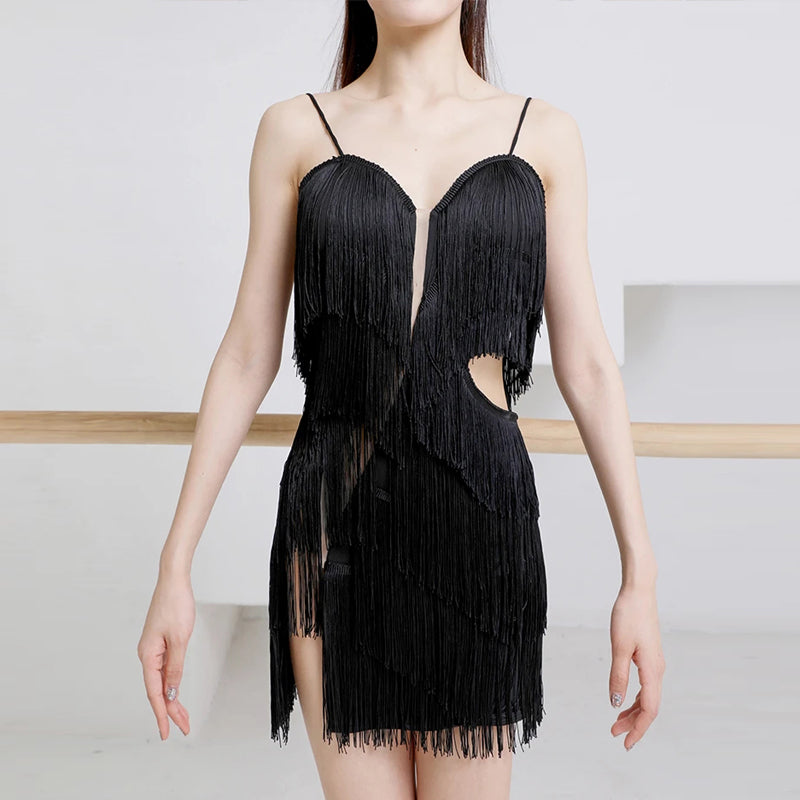
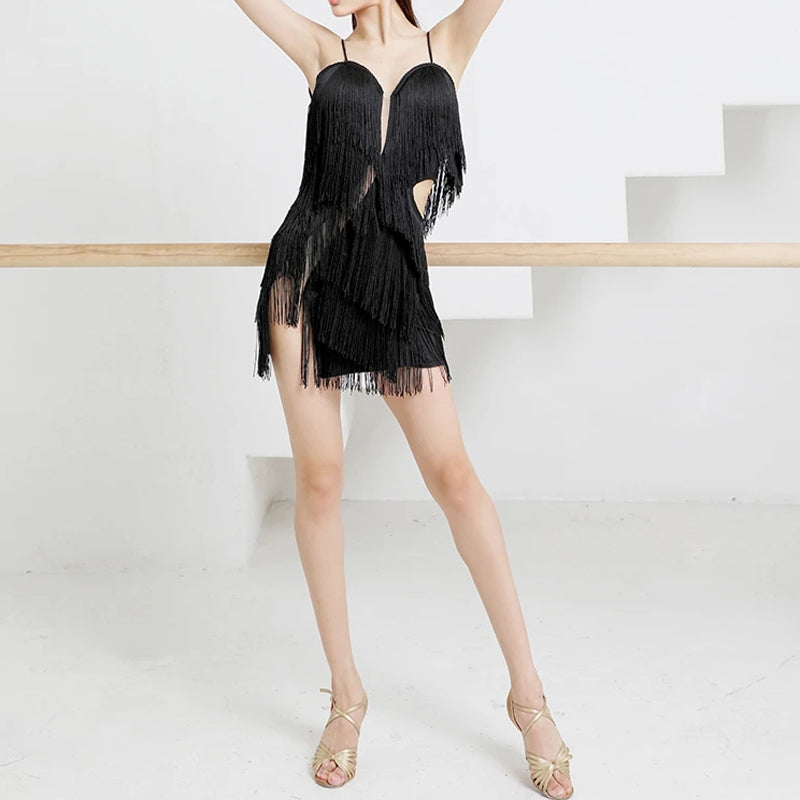
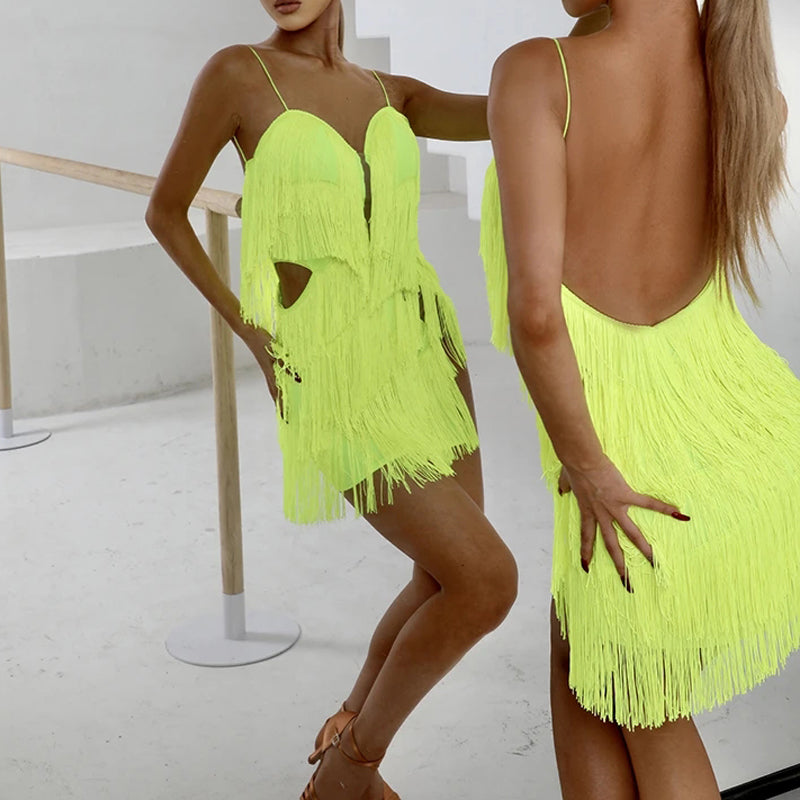
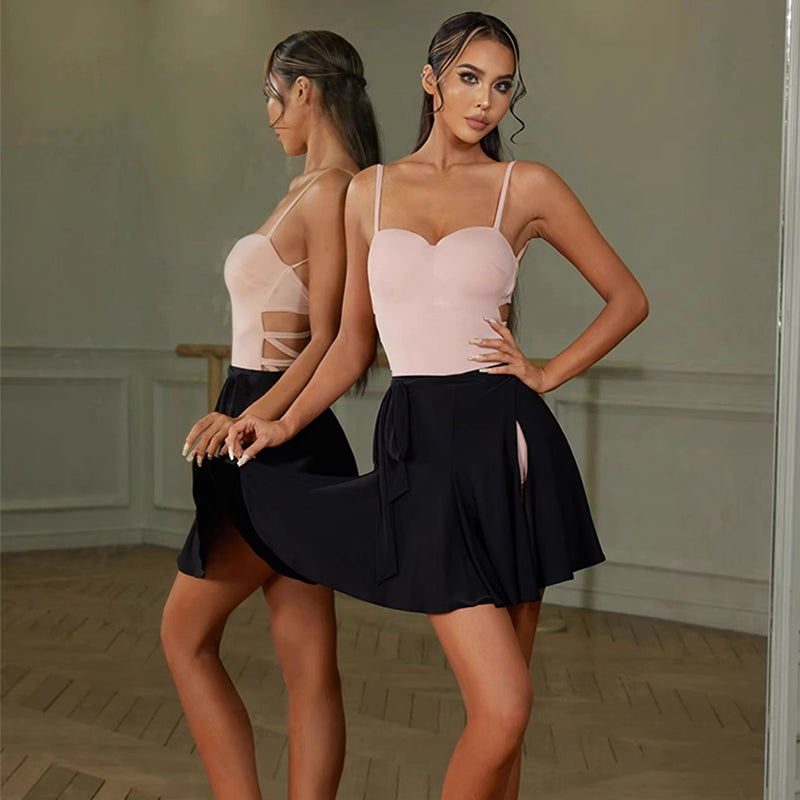
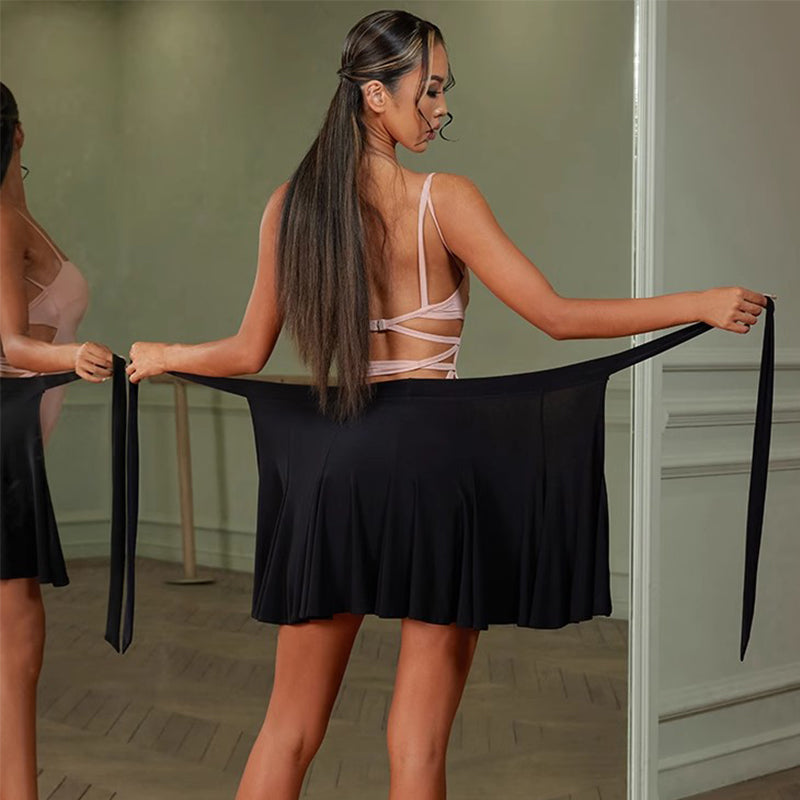
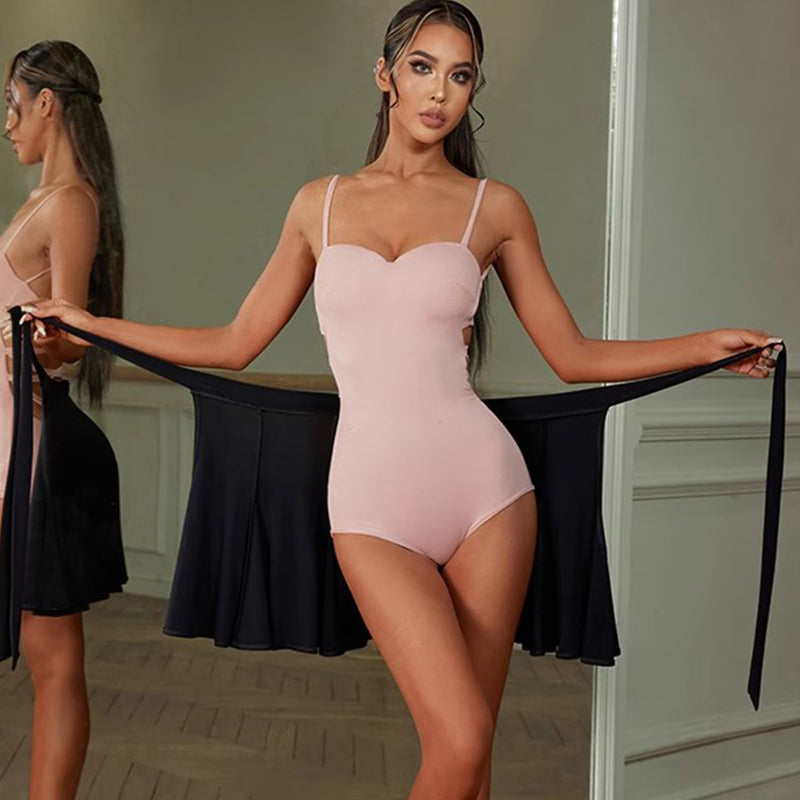
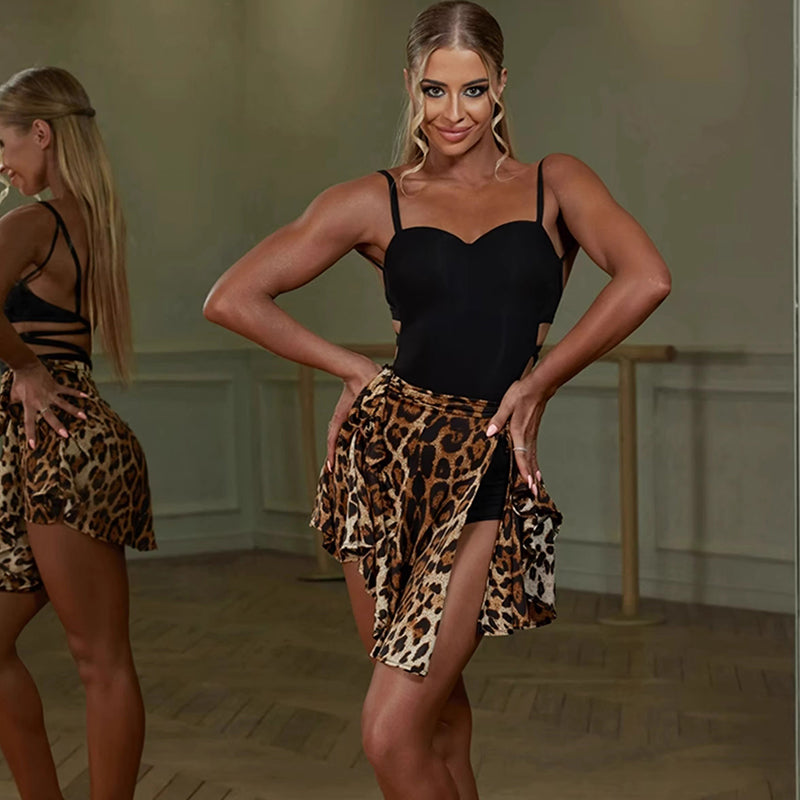
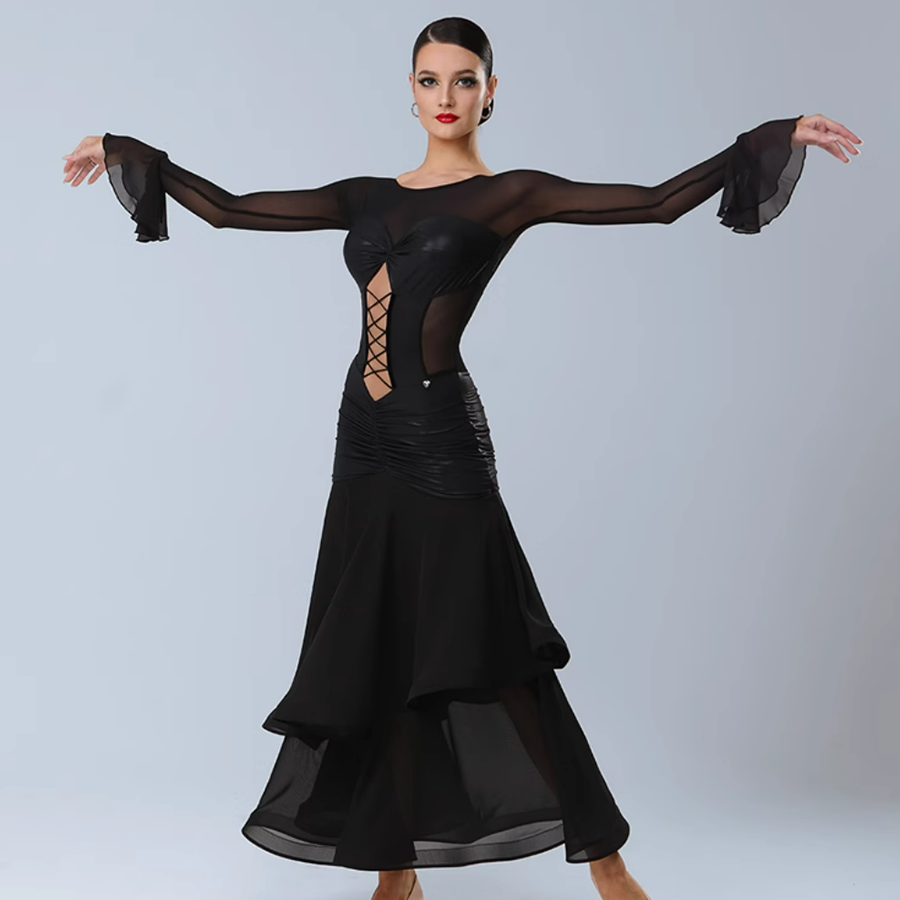
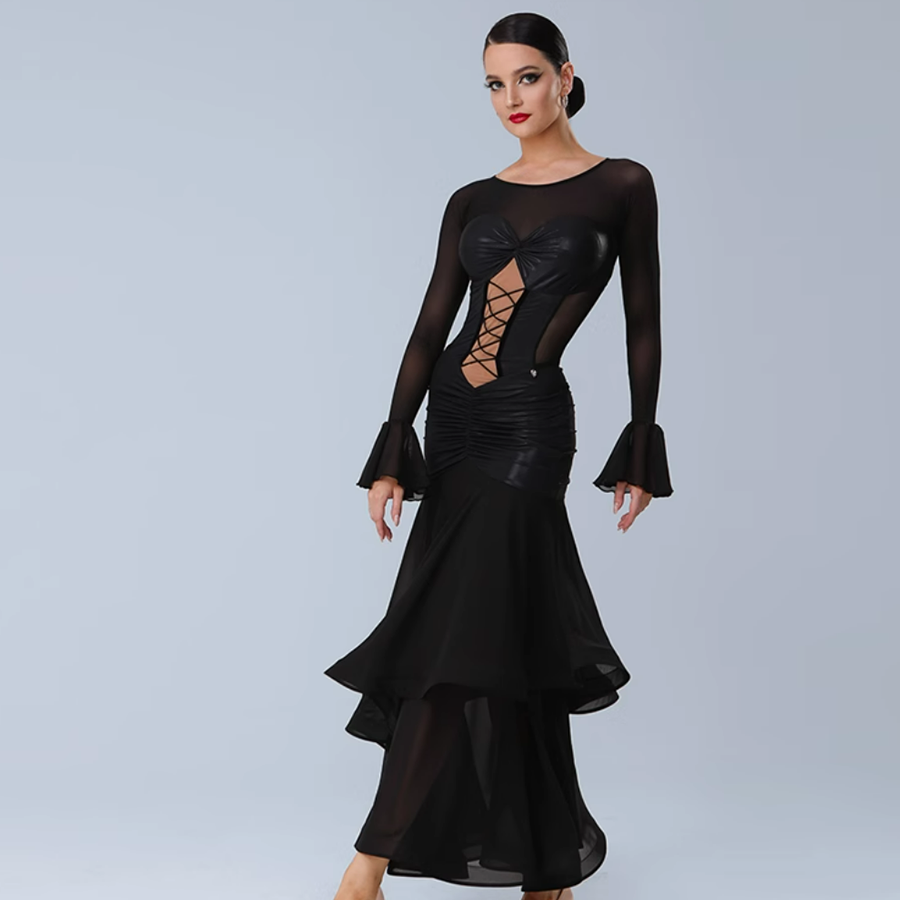
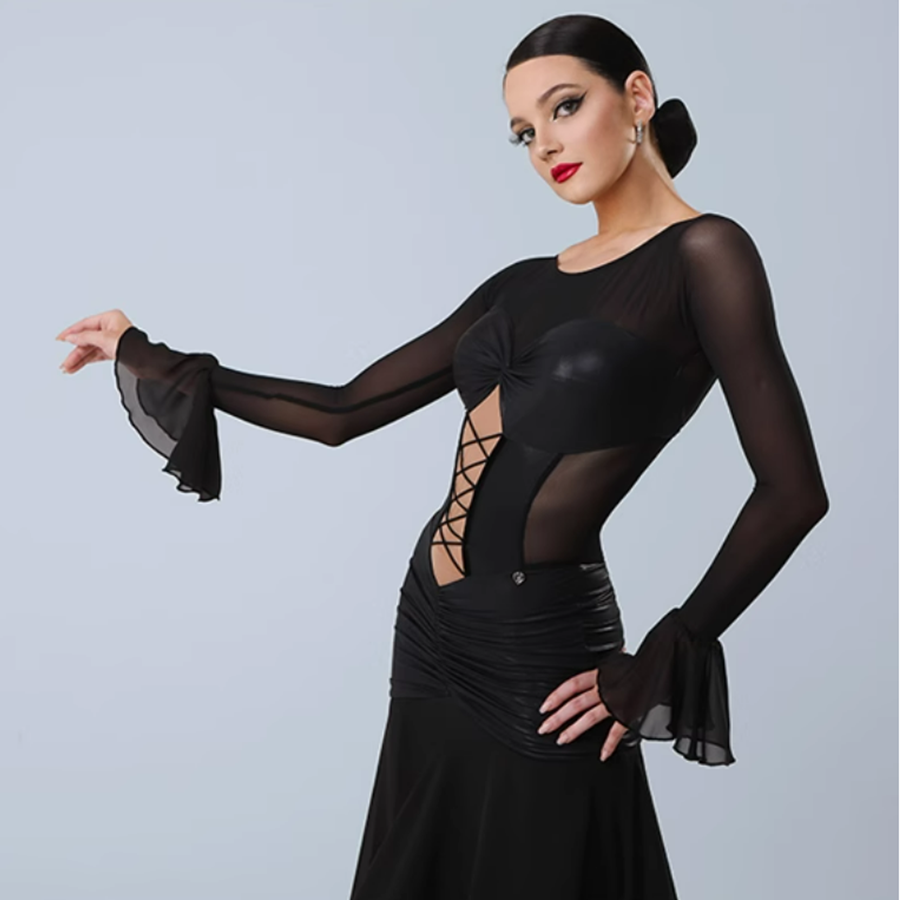
Ballroom and Latin dance dresses
-
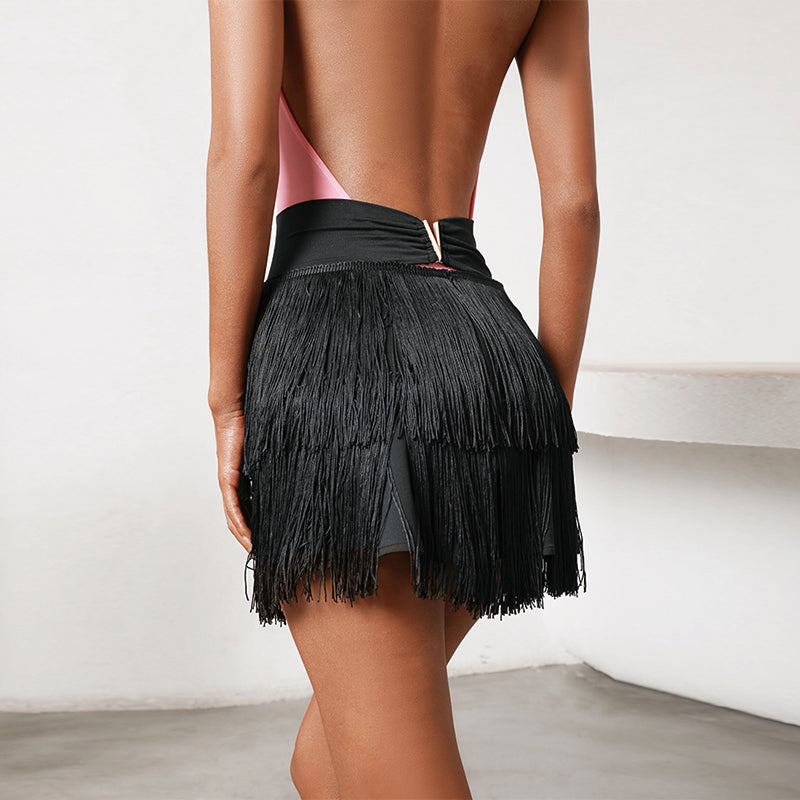
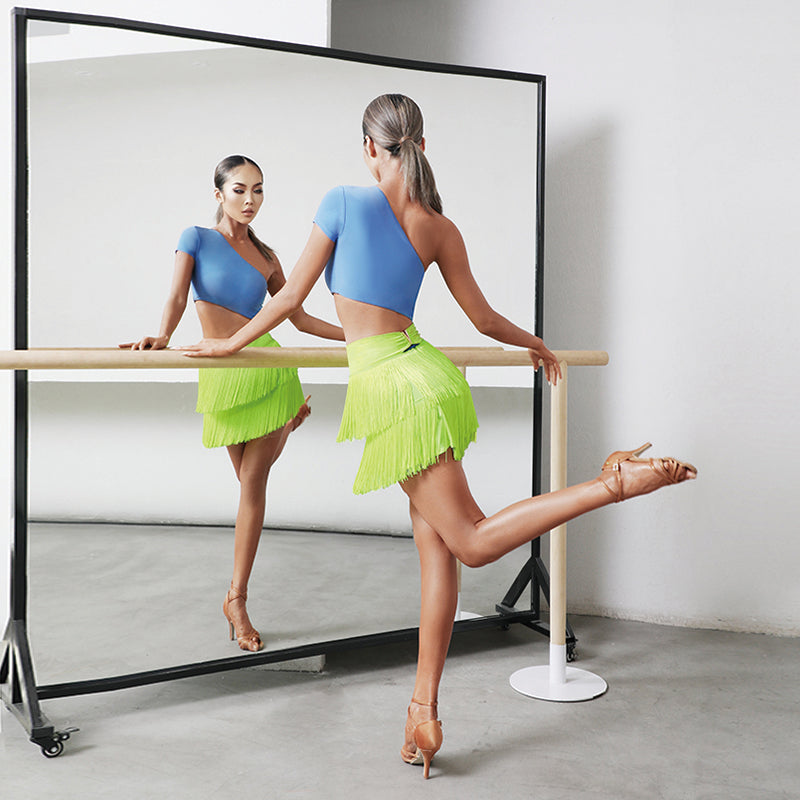
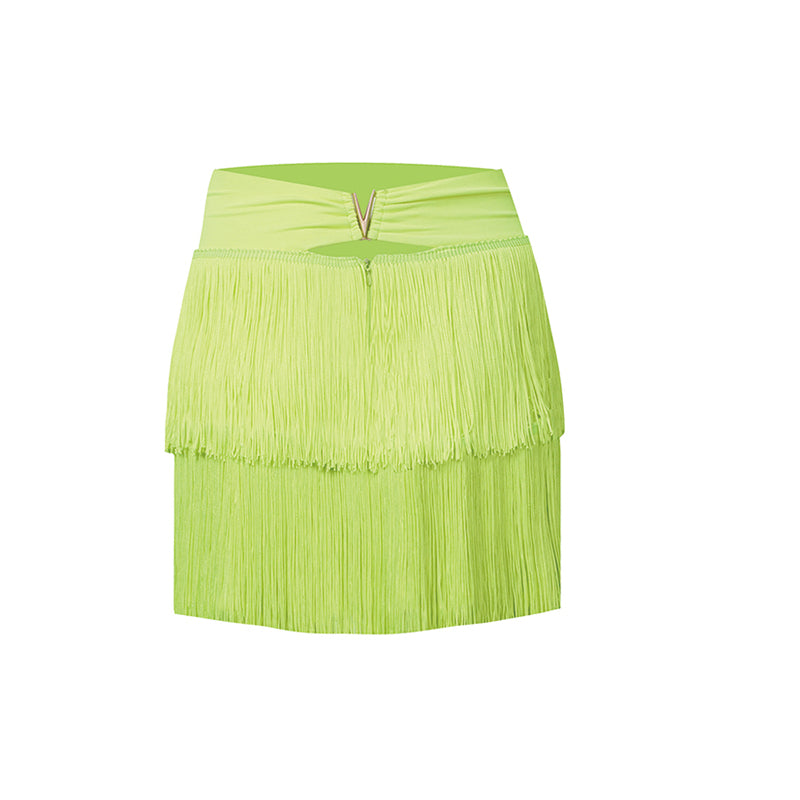
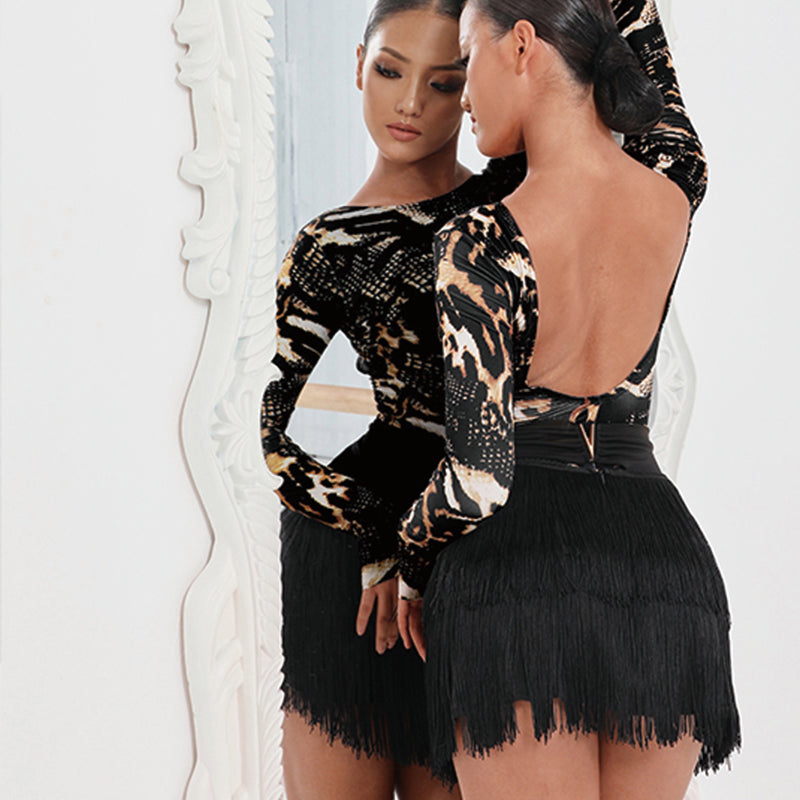
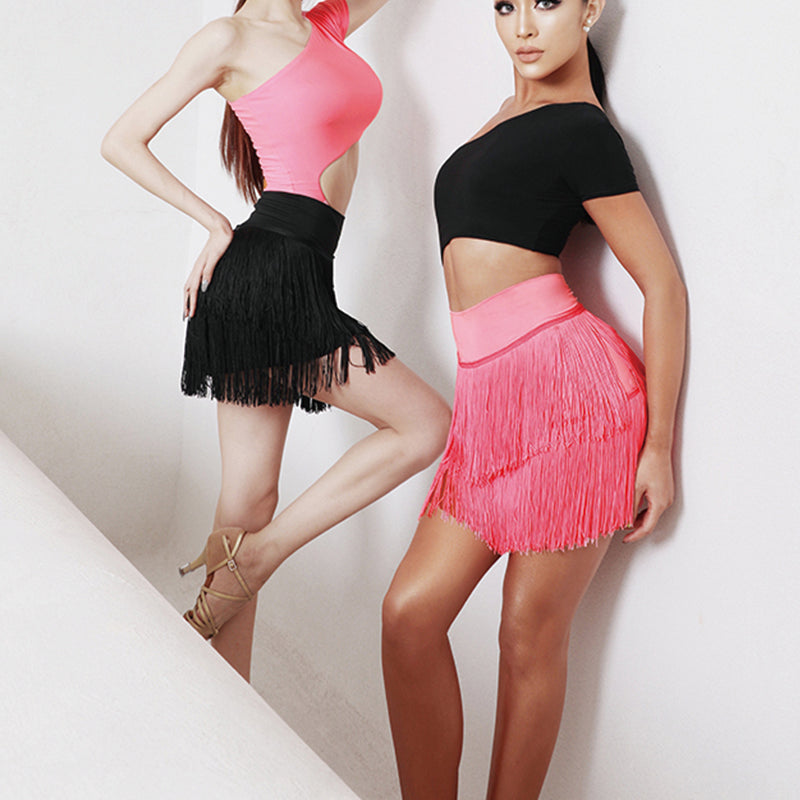
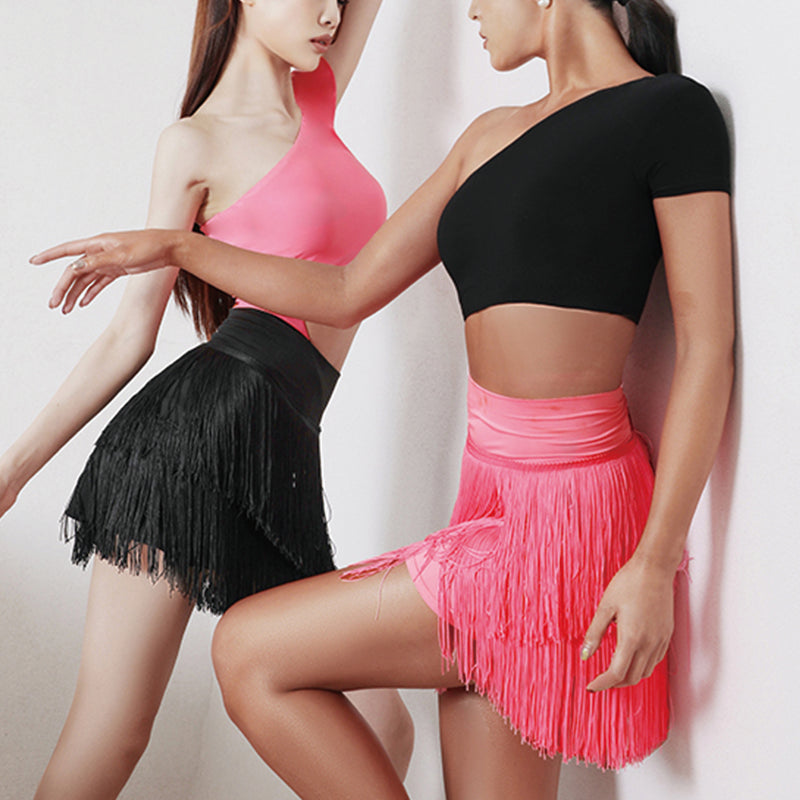
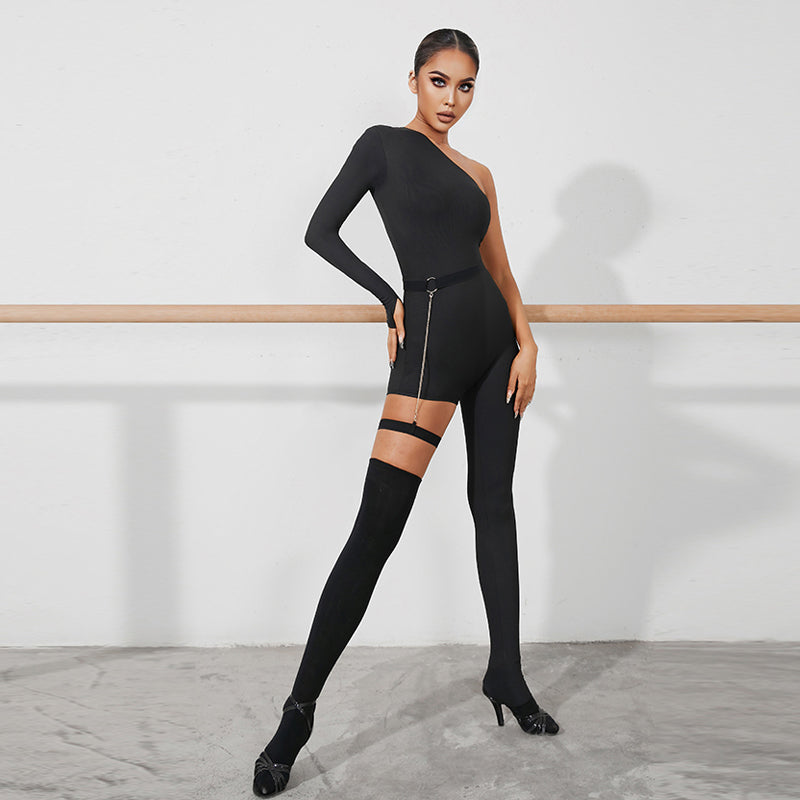
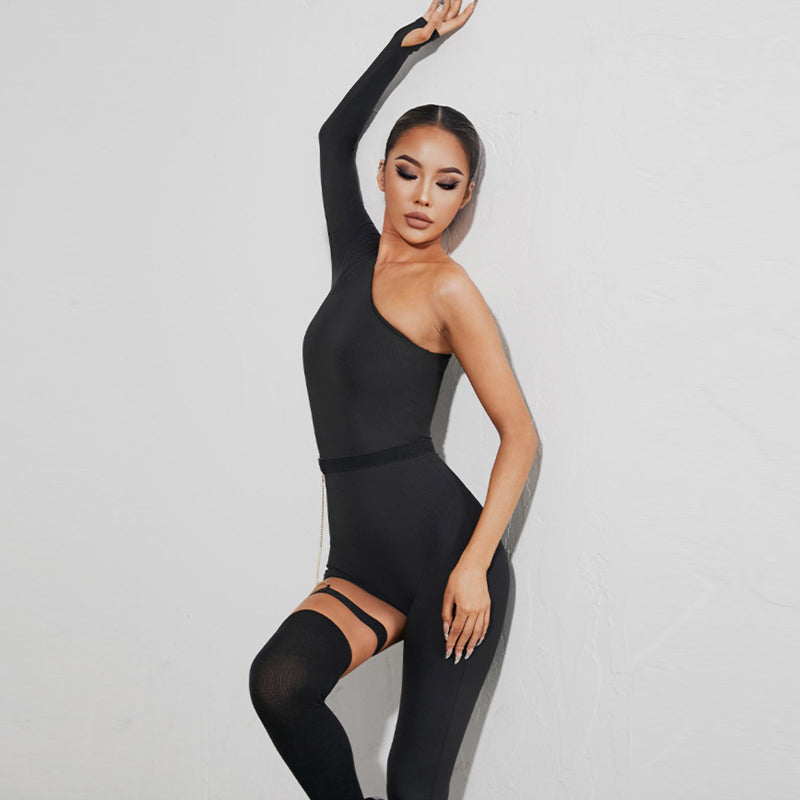
Latin dance skirts, tops, and practice wear
Whether you're getting ready for your first dance class, upgrading your training wardrobe, or preparing for a performance, choosing clothing and footwear suited to your style can make your dancing experience more enjoyable.
Discover our Latin Dancewear Collection and create a coordinated look for your next class or performance.
10. Frequently Asked Questions About Ballroom and Latin Dance Shoes
What is the main difference between ballroom and Latin dance shoes?
The main difference lies in their design and intended movement. Traditional women's ballroom shoes generally feature a closed toe and support smooth, traveling steps. Women's Latin dance shoes are usually open-toed and designed for more expressive forefoot articulation and dynamic movement.
Can beginners wear Latin dance heels?
Yes. Beginners can wear Latin dance heels, but it's important to choose a manageable heel height, secure straps, and a comfortable fit. Lower or moderate heels are often a practical starting point.
Are suede sole dance shoes better for ballroom dancing?
Suede soles are popular for indoor ballroom dancing because they offer controlled movement and allow dancers to pivot on suitable dance floors. The best sole depends on the flooring and your dance style.
Can I use the same dance shoes for Salsa and ballroom?
For casual social dancing, versatile dance shoes may work for several styles. However, specialized ballroom or Latin shoes are generally preferable when you want to develop discipline-specific technique.
What heel height is best for beginner ballroom dancers?
Many beginners prefer lower heels, such as 3.5 cm to 5.5 cm, depending on the design and their comfort level. Stability, proper fit, and control are more important than choosing a particular heel height.
How should ballroom and Latin dance shoes fit?
Dance shoes should feel secure and close-fitting without squeezing your toes or causing pain. The heel should remain stable, and straps should hold your foot comfortably in place. Always consult the size guide before ordering.
Final Thoughts: Find the Perfect Dance Shoes for Your Style
While ballroom and Latin dance shoes may appear similar, their differences in toe design, heel construction, flexibility, and intended movement make each style suited to different dance techniques.
Ballroom dance shoes are traditionally designed for smooth, elegant movement, while Latin dance shoes emphasize flexible footwork, articulation, and dynamic performance.
Whether you're a beginner searching for your first pair of comfortable dance shoes or an experienced dancer looking for stylish dance heels, understanding these differences can help you make a more informed decision.
At Danceandsway, we're passionate about helping dancers find footwear and dancewear that complement their individual styles.
Find your perfect pair and step onto the dance floor with confidence.
Shop Dance Shoes at Danceandsway →