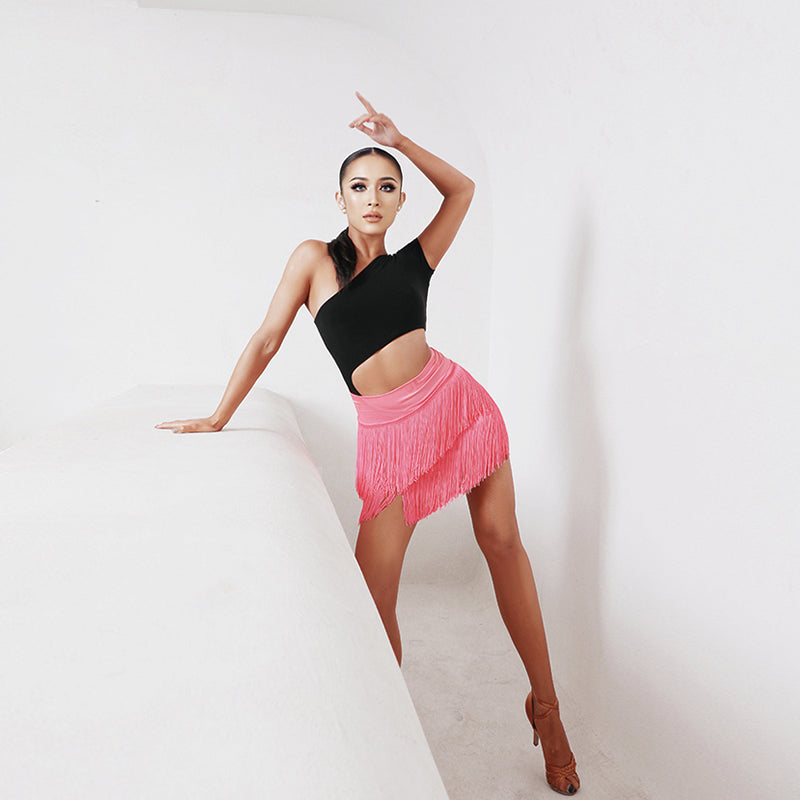
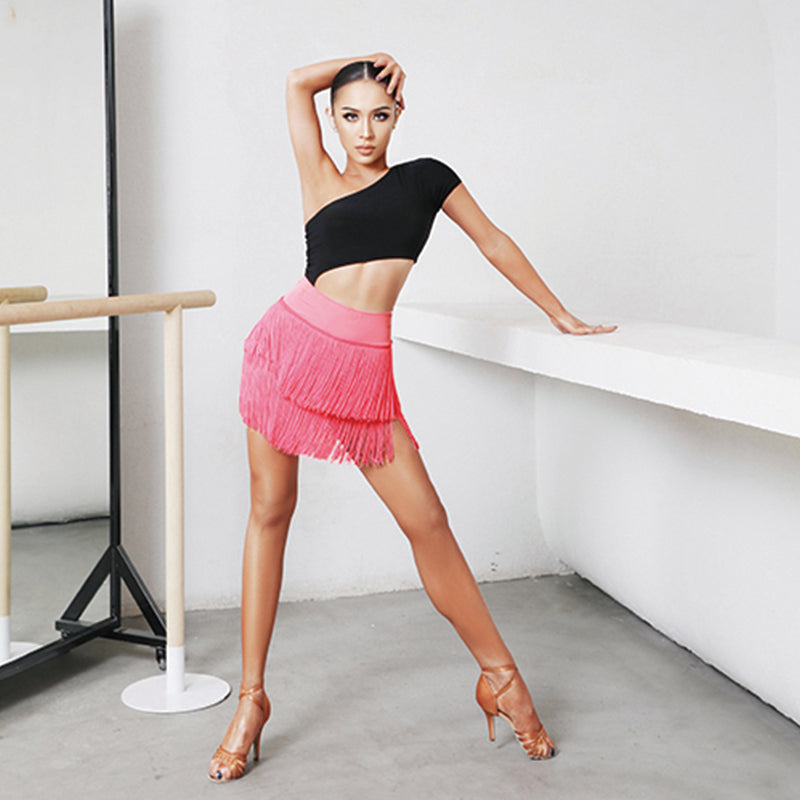
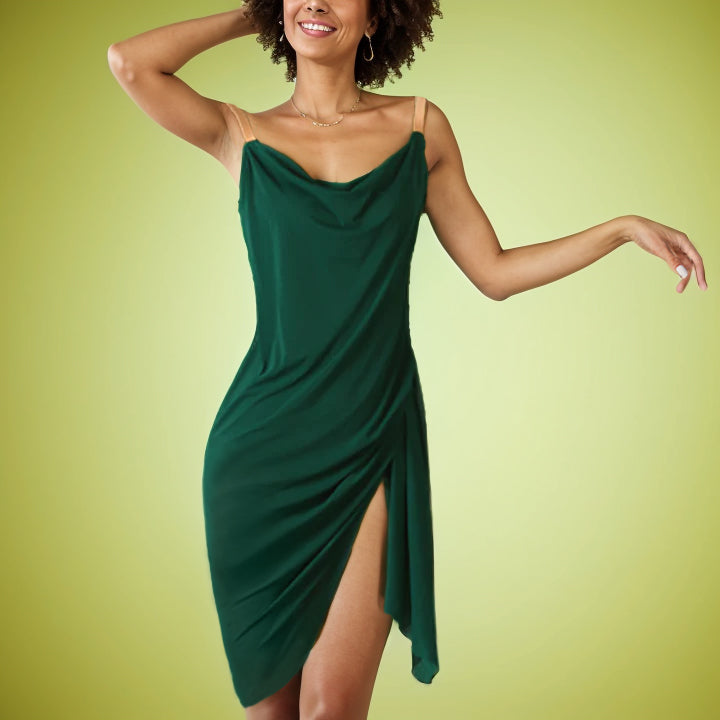
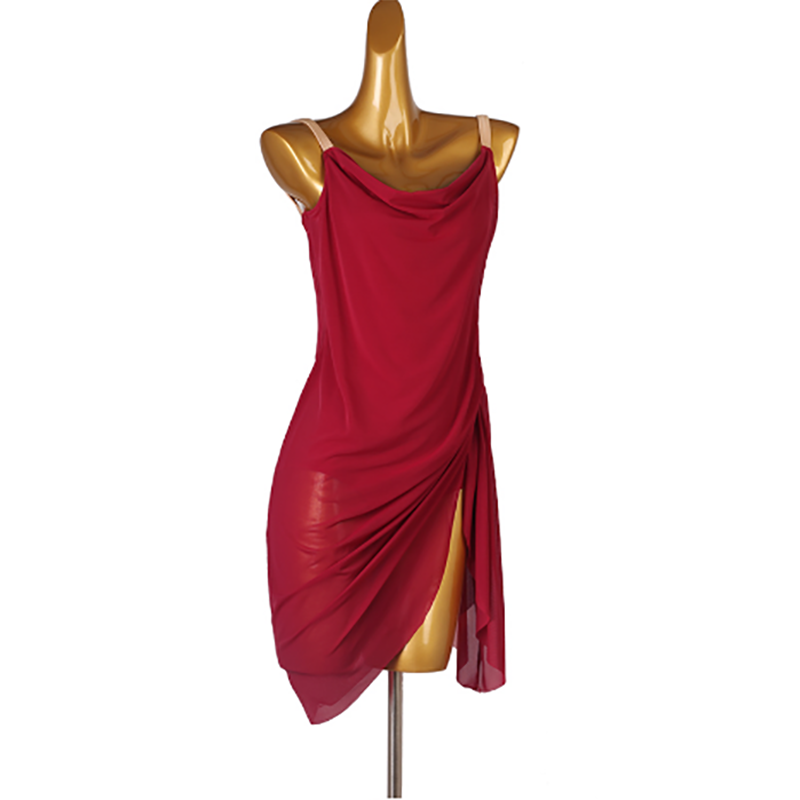
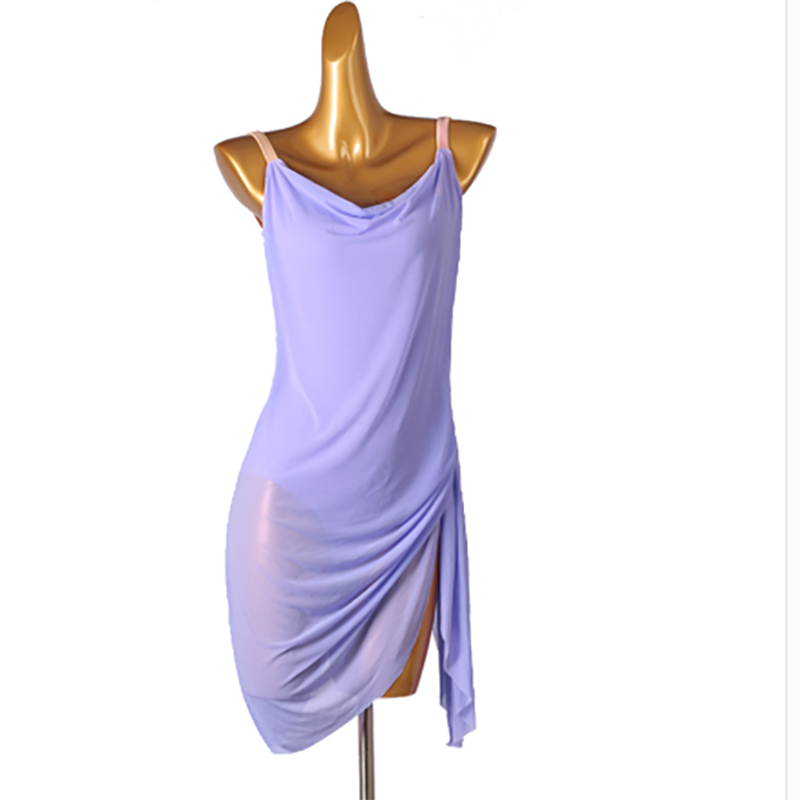
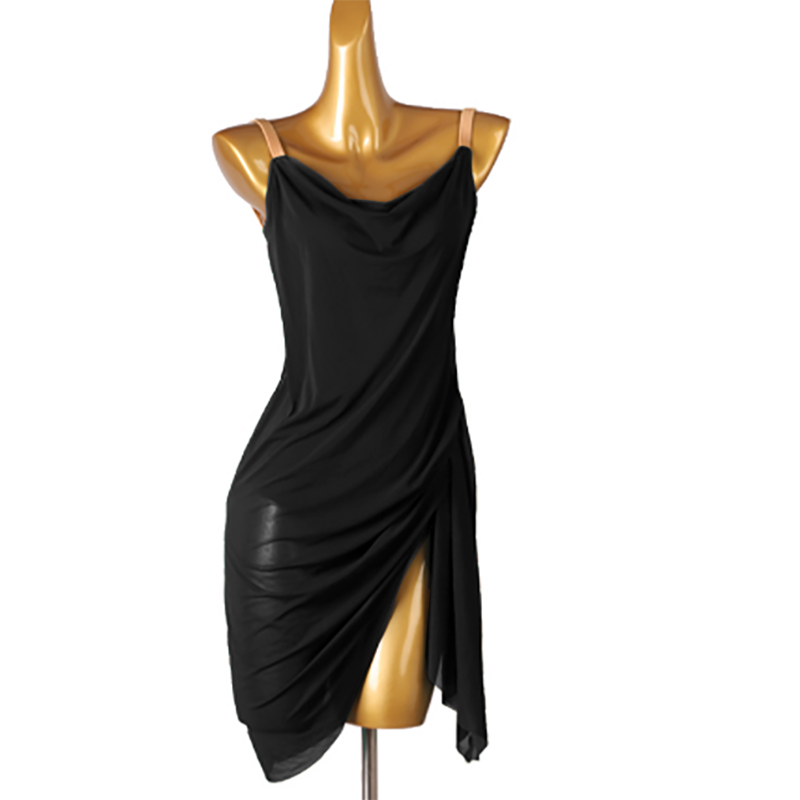
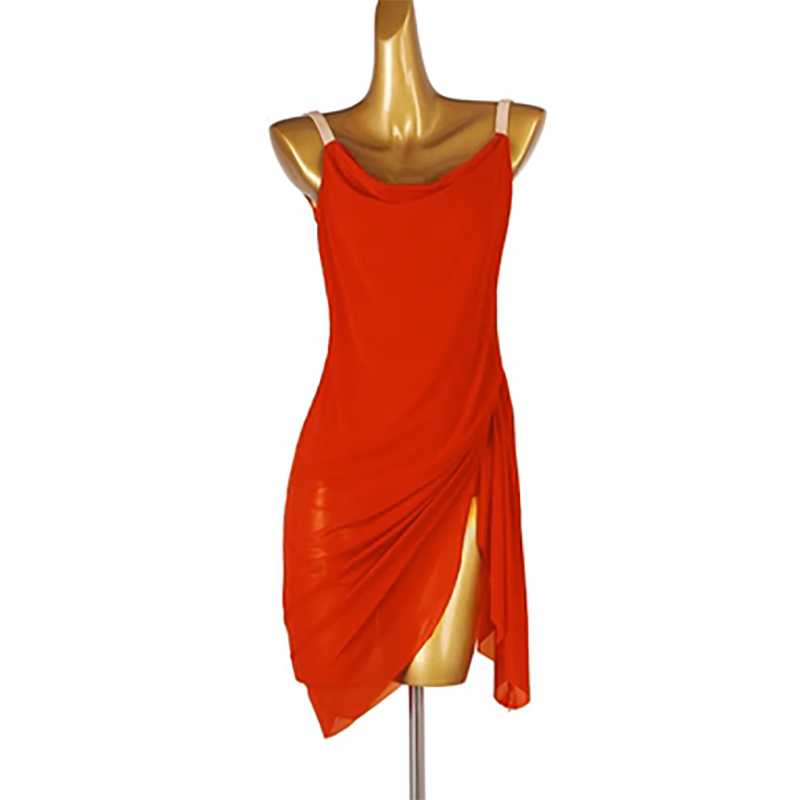
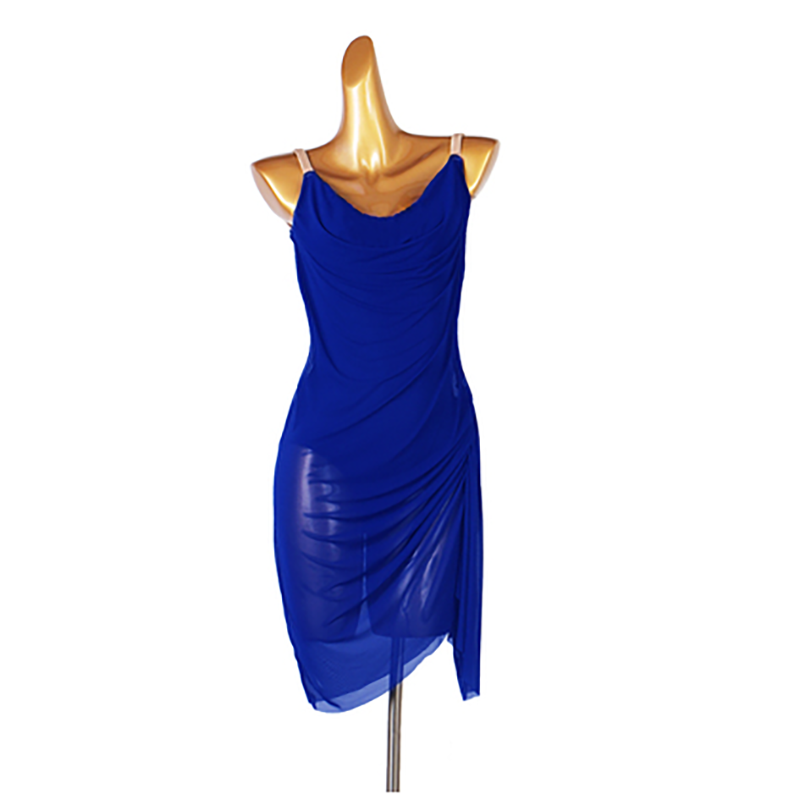
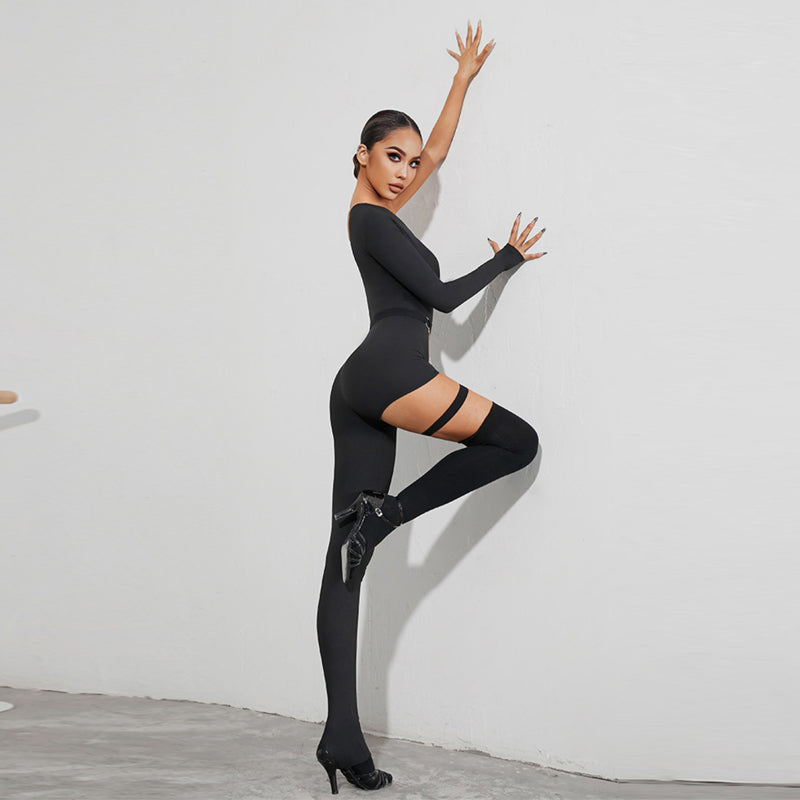
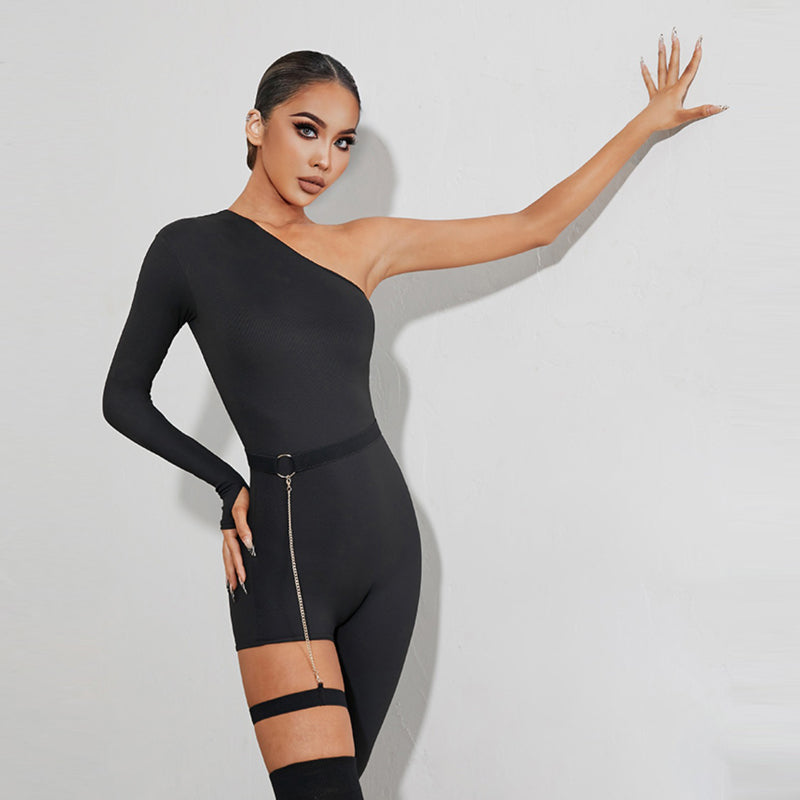
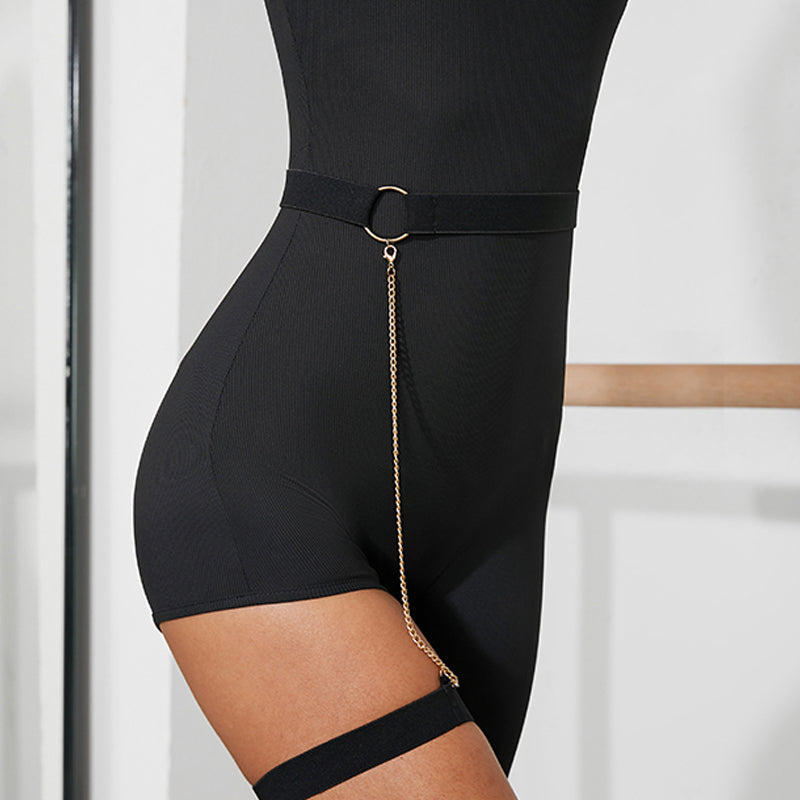
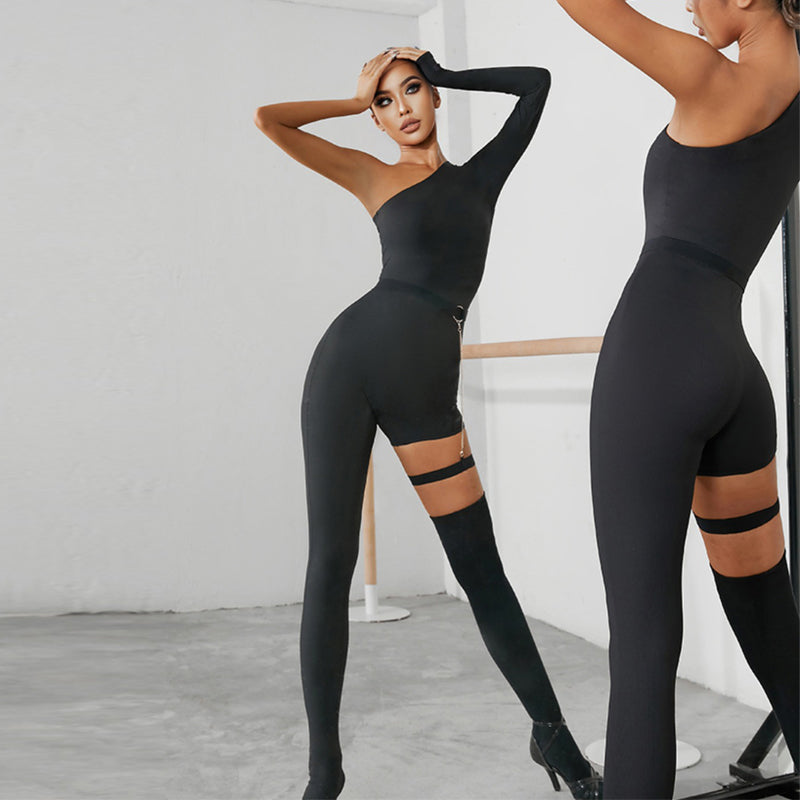
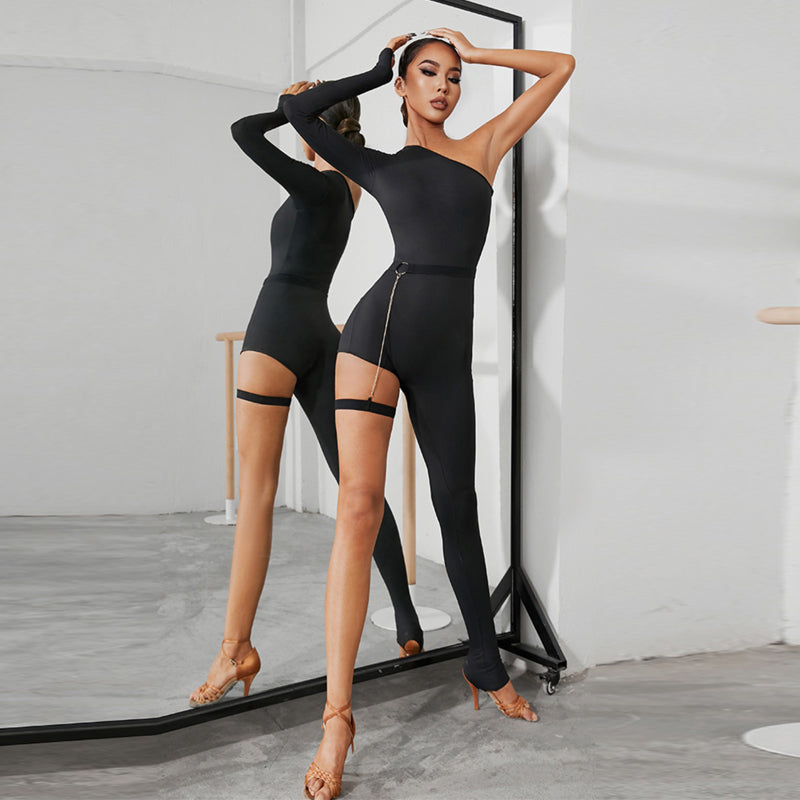
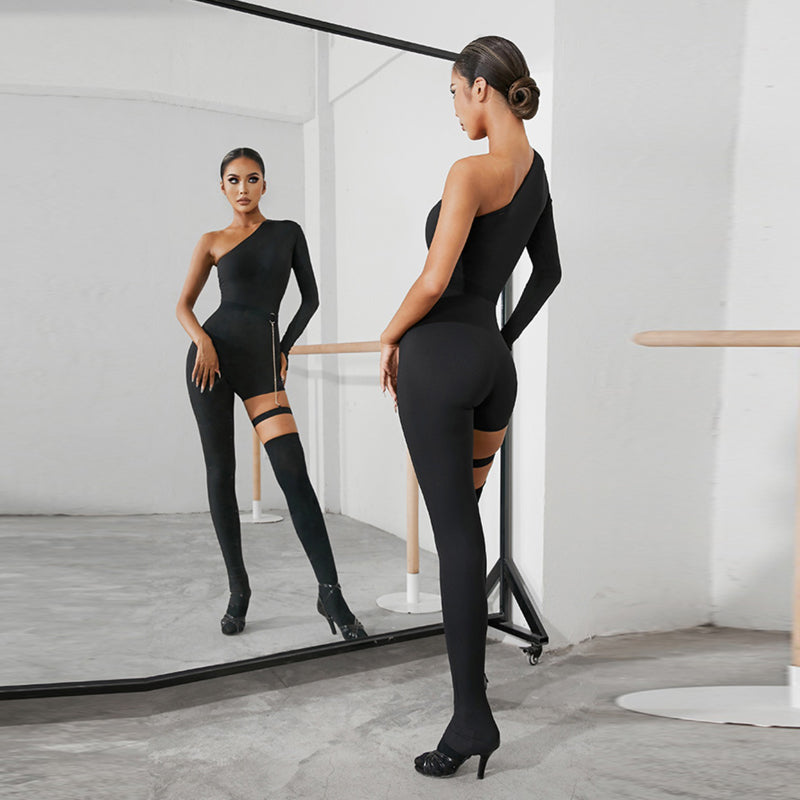
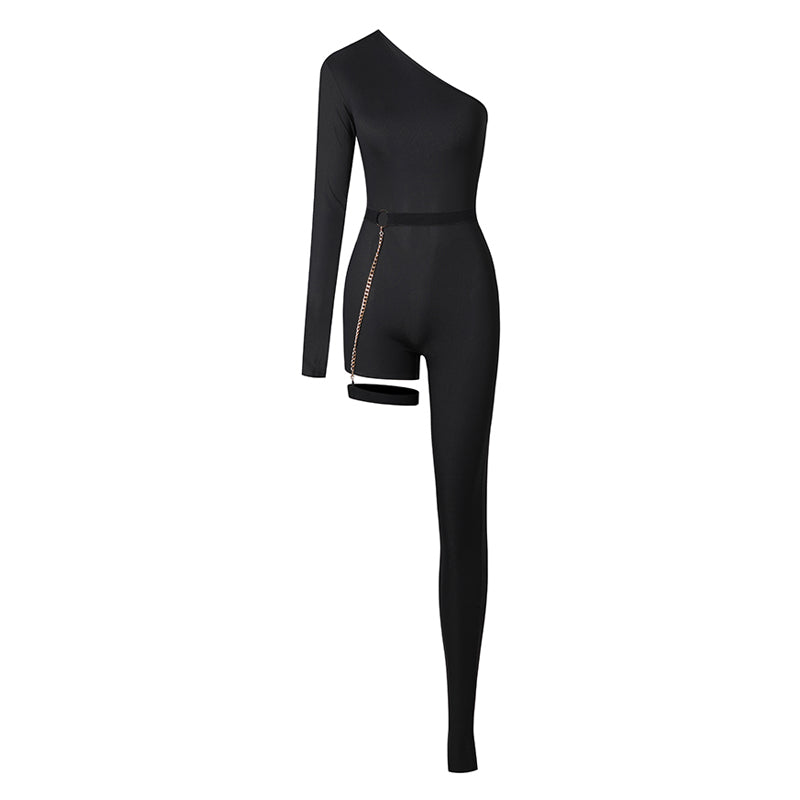
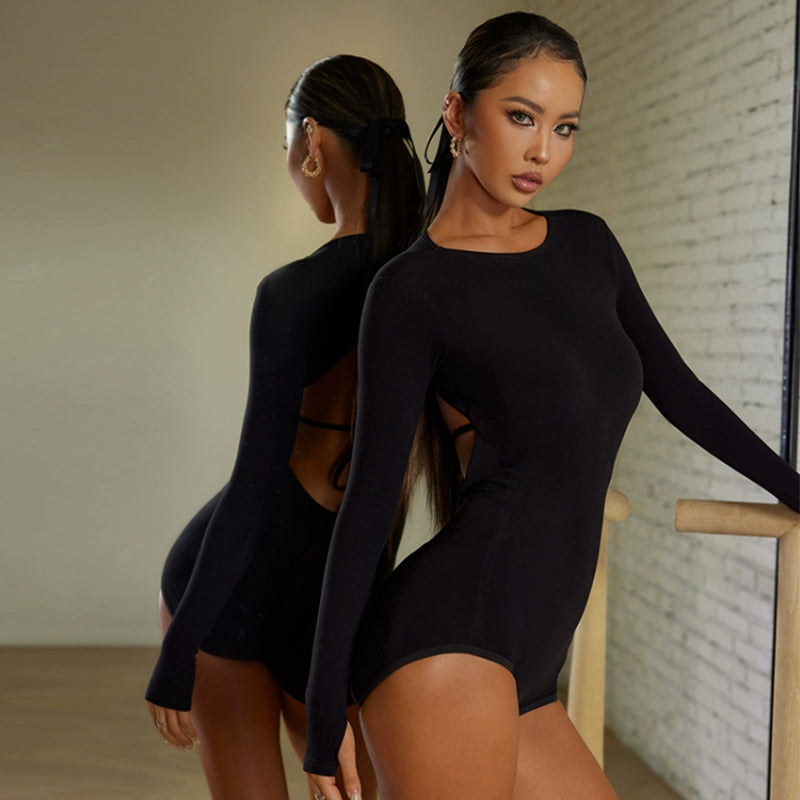
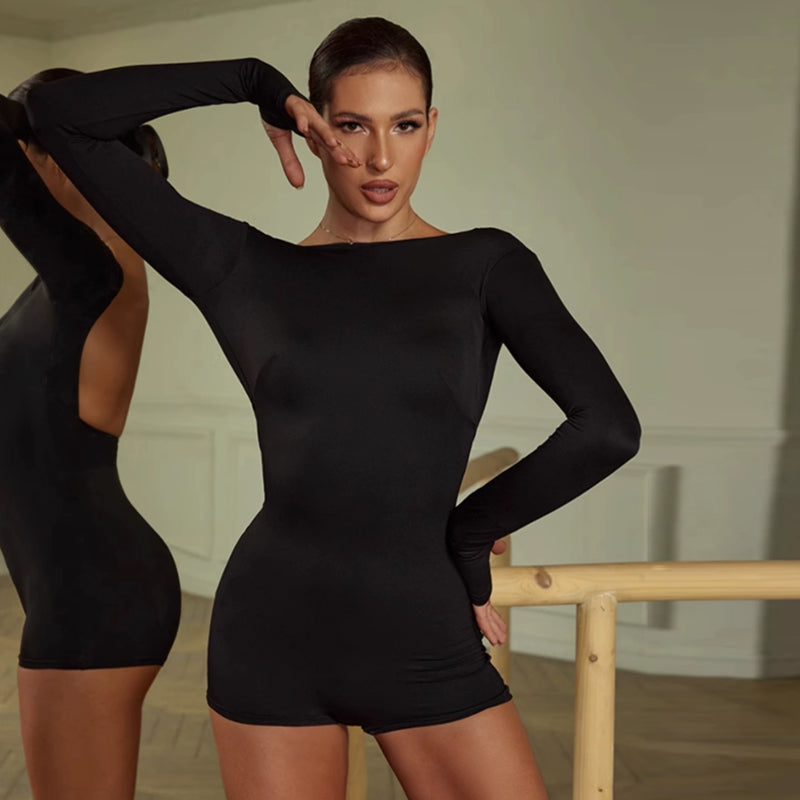
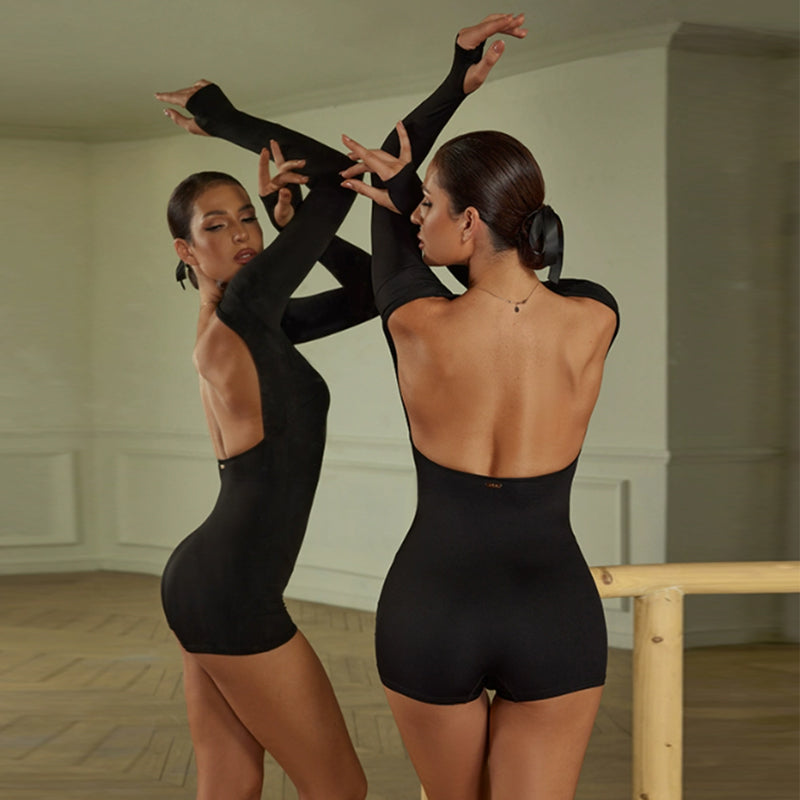
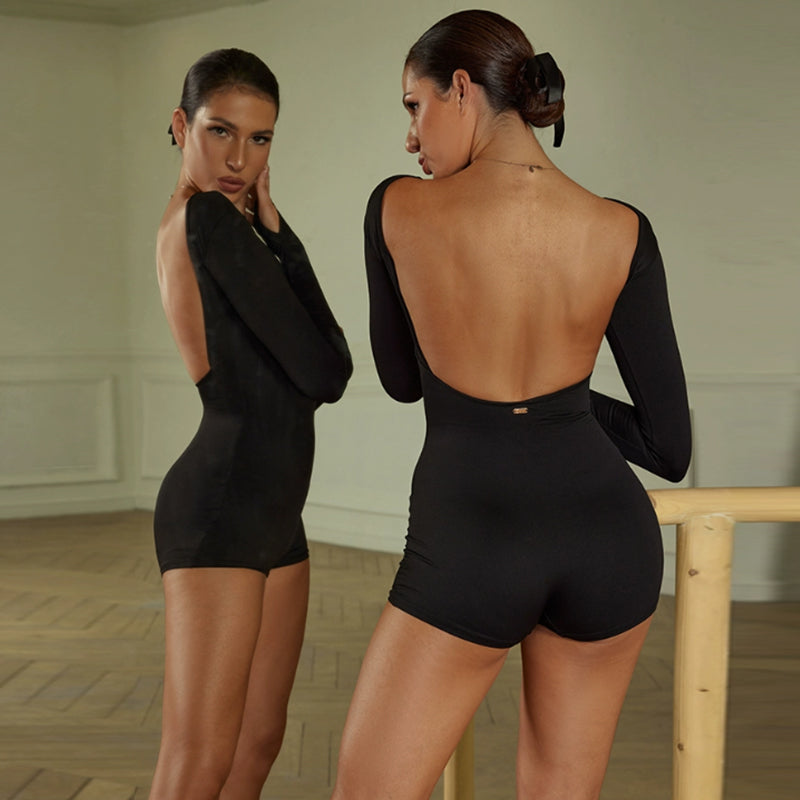
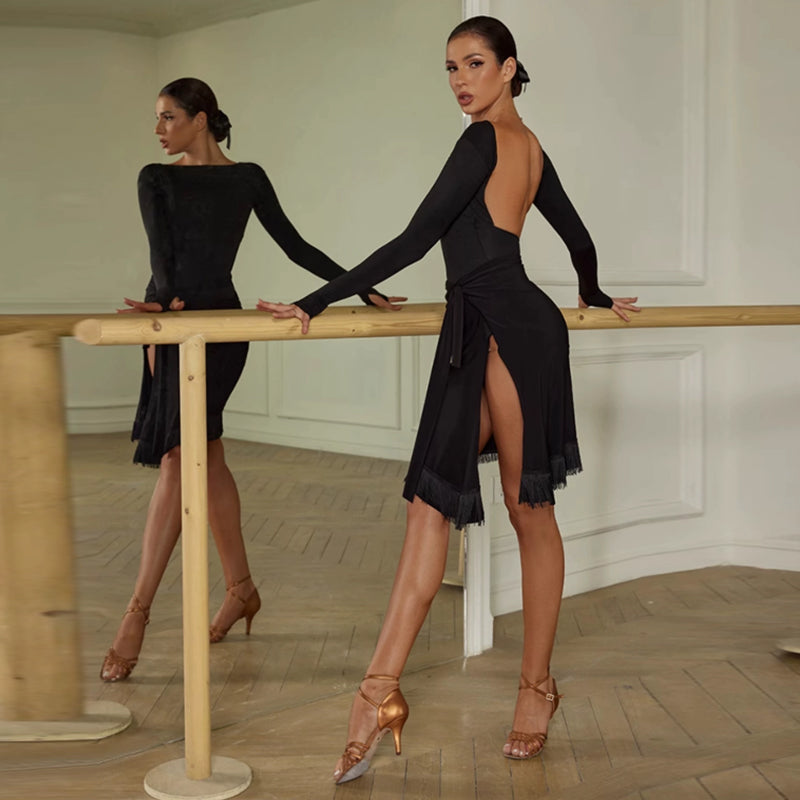
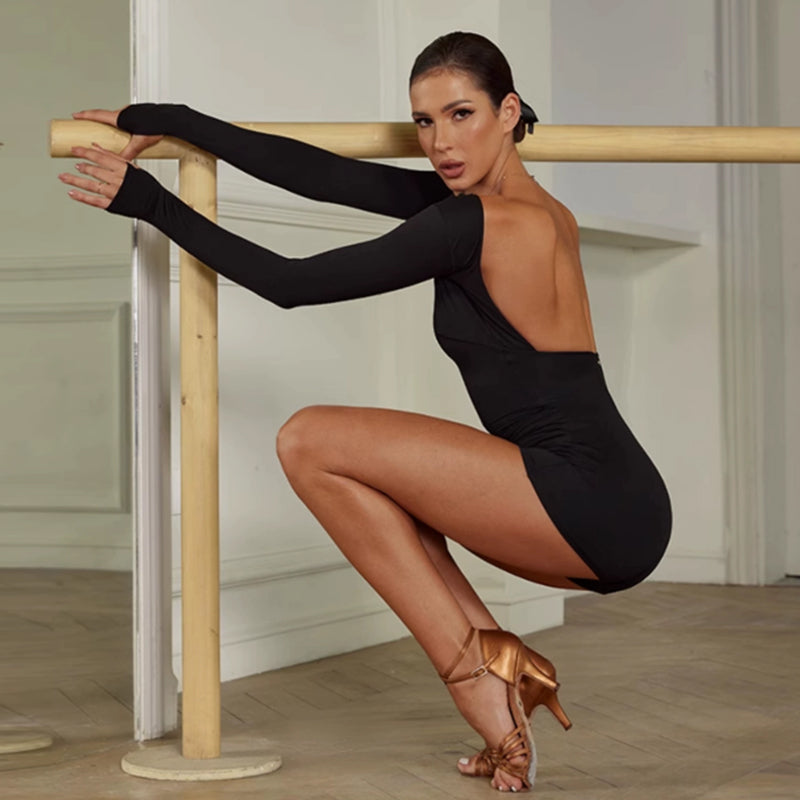
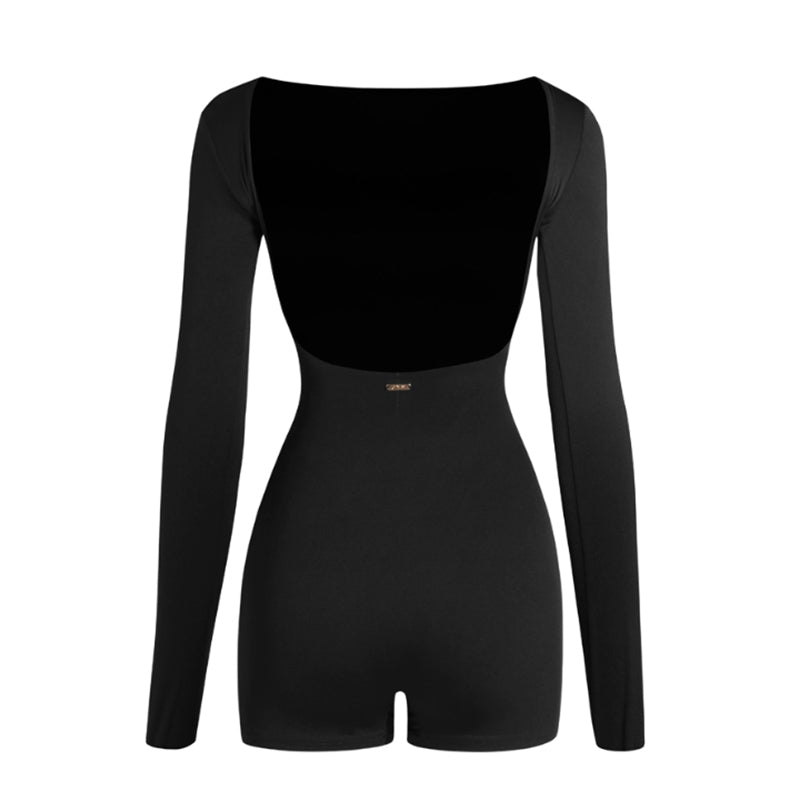
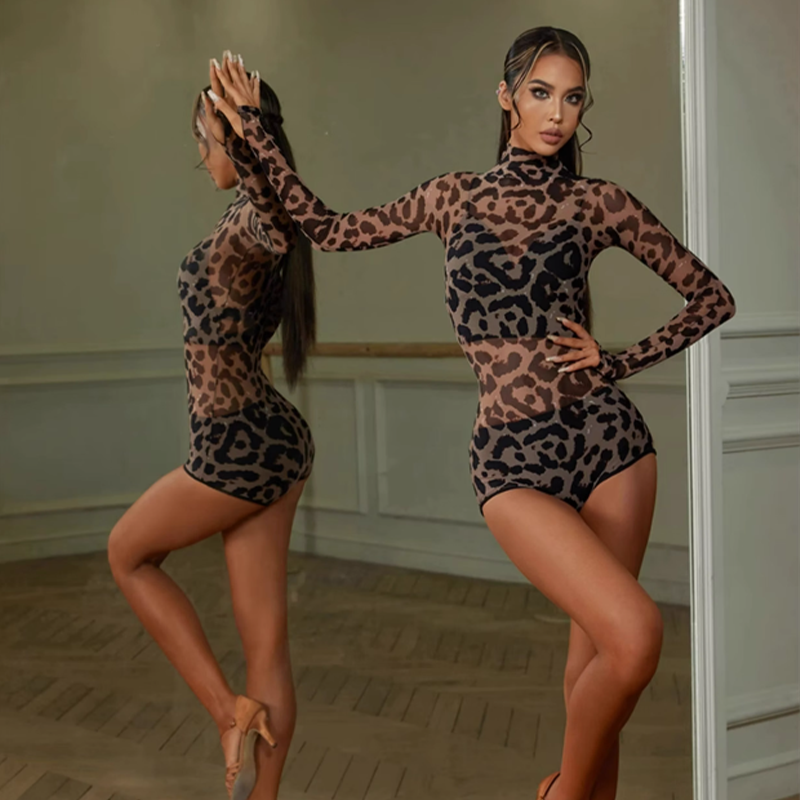
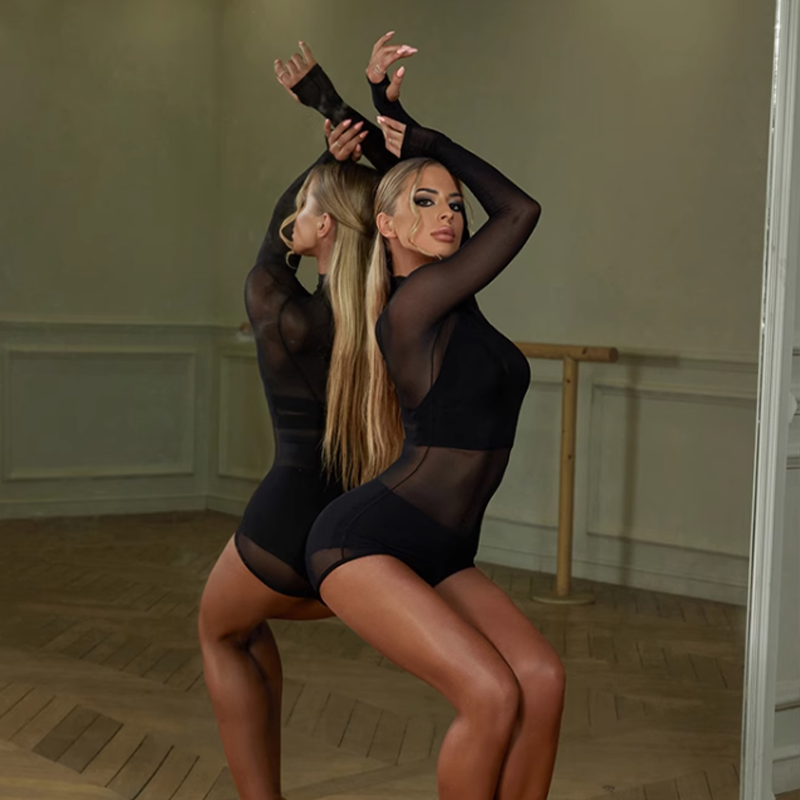
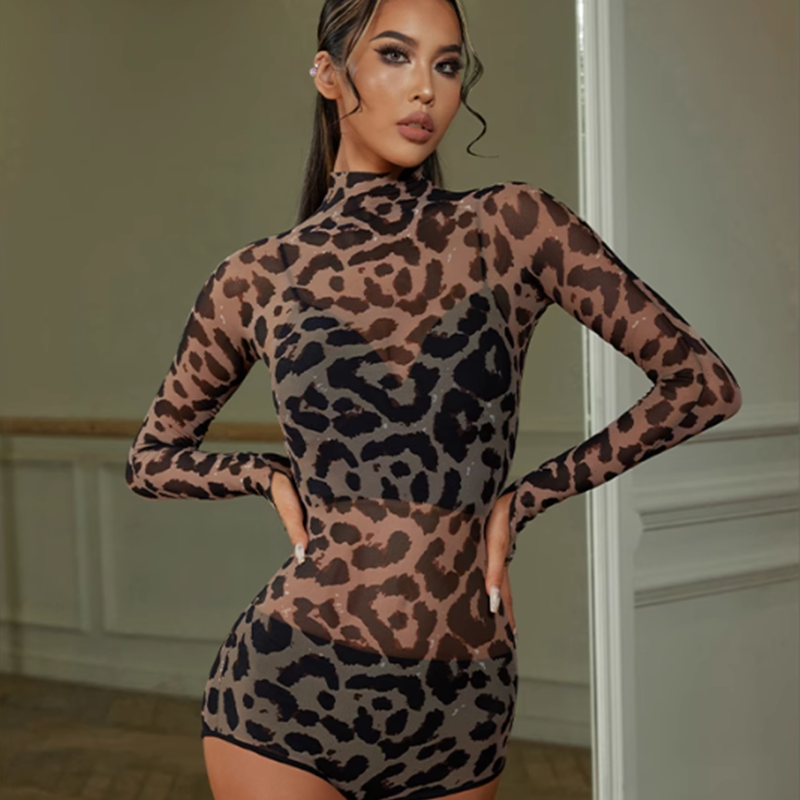
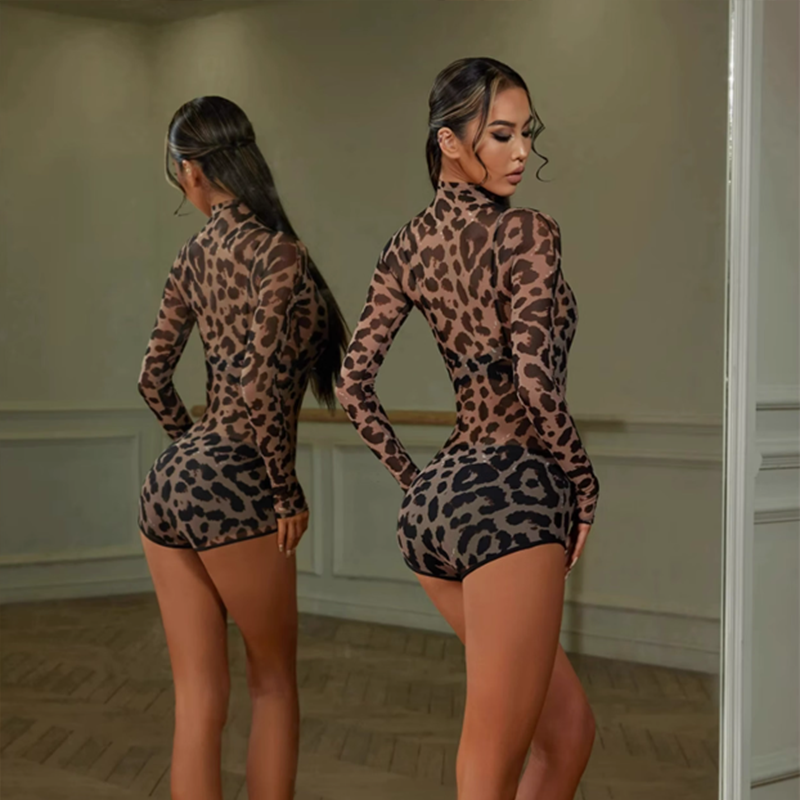
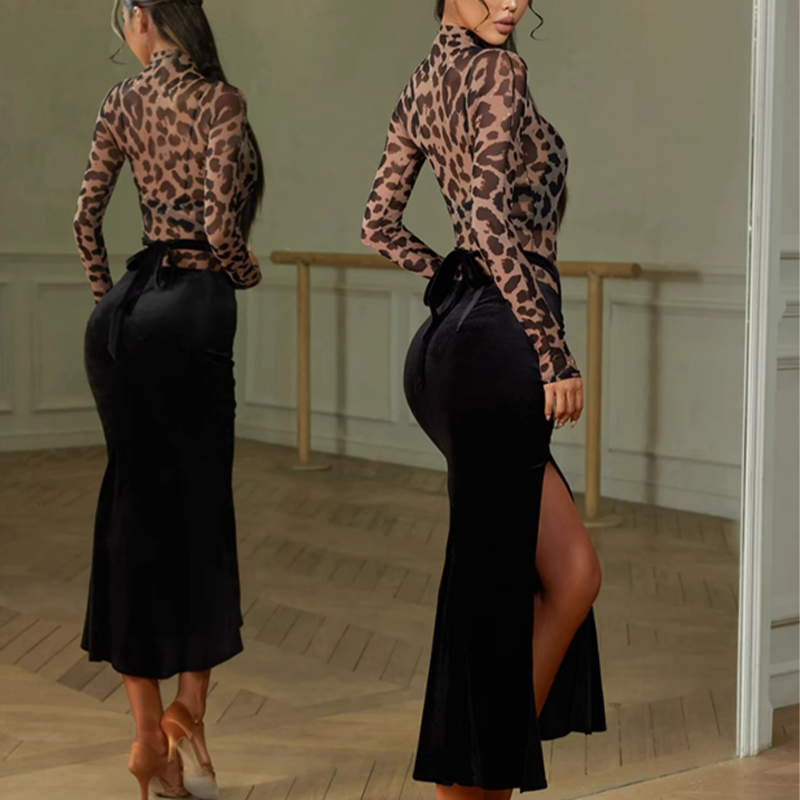
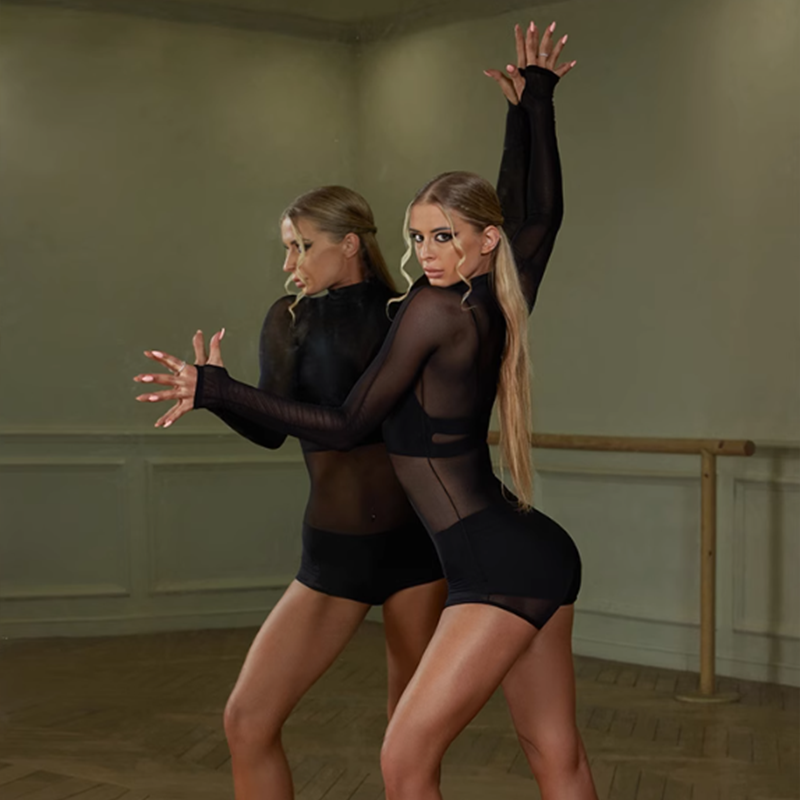
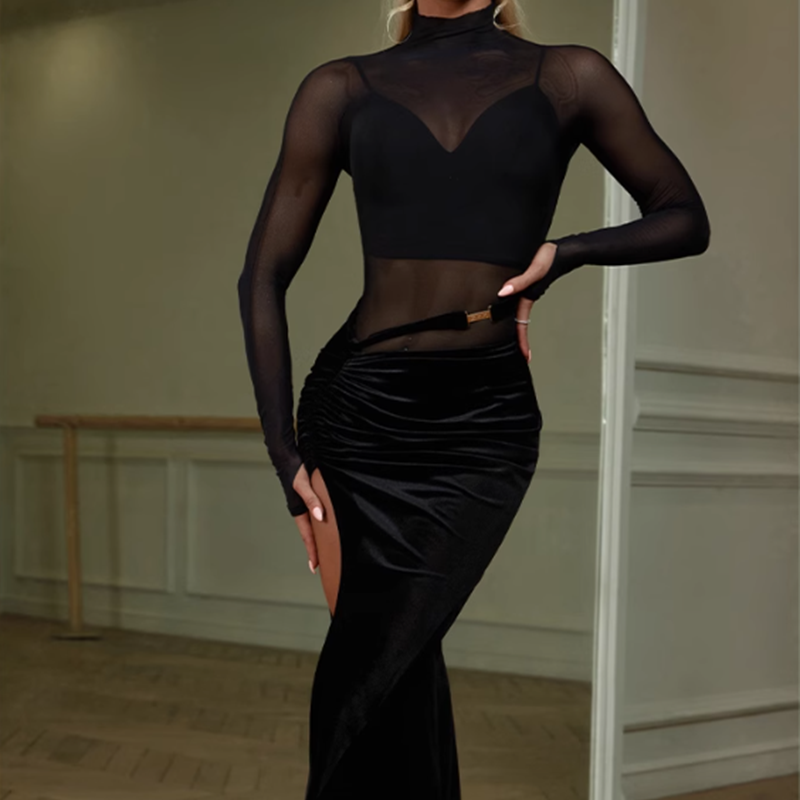
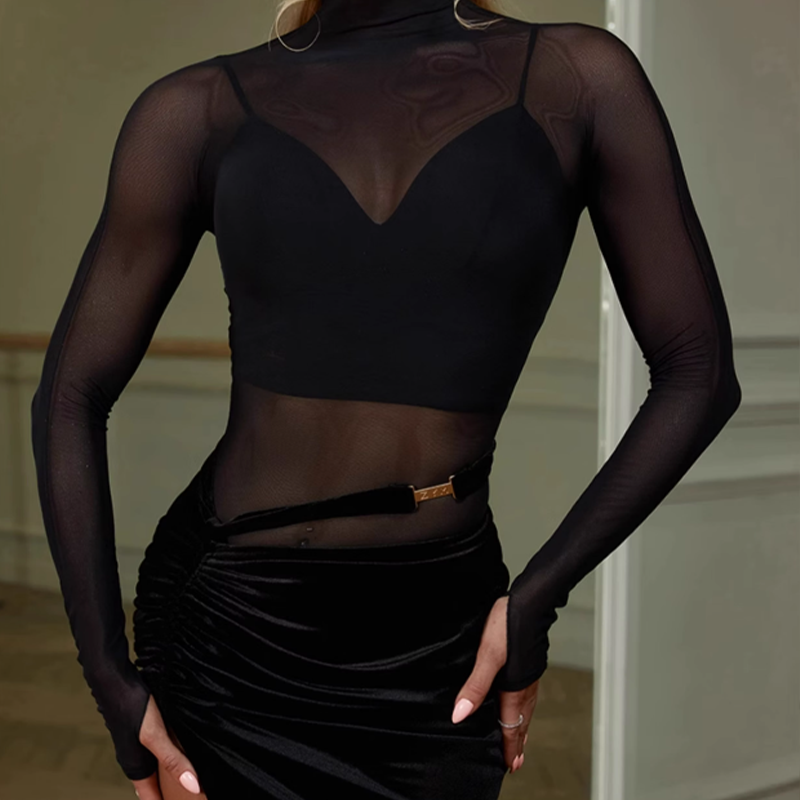
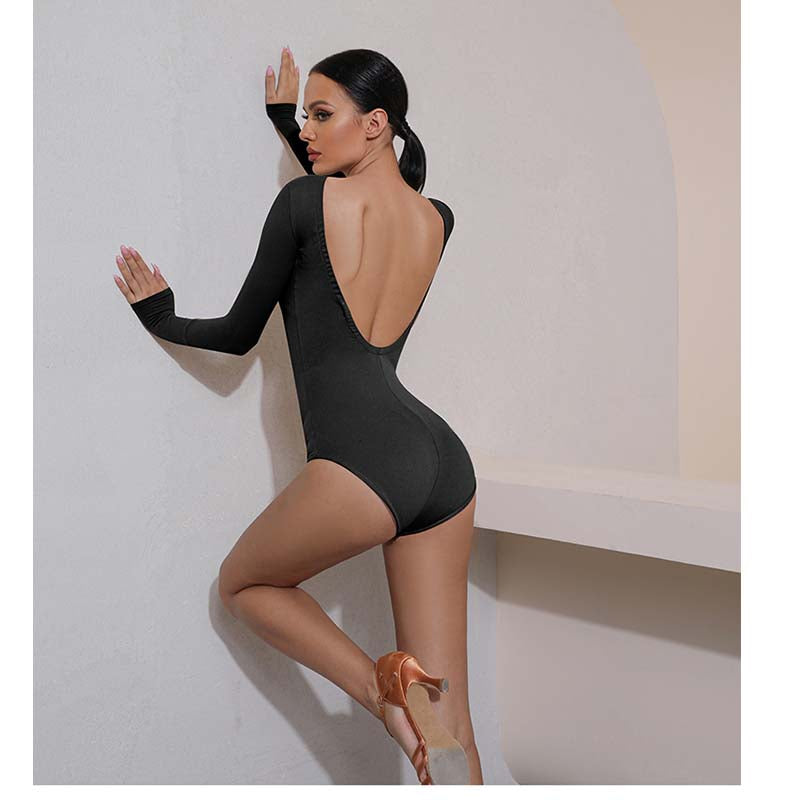
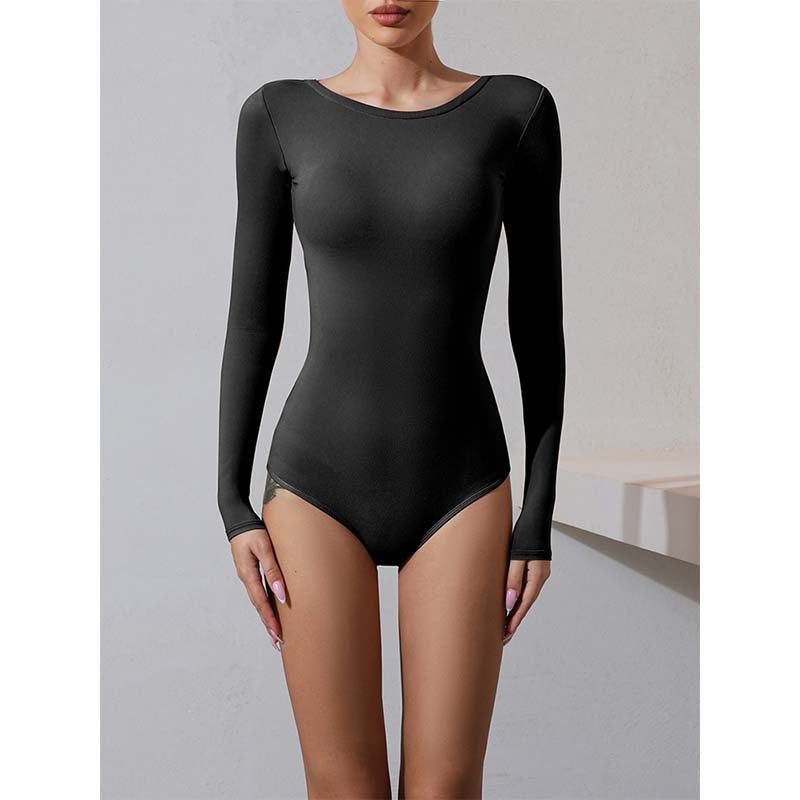
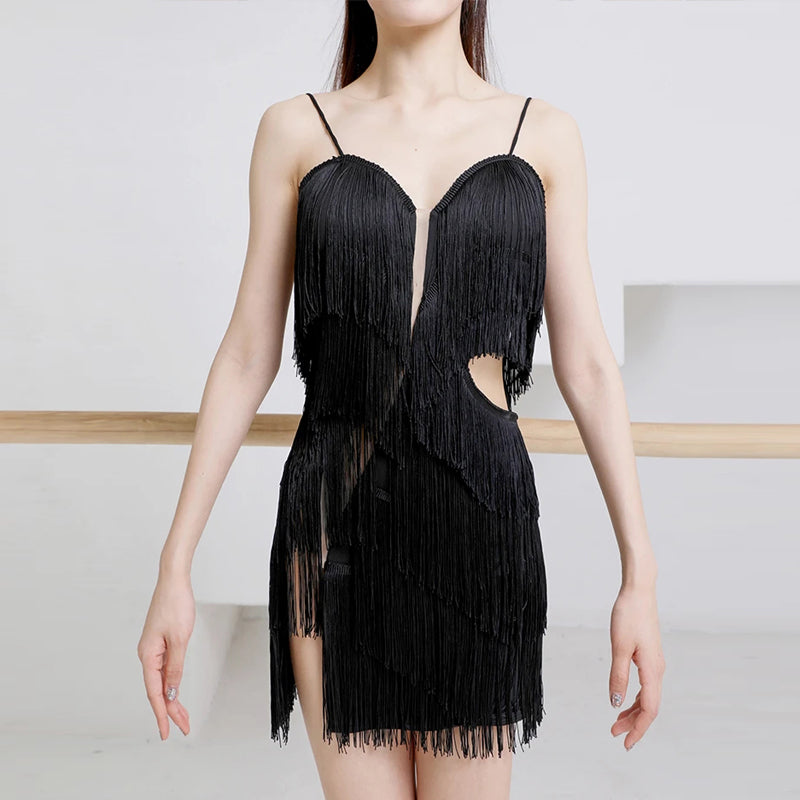
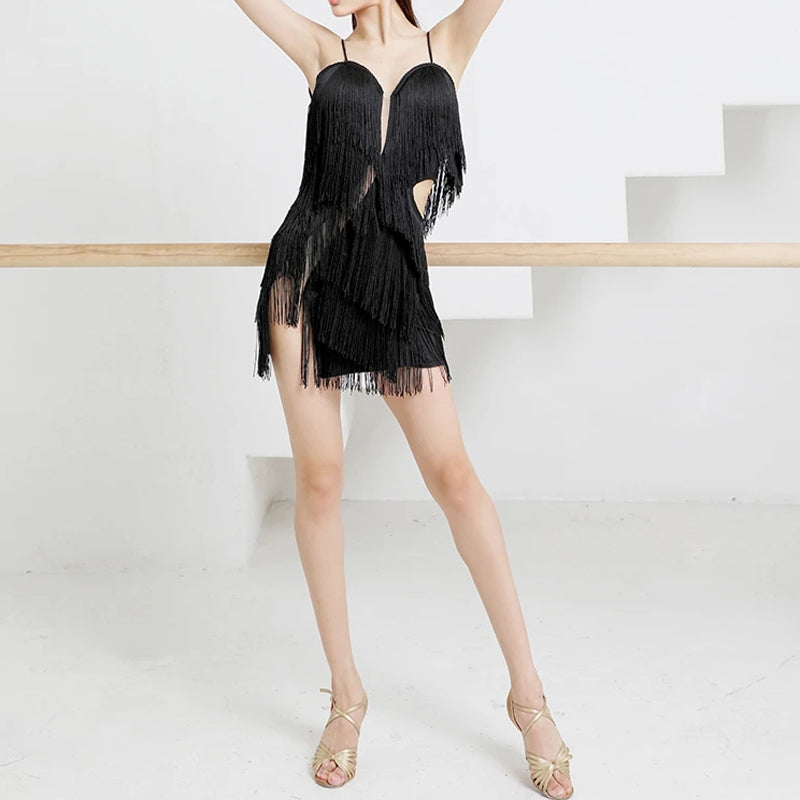
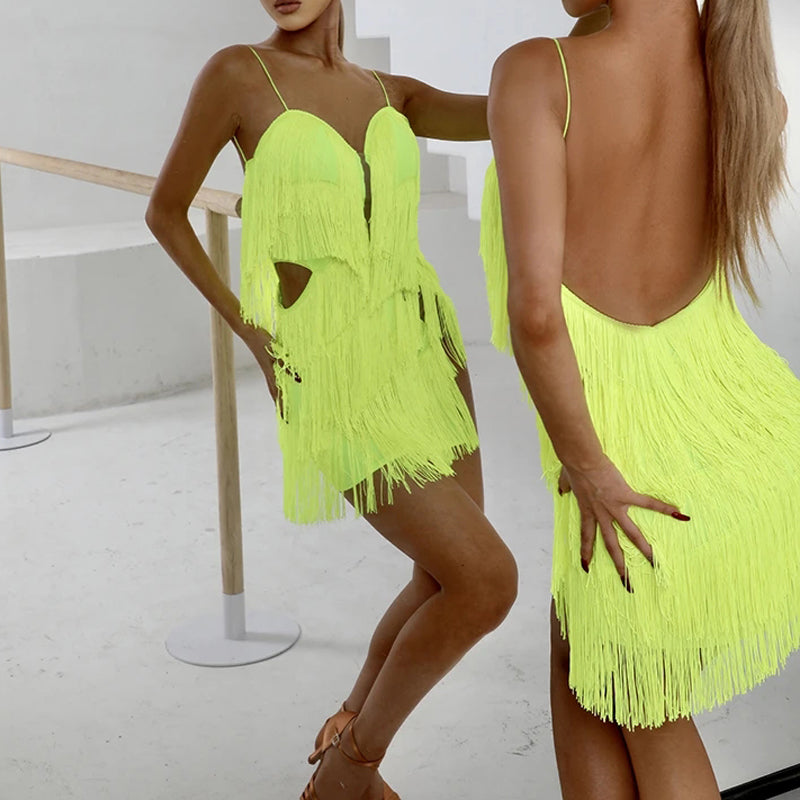
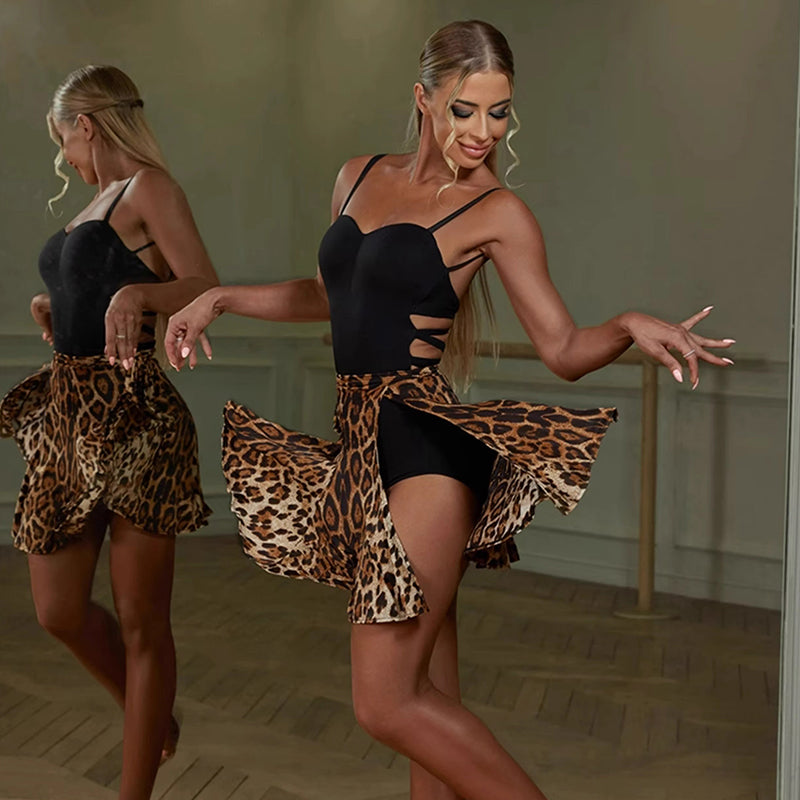
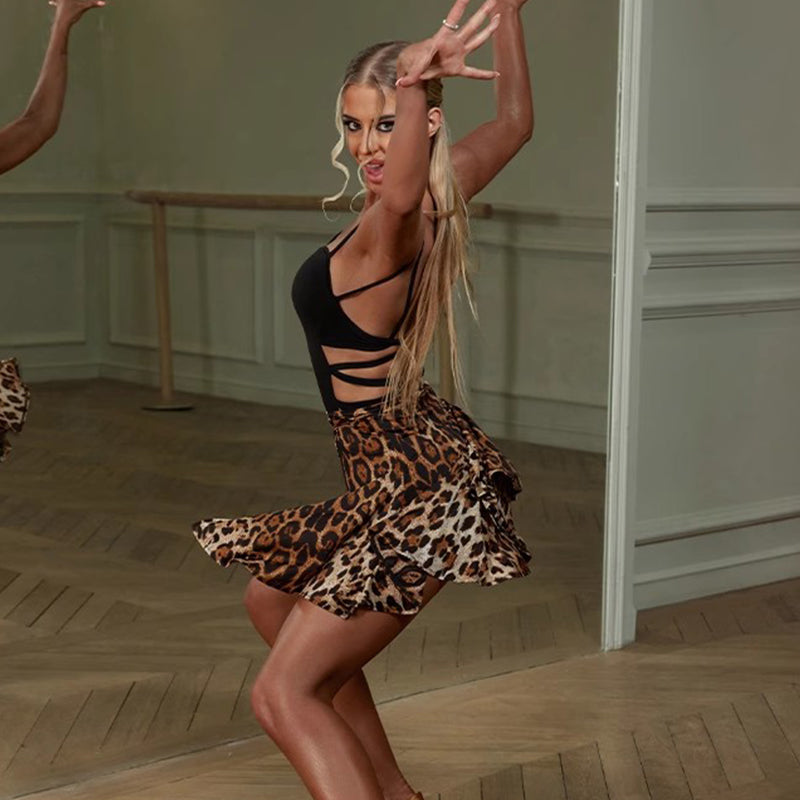
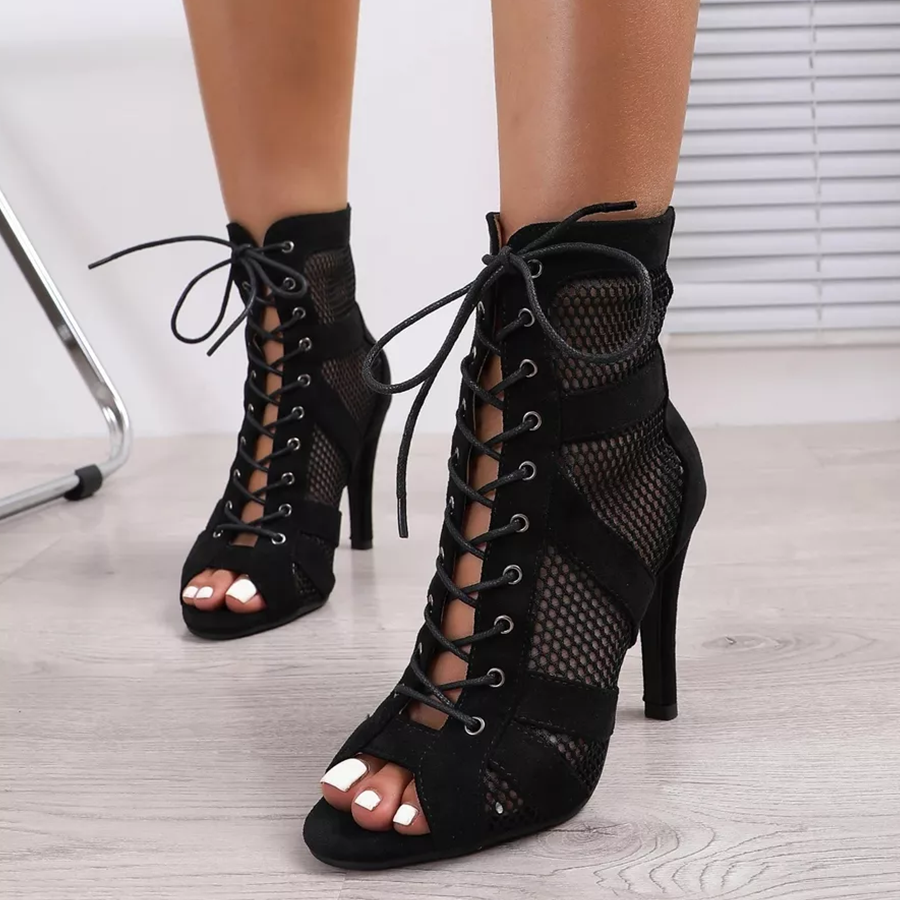
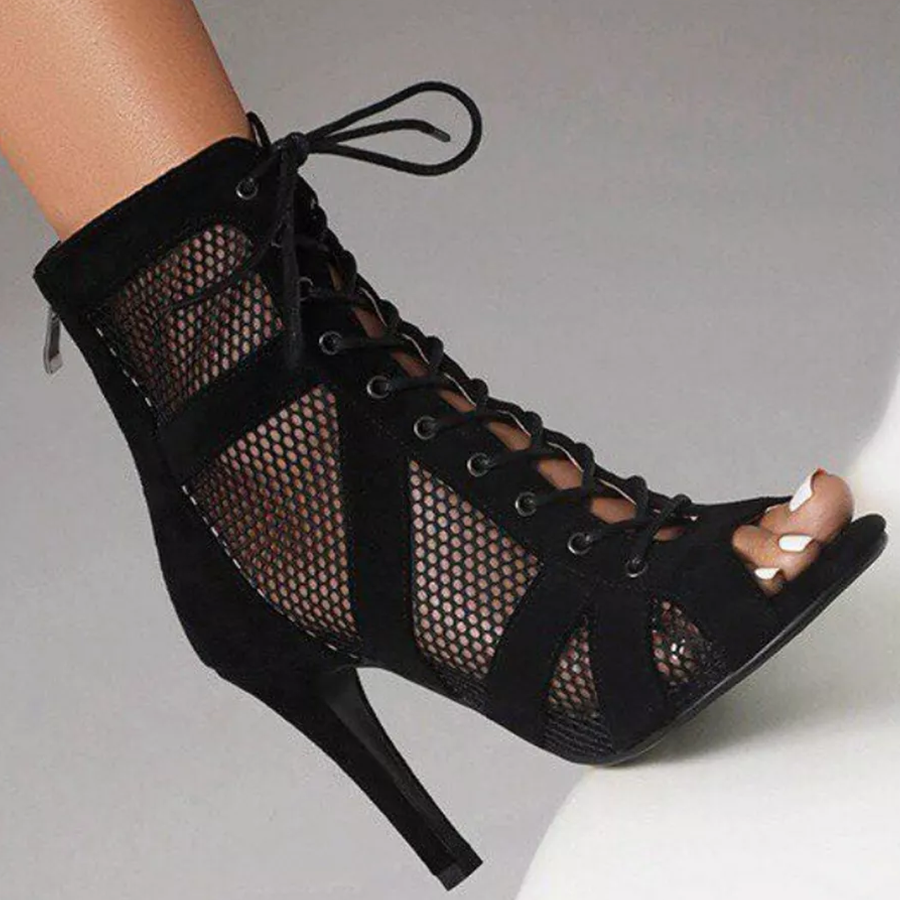
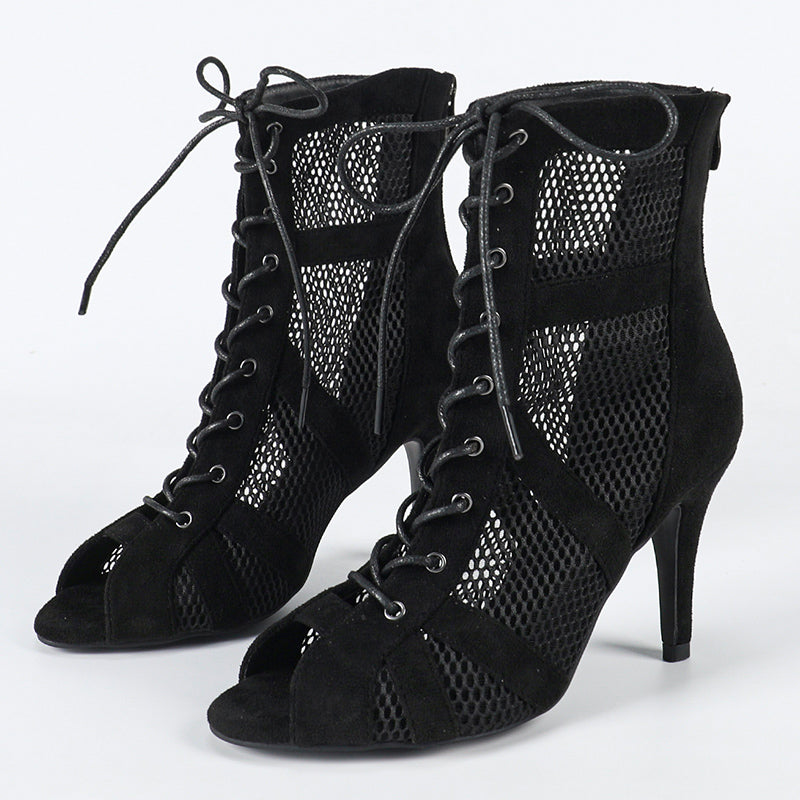
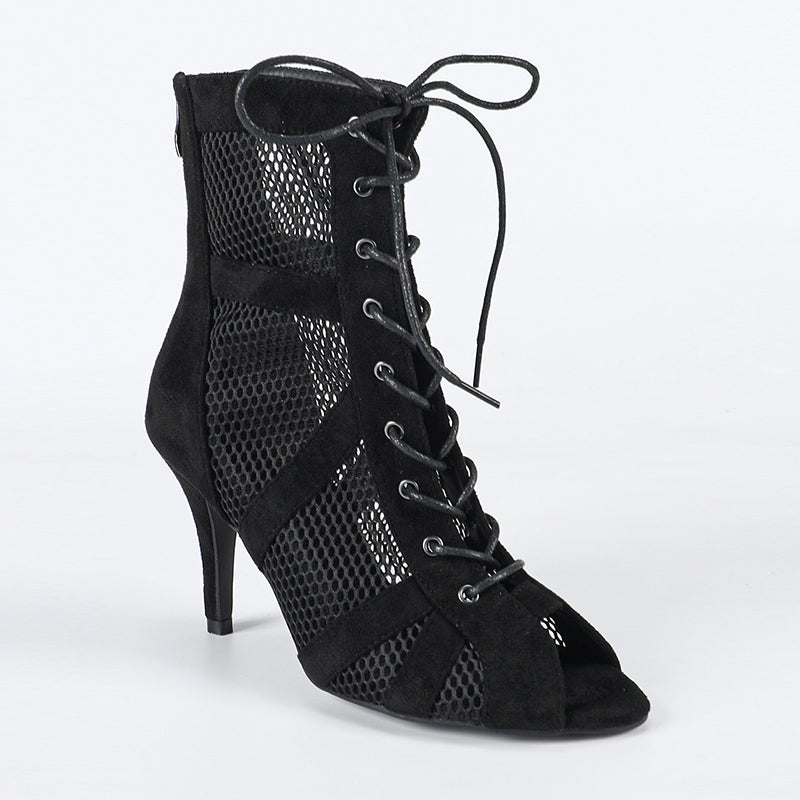
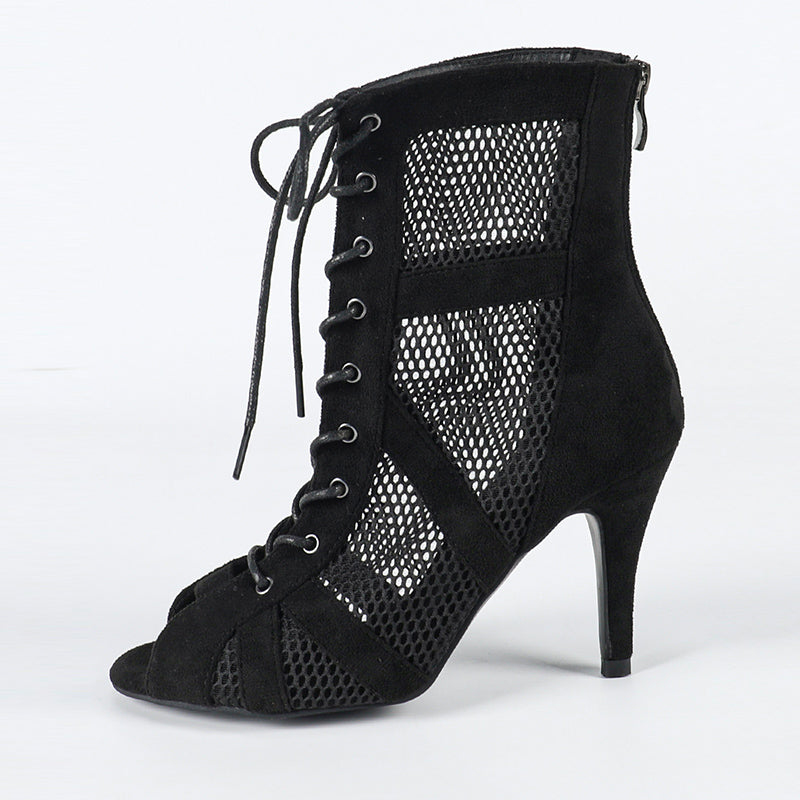
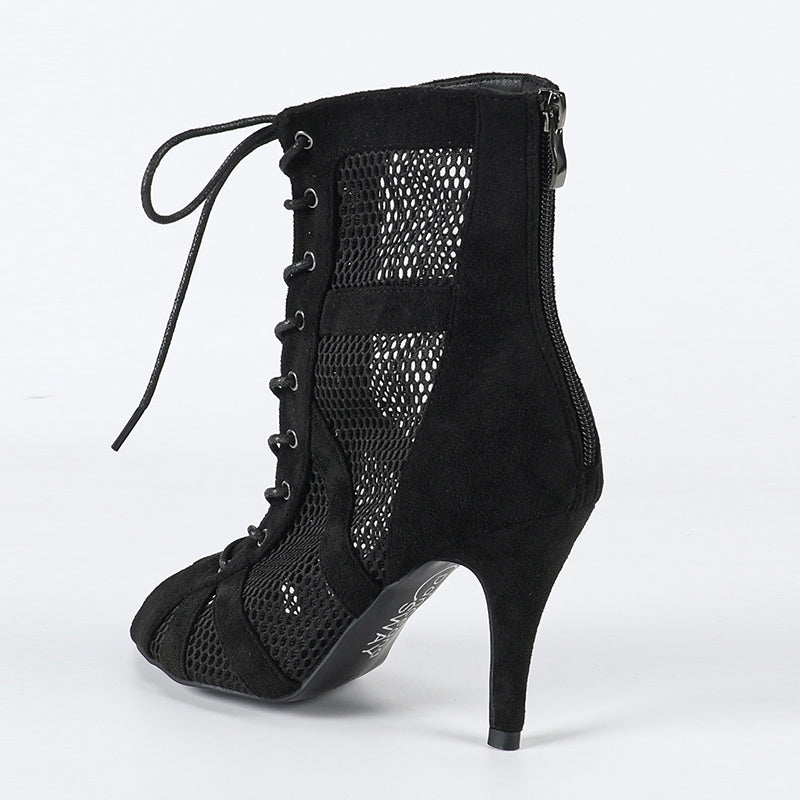
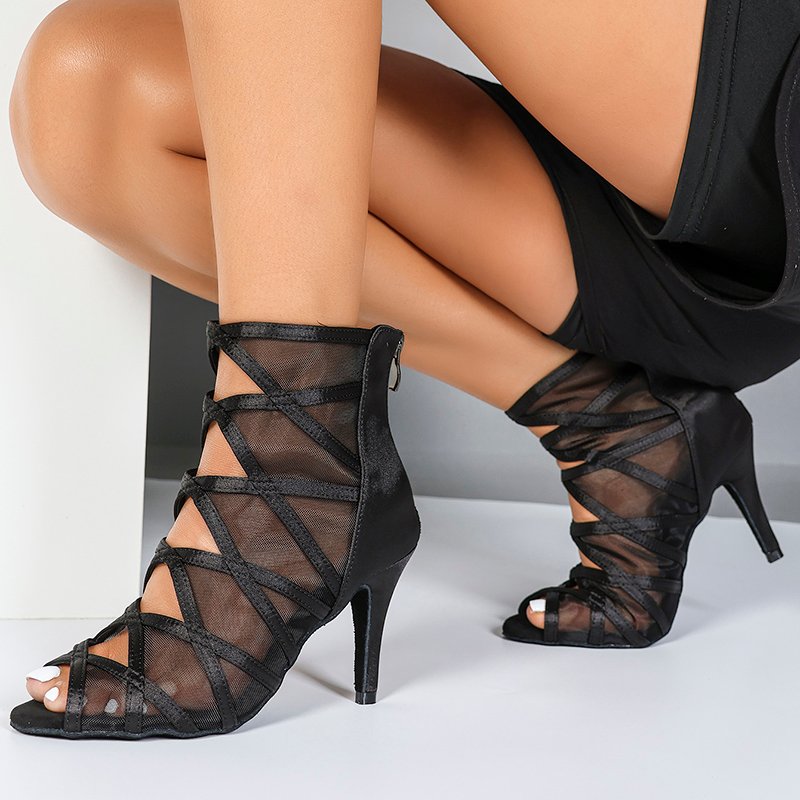
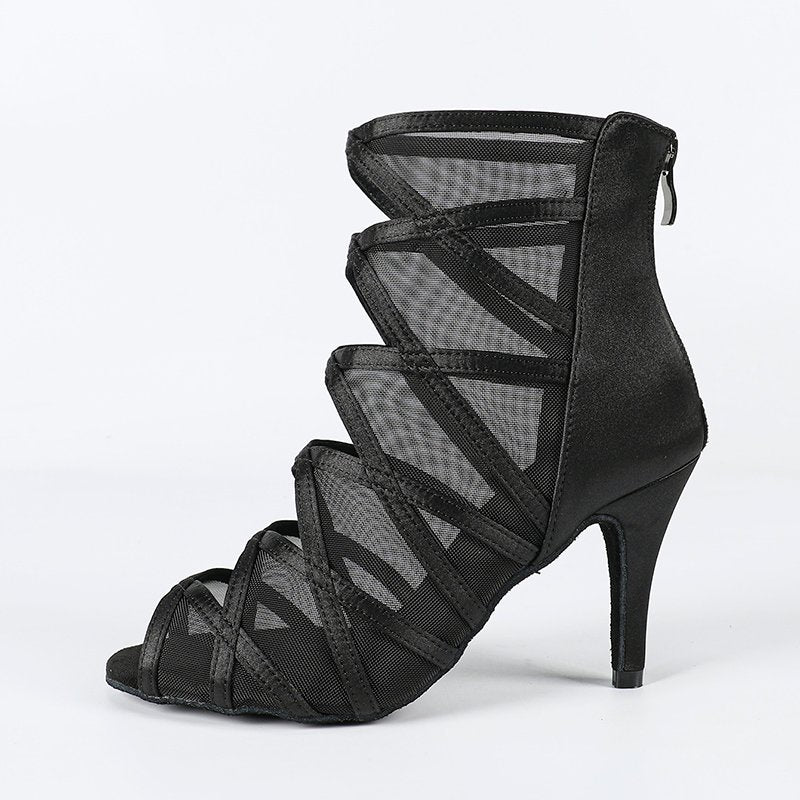
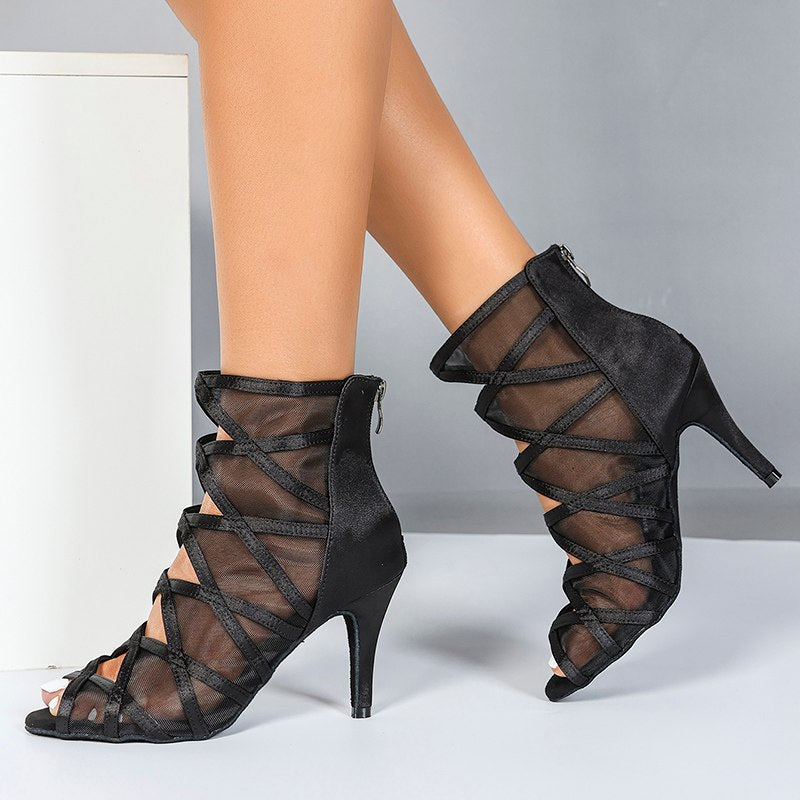
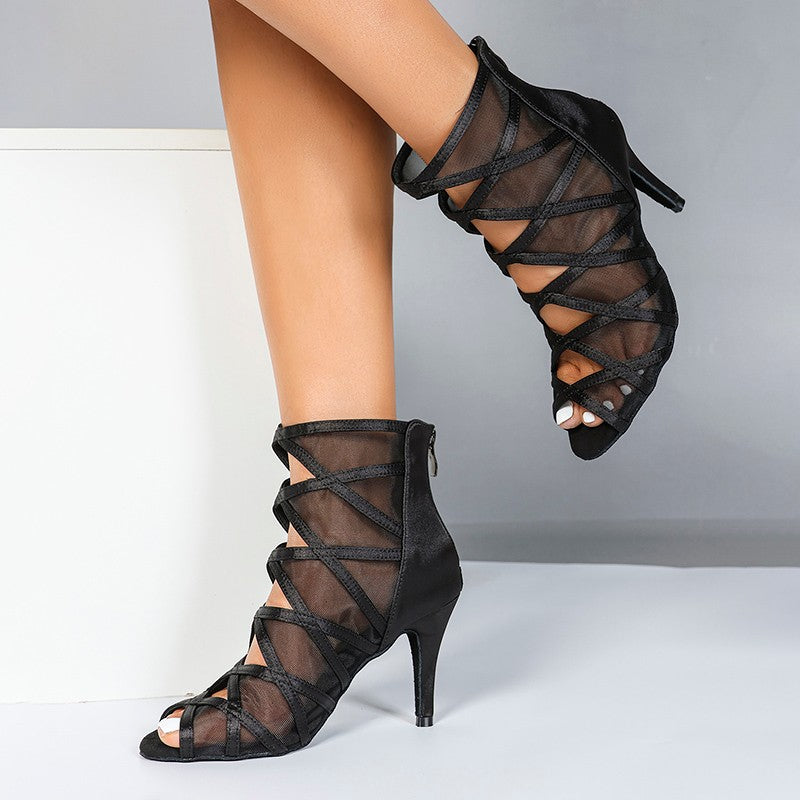
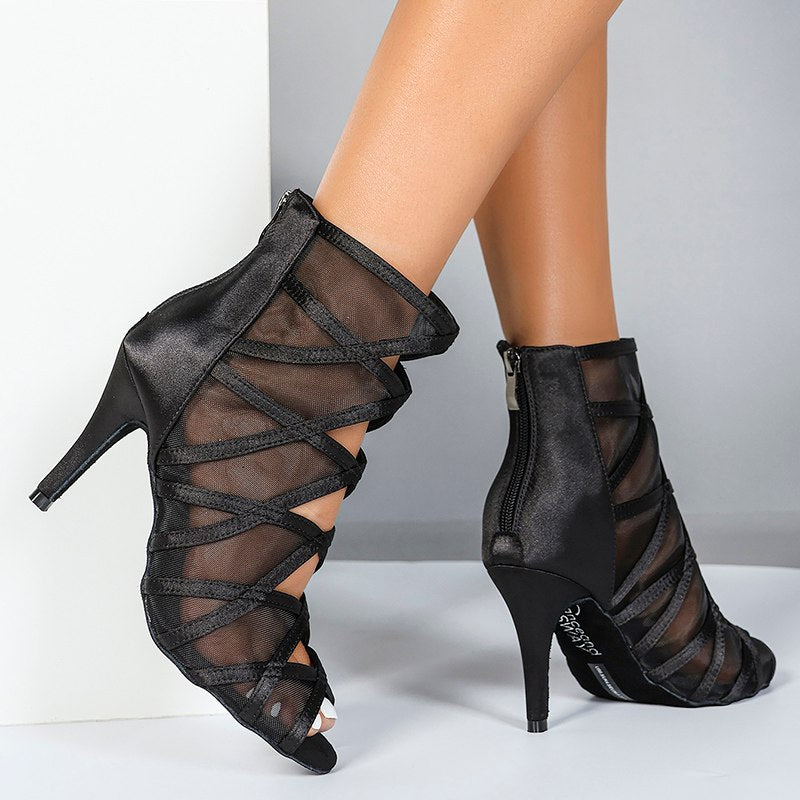
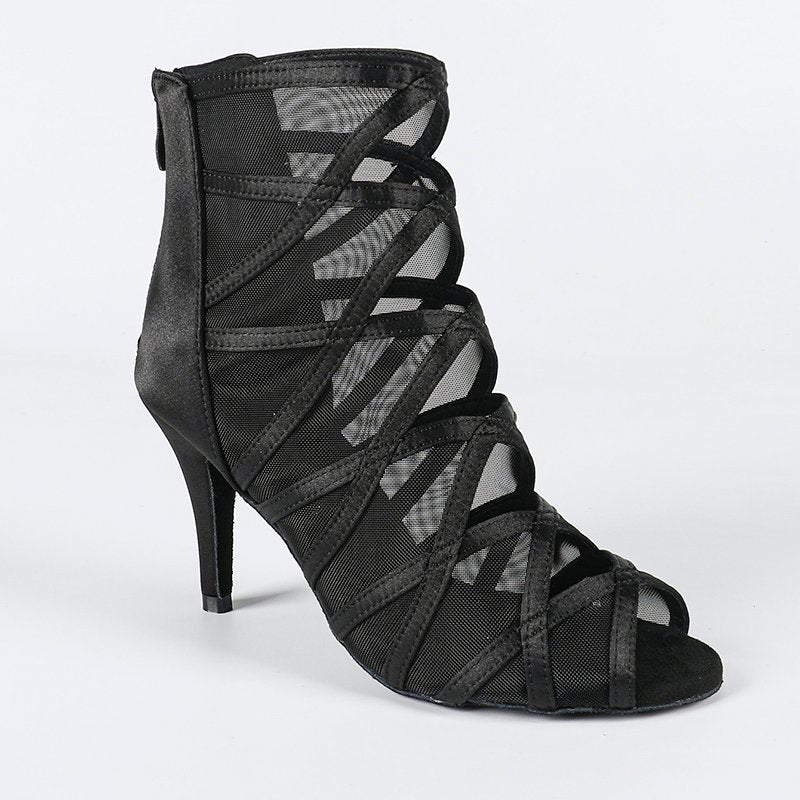
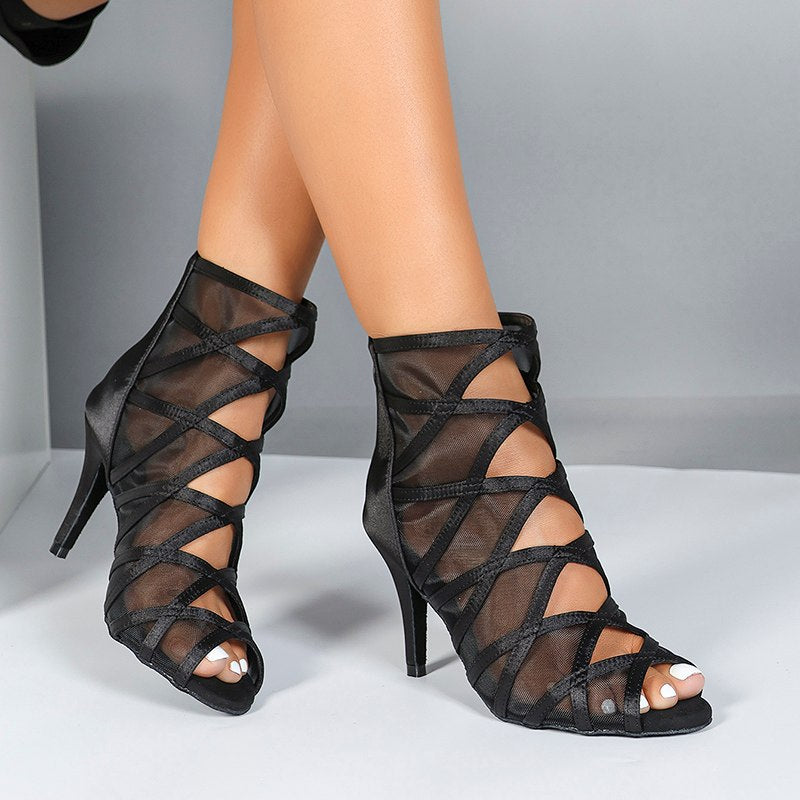
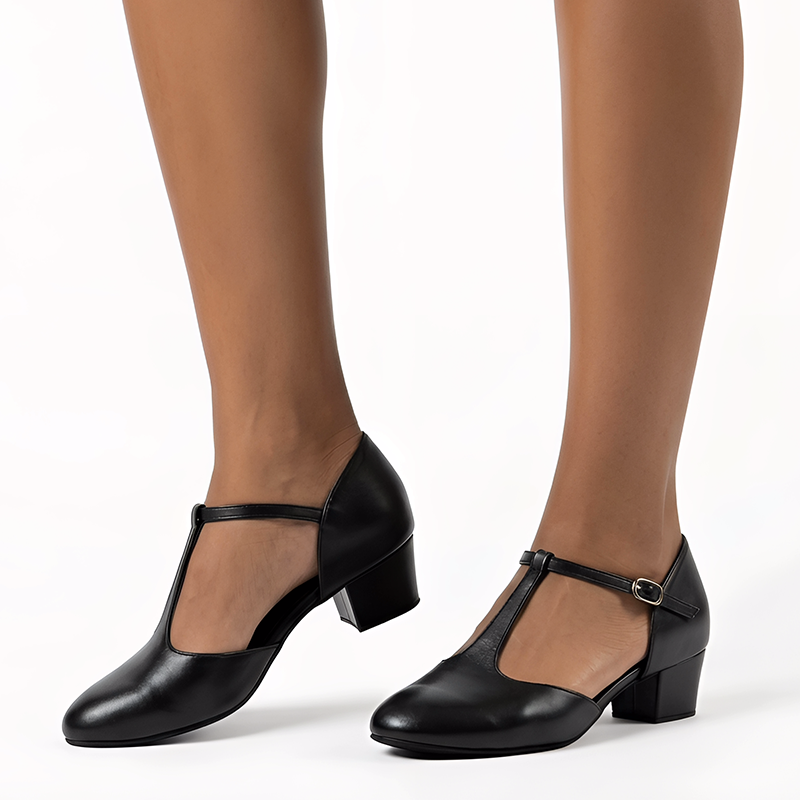
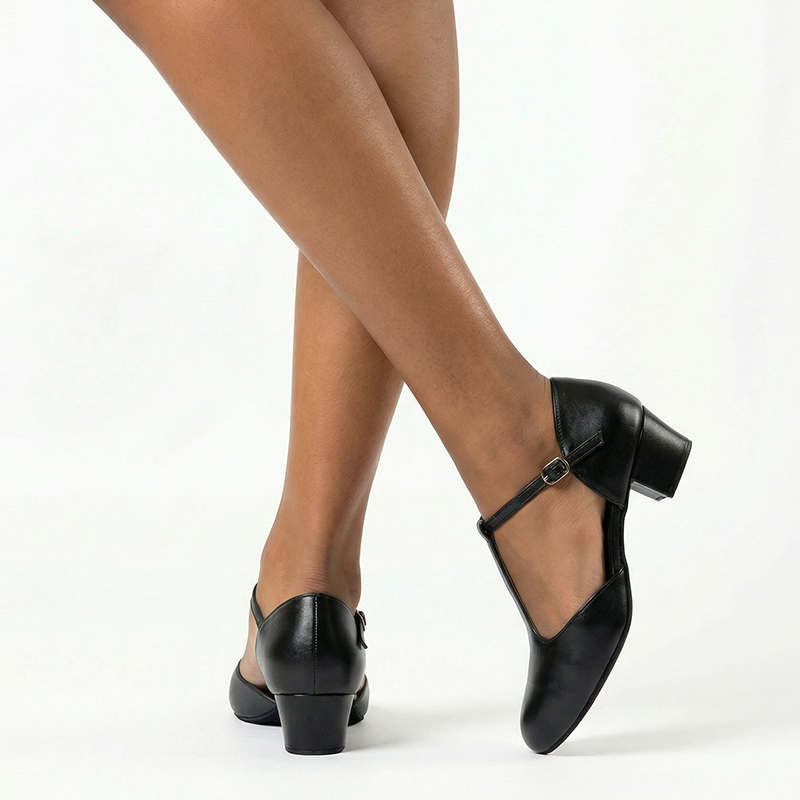
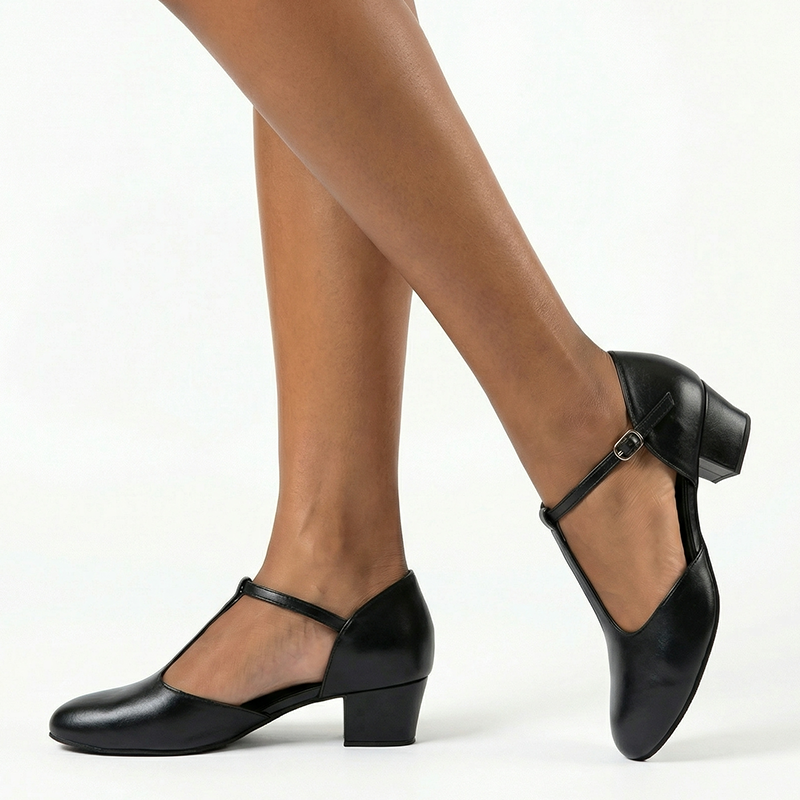
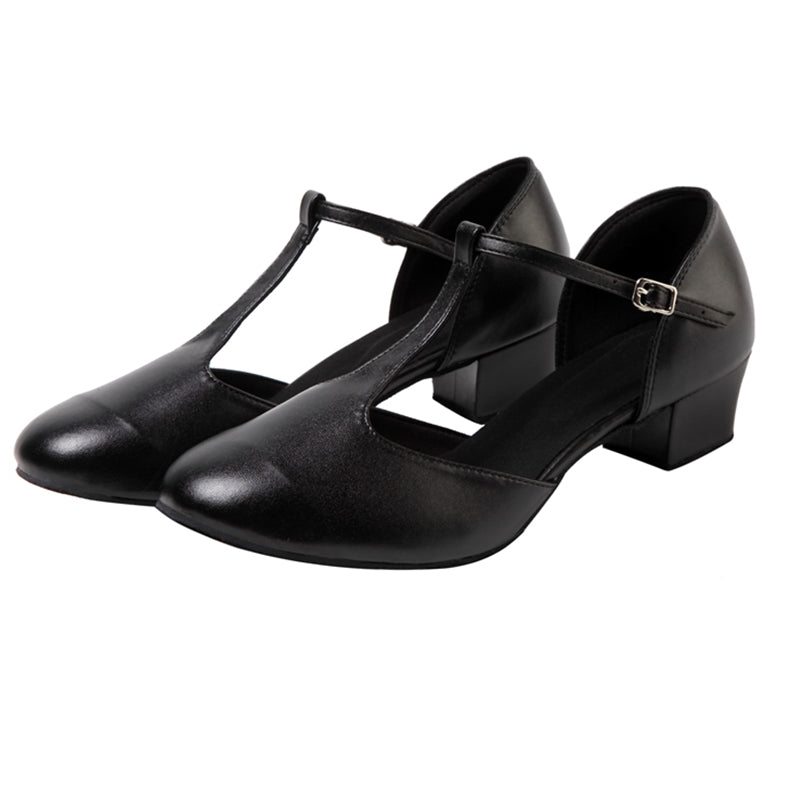
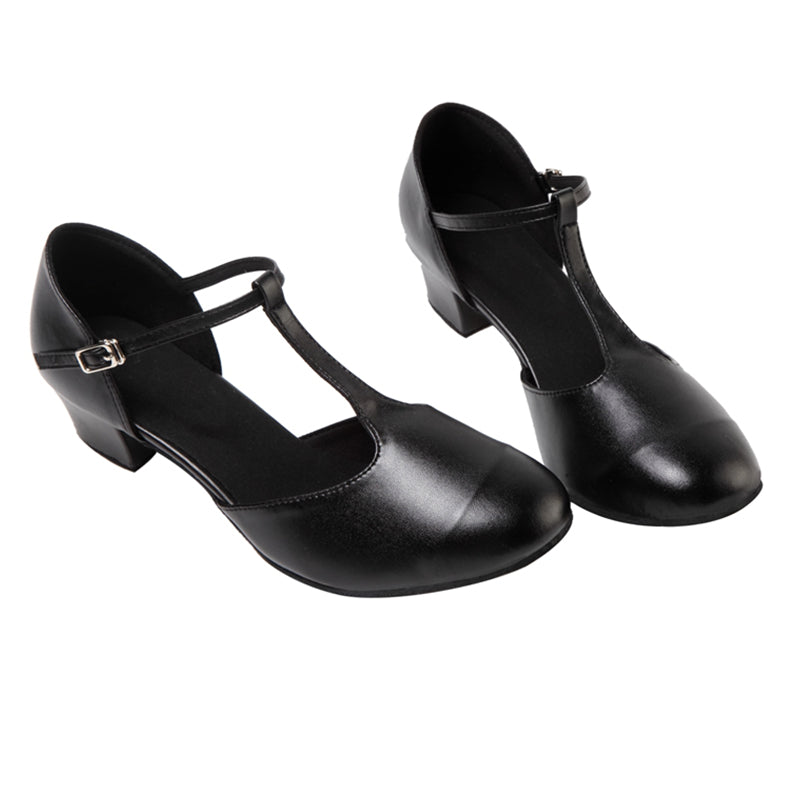
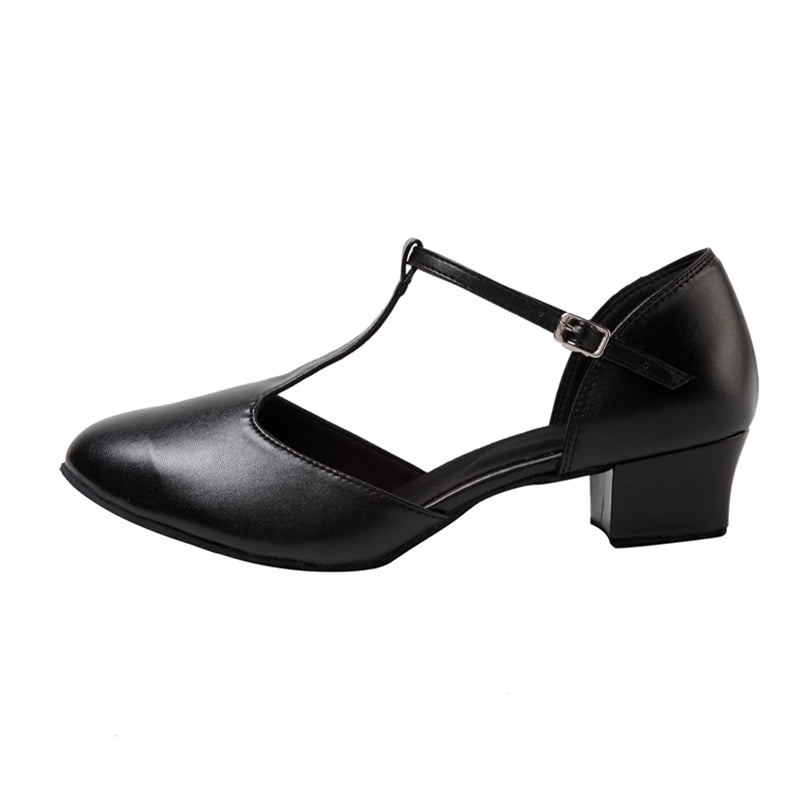
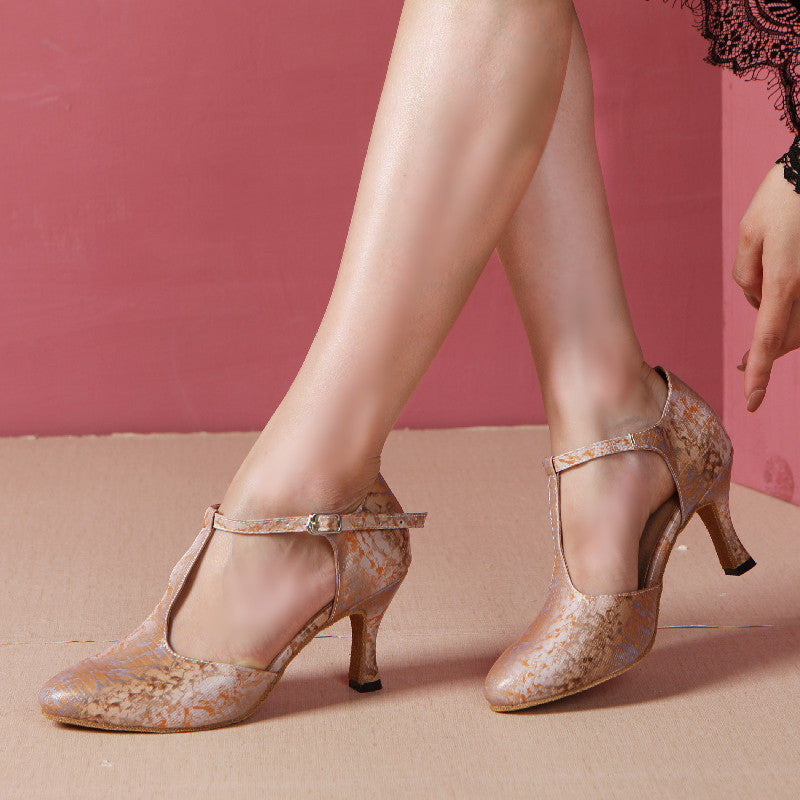
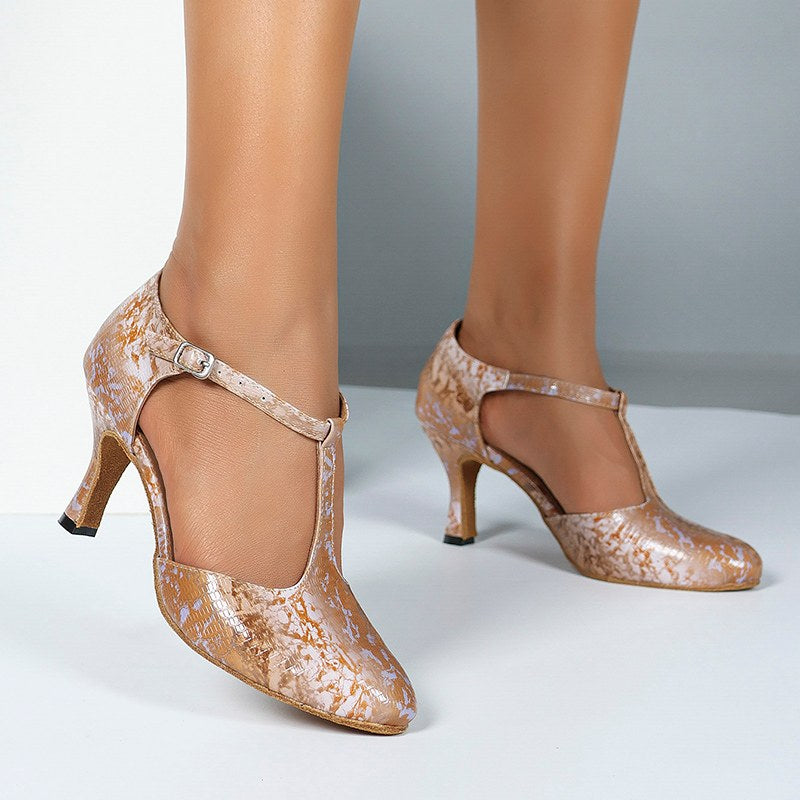
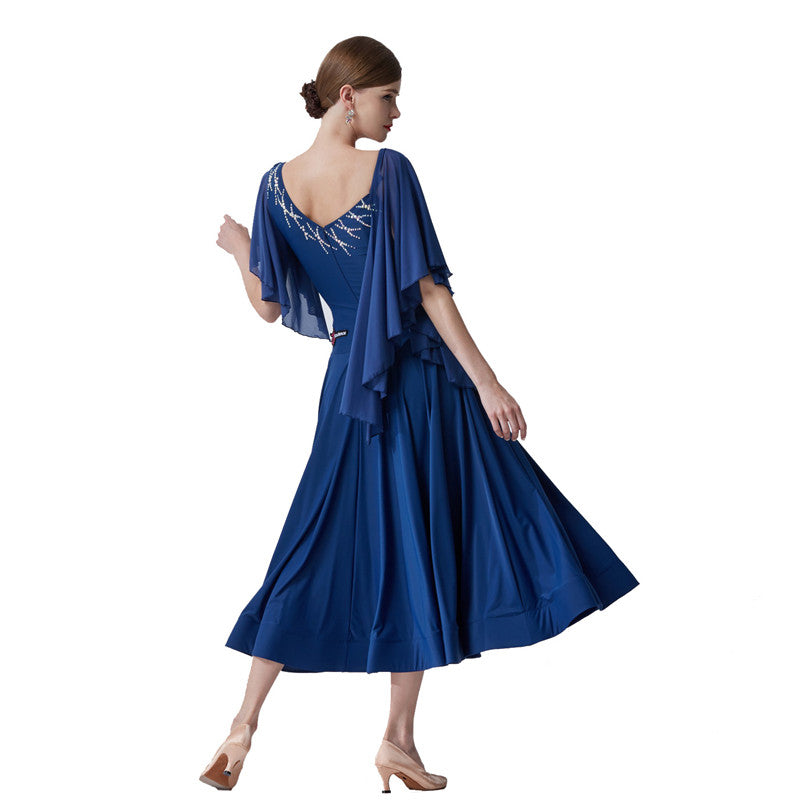
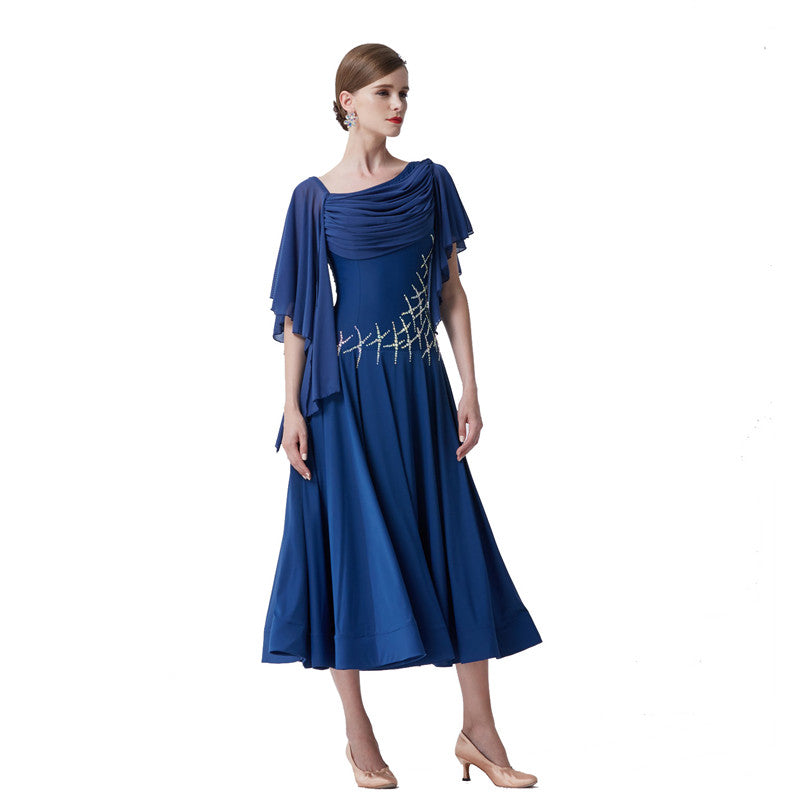
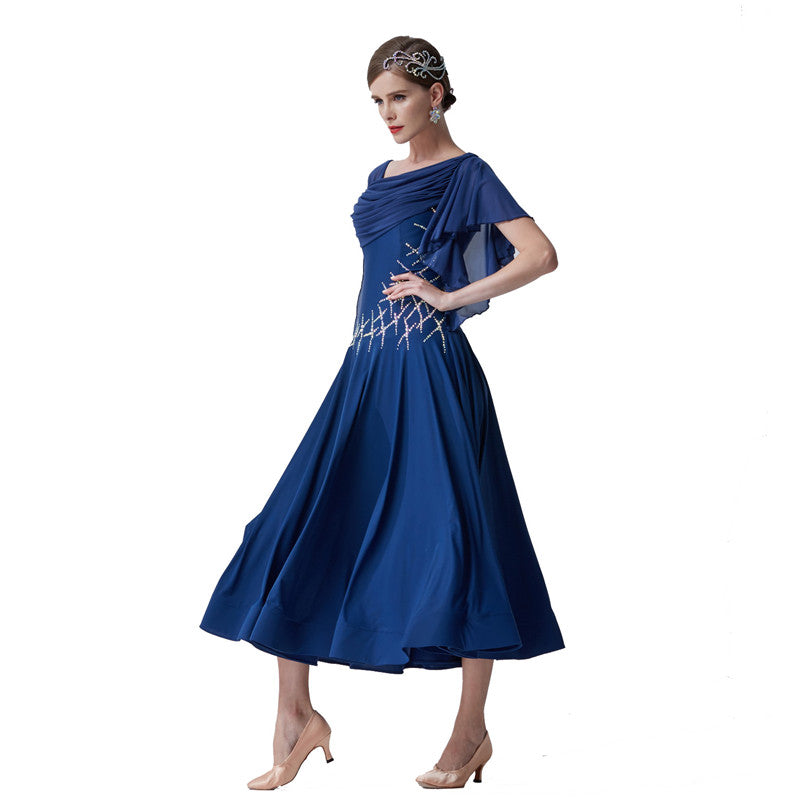
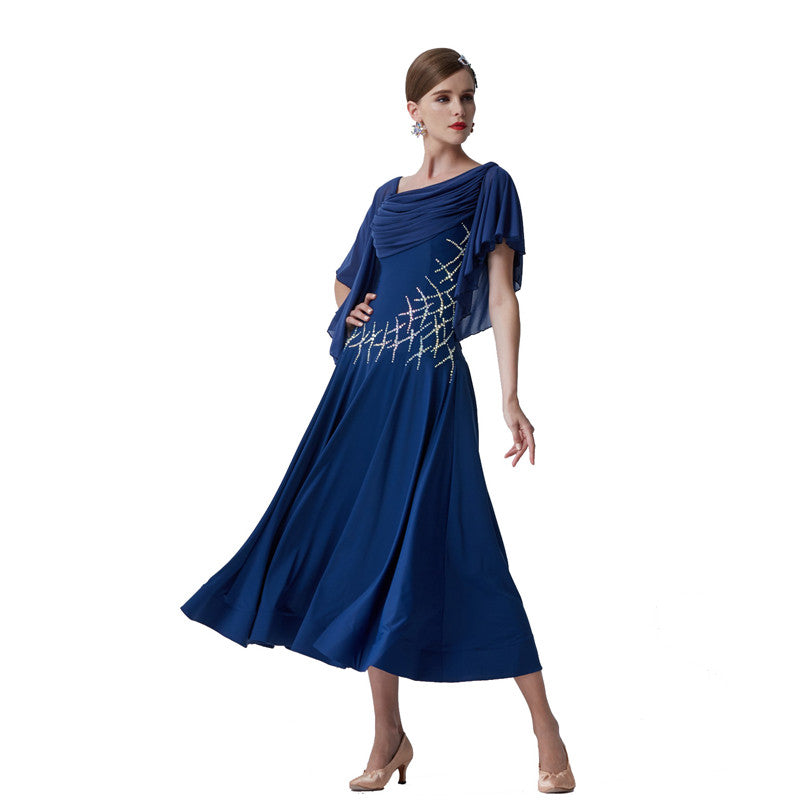
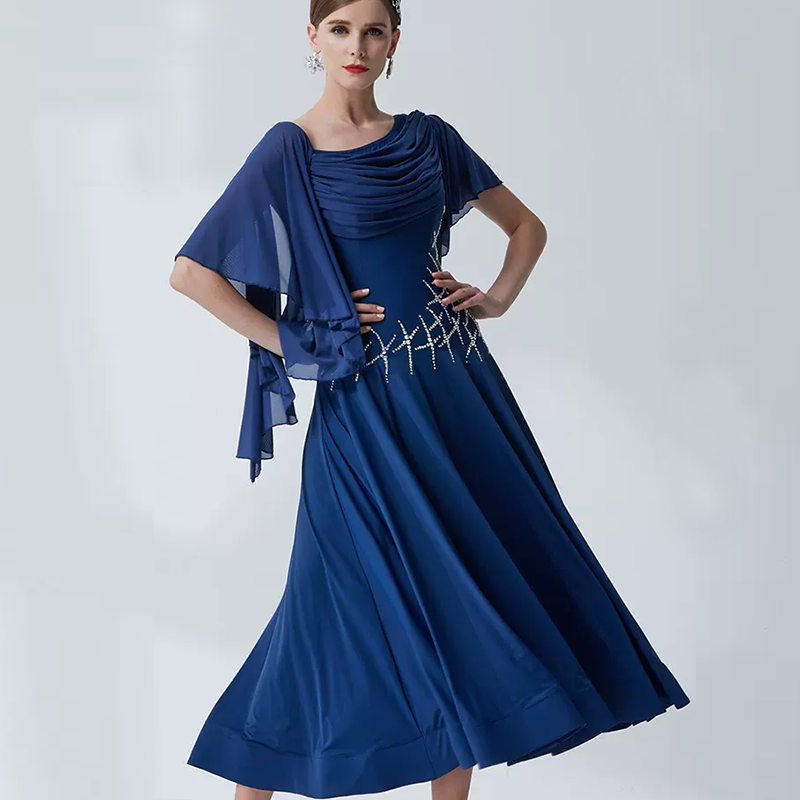
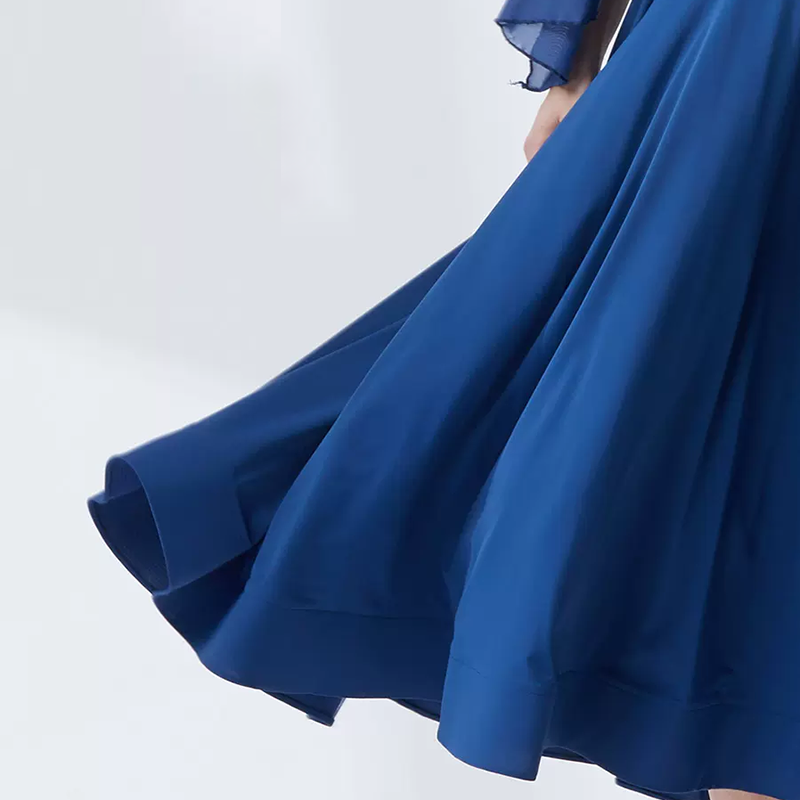
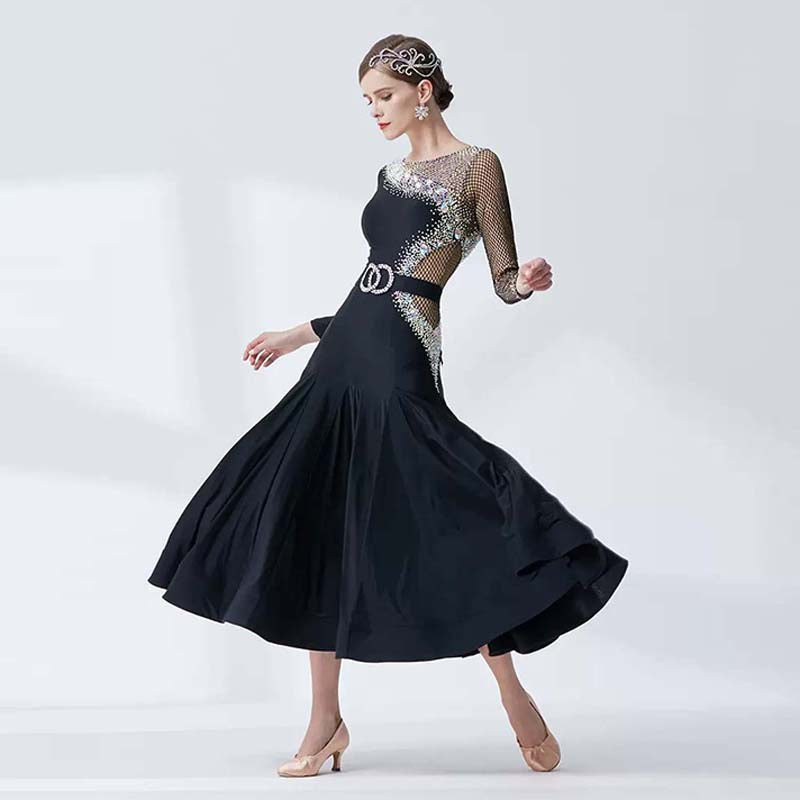
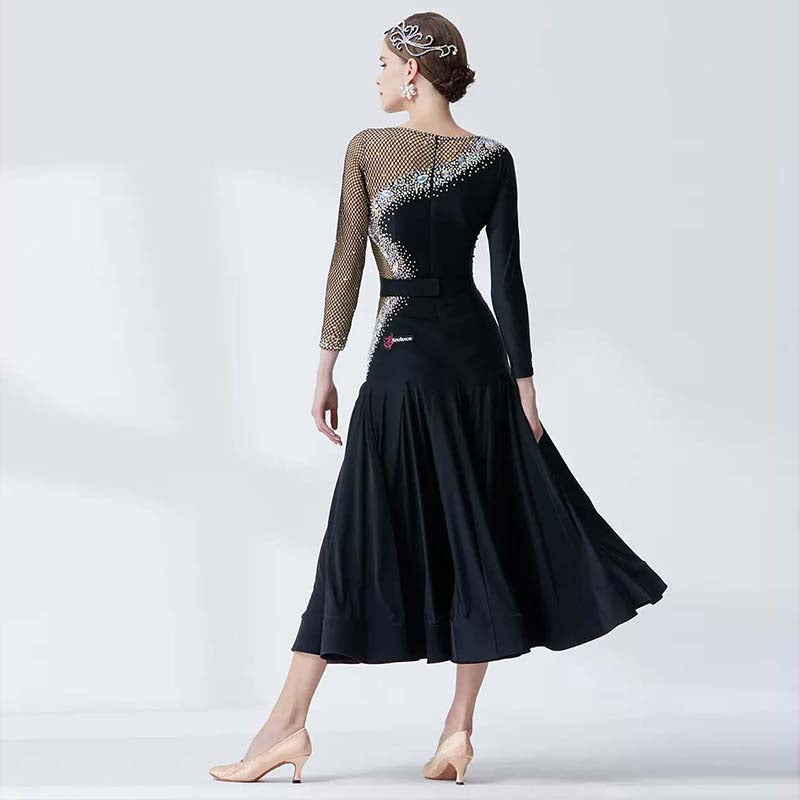
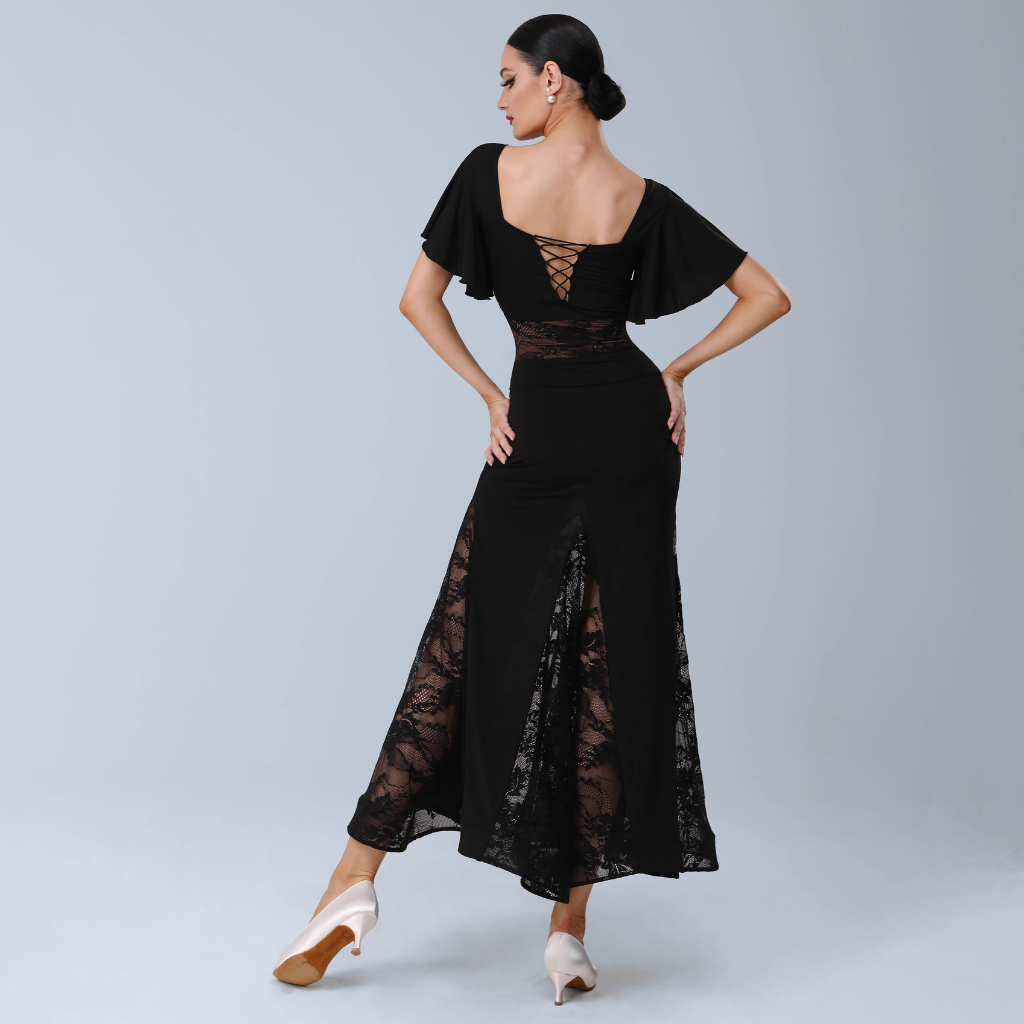
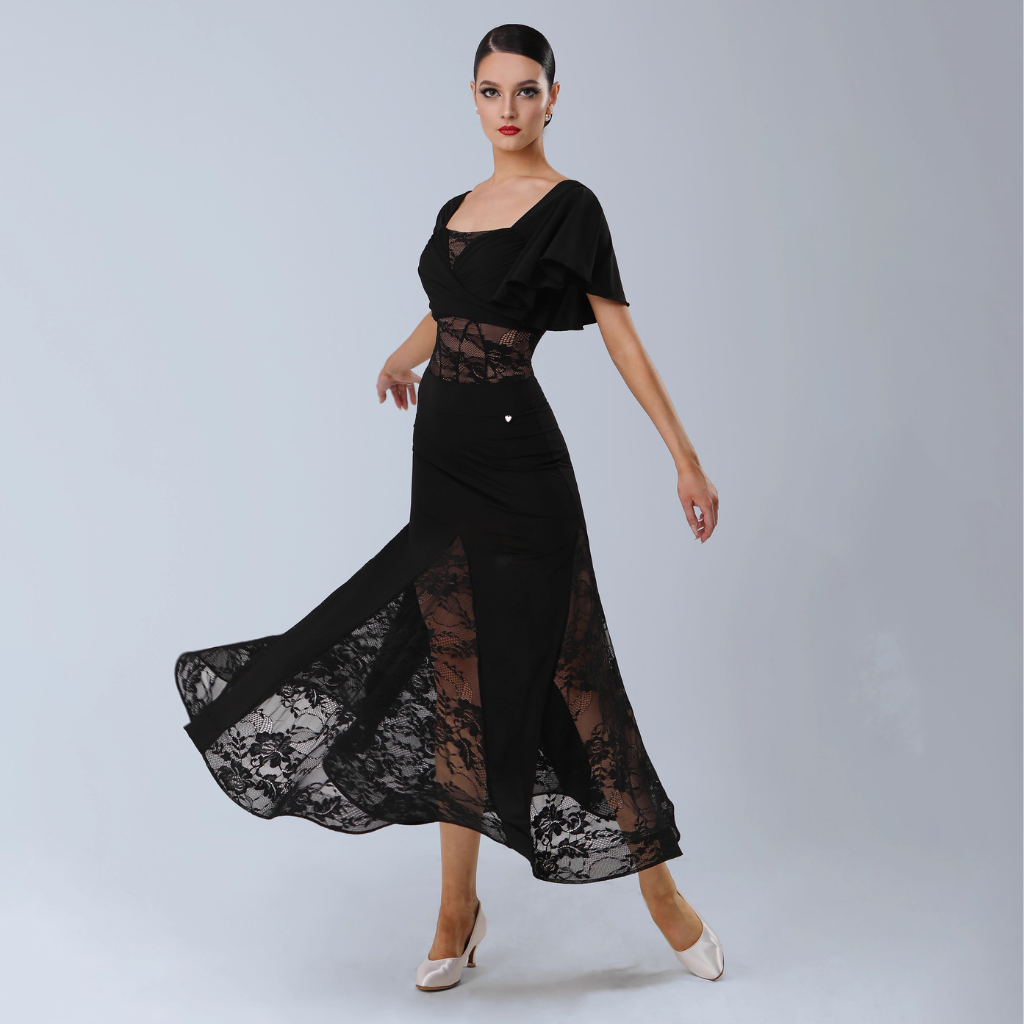
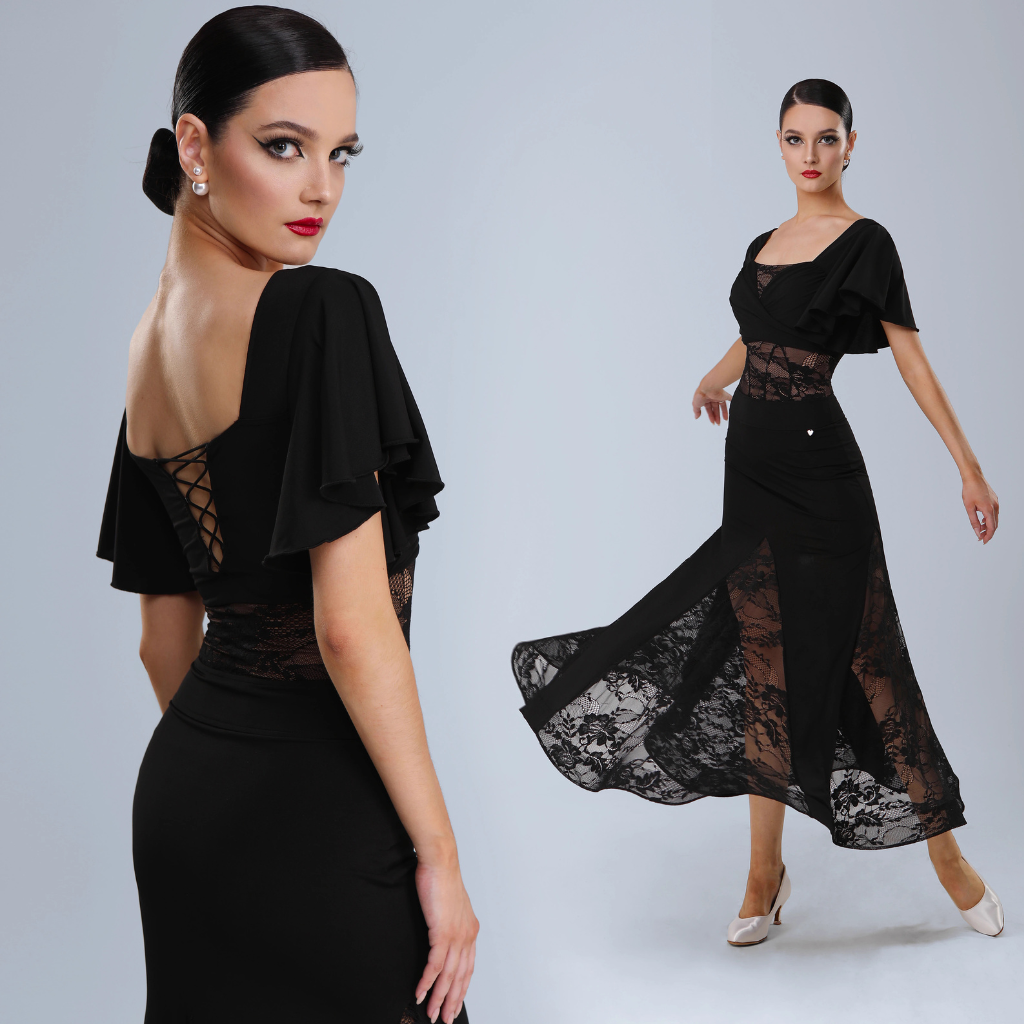
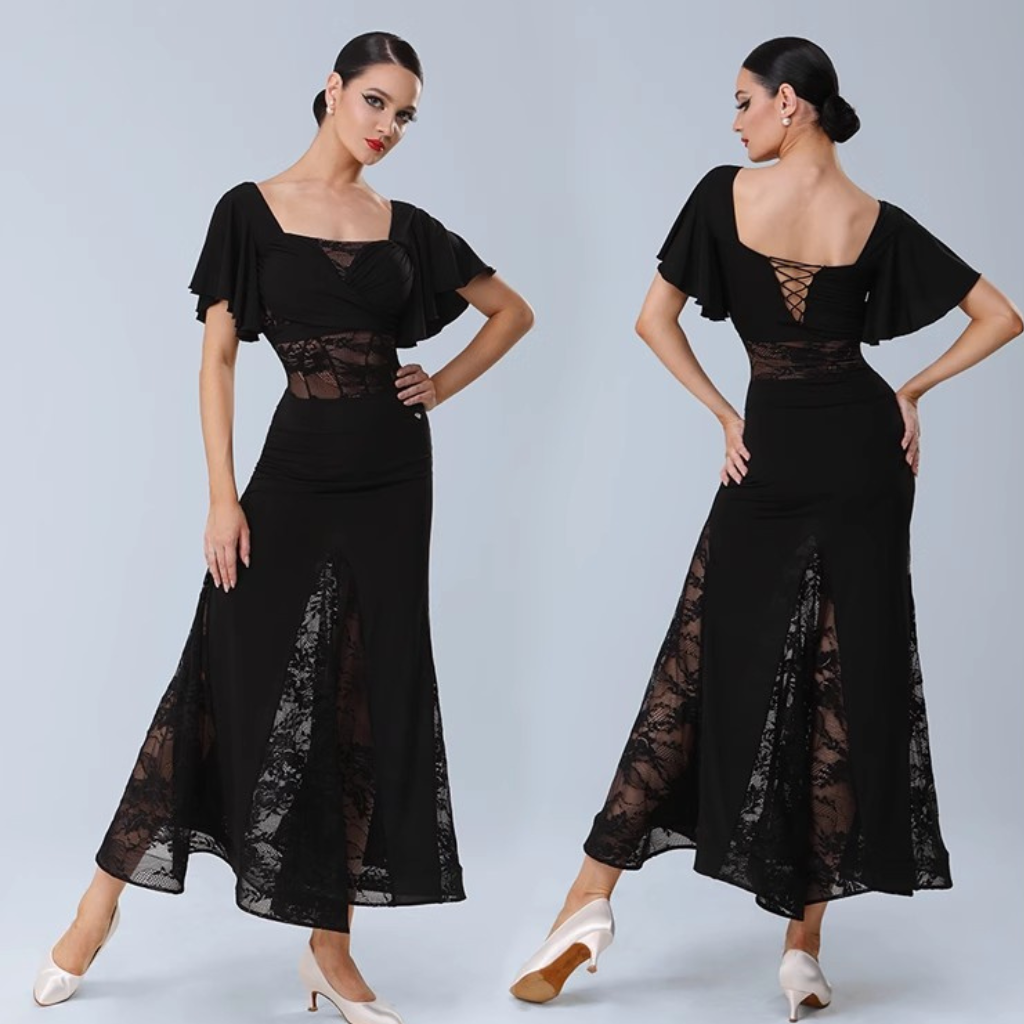
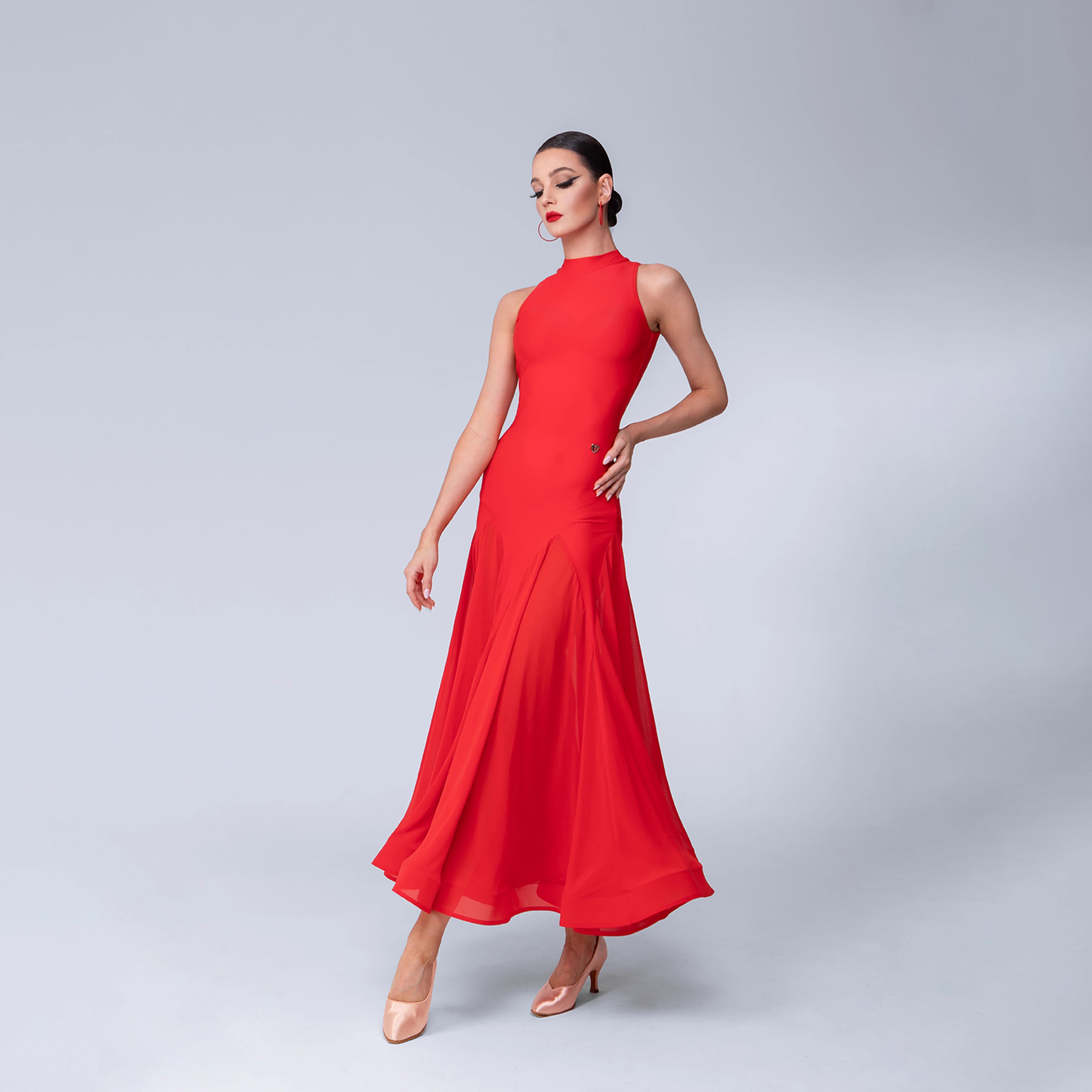
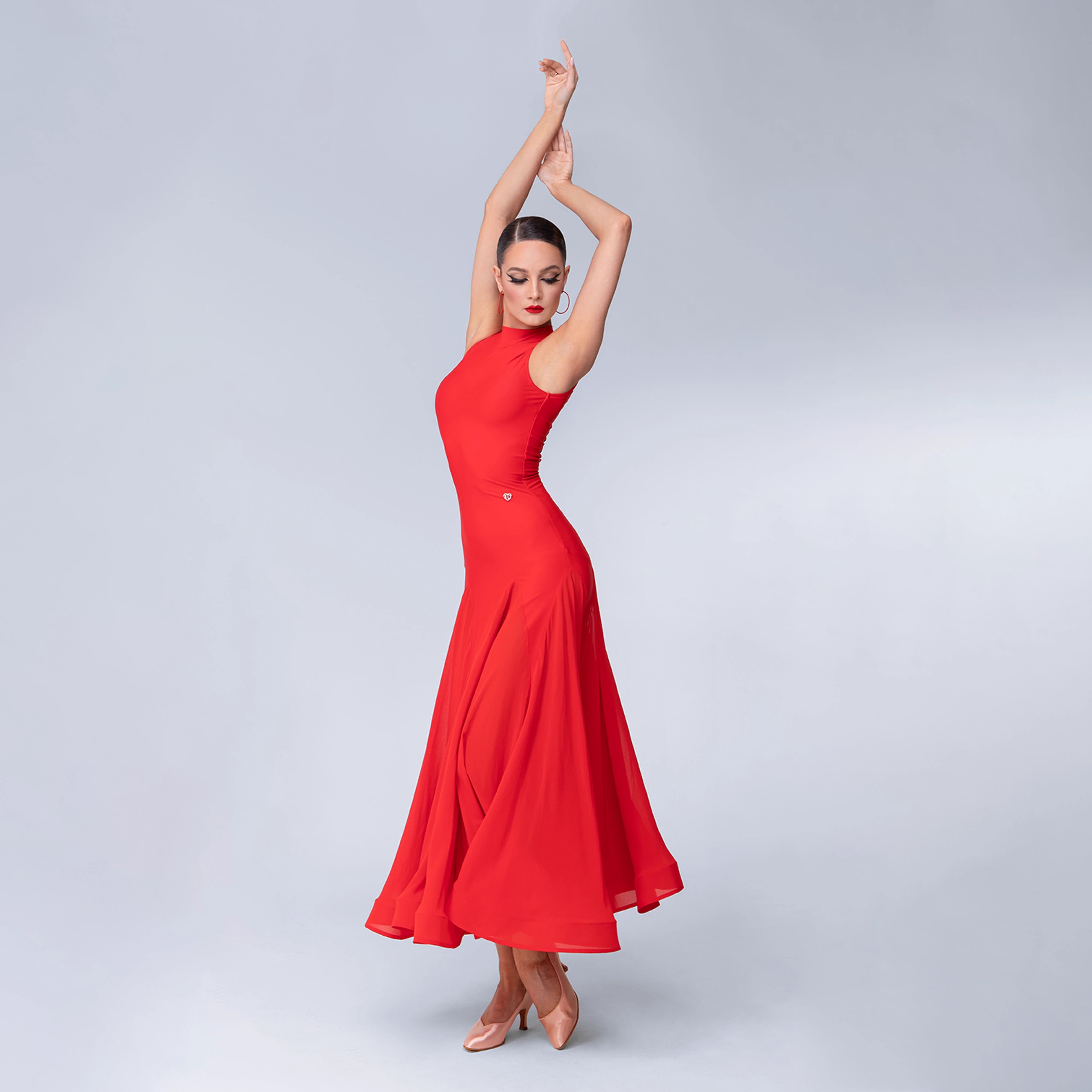
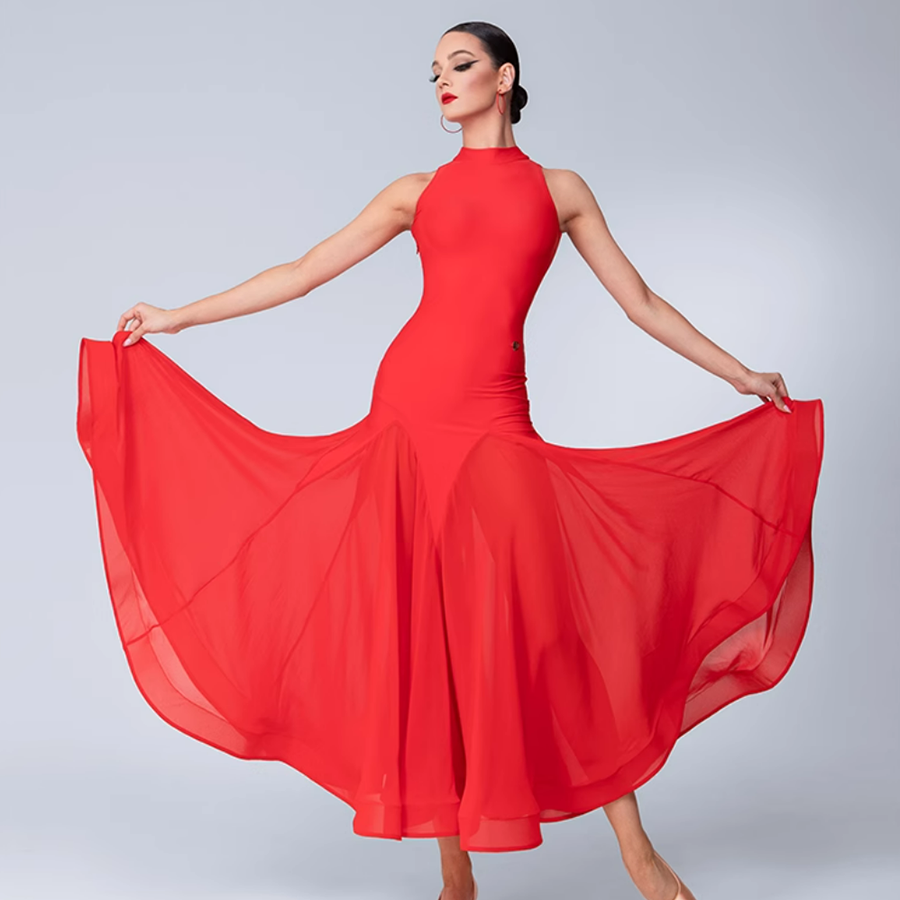
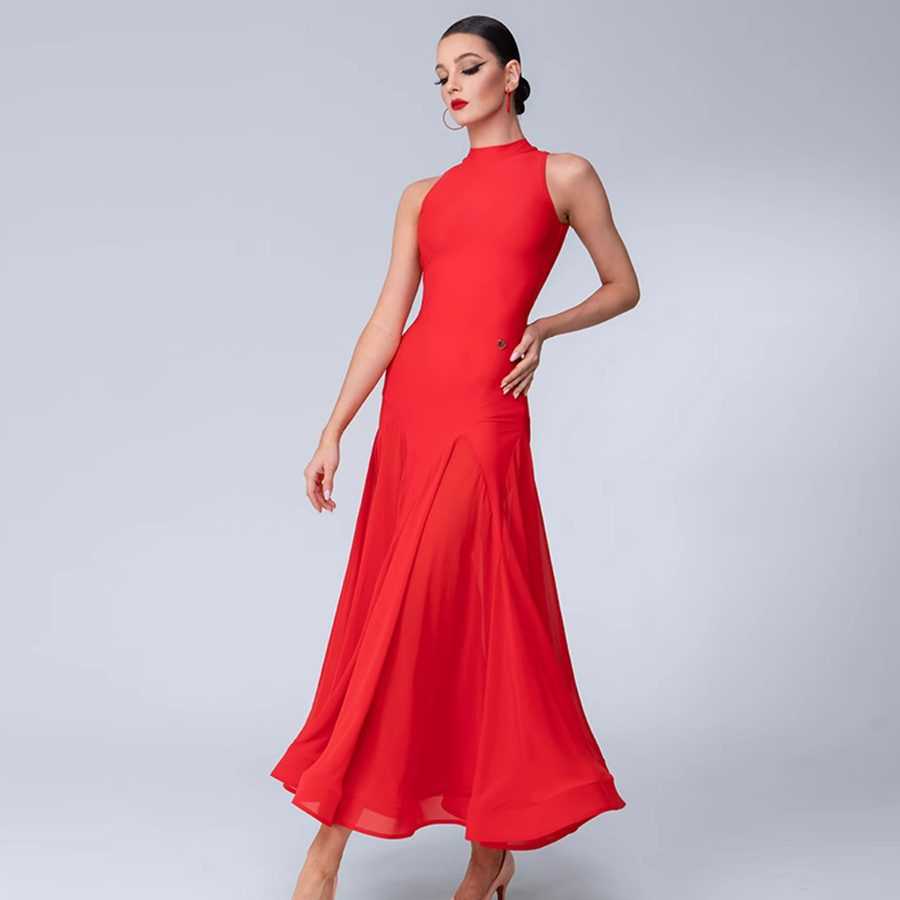
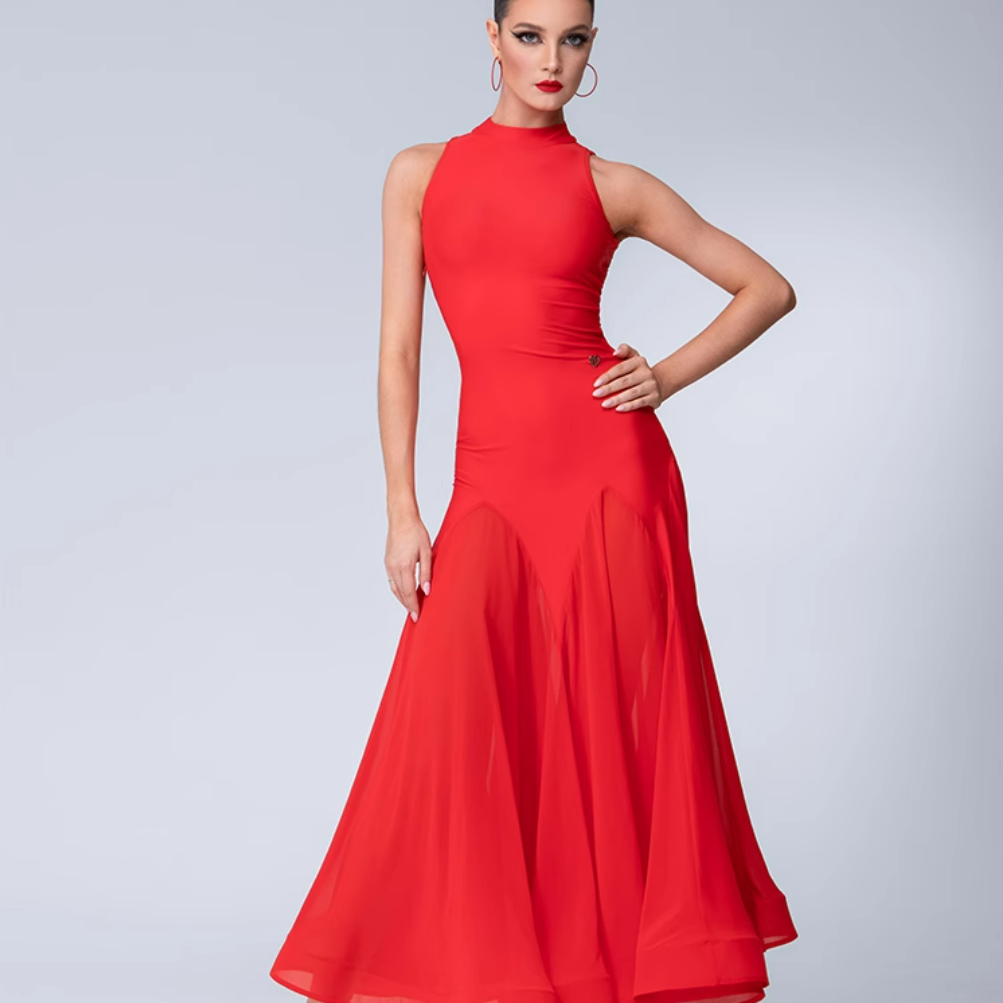
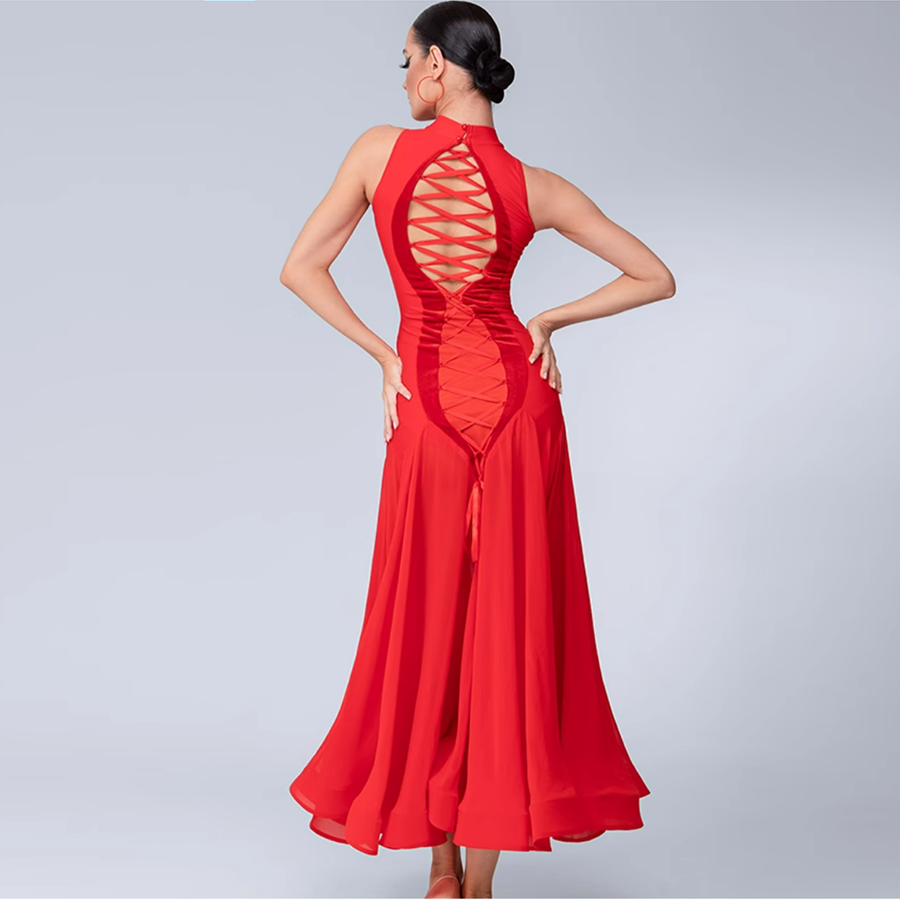
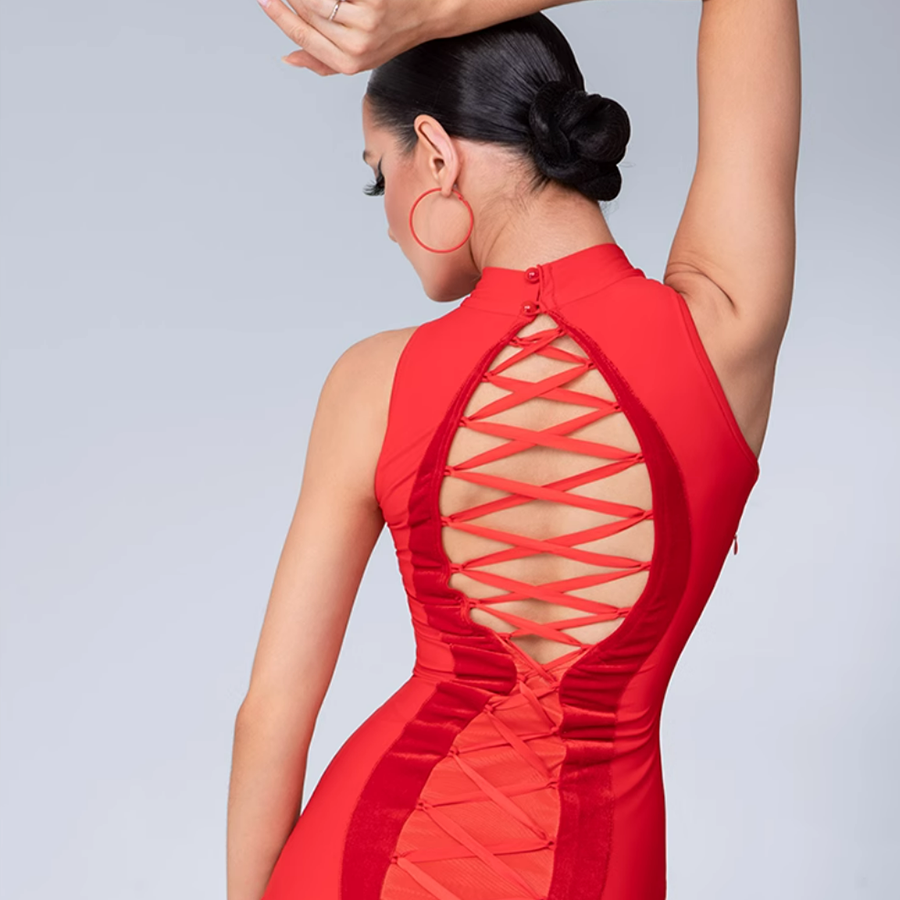
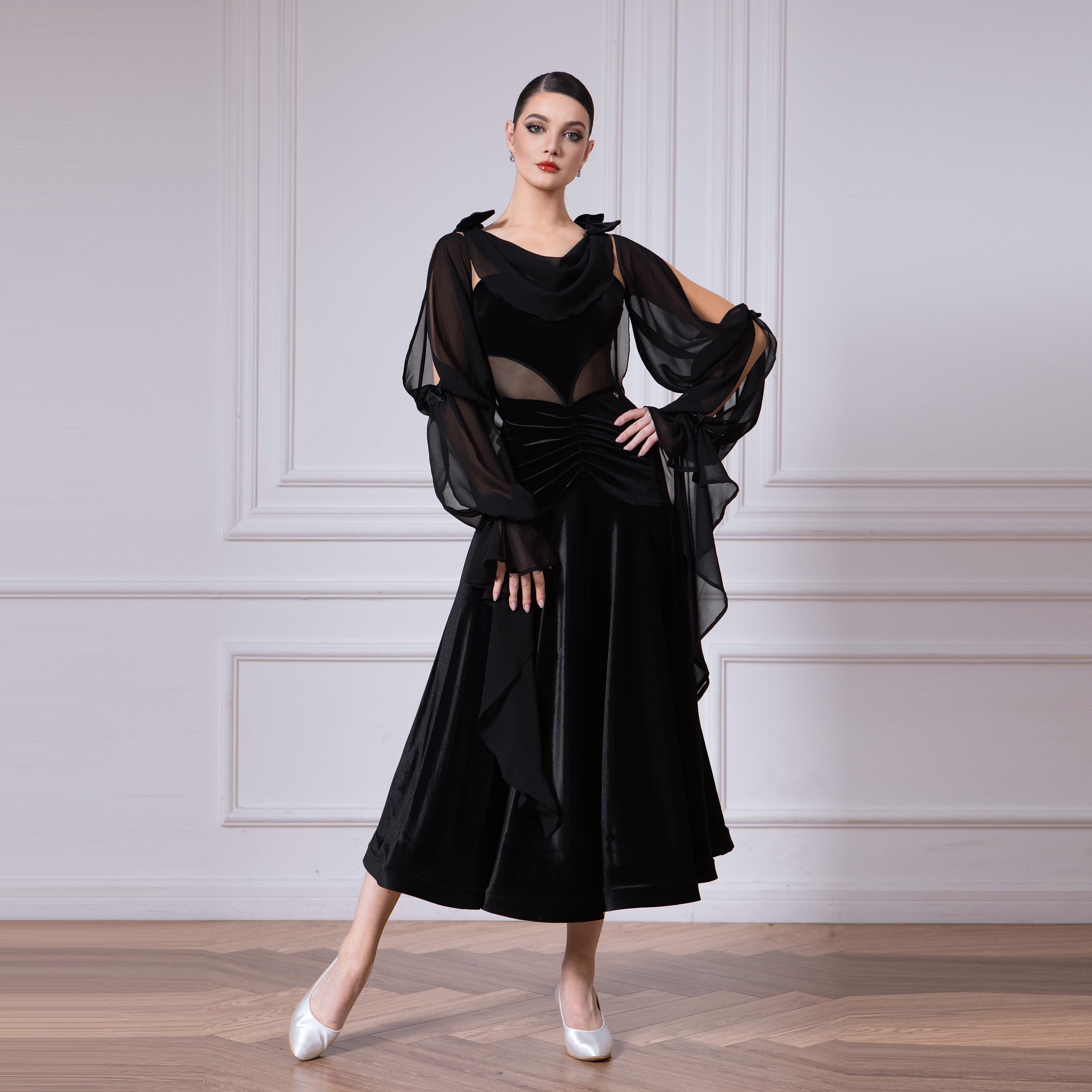
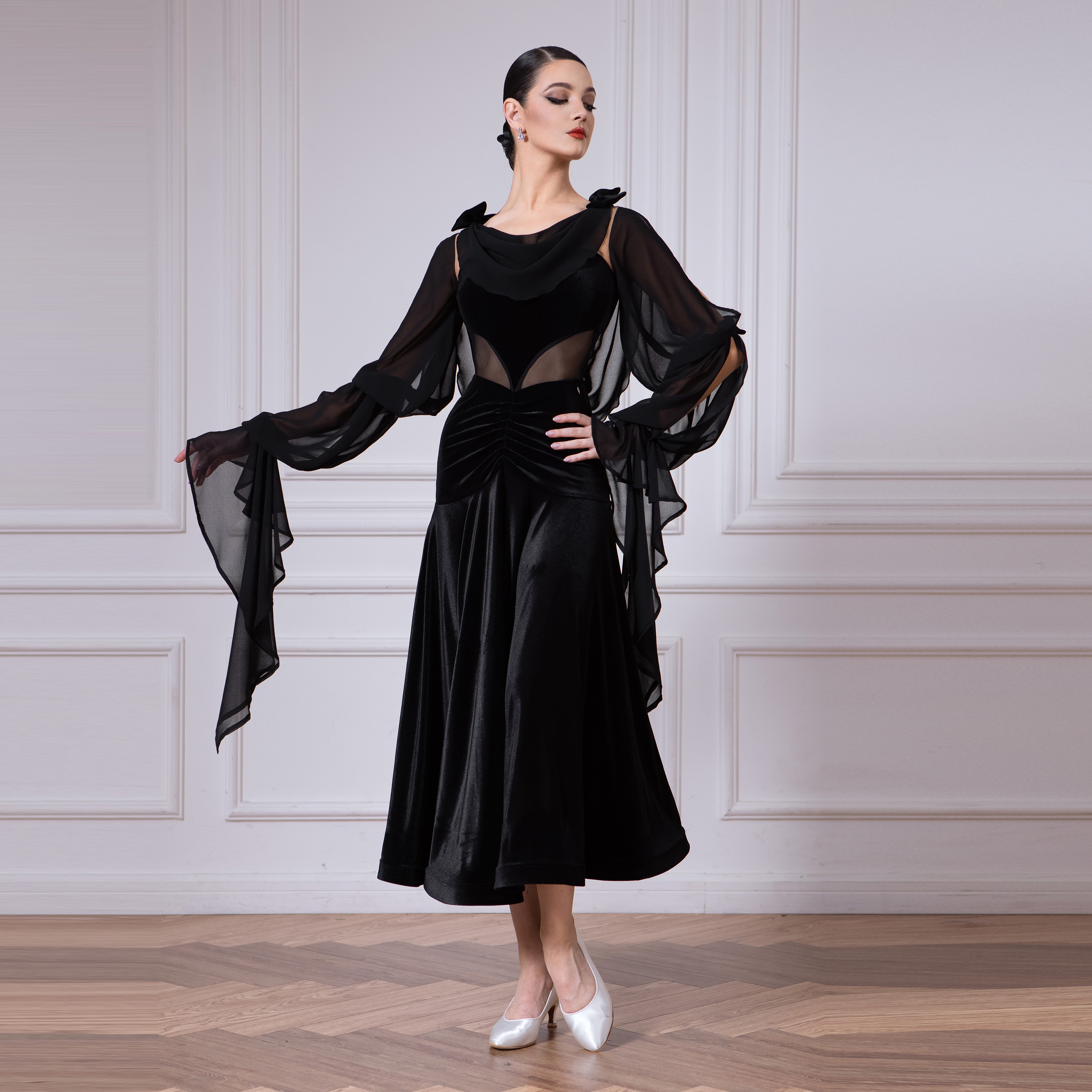
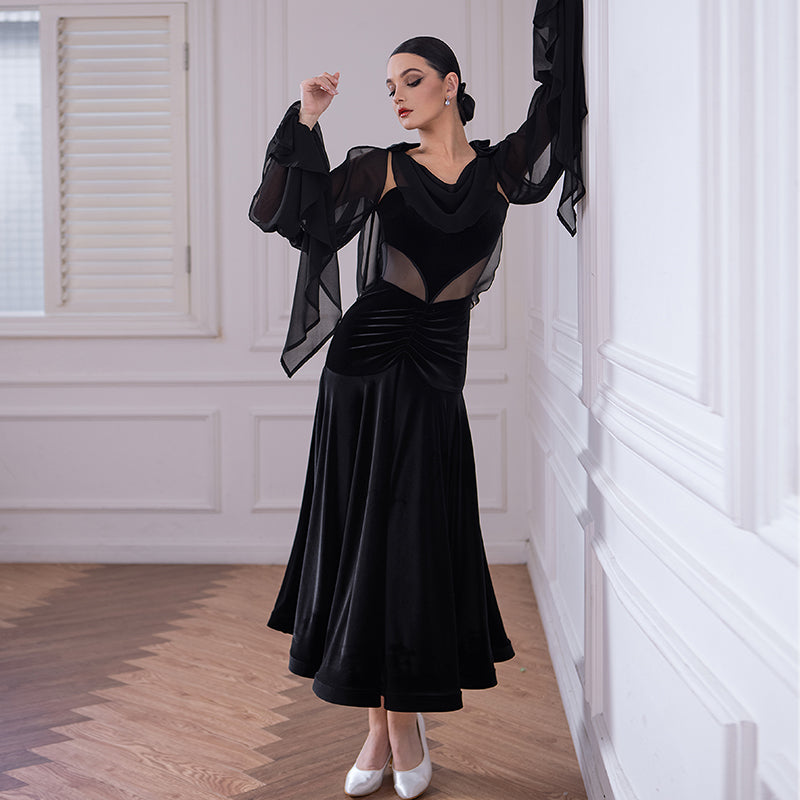
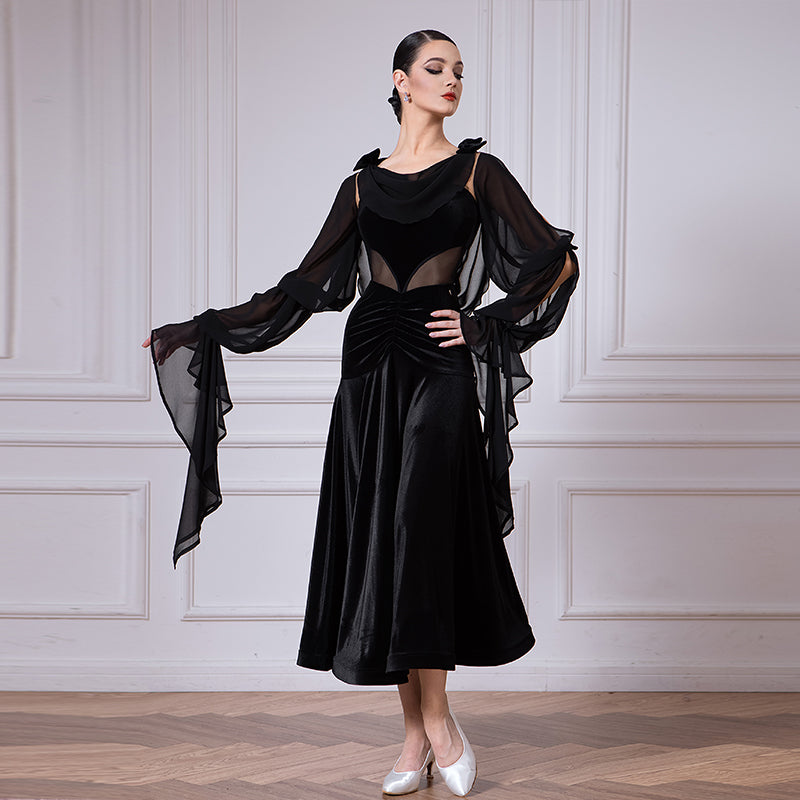
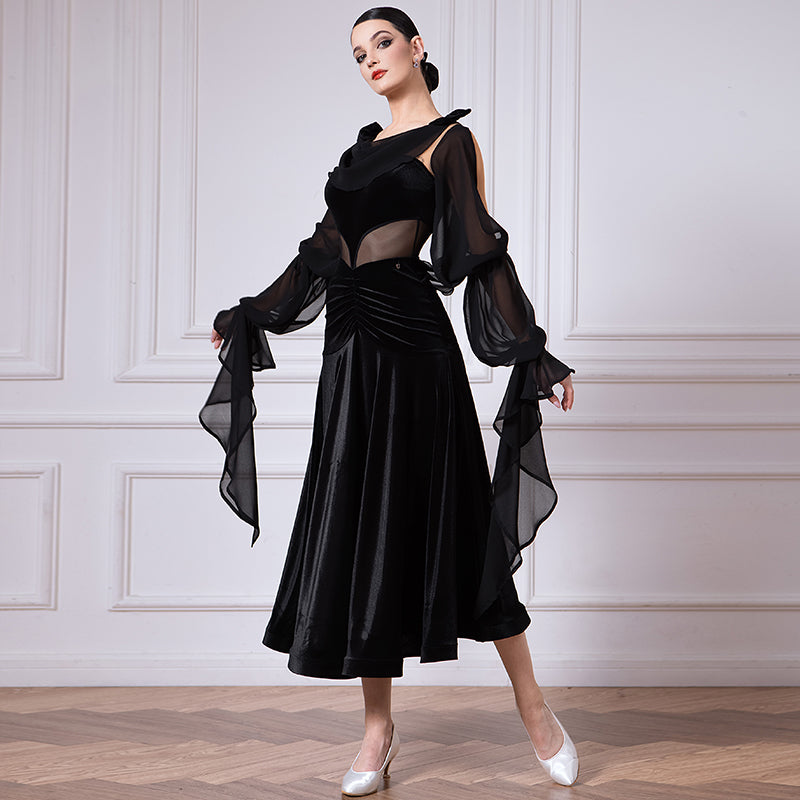
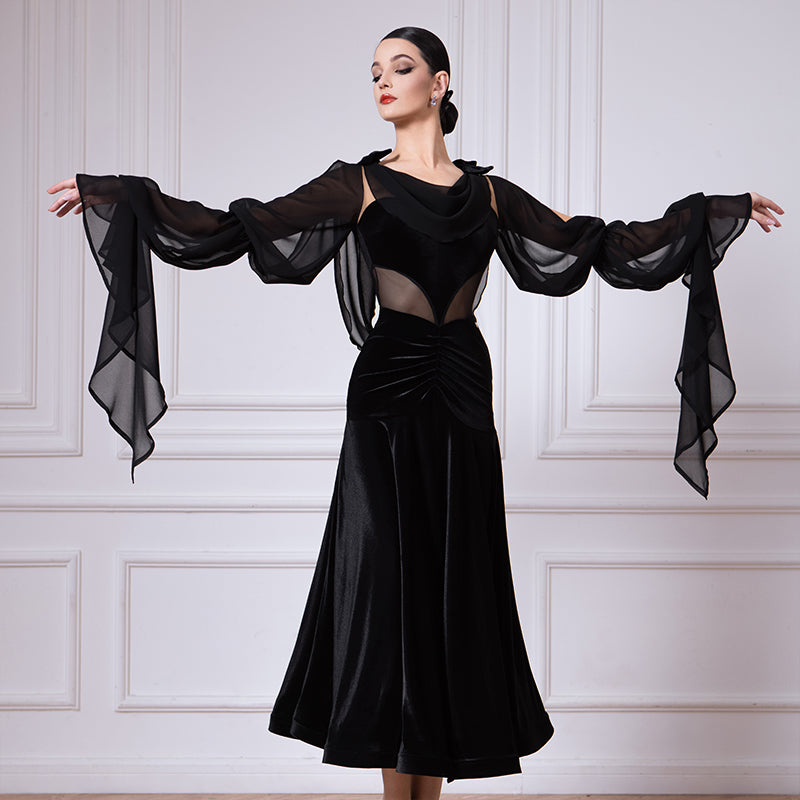
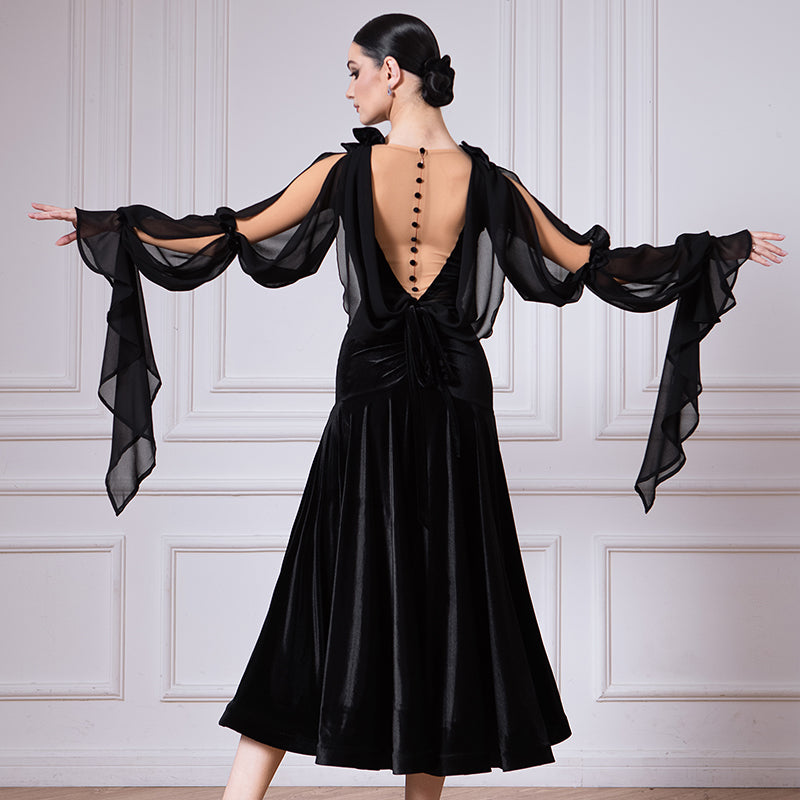
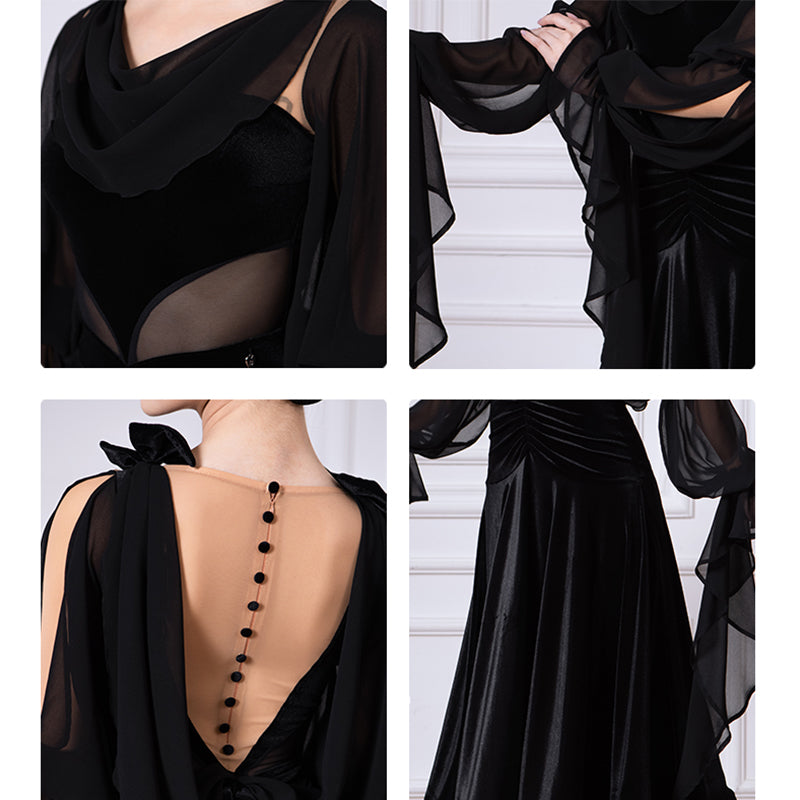
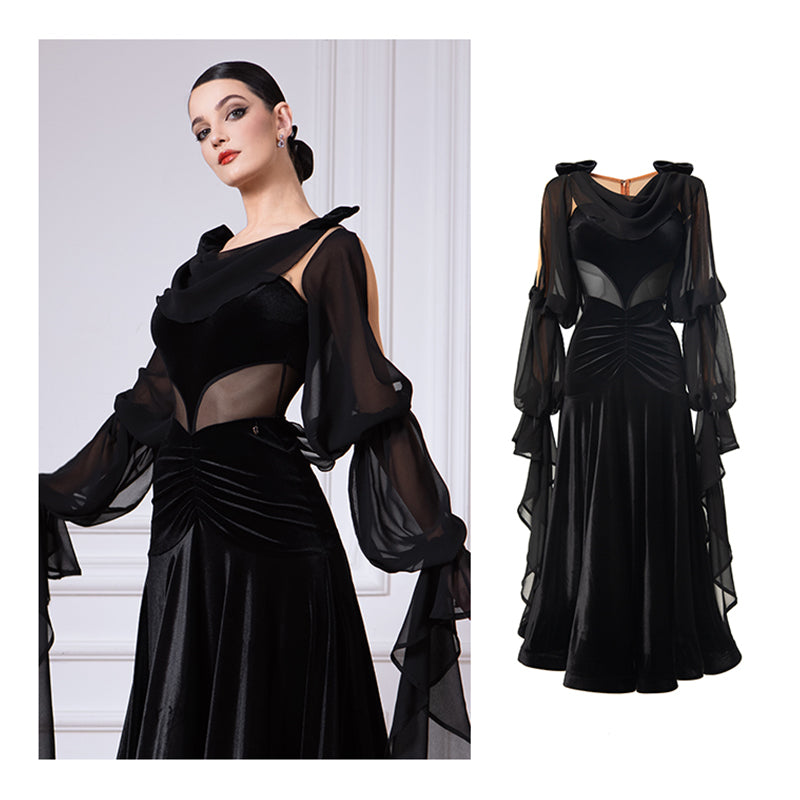
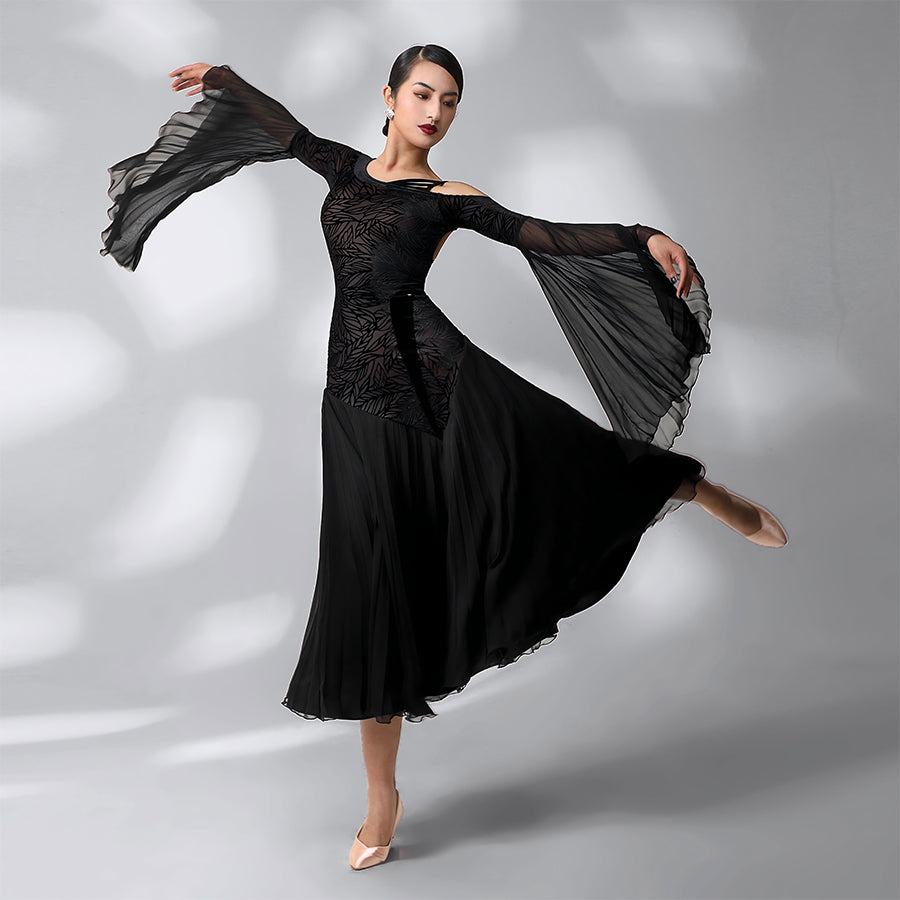
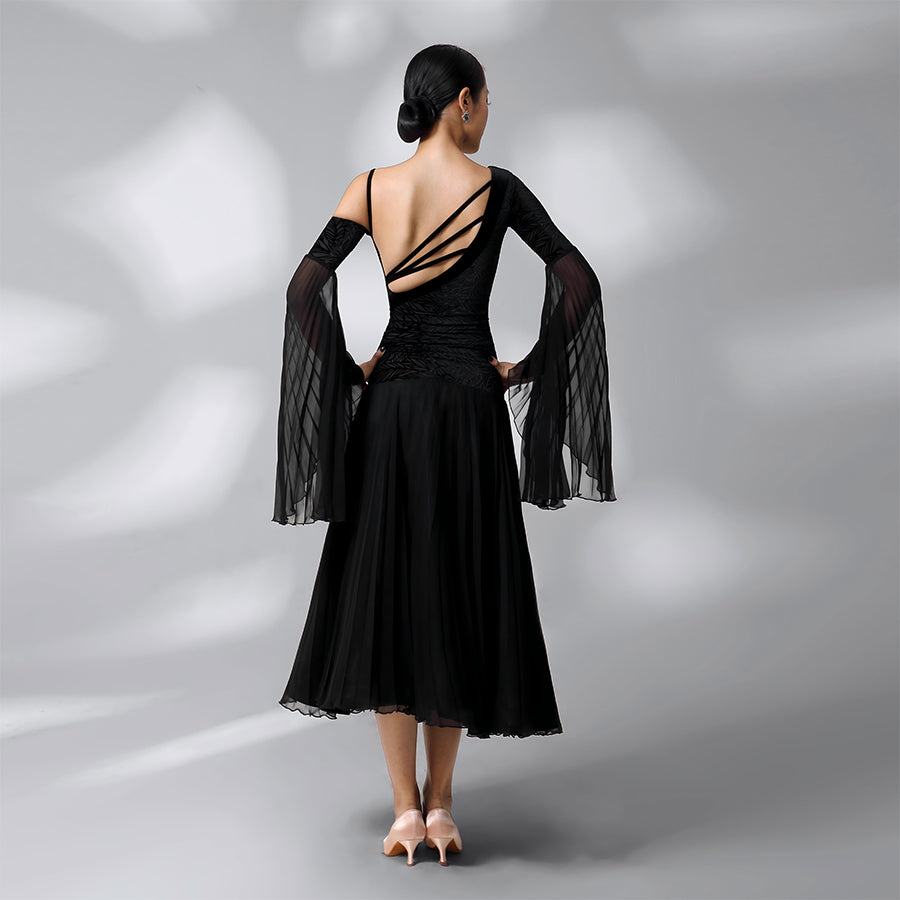
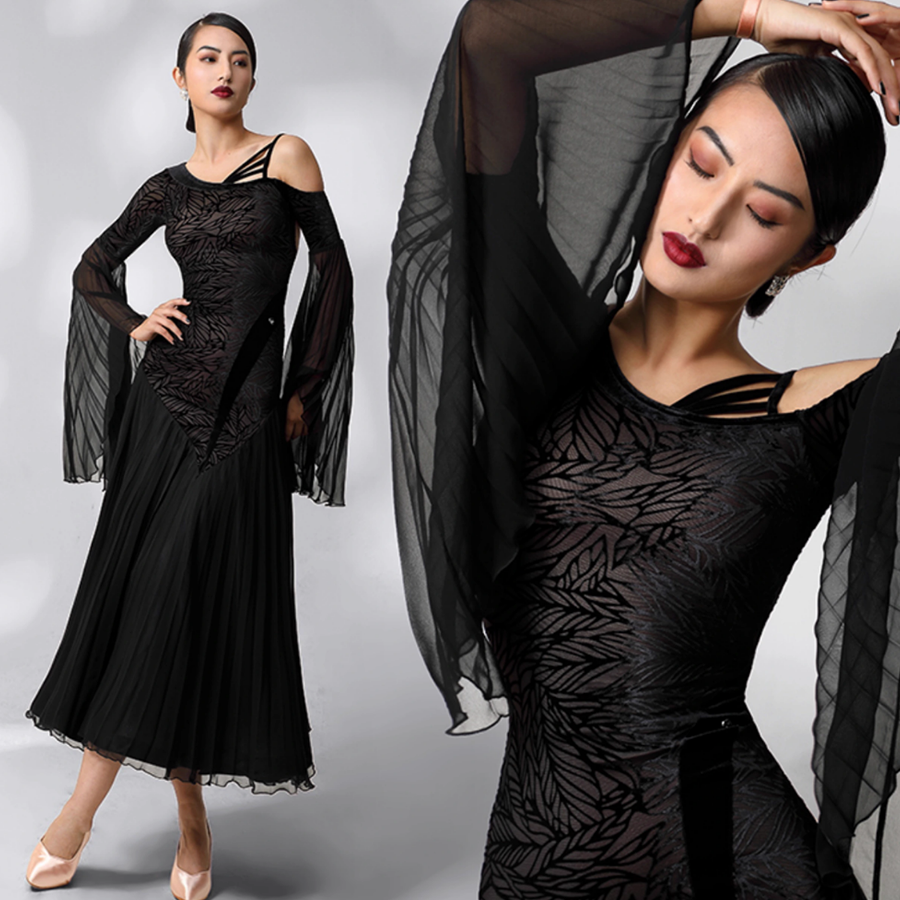
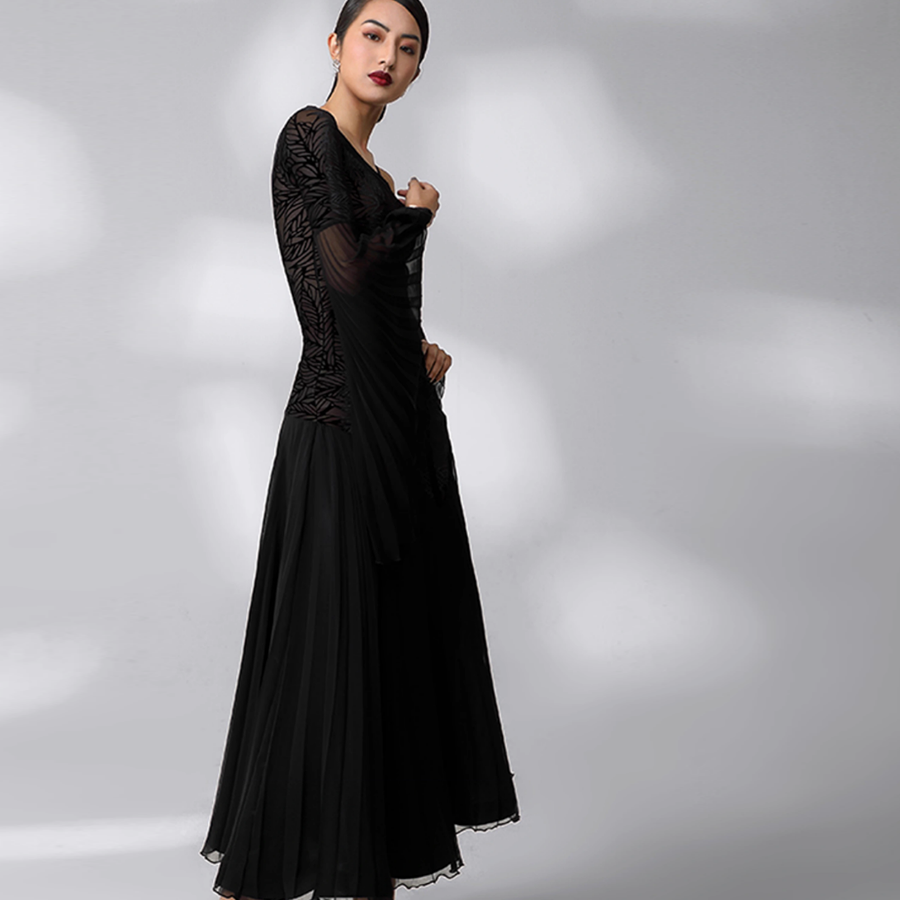
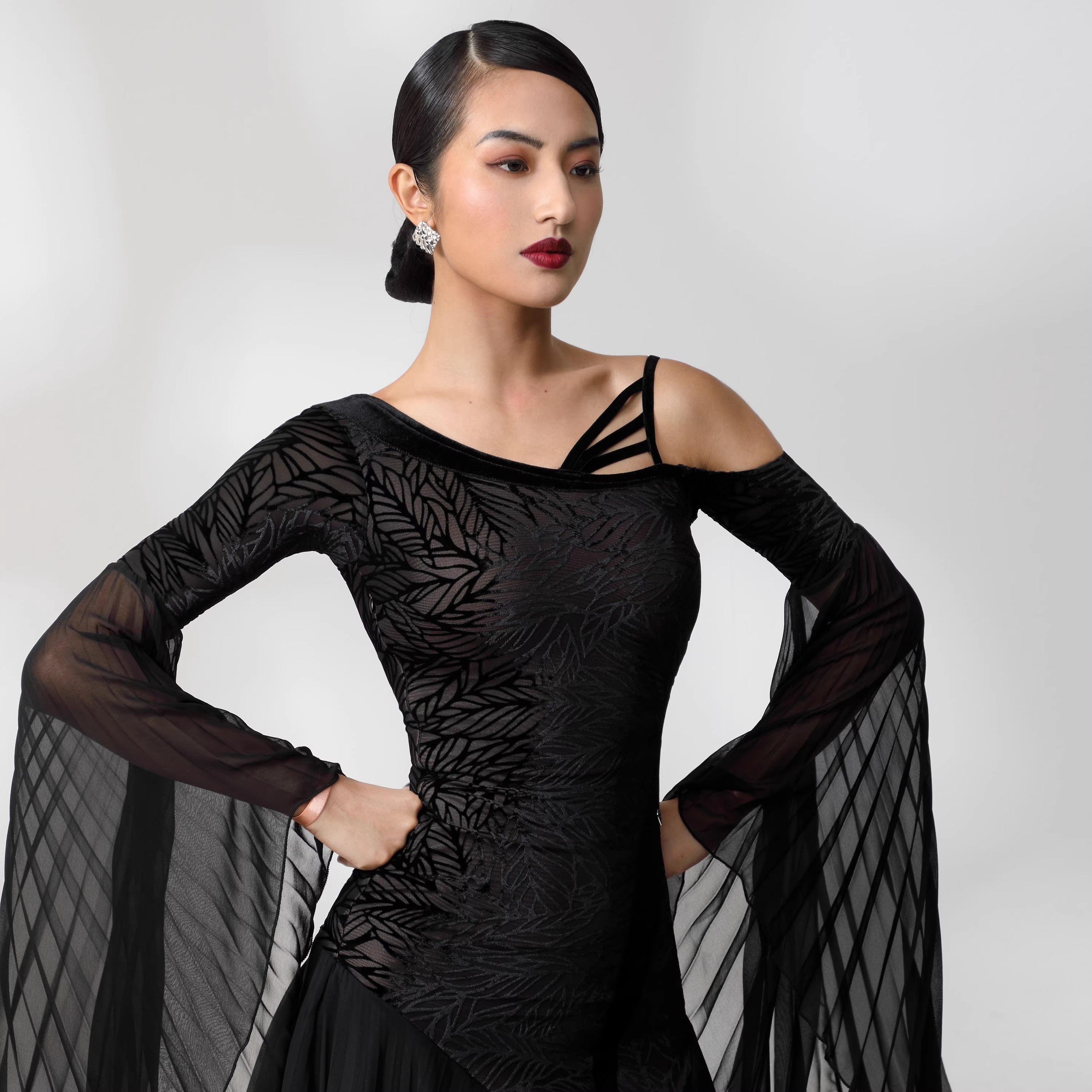
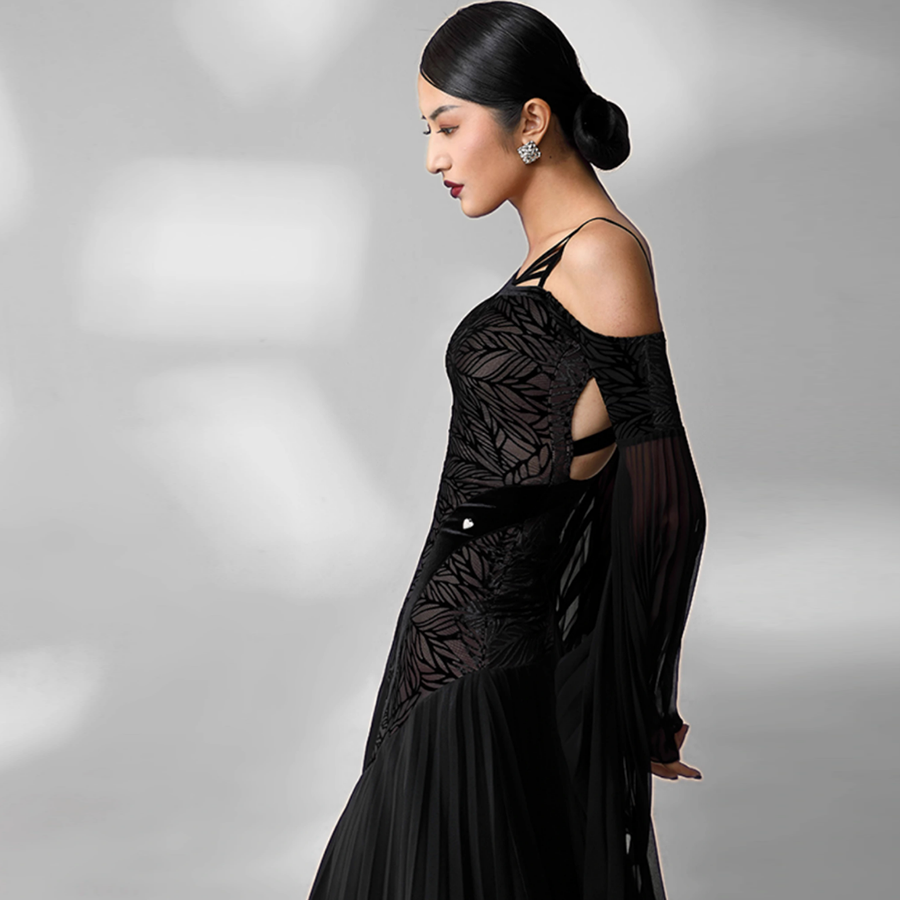
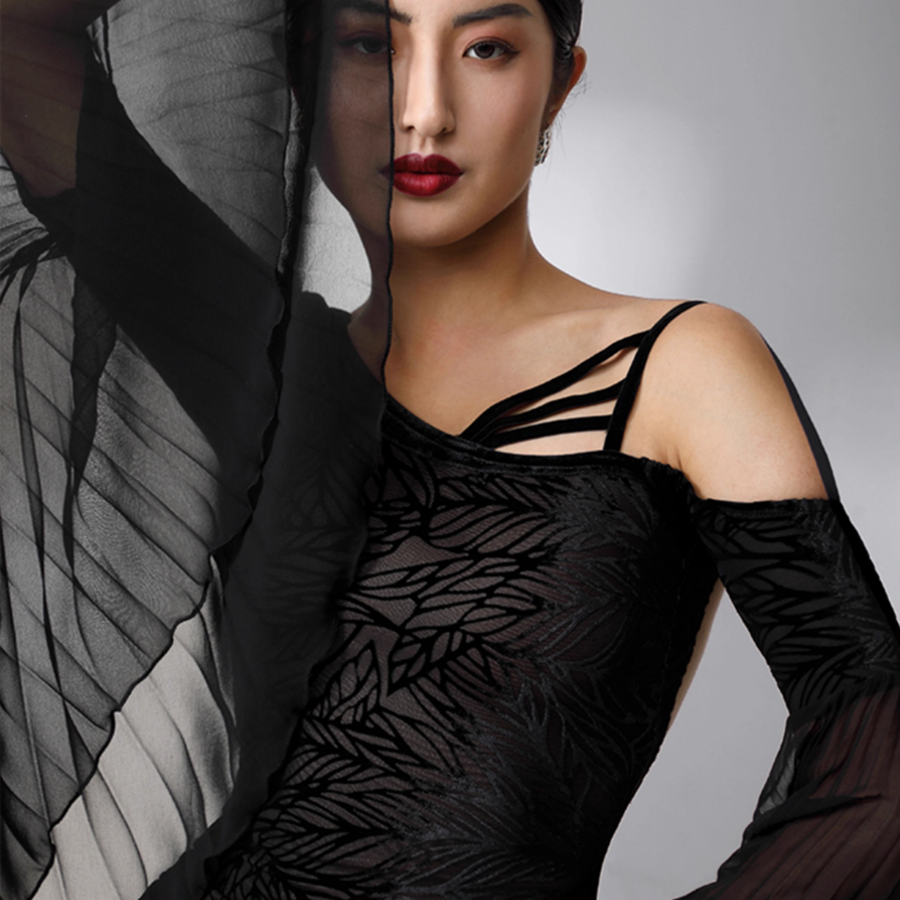
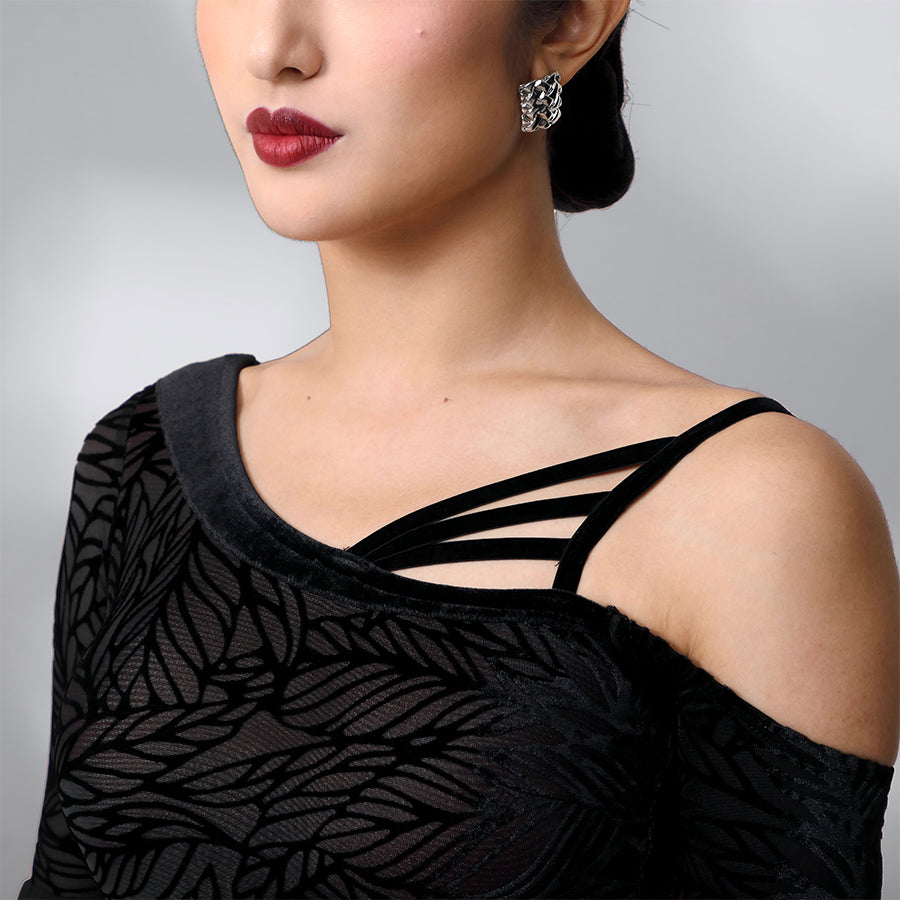
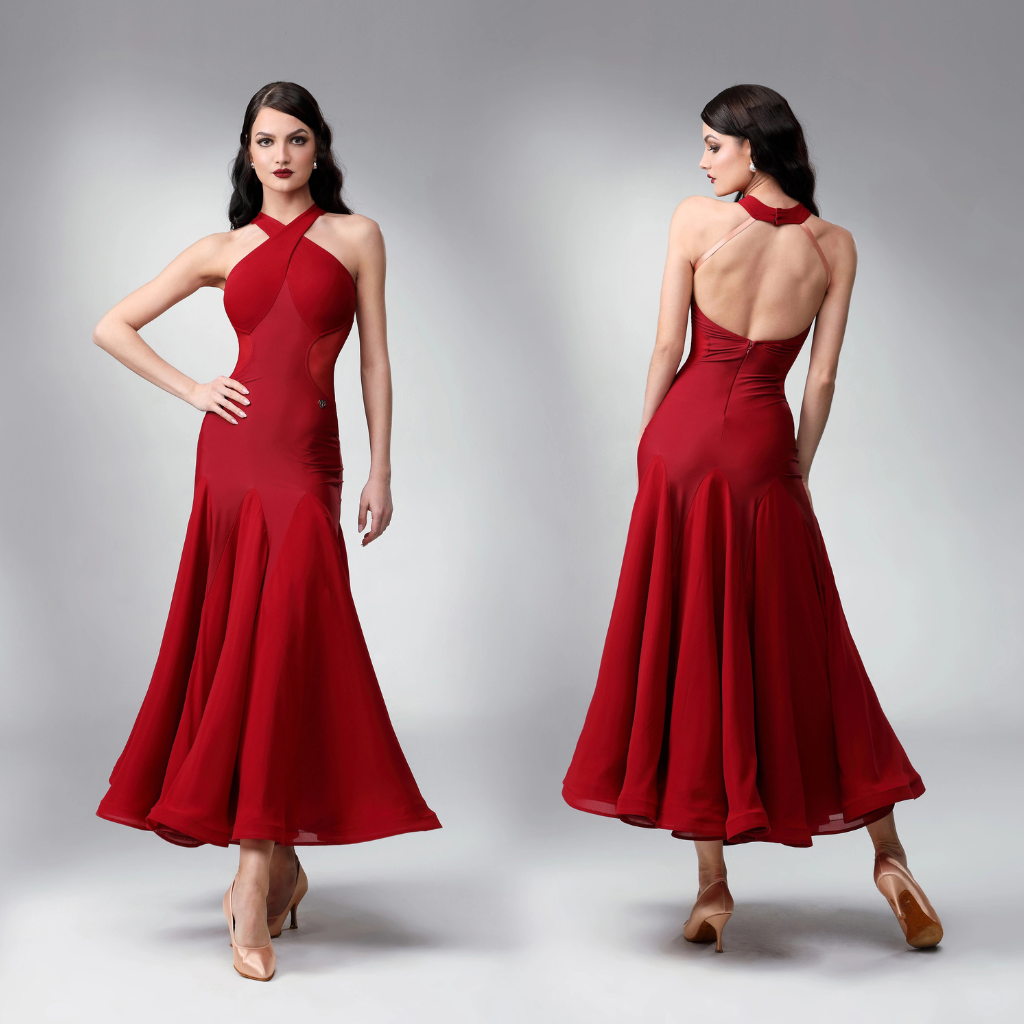
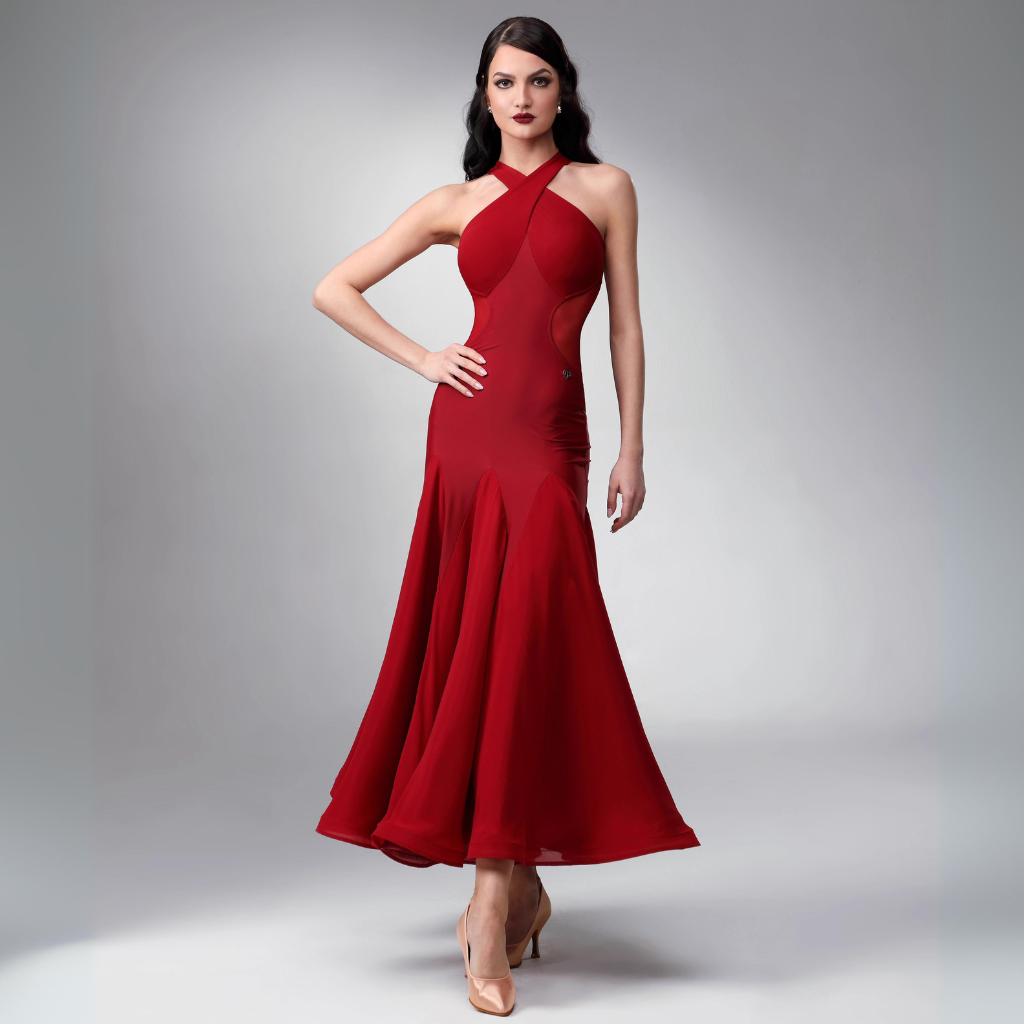
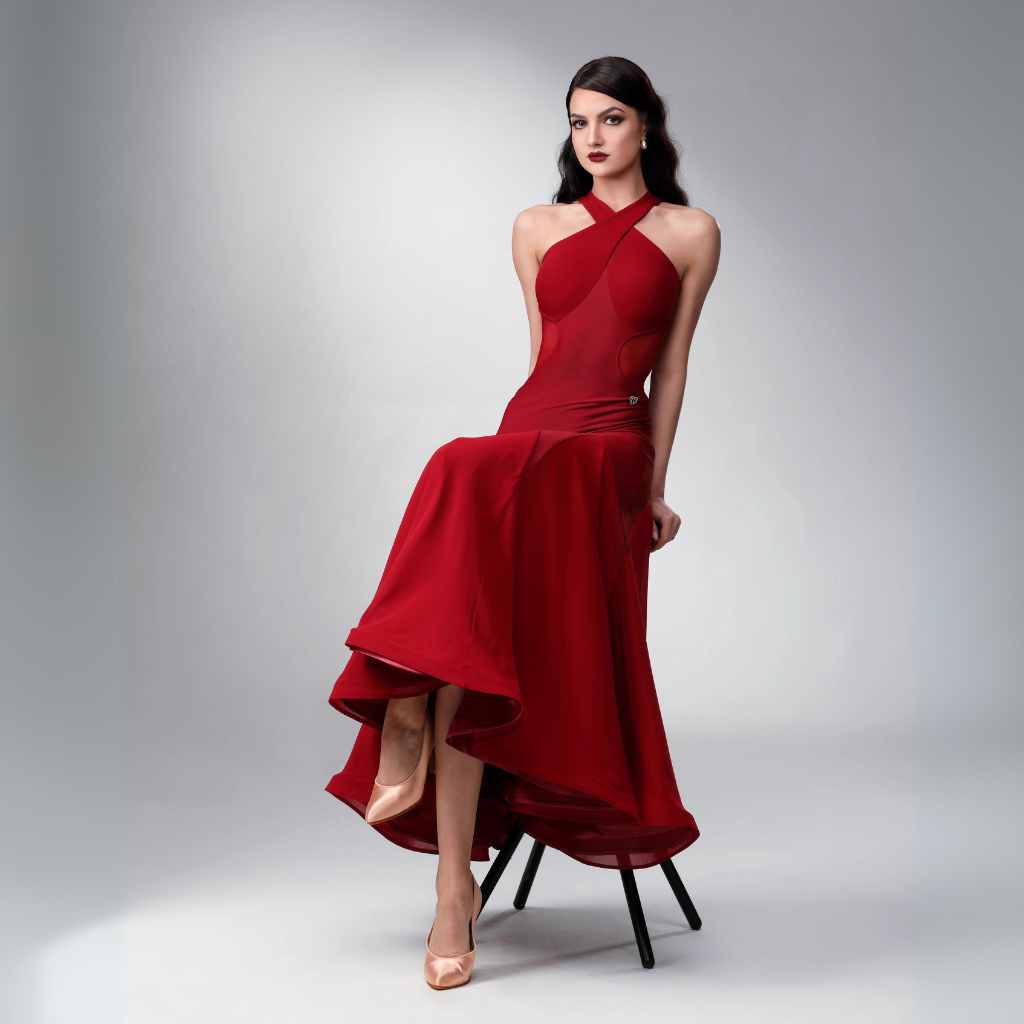
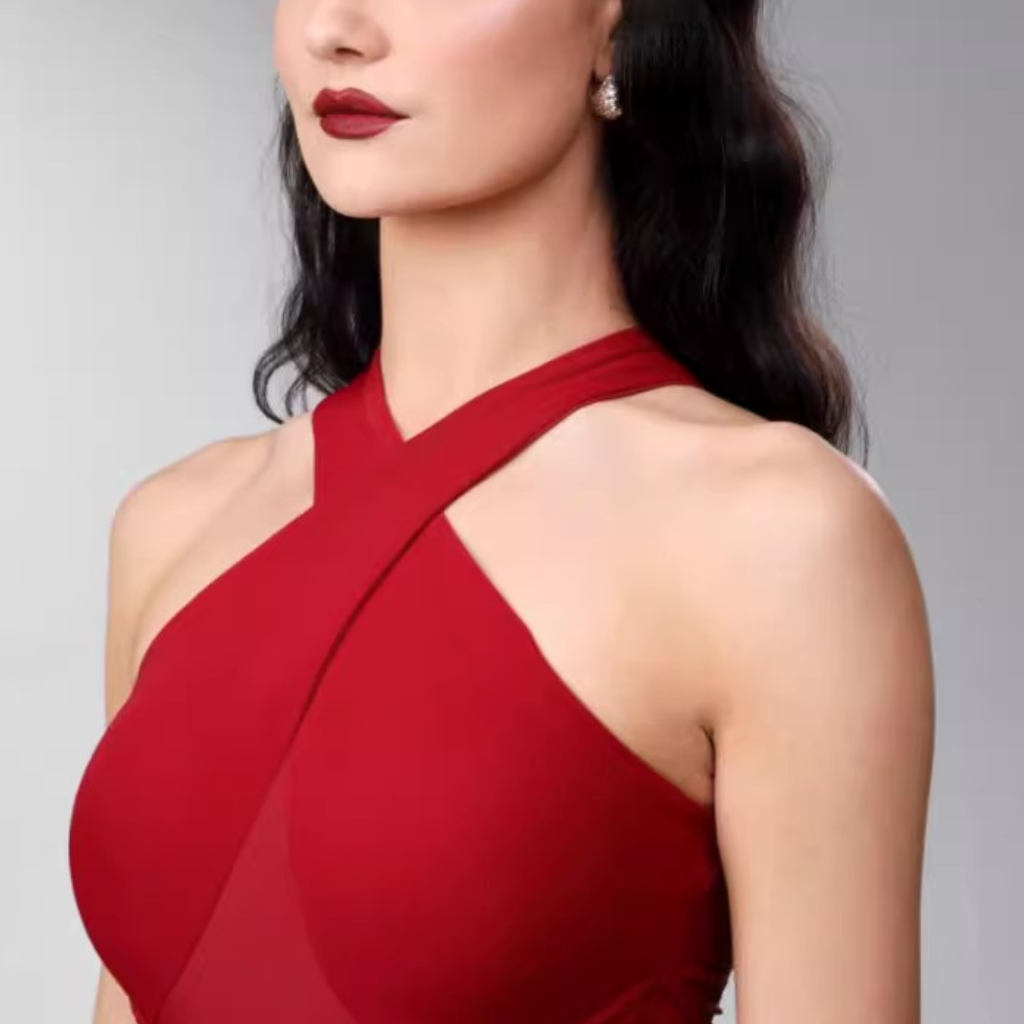
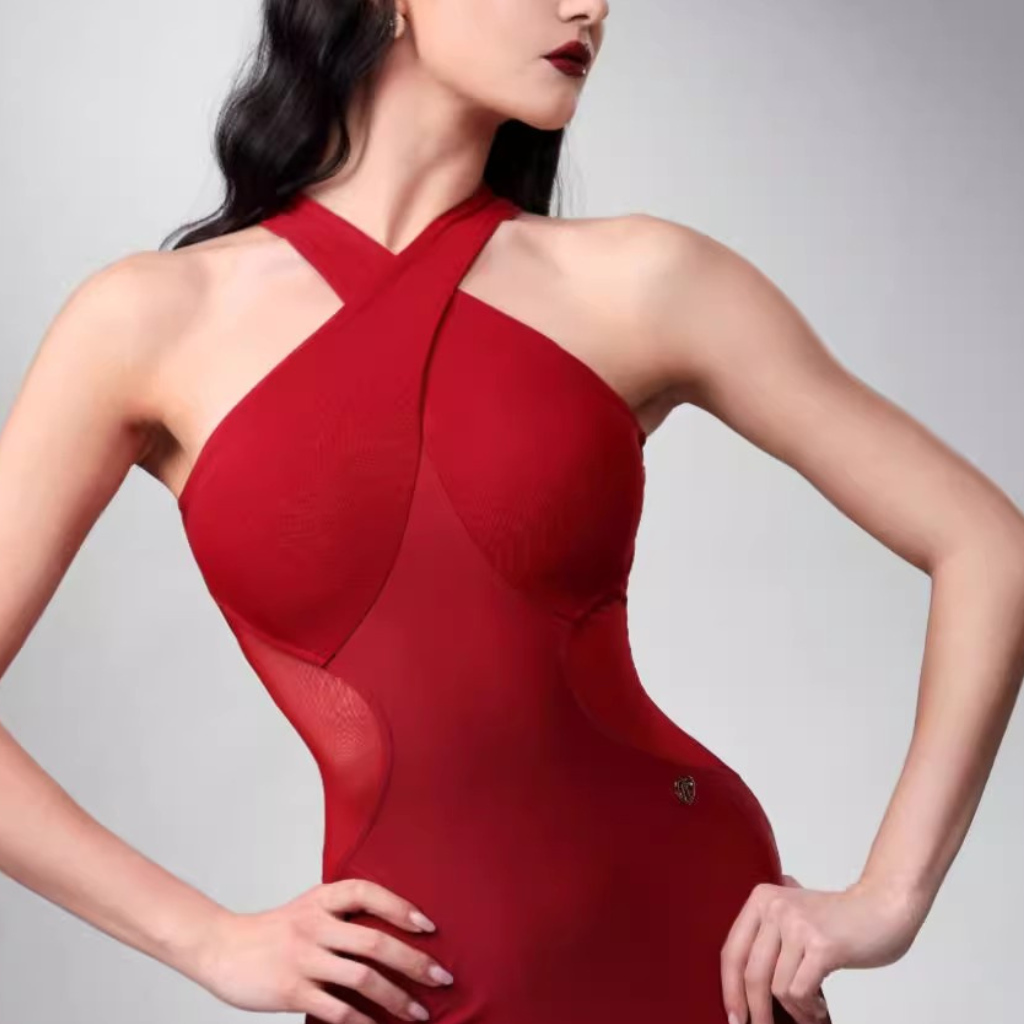
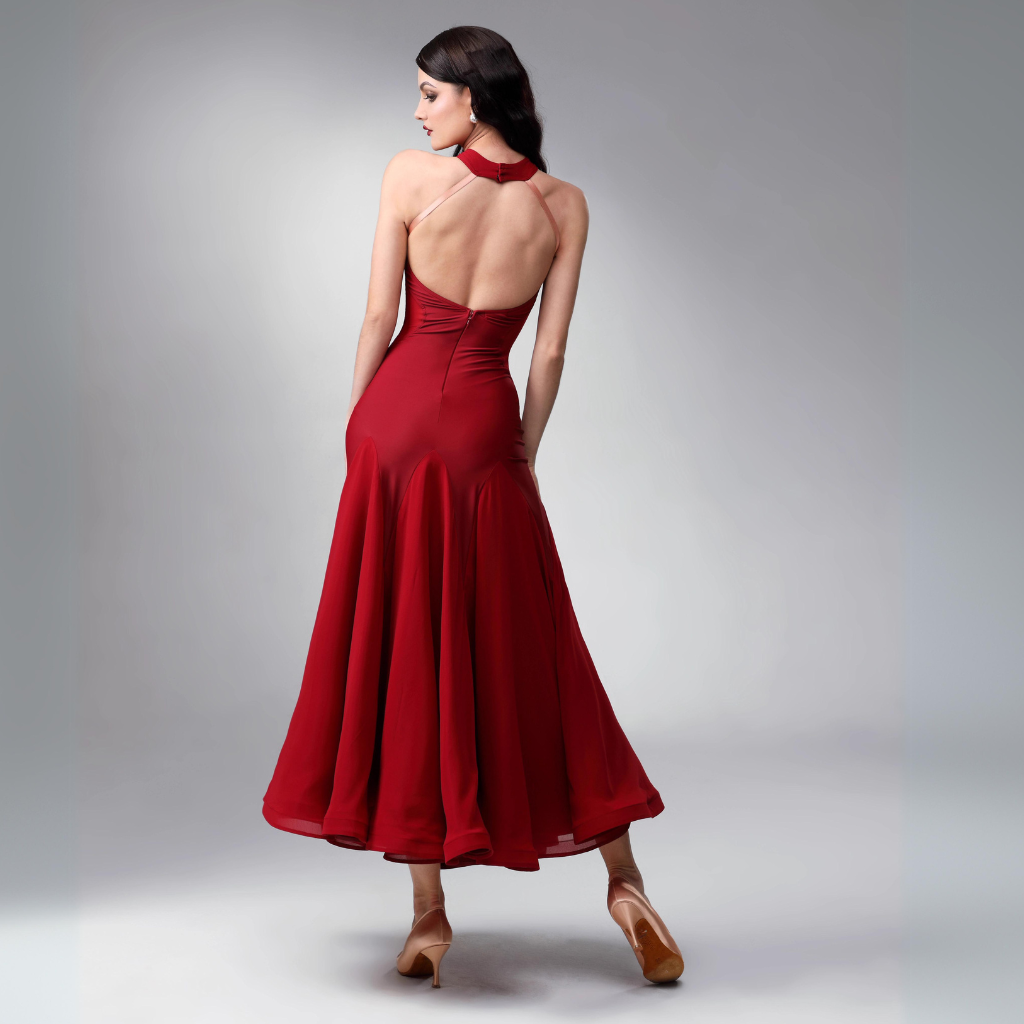
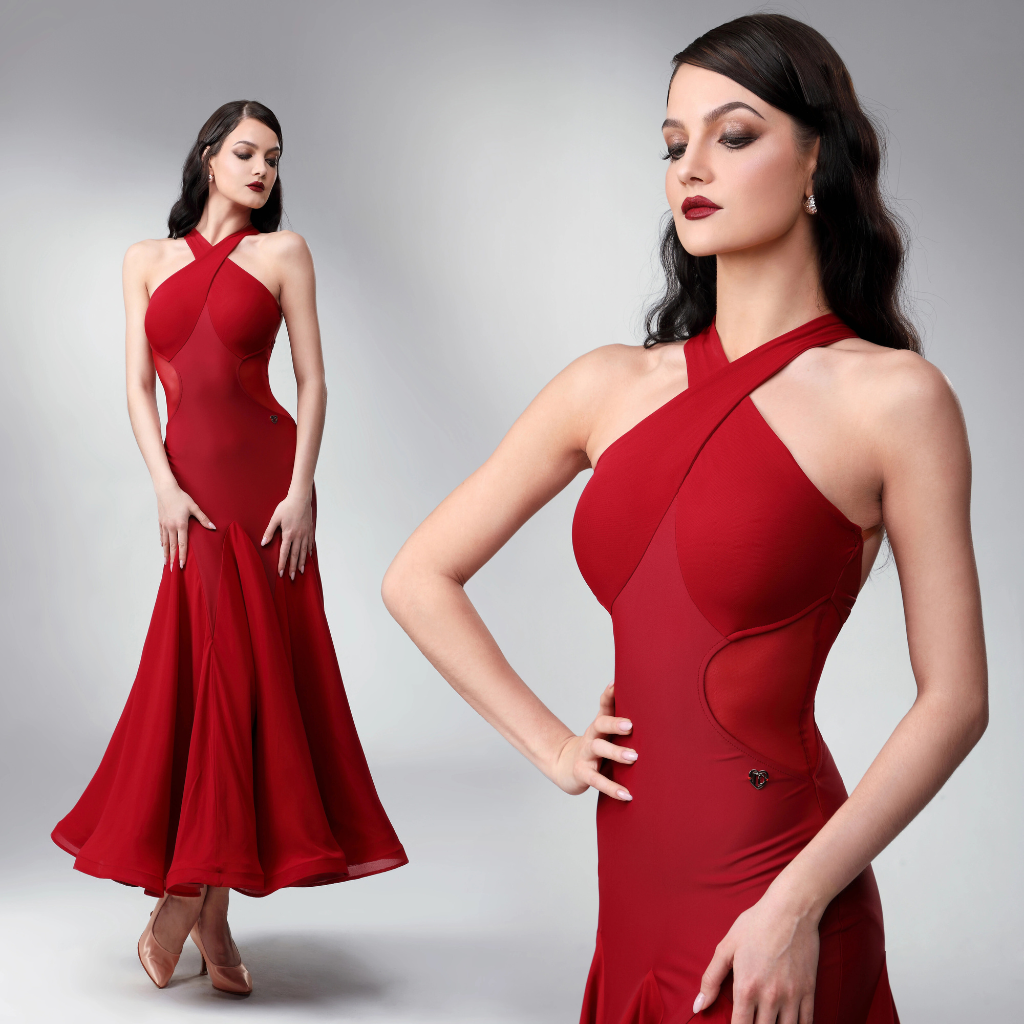
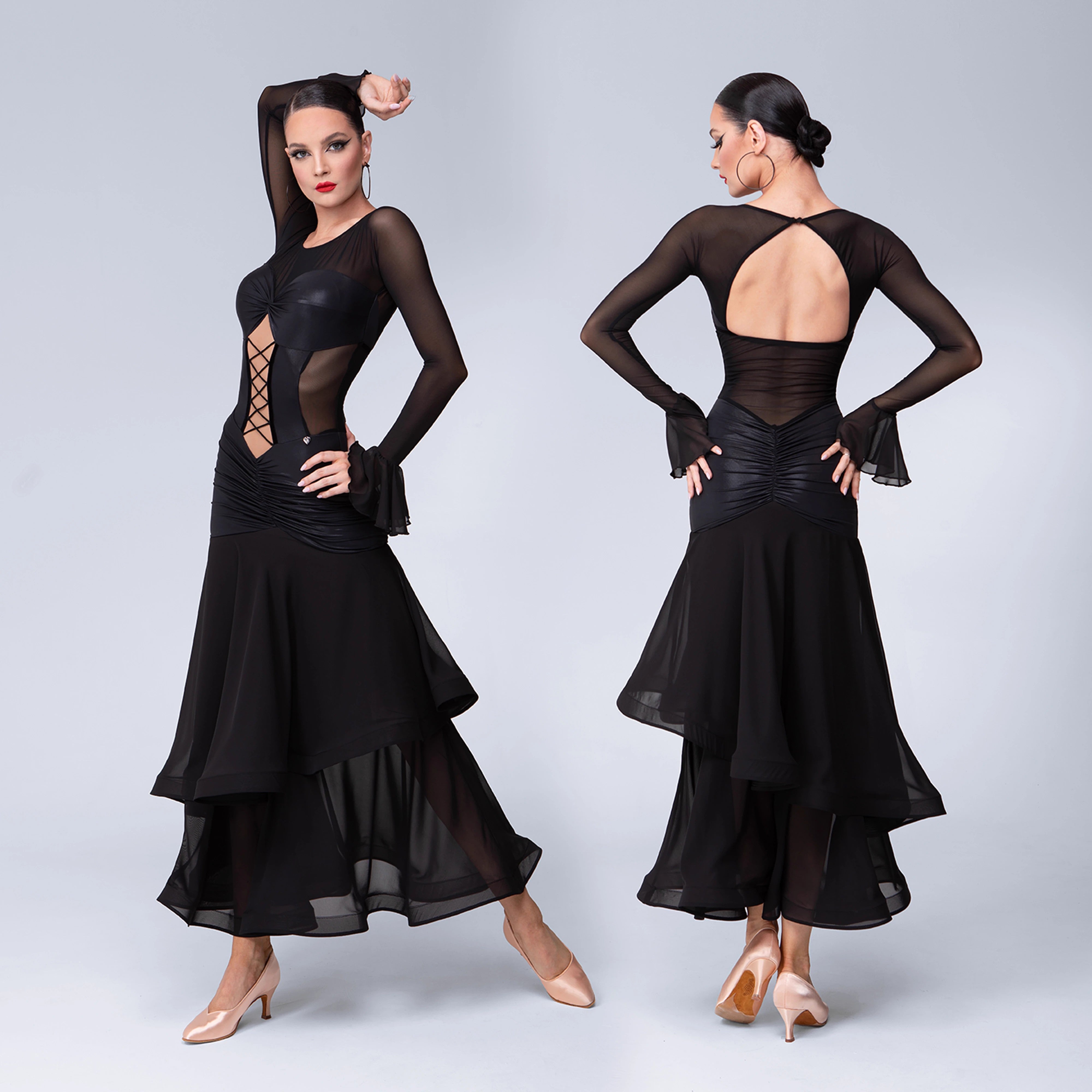
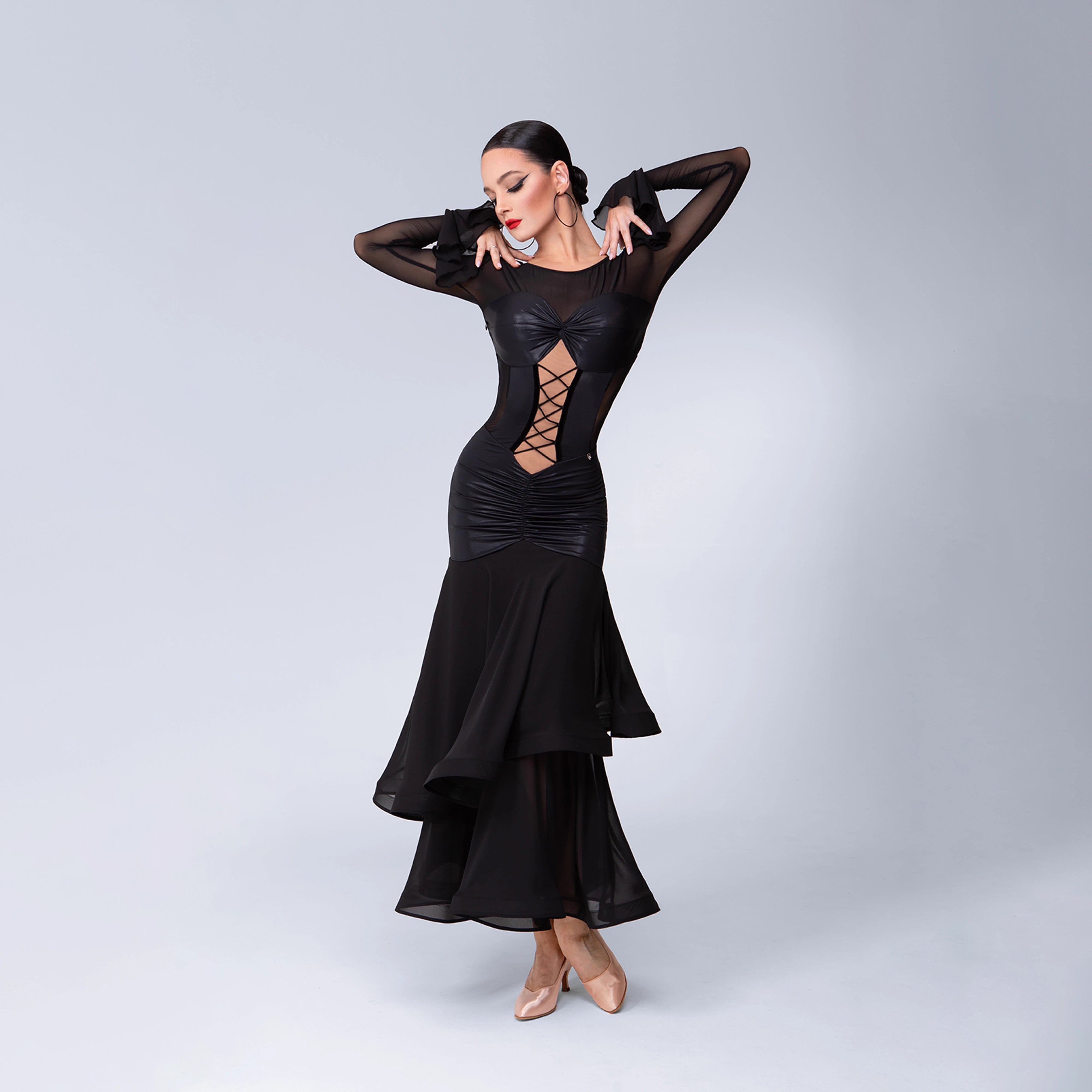
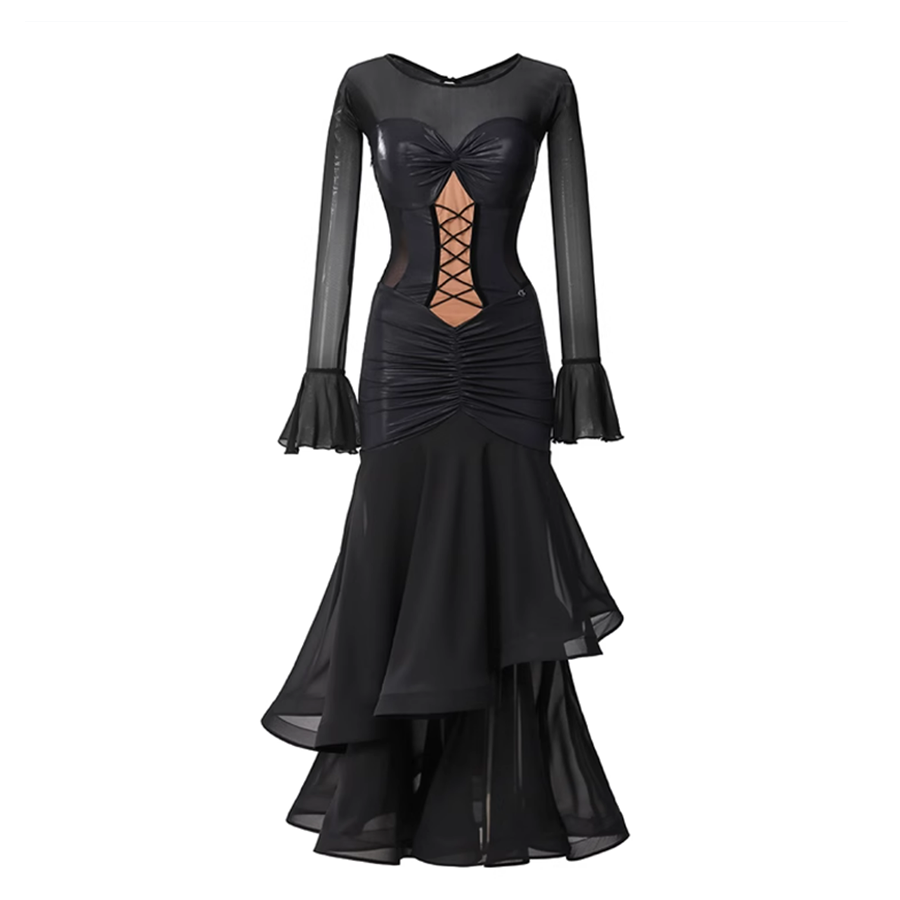
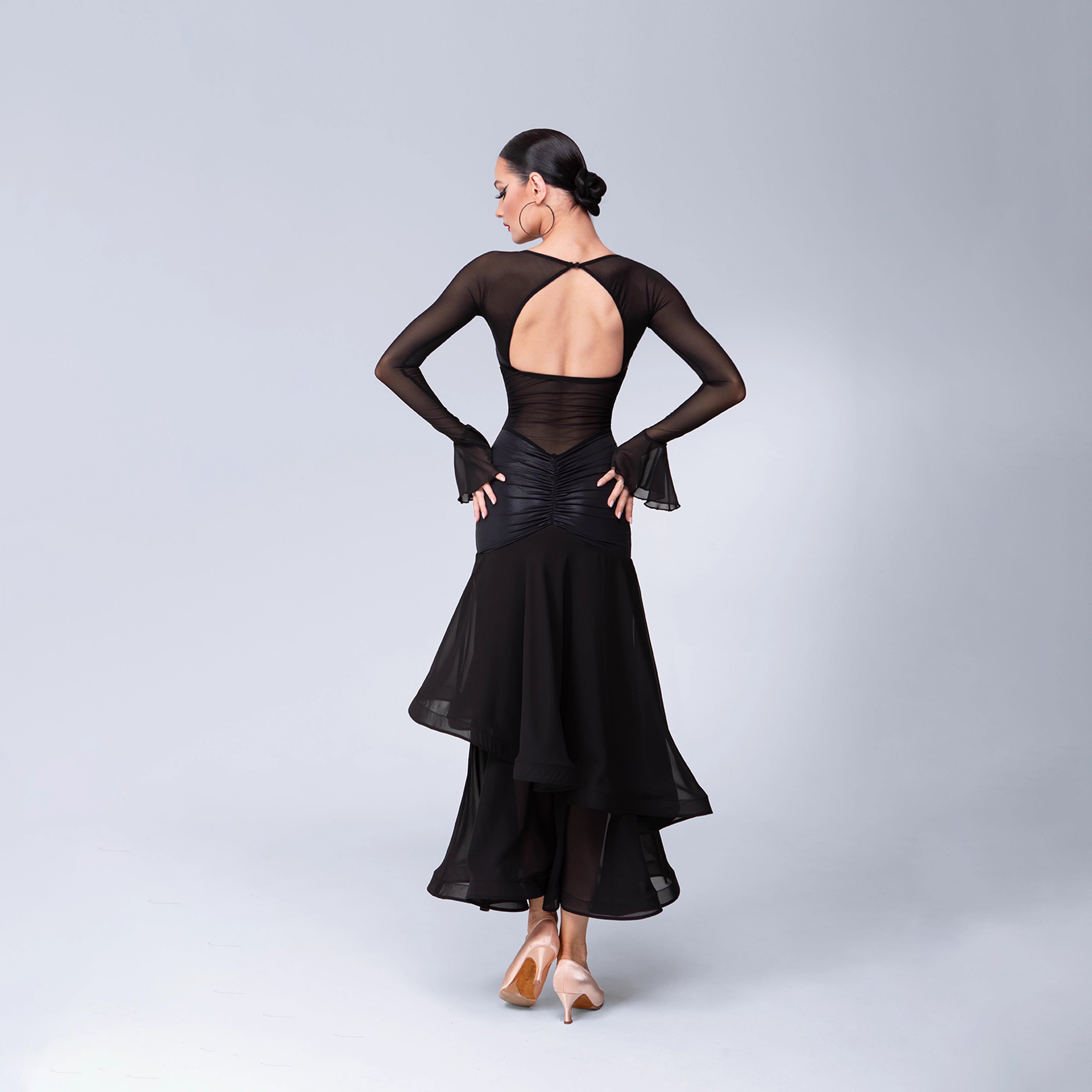
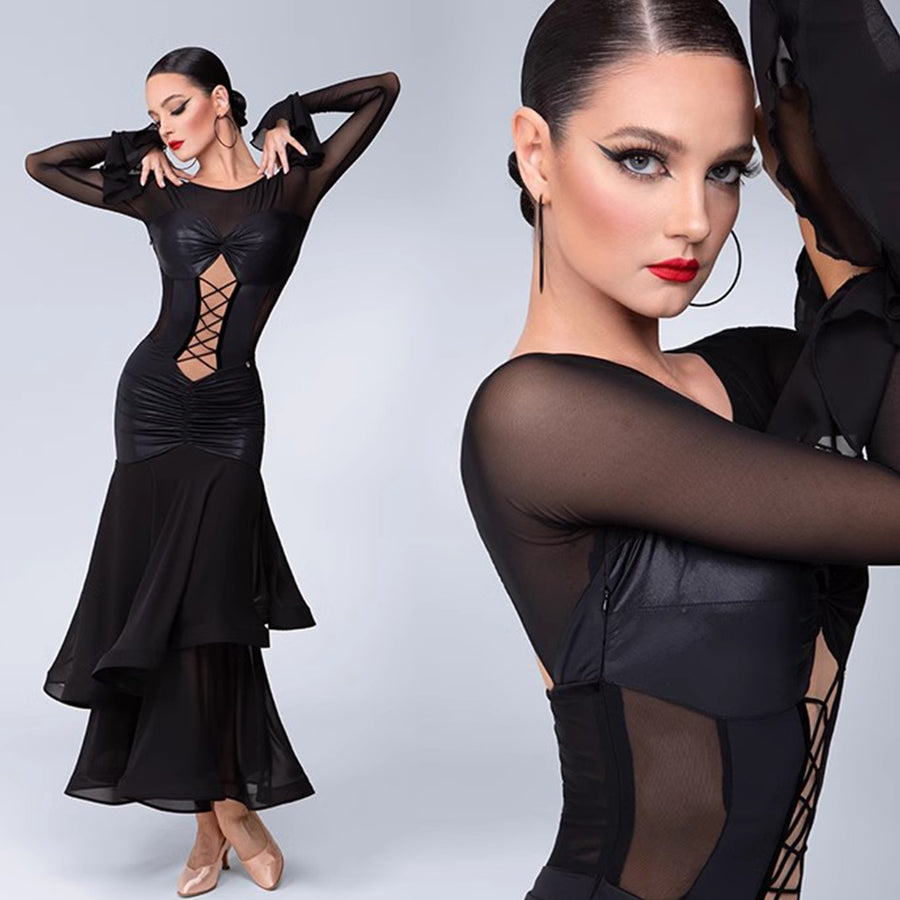
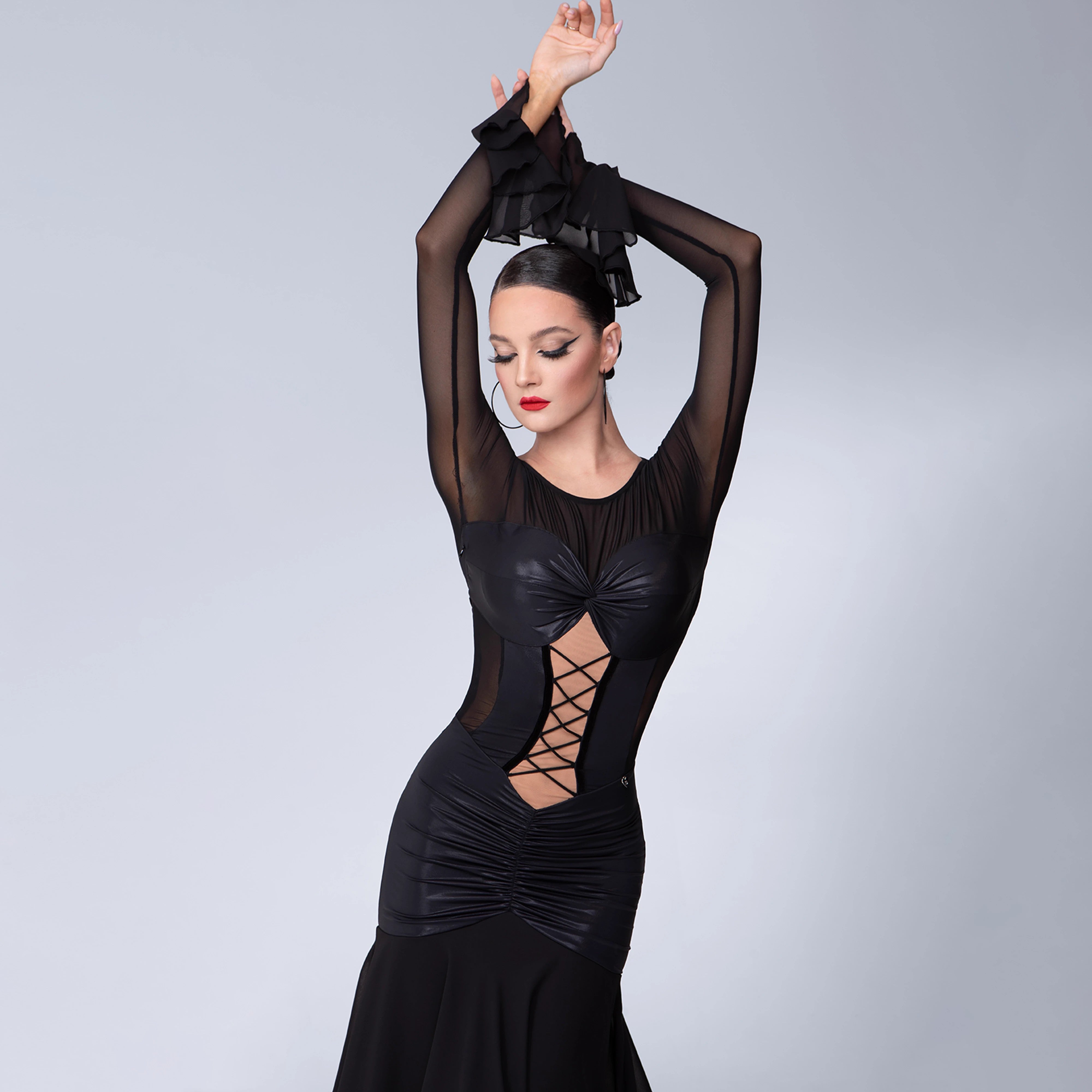
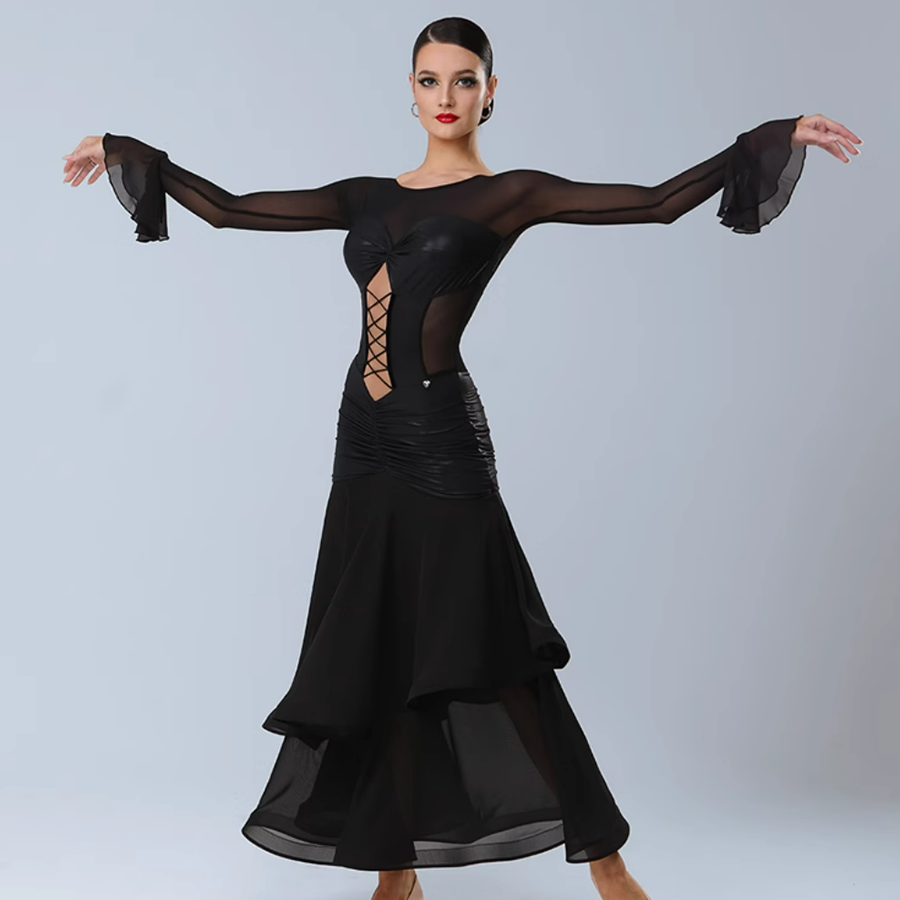
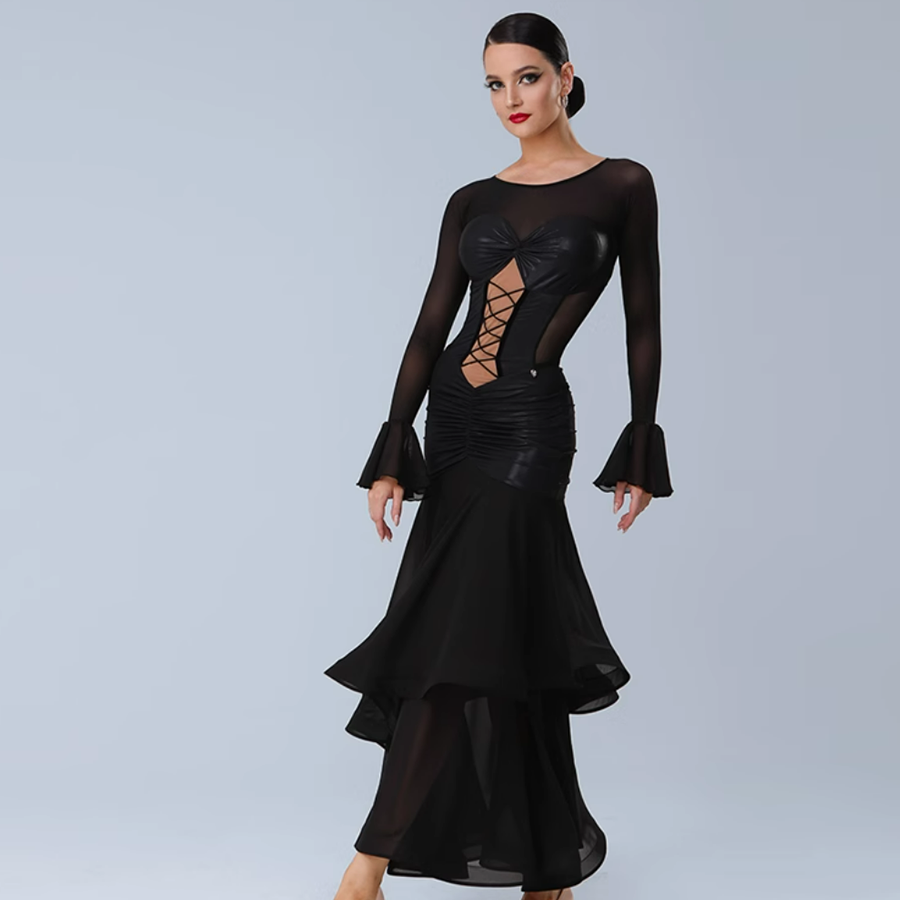
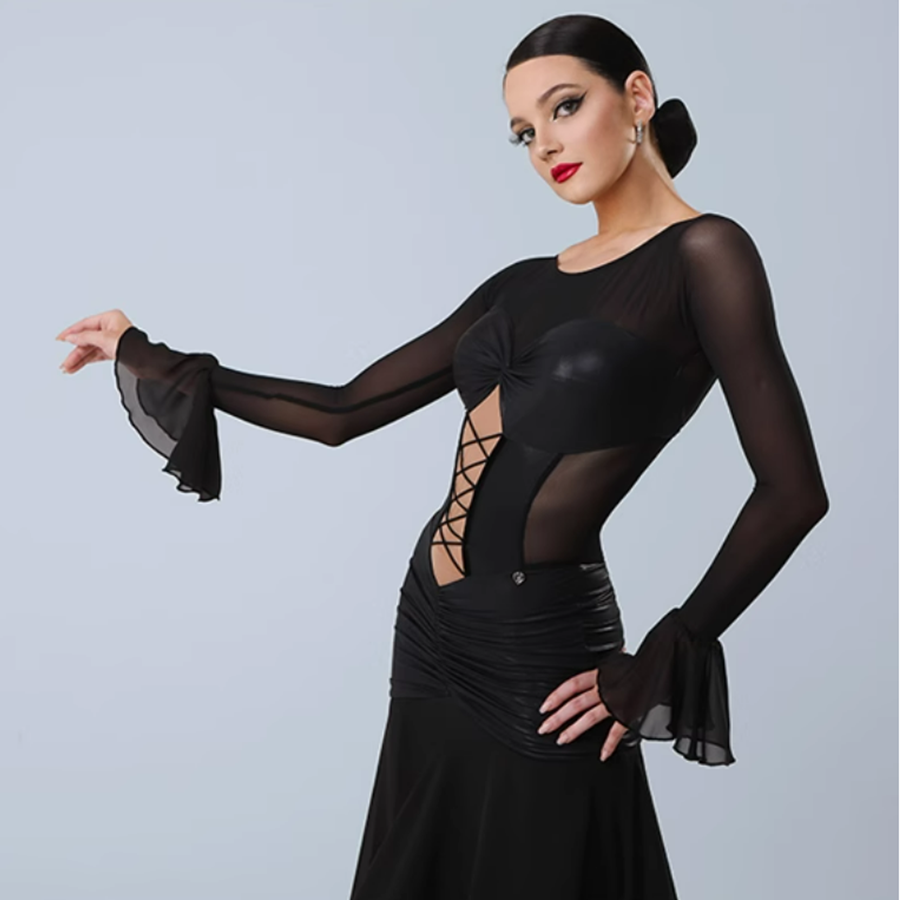
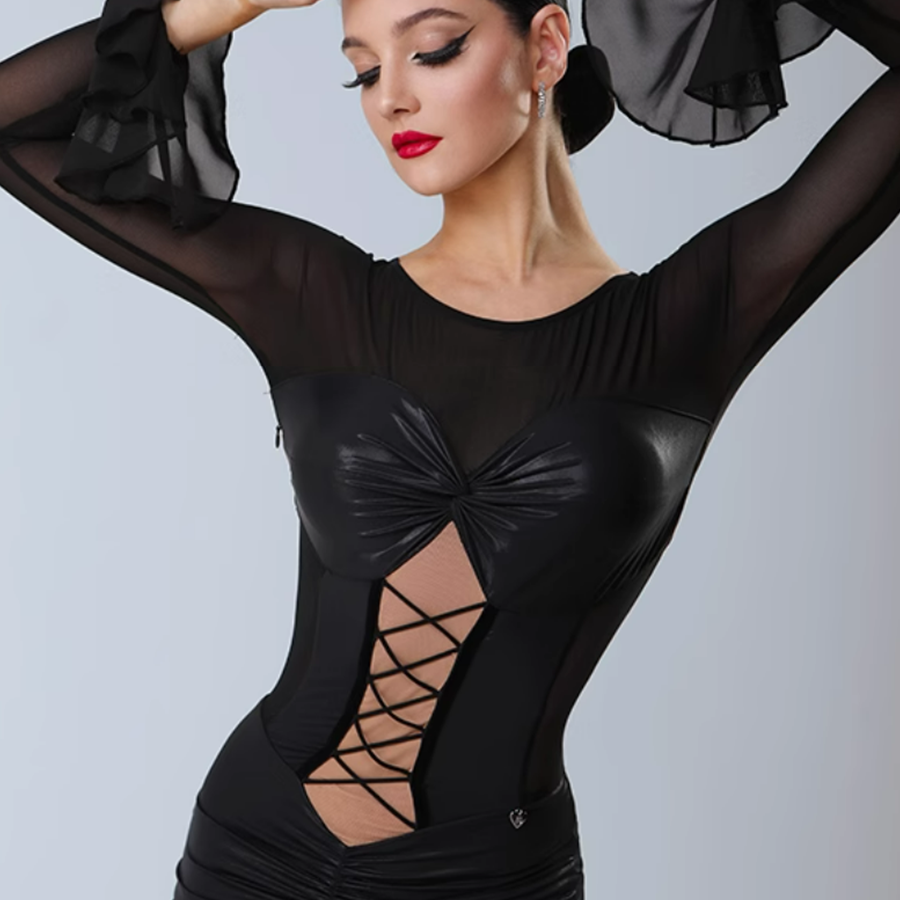
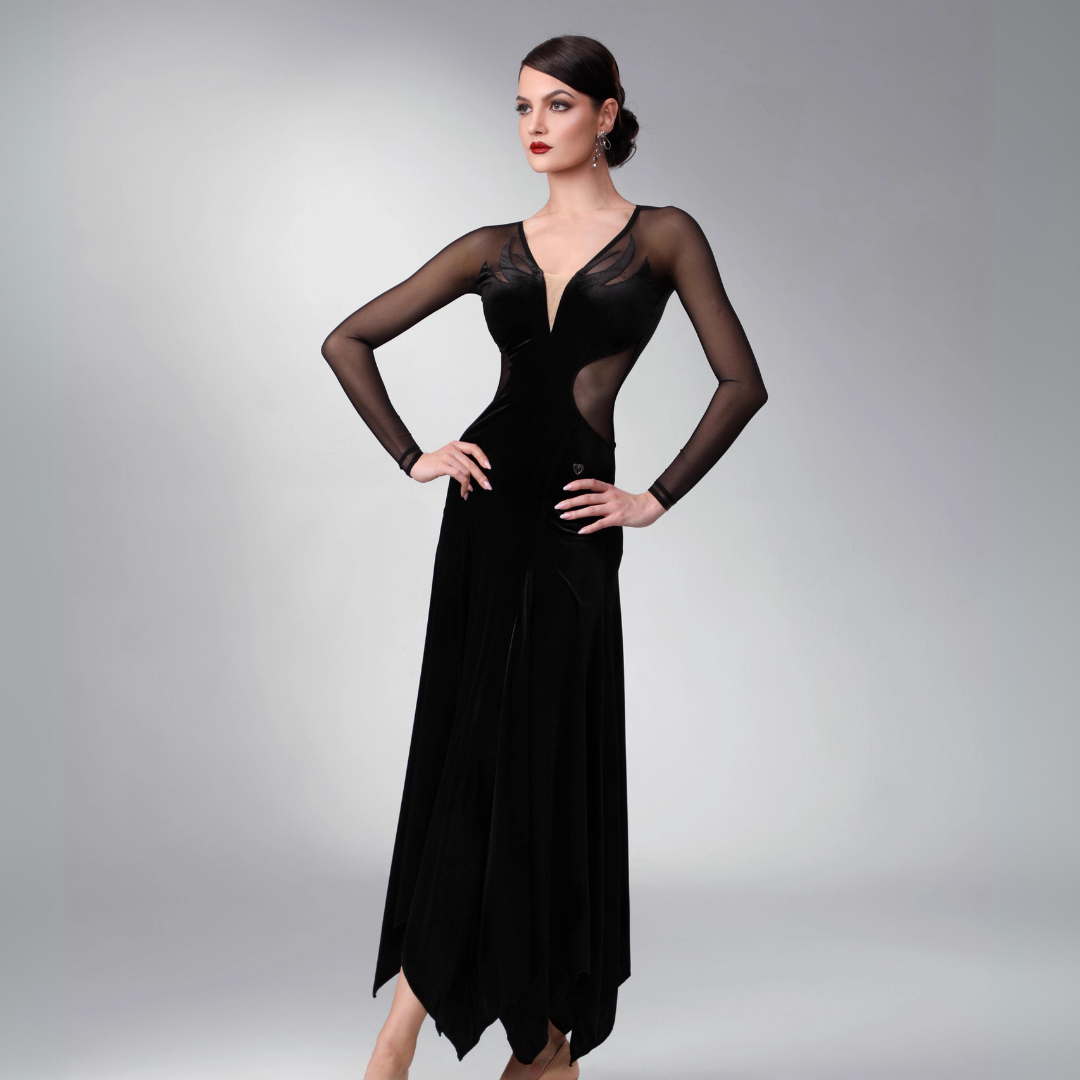
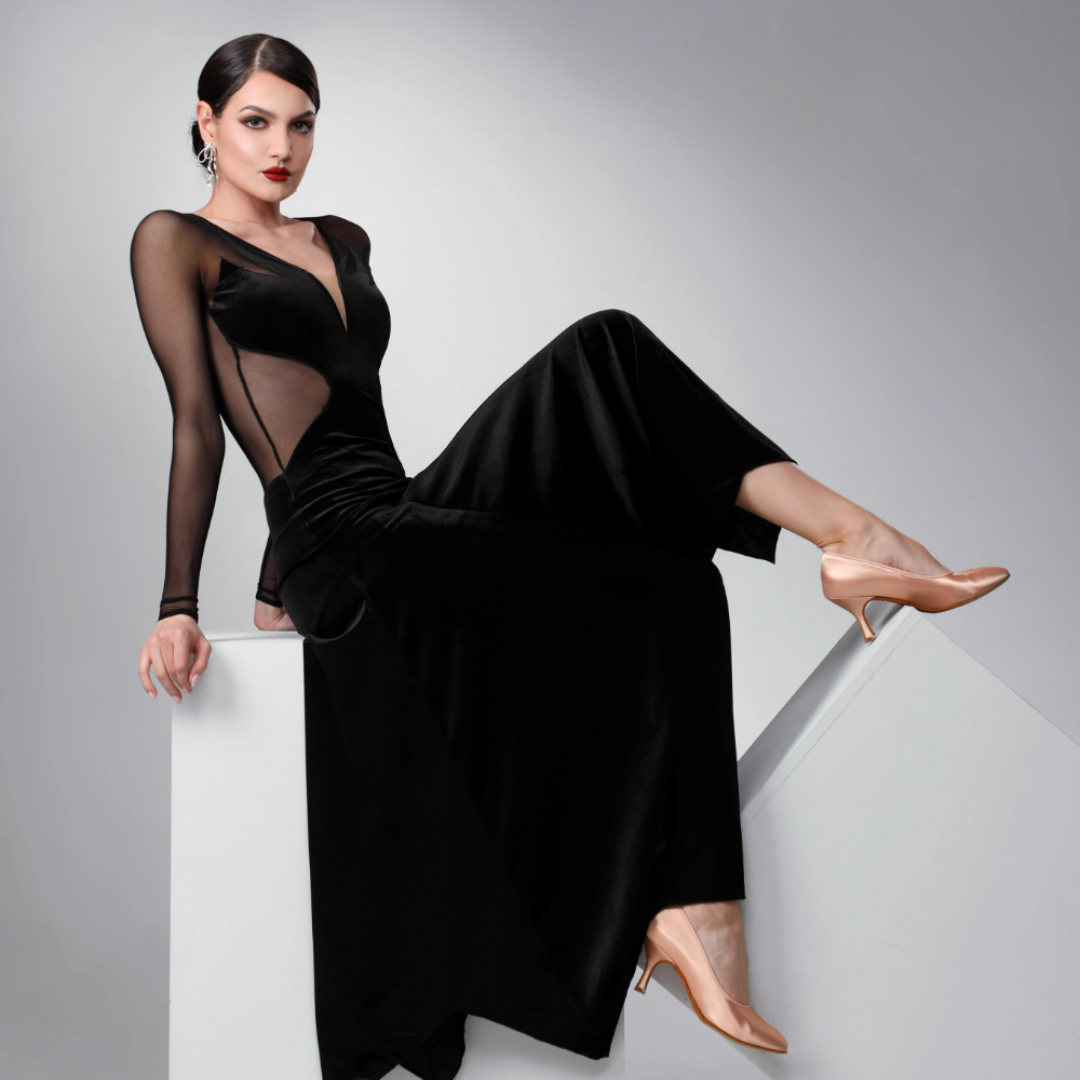
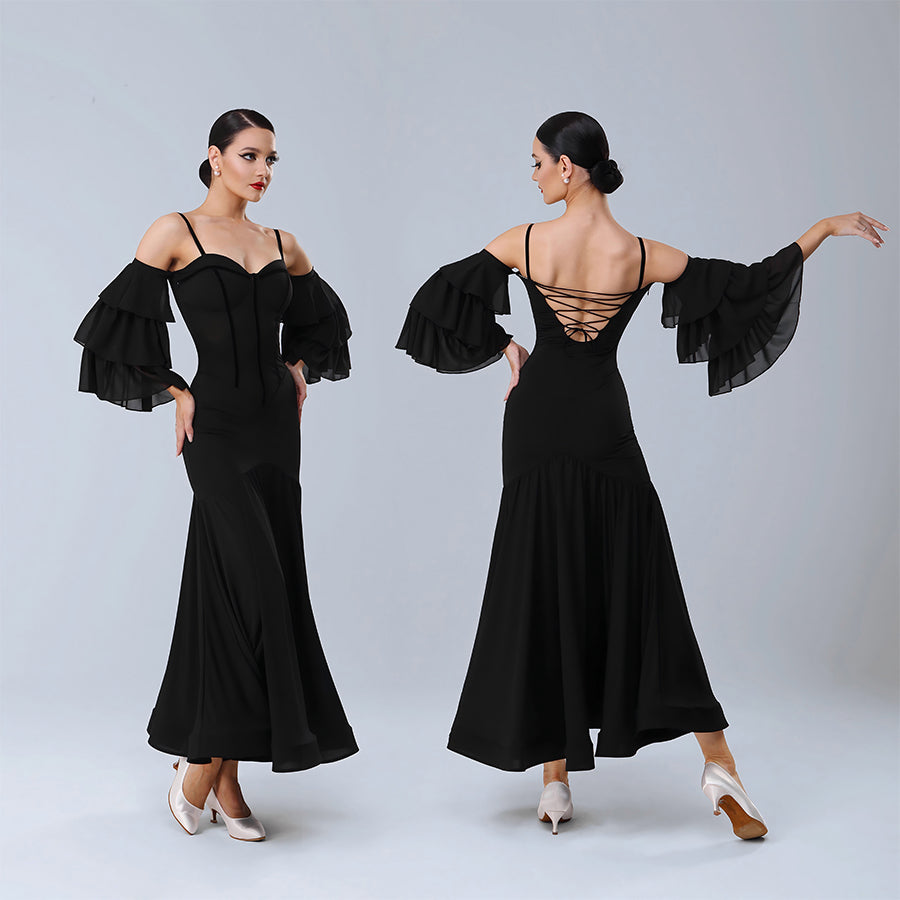
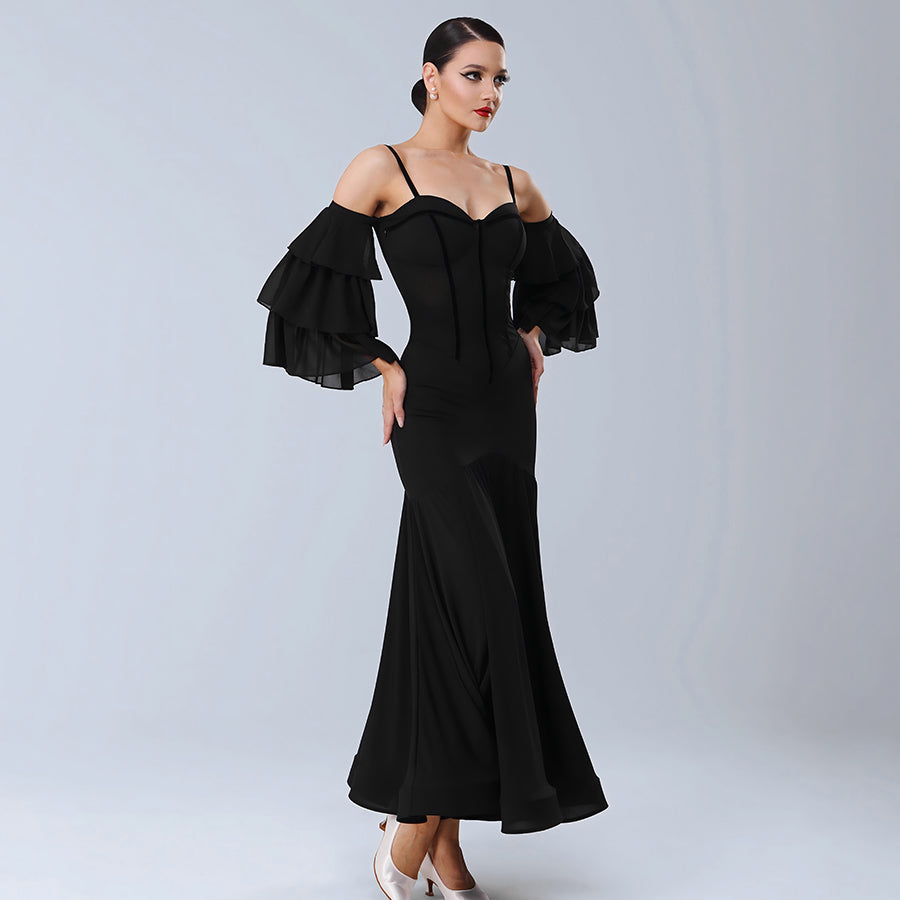
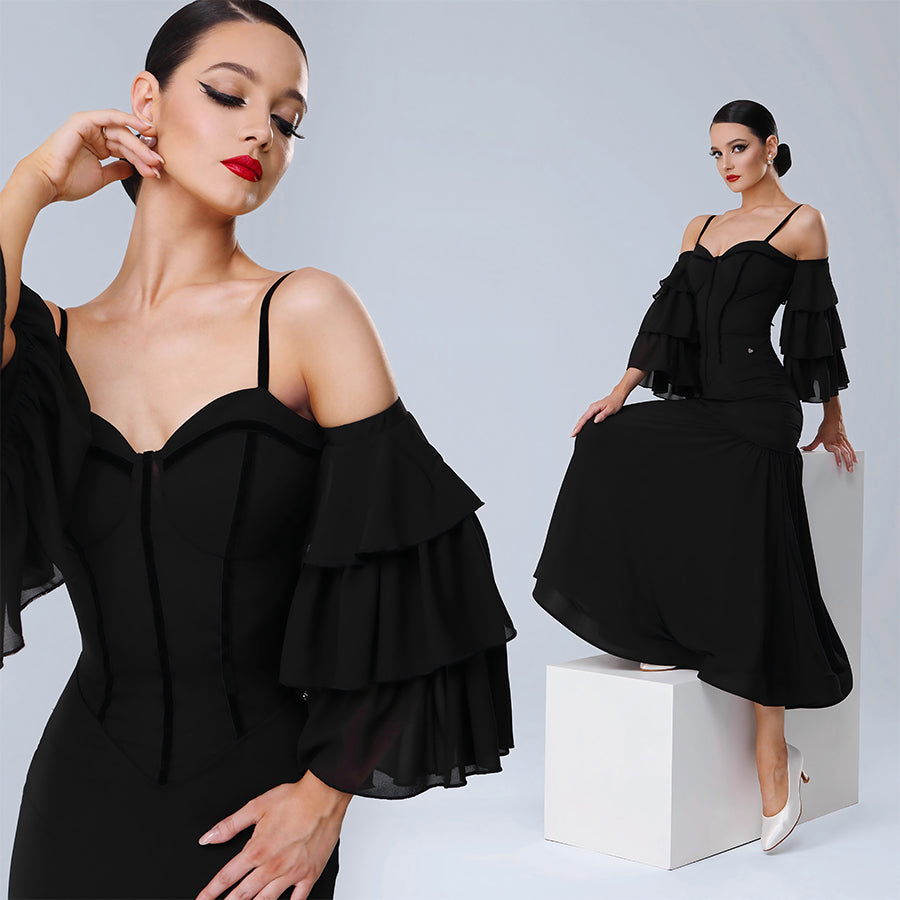
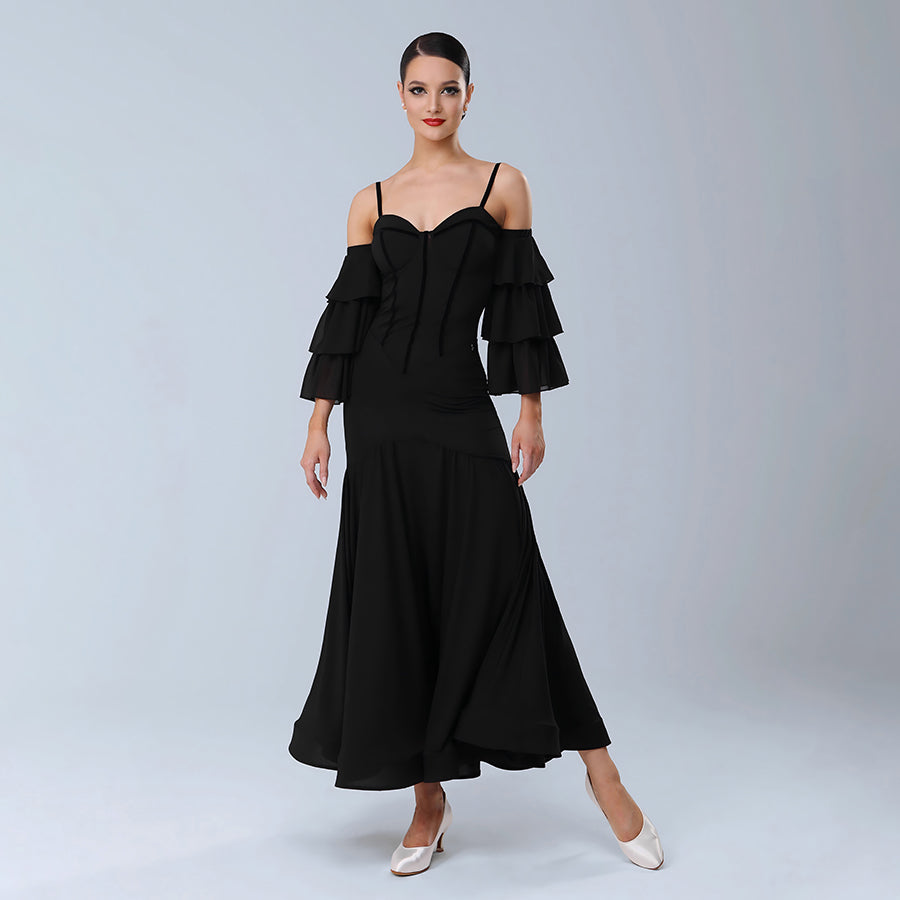
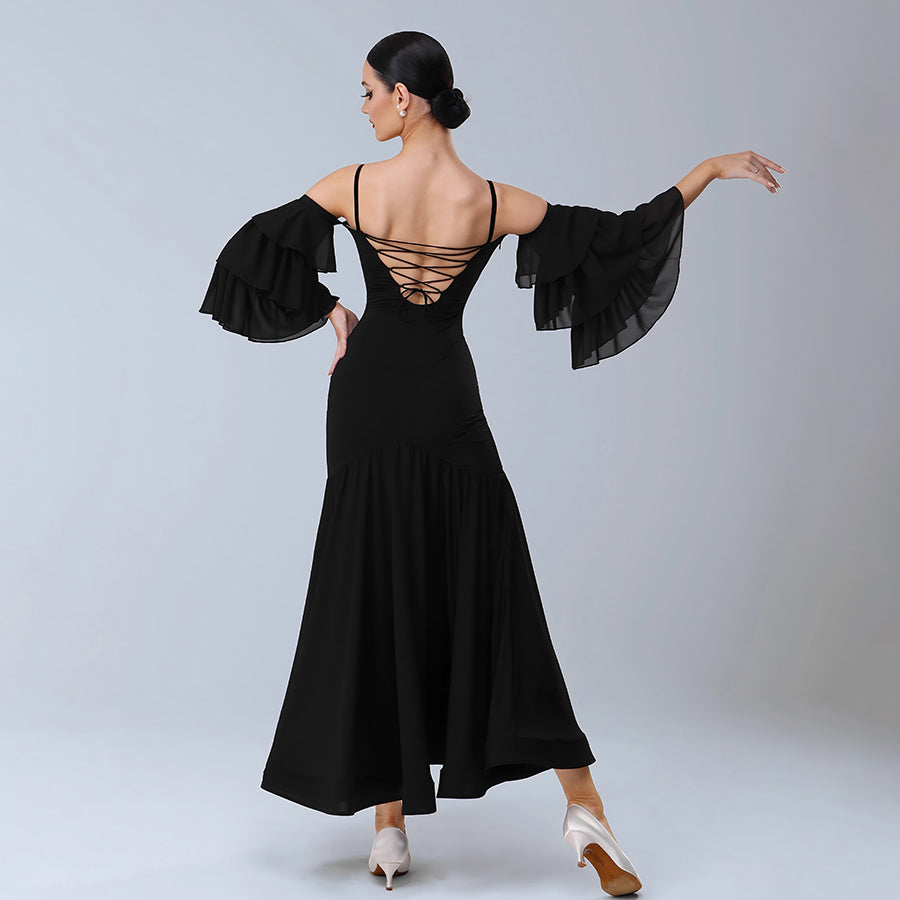
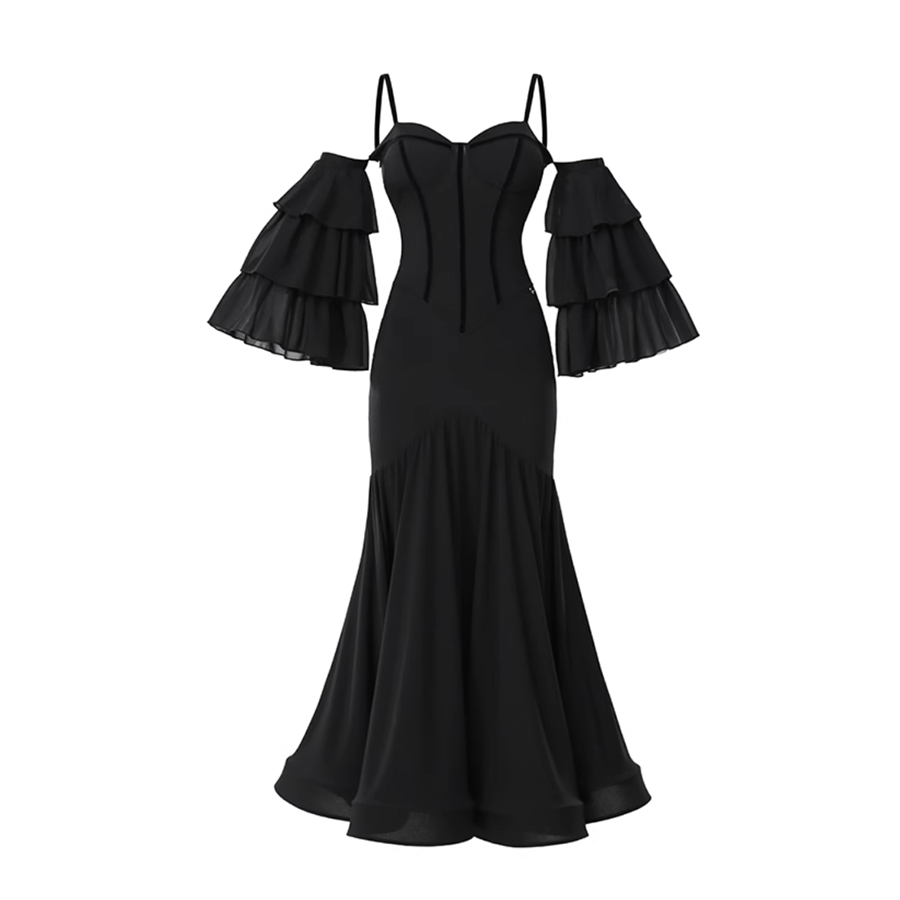
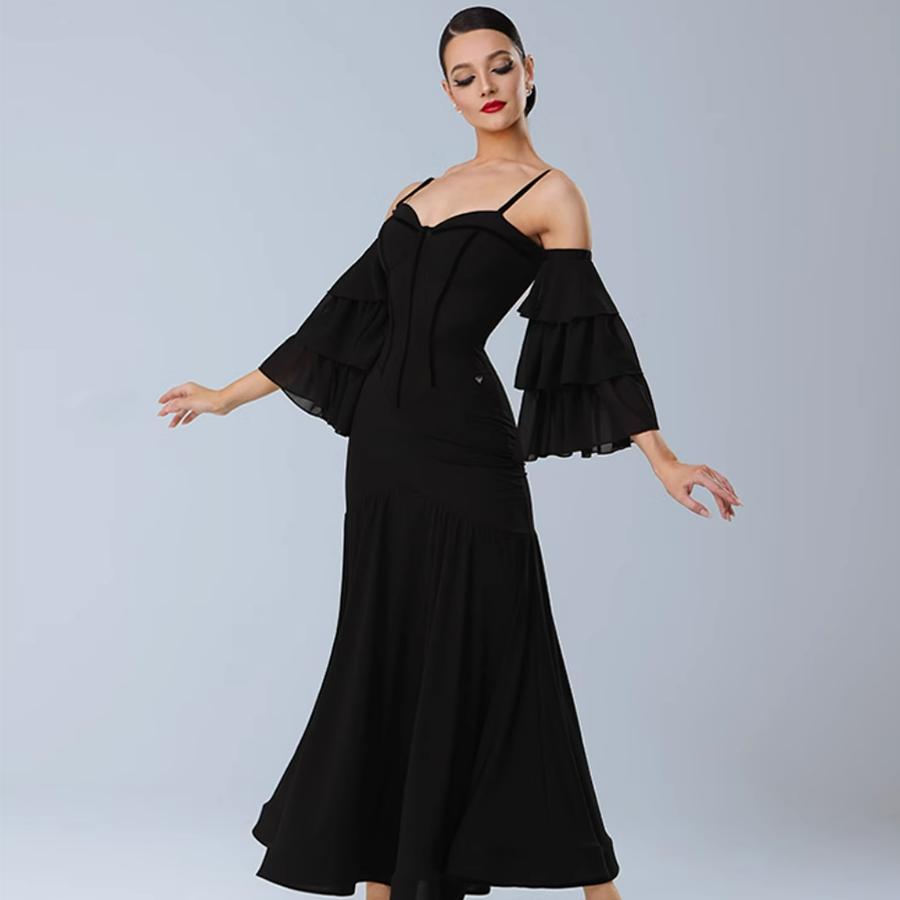
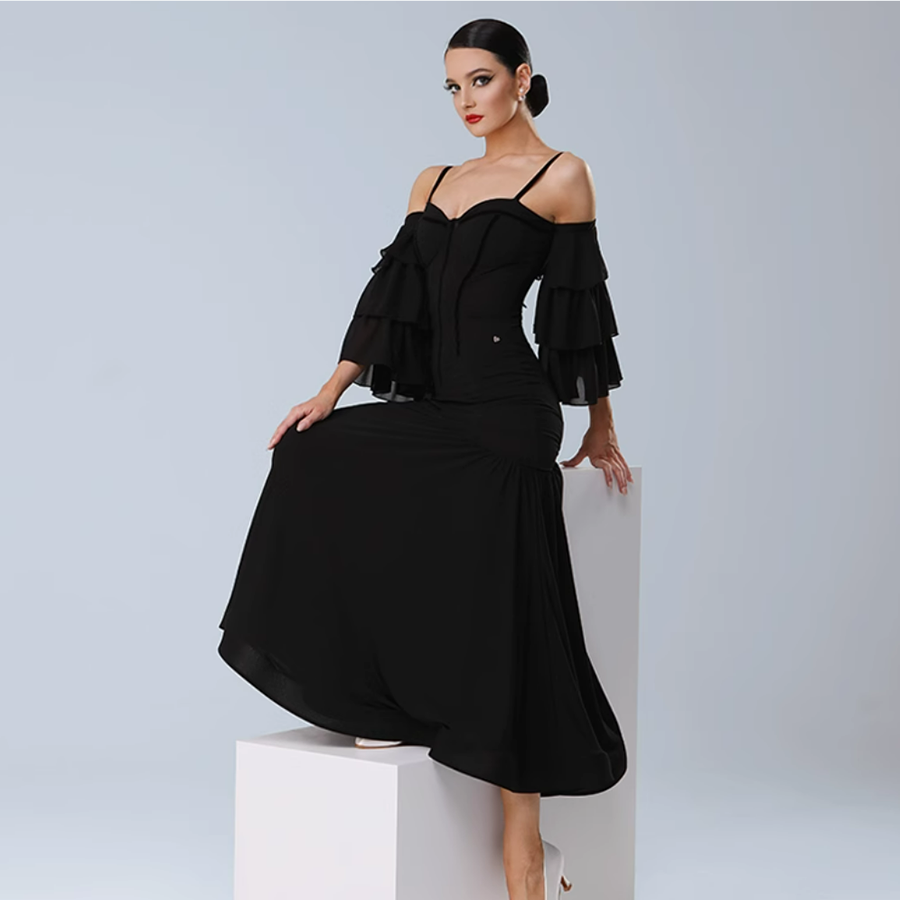
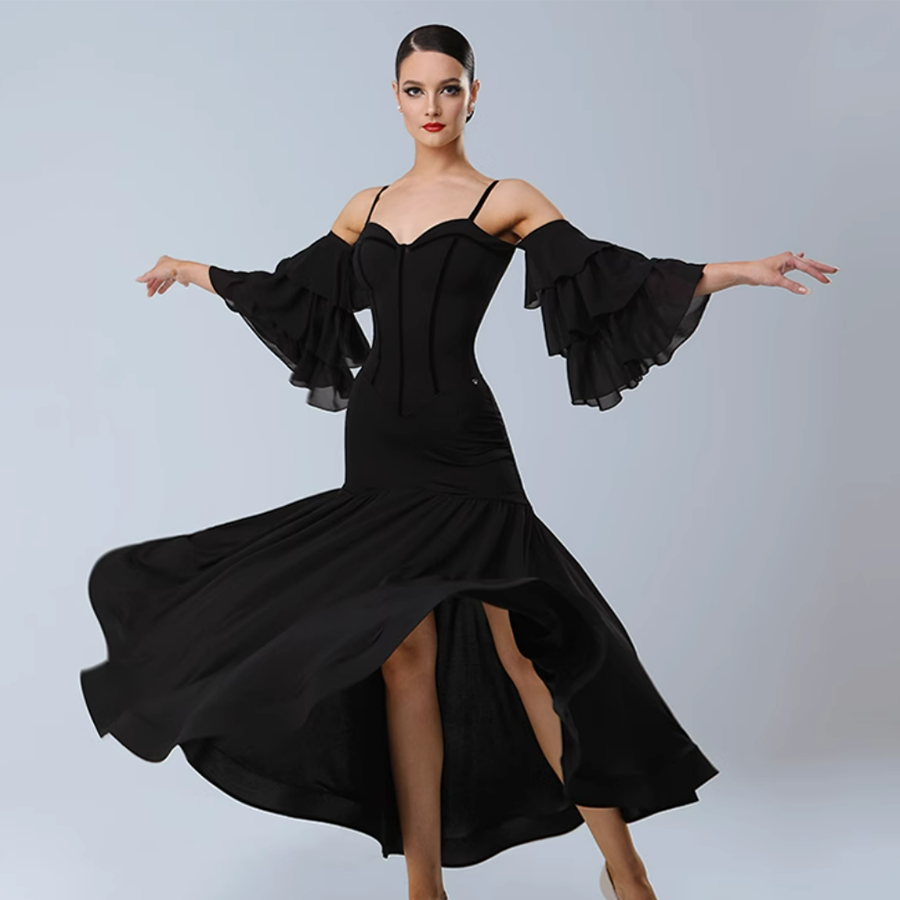
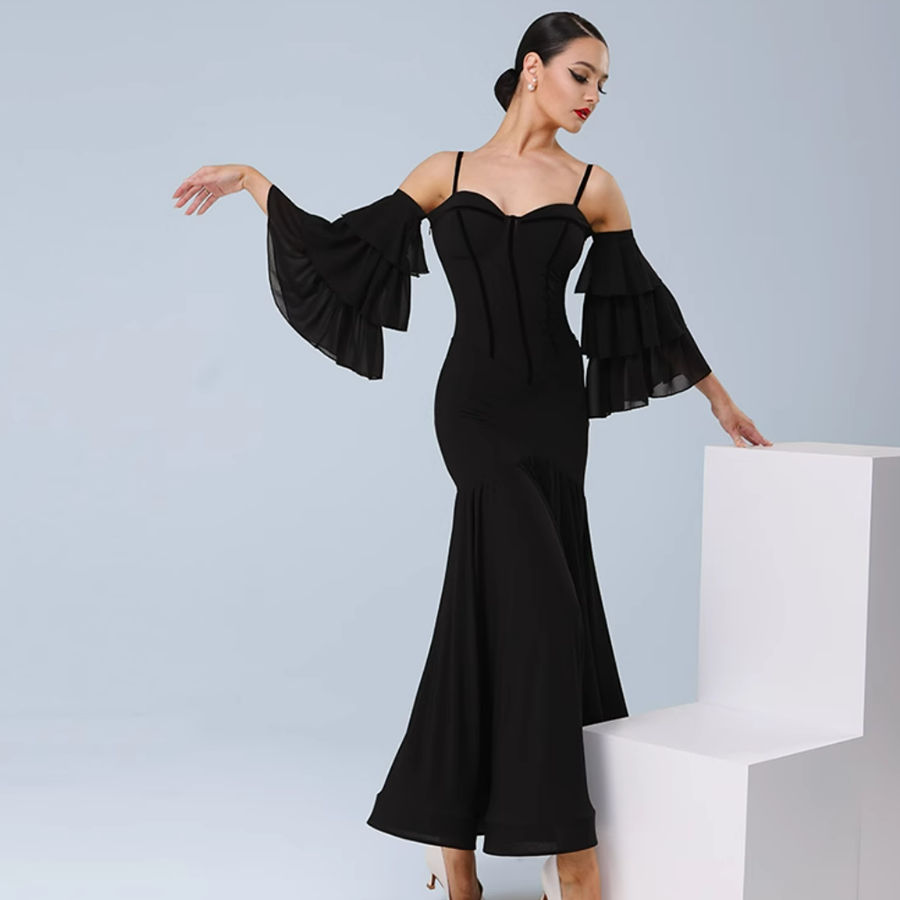
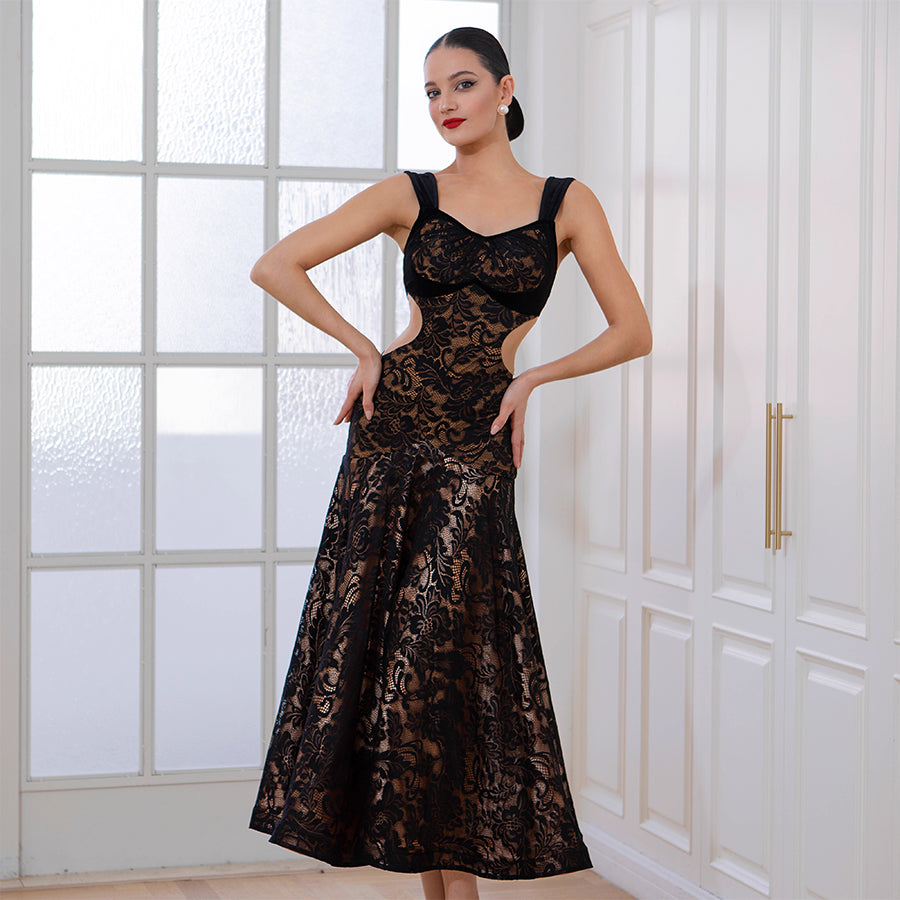
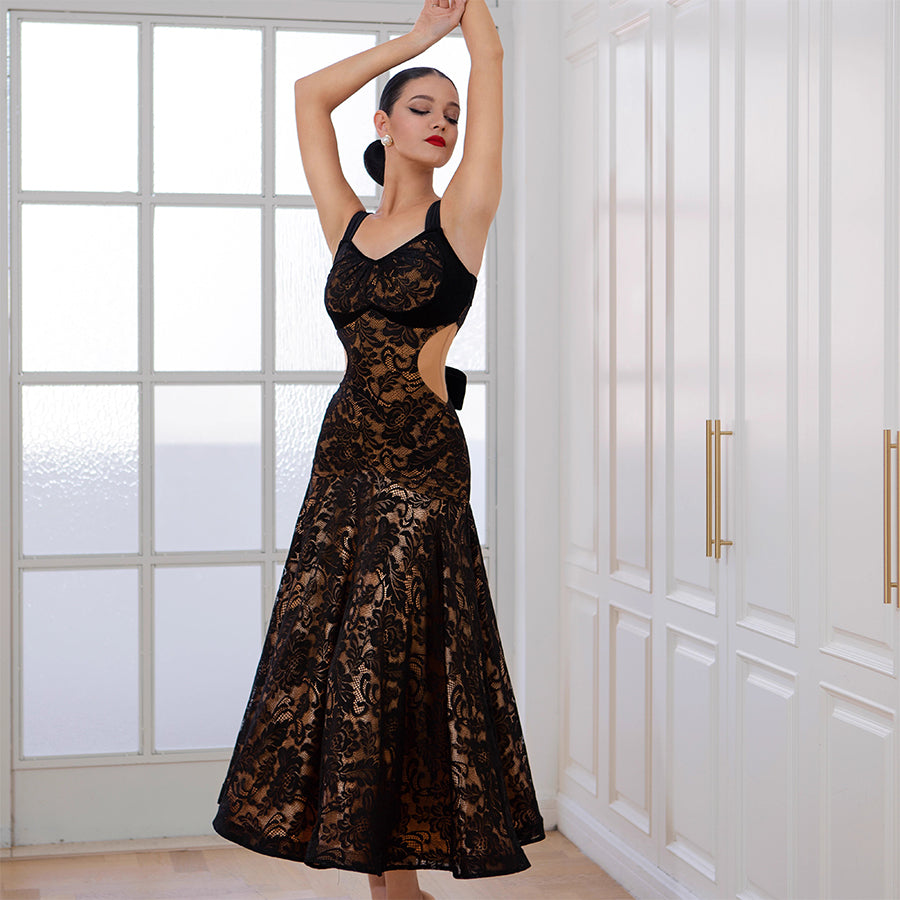
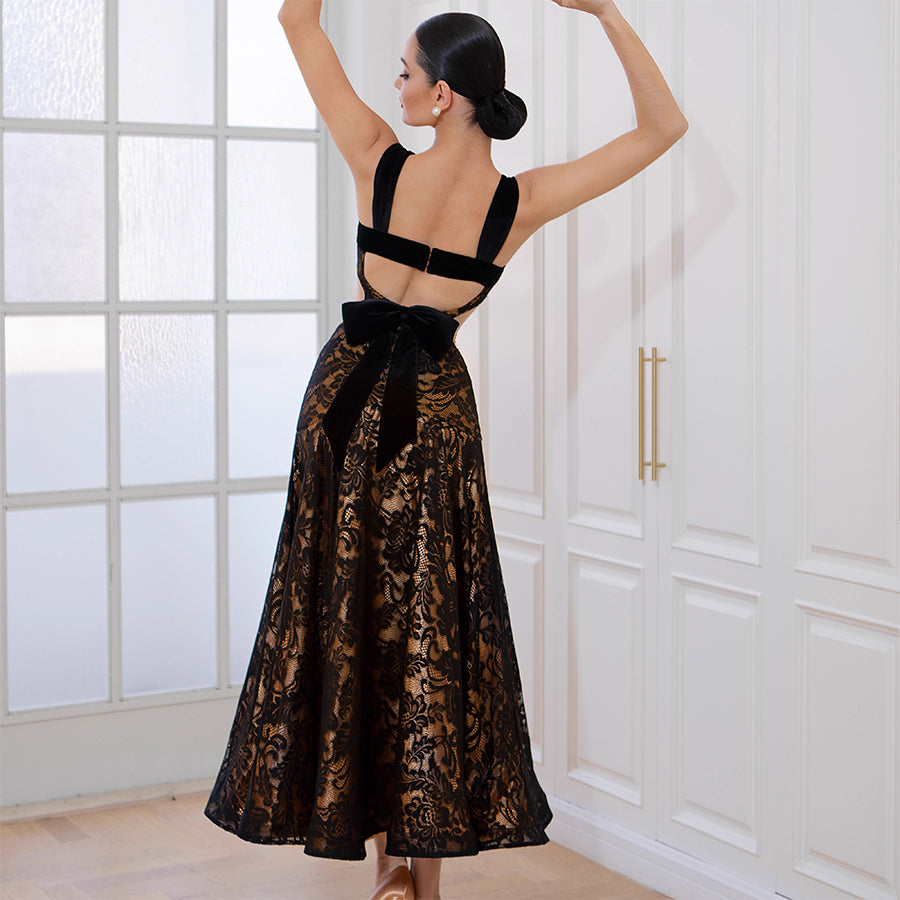
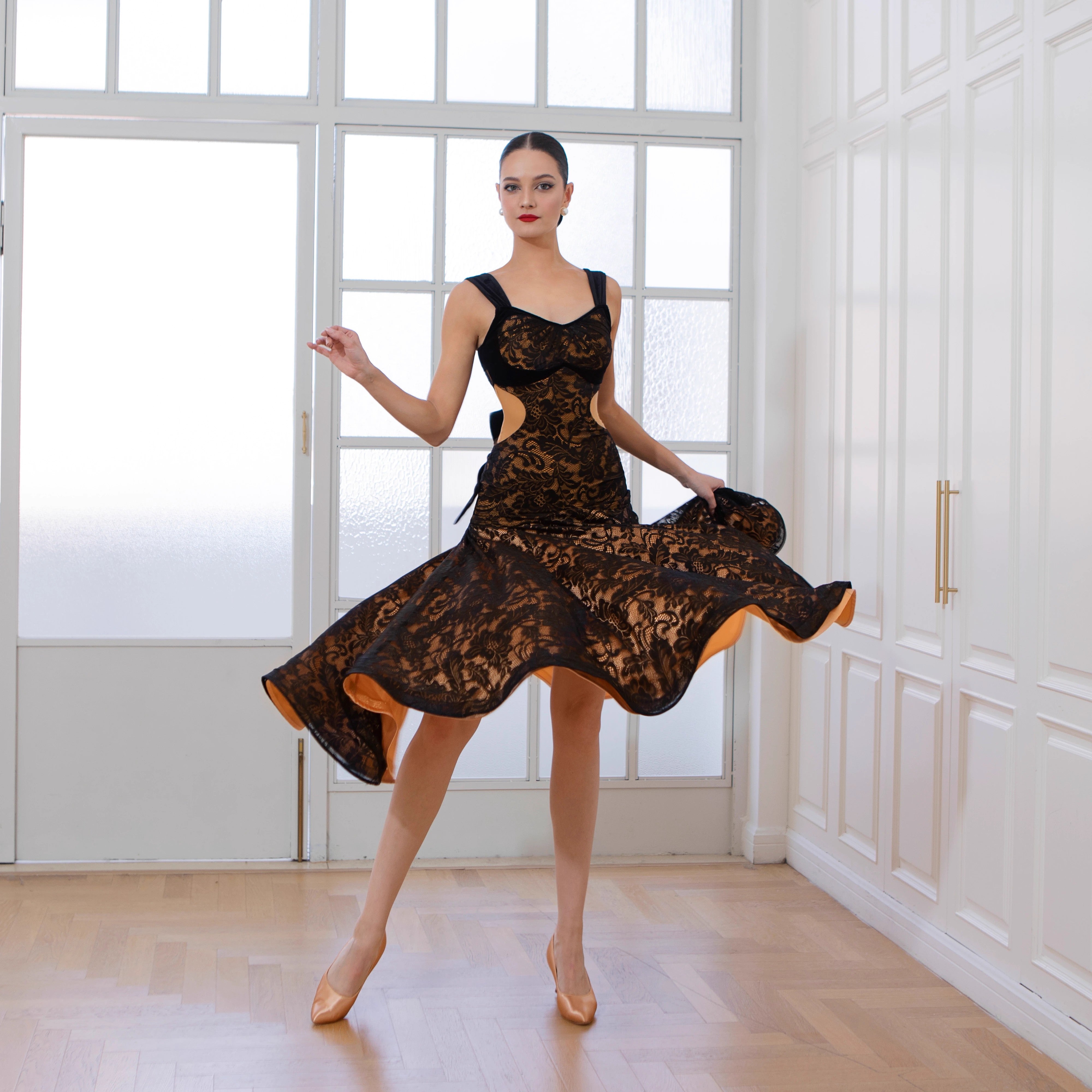
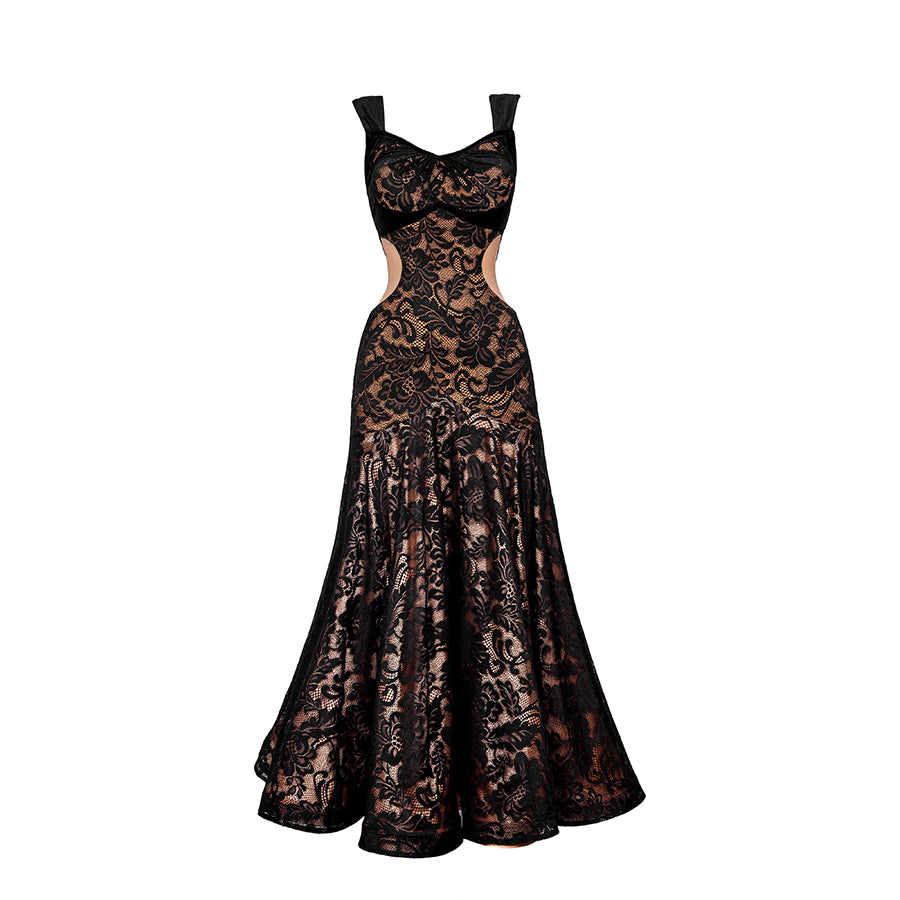
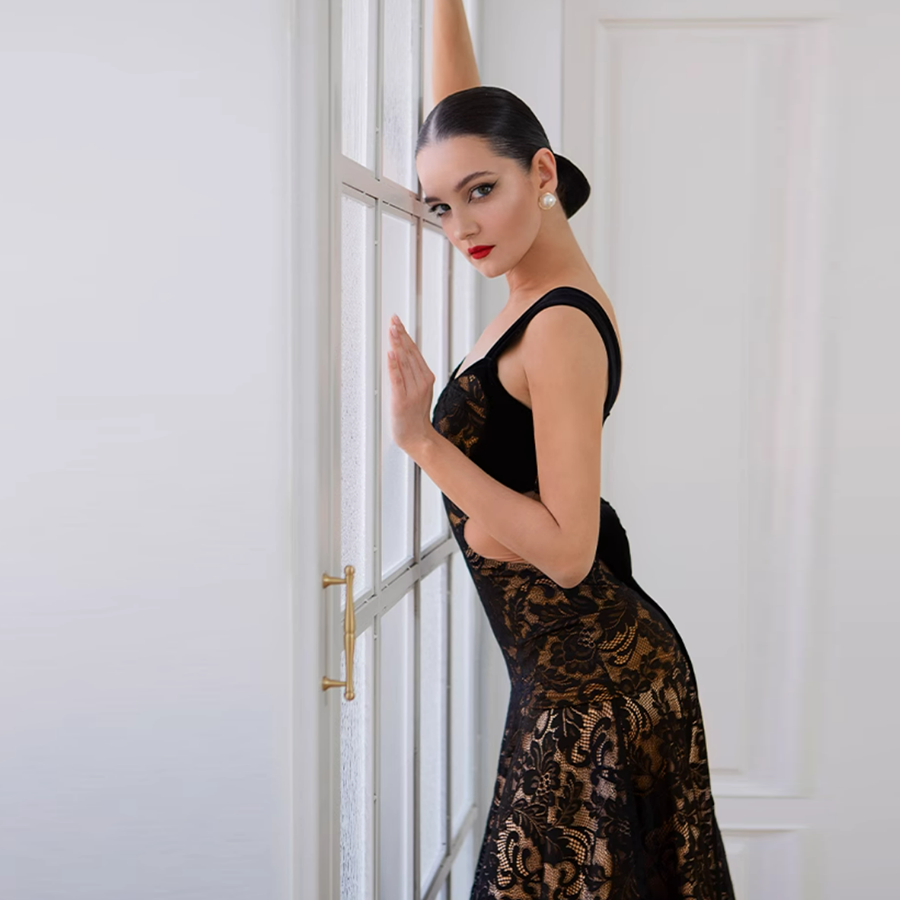
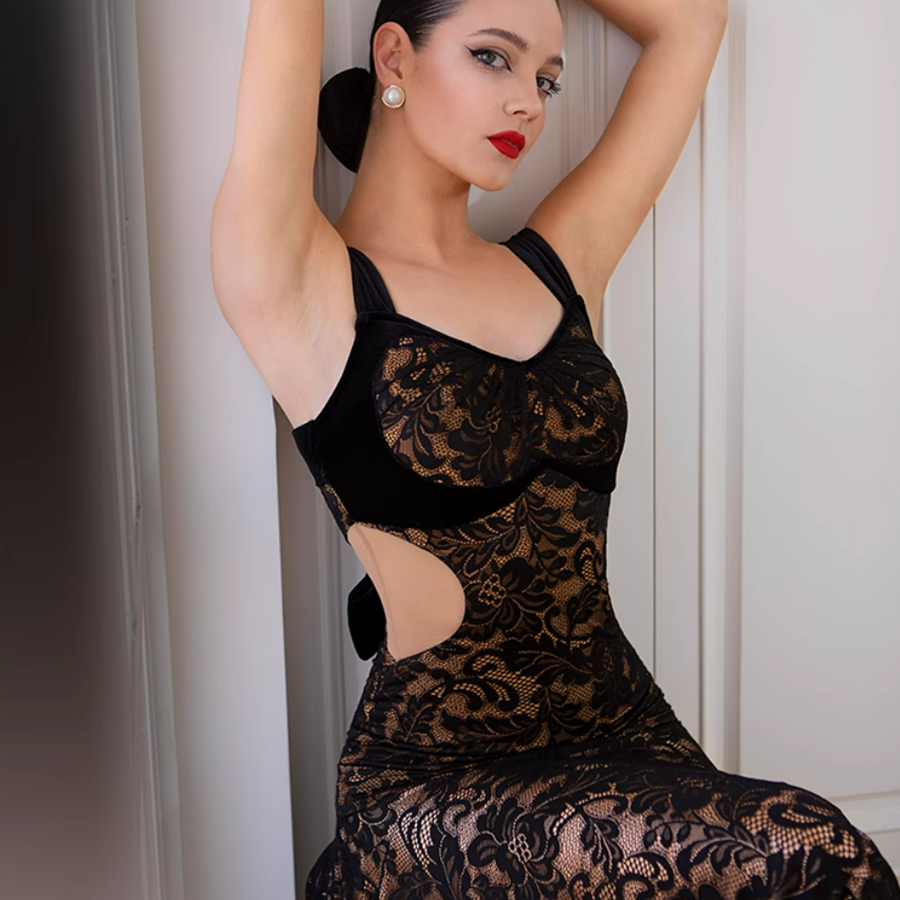
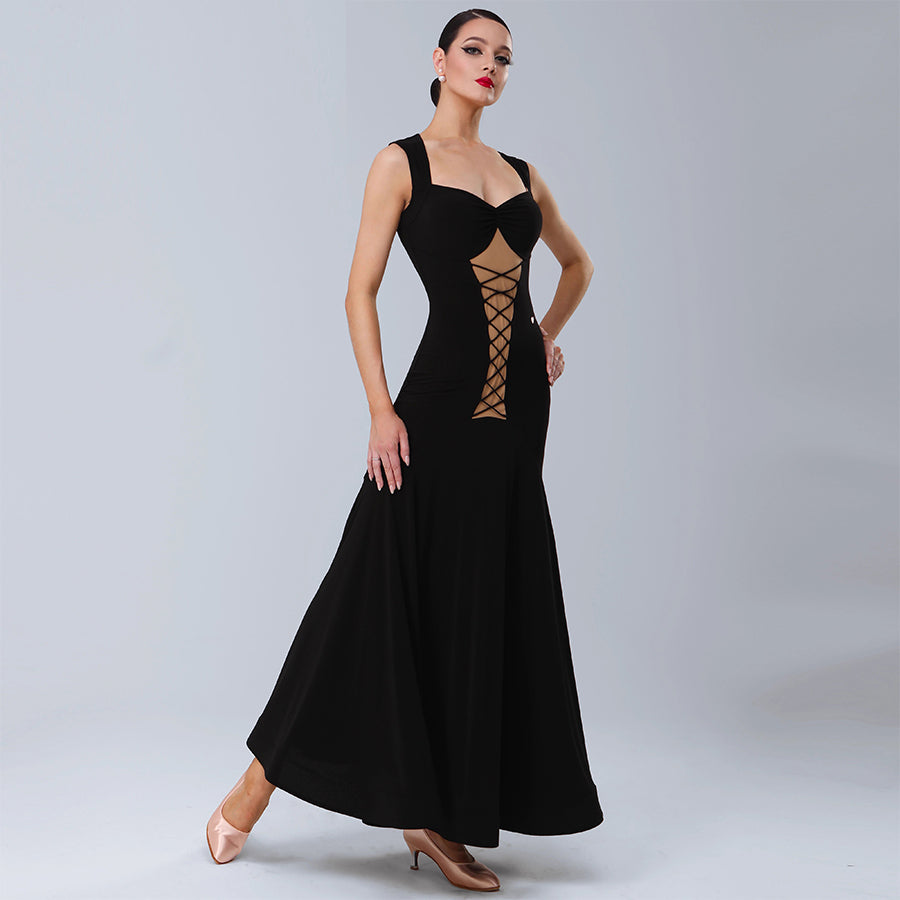
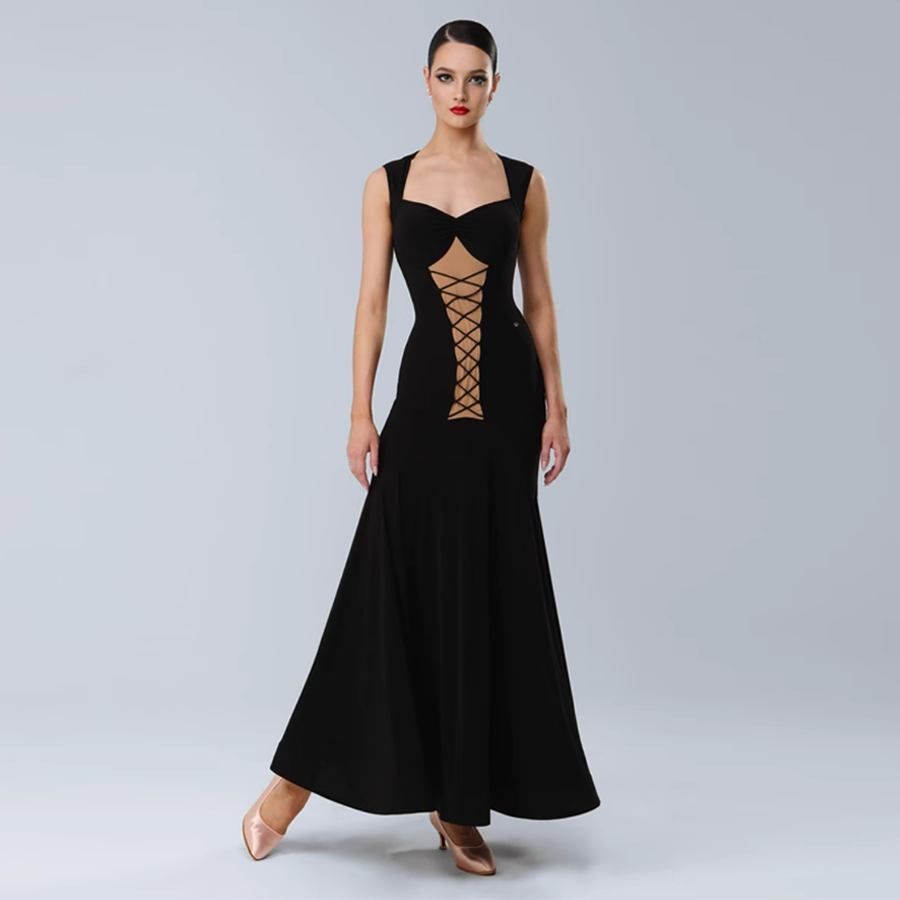
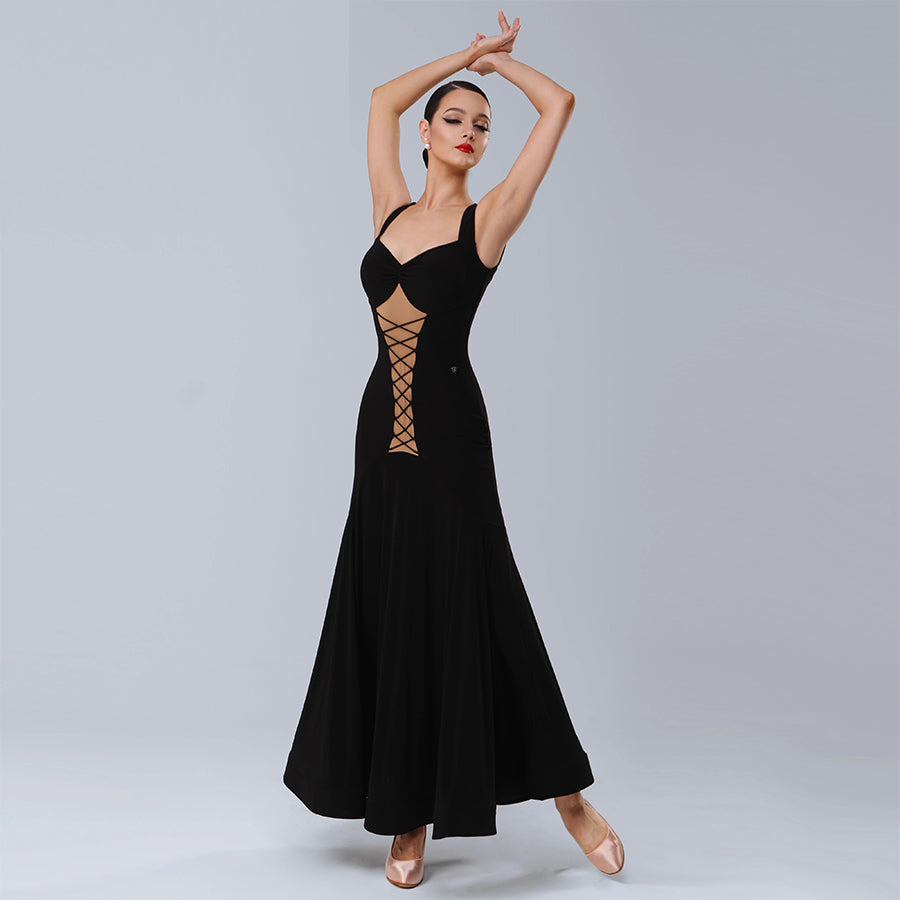
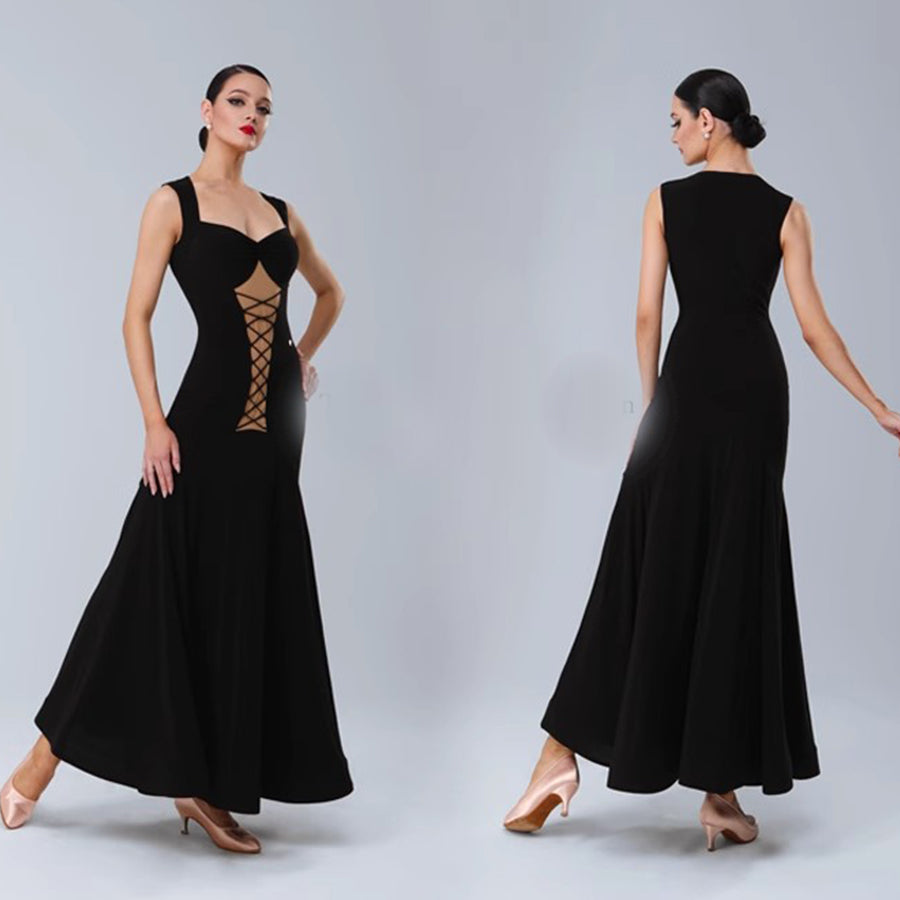
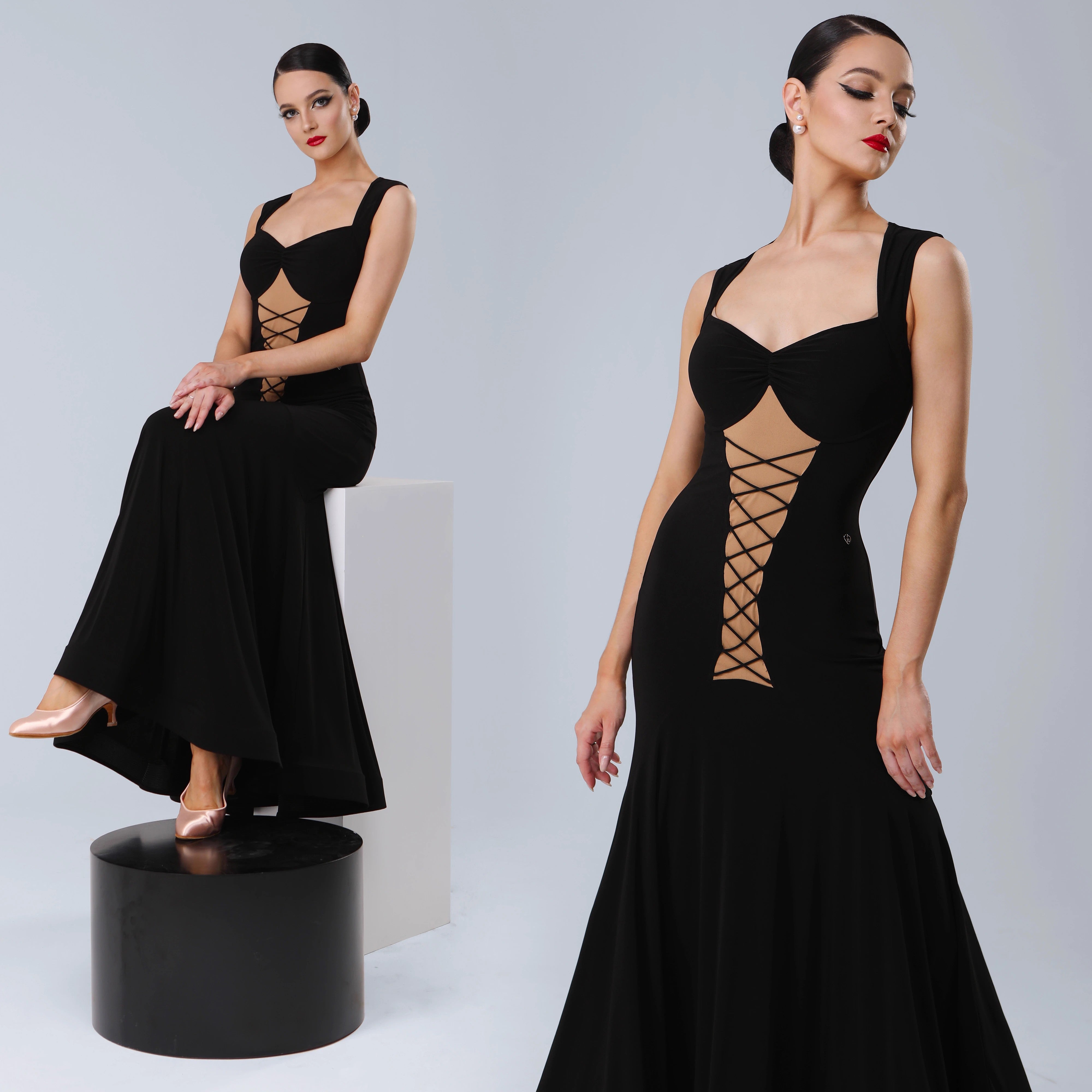
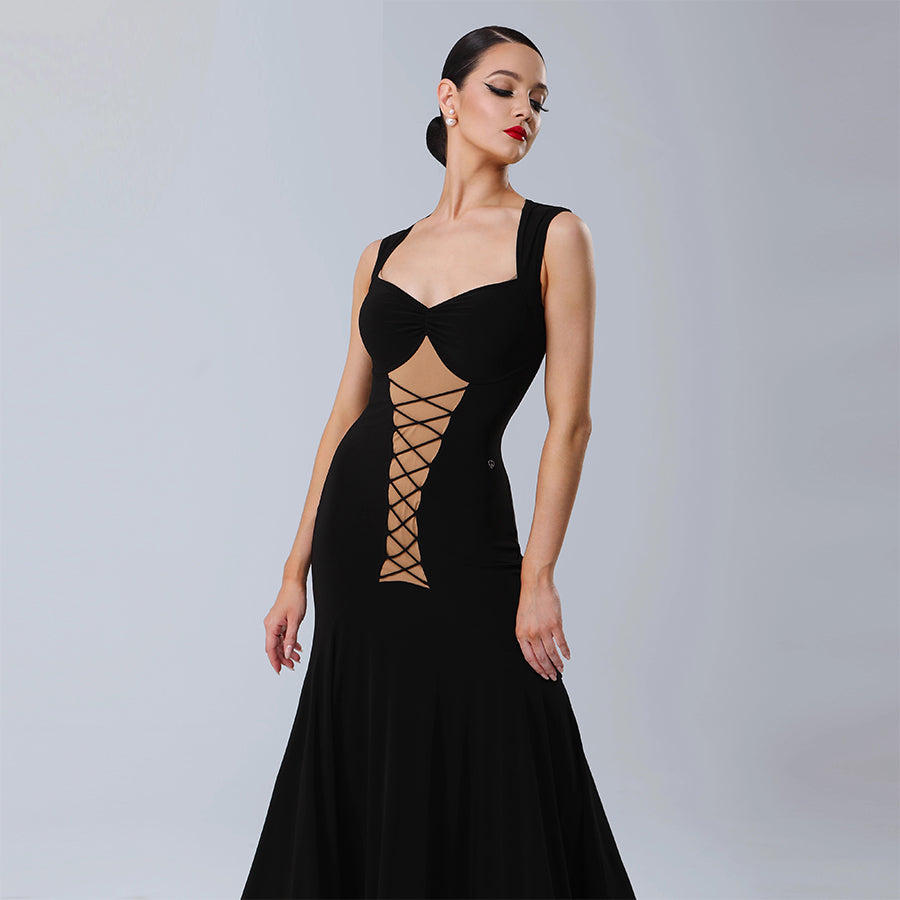
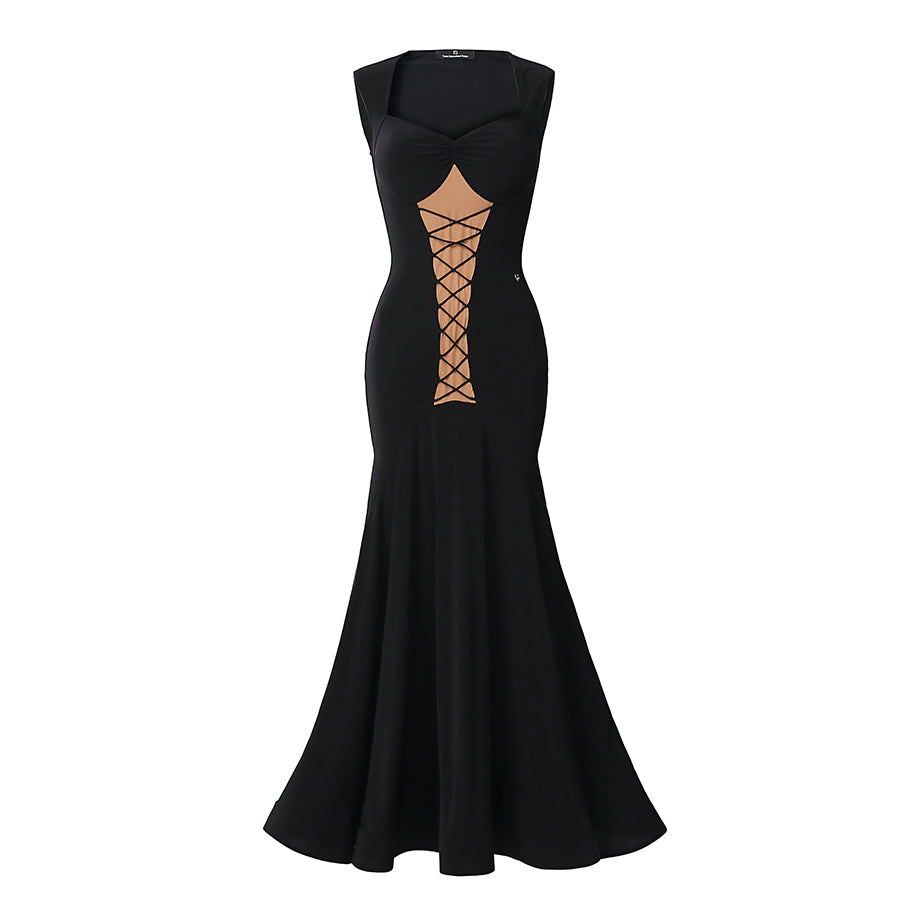
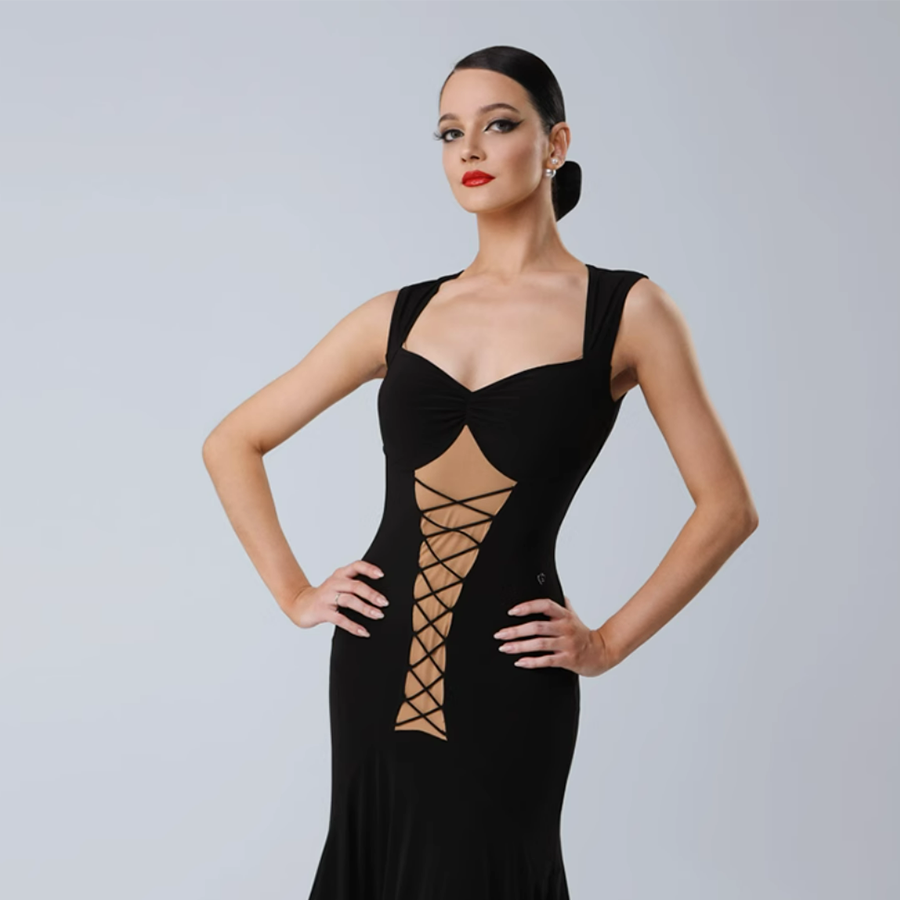
Shopping for dancewear online opens up a world of styles, colors, and designs. Whether you're looking for an elegant ballroom dress, a statement-making Latin dance skirt, or comfortable practice wear, you can find plenty of options without leaving home.
But there's one common challenge: finding the right size.
Unlike everyday clothing, dancewear needs to do more than look good. It should move with your body, stay securely in place, and allow you to stretch, turn, and perform without constant adjustments. A beautiful outfit that feels too tight, slips during movement, or restricts your range of motion can quickly become frustrating.
So, how do you find the right fit when buying dancewear online?
In this guide, we'll explain how to measure yourself, read a dancewear size chart, choose the right fit for different dance clothing styles, and shop more confidently at Danceandsway.
1. Why Getting the Right Dancewear Fit Matters
The right dancewear fit can make a real difference in your comfort, confidence, and freedom of movement.
Dance outfits are designed for specific movements and techniques. A Latin dance dress may need to accommodate quick turns and expressive hip movements, while ballroom dancewear often needs to flow beautifully during sweeping steps and partner work.
Practice clothing has different priorities. Dance tops, bodysuits, and dance pants should allow you to move comfortably through warm-ups, stretches, and repeated training exercises.
When dancewear fits properly, it should:
-
Allow you to stretch, bend, turn, and move freely.
-
Stay securely in place during practice and performances.
-
Feel comfortable without excessive pulling or pressure.
-
Follow your body's shape without unwanted bunching or sagging.
-
Complement the intended silhouette and design of the garment.
The goal isn't simply to choose your usual clothing size. It's to find the size that works best for your measurements, the garment's construction, and your preferred dance style.
2. Take Your Measurements Before Shopping for Dancewear Online
One of the most useful dancewear sizing tips is to measure yourself before placing an order.
Your everyday clothing size can be a helpful starting point, but sizing may vary between brands, fabrics, and garment styles. Accurate measurements give you a more reliable basis for choosing the right size.
All you need is a soft measuring tape, a mirror, and ideally someone who can help you measure accurately.
Bust
Wrap the measuring tape around the fullest part of your bust, keeping it level across your back.
The tape should sit comfortably against your body without compressing your chest.
Bust measurements are particularly useful when shopping for fitted dance tops, dance dresses, and bodysuits.
Waist
Measure around your natural waist, which is generally the narrowest part of your torso.
Keep your stomach relaxed and avoid pulling the tape too tightly.
Your waist measurement is especially important when choosing high-waisted dance pants, fitted dance skirts, and dresses with defined waistlines.
Hips
Stand with your feet together and measure around the fullest part of your hips and seat.
Keep the tape level and avoid compressing the body.
Hip measurements help you choose dance skirts, fitted dance pants, and dresses that need to accommodate movement through the hips.
Girth or Torso Length
Girth is particularly important for one-piece dancewear, including bodysuits and leotards.
To measure your girth, begin at one shoulder, run the tape down the front of your body, pass it through the crotch, and bring it up the back to the starting point.
This measurement helps you assess whether a one-piece garment is likely to have sufficient length through the torso.
Inseam
If you're shopping for dance pants, measure from the crotch seam down the inside of your leg to your desired hem length.
The right inseam depends on the pants' design and how you intend to wear them. Wide-leg dance pants, for example, may have a different preferred length from fitted practice pants.
Danceandsway Tip: Record your measurements in both inches and centimeters. Keeping them handy makes it easier to compare size charts whenever you shop for new dancewear.
3. How to Read a Dancewear Size Chart
Once you've taken your measurements, the next step is to check the size chart for the specific product you're interested in.
Don't assume that a size Small or Medium will fit the same way across every dancewear collection.
A size can vary depending on the garment's cut, fabric composition, stretch, and intended fit.
Here's how to make sense of a dancewear size chart.
Compare Your Measurements, Not Just Your Usual Size
Look at the measurements listed for each size and compare them with your own.
For example, if your bust corresponds to one size but your hips correspond to another, consider the garment's design before deciding which size is most appropriate.
A fitted dance bodysuit may require particular attention to bust and torso length, while a high-waisted dance skirt may depend more heavily on waist and hip measurements.
Check the Product Description
Product descriptions can provide useful information about fabric, silhouette, closures, and construction.
Pay attention to whether the garment is fitted, relaxed, stretchable, or designed with a particular silhouette.
If the product page provides specific sizing advice, follow that guidance rather than relying on general assumptions.
Understand Fabric Stretch
Stretch fabrics can accommodate movement differently from structured or woven materials.
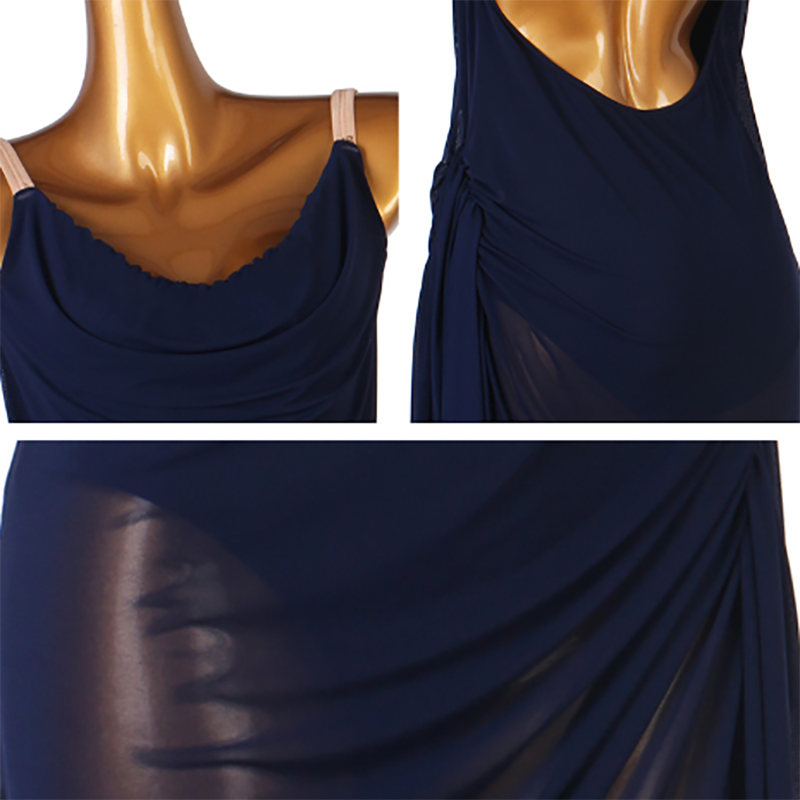
Spandex blends and other elastic fabrics may provide a closer fit, while satin, mesh panels, lace, fringe, and decorative embellishments can affect how a garment feels and moves.
However, stretch does not mean that every size will fit comfortably. A garment that is too small may still pull at the seams or restrict movement.
When buying dancewear online, consider both the listed measurements and the fabric's characteristics.
4. How Should Different Types of Dancewear Fit?
Different dancewear styles have different fit requirements. Understanding these differences can help you choose more confidently.
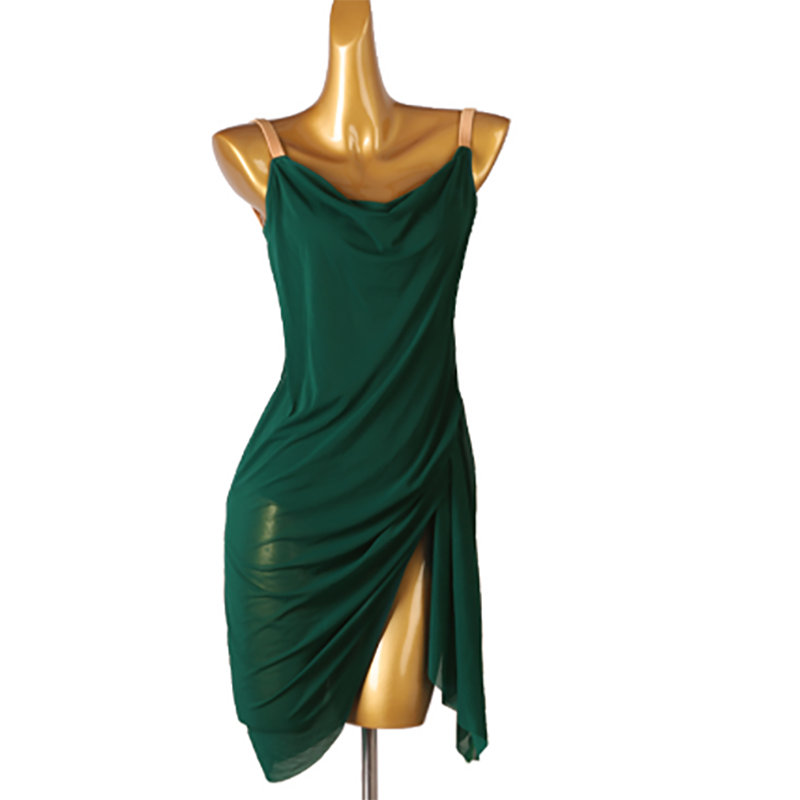
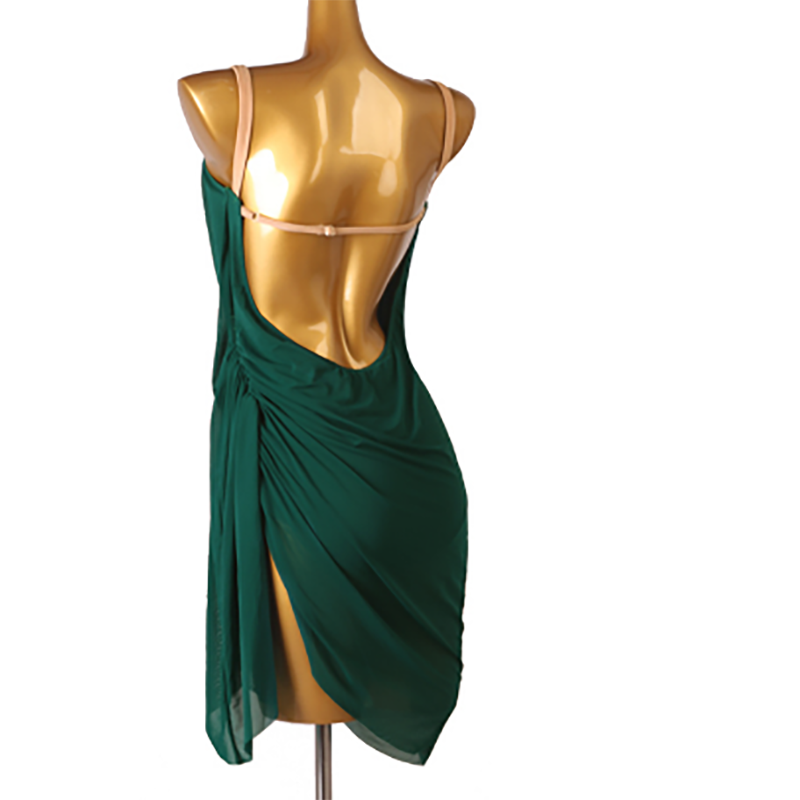
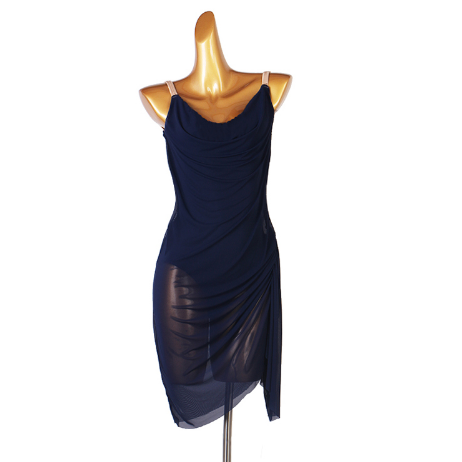
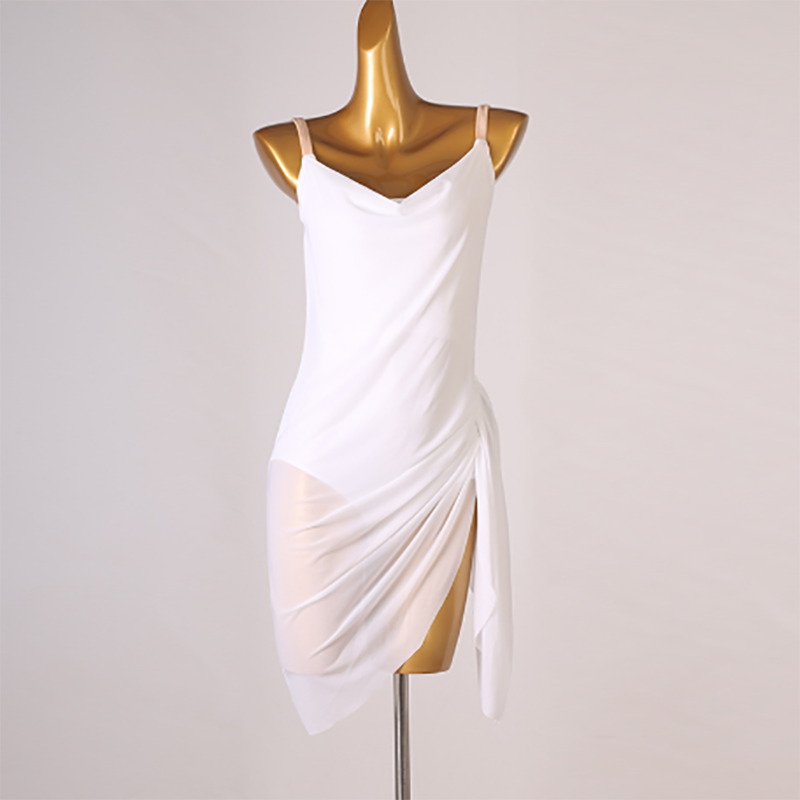
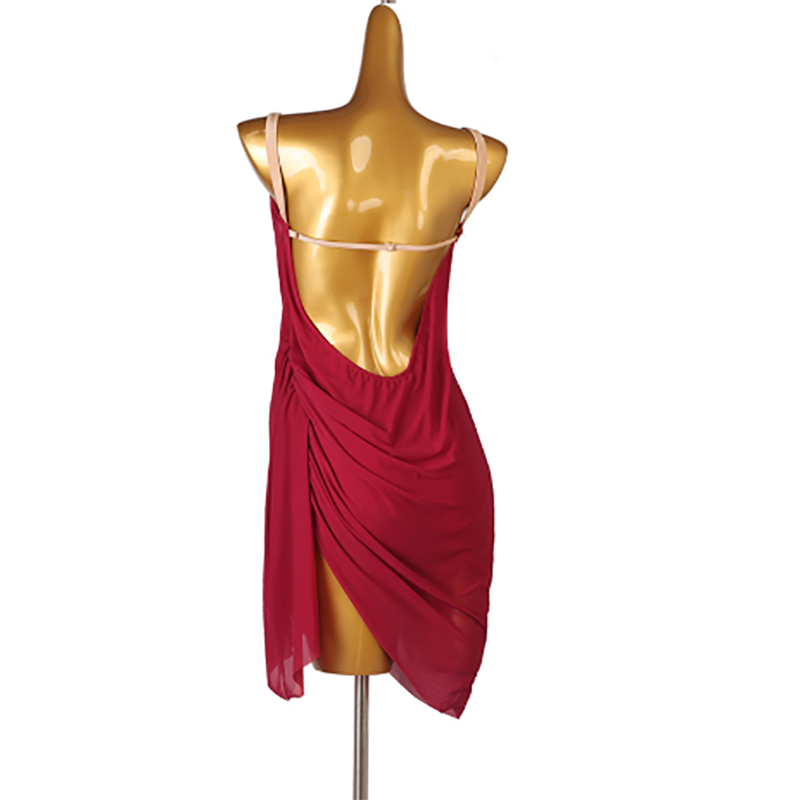
Latin Dance Dresses

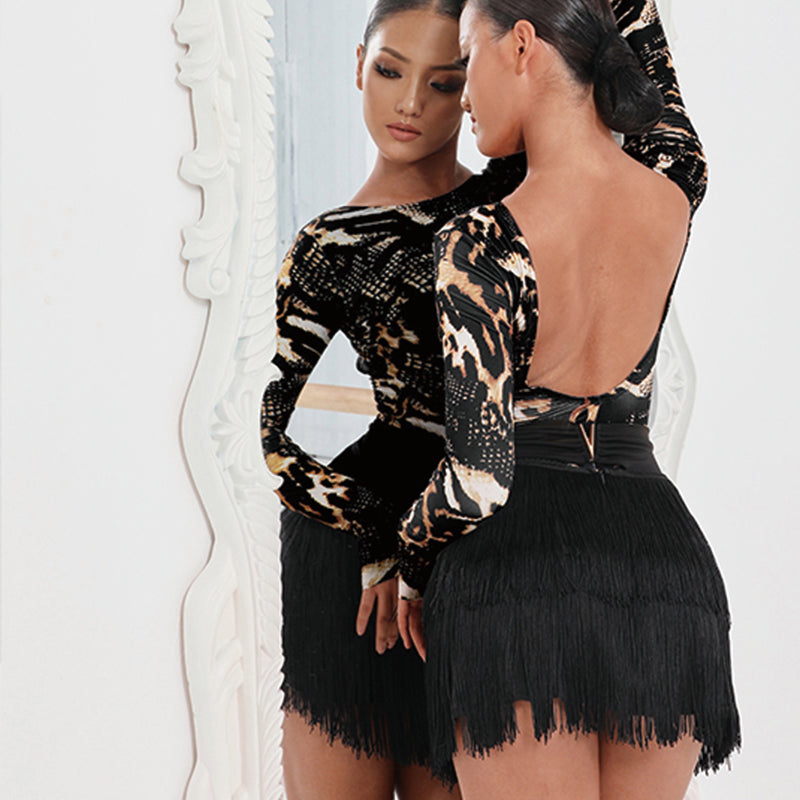
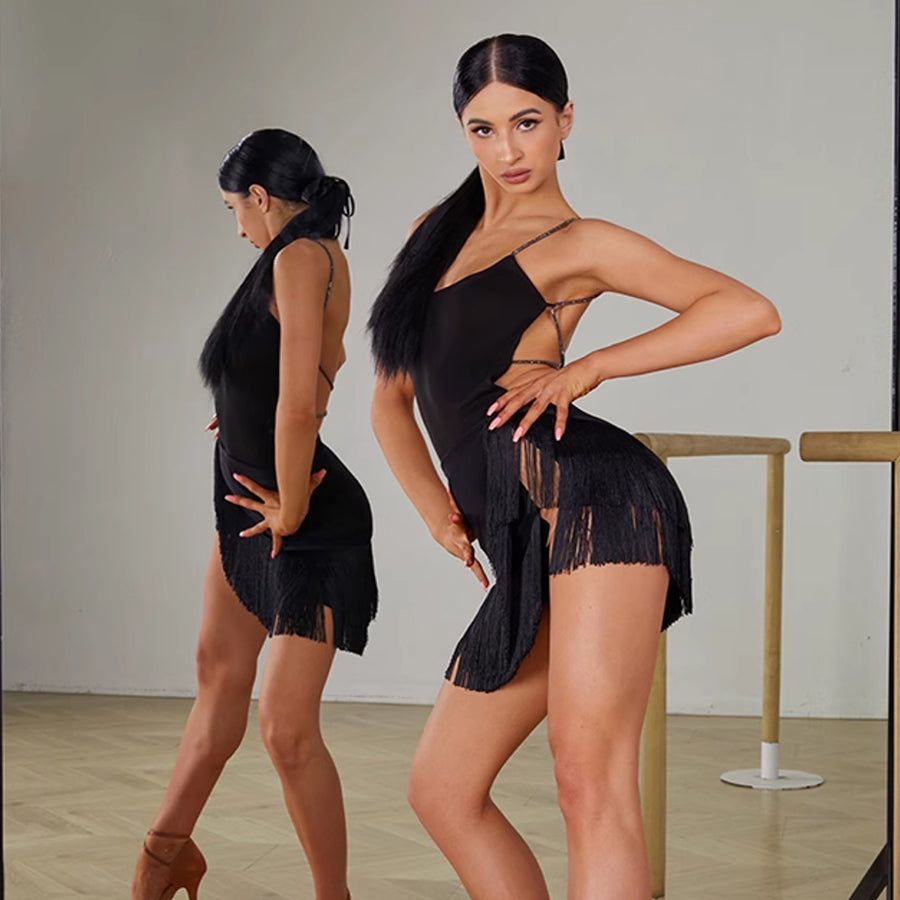
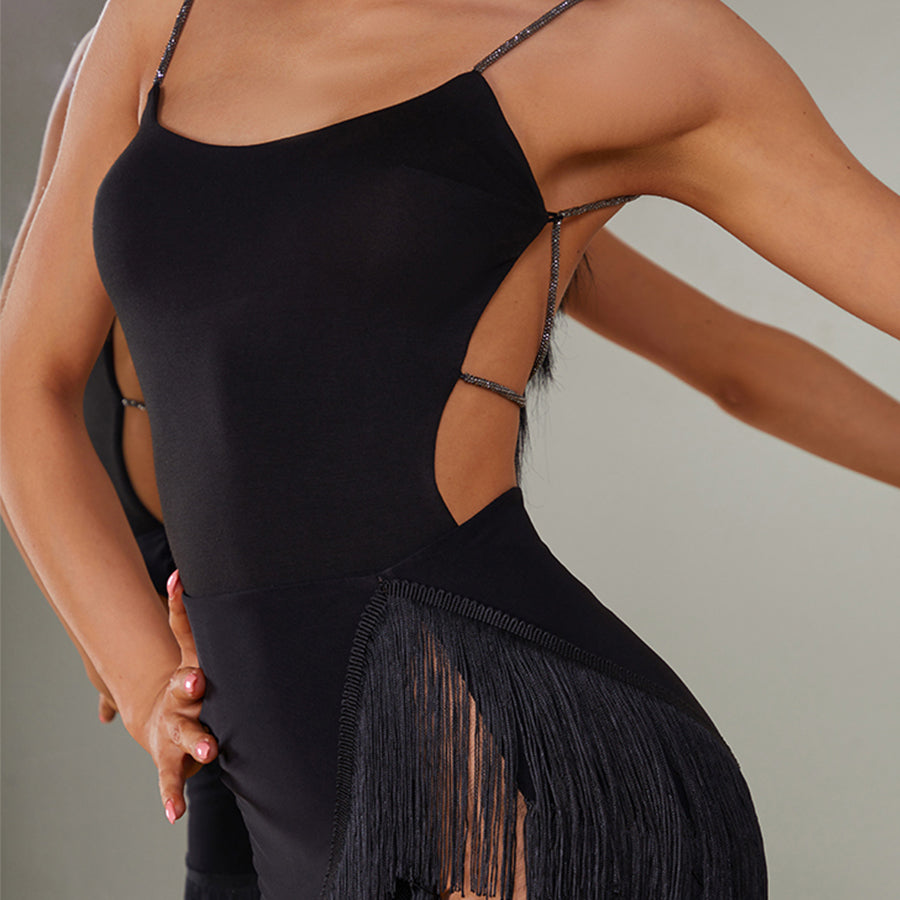
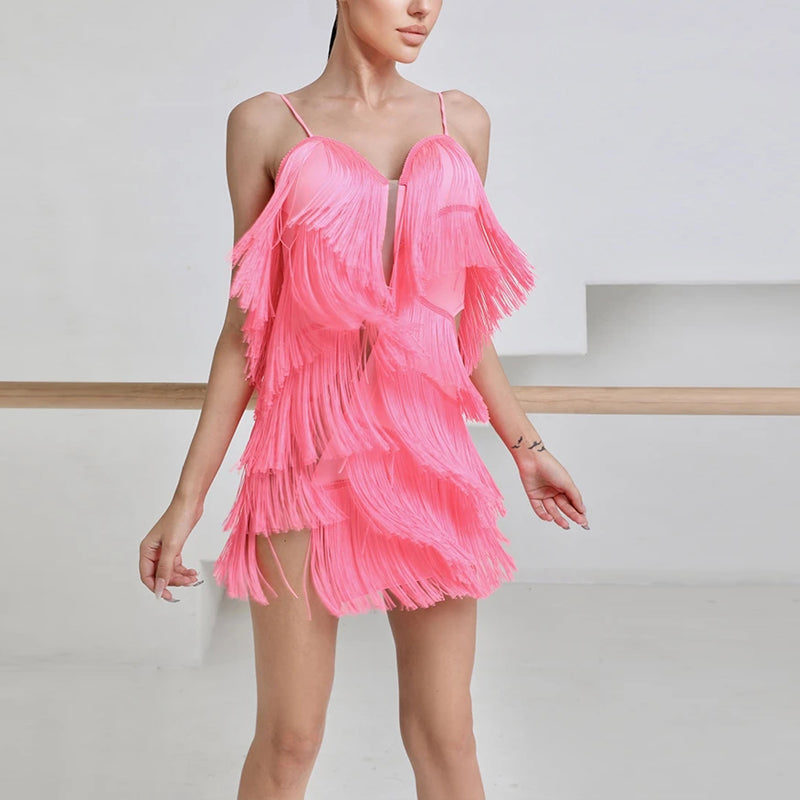
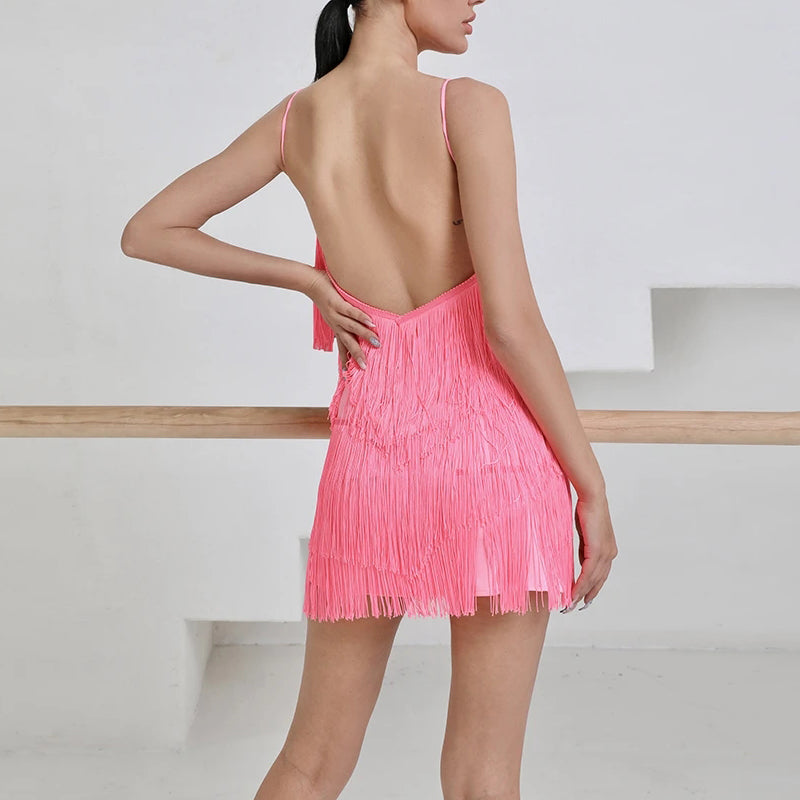
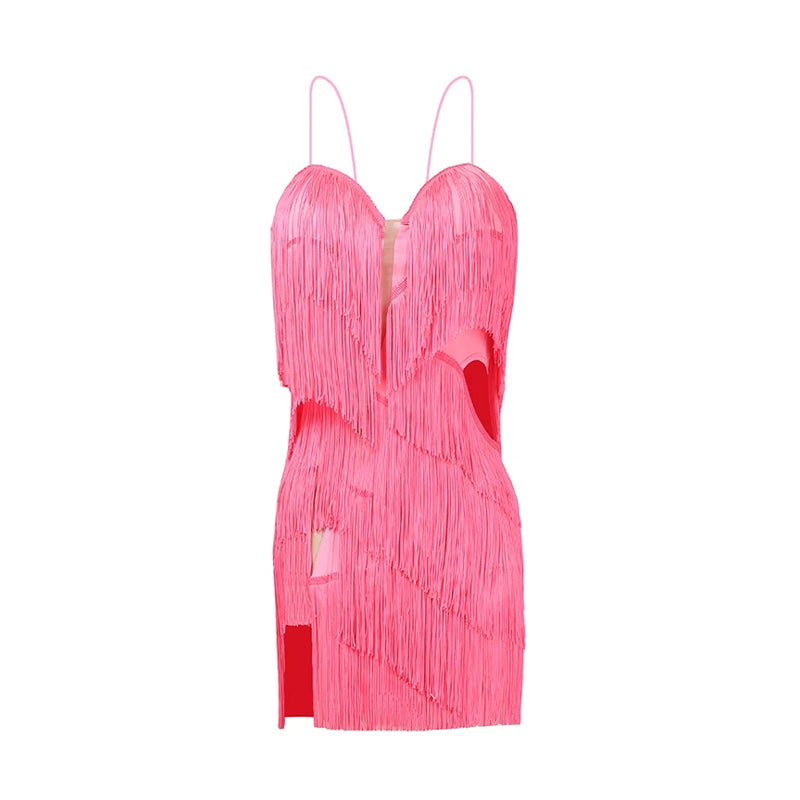
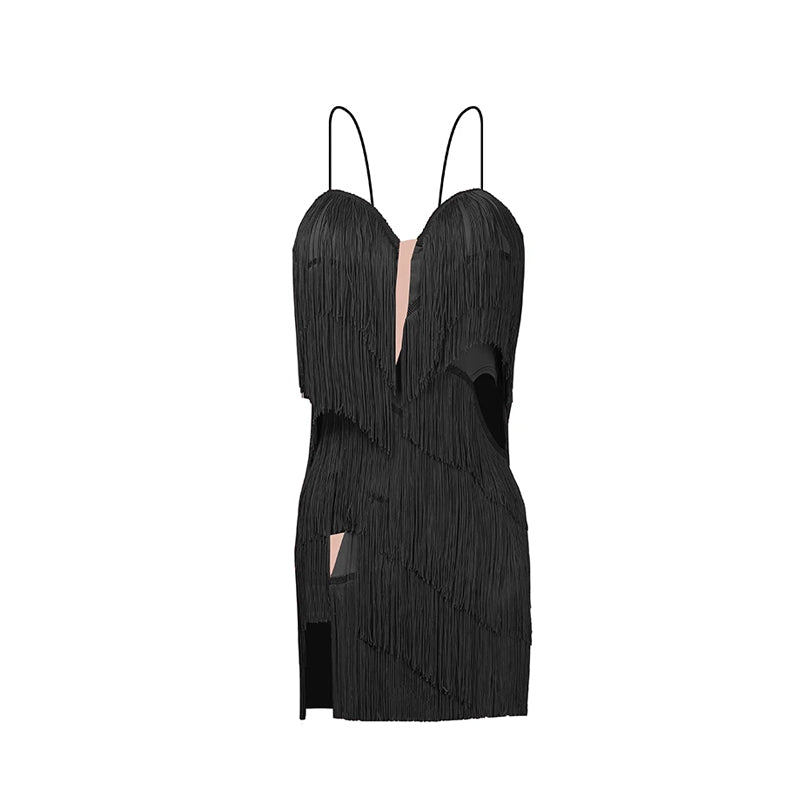
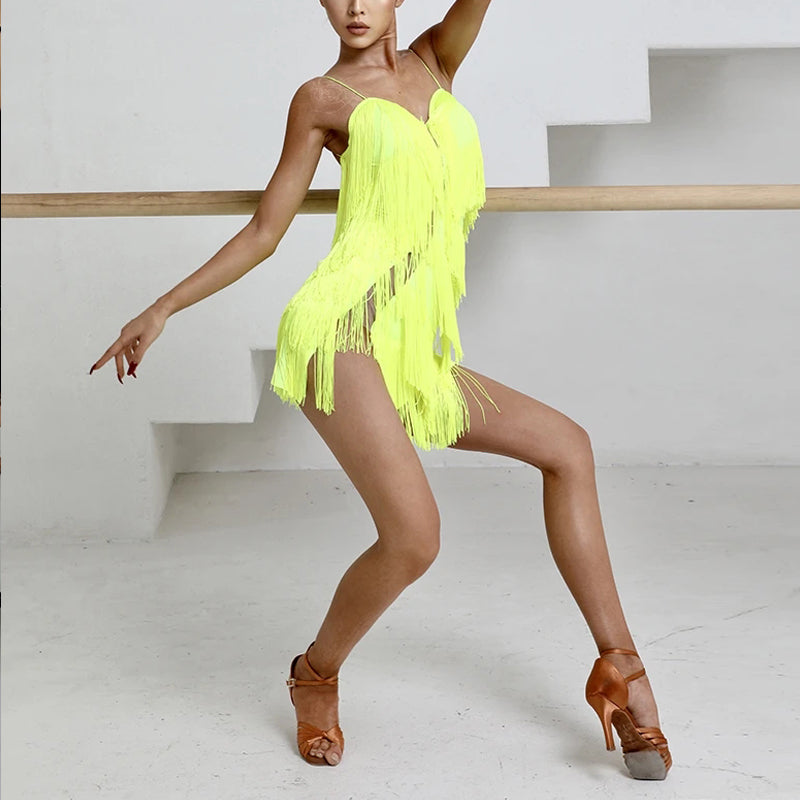
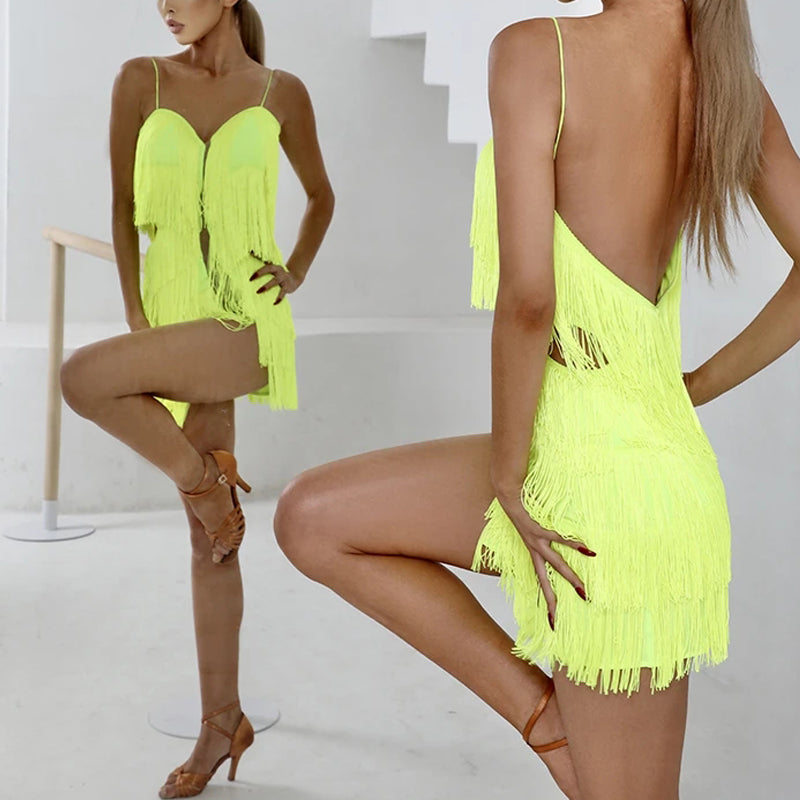
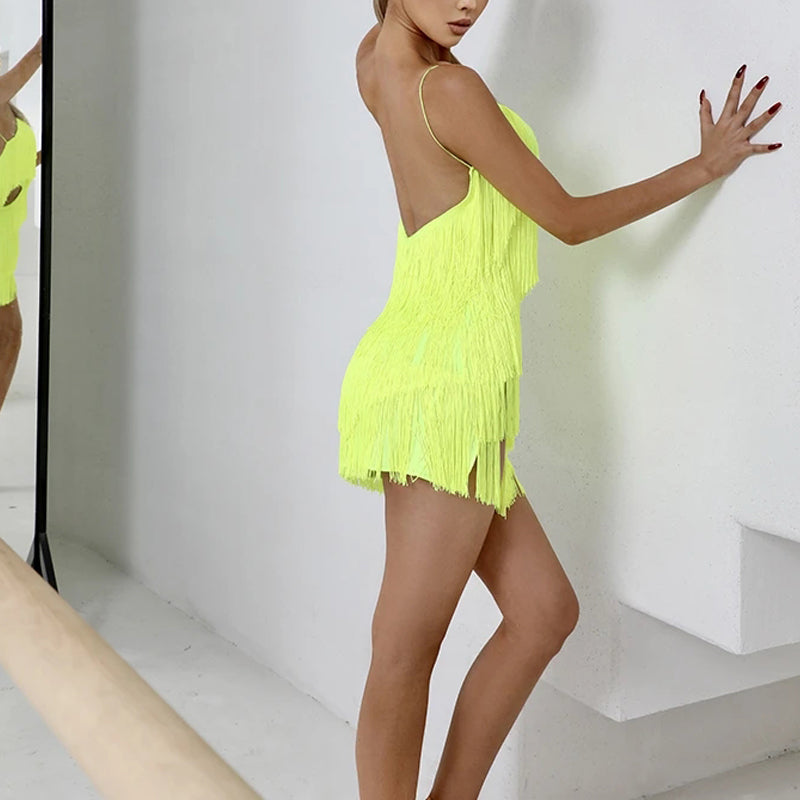
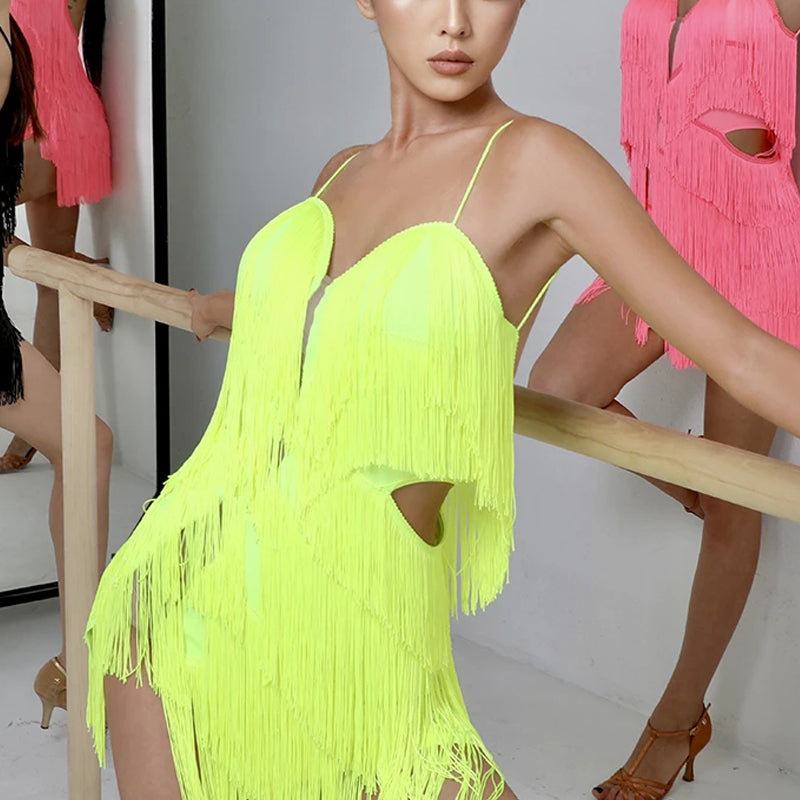
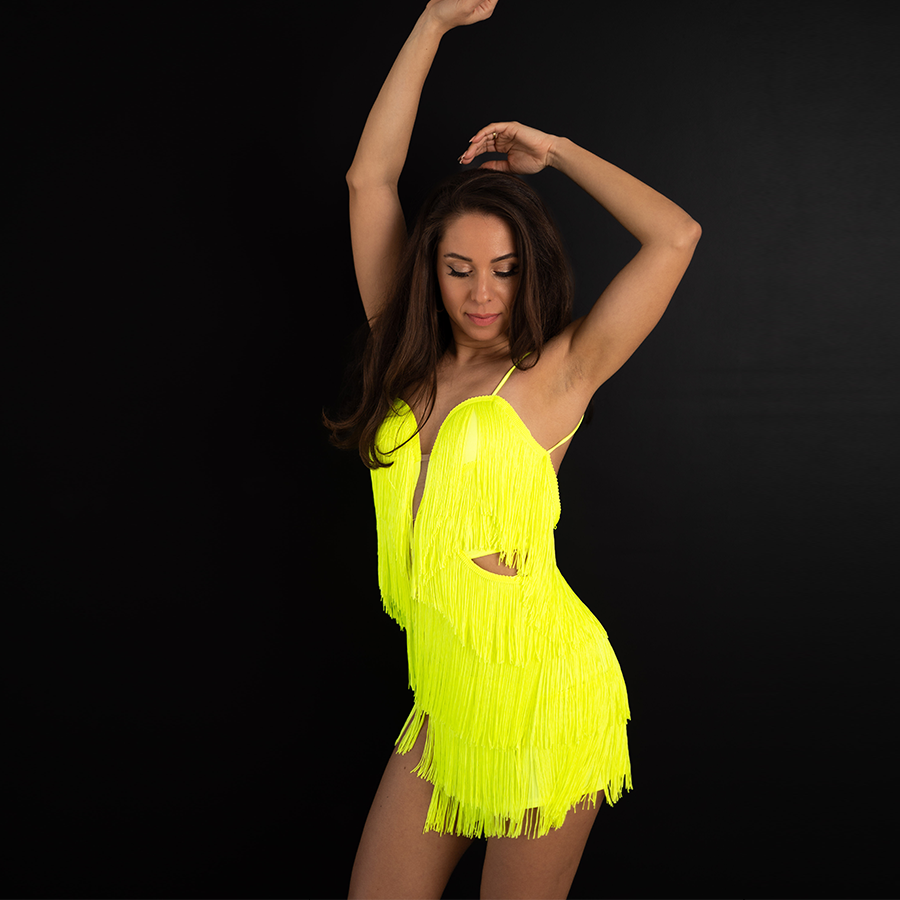
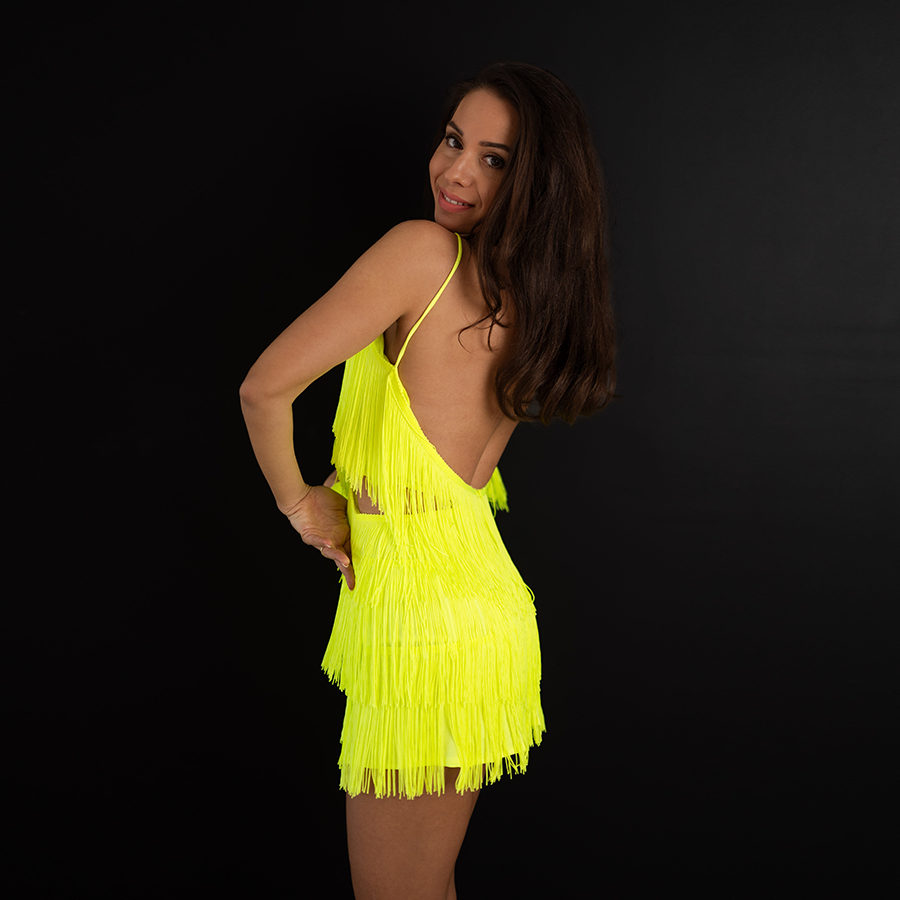
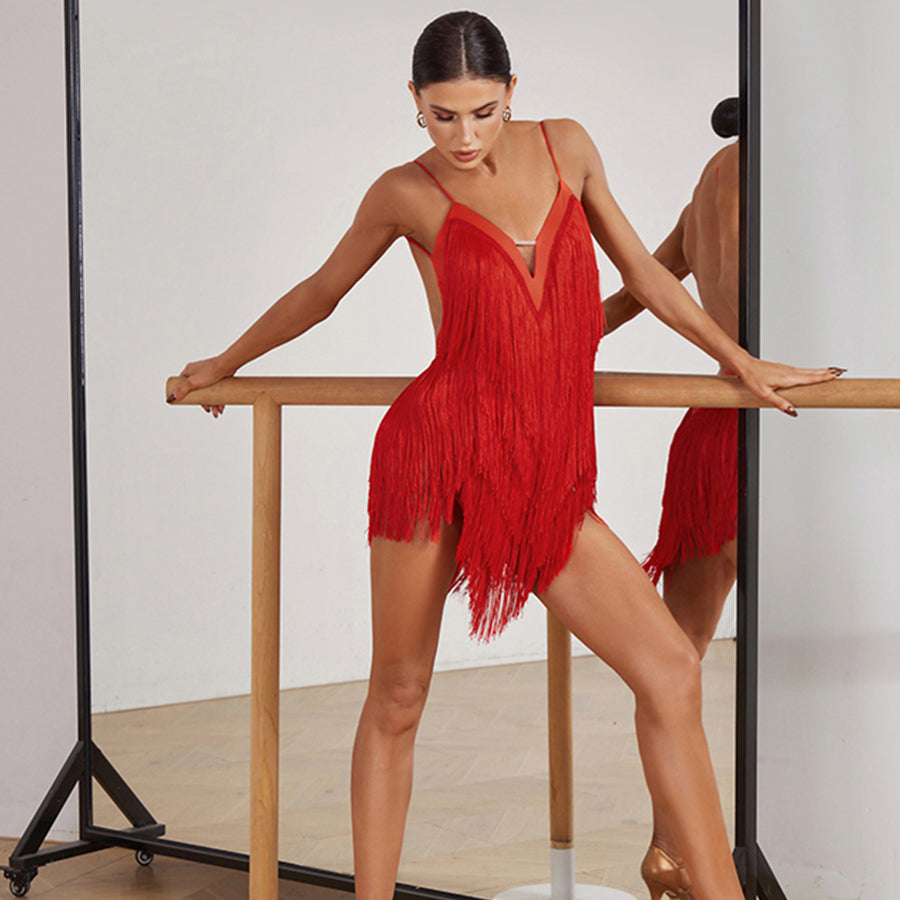
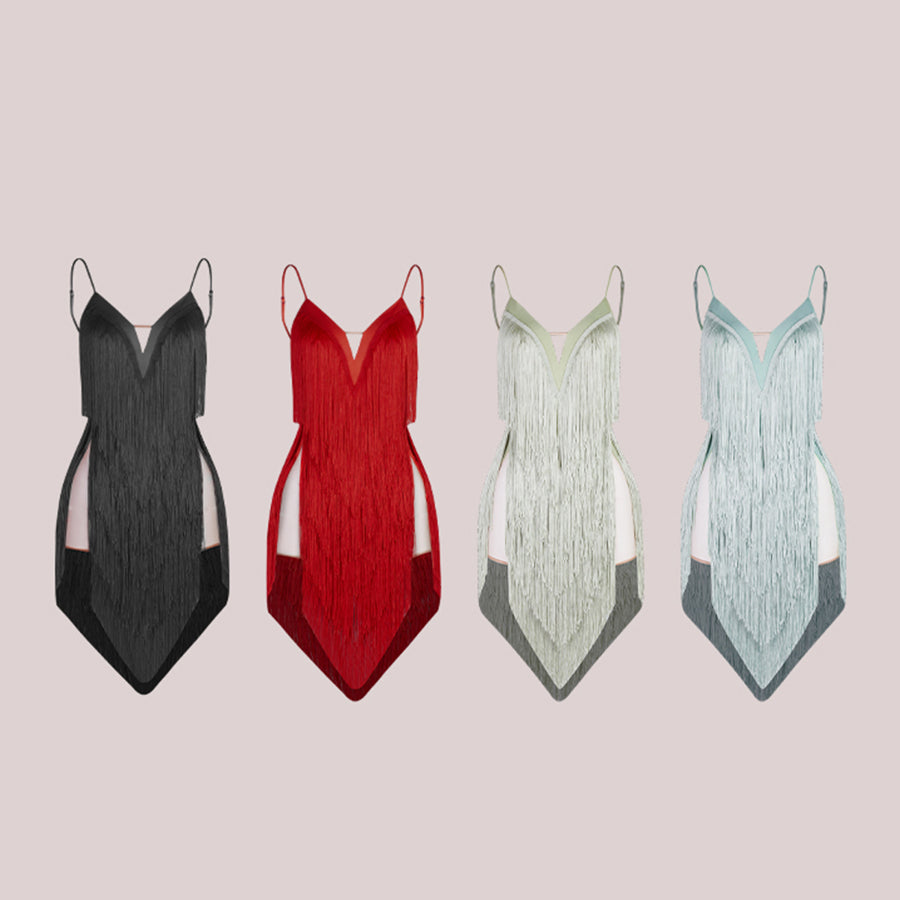
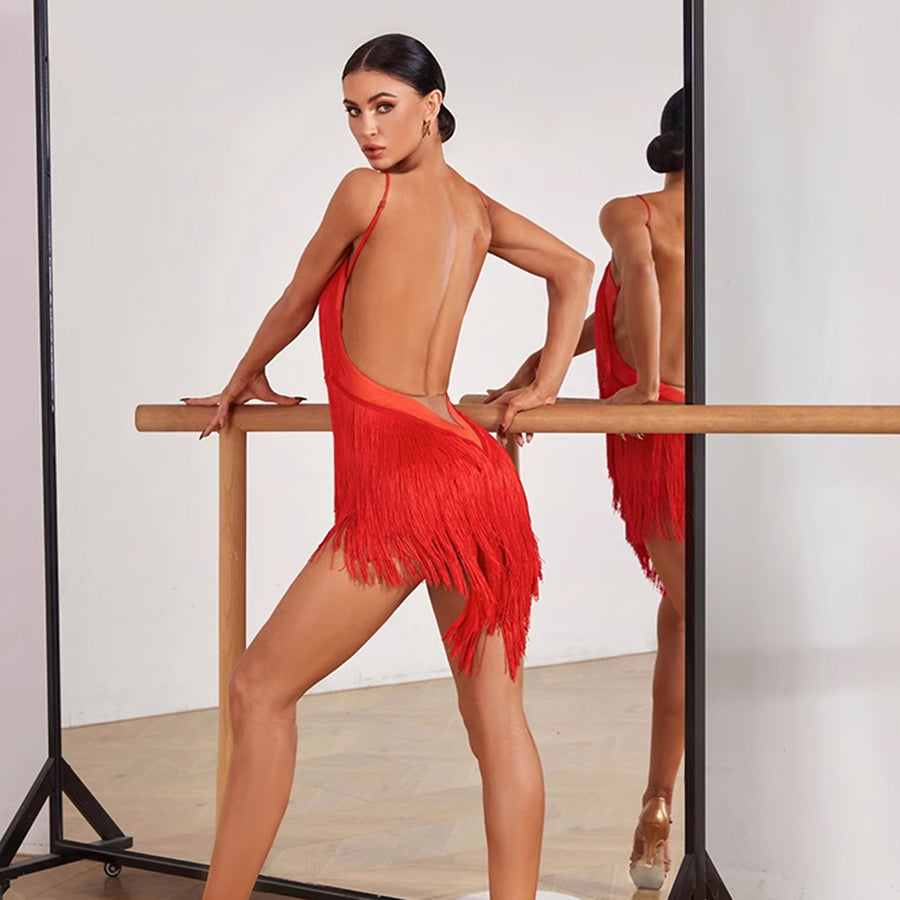
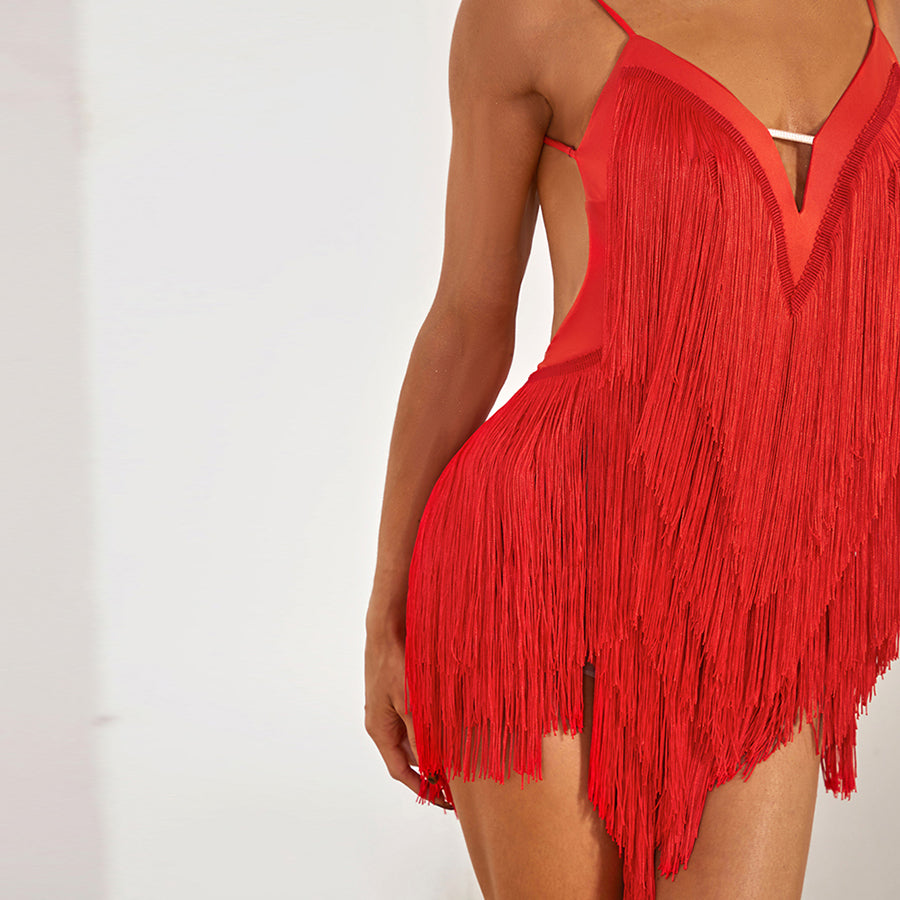
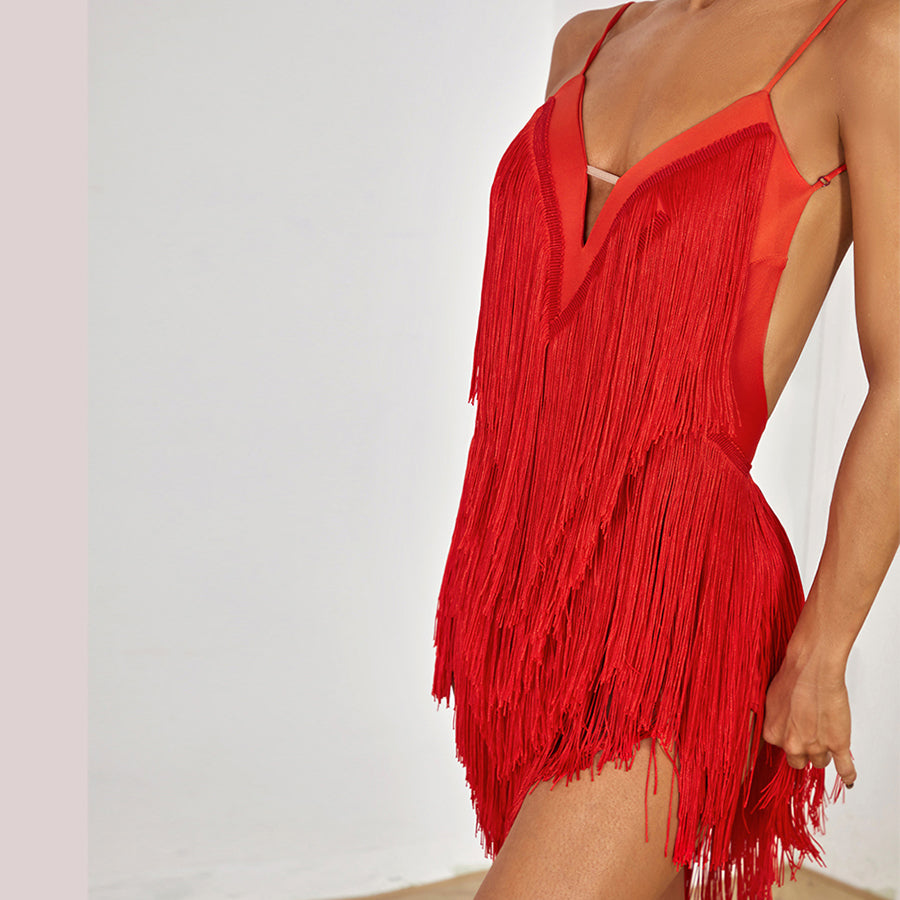
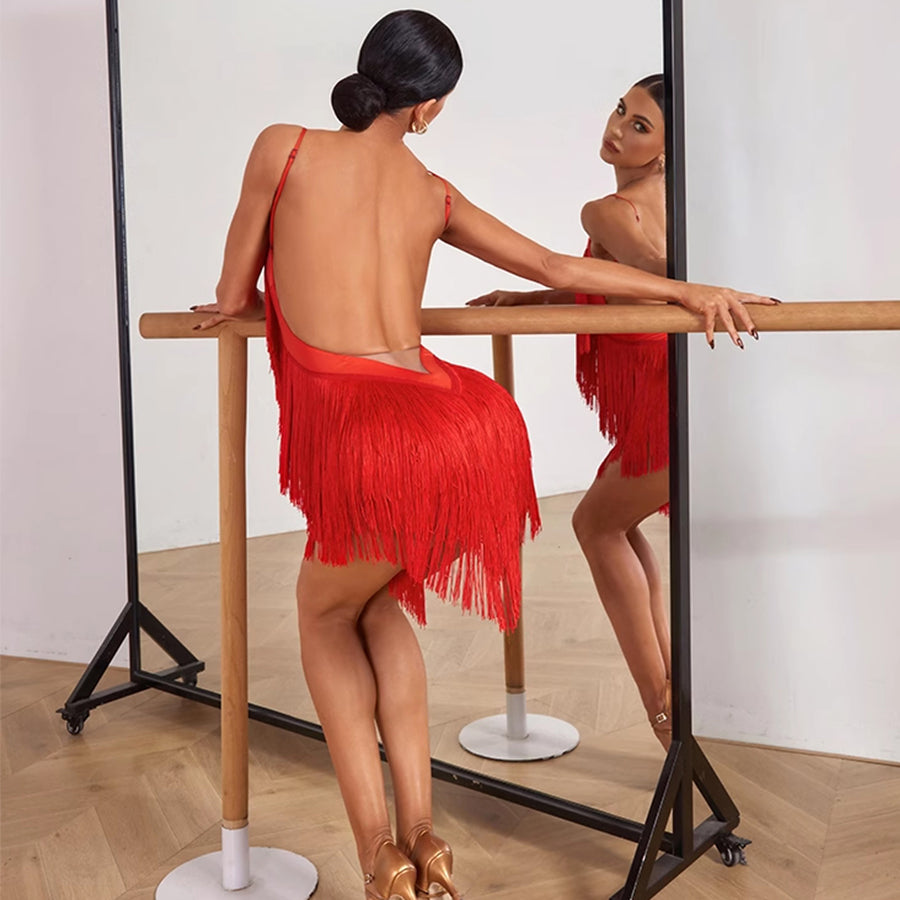
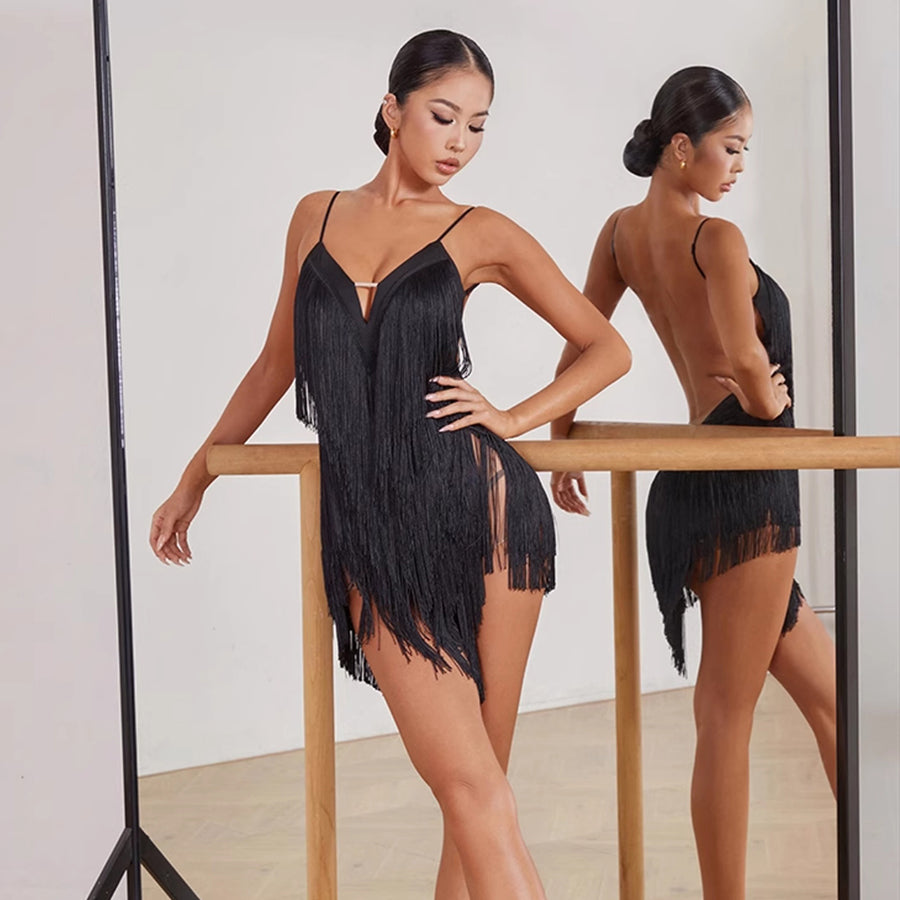
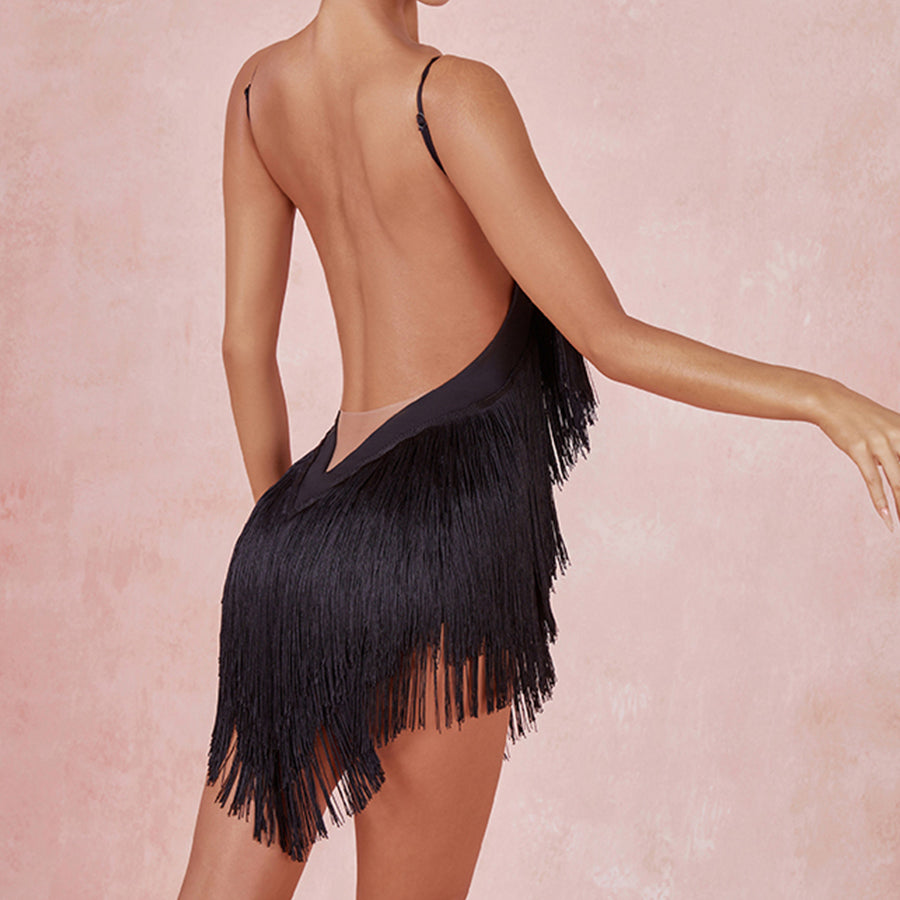
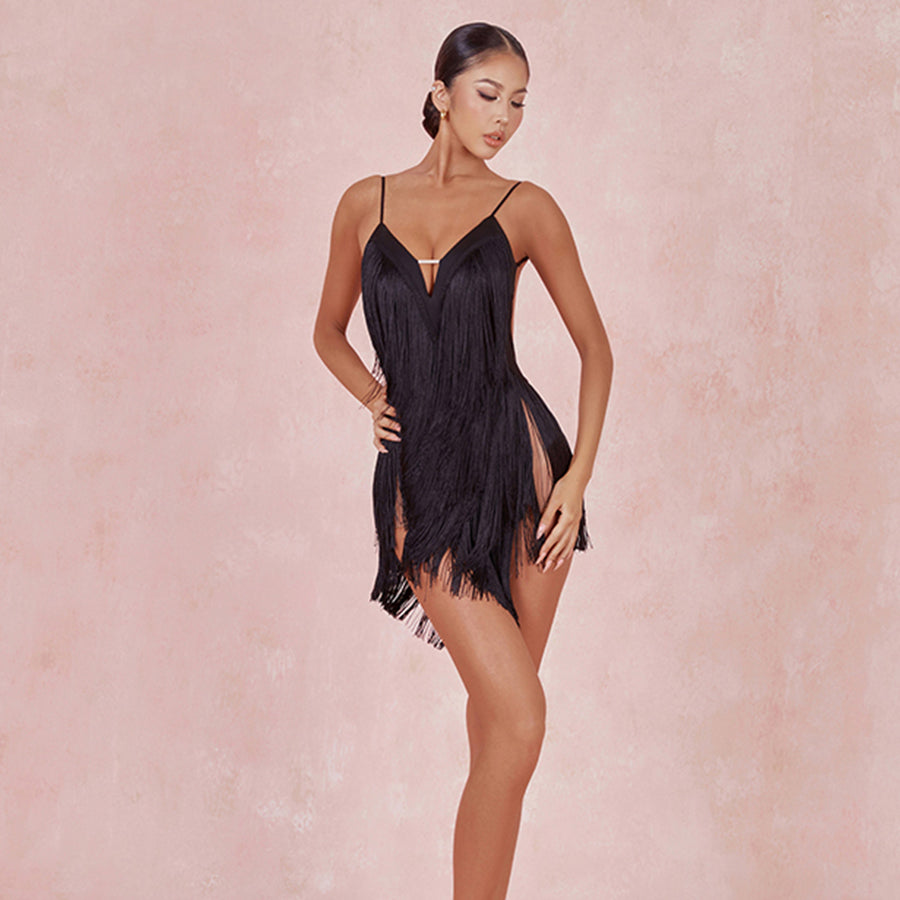
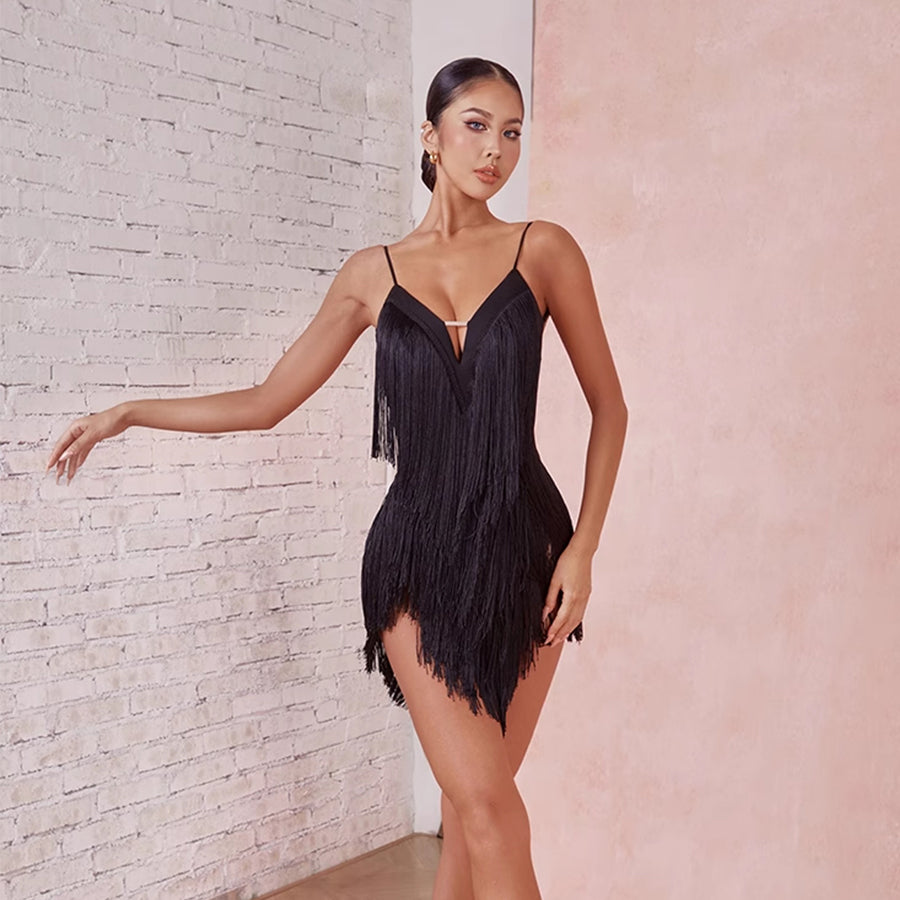
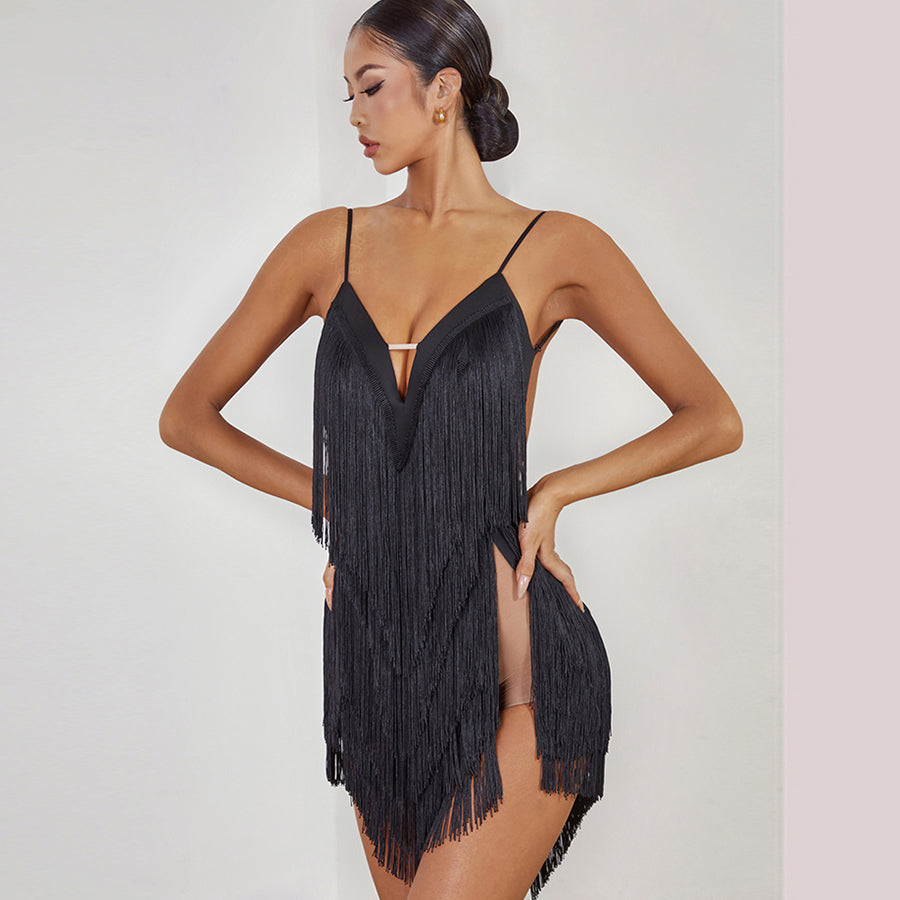
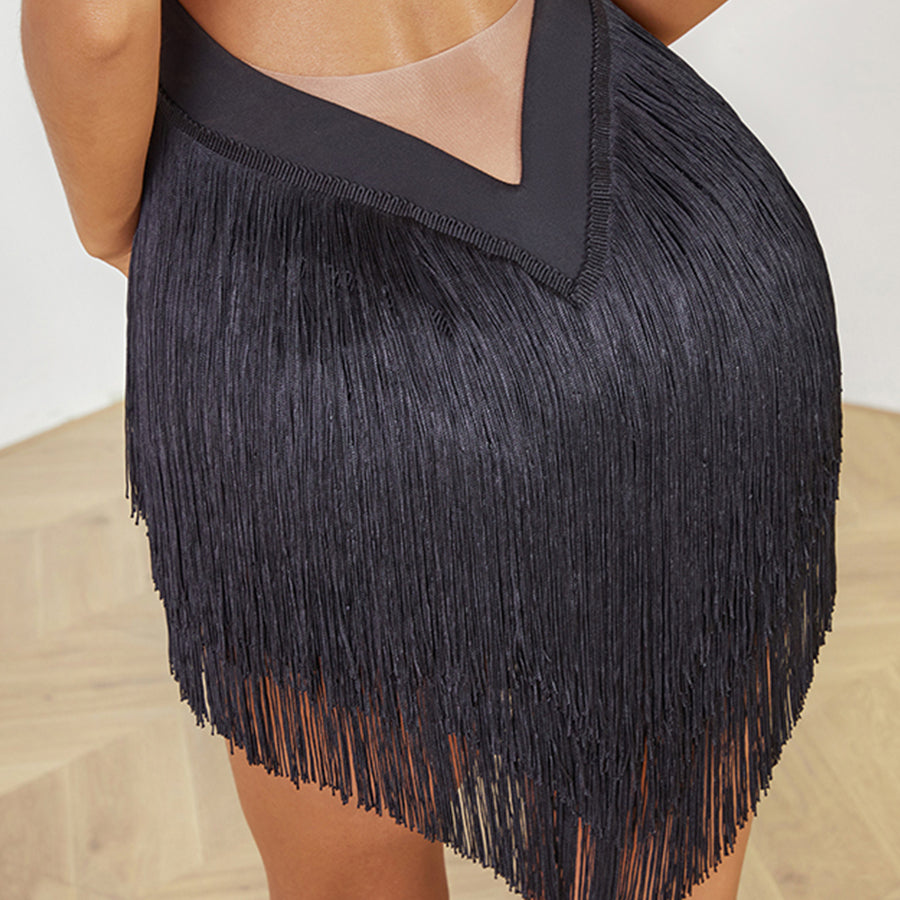
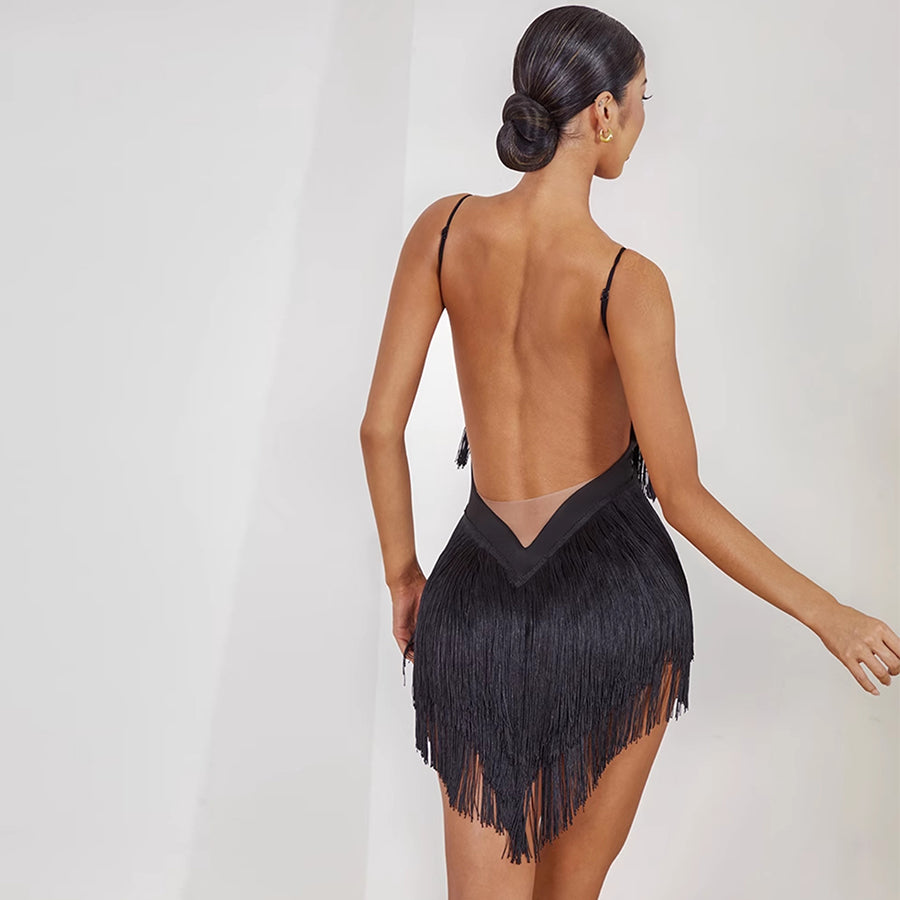
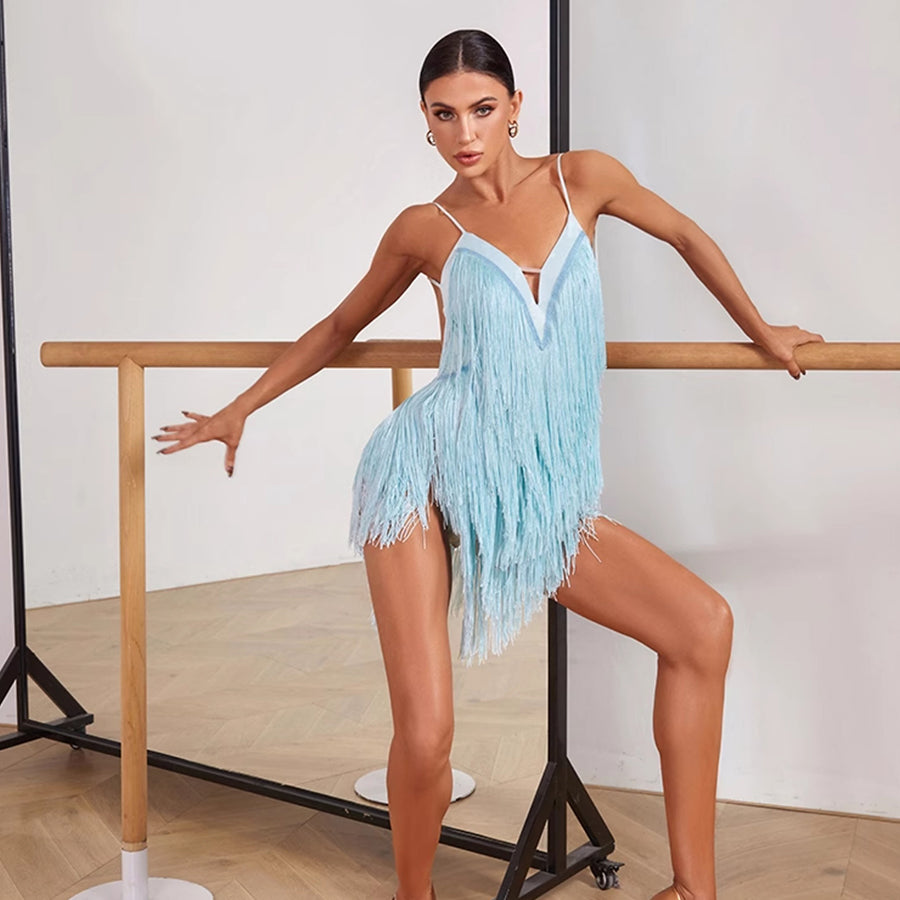
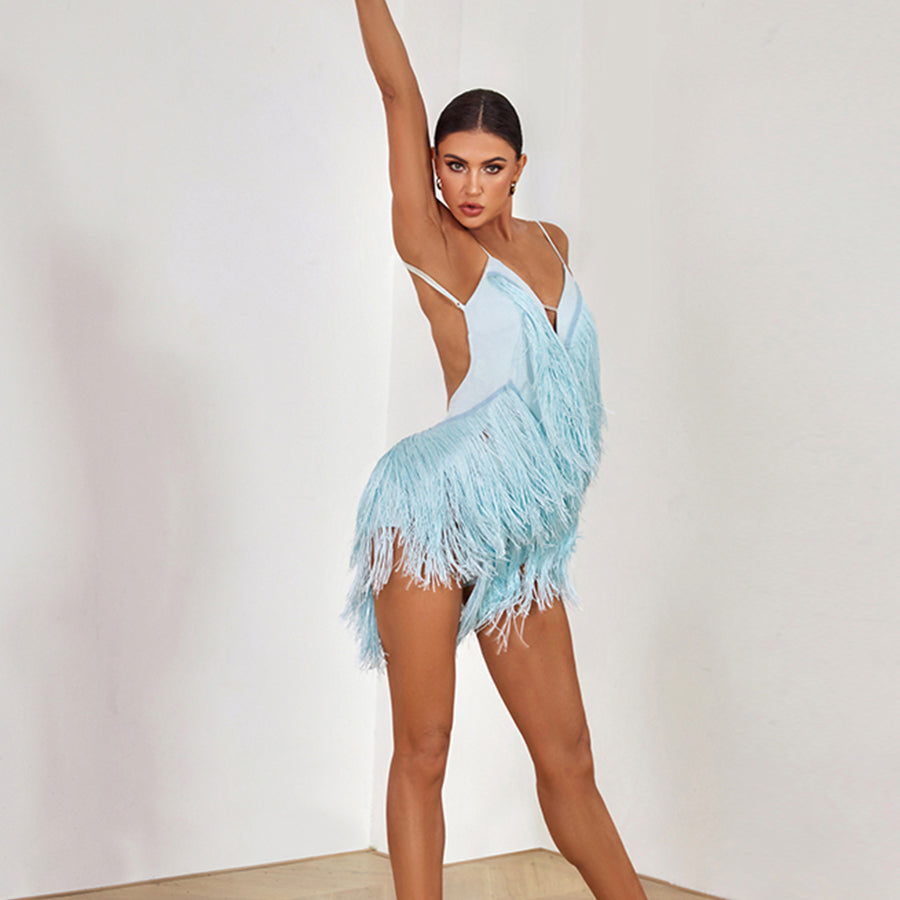
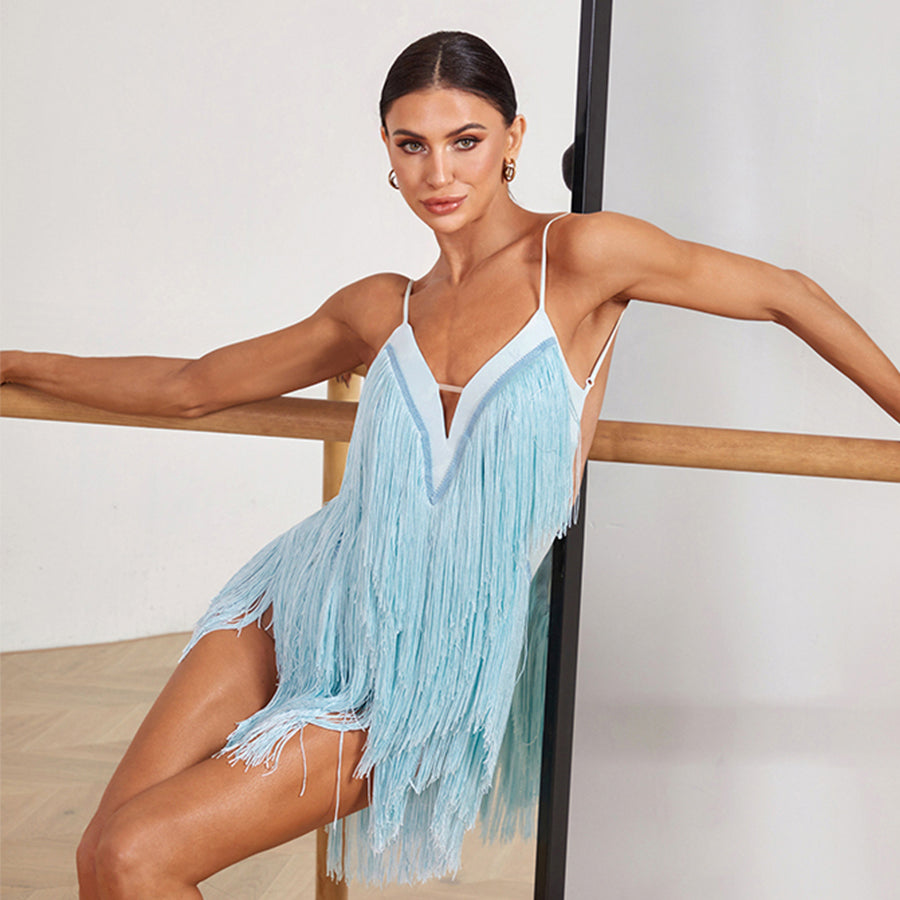
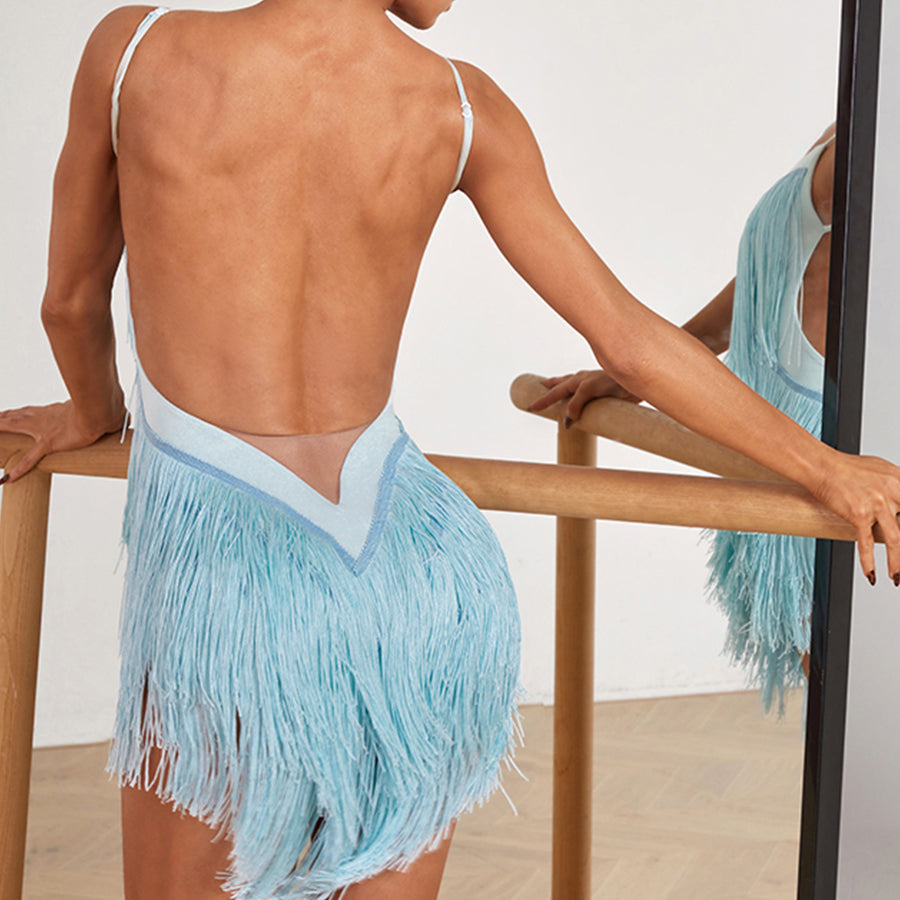
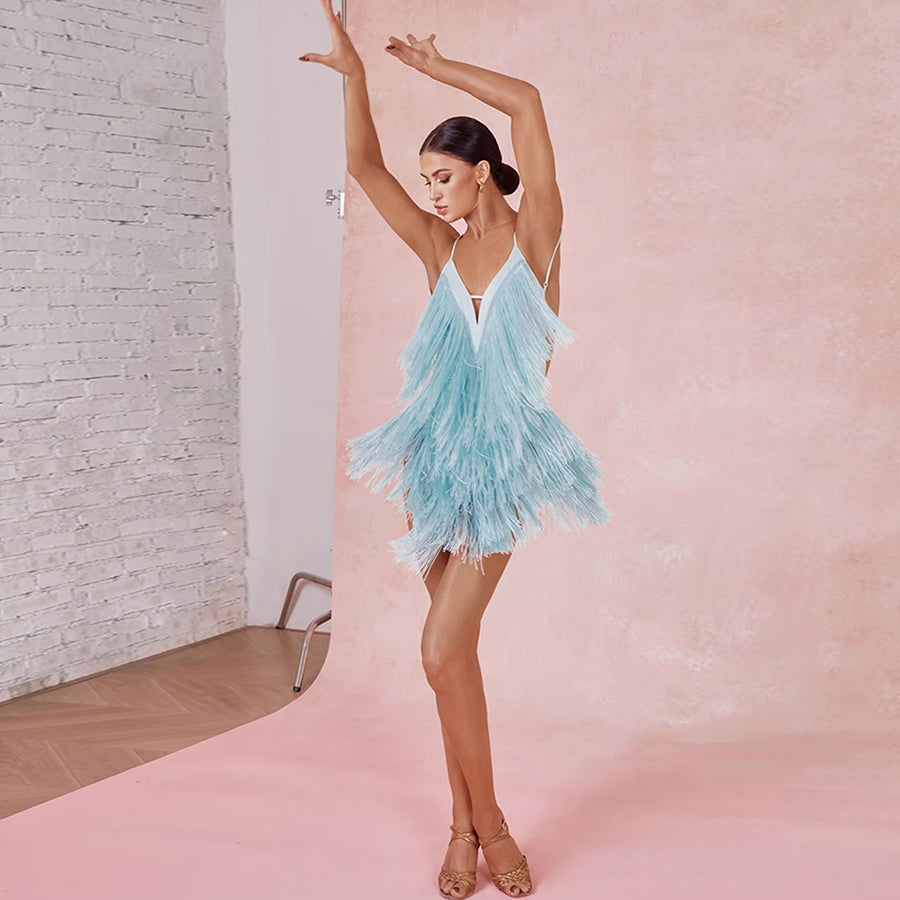
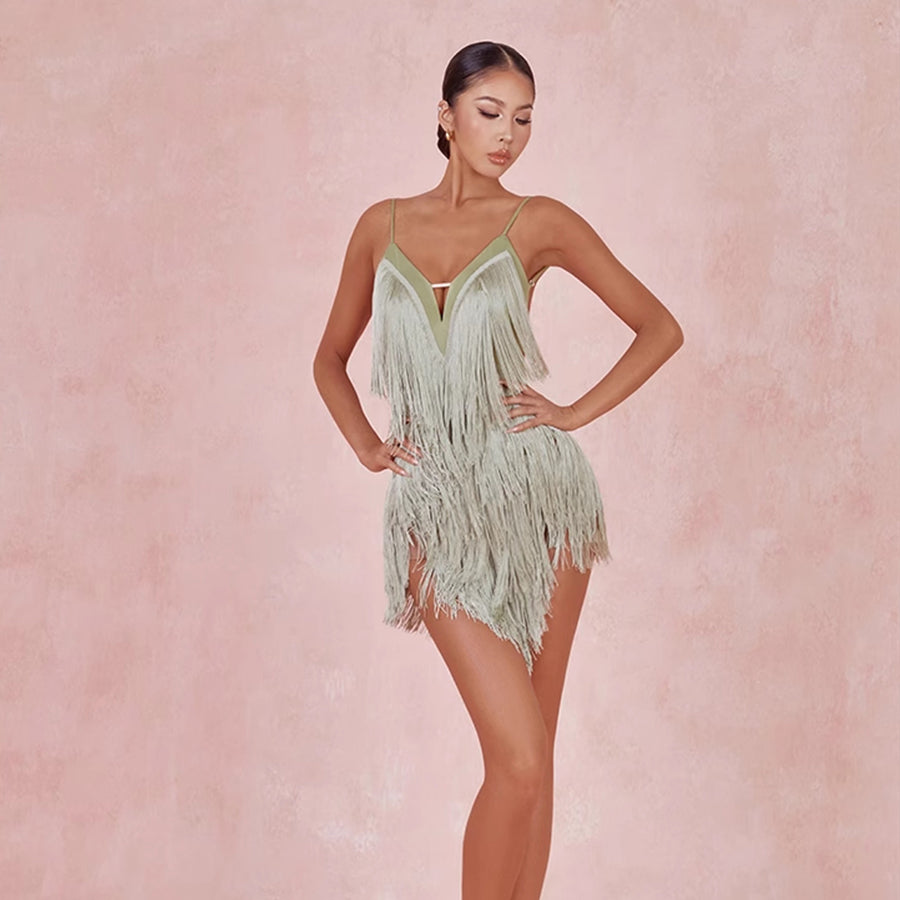
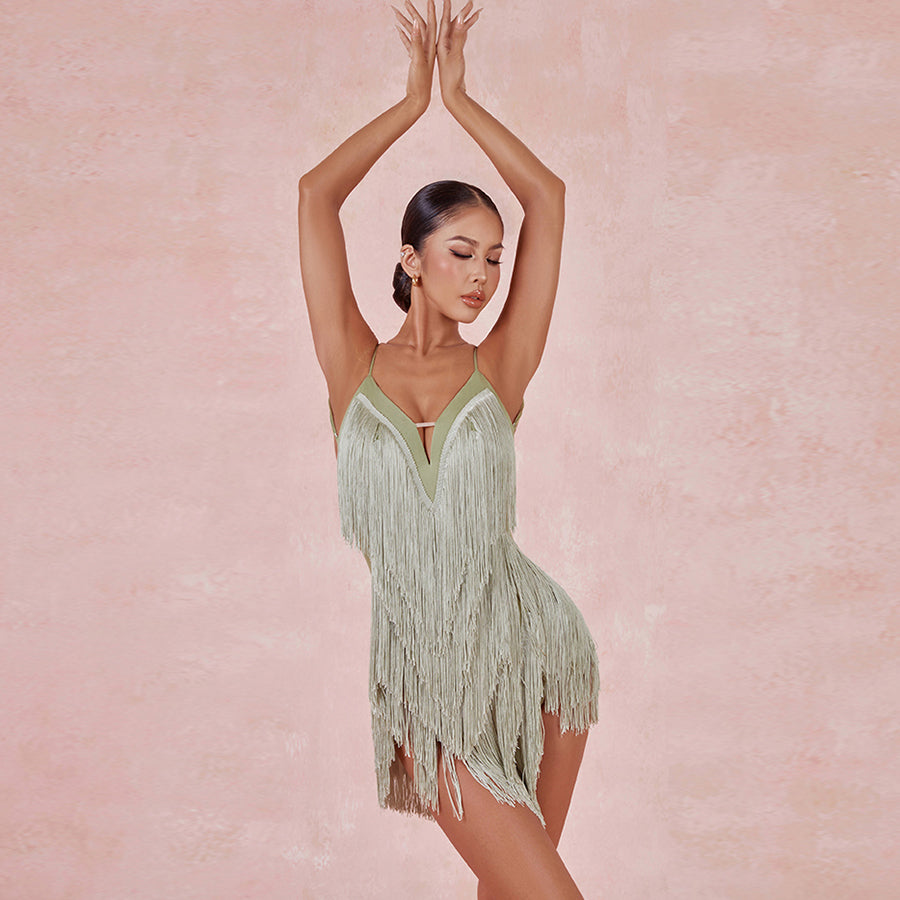
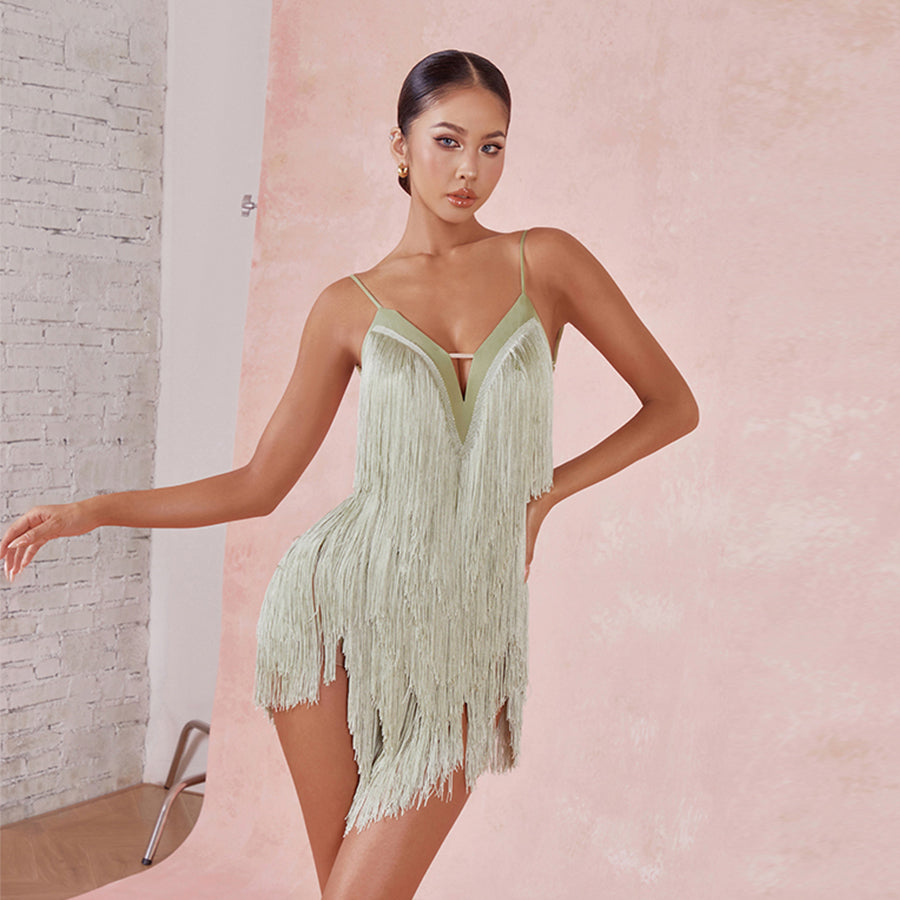
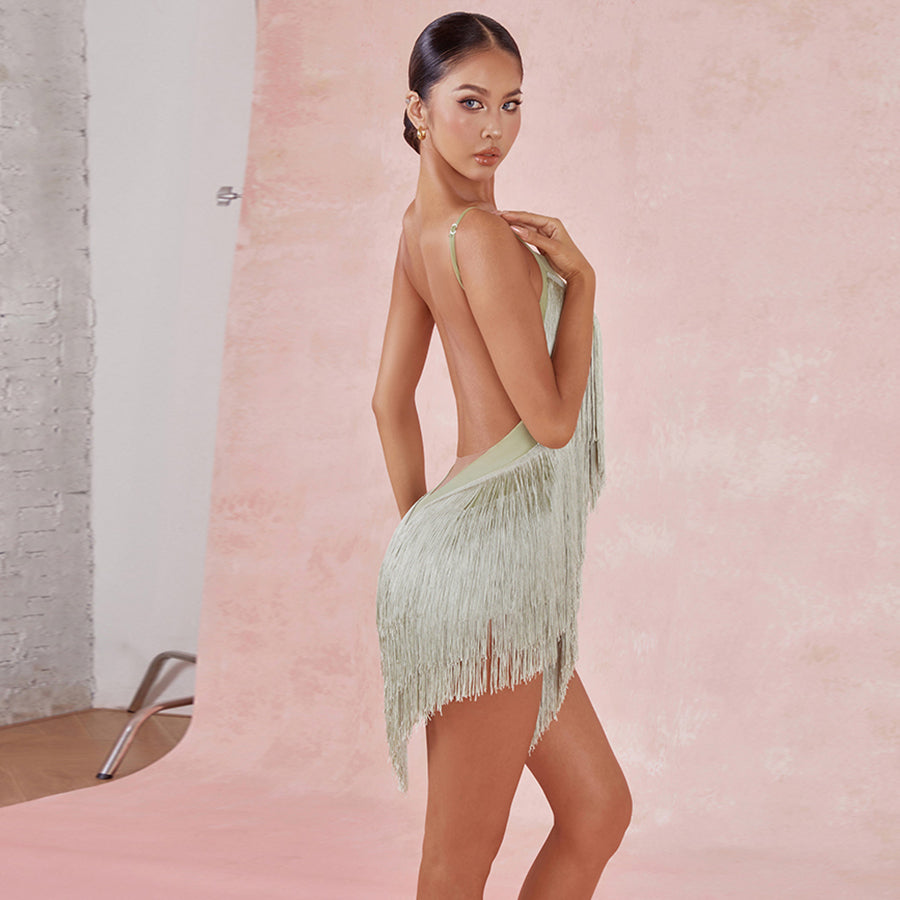
Latin dance dresses are often designed to emphasize movement, shape, and performance details such as fringe, mesh, slits, and decorative accents.
A well-fitting Latin dance dress should feel secure through the bodice while allowing comfortable movement through the hips and legs.
Check that:
-
The bust and neckline sit comfortably without unwanted gaps.
-
Straps remain secure without digging into your shoulders.
-
The waist follows the intended silhouette without excessive pulling.
-
The skirt allows you to turn, step, and extend your legs comfortably.
-
Fringe and other decorative details move freely without making the garment feel restrictive.
If you are shopping for a fitted Latin dance dress, check the bust, waist, and hip measurements carefully.
Explore our Latin Dance Dresses to discover styles for practice, social dancing, and performance.
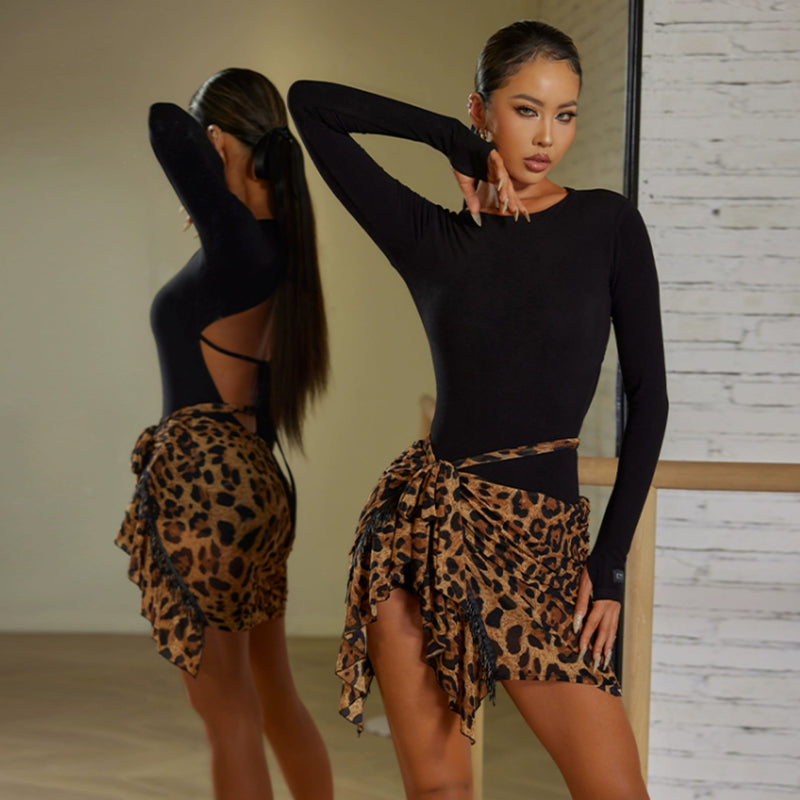
Dance Skirts

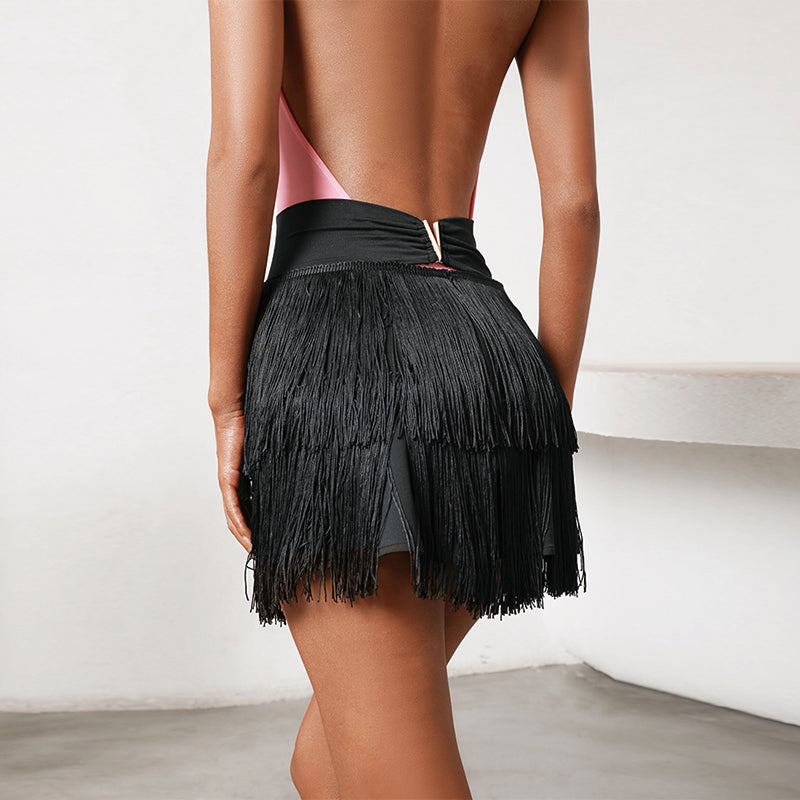
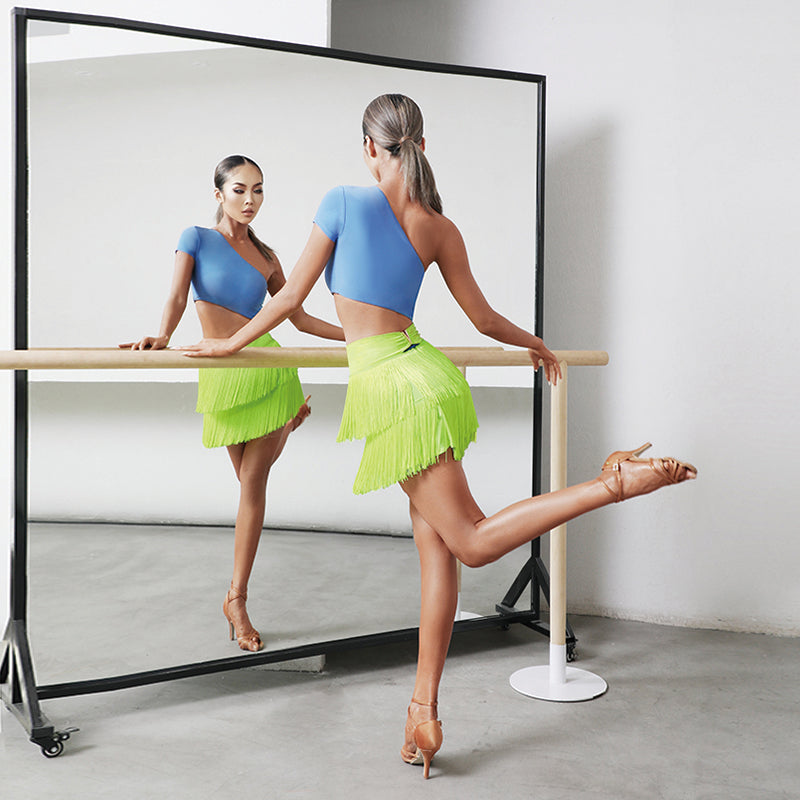
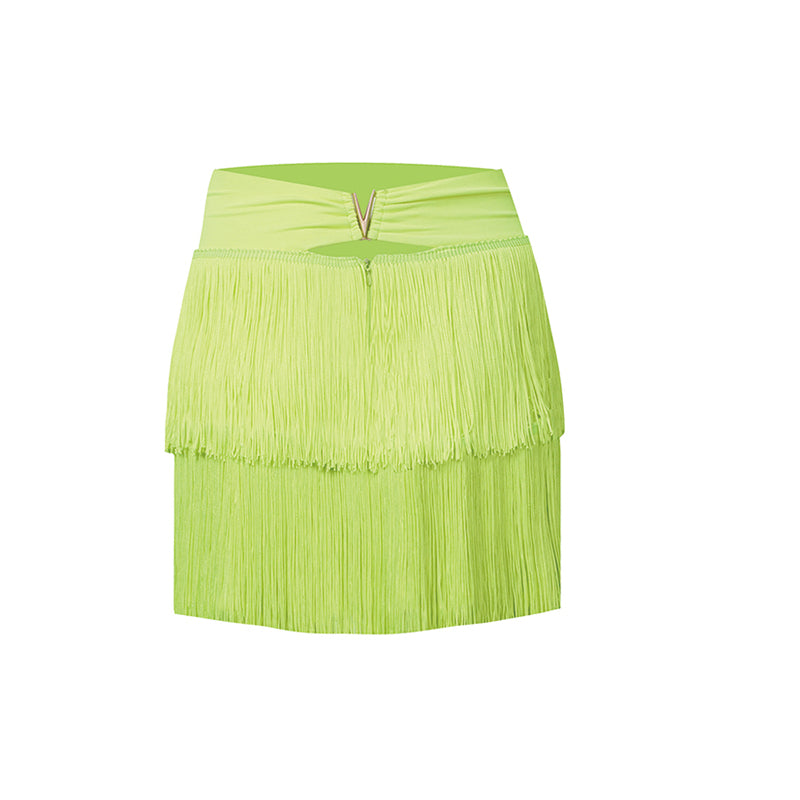
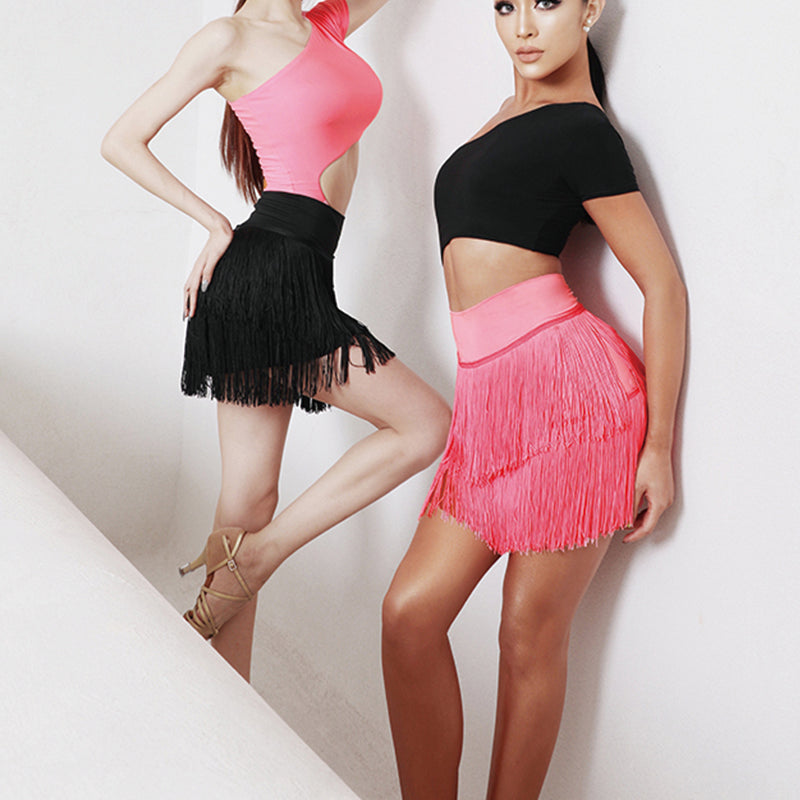
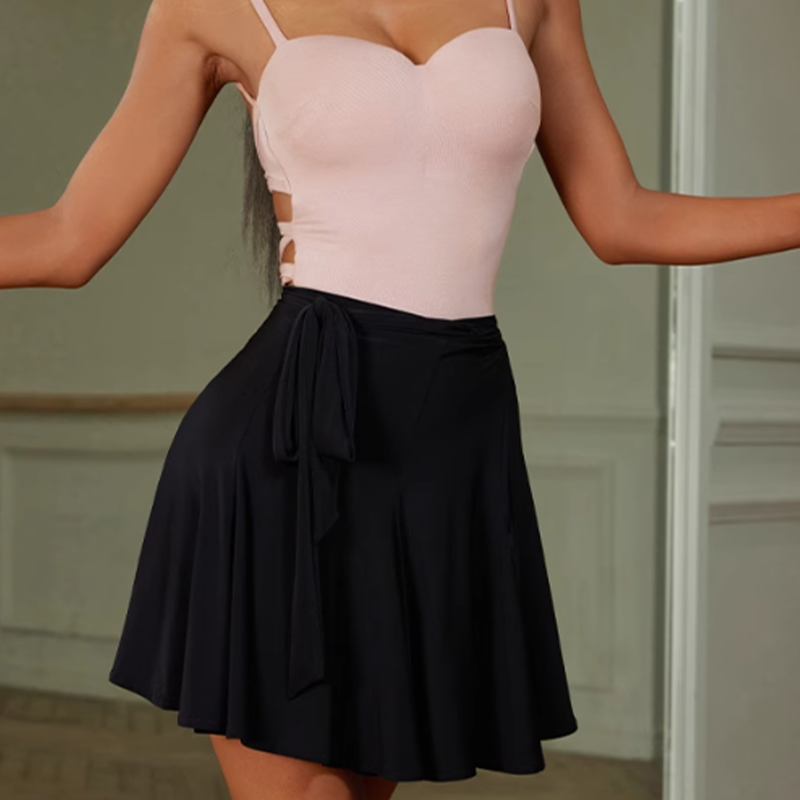
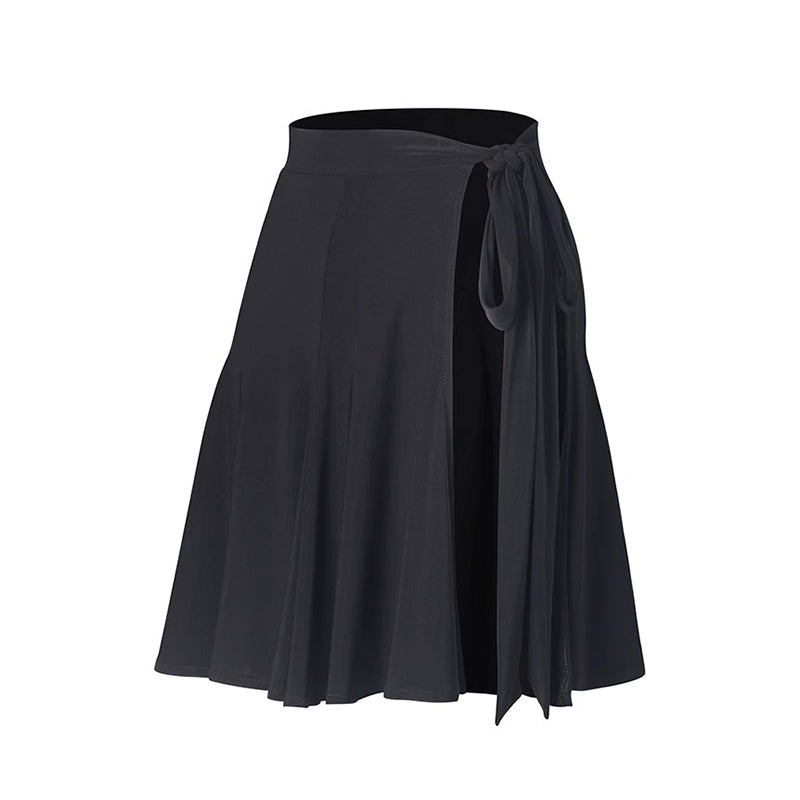
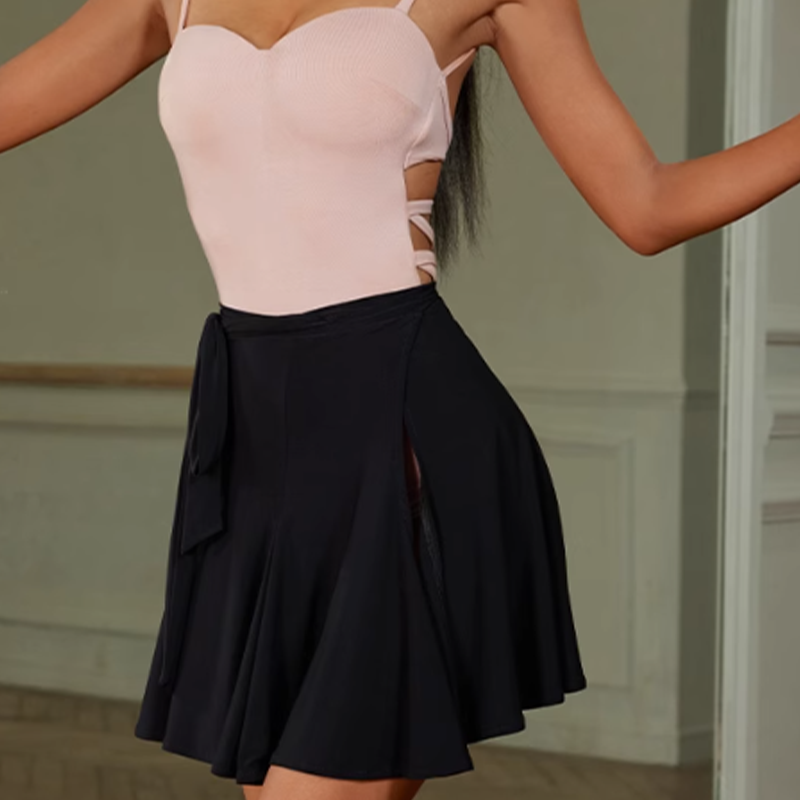
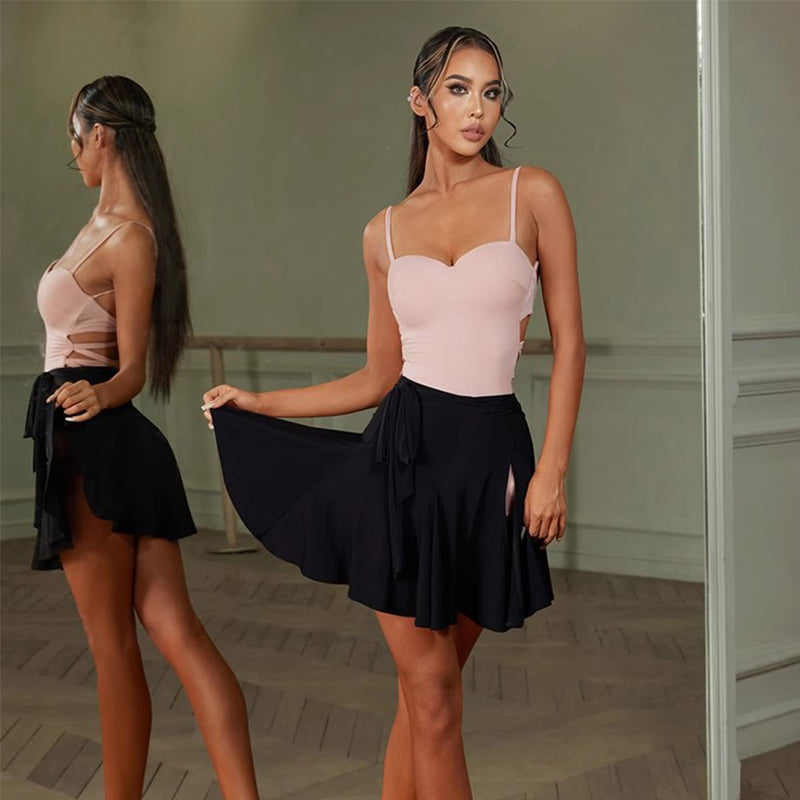
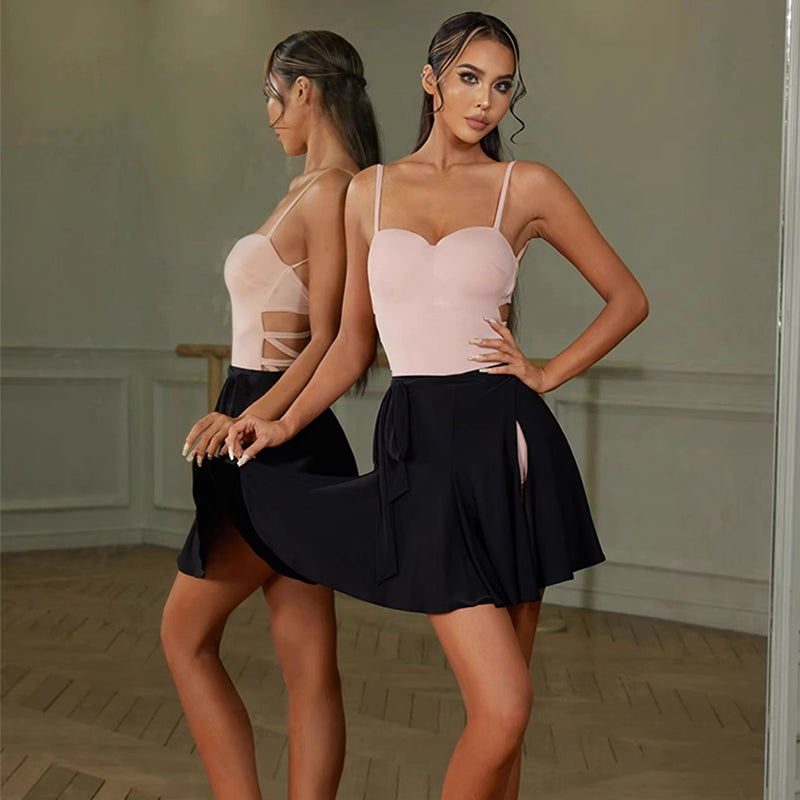
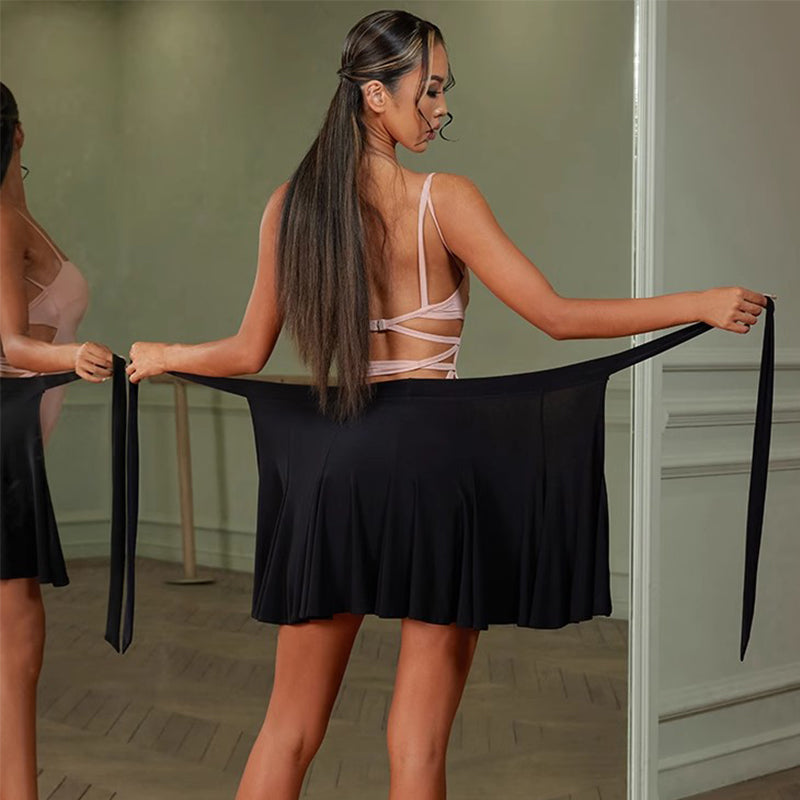
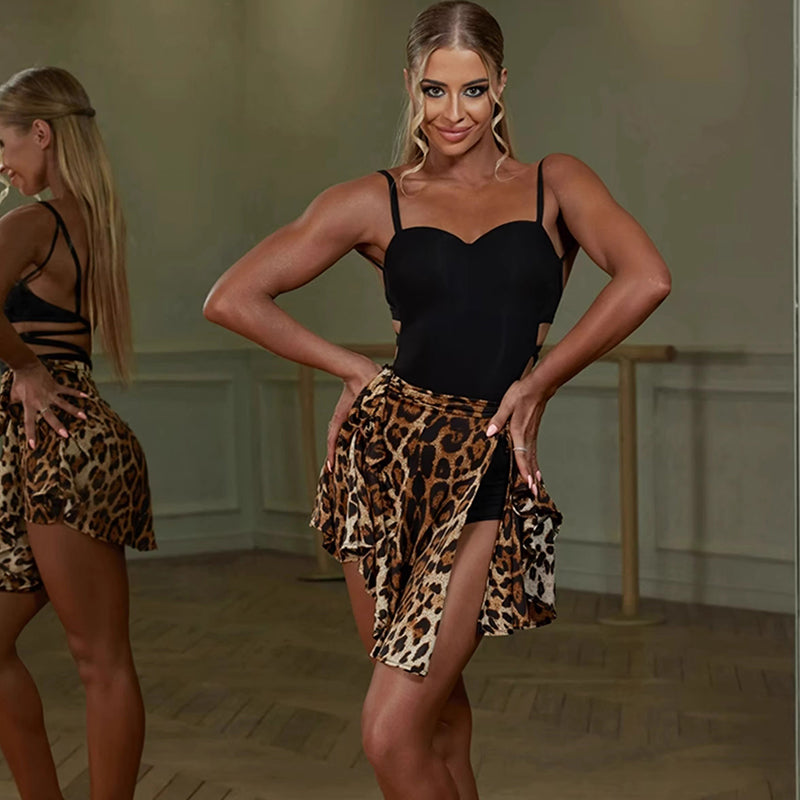
Dance skirts come in a wide range of silhouettes, from fitted styles to flowing designs and dramatic Latin skirts with fringe.
The waistband should sit securely without rolling, slipping, or creating uncomfortable pressure.
For fitted skirts, pay attention to the waist and hip measurements. For fuller or more flowing styles, consider the waistband, skirt length, and how much freedom of movement the design provides.
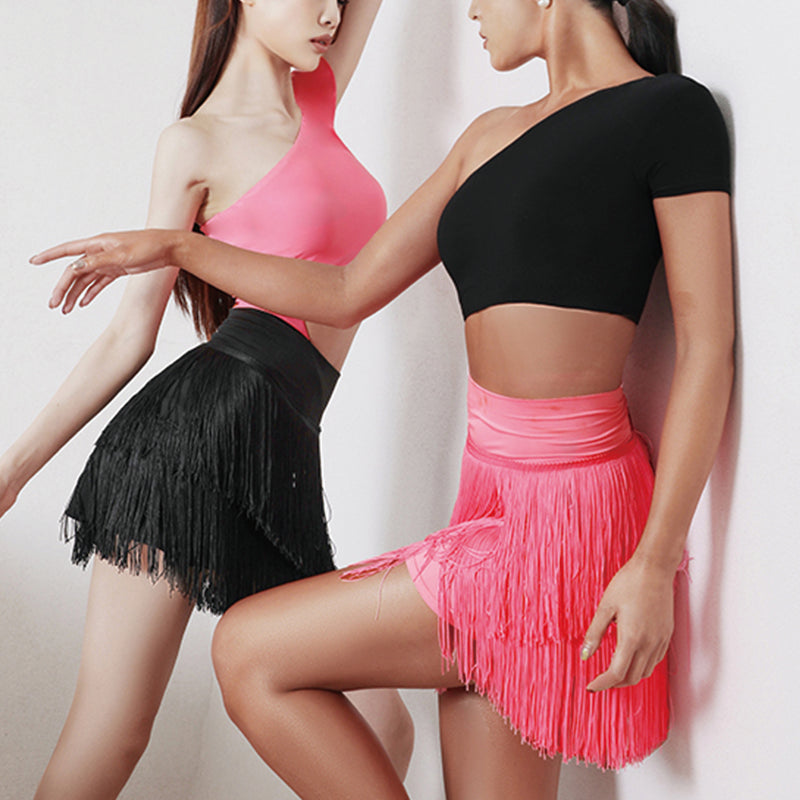
If you choose a skirt with fringe, ruffles, or multiple layers, remember that these details may affect how the skirt moves during turns.
Browse our Dance Skirts Collection for Latin and ballroom-inspired styles.
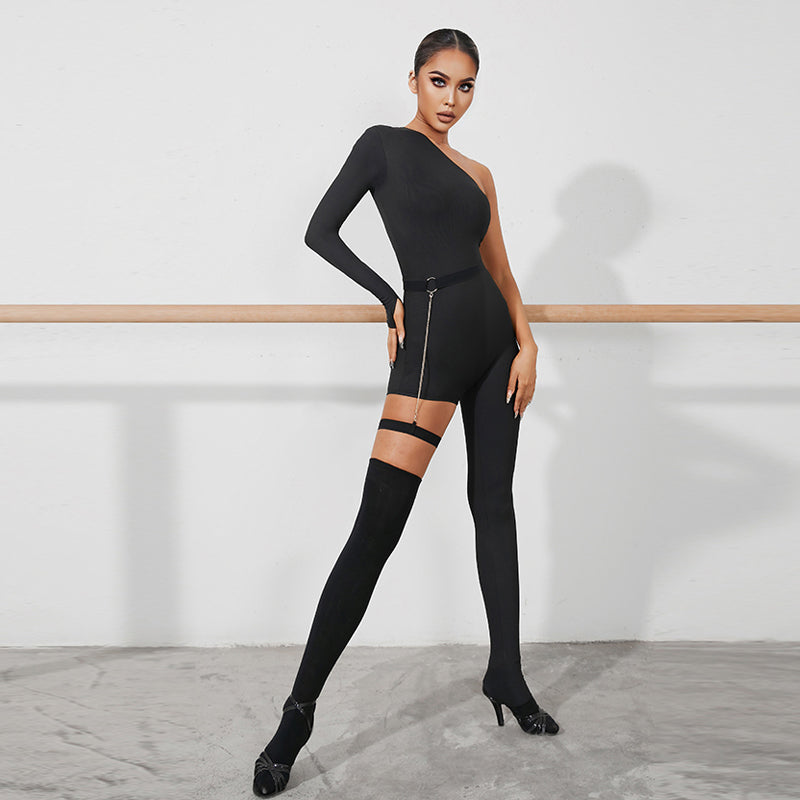
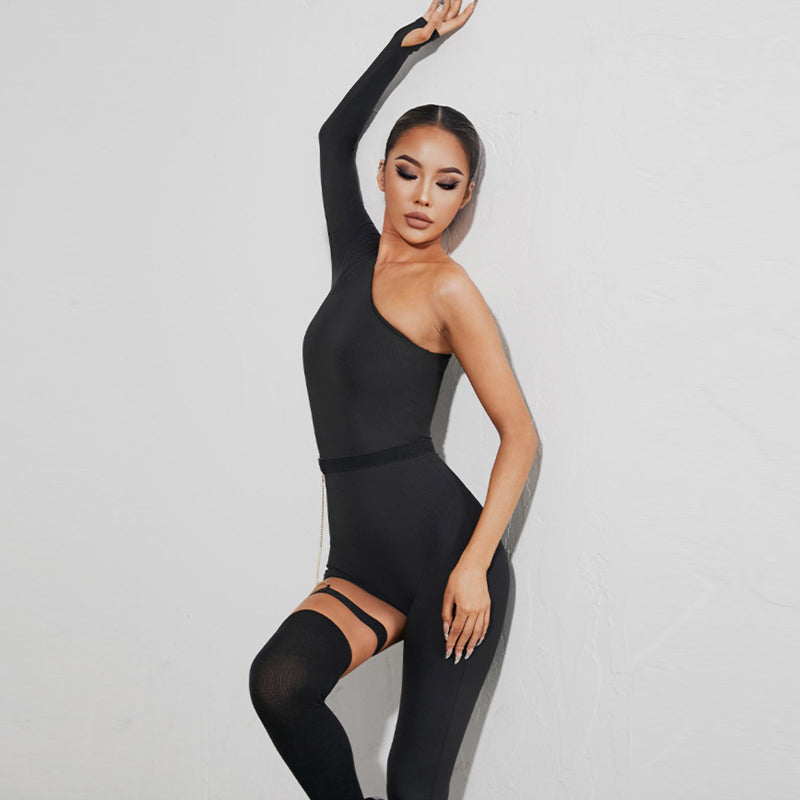
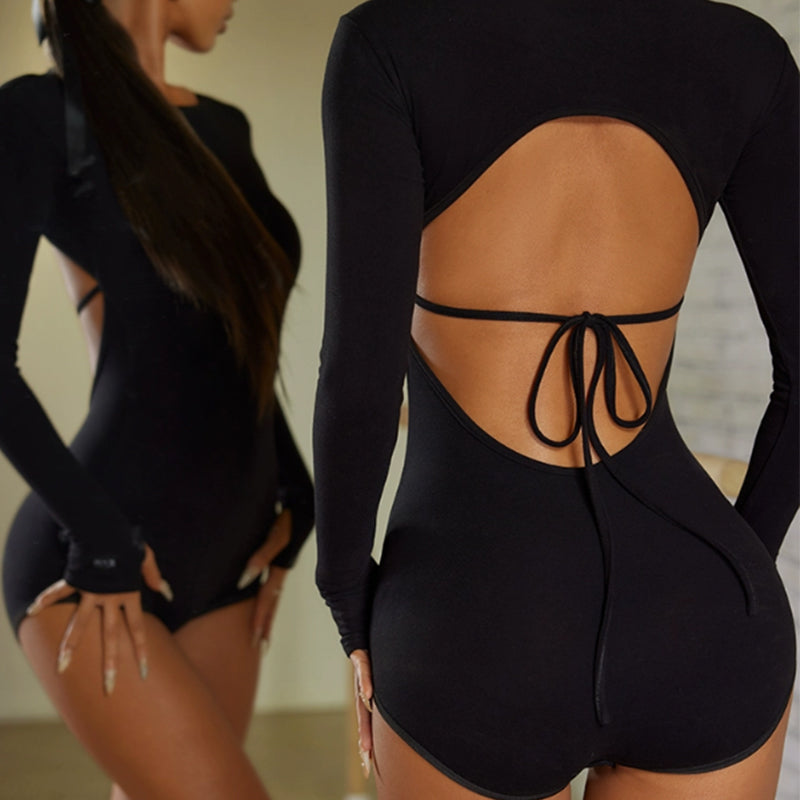
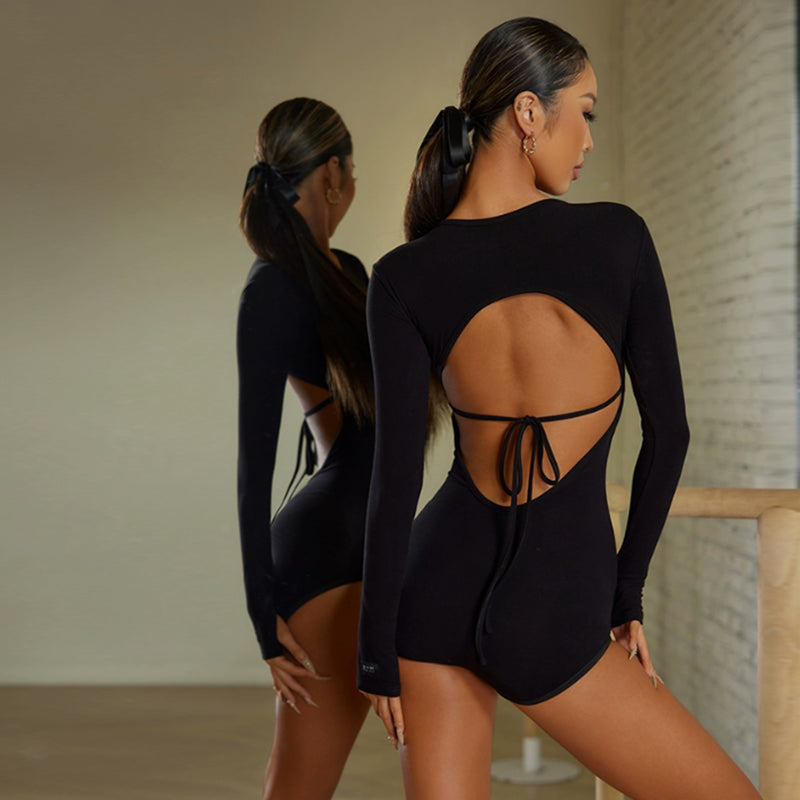
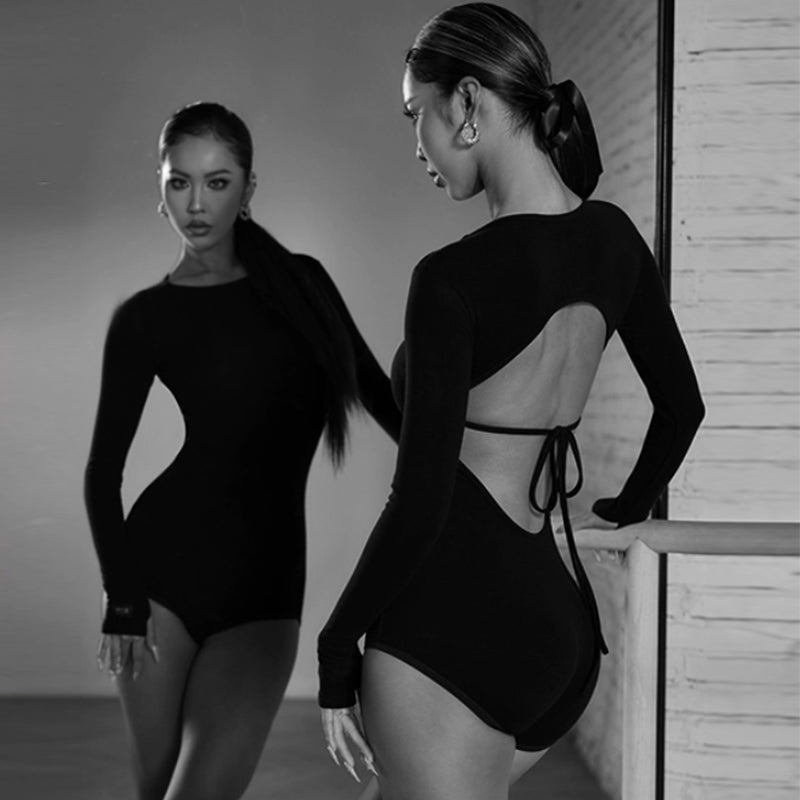
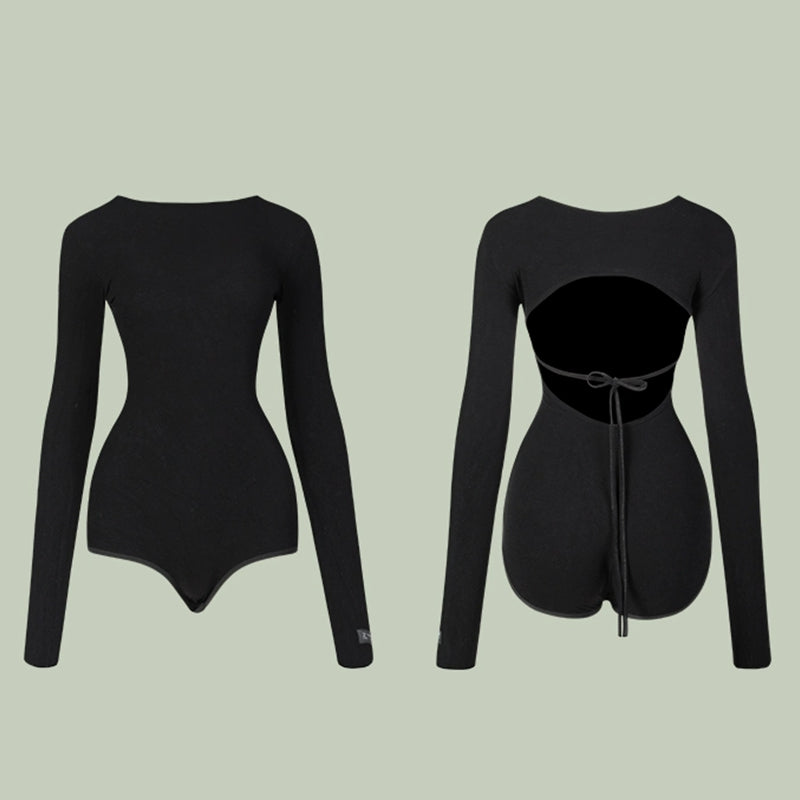
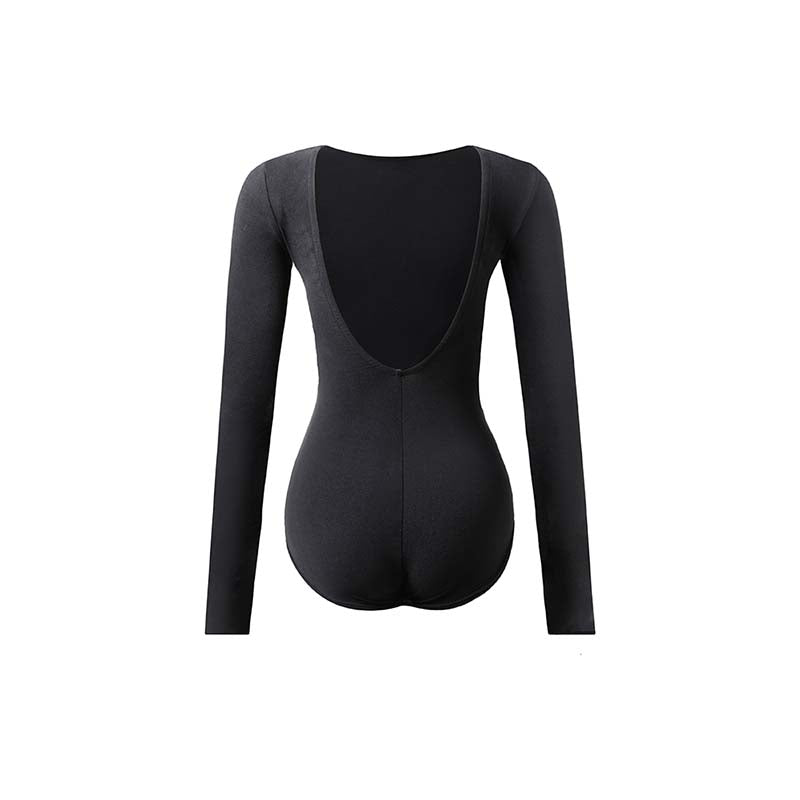
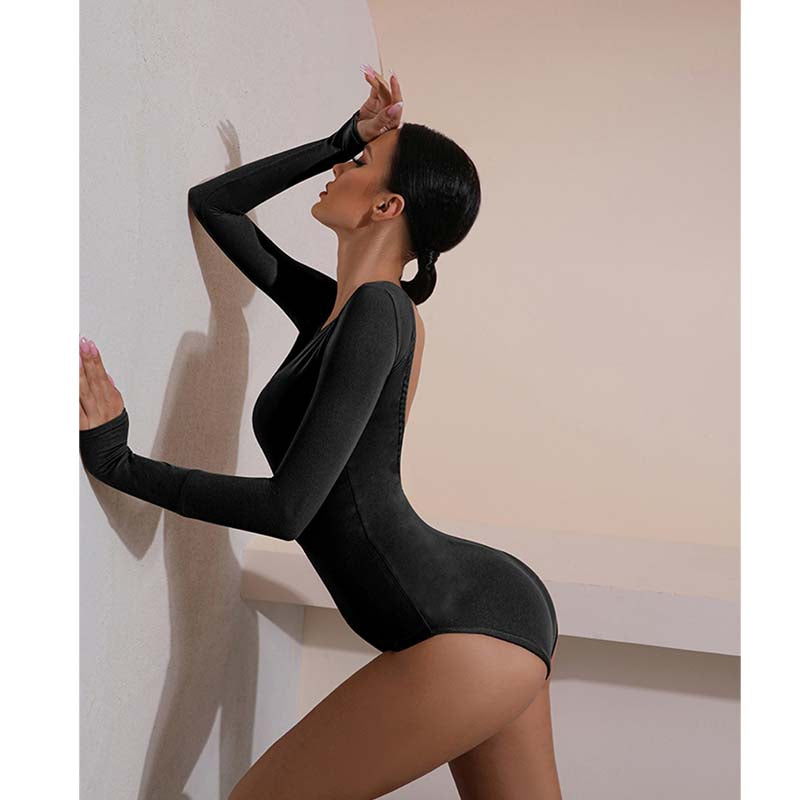
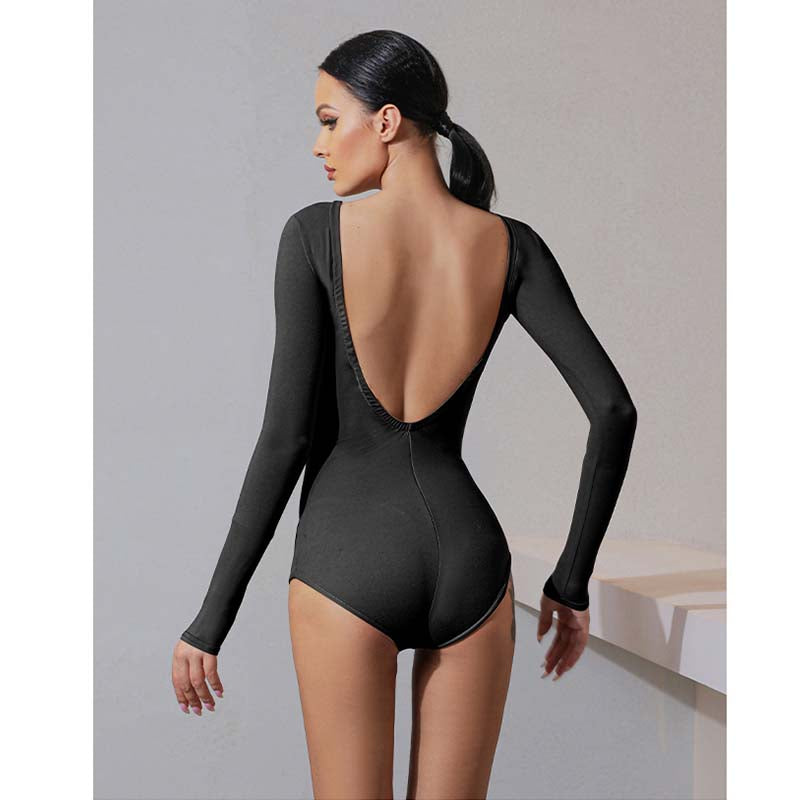
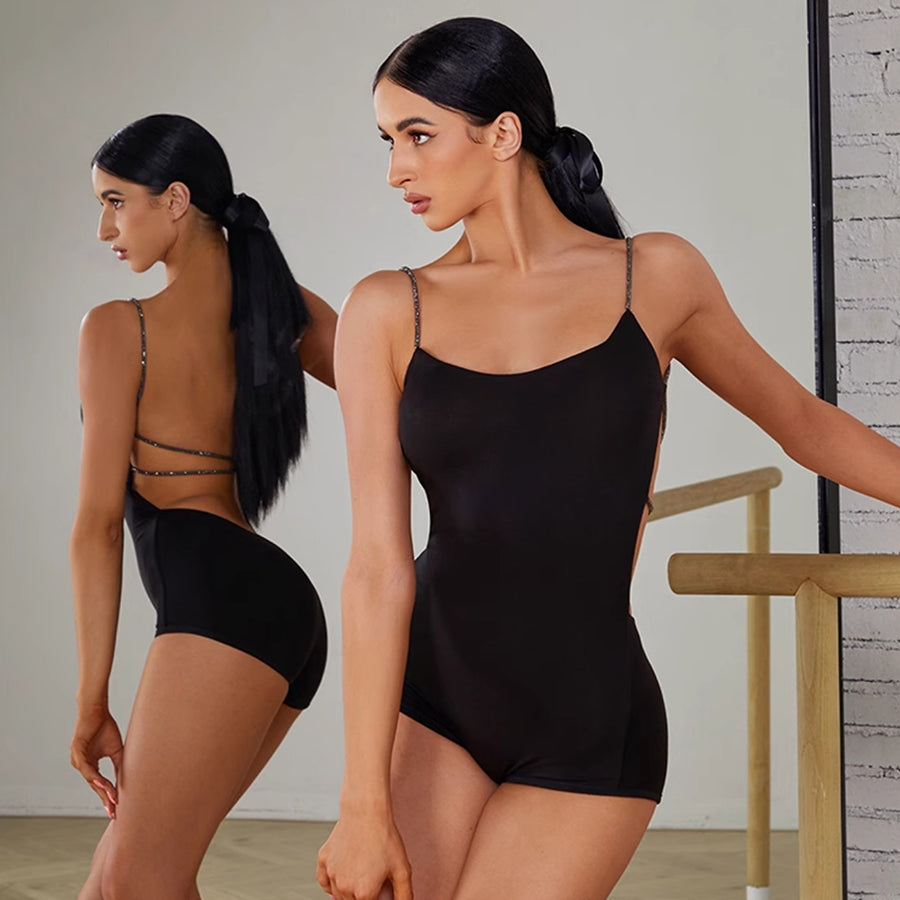
Dance Tops and Bodysuits

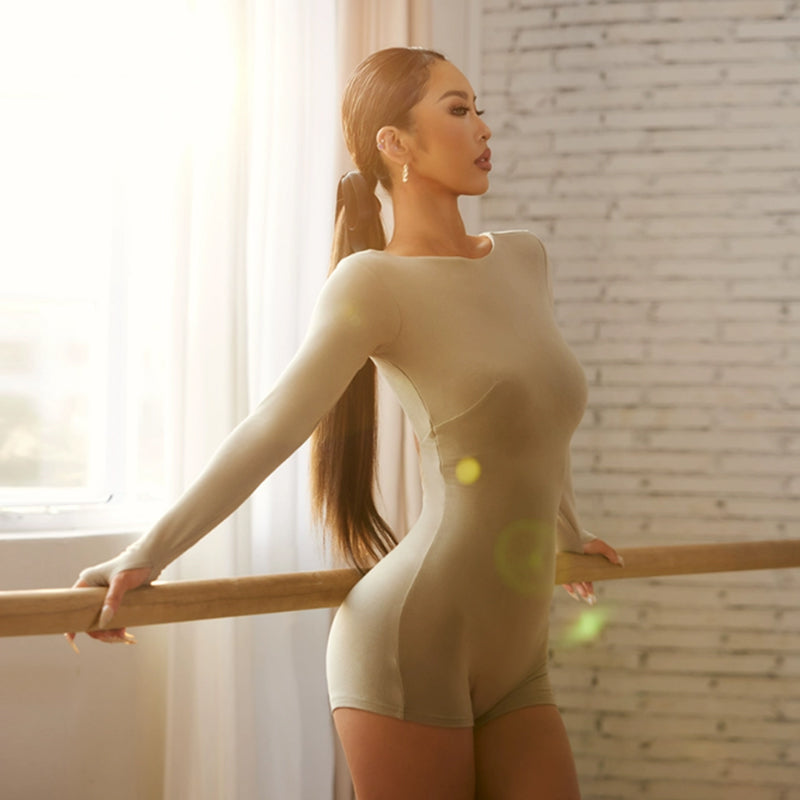
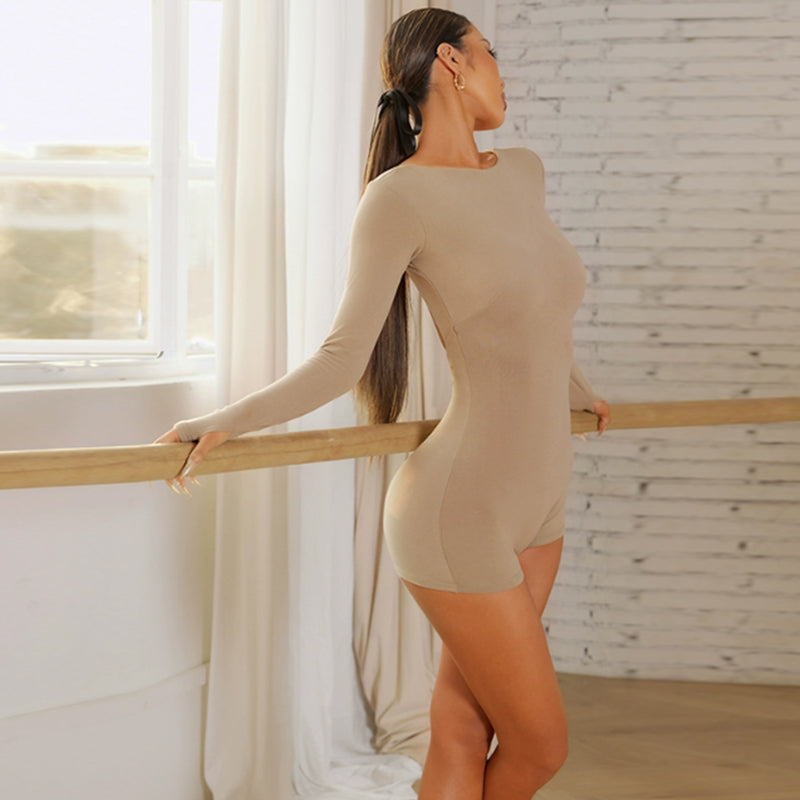
Dance tops should allow comfortable movement through the shoulders, arms, and upper body.
When checking the fit, raise your arms, rotate your shoulders, and gently twist your torso.
The garment should stay comfortably in place without pulling excessively across the chest, back, or underarms.
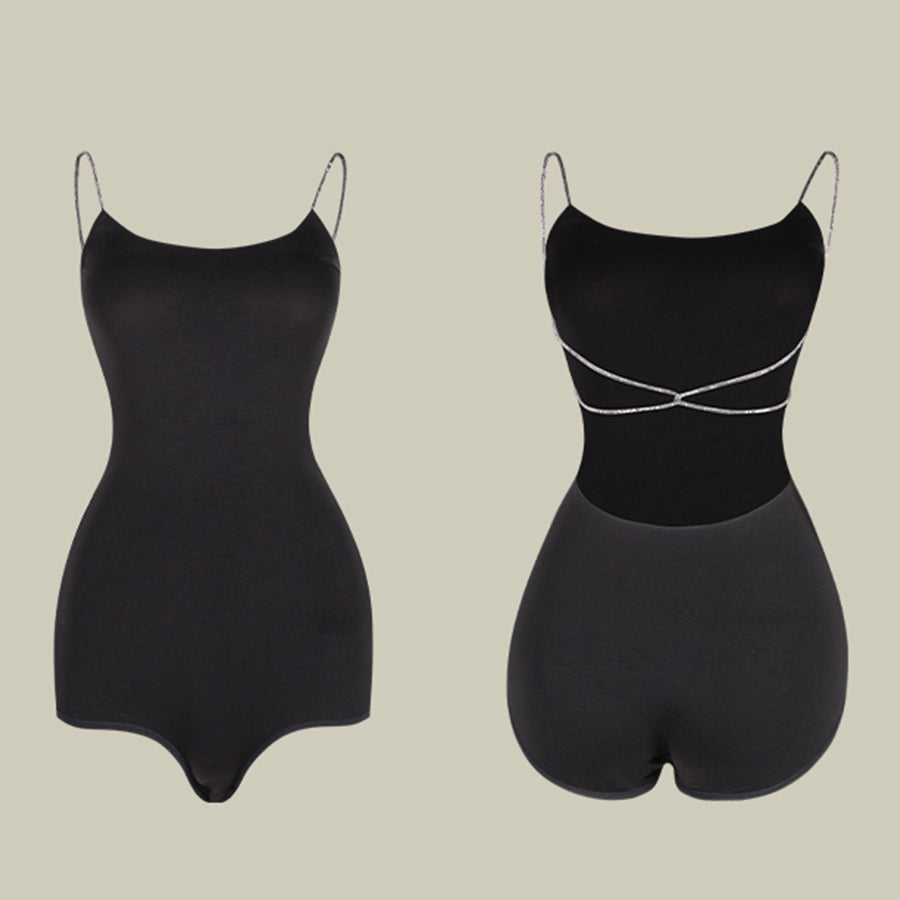
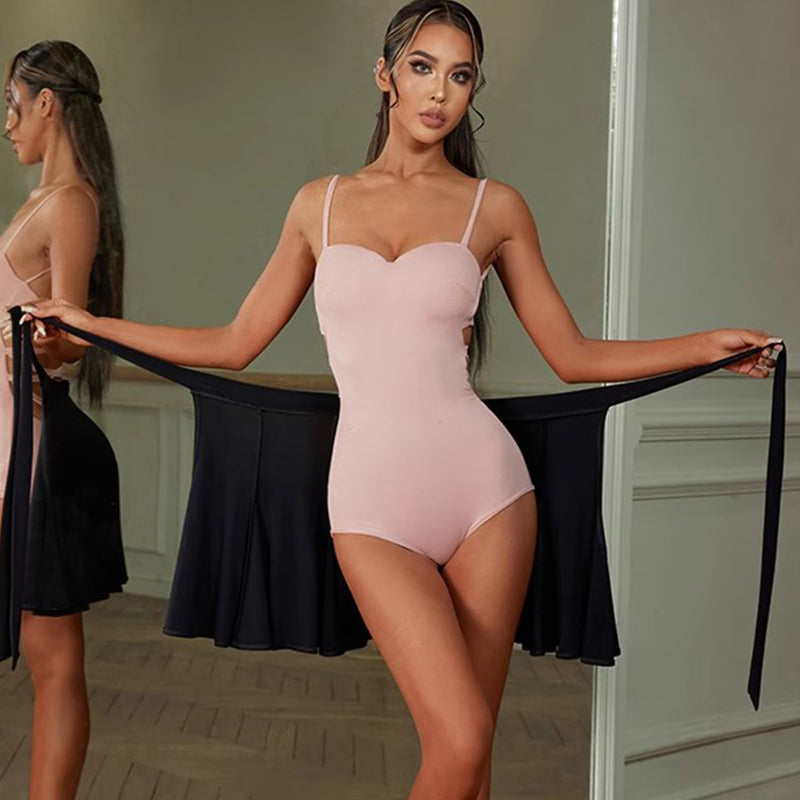
For bodysuits and leotards, torso length is especially important. If the garment feels as though it is pulling downward at the shoulders or crotch, the issue may be its length rather than its width.
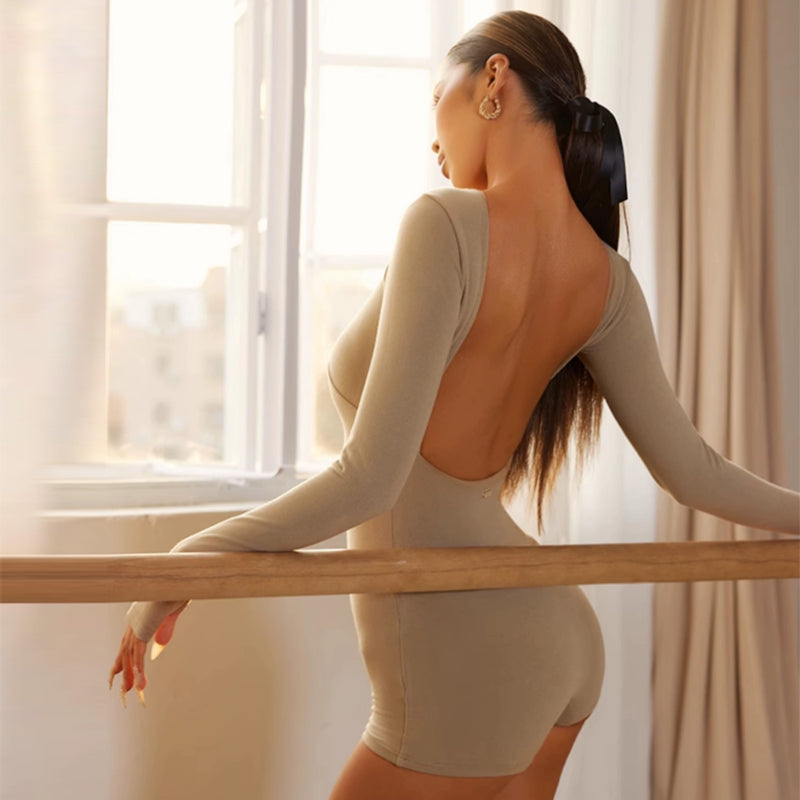
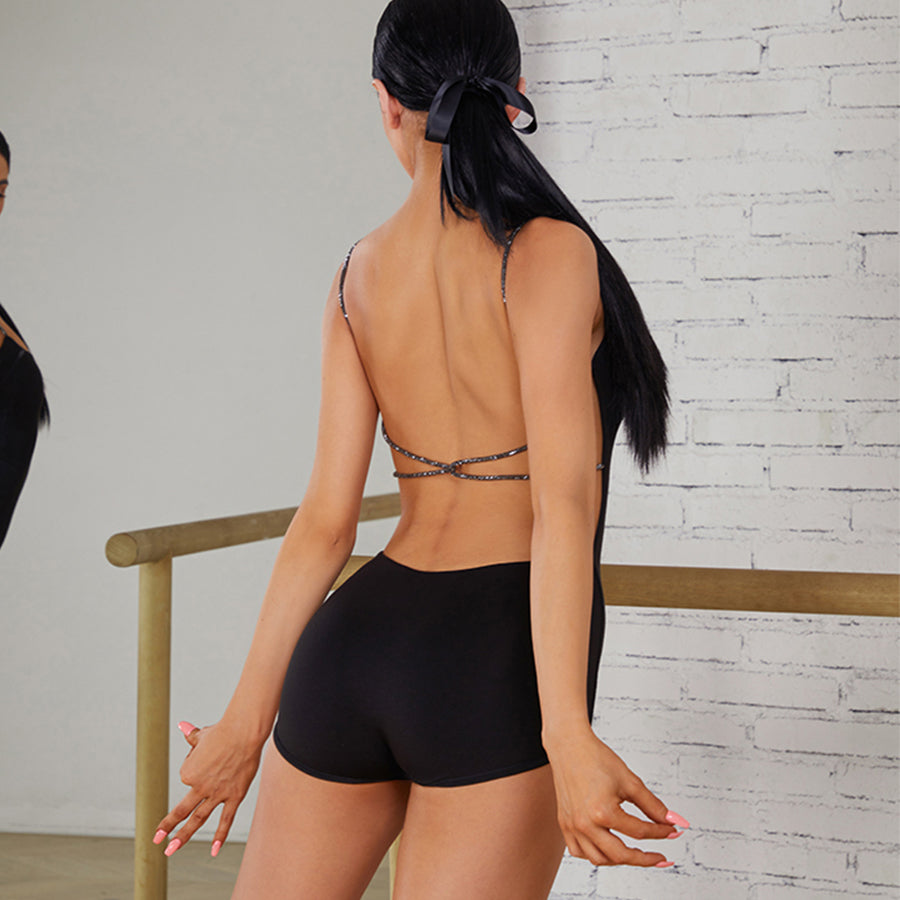
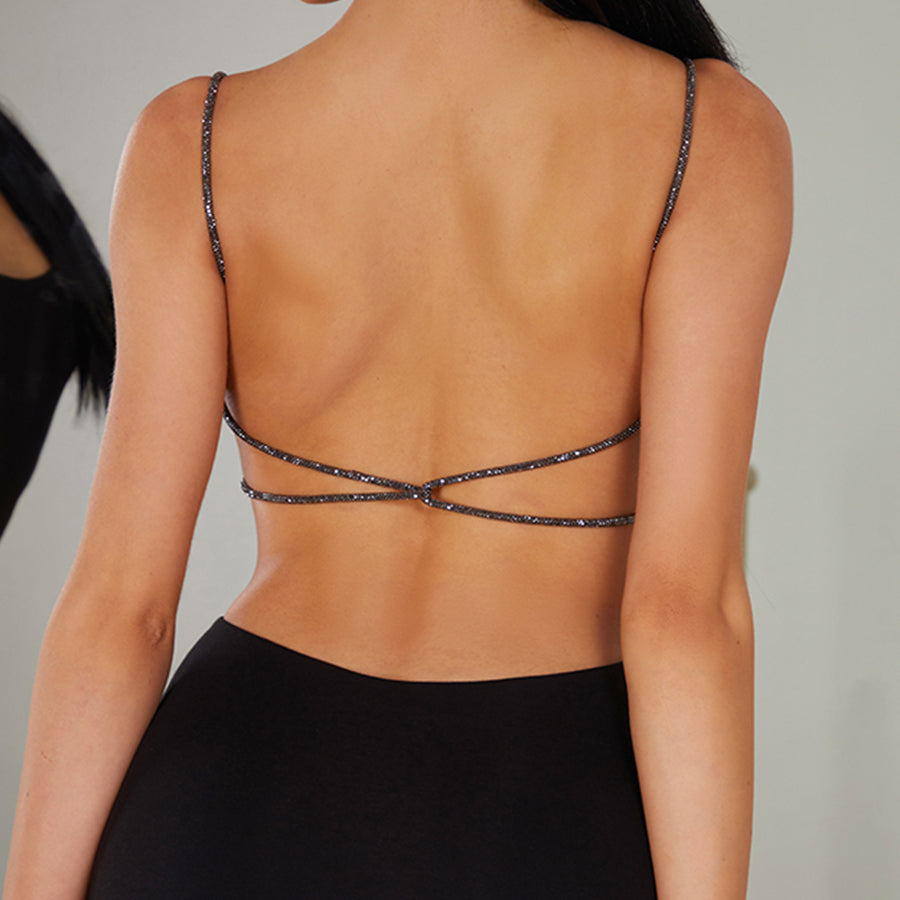
Necklines, sleeve openings, straps, and backless designs should also feel secure without pinching or slipping.
Explore our Latin Dancewear Collection to find dance tops, bodysuits, and other styles for training and performance.
Dance Pants

Dance pants should provide enough room for steps, leg extensions, bends, and turns.
For high-waisted dance pants, check that the waistband stays in place without digging into your waist.
For wide-leg styles, make sure the inseam and hem length work with your intended footwear and dance movements.
For fitted pants, check that the fabric stretches comfortably without excessive pulling or transparency.
Explore our Dance Pants and Skirts Collection for different silhouettes and practice styles.
5. Choose Dancewear Based on Your Dance Style
Your dance style can influence the type of fit you need.
Latin Dancewear
Latin dance styles often involve quick steps, turns, hip action, and expressive body movements.
Look for Latin dancewear that stays securely in place while allowing your hips, shoulders, and legs to move freely.
Fitted bodices, flexible fabrics, and skirts designed for movement can all contribute to a comfortable performance outfit.
Ballroom Dancewear
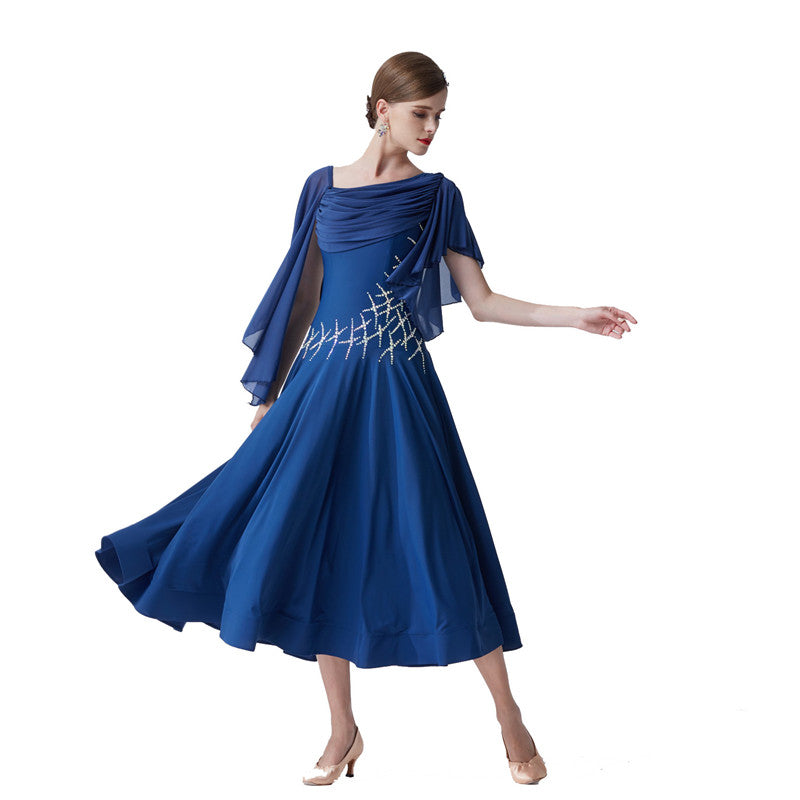
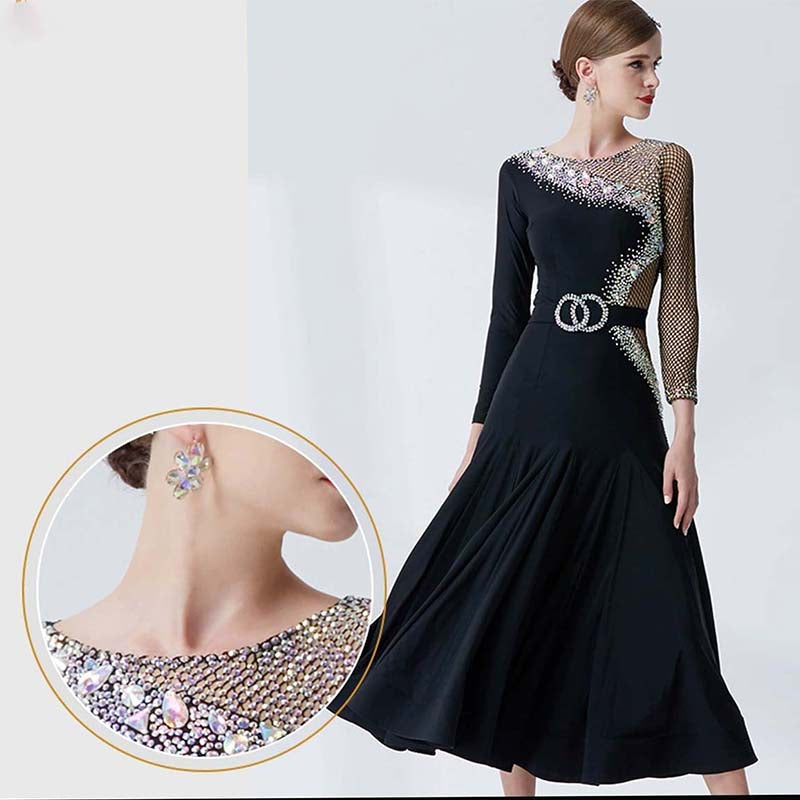
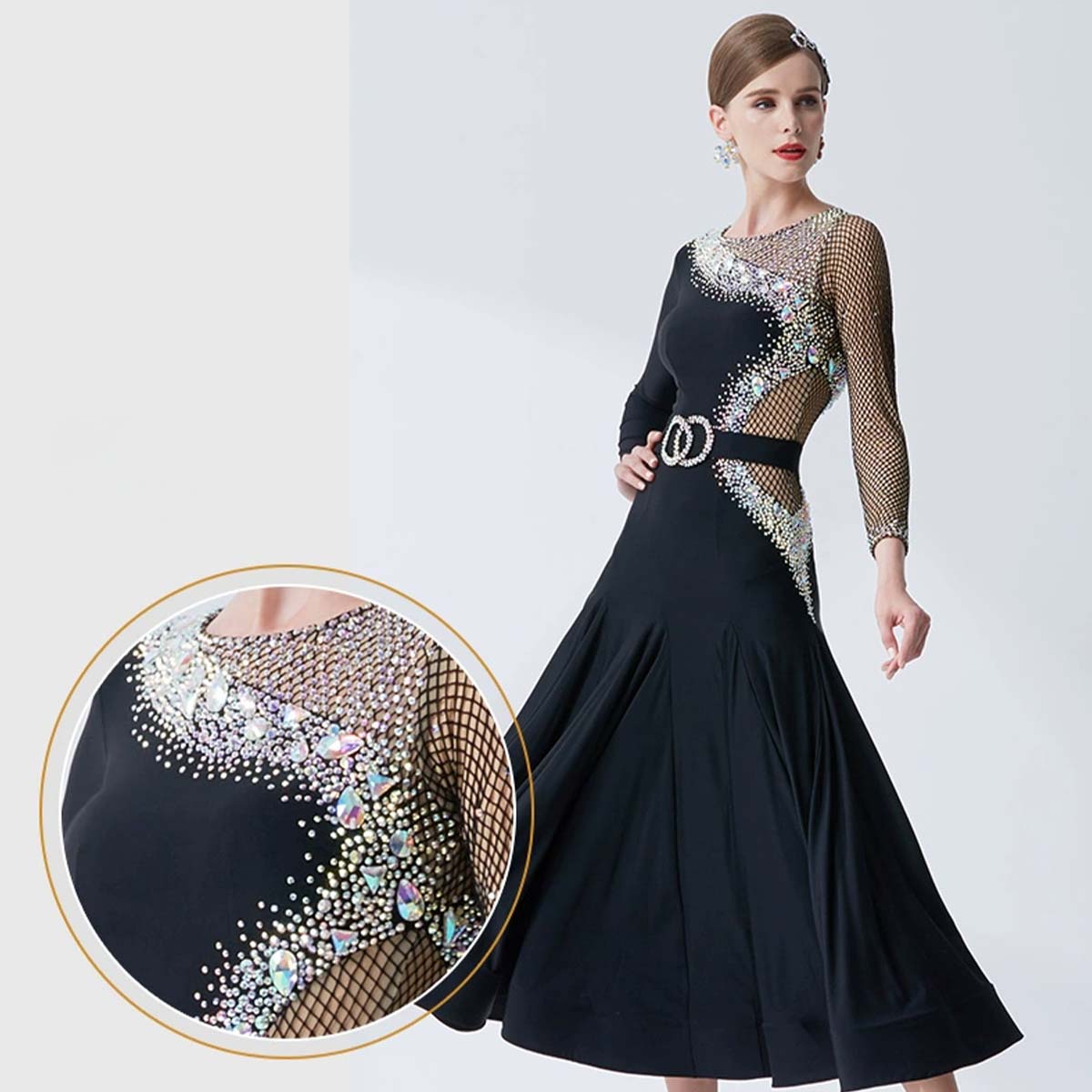
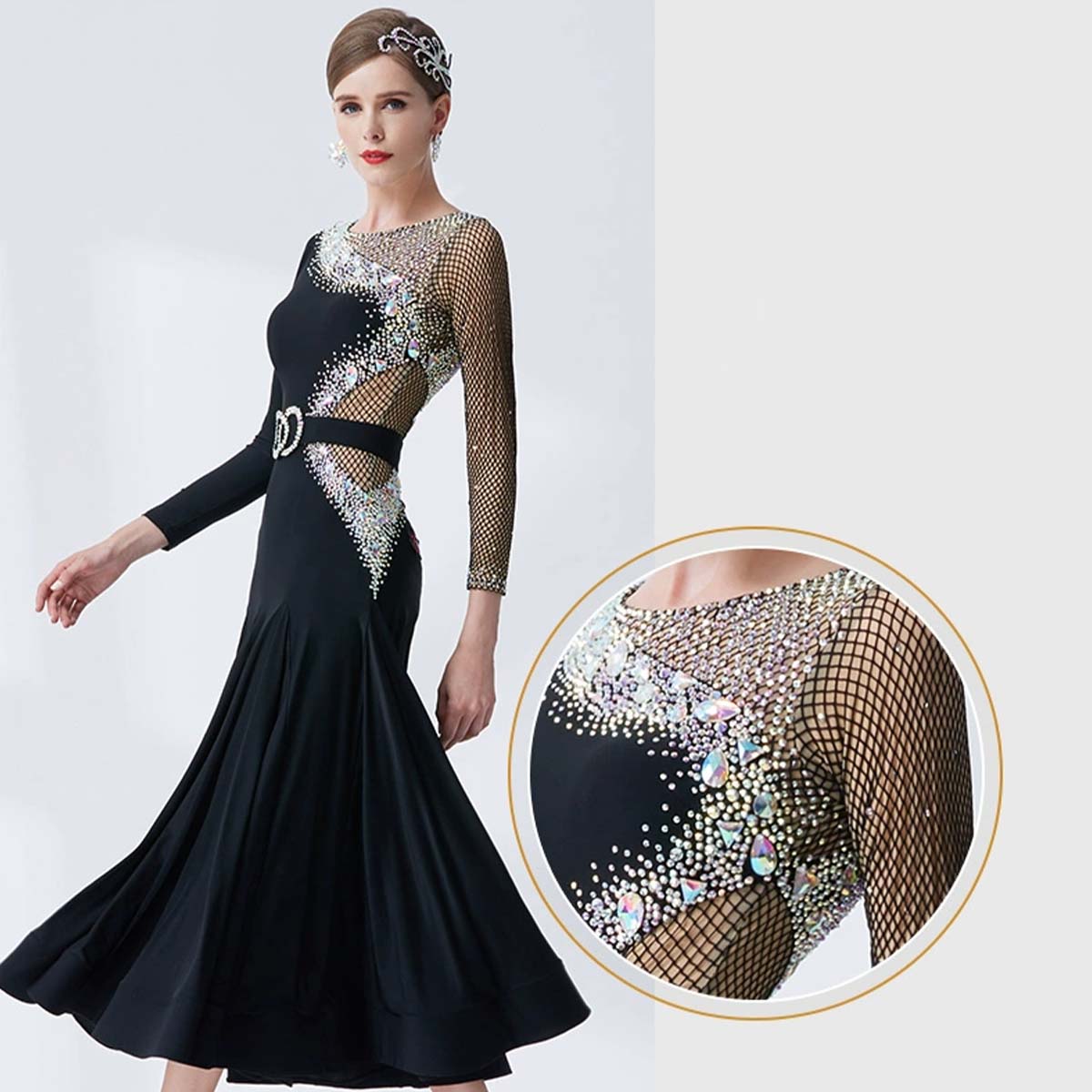
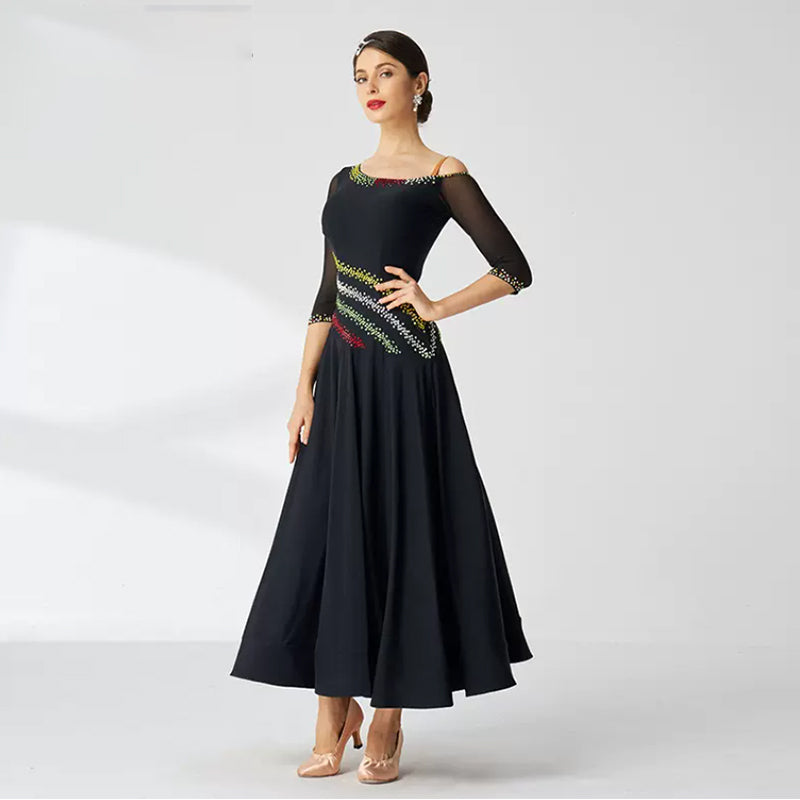
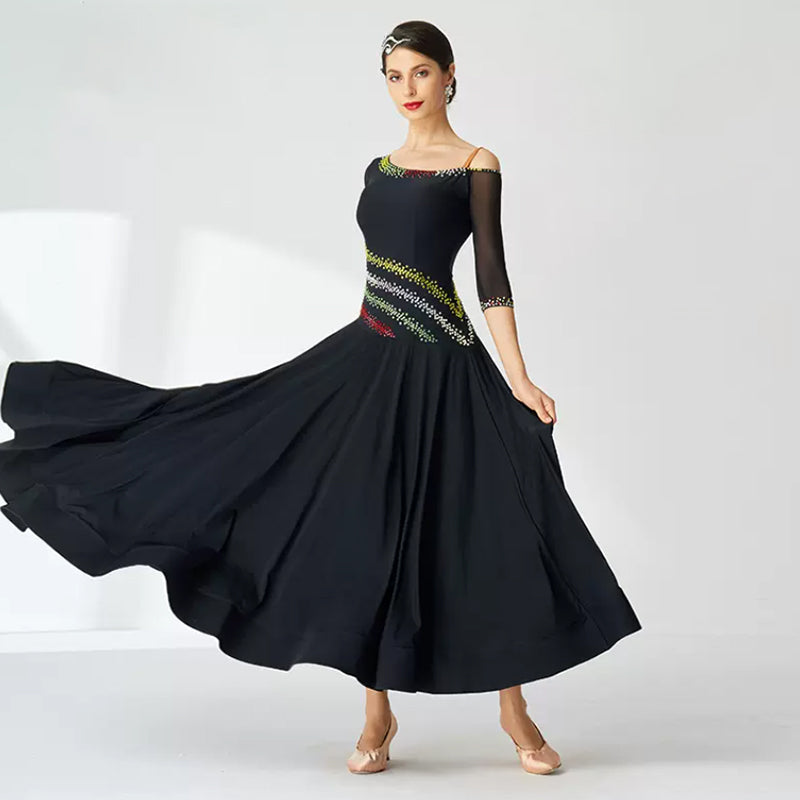
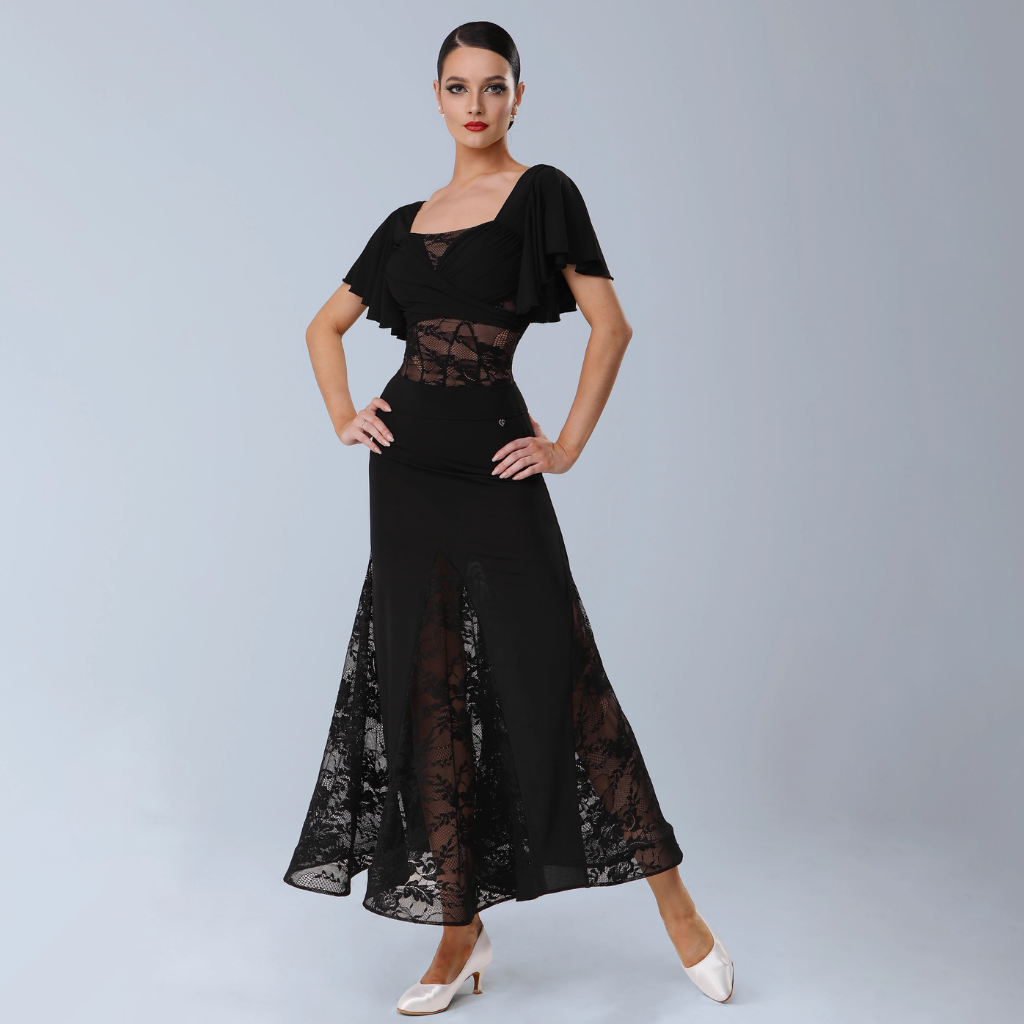
Ballroom dancewear often features flowing skirts, elegant dresses, and silhouettes designed to move beautifully across the dance floor.
Pay attention to shoulder comfort, bodice support, skirt length, and the way the garment moves when you walk and turn.
A dress that looks beautiful while standing still should also allow you to take full steps and move comfortably with a partner.
Dance Practice Wear
For regular lessons and rehearsals, comfort and freedom of movement are especially important.
Choose dance tops, bodysuits, pants, and skirts that allow you to stretch and repeat movements without constantly readjusting your clothing.
If you attend long practice sessions, consider how the fabric feels against your skin and whether the garment remains comfortable throughout your training.
At Danceandsway, you can explore a variety of dancewear styles for different dance activities and personal preferences.
6. What to Do If You're Between Two Sizes
It's common for measurements to fall between two sizes on a chart.
When that happens, don't automatically size up or down. Instead, consider the garment's construction and the measurements that matter most.
For fitted or stretch dancewear: Check the product's sizing recommendations and fabric composition. Some designs are intended to fit close to the body, but the garment should not cause painful pressure or restrict movement.
For structured garments: Pay particular attention to areas with limited stretch, including closures, waistbands, and fitted bodices.
For one-piece dancewear: Consider torso length as well as bust and hip measurements. A garment can fit comfortably in width but still feel too short through the body.
For skirts and pants: Prioritize the waist and hip measurements, then check the length and intended silhouette.
If the product page doesn't provide enough information to make a confident decision, contact the retailer for clarification before ordering.
7. How to Check the Fit When Your Dancewear Arrives
Once your order arrives, take a few minutes to check the fit before wearing the garment for a full class or performance.
Try it on according to the product's care and fitting instructions, then test a few movements relevant to your dance style.
Try These Simple Movement Tests
-
Raise and lower your arms to check the shoulders and sleeves.
-
Bend your knees and take a few steps to test comfort through the hips.
-
Gently twist your torso to see whether the garment pulls or shifts.
-
Walk and turn to check that skirts and dresses move comfortably.
-
Check that waistbands, straps, and closures remain secure.
Look for signs that the garment may not fit correctly, such as persistent pulling, uncomfortable pressure, unwanted gaps, slipping straps, or seams that appear excessively strained.
Dancewear should feel secure without restricting your movement.
Always follow the retailer's return and exchange policy, and keep tags and packaging intact while checking the fit.
8. Common Mistakes to Avoid When Buying Dancewear Online
Even experienced dancers can make sizing mistakes when shopping online.
Here are some common issues to watch out for.
Choosing a size based only on habit. Your usual everyday clothing size may not correspond to the best size for a particular dancewear design.
Skipping the size chart. Measurements and sizing recommendations are more useful than assumptions based on a letter size alone.
Ignoring torso length. This is especially important for bodysuits and leotards, where length can affect comfort even when the bust and hips fit well.
Assuming every stretch fabric fits the same way. Different materials have different levels of stretch, recovery, and support.
Forgetting about movement. A garment may look perfect in front of a mirror but feel restrictive during turns, stretches, or leg extensions.
Overlooking product details. Straps, closures, waistbands, lining, and embellishments can all affect comfort and fit.
Taking a little extra time to review these details can help you make a more informed purchase.
9. Frequently Asked Questions About Dancewear Sizing
How do I find the right size when buying dancewear online?
Start by measuring your bust, waist, and hips. For bodysuits, also consider torso girth, and for pants, check the inseam. Compare your measurements with the specific product's size chart and read the product description for fit and fabric information.
Should I size up when buying dancewear?
Not necessarily. The best size depends on the garment's design, fabric stretch, and your measurements. Follow the product's sizing guidance and avoid choosing a larger size solely for comfort if it could cause the garment to slip or lose its intended fit.
How tight should dancewear be?
Dancewear should generally fit securely while allowing comfortable movement. Fitted styles may sit close to the body, but they should not cause pain, excessive pulling, or restricted breathing and movement.
How do I measure myself for a dance bodysuit?
Measure your bust, natural waist, and hips, then check the garment's torso or girth requirements if provided. Girth is particularly useful because it helps assess whether a one-piece garment has enough length through the body.
What should I look for when buying a Latin dance dress online?
Check the bust, waist, and hip measurements, as well as the dress length, straps, fabric stretch, and decorative details. Make sure the design allows comfortable hip movement, turns, and steps without slipping or pulling.
Can I use my regular clothing size as a guide?
Your regular clothing size can be a starting point, but it should not replace the product's size chart. Dancewear sizing can vary with the brand, fabric, and intended silhouette.
What if I'm still unsure which size to order?
Review the product's sizing information and compare it with your latest measurements. If the correct size is still unclear, contact the retailer before purchasing and ask for guidance on the specific garment.
Final Thoughts: Shop for Dancewear with Confidence
Finding the right fit when buying dancewear online doesn't have to be complicated.
By taking accurate measurements, checking each product's size chart, understanding fabric stretch, and considering the movements required by your dance style, you can make more confident choices.
Whether you're shopping for a Latin dance dress, a flowing ballroom skirt, a fitted dance top, or comfortable practice pants, the right fit should help you feel comfortable, secure, and ready to move.
At Danceandsway, you can explore a variety of dancewear styles designed for different preferences and dancing needs.
Take your measurements, find the style that suits you, and discover your next dance outfit at Danceandsway.